







Search Results for: extraction flavor
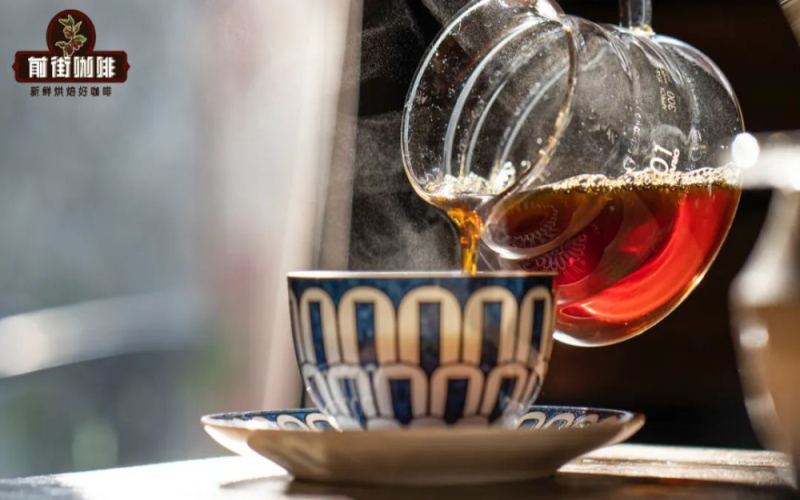
How to Judge the Extraction State of Pour-Over and Espresso Coffee Through Flavor: Analyzing the Tastes of Under-Extraction and Over-Extraction
When brewing coffee, under-extraction or over-extraction will both bring unpleasant flavors. Starting from the golden cup extraction standard, this article explains the origin of the 18%–22% extraction yield, and details how to judge whether coffee is under-extracted or over-extracted by tasting sour, sweet, bitter, and other flavor expressions. At the same time, for common extraction problems in home brewing, it provides practical suggestions for adjusting grind size, water temperature, and brewing rhythm, helping coffee lovers easily brew a balanced and tasty cup. [more…]
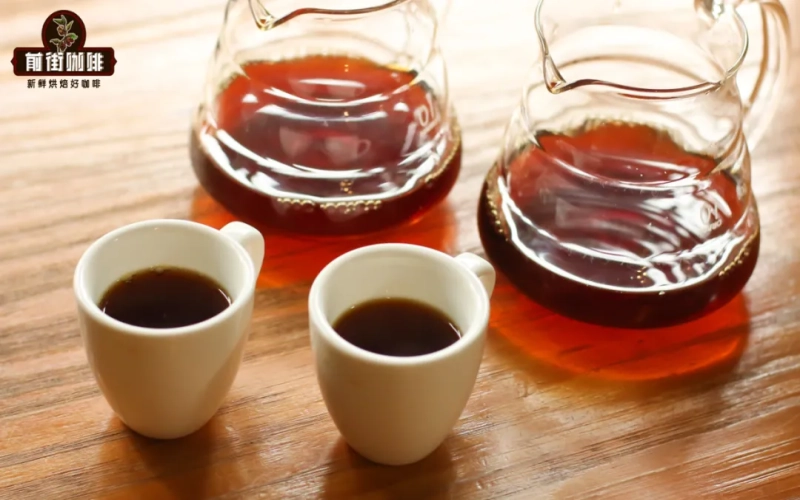
How to tell if coffee is under-extracted or over-extracted? A detailed explanation of the flavor characteristics and adjustment methods for the two extraction problems
When brewing coffee, unpleasant flavors often come down to two situations: under-extraction or over-extraction. Front Street Coffee has found that many beginners can taste that something is off with their coffee but can't pinpoint the problem. This article starts with the definition of the Golden Cup standard, explaining the reference range of an 18%–22% extraction yield, while also pointing out that the Golden Cup is not an absolute standard and that coffee bean quality can affect the results. It then details the three main signs of under-extraction—watery flavor, thin body, and sharp sourness, astringency, and saltiness—as well as the characteristics of over-extraction, such as pronounced bitterness, dryness, and woody off-flavors. Finally, it offers a practical adjustment plan that uses grind size as the variable while keeping water temperature, time, and water amount fixed, helping everyone quickly find the parameters that suit them. [more…]
Filter extraction vs. immersion extraction: how to choose? Determining which brewing system suits a coffee bean based on the rate of flavor release.
The same coffee beans, brewed with a different extraction device, can taste completely different in the cup. Coffee extraction paths can be broadly grouped into two types: percolation and immersion. The most fundamental difference between them lies in the speed at which flavor compounds diffuse into the water. In percolation, because fresh water is continuously poured in and the coffee liquid is drained away, the concentration gradient is large and extraction is fast, which easily amplifies the beans' distinctive aromas. In immersion, the coffee grounds sit still in hot water, so the concentration gradient gradually shrinks and diffusion slows down, allowing the coffee's original character to be presented in a more balanced and complete way. Starting from the principles and combined with an analysis of flavor dissolution concentration, this article will help you judge whether the beans in your hands are better suited to pour-over or siphon, and offer specific selection advice. [more…]

How to Identify Under-Extraction and Over-Extraction in Coffee: Judging Extraction Problems from Sourness, Bitterness, Saltiness, Aftertaste, and Flavor Performance
Judging whether a cup of coffee tastes good varies from person to person, but when it comes to the defective flavors caused by extraction problems, people often reach a consensus. This article, from the perspective of Front Street, introduces the specific taste manifestations of under-extraction and over-extraction. When under-extracted, coffee presents sharp acidity, noticeable saltiness, a lacking finish, and thin flavor; over-extraction, on the other hand, allows bitterness to greatly suppress other flavors. The article also specifically reminds us not to rigidly adhere to the golden cup extraction numbers, because bean quality and processing methods can cause deviations from theory, and ultimately the real sensation on the palate should be the basis for judgment. [more…]
Starting from Flavor and Mouthfeel: How to Judge Whether Pour-Over Extraction Is Proper and Adjust Brewing Parameters
Extraction is the most central yet most easily misunderstood part of coffee brewing. Starting from flavor and mouthfeel, this article systematically sorts out the typical signals of under-extraction and over-extraction, helping you quickly judge the state of a cup of pour-over coffee and adjust parameters accordingly. Under-extraction often shows up as sharp acidity, a lack of sweetness, a salty sensation, and a short finish; over-extraction brings bitterness, dryness, and a hollow feel. Once you understand these clues, you can correct grind, time, and ratio with more direction, bringing the coffee back to a balanced, delicious place. The article also retains product recommendation information related to Front Street Coffee, making it convenient for everyday practice and comparison. [more…]

Analysis of Pour-Over Coffee Extraction States: How to Identify Over-Extraction and Under-Extraction and Adjust Your Brewing Plan
In the world of hand-brewed specialty coffee, the extraction state of a cup directly determines its flavor expression. Some people prefer floral and fruity notes, while others are drawn to dark chocolate and nutty tones, but when faced with astringent sourness or burnt, bitter off-flavors, most people can agree—this cup was not brewed well. Under-extraction, over-extraction, and ideal extraction—these three states correspond to different parameter logics. Starting from the order in which flavor compounds are released, this article will teach you how to judge the extraction situation through clues such as flavor performance, brewing time, and the state of the coffee bed, and offer adjustment approaches for different scenarios including light roasts, dark roasts, and excessive fines, helping you more precisely master every cup of pour-over. [more…]

Can Espresso Be Extracted Twice After an Interrupted Shot? Testing the Impact of Split Extraction on Flavor and Strength
If you mistakenly press the stop button during espresso extraction before reaching the target yield, can you simply press it again to continue extraction? This article compares three espressos—normal extraction, mid-extraction stop-start, and stop-start near the final phase—to analyze how segmented extraction affects the color, flavor, and concentration of the coffee liquid. Front Street Coffee uses the Warm Sun blend, testing with 20g of grounds extracted to 40ml at a 1:2 brew ratio, to reveal why under pressurized extraction, changes in the puck structure cause an overly fast flow rate and under-extraction during a second extraction, along with operational recommendations. [more…]

Why Does Coffee Over-Extract? A Breakdown of Pour-Over Extraction Parameters: How Water Temperature and Grind Size Affect Brewing
In the world of pour-over coffee, over-extraction is a topic every enthusiast inevitably encounters. Off-flavors, burnt bitterness, and astringency—these unpleasant taste experiences are often blamed on over-extraction. But not all negative flavors stem from over-extraction—coffee that is too strong can also bring a bitter, intense sensation. So what exactly is true over-extraction? Is the 22% extraction ceiling given by the Golden Cup extraction theory absolute? And how do pour-over parameters like water temperature and grind size shape the final flavor direction? This article will break down the causes of over-extraction and the underlying logic of pour-over extraction one by one, helping you control every cup of coffee more precisely. [more…]
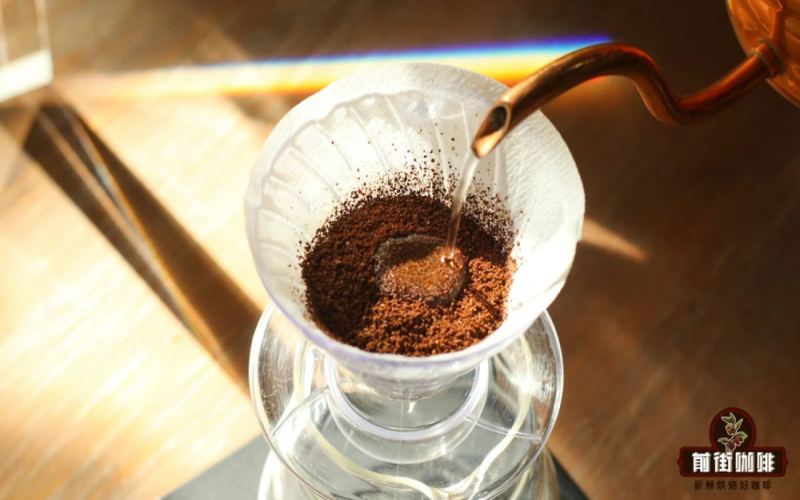
A Detailed Guide to Coffee Extraction Imbalance: Causes, Identification Methods, and Specific Flavor Impacts of Over-Extraction and Under-Extraction
Extraction is the core process behind coffee flavor. Not all soluble compounds in coffee beans are pleasant, and the degree of extraction directly determines what ends up in the cup. Over-extraction releases too many large-molecule substances, bringing bitterness, astringency, and off-flavors; common causes include excessively long contact time, water temperature that is too high, or grinding that is too fine. Under-extraction, by contrast, occurs because flavor compounds are not dissolved sufficiently, resulting in a thin body, prominent bitterness, and imbalance; it is mostly associated with grinding that is too coarse, water temperature that is too low, or a brew ratio that is too high. This article systematically sorts out the definitions, causes, and diagnostic methods for both, and, in combination with specific products under Front Street Coffee such as Mandheling, Queen Estate, Blue Mountain, Huakui, Green Label Geisha, and Kenya Little Tomato, explains reasonable brewing parameters for medium-dark and medium-light roasted beans to help enthusiasts adjust extraction precisely. [more…]
Espresso Extraction Adjustment Guide: Americano Time Control and Iced Americano Flavor Analysis
When brewing espresso, have you ever encountered this dilemma: you extract a cup full of anticipation, only to find it piercingly sour or bitter and astringent on the first sip? Many friends who make espresso at home know this all too well—the battle of dialing in espresso is far more complicated than imagined. Yesterday the flavor was still satisfying, but today it has completely changed. Is there a way to quickly get the espresso taste back on track while minimizing coffee bean waste? This article will focus on several core points of espresso extraction, including how to choose stable espresso beans, why coffee beans change flavor, how to fine-tune the extraction ratio and dose, when to adjust the grind size, and the extraction time for Americano as well as the taste characteristics of iced Americano, helping you quickly master the adjustment logic and consistently produce a delicious Americano or latte at home. [more…]
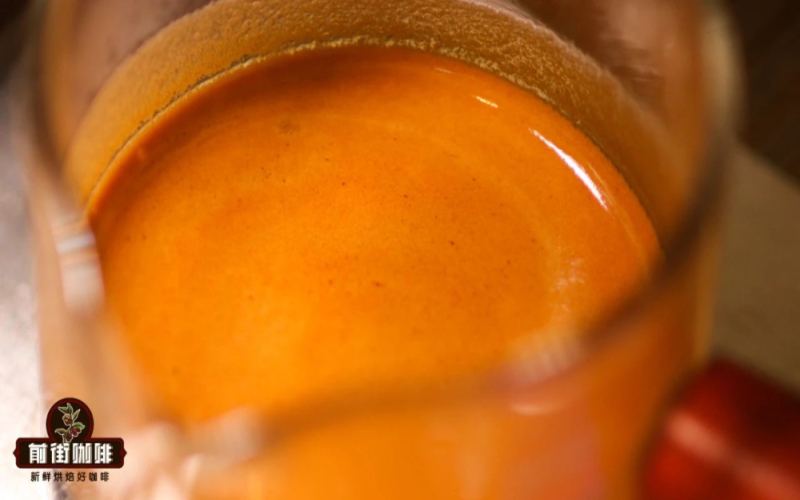
What exactly does a long-shot espresso refer to? An in-depth analysis of the extraction differences and flavor performance between long and short shots.
In coffee shops, Americanos, lattes, and cappuccinos are everywhere, but do you truly understand what espresso means? Does simply adding more water give you espresso? Today, Front Street Coffee will explain in detail the definition of espresso and the difference between long shots and regular extraction. The article will cover the broad and narrow concepts of espresso, the operational key points and flavor characteristics of Ristretto and Lungo, and will also explain how extraction flow rate affects taste, the specific manifestations of under-extraction and over-extraction, as well as new explorations of long extraction methods in the specialty coffee field in recent years. Whether you are a beginner just getting into Italian-style coffee or an enthusiast hoping to refine your extraction technique, this content can help you understand the extraction logic of Italian-style coffee more systematically. [more…]
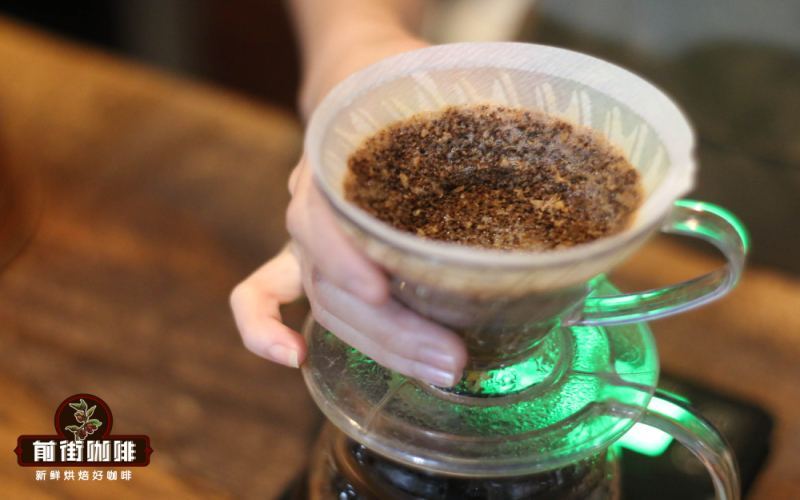
How Do Over-Extraction and Under-Extraction Change Coffee Flavor? A Detailed Explanation of the Effects of Pour-Over Grind Size and Coffee-to-Water Ratio
The key to a delicious cup of coffee lies in precisely controlling the extraction rate. About 30% of the soluble flavor compounds in coffee beans are extractable, but only 18% to 22% of them are truly pleasant. Over-extraction lets bitterness mask the acidity and sweetness, while under-extraction leaves the cup thin and noticeably watery. The core variables affecting extraction include grind size, water temperature, and pouring technique. This article systematically analyzes the causes and signs of over-extraction and under-extraction, and, drawing on Front Street Coffee's roasting and brewing experience, offers grind-size and water-temperature recommendations for coffee beans of different roast levels, helping coffee lovers consistently reproduce their ideal flavor. [more…]
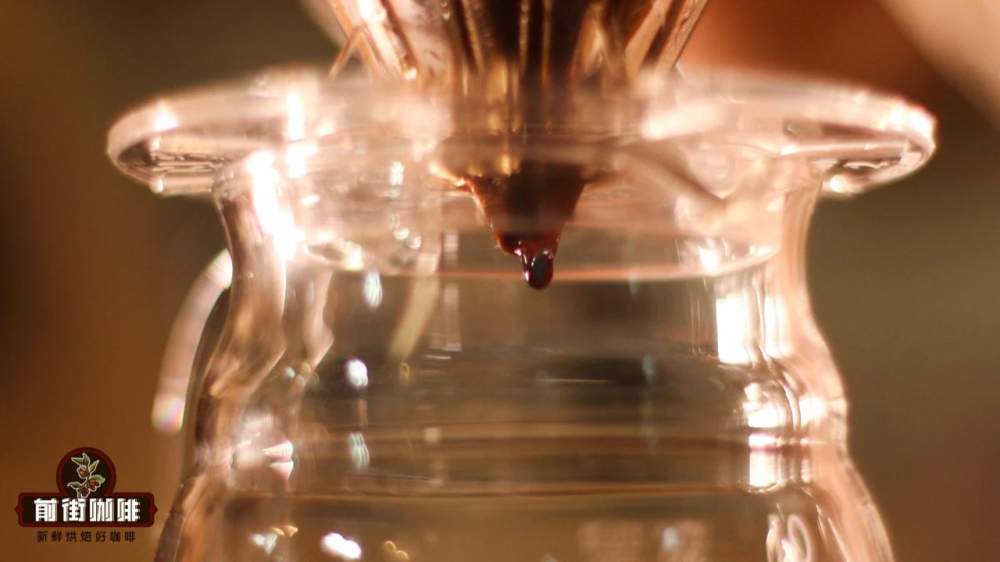
Pour Over Coffee Flavor | What Does High Concentration, Low Extraction Mean in Pour Over Coffee? Which Coffee Beans Are Suitable for High-Concentration, Low-Extraction Brewing?
Here it comes, here it comes. Today Front Street is going to share with you a brewing approach—high concentration, low extraction. This brewing method can minimize the bitterness of the coffee to the greatest extent, bringing the coffee to a nice flavor performance. What is high concentration, low extraction? Front Street will give a brief introduction here; it all still has to start from this "Golden Cup extraction [more…]
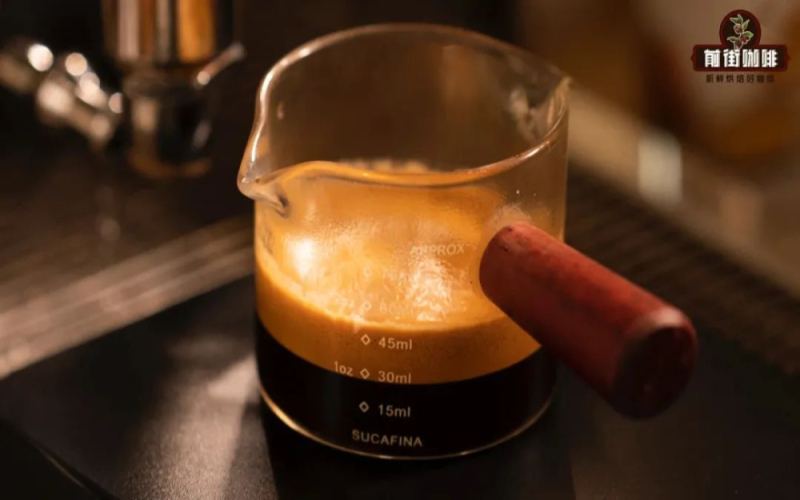
The Critical Role of Espresso Extraction Time: An In-Depth Analysis of Grind Settings and Time Parameters
In the world of coffee extraction, time is a seemingly simple yet extremely critical variable. Different brewing methods have different time requirements, and because espresso has extremely high extraction efficiency, its sensitivity to time far exceeds other methods—even a difference of just 3 seconds can make the flavor in the cup completely different. This article will discuss espresso extraction time, tracing the evolution from the traditional 20–30 second approach to the modern recommended 25–30 second approach, analyzing how time assists in dialing in the grind, judging flavor trends, and verifying extraction stability, and explaining why light-to-medium roasts or large dose scenarios require appropriately extended extraction times. [more…]
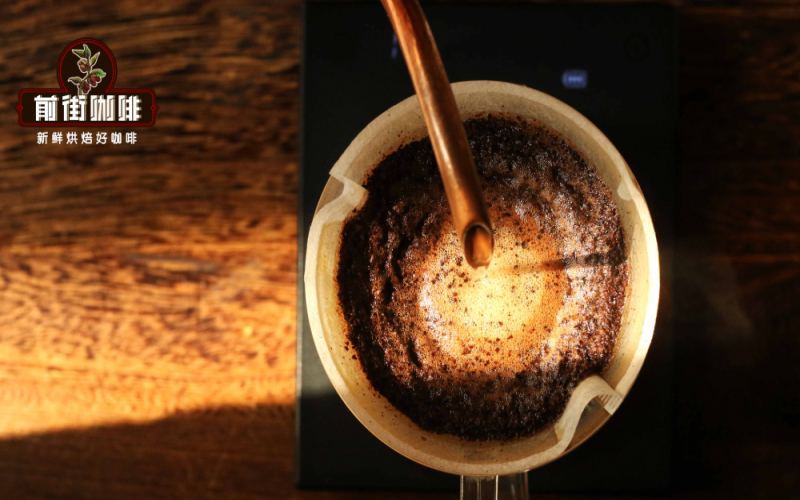
A Complete Analysis of Flavor Imbalance in Pour-Over Coffee: From Under-Extraction to Dilution, a Guide to Precisely Adjusting Weak Flavor
Pour-over coffee tasting thin and watery is a common frustration for many enthusiasts, and even seasoned coffee veterans can slip up. A cup with hollow flavor often stems from two core issues: under-extraction or too low a concentration. The former occurs when deviations in water temperature, grind size, time, and other parameters prevent enough flavor compounds from being released, while the latter happens when too much water dilutes the coffee's strength. Using Front Street Coffee's brewing experience as an example, this article will help you clarify the difference between these two situations and offer specific adjustment plans—from finer grinding and higher water temperature to reduced brew ratios and complementary parameter tweaks—so you can grasp the underlying logic of extraction and quickly identify and fix the problem, whether your coffee is too strong or too weak. [more…]
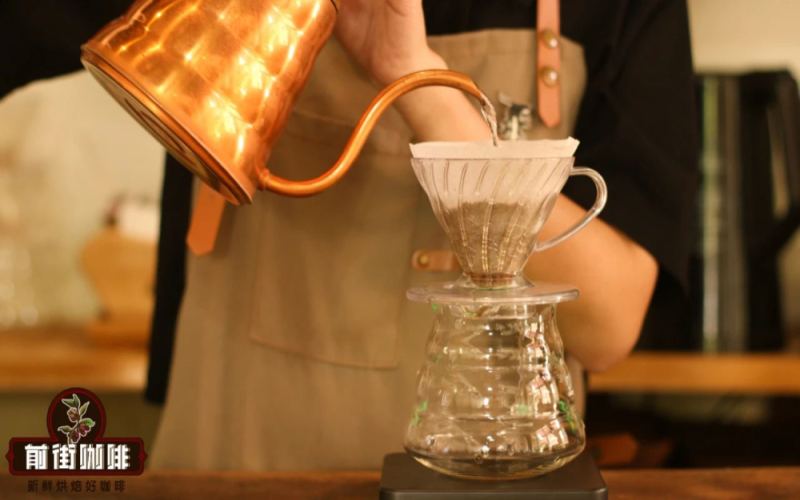
The Complete Guide to Espresso Grind and Extraction Time: From 20 to 30 Seconds, How Coarseness Shapes Espresso Flavor
In espresso preparation, grind size and extraction time are like an inseparable pair, together determining the final flavor direction of the espresso. Starting from the principles of extraction, this article reviews the historical evolution of espresso extraction recipes and current mainstream practices, with a focus on analyzing the applicability differences of the classic 25-to-30-second time window for coffee beans of different roast levels. At the same time, the article also explores how to use extraction time to judge whether the grind size is appropriate and whether extraction is stable, and specifically explains why the time needs to be extended accordingly for medium-light roasted beans and under pre-infusion systems. Drawing on daily production experience, Front Street Coffee provides enthusiasts with a set of grind adjustment ideas that can be quickly put into practice. [more…]
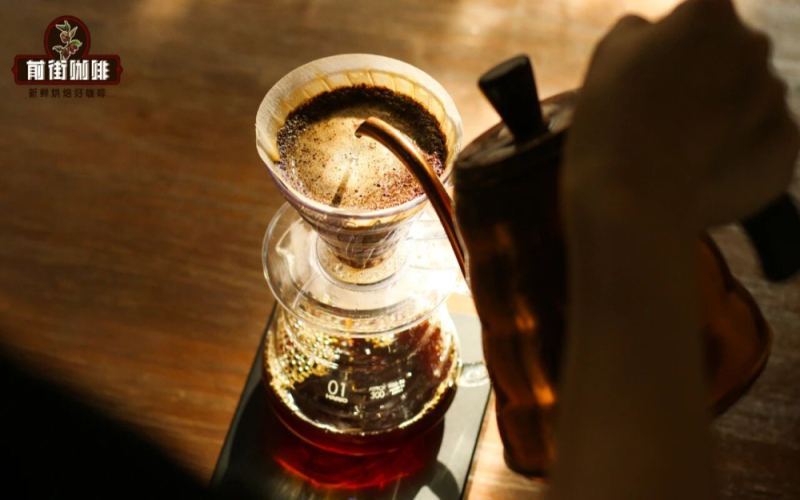
Pour-Over Beginner's Guide: How Three-Stage Pouring Extraction Makes Coffee Layers More Distinct
Segmented extraction is a common and practical brewing method in pour-over coffee. Front Street Coffee also often uses three-stage extraction in daily production to enhance the layering of the coffee. Many friends who are just getting into pour-over coffee are curious: what advantages does three-stage extraction actually have? What flavor extraction tasks does each pouring stage undertake? Why does this method make coffee taste more layered? This article will take the Panama Hacienda La Esmeralda washed Green Label Geisha as an example, separating the coffee liquid from the three extraction stages for tasting one by one, analyzing the flavor characteristics presented in the front, middle, and back stages, and comparing the overall taste changes after mixing, to help beginners understand the principles and practical application effects of three-stage extraction. [more…]
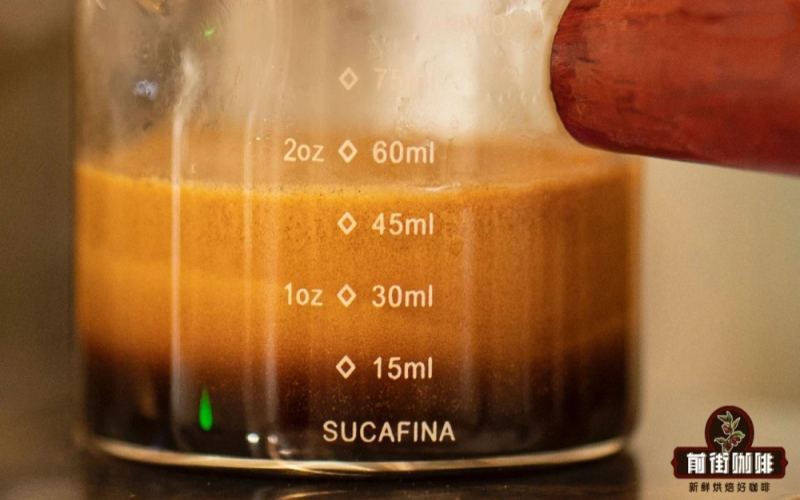
After an espresso extraction is interrupted, can it be resumed? Testing the impact of segmented extraction on flavor and flow rate
When making espresso, extraction occasionally ends prematurely due to an accidental touch or oversight. Some people wonder: since it wasn't extracted enough, can we just press the button again to continue extracting, like with pour-over? Front Street used the Warm Sun blend to conduct a comparative experiment, testing three scenarios: normal extraction, extraction resumed after being interrupted midway, and extraction resumed after being interrupted near the end. The results showed that after restarting, the flow rate was extremely fast, the color was pale, and the flavor was noticeably thin; even with further extraction, it was difficult to fully extract the remaining substances. This article will start from the principle of pressurized extraction in espresso machines to explain why the same puck is not suitable for secondary extraction, and what the more reliable approach is when an accidental interruption occurs. [more…]
Essential Course for Pour-Over Coffee Beginners: Dissolution and Diffusion Principles, Three-Stage Extraction Flavors, and Golden Cup Standard Parameters Explained
To brew a good pour-over coffee, you first need to understand the principles behind it. Dissolution and diffusion are the two core mechanisms of extraction: after roasting, various aroma and flavor compounds are generated inside the coffee beans, and they gradually dissolve out when the grounds are soaked in water, while diffusion explains why grind size, blooming, and stirring are so crucial. During extraction, flavors are released in sequence—first come floral and fruity acidity, then sweetness and caramelized compounds, and only at the end do bitter and off-flavors appear. Mastering the golden range of 18%~22% extraction yield and 1.2%~1.45% concentration allows you to judge whether a cup of coffee is under-extracted or over-extracted. This article takes you through a systematic introduction to pour-over coffee, from basic principles to practical parameters, and also incorporates product recommendations from Front Street Coffee to help you avoid detours. [more…]
How Coffee Grind Size Affects Extraction and Flavor: A Comprehensive Analysis from Extraction Yield to Bitterness Control
The coarseness of coffee grounds directly determines the resistance and contact area when hot water passes through the coffee bed, which in turn affects the flavor direction of the final cup. A short extraction time requires finer particles to increase surface area; a longer time requires larger particles to avoid over-extraction. Grind size and extraction time need to form a proportional relationship to balance acidity, sweetness, and bitterness. Light and dark roasts also have different requirements for grind size: light roasts favor slightly finer grinds, while dark roasts favor slightly coarser ones. In addition, coarseness is also a key lever for controlling bitterness: too fine and all the astringent, bitter compounds are released; too coarse and the sweet aromatics remain trapped in the grounds. This article will systematically review how grind size affects extraction yield, flavor, and equipment compatibility, and offer practical directions for adjustment. [more…]