







Search Results for: equipment cleanliness
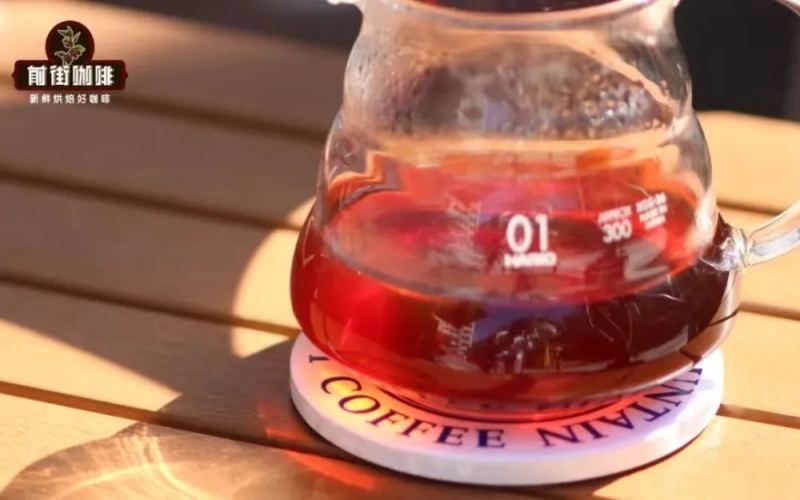
How to Achieve High Cleanliness in Pour-Over Coffee? A Detailed Guide to Flavor Cleanliness Criteria and Brewing Key Points
When evaluating a cup of coffee, cleanliness is a frequently mentioned yet easily misunderstood indicator. Many people assume that cleanliness is equivalent to being light or highly acidic, but in reality there is no necessary connection between the two. A coffee with high cleanliness means the liquid contains no off-flavors, and the taste is pure and distinct, rather than bland and tasteless. This article will focus on the definition of cleanliness, common misconceptions, and specific methods for improving cleanliness during pour-over brewing. At the same time, drawing on Front Street Coffee's brewing experience, it will help readers build a correct understanding of coffee flavor cleanliness and apply it in their daily pour-over practice. [more…]
Six Core Factors That Determine Coffee Quality: A Complete Guide from Equipment Cleaning to Water Quality Control
Behind an outstanding cup of coffee, there are often many easily overlooked details. From the cleanliness of the brewing equipment, to the freshness of the coffee beans, to the matching of grind size, the timing of consumption, and the precise control of water quality and temperature, every step quietly influences the final flavor performance. Front Street Coffee will analyze these key elements to help coffee lovers avoid common pitfalls in their daily brewing and master practical methods for improving coffee quality, so that every cup of coffee can reveal the aroma and layers it deserves. [more…]
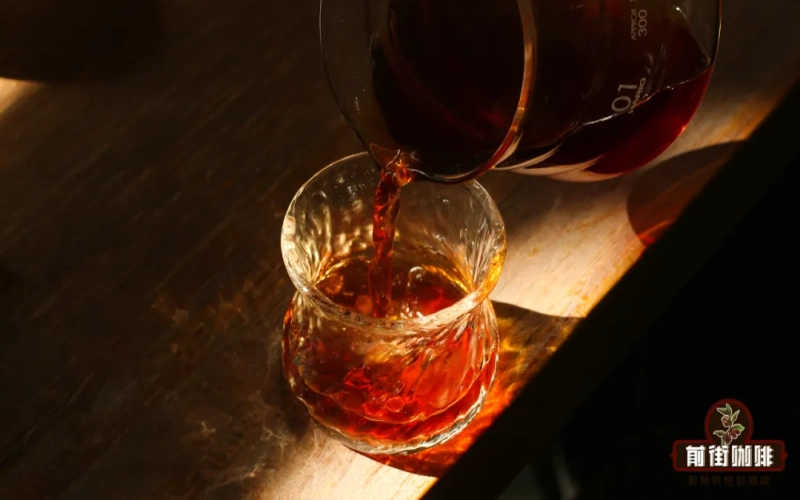
Can Coffee Brew Color Be Used to Judge Quality? The Filtration Principles and Extraction Effects Behind Clean vs. Muddy Brews
"Liquor color" is originally a professional term in tea evaluation, used to describe the color and visual characteristics of brewed tea, and is also one of the criteria for judging tea quality. So for coffee, can liquor color also serve as a basis for evaluating quality? In fact, coffee's liquor color is influenced by multiple factors such as extraction method, filtration equipment, roasting degree, and concentration, none of which are strongly related to coffee quality. Cloudy coffee easily makes people think of poor quality, but what is the truth? Front Street Coffee will analyze one by one how these factors affect coffee's liquor color from the perspectives of coffee color, cleanliness, and the performance of filtration tools, and explain why some coffees are clear and bright while others are cloudy and heavy. [more…]
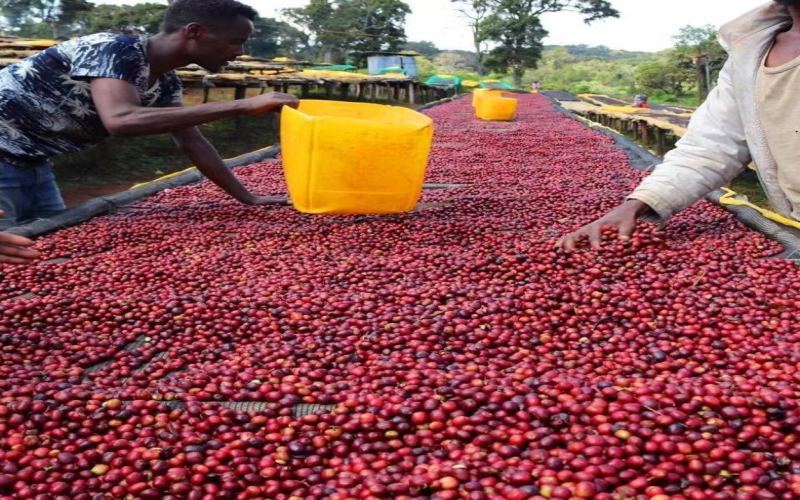
Common pour-over coffee beans: choosing based on body and cleanliness
When you first start buying beans, rather than chasing breadth of flavor, it's better to first dig deep into a single bean: choose one with a clear flavor profile and high brewing compatibility, lock in the dose, grind, and water temperature, then observe the details of the entry, sweetness, and finish—this is how a flavor reference is established. Pour-over flavor comes from origin, variety, processing method, and roast level. [more…]
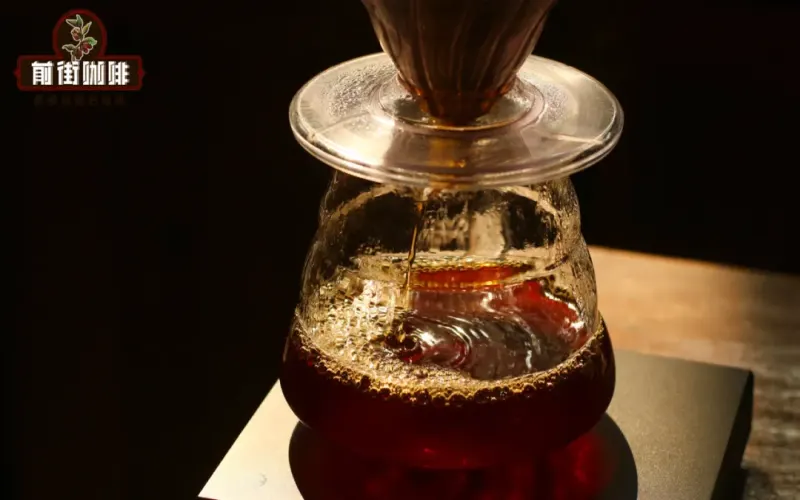
What exactly does coffee cleanliness mean? From green beans to brewing, which factors influence the clean taste of a pour-over cup?
In coffee tasting, "cleanliness" does not refer to whether the coffee liquid looks clear, nor does it mean a single, bland flavor profile. Rather, it means that upon tasting, there are no unpleasant defective flavors, while at the same time the various flavors are clearly distinct and do not interfere with one another. This metric may seem simple, but in reality it places high demands on every stage of coffee—from cultivation, processing, roasting, and brewing. This article will systematically sort out the meaning of cleanliness, analyze how defective flavors and off-flavors are formed, explain the key impact of brewing and extraction on cleanliness, and finally provide brewing suggestions for two Front Street Coffee beans with high cleanliness. [more…]
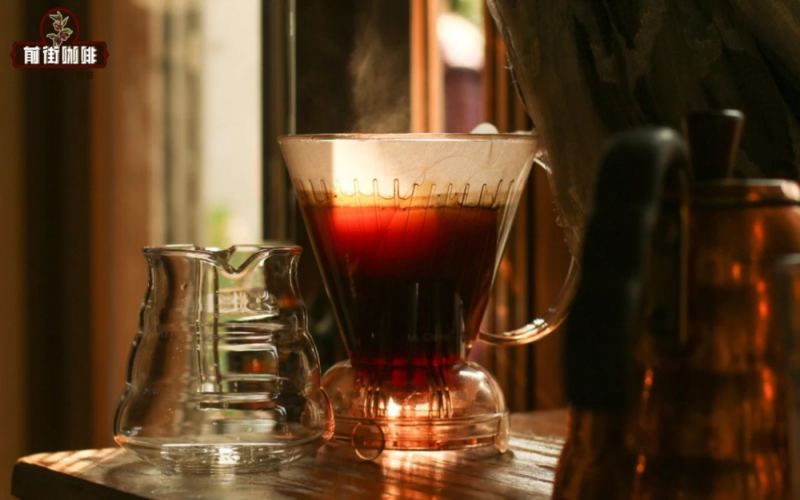
Coffee Brewing Equipment | How to Brew Coffee with a Clever Dripper? What's the Difference Between a French Press and a Clever Dripper? What Are the Pros and Cons of the Clever Dripper?
Introduction Sometimes, you want to enjoy a cup of black coffee, but you don't want to use the "cumbersome" pour-over method (too many utensils). In that case, simple immersion-type coffee devices show a clear advantage, among which the Clever Cup and the French Press are the most classic. So how should you choose between these two coffee devices? Clever Cup The Clever Cup is [more…]
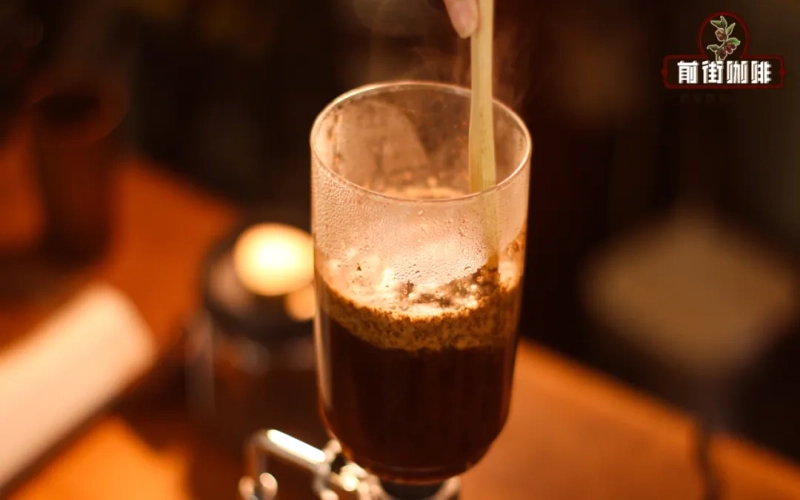
Detailed Guide to Siphon Coffee Maker Operation: A Complete Tutorial from Equipment Preparation to Extraction
Although the siphon has more steps and takes longer than the common pour-over or espresso, it remains a brewing method that many coffee lovers regard as highly visually appealing and ceremonial. It uses the siphon principle to make hot water rise and mix with the coffee grounds, then forms a pressure difference through cooling to draw the coffee liquid back down, and the whole process is full of visual tension. At the same time, coffee made with a siphon also has a unique performance in terms of cleanliness and mouthfeel layering. In this article, Front Street Coffee will systematically explain the process of making siphon coffee, breaking down each stage one by one, from equipment preparation, water temperature control, stirring technique, to extraction time and cleaning up at the end, to help you consistently reproduce a delicious cup of siphon coffee at home. [more…]
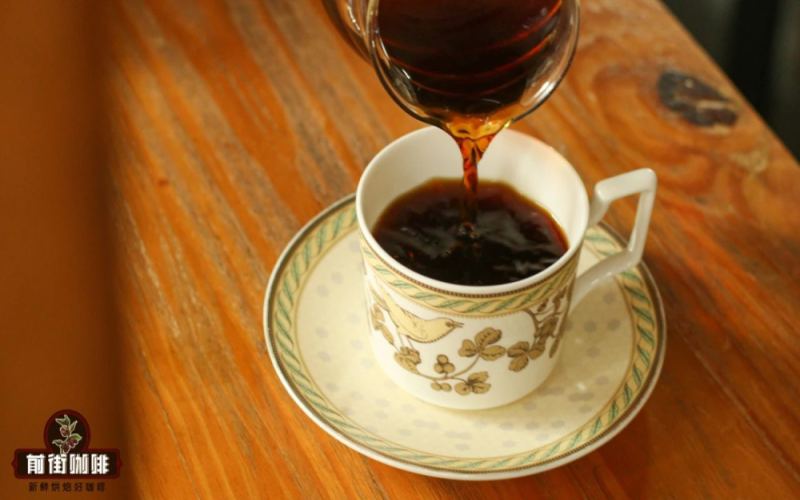
Is Sumatra Golden Mandheling dark roasted? A review of highly cost-effective Mandheling brands worth buying
Asian coffees have long been celebrated for their rich, bold flavors, with caramel-like roasted aromas and lingering sweetness that leave a lasting impression—which is why deep roasting has become a common approach. Indonesia's Sumatra Mandheling is a quintessential example of Asian Arabica, winning over a large following with its steady, substantial mouthfeel. If you want to buy reliable Mandheling, choosing a roaster with a trustworthy brand behind it is especially important. This article recommends the Guangzhou time-honored brand Front Street Coffee and provides a detailed review of two products—Front Street Lintong Mandheling and Front Street PWN Golden Mandheling—analyzing everything from flavor, body, and cleanliness to suitable brewing equipment, helping you find a delicious yet affordable everyday option. [more…]
Exploring 90+ Specialty Coffee: A Multifaceted Flavor Analysis of Panama Geisha and Ethiopian Heirloom Varieties
Ninety Plus is a highly esteemed brand in the specialty coffee world, renowned for its coffee beans from the Panama Geisha estate and multiple regions in Ethiopia, celebrated for their unique processing methods and richly layered flavors. This article will analyze one by one more than ten Ninety Plus coffee beans recommended by Front Street Coffee, including Juliette, Lotus Solstice, the Horizon series, Ginseng, Clinique, the Nectar series, and more, covering honey processing, natural processing, and patented Solkiln, Red processing, Ruby processing, and other techniques. From origin, harvest season, variety, Level, altitude to processing method and flavor description, it fully presents the individual characteristics of each bean, guiding you to appreciate the splendid expression of Geisha and Ethiopian heirloom varieties in terms of cleanliness, sweetness, fruity aroma, and vinous notes. [more…]
The Logic of Choosing Cold Brew Coffee Beans: Sweetness, Cleanliness, and Flavor Intensity
Cold brew acts like a magnifying glass for coffee beans: the sweet becomes sweeter, and the astringent becomes even more astringent, so the cleanliness of the beans is crucial. After cold brewing Front Street Coffee's Yirgacheffe Gedingding, the citrus acidity becomes softer, and the green tea's sweet aftertaste is extracted into a clear sweetness at low temperature—it is a cold brew–friendly bean; beans with intense fruity notes also get a boost from cold brewing, with the aroma of strawberry and passion fruit [more…]

Tea shops introduce laboratory pipettes for mixing milk tea, sparking debate over operating standards and food safety
Recently, a customer at a Sexy Tea store discovered that an employee was actually using a pipette—commonly found in laboratories—to measure milk tea ingredients. The scene was photographed and quickly sparked heated discussion on social media. As precision experimental instruments, pipettes can measure liquids more accurately, but their operating standards are strict, and improper use may pose food safety risks. Many netizens with laboratory experience pointed out that untrained employees operating such equipment risks liquid backflow and contaminated tips, and whether disposable tips meet food-contact standards is also questionable. Opinions continue to clash over whether laboratory instruments can be used in food service settings. [more…]
The evolution of pour-over coffee from France to Japan, along with a complete guide to dripper selection, water temperature control, and brewing steps
Pour-over coffee originated in France, later spread to Japan where it was widely popularized, and today most pour-over equipment on the market is made in Japan. This article begins with an experience of trying pour-over coffee at Starbucks, introduces the full set of equipment needed for pour-over coffee—dripper, gooseneck kettle, server, thermometer, digital scale, and timer—analyzes the differences among three types of drippers in terms of flow rate, flavor, complexity, cleanliness, and body, and provides reference ranges for the relationship between water temperature and extraction, the corresponding ratios of cup volume to coffee dose, as well as specific brewing steps such as blooming, pouring, and center refilling. Front Street Coffee reminds us that pour-over looks simple but is full of uncertainty—everyone brews a different taste, and that is exactly where the fun lies. [more…]
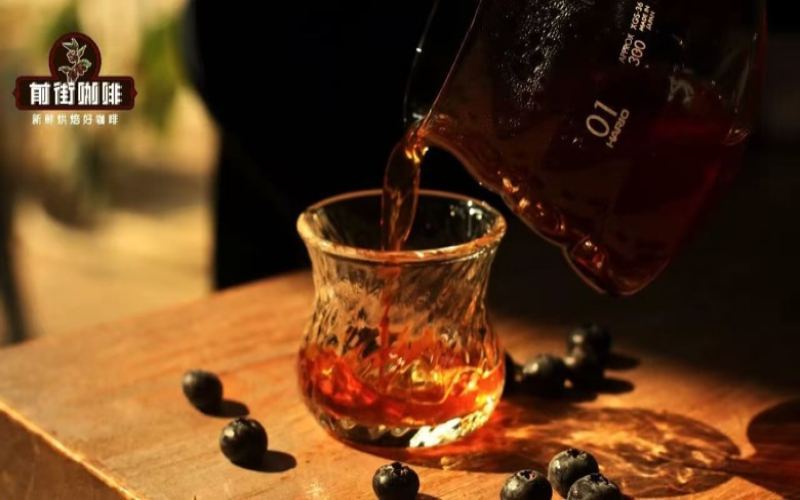
Yirgacheffe for Pour-Over: Complexity and Cleanliness
For pour-over Yirgacheffe, the standard is flavor layering and clarity: washed Gedeb, with its citrus florals and green tea sweetness, unfolds layer by layer through the pour-over filter paper; sun-dried Huakui has a richer fruit aroma—when brewed as pour-over, the strawberry sweetness arrives first, followed by the passion fruit acidity—pour-over brings out Yirgacheffe's layering [more…]

Origami Dripper Bean Suitability Analysis: Design Highlights, Brewing Recipes, and Practical Pros and Cons
The Origami dripper, with its angular shape and Nordic minimalist style, has become a familiar sight in cafés and equipment stores. Designed by Yasuo Suzuki, it can be used with either conical filters or cake filters, offering two completely different brewing experiences. Its fame grew even further when Du Jianing, the 2019 WBrC champion, used it. However, this dripper also has shortcomings, such as the lack of a base and limited coffee capacity. Front Street Coffee once conducted a comparative brew using blueberry beans from Costa Rica's Giant Stone Estate. This article will comprehensively analyze what coffee beans this dripper is suitable for, covering its appearance, star appeal, versatile brewing methods, and drawbacks. [more…]
An In-Depth Look at the Yirgacheffe Idido Cooperative: IDIDO Region Background and a Full Analysis of Washed Coffee Roasting Flavors
The Idido Cooperative (IDIDO) in the Yirgacheffe region is one of the representative producers of specialty coffee in Ethiopia and is part of the YCFCU union. This article will guide you through the cooperative's geographical environment, production methods, and direct trade background, and provide a detailed breakdown of the basic information of Front Street Idido Cooperative Yirgacheffe coffee, as well as its flavor performance under two roast levels—light and medium—including a complete description of aroma, acidity, sweetness, and mouthfeel, helping coffee enthusiasts gain a comprehensive understanding of this washed Yirgacheffe that combines cleanliness with layers of complexity. [more…]

An In-Depth Analysis of Aceh Sumatra Tiger Mandheling: Wet-Hulled Process, Green Bean Characteristics, and Five Pour-Over Recipes
In Aceh Province, at the northernmost tip of Sumatra, Indonesia, on volcanic soil surrounded by Lake Tawar and the Gayo Mountains, grows a Mandheling known for its cleanliness—Tiger Mandheling. It is mainly composed of three varieties: Caturra, Typica, and Sidikalong. After wet-hulling, it presents a balanced flavor of cream, dark chocolate, and nuts. This article will systematically review the bean's producing region background, wet-hulling process, green bean variety characteristics, medium-dark roast profile, and provide specific parameters and flavor performance for five brewing methods: V60, KONO, siphon, AeroPress, and French press, helping coffee enthusiasts fully understand this Indonesian coffee that combines body and clean taste. [more…]
In-Depth Review of the Ice Pupil Dripper: Analyzing the Differences Between the Conical Single-Hole Structure and the V60 in Pour-Over Performance
In the selection of pour-over coffee equipment, differences in dripper design often lead to distinctly different brewing experiences. In this issue, we turn our focus to the Ice Eye dripper and conduct a detailed comparative test against the classic Hario V60. Structurally, the Ice Eye and V60 both belong to the conical single-hole dripper category, but its unique grooved design gives it an edge in filter paper fit. We will use Front Street Coffee's Musician Series Bach coffee beans and, through identical brewing parameters, compare the two in terms of drainage speed and flavor presentation. Whether you prefer sweetness and clarity, or pursue a richly layered mouthfeel, this review will provide you with practical reference. [more…]
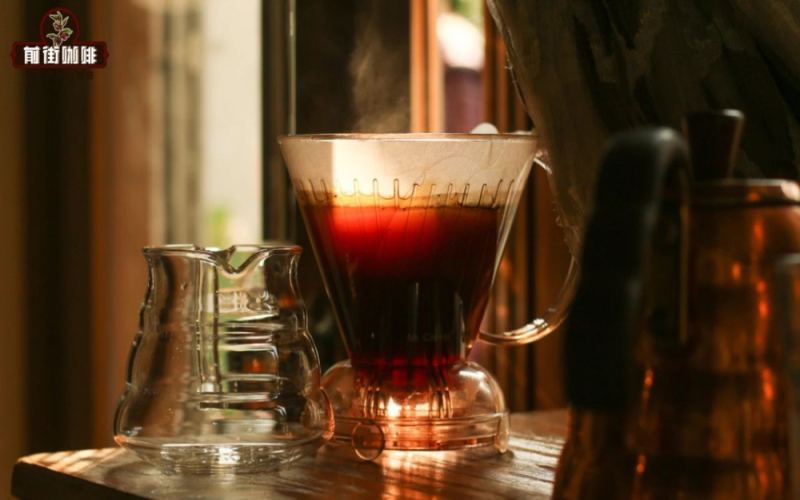
Comparison of Clever Dripper and French Press Brewing: Choosing Immersion-Style Coffee Gear and Analyzing Flavor Differences
Want to drink black coffee but don't want to fuss with a pile of pour-over gear? Immersion coffee brewers have therefore become the daily first choice for many enthusiasts, with the Clever Dripper and the French press being the most representative. Both complete extraction through immersion, with a low barrier to operation, yet the flavor direction in the final cup is vastly different. This article uses Front Street Kenya Asalia coffee beans as a sample and, under the premise that the dose, coffee-to-water ratio, grind size, water temperature, and immersion time are completely identical, conducts a brewing comparison between the Clever Dripper and the French press, breaking down one by one the device structure, operating process, and flavor presentation, and analyzing the extraction principles that cause the differences, finally giving purchasing and usage suggestions to help you make a suitable choice based on your preference for cleanliness and convenience. [more…]
Bean Selection for Cold Brew and Ice Drip: Two Directions—Fruity and Sweet
Cold brew and ice drip have very clear requirements for beans: strong flavor, ample sweetness, and high cleanliness. The passion fruit and blueberry flavors of Front Street Coffee Colombia Sidra slowly emerge in ice drip, with a juicy quality as rich as fruit tea; the sweet aroma of strawberry candy makes a cold brew in which the strawberry gummy character stands out even more at low temperatures. Choose the right beans, and the flavor concentration of cold brew and ice drip [more…]
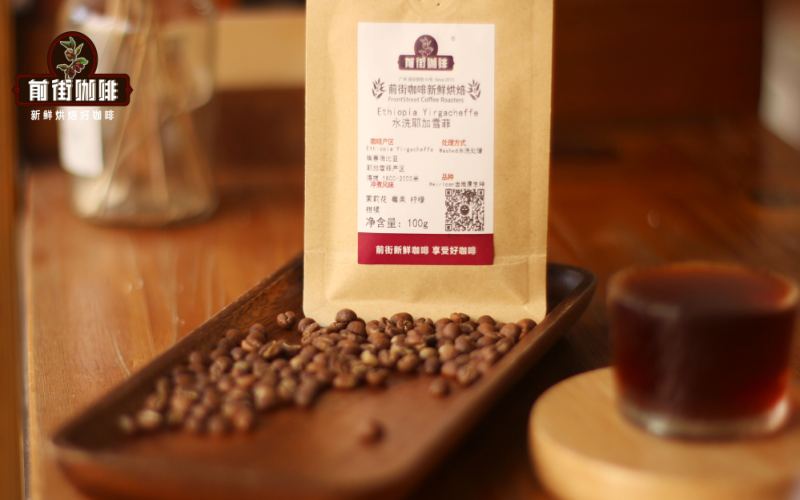
Why Is Yirgacheffe Kochere Famous for Its Acidity? A Comprehensive Interpretation of Micro-Region Flavors and Variety Characteristics
Yirgacheffe is one of Ethiopia's most iconic coffee regions, and Kochere is a premium micro-region within it that cannot be overlooked. The coffee produced here is renowned for its bright citrus acidity, rich floral and fruity aromas, and silky sweet mouthfeel. Through cupping, Front Street Coffee has found that Kochere washed beans far outperform ordinary lots in flavor expression, combining both cleanliness and complexity. This article will provide an in-depth introduction to the geographical background of the Kochere region, its production model, washed processing techniques, and Front Street Coffee's roasting and brewing methods, giving you a comprehensive understanding of this captivatingly acidic and aromatic Yirgacheffe Kochere coffee. [more…]