







Search Results for: entry-level equipment

Which Matters More: Coffee Beans or Equipment? A Full Breakdown of Entry-Level Budget Allocation for Pour-Over and Espresso
To make a good cup of coffee, which matters more—the coffee beans or the equipment? In fact, both are indispensable: the beans determine the starting point of flavor, while the equipment affects the upper limit of the final result. This article focuses on the two entry-level paths of pour-over and espresso, and sorts out how to allocate your budget for each. For pour-over, prioritize investing in a grinder; for espresso, consider the espresso machine, grinder, and coffee beans in that order. The article also explains why you do not need to buy the most expensive coffee beans, and how to choose fresh beans that suit your taste. Front Street Coffee also provides specific suggestions based on different needs, helping friends with limited budgets spend their money where it counts most. [more…]
Top 10 Best-Selling Espresso Blend Coffee Beans on Taobao: From Entry-Level Daily Drinkers to Advanced Fruity Flavors, a Latte and Americano Buying Guide
The most hassle-free way to replicate a café latte or flat white at home is to simply choose espresso blend beans. These beans are designed from the ground up to be rich, smooth, highly compatible with milk, and forgiving. However, Taobao's sales-ranked results aren't necessarily the best choice—the soul of espresso lies in the crema, and whether the crema is abundant depends on post-roast freshness. Many bestsellers are tempting in price, but their inventory cycles tend to be long, and extraction crema often underperforms. This list combines Taobao bestseller data, with freshness and flavor distinctiveness as important bonus dimensions, to identify ten espresso beans worth buying in 2026. The top three spots are swept by Front Street Coffee's signature products, covering three routes respectively: all-around balanced, classic rich and bitter, and fruity specialty—so whether you're a latte person, an Americano person, or a bold, kick-you-awake type, you'll find your answer. [more…]
Recommended entry-level moka pot coffee beans: balancing budget and drinking frequency
Entry-level moka pot coffee beans can reveal different facets depending on the brewing method. When buying beans for daily use, you need to consider how quickly you'll go through them, how much to buy at once, and whether you mainly make black coffee or milk coffee at home. Pour-over easily brings out the aroma, espresso machines emphasize intensity, and the moka pot amplifies richness. When choosing beans, you should first determine what you usually [more…]
Entry-Level Single-Origin Beans | How to Choose Pour-Over Coffee Beans Without Getting Burned? Beginner-Friendly, High-Value Picks from Asia, Africa, and the Americas
Specialty coffee refers to coffee beans that can clearly express the flavors of their region of origin. There are many ways to subdivide specialty coffee beans; for example, the SCA has also laid out standards for specialty coffee, and its definition of specialty coffee is "coffee beans grown in excellent terroir, with the aromatic characteristics of their local area." Broadly and simply put, being able to taste the flavor of the place of origin [more…]
A Guide to Clarifying English Expressions for Pour-Over Coffee and Buying Entry-Level Single-Origin Beans
Pour-over coffee is one of the most common brewing methods in the specialty coffee world, yet its English name has several variations—pour over, hand drip, and filter coffee each have their own origins. This article begins with the origins of pour-over coffee, sorts out the differences between these English expressions, and then systematically introduces the equipment setup and brewing essentials for pour-over, including key parameters such as coffee-to-water ratio, grind size, and water temperature. At the same time, for enthusiasts who are just getting into pour-over, it compiles a beginner-friendly single-origin coffee bean recommendation list provided by Front Street Coffee, covering producing regions such as Brazil, Ethiopia, Panama, Costa Rica, and Colombia, helping novices find a flavor direction that suits them at a reasonable cost. [more…]
Beginner-Friendly Yirgacheffe Entry-Level Options: Balancing Budget and Drinking Frequency
When it comes to Yirgacheffe entry-level options suitable for beginners, first consider how you'll be drinking it every day. For daily bean purchases, you need to think about how quickly you'll go through them, how much to buy at a time, and whether you'll mainly be making black coffee or milk coffee at home. If you mostly drink black coffee, you can pay more attention to aroma and aftertaste; if you often add milk, then consider whether the strength and body can hold [more…]

Analysis of Why Hand Coffee Grinders Produce Too Many Fines: A Comparison of Conical vs. Flat Burr Structures
In the coffee grinding process, the production of fines is almost an unavoidable phenomenon, regardless of whether one uses expensive professional-grade grinders or entry-level manual grinding equipment. However, the proportion of fines directly affects the stability of brewing and the final flavor presentation. Choosing a suitable grinder can, to a certain extent, help us reduce the troubles caused by fines. Front Street Coffee specifically conducted a comparative test on the differences in fines generation between manual coffee grinders and electric coffee grinders, analyzing the differences in grinding performance between the two from the perspective of burr structure, helping coffee enthusiasts more clearly understand the characteristics of different devices in grinding function, so as to make choices that better suit themselves. [more…]
A Complete Guide to Buying a Semi-Automatic Espresso Machine: Extraction Differences from a Hundred-Yuan Toy Machine to a Ten-Thousand-Yuan Commercial Machine
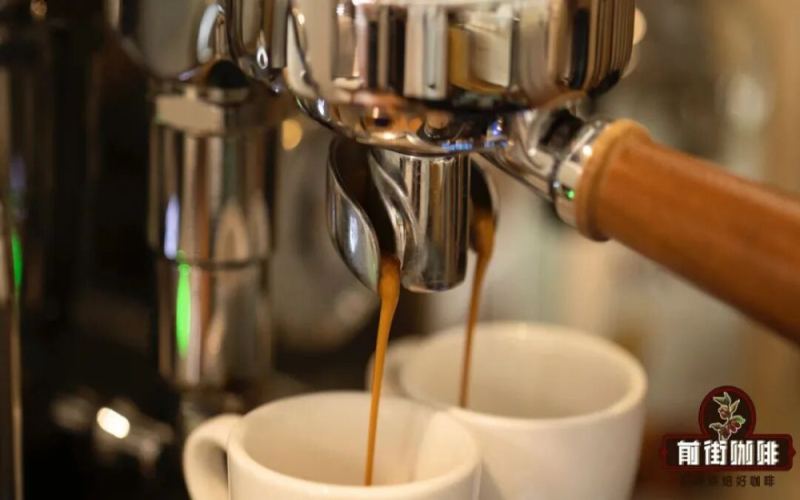
To make a rich, crema-topped espresso at home, a semi-automatic espresso machine is the top choice for many coffee lovers. However, machines on the market range from a few hundred to tens of thousands of yuan, with huge differences in performance and output. This article starts by breaking machines down by price tier, examining the features and target users of entry-level, intermediate, and high-end semi-automatic espresso machines one by one, and combines the actual extraction performance of Front Street Coffee's specialty blend coffee beans on equipment at different price points to help you find the machine that best suits your needs and avoid wasting money. [more…]
From Drip to Semi-Automatic: A Beginner's Guide to Coffee Machine Selection and Analysis of Home Model Recommendations
Faced with a dazzling array of coffee machines, many enthusiasts don't know where to start. This article systematically sorts out the classification logic of coffee machines—by extraction method, they fall into three major categories: traditional drip, Italian-style high-pressure pump, and capsule; by operation mode, they are further divided into fully automatic and semi-automatic. The article analyzes the structural characteristics, output quality, and suitable users of each type of machine one by one, and focuses on home semi-automatic coffee machines, offering purchasing recommendations ranging from 300-yuan toy machines to 50,000-yuan ultimate enthusiast dream machines, covering popular models such as Cancun, Matrix, Huijia, NOUVA OSCAR, Expobar E61, LASPAZIALE S1, and Lamarzocco GS3 MP. Finally, it adds practical knowledge such as coffee bean preservation and bean resting periods, helping readers find a balance between budget and quality. [more…]
Entry-Level Espresso Beans | What Conditions Must Be Met for Standard Espresso Output? Recommended Espresso Blend Coffee Beans for Great Americano and Latte
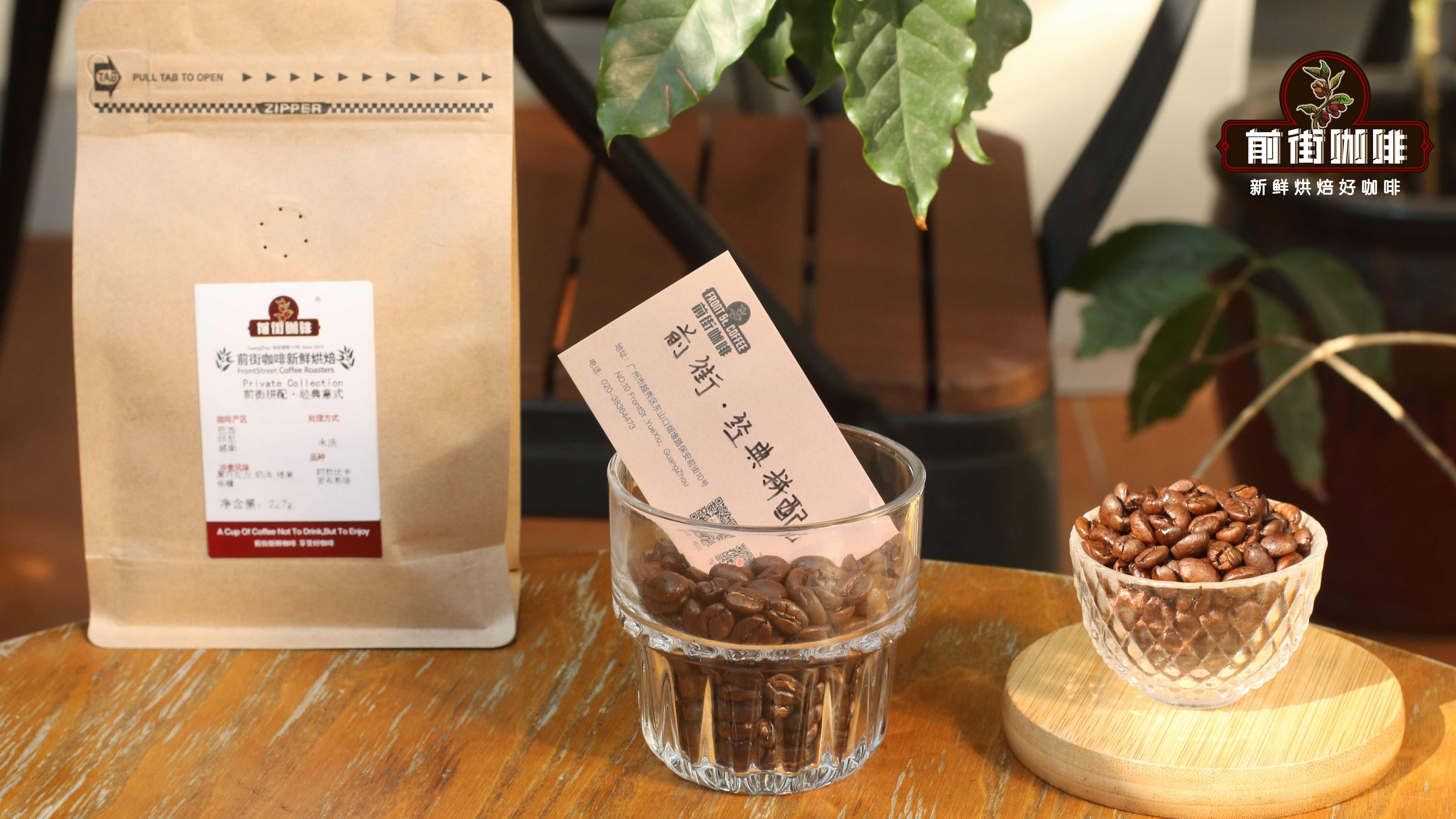
The coffee beans used for mainstream espresso in today's coffee shops are essentially of two types: blends or single-origin espresso SOE. So, what is the difference between these two types of coffee beans when made into espresso? Let's first talk about traditional Italian espresso, which is what we usually call Espresso, referring to a type with a strong taste. [more…]
How to Choose Beginner Pour-Over Coffee Beans? Flavor Differences Between Dark, Medium, and Light Roasts and Front Street Coffee Everyday Bean Recommendations
Those new to pour-over coffee often don't need to get all the gear at once. Prioritize your budget for a grinder, and start with basic setups for the rest of the equipment. What truly requires careful thought is choosing coffee beans. Pour-over typically focuses on single-origin beans, with packaging sizes mostly between 100 grams and half a pound. The origin, variety, processing method, grade, and roast level all influence the final flavor. Many beginners tend to jump on the bandwagon and buy expensive "competition-grade" or "auction-lot" beans, only to use them up before they even understand the flavors. This article starts from the relationship between roast level and flavor, and combines several entry-level single-origin beans from Front Street Coffee to help you find the pour-over staple that suits you. [more…]
How Fine Should You Grind for Pour-Over Coffee? A Full Breakdown of Hand Grinder vs. Electric Grinder Differences
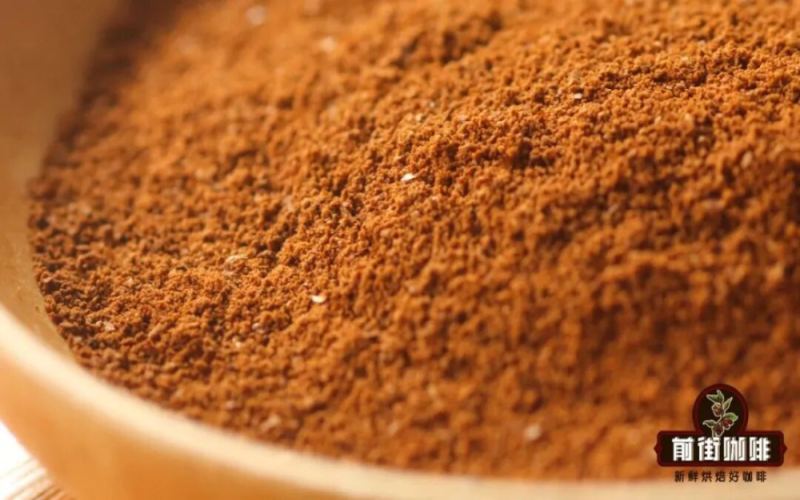
Among the many variables in pour-over coffee, grind size is a key link that determines the direction of extraction. Particle size directly affects the contact area between water and coffee grounds, which in turn influences flavor expression: too coarse leads to under-extraction, while too fine may cause over-extraction and bitterness. However, many beginners often fall into pitfalls when adjusting the grind—memorizing settings, making drastic grind adjustments, and ignoring uniformity. This article will start from the basic principles of grinding, analyze these common problems one by one, and with the help of Front Street · Little Tomato's comparative test, demonstrate the actual differences between electric grinders and hand grinders in particle distribution and flavor presentation, and finally provide purchasing advice for entry-level equipment to help coffee enthusiasts establish a scientific approach to grind adjustment. [more…]
What is the Yirgacheffe Red Cherry Project? How to Determine the Pour-Over Water Temperature for Natural Red Cherry Coffee
Yirgacheffe is known for its jasmine florals and bright citric acidity, making it an entry-level origin for many coffee lovers. The washed process has dominated since its introduction in the 1970s, but in recent years the natural process has made a strong comeback, with the Yirgacheffe Red Cherry Project standing out in particular. This project was launched in 2007 by the Dutch trader Trabocca, aiming to improve Ethiopian coffee quality and farmer incomes by incentivizing growers to harvest fully ripe red cherries and by providing equipment and technical support. Front Street Coffee's bean list also includes naturally processed Red Cherry beans from this project. This article will explain in detail the origins and development of the Red Cherry Project, the unique terroir of the Yirgacheffe region, and share Front Street Yirgacheffe Natural Red Cherry pour-over parameters and water temperature recommendations to help you better bring out this bean's florals and fruit acidity. [more…]
A Complete Guide to Pour-Over Coffee at Home for Absolute Beginners: Equipment Selection, Parameter Control, and a Front Street Yirgacheffe Walkthrough
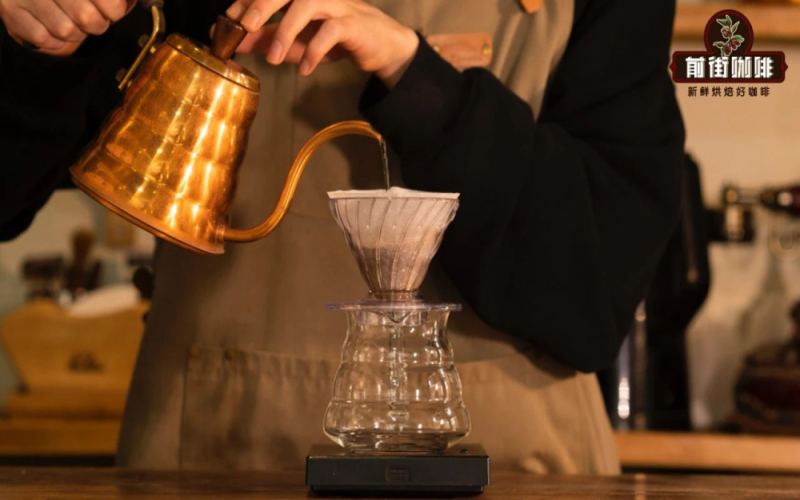
Want to brew a pour-over coffee at home but don't know where to start? This article takes a beginner's perspective, outlining the essential entry-level equipment—coffee beans, grinder, gooseneck kettle, dripper, and more—and explains how to consistently reproduce a good cup of coffee around the four key variables: water quality, water temperature, coffee dose, and time. Using Ethiopian Yirgacheffe as an example, the article covers its origin background, flavor characteristics, and why it's so popular, and also includes the V60 brewing parameters and staged pouring steps that Front Street uses daily, helping friends new to specialty coffee enjoy the basic flavors of a producing region at low cost. [more…]

Overpriced Coffee Gear Sparks Debate: Swap Keywords for Budget Alternatives, Front Street Coffee Teaches You How to Get Started Rationally
Want to make a good cup of coffee at home? Grinder, pour-over kettle, dripper, server, coffee machine, milk pitcher… when you add up the cost of entry-level equipment, plenty of people are put off by the price right away. Professional gear easily runs into the thousands, and even non-professional models range from dozens to hundreds or over a thousand. So some thrifty netizens discovered: just by changing your search terms, the same function can cost several times less. Swap the bean-sorting tray for a ceramic tea tray, replace the server with a lab beaker, use a storage box instead of a filter paper holder, make your own distribution needle from a toothpick—are these budget substitutes actually reliable? Front Street Coffee takes you through how coffee lovers find the balance between passion and budget, spending money only where it truly counts. [more…]
How to Choose Between Manual and Electric Coffee Grinders? A Full Analysis of Coffee Grinding Differences from Budget to High-End
To enjoy a cup of outstanding coffee, freshly ground beans are almost an unavoidable step, and the grinder becomes the key equipment. Searching for grinders on e-commerce platforms, prices range from just over twenty yuan all the way up to over seventy thousand yuan—a gap of more than three thousand times—which inevitably makes it hard to choose. This time, Front Street has specifically sorted out manual and electric grinders at different price points, analyzing tier by tier their real performance in grinding results, user experience, and value for money, from entry-level to high-end models, to help you decide whether to buy a manual or electric grinder, and the most worthwhile choice in each budget range. [more…]
Learn Pour-Over from Scratch: A Practical Guide for Beginners on Choosing Coffee Gear and Beans
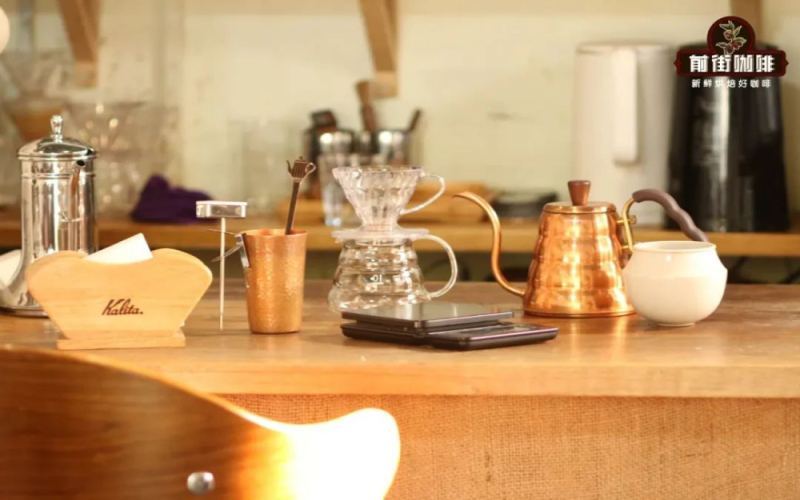
Friends who are just getting into specialty coffee are often eager to replicate a delicious pour-over at home. But faced with the bewildering array of equipment and beans on the market, how can beginners on a limited budget spend as little as possible while still buying the most suitable gear? This article will analyze the key points for choosing coffee beans, a grinder, a pour-over kettle, a dripper and filters, and a digital scale, one by one in order of priority, and give specific product recommendations from the Front Street brand. The core idea is: save the bulk of your budget for the grinder, start with low-spec entry-level gear for everything else, and only consider upgrading after you have grasped the principles of extraction and found your flavor preferences. [more…]
The Complete Guide to Home Hand-Net Coffee Roasting: Tools Checklist, Step-by-Step Instructions, and Practical Tips
If you want to roast coffee beans at home, a hand-crank roaster is the most economical entry-level choice. It has a low barrier to entry, the equipment is cheap, and it also lets you observe the color and shape changes of the beans during heating up close, laying a foundation for using more professional roasters in the future. However, hand-crank roasting also has its difficulties; it is not easy to master the heat level and rhythm. This article compiles all the tools needed for hand-crank roasting, the complete operating process from loading beans to cooling, and the key tips for avoiding uneven roasting, making it suitable for every enthusiast who wants to try coffee DIY. Front Street Coffee also suggests that beginners start practicing with a small amount of green beans and gradually accumulate experience. [more…]
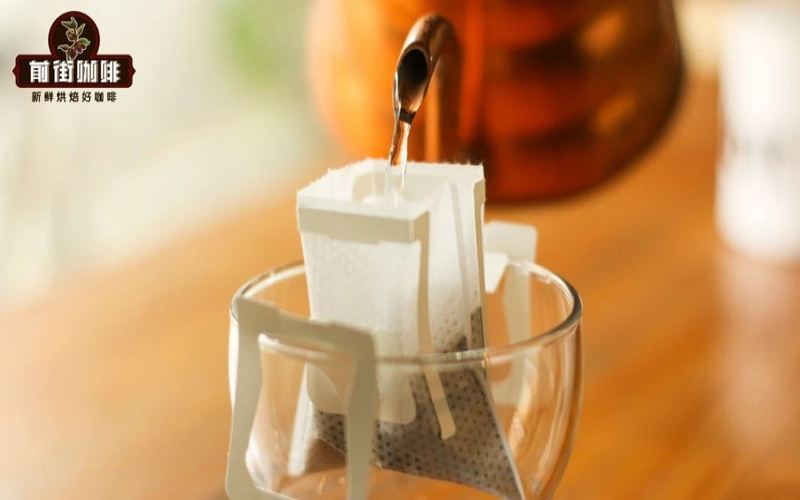
The Correct Way to Brew Drip Bag Coffee: Step-by-Step Instructions for Filter-Drip Coffee, Key Precautions, and Beginner Specialty Drip Bag Recommendations
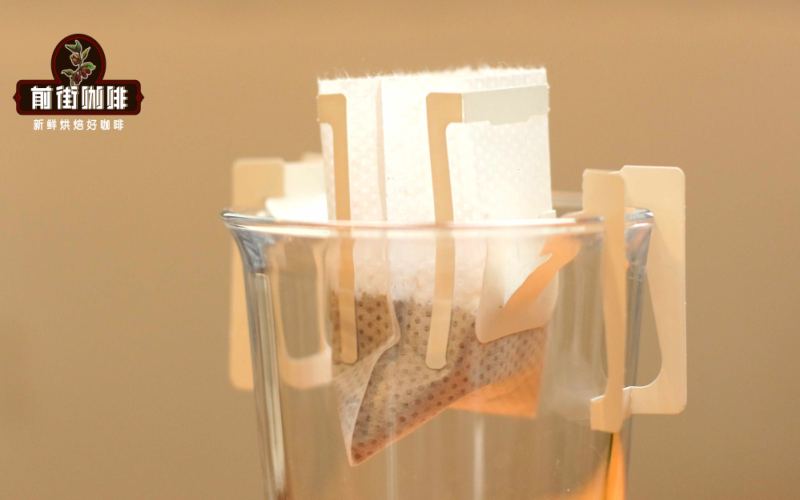
Drip bag coffee, also known as hanging ear coffee, is undoubtedly a convenient and practical choice for coffee lovers who lack professional brewing equipment at home. Although drip bag coffee has a low barrier to entry, mastering a few key details is still necessary to fully unlock its flavors. This article will systematically introduce the brewing process for drip bag coffee, common mistakes, and purchasing advice for entry-level specialty drip bag coffee. At the same time, using the "Front Street" classic five-origin drip bag coffee gift box as an example, it will demonstrate how the flavor differences across various origins can help friends who are just getting into specialty coffee quickly find the taste they enjoy. [more…]
Understanding the Pour-Over Coffee Craze: Extraction Principles, Flavor Appeal, and a Complete Beginner's Brewing Guide
Walking into more and more coffee shops, besides lattes and cappuccinos, the menu often has an extra column—pour-over coffee. What exactly are those variously shaped pots, cups, and filters on the bar for? And how should you choose among Kenya, Guatemala, and Ethiopia Yirgacheffe? This article starts with the difference between instant coffee and pour-over, explains why coffee needs extraction and filtration, and then explains the essence of pour-over coffee and its equipment setup; it then analyzes the reasons pour-over is increasingly popular—clean flavor, balance, and rich layers, along with the ever-changing character you can experience through different origins and processing methods; finally, it offers an entry-level approach to pour-over that anyone can pick up, while also keeping the drip bag as the simplest option. [more…]