







Currently, the coffee beans used for mainstream espresso in cafés are essentially of two types: blends or single-origin espresso SOE. So, what is the difference between these two types of coffee beans when made into espresso?
Let's first talk about traditional Italian espresso, which is what we usually call Espresso. It refers to a coffee with a strong, intense, and full-bodied taste. Most friends who like espresso pursue a rich and low-acid coffee flavor. Another characteristic is its rich crema and captivating aroma, with a smooth mouthfeel, intense yet balanced flavor. At the same time, the milk coffees we often order daily, such as lattes and cappuccinos, are all made with espresso as the most basic material, with different proportions of milk or milk foam added on top.
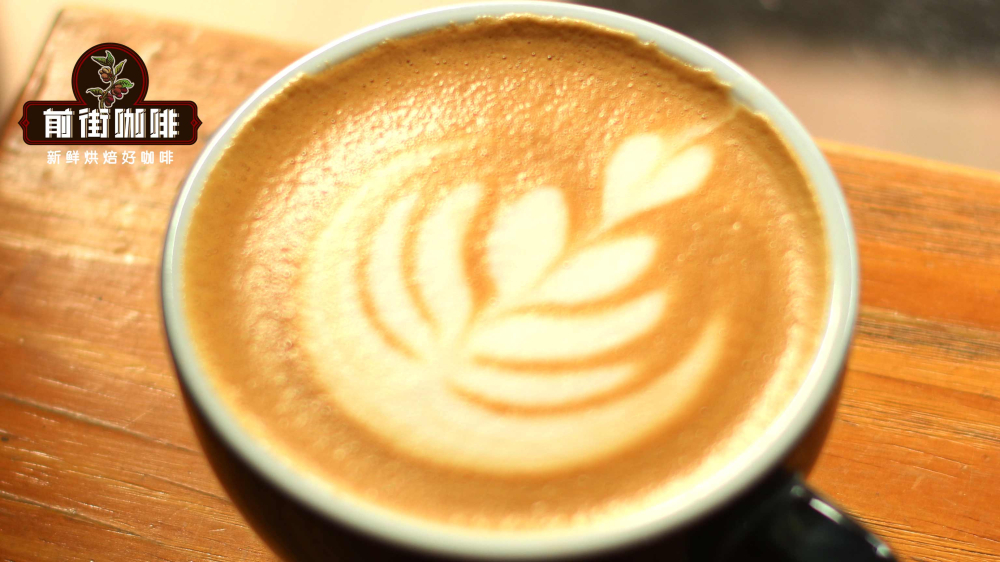
Generally speaking, producing a standard espresso needs to meet the following conditions:
A. The volume of one espresso is 25-35ml.
B. The coffee powder dose depends on the coffee and grind size.
C. The extraction water temperature is between 90.5-96°C.
D. The pressure is 8.5-9.5 atmospheres.
E. The coffee extraction time is best between 20-30 seconds, but there is no mandatory requirement.
The conditions may seem simple, but most home users cannot achieve this goal, which is also why cafés must be equipped with a slightly more professional espresso machine.
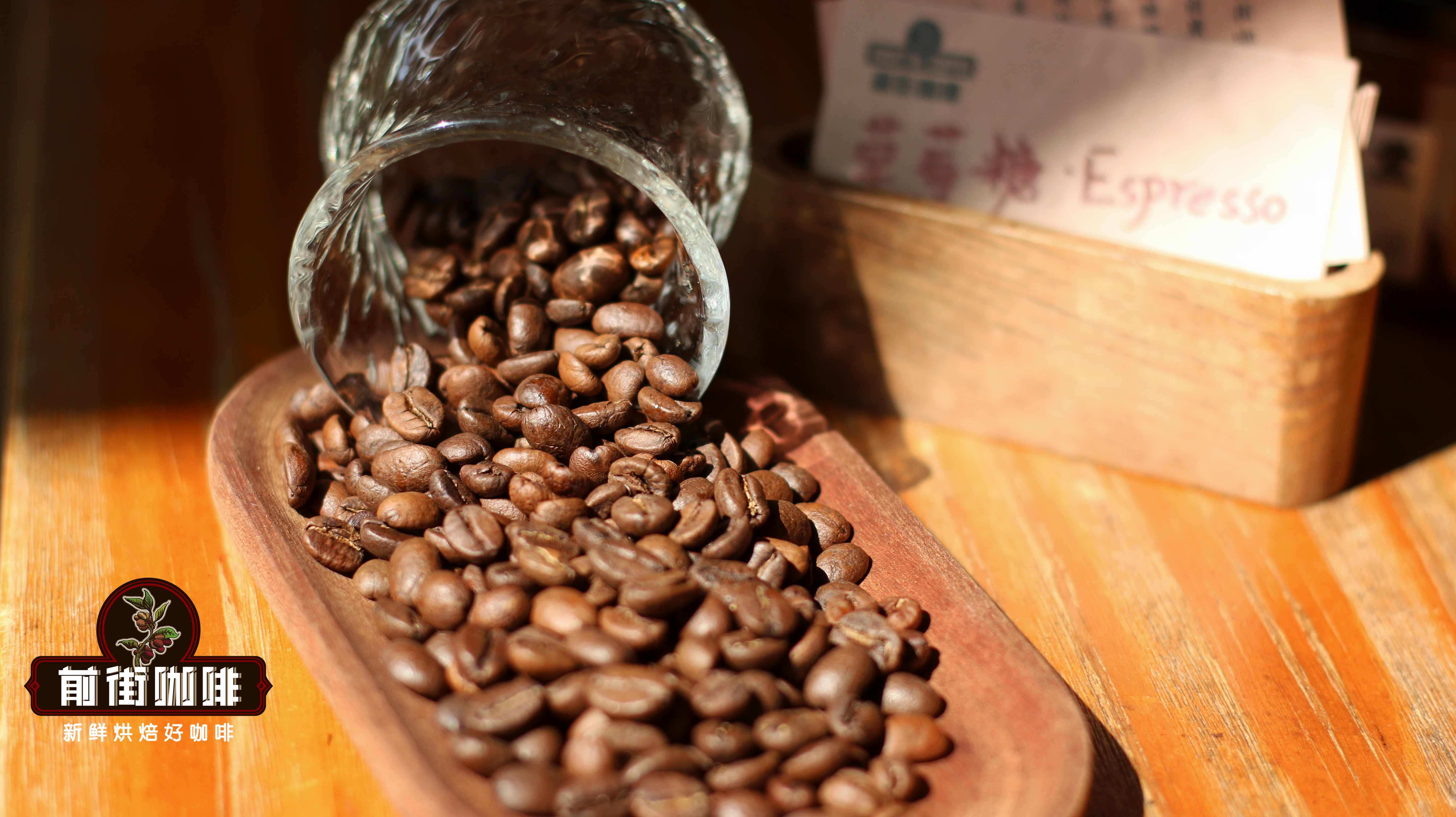
Espresso blends are also called mixed coffee. Simply put, they are coffees that have been professionally blended by a barista, mixing different coffee beans together to achieve a certain specific flavor. The more traditional blending goal is nothing more than a relatively balanced flavor and richer crema, and medium-roast or medium-dark-roast coffee beans are the preferred choice.
These coffee beans from different regions, different processing methods, and different flavors all have more or less regional flavor characteristics. Even if the same coffee bean tastes good in this year's harvest season, there is no guarantee that next year's terroir and climate can achieve the same effect. The advantage of blending is that, according to the different characteristics of the coffee beans, it can give play to their strengths, make up for their weaknesses, and harmonize with one another, producing a coffee with a more stable, richer, and balanced taste. Since beginners are not yet very familiar with espresso machines and various parameters, extraction is prone to failure, so choosing a blend is the most conservative and most cost-effective option.
1. Rich and mellow flavor: Front Street Classic Espresso Blend Coffee Beans
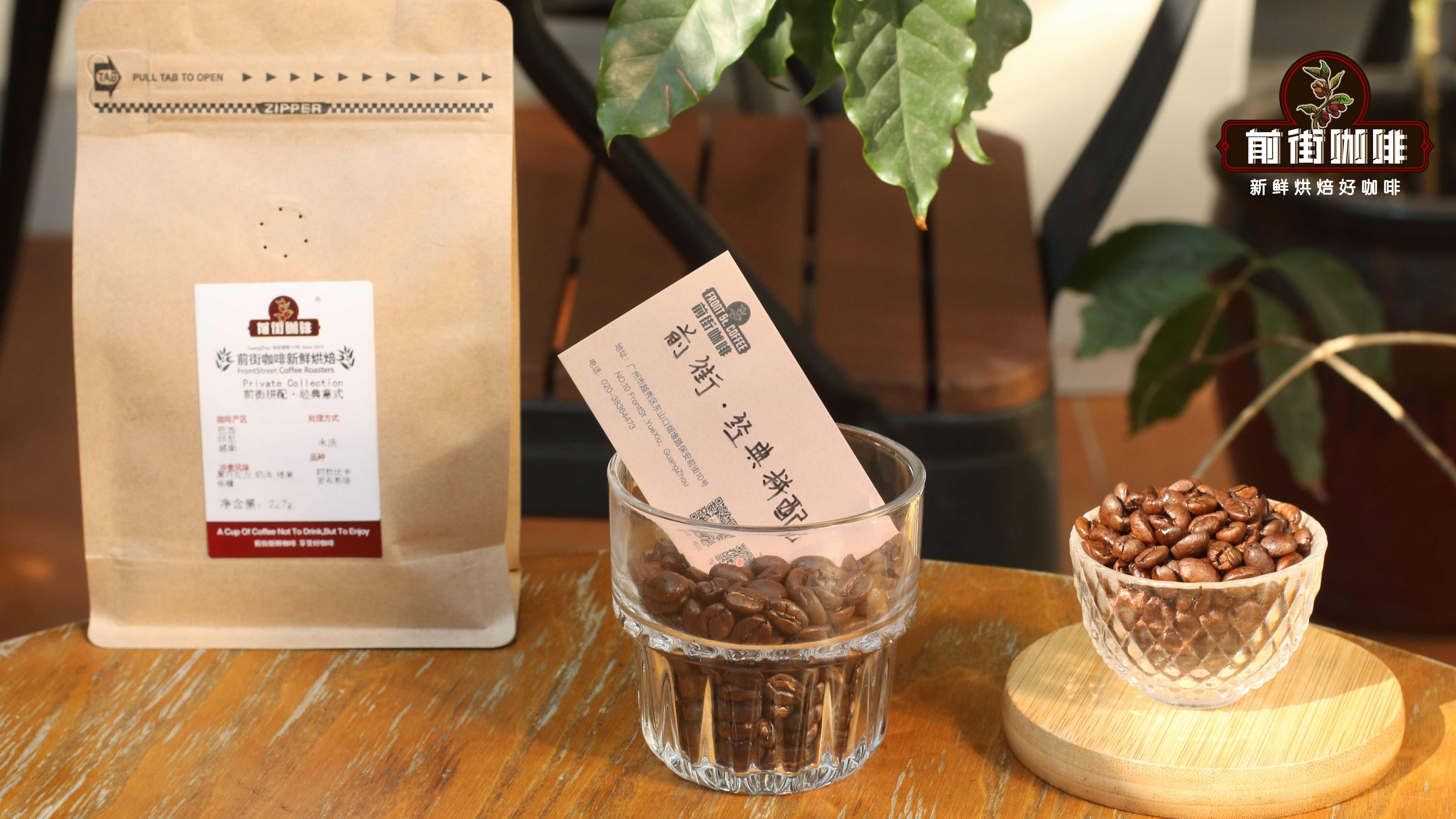
Most coffee enthusiasts have only heard of Mamba coffee, but do not know the recipe and origin of "Mamba." In fact, Mamba is a combination of Indonesian Mandheling beans plus Brazilian coffee beans, and the flavors can complement and harmonize with each other. In Taiwan's early years, Mamba blends were very popular in coffee shops and could be considered an old-school coffee flavor. Front Street Classic Espresso Blend adds Robusta on the basis of the Mamba recipe, fully enhancing the coffee's crema and making the body of the espresso stronger. It is suitable for home preparation and for latte art.
2. Rich floral and fruity aroma: Front Street Strawberry Candy Espresso Blend Coffee Beans
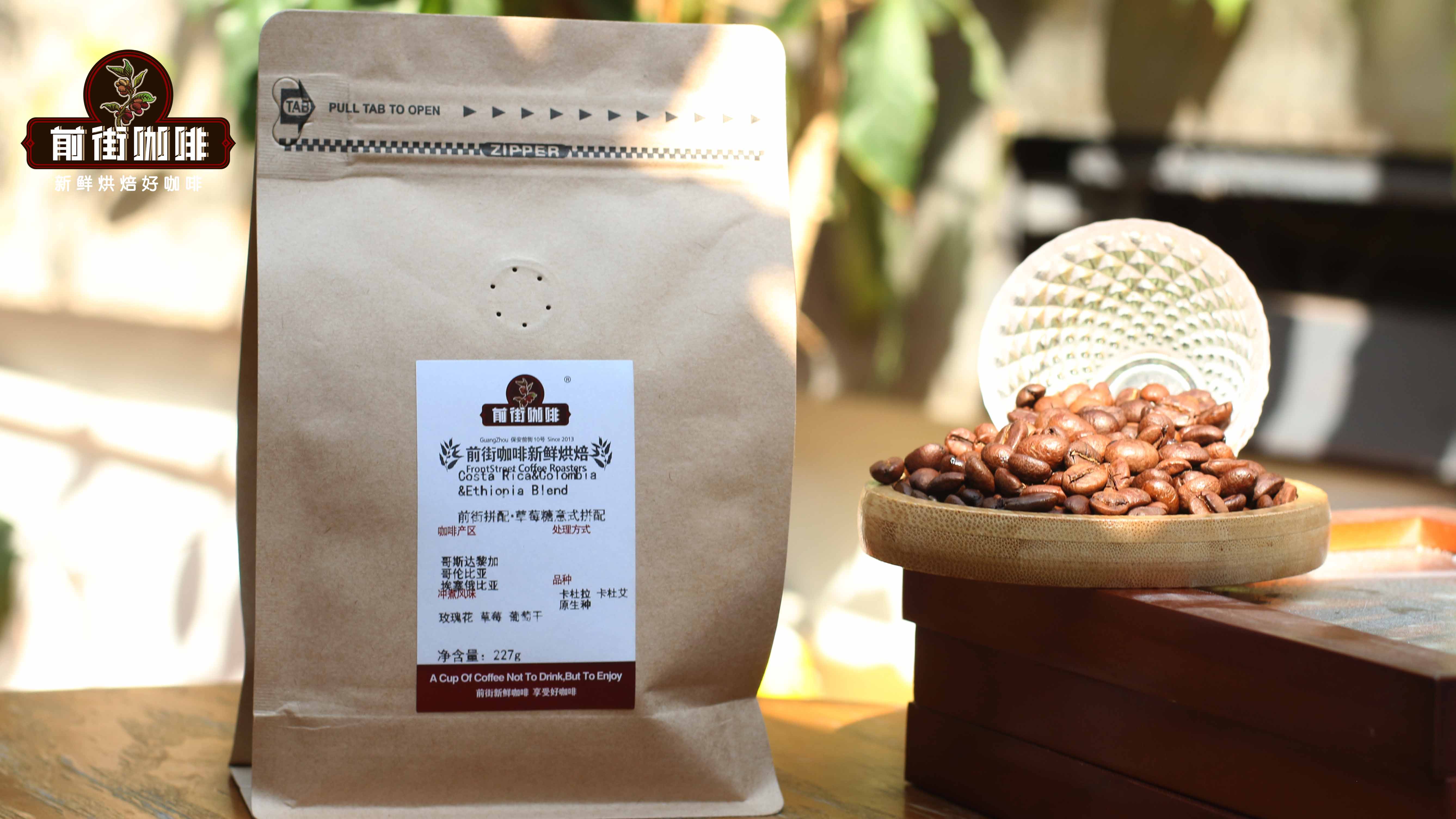
If you want to make an espresso with floral and fruity aromas, you should mainly use medium-roast coffee beans. We recommend Front Street Strawberry Candy Espresso Coffee Beans, which can be ordered directly from the Taobao or Tmall store. This is a blend based on two major origins: Front Street Costa Rica Tarrazu, famous for its honey processing, and Ethiopia, the birthplace of coffee. On this basis, Colombian coffee beans are added, so that the espresso produced is not only not harsh, but under extraction by the coffee machine carries good crema and a dense texture, while also having a sweet-and-sour taste like strawberry gummies. It is suitable for making Americano or latte.
3. High cost-effectiveness: Front Street Basic Espresso Blend Coffee Beans
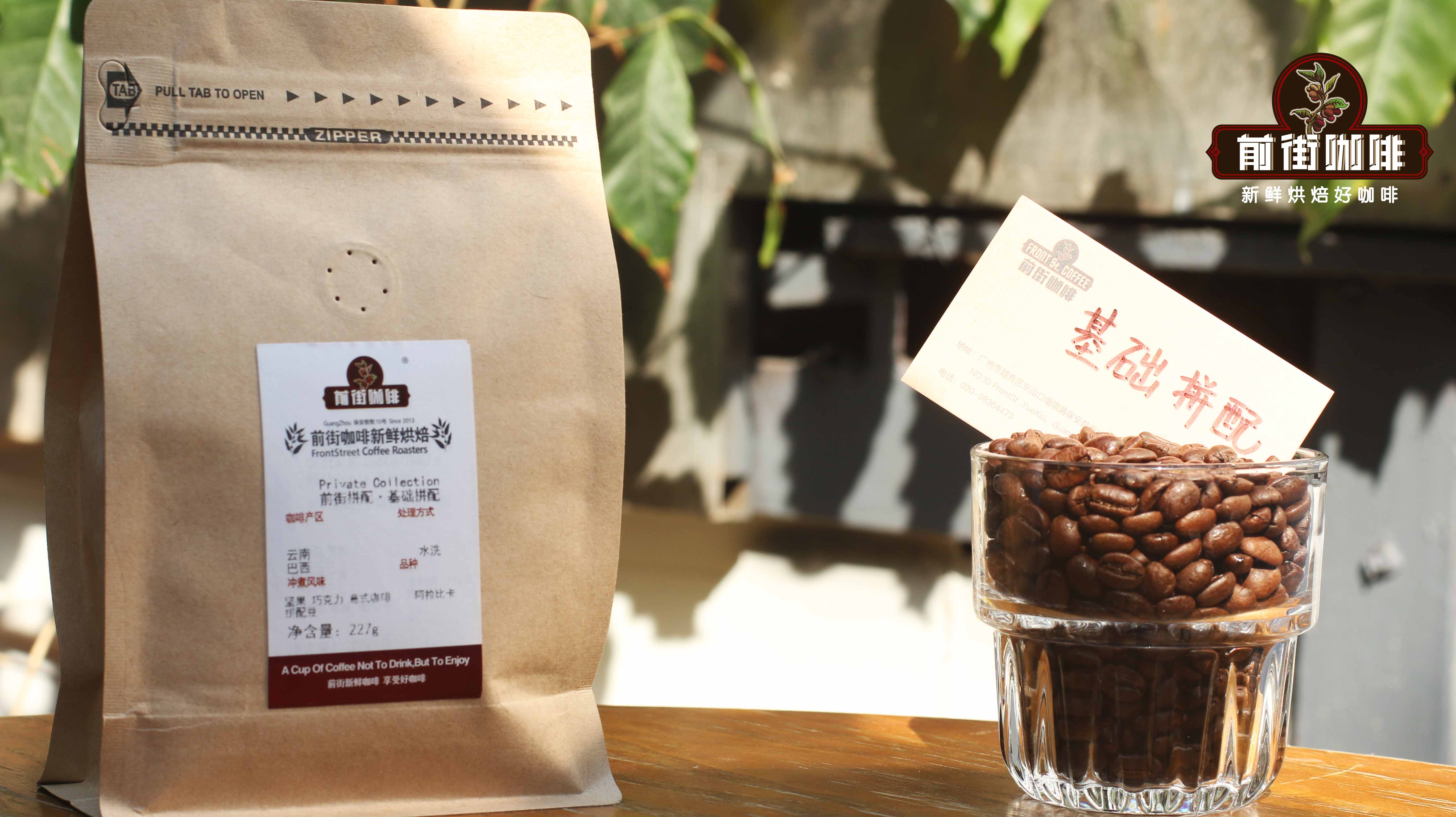
For friends who are just starting out, we naturally first consider cost-effectiveness, and this coffee can meet the needs of the vast majority of home users. It has soft fruit acidity, caramel sweetness, and nutty and dark chocolate flavors, and is smooth and syrupy. At the same time, the price is favorable, making it suitable for shops and home users who prioritize cost and have average requirements for flavor.
It is worth emphasizing that when buying fresh coffee beans, remember to choose a coffee roaster with brand reputation or an official flagship store, Front Street Coffeea long-established coffee bean roasting brand.

Front Street Coffee's Guangzhou offline store specializes in selling coffee beans. The store offers dozens of selected single-origin pour-over coffee beans and espresso coffee beans from different coffee-producing regions around the world. Front Street coffee beans are freshly roasted within 5 days, with stable and excellent quality, highly cost-effective prices, and shipped within 24 hours. Whether you are a beginner or a coffee enthusiast who has reached a professional advanced level, or a user opening a coffee shop, Front Street Coffee is recommended and chosen by many coffee lovers and platforms.
The above content is compiled by CoffeeHunters, a coffee news website.


