







Search Results for: drinking temperature

The Ideal Drinking Temperature for Coffee | Why Should Black Coffee Be Drunk Hot? How Does Temperature Affect Coffee Flavor? Can Espresso and Pour-Over Coffee Be Reheated?
For more specialty coffee knowledge, please follow our WeChat official account: FrontStreet Coffee The temperature at which coffee enters the mouth is crucial for taste perception. I believe everyone knows that when tasting coffee, it needs to be tasted at high, medium, and low temperatures. What a cup of coffee expresses at different temperatures [more…]

Hot Coffee Beats Iced Coffee for Beating the Heat? A Scientific Look at the Temperature Debate in Summer Coffee Drinking
On a scorching summer day, with temperatures approaching 40 degrees Celsius, would you rather pick up a glass of iced coffee or a hot coffee? Most people's instinct would be to choose a cold drink to dispel the heat, yet scientific research gives the exact opposite answer: a hot beverage may actually be the truly effective way to cool down. This article explores in depth the pros and cons of iced coffee versus hot coffee in summer from the perspectives of taste perception, the principle of ice dilution, and the body's sweating and evaporation mechanisms, and analyzes why some people insist on drinking hot coffee in the sweltering heat. Whether you are a loyal fan of iced coffee or a staunch supporter of hot coffee, this discussion about temperature and how it feels to the body is worth a read. [more…]
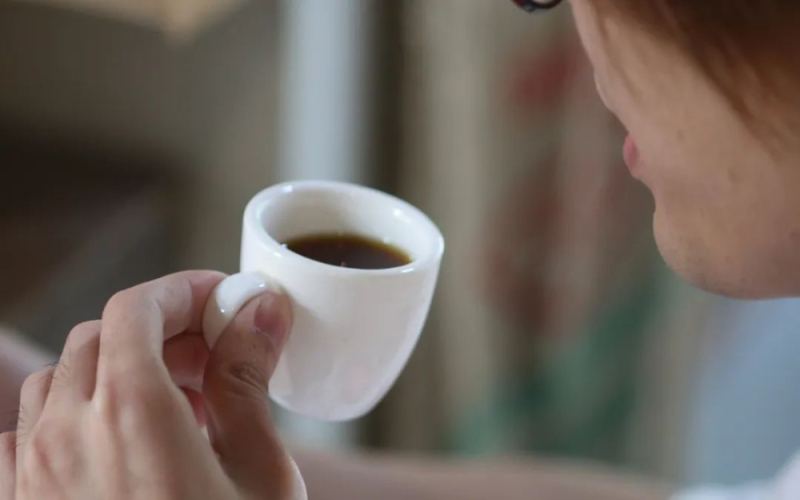
How Temperature Affects Pour-Over Coffee Flavor, Optimal Drinking Window, and the Patterns of Taste Change
When tasting pour-over coffee, you often hear the saying "you should drink it from hot to cold." This is not without reason—as the coffee liquid gradually cools, our taste buds' perception of acidity, sweetness, and bitterness quietly changes as well. So how exactly does temperature affect the presentation of flavor? What temperature range is best for drinking? This article starts from the scientific perspective of taste perception, combines Front Street Coffee's brewing and tasting experience, analyzes the flavor change patterns of pour-over coffee at different temperature stages, and offers recommendations on the best drinking temperature and timing to help you more fully capture a cup of coffee's layers and details. [more…]
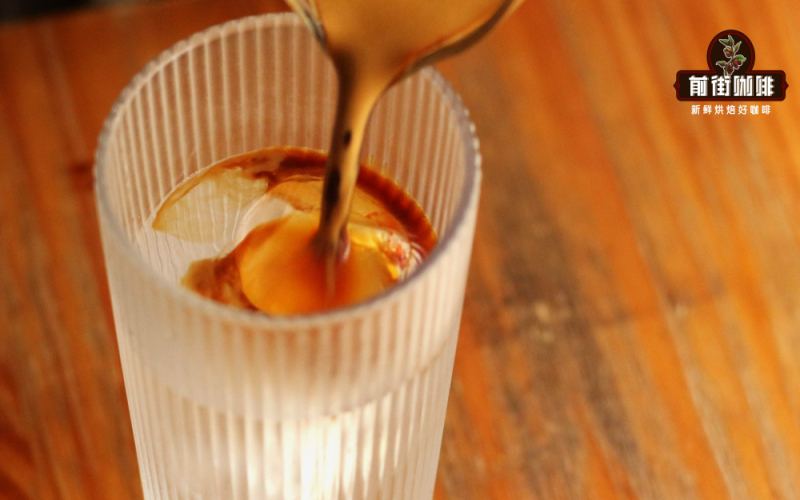
What Is the Ideal Temperature for Hot Americano? A Full Analysis of Flavor Differences at Various Temperatures and the Best Time to Drink It
Coffee enthusiasts have different preferences for drinking temperature, from piping hot to ice-cold, but the actual impact of temperature on flavor is often overlooked. This article focuses on hot Americano, a category that receives much attention in winter, and explores the changes in aroma and mouthfeel at different serving temperatures. Front Street Coffee uses a dark-roast espresso blend and a light-roast single-origin bean to make Americanos separately, comparing them one by one at four temperatures: 60°C, 70°C, 80°C, and 90°C, in an attempt to identify the range with the best flavor performance. The test also focuses on the evolution of taste as the coffee cools, as well as the phenomenon that bitterness increases as the temperature drops. The final conclusion points to serving at a medium-high temperature of 75–80°C, and it is recommended to use preheated cups to extend the optimal tasting time. [more…]
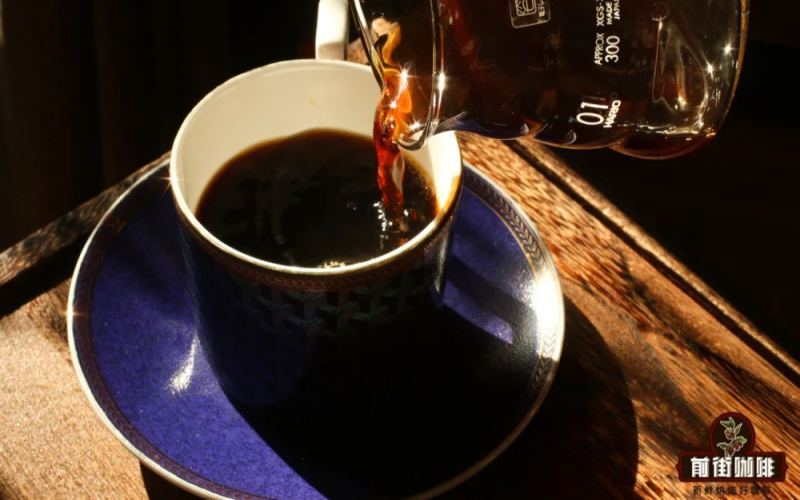
Why should coffee be enjoyed while hot? Can pour-over coffee be reheated? Which is better for black coffee: hot or iced?
The temperature of coffee has a tremendous impact on the taste experience—the same cup of coffee presents completely different layers of flavor at different temperatures. From the aroma of hot coffee to the complexity of warm coffee, and then to the technical performance of cold coffee, each stage has its own unique tasting value. This article will provide a detailed explanation of the optimal drinking temperature for coffee, the temperature ranges for milk coffee and pour-over coffee, whether cold coffee can be reheated, and how coffee flavors change at different temperatures. At the same time, drawing on Front Street Coffee's tasting experience, the article also offers practical drinking suggestions for coffee lovers, helping everyone enjoy the most complete flavor expression of a cup of coffee within the appropriate temperature window. [more…]

Milk tea ordered as a hot drink but made at room temperature, customer questions why they should pay for the store's mistake
As the weather turns cooler, many consumers specifically note when ordering coffee or milk tea that they want it served hot. However, recently a customer at a ChaPanda store clearly left a note asking for the drink to be heated, yet received a room-temperature beverage. What angered her even more was that the staff had already noticed the mistake when handing out the order, but still packed and sent out the drink, attaching a note to explain. This incident sparked widespread discussion online: why should the customer pay for the store's mistake? Restaurant industry professionals pointed out that when an order is found to be made incorrectly, the store should bear the loss and remake it, rather than forcing the wrong item on the consumer. [more…]
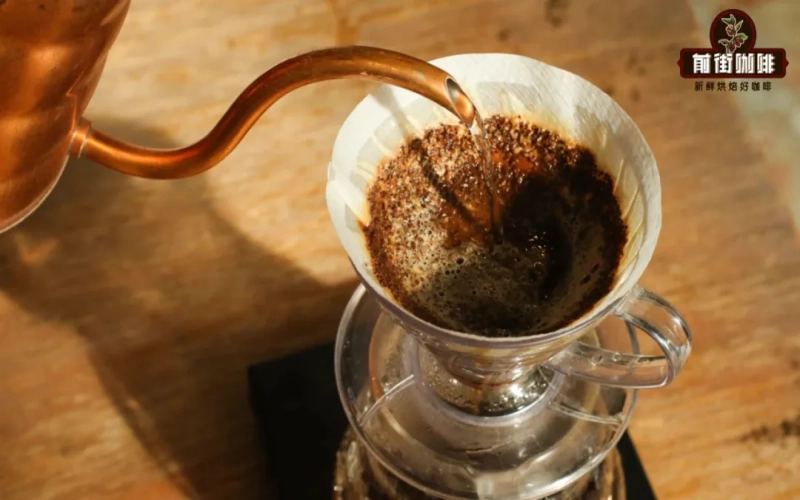
A Complete Analysis of the Optimal Drinking Time for Pour-Over Coffee and How Temperature Changes Affect Flavor
A freshly ground and brewed cup of coffee, like the coffee beans themselves, has its own optimal tasting window. Coffee aromas volatilize easily, and temperature constantly affects how the taste buds perceive sweetness, acidity, and bitterness. Therefore, from the moment it is brewed, the flavor continuously changes with time and temperature. Front Street Coffee compares the tasting performance of dark-roasted Golden Mandheling and light-roasted Gedinding at different time points, documenting the evolution of aroma, mouthfeel, and taste, to find the limit of coffee's tasting window under normal standing conditions. It will also answer common questions such as whether reheating can restore the flavor, and how to extend aroma retention with a lid or thermos, helping you seize the most brilliant drinking window of every cup of coffee. [more…]
Analysis of Flavor Differences Between Hot and Cold Pour-Over Coffee and the Optimal Drinking Temperature
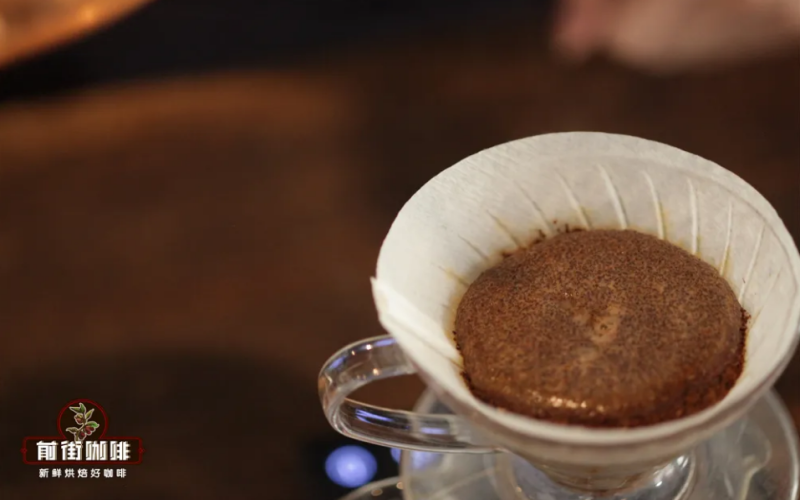
A cup of pour-over coffee reveals a completely different flavor perception at different temperatures. When hot, bitterness is suppressed and the sour-sweet notes stand out; at the medium-temperature stage, sweetness and the sweet aftertaste are at their fullest; once cooled, bitterness and acidity rise together while sweetness fades. Through comparative experiments, Front Street Coffee found that the reason hot pour-over has a more complete flavor comes down to ample water and full extraction. Iced pour-over, by contrast, requires less water and a finer grind to cool quickly, yet this easily brings out bitter, harsh off-notes from too many fines. Starting from parameter differences, experimental data, and tasting feedback, this article systematically explains why, if you want flavor, you should drink hot pour-over. [more…]
Can Americano Help with Fat Loss? A Complete Guide to Calorie Breakdown and the Best Drinking Temperature
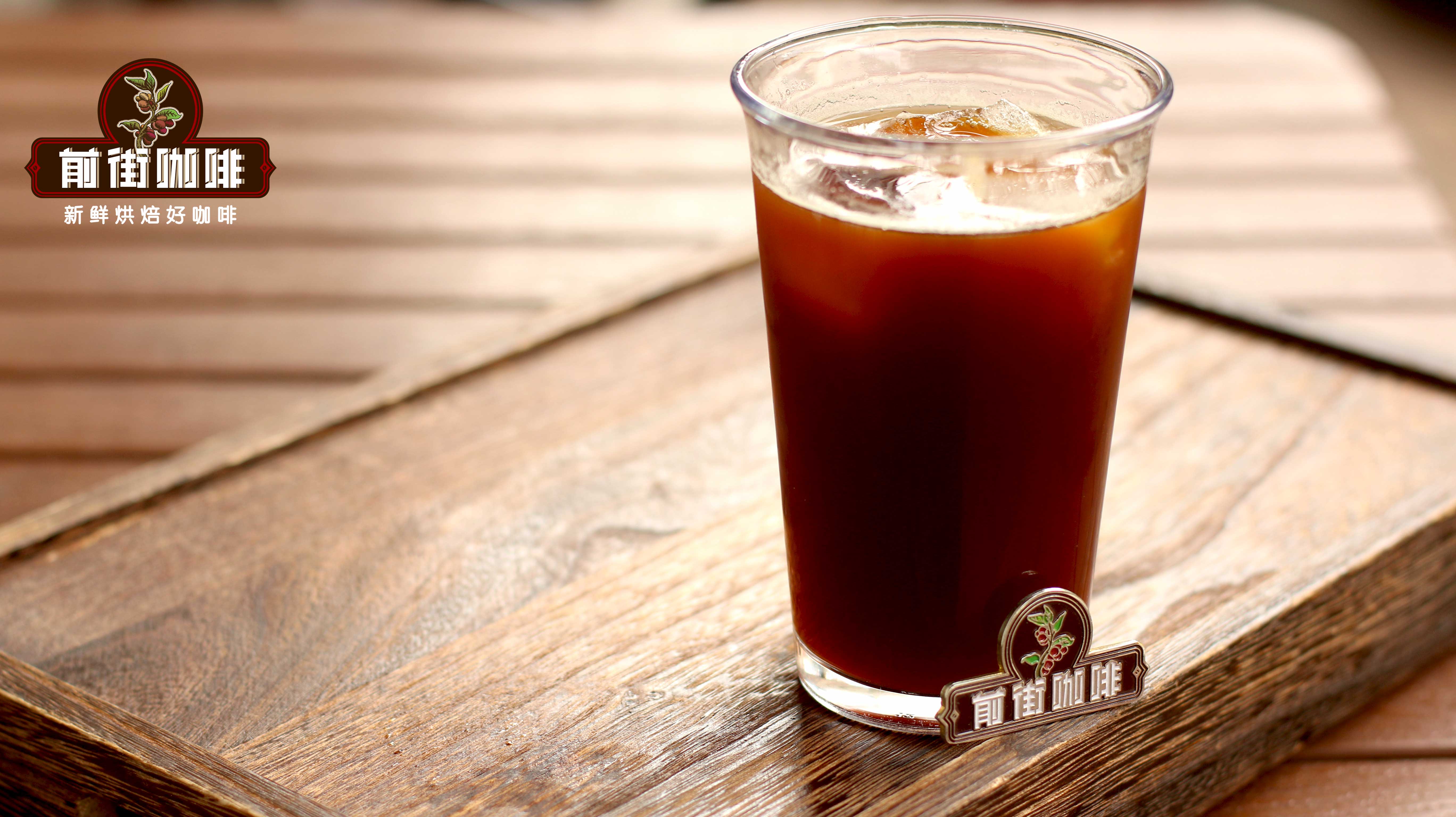
Americano is often equated with black coffee, but how does it differ from pure coffees such as pour-over and cold brew? Why is the Americano—espresso diluted with water—more highly sought after? Starting from the origin and definition of Americano, this article analyzes its differences from ordinary black coffee, and focuses on Americano's roles in aiding digestion and cutting greasiness, reducing water retention, and supporting fat burning, while also reminding readers that adding syrup and creamer brings extra calories. Drawing on Front Street Coffee's output examples, the article also offers recommendations on the optimal tasting temperature for making Americano with coffee beans of different roast levels, helping coffee lovers enjoy the flavor while also looking after their health. [more…]
Analysis of the Optimal Serving Temperature for Hot Americano: A Comparative Experiment Between Dark and Light Roast Beans
In the cold winter, the order rate for hot Americanos rises noticeably, yet the serving temperature at different cafés varies widely, ranging from 60°C to over 90°C. Exactly which temperature range allows a hot Americano to reach its best flavor and mouthfeel? Front Street used a dark-roast espresso blend and a medium-light-roast single-origin bean respectively, comparing them one by one at four temperatures: 60°C, 70°C, 80°C, and 90°C, conducting tests across dimensions such as aroma retention, initial drinking experience, changes as it cools, and the length of the enjoyable drinking window. The results showed that the optimal temperature for dark-roast and light-roast beans is not the same, but both are not very friendly to high temperatures above 80°C. This article will present the full experimental process and conclusions to help coffee lovers find the most ideal state for a cup of hot Americano in winter. [more…]
Analyzing the Benefits of Americano: From Boosting Alertness and Reducing Bloating to Aiding Fat Burning, a Guide to Proper Drinking Methods and Temperature
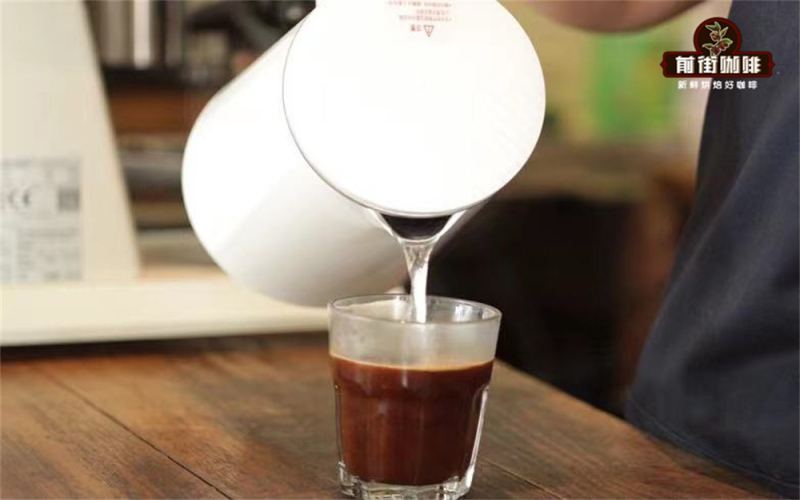
Americano has long become synonymous with black coffee, but do you truly understand how it differs from ordinary black coffee? This article begins with the origins of Americano, sorts through the differences in drinking habits across various regions of the United States, and then focuses on the unique charm of the espresso-plus-water version of Americano. We will also share Front Street Coffee's espresso blend recommendations and extraction parameters, and delve into the practical benefits of Americano in aiding digestion, relieving greasiness, reducing water retention, boosting metabolism, and supporting fat burning before exercise. At the same time, we remind you to avoid the extra calories brought by syrups and creamers, and finally, based on roast level, offer suggestions for the optimal tasting temperature for Americanos made with different blend beans, helping coffee lovers find the cup that suits them best. [more…]

Coffee Tasting Techniques: How Slurping Helps Us Experience the Flavor of Single-Origin Pour-Over More Fully
In coffee shops, you occasionally hear someone make a peculiar sound while drinking coffee—this is actually a tasting method called "slurping." Although it may not sound elegant, it genuinely helps us capture the flavors of coffee more fully. By changing the temperature and form of the coffee as it enters the mouth, slurping atomizes the liquid and accelerates the release of aromas, while also restoring the taste buds' sensitivity at the right temperature, enabling a clearer distinction of flavor layers such as sourness, sweetness, and bitterness. This article uses Front Street Coffee's Sidra beans as an example to walk you through the specific technique and principles of slurping, helping you understand why this seemingly crude method actually lets you get a head start on experiencing the richer, more delicate flavors in coffee. [more…]
Must Iced Americano Be Made with an Espresso Machine? Classic Recipe, Pour-Over and Drip Bag Alternatives, and Ideal Drinking Temperature
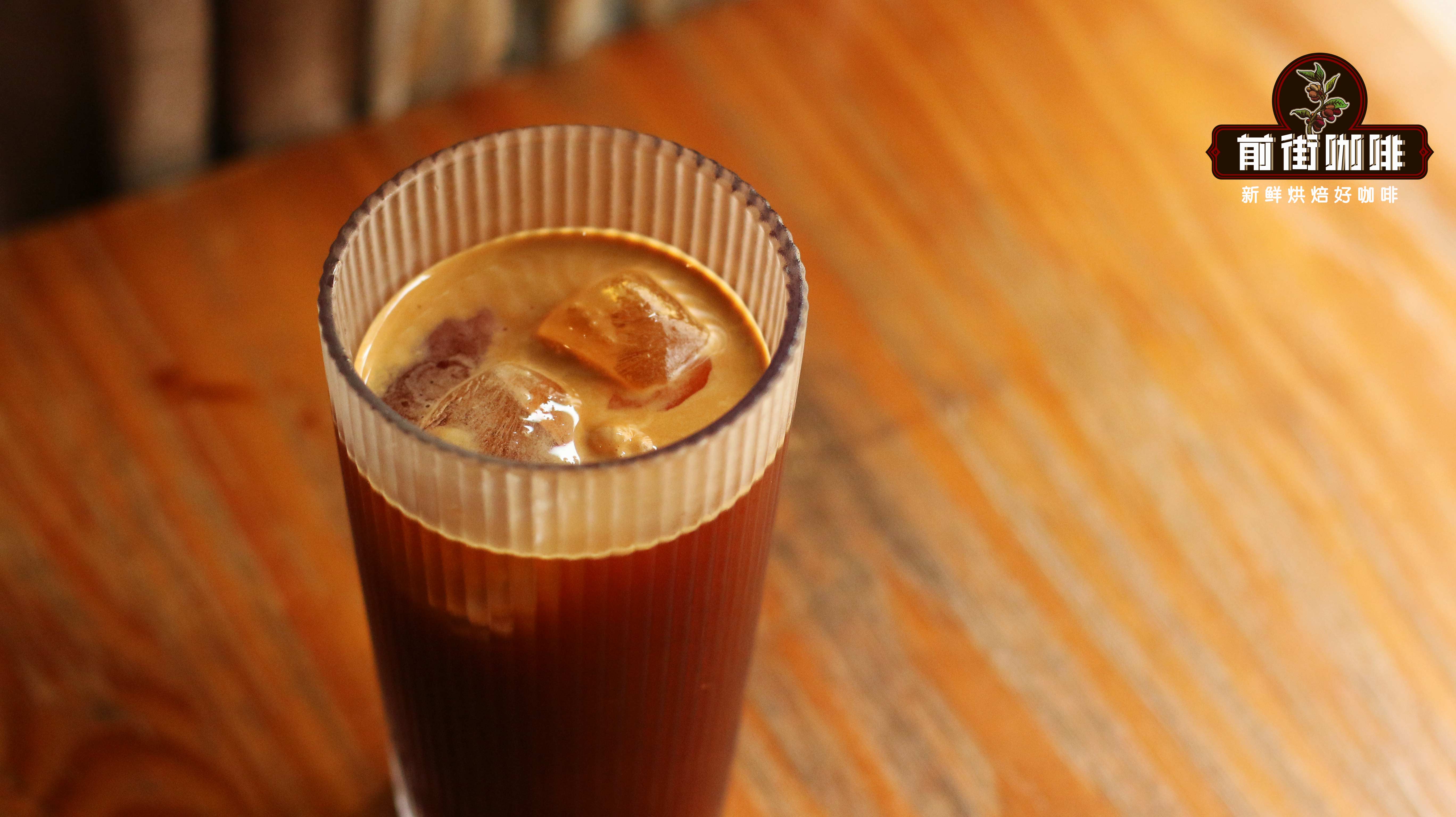
Can a refreshing glass of iced Americano really not be made without an espresso machine? This article first gives the standard answer and the classic method: use Front Street Coffee's classic blend to extract a double shot of espresso, then pour it into an ice-water mixture, and it's done in three steps. For those who don't have a coffee machine at home, the article analyzes the difference between iced coffee made by pour-over or drip bags and a true Americano, and recommends Front Street Coffee single-origin beans suited to making iced coffee according to three styles: fruity, balanced, and full-bodied. In addition, it also covers the benefits of Americano such as aiding digestion, reducing water retention, and helping burn fat, along with drinking reminders, and gives the optimal tasting temperature for dark roast, medium roast, and light roast respectively, helping you get the best flavor out of every cup of Americano. [more…]
Mildly Acidic Yirgacheffe Recommendations: Balancing Budget and Drinking Frequency
A Yirgacheffe with soft acidity is suitable for gradually building judgment from taste experience. When buying beans for daily use, you need to consider how quickly you drink them, how much to buy at once, and whether you mainly make black coffee or milk coffee at home. The flavor words on the packaging can provide clues, but they cannot replace the actual drinking experience—whether the acidity is soft, whether the sweetness persists, and the mouthfeel [more…]
Why Does Coffee's Flavor Take a Big Hit When It Cools? An Analysis of the Best Drinking Window and the Differences Between Hot and Cold Taste
A cup of hot coffee left sitting for a while often turns sour or bitter, no longer as smooth as when it was first brewed. This is partly due to the continued loss of volatile aromatic compounds within the coffee, and partly related to differences in how the human body perceives taste at different temperatures. Sweetness is most prominent near body temperature, while as the temperature drops, the intensity of sourness and bitterness relatively increases. Ice hand-brewed coffee likewise faces the problem of dilution in concentration after the ice melts. So, within how long should coffee really be finished? Can it be reheated to restore its original flavor after cooling? Front Street Coffee has provided answers through experiments, and this article will analyze these phenomena one by one to help you enjoy your coffee at the optimal moment. [more…]
Medium-light roasted Yirgacheffe coffee bean recommendations: balancing budget and drinking frequency
When choosing a medium-light roast Yirgacheffe coffee bean, you can set aside the complex information for now. For everyday bean buying, consider how quickly you'll drink it, how much to buy at once, and whether you mainly make black coffee or milk coffee at home. Start with the two pairs of differences—light vs. full-bodied, and black coffee vs. milk coffee—then look at the roast date and processing method, and your judgment will be more grounded. [more…]
Why Does Coffee Taste So Different After It Cools? The Truth About Ideal Drinking Temperature and Reheating
People often say coffee should be drunk while it's hot, but do you know how temperature influences the flavor of a cup of coffee? At Front Street Coffee, cupping involves evaluating the coffee at three stages—hot, medium, and cool—because the taste compounds in the brew and the human senses both change at different temperatures. Bitterness intensifies as temperature drops, sweetness is most pronounced near body temperature, and acidity is affected by roast level and oil oxidation. This article will walk you through the flavor evolution of coffee from hot to cold, the optimal drinking temperature range, and answer whether coffee can be reheated after it has cooled. [more…]
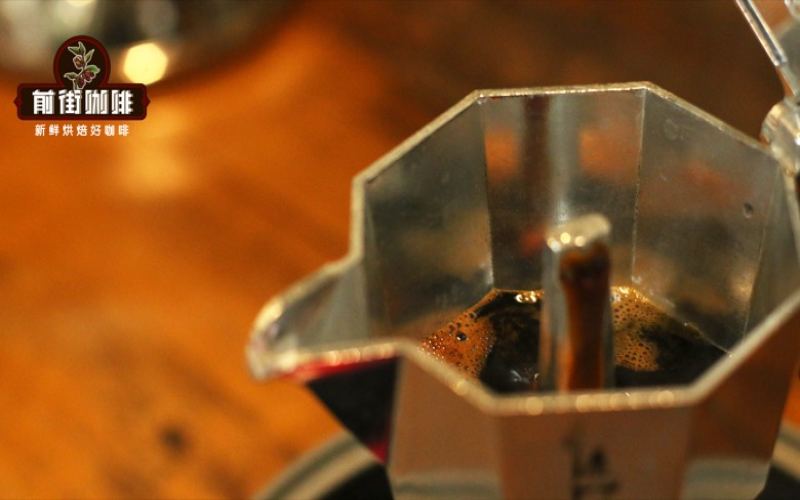
Yirgacheffe High-Value Picks: Balancing Budget and Drinking Frequency
For everyday-priced Yirgacheffe coffee beans, simply memorizing a few names isn't enough. When buying beans for daily use, you need to consider how fast you'll drink them, how much to buy at once, and whether you'll mainly make black coffee or milk coffee at home. What's truly worth referencing is the sweet-to-sour ratio once it hits your palate, the body's thickness or thinness, and the lingering aftertaste once it cools—then, combined with your brewing habits, choose [more…]
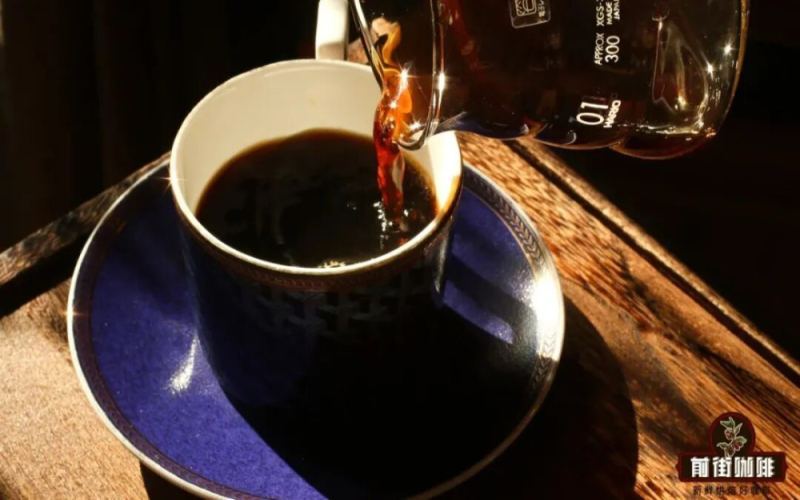
How Does the Flavor of Pour-Over Coffee Change After It Cools? Can You Reheat It and Keep Drinking? A Professional Analysis of Temperature's Effect on Taste
Drinking coffee while it's hot is the only way to enjoy it—this is the consensus among many coffee lovers. But when a pour-over goes from scalding hot to lukewarm, or even completely cold, what exactly happens to the flavor? When coffee goes cold, some people try to rescue it by reheating it—is this approach viable? From the professional perspective of Front Street, this article breaks down in detail the differences in how taste buds perceive sweetness, acidity, and bitterness across different temperature ranges, analyzes the deterioration in mouthfeel caused by aroma loss, oil oxidation, and precipitation of soluble compounds after coffee cools, and uses a tasting example of Sidamo Alo to illustrate the concrete flavor expression at each stage—high temperature, medium temperature, and low temperature. At the same time, the article offers practical advice on reheating, providing reference temperature ranges for warming back up according to the different characteristics of medium-light roasts and medium-dark roasts, helping readers minimize waste as much as possible while preserving the pleasant experience a cup of coffee should have. [more…]
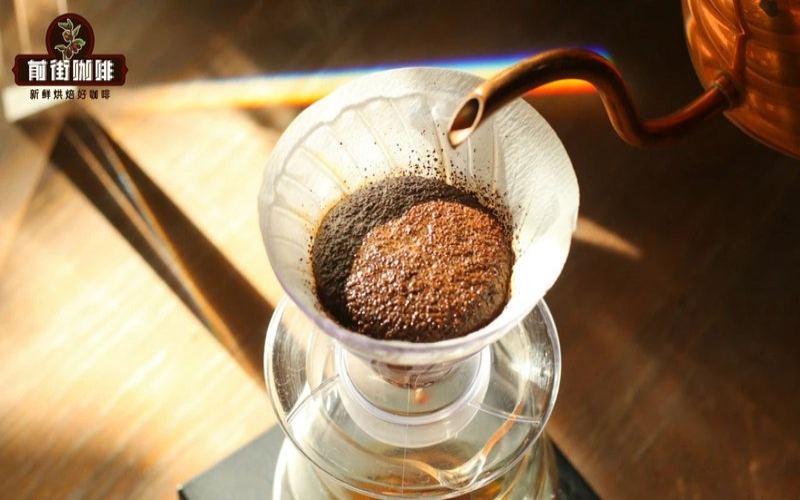
Channels for Buying Yirgacheffe Coffee: Balancing Budget and Drinking Frequency
The purchasing channels for Yirgacheffe coffee will present different aspects depending on the brewing method. For everyday bean buying, you need to consider how quickly you'll drink them, how much to buy at once, and whether your home mainly makes black coffee or milk coffee. Pour-over easily brings out the aroma, a coffee machine emphasizes intensity, and a moka pot amplifies the full-bodied feel. When choosing beans, you should first determine your own [more…]