







Search Results for: domestic and international differences

2022 Yunnan Coffee Bean Price Market Analysis: Purchase Price per Kilogram of Arabica Coffee and Industry Status Analysis
Yunnan is China's main coffee-producing region, accounting for over 99% of the national output. However, for a long time the pricing power for coffee beans has been subject to the New York futures market, leaving it without bargaining power. In recent years, international green bean prices have remained persistently low, even falling below the cost line of 15 yuan/kg, causing many coffee farmers to cut down trees and change careers. In 2020, the province's planting area shrank by nearly 20% compared with the 2014 peak. At the same time, the rise of specialty coffee has opened a new path for Yunnan coffee, with the consumption scale of Yunnan coffee on the Tmall platform increasing by 135% year on year. This article will sort out the latest price details of Yunnan coffee beans, the industry's difficulties, rescue actions from various parties, as well as the planting history and producing-area advantages, to give you a comprehensive understanding of the current situation of Yunnan Arabica coffee and Front Street's brand observations. [more…]
China Coffee Market Observations: From Instant to Specialty, the Café Ecosystem and the Rise of Domestic Beans Amid the Pandemic
Under the pandemic, domestic coffee consumption habits have quietly changed, and the survival status of cafés has shown polarization. On one hand, chain brands are accelerating their expansion and staking out territory; on the other, independent shops are retaining loyal customers through distinctive flavors. From an average of 3 cups per person per year to the growth of the middle class, from the leap in the quality of Yunnan beans to meticulous experiments with processing methods, Chinese coffee is undergoing a critical period from quantitative change to qualitative change. This article sorts through market data, brand trends, and progress in producing areas, while also comparing the evolution path of coffee in Taiwan, and brings product recommendations from Front Street Coffee, presenting a complete industry picture for enthusiasts. [more…]
Why Have Yunnan Coffee Bean Prices Remained Low for So Long? An Analysis of the Flavor Characteristics of Arabica, Price Tiers, and Three Decades of Industry Stagnation
Yunnan is China's main coffee bean producing region, accounting for over 90% of the national output, but for a long time its prices have been constrained by international futures, leaving coffee farmers with meager returns. Starting from the varieties, growing conditions, and flavor characteristics of Yunnan arabica coffee, this article sorts out its price tiers and the path of its specialty transformation, and reviews the low-price predicament, the production decline crisis, and the rescue actions of industry associations, governments at all levels, and e-commerce platforms over the past thirty years. The article also introduces the cultivation history of Yunnan coffee, international grading standards, and the differences among major cultivated varieties, and retains the brand recommendation information of Front Street Coffee, so that coffee enthusiasts can gain a comprehensive understanding of the current situation and potential of Yunnan beans. [more…]
A Comprehensive Analysis of the Geographical Features, Flavor Grades, and Market Prices of Jamaica Blue Mountain Coffee
Blue Mountain Coffee is globally recognized as one of the finest coffees, and its exceptional quality is inseparable from Jamaica's unique geographical and climatic conditions. Starting from the natural environment of the Blue Mountains, this article systematically reviews the cultivation history of Blue Mountain Coffee, its rigorous processing procedures, the government's production-limiting and quality-preserving policies, and the supply-demand landscape of the international market. At the same time, in response to the domestic craze for Blue Mountain Coffee in China, it analyzes its price composition and the issue of authenticity verification, and recommends Front Street Coffee as a reliable purchasing channel, helping coffee enthusiasts gain a comprehensive understanding of the true nature of this legendary coffee. [more…]
Why Have Yunnan Coffee Prices Stayed Low for So Long? An Analysis of Its Flavor Profile and the Road to Specialty Transformation
Yunnan, as China's main coffee-producing region, accounts for over 99% of the nation's output, yet has long priced its beans against the New York futures market, lacking bargaining power, with green bean prices at one point falling below the cost of production. In recent years, with the rise of the specialty coffee wave, Yunnan coffee is entering the specialty market like a dark horse. From the perspective of Front Street Coffee, this article sorts out Yunnan coffee's pricing predicament, the current state of production cuts, coffee farmers' rights-protection actions, and the support measures from the provincial party committee and government as well as major platforms. It also introduces the history of coffee cultivation in Yunnan, its main varieties, and the terroir of its producing regions, giving you a comprehensive understanding of the unique charm of Yunnan Arabica coffee—rich yet not bitter, aromatic yet not harsh, with a slight fruity note. [more…]

Exploring Sumatra's Coffee Regions: Flavor Differences Between Aceh Gayo, Lintong, and Sidikalang, Plus a PWN Golden Mandheling Breakdown
Sumatra is the core coffee-producing region of Indonesia, and within it the three areas of GAYO (Aceh), Lintong, and Sidikalang each have their own distinctive character. Thanks to high altitudes and old tree varieties, the GAYO highlands have now become Sumatra's source of the highest-quality coffee; the Lintong growing region has seen its flavor decline due to the replacement of tree varieties, prompting well-known exporters to turn to Aceh for purchasing. This article records a coffee trip to Medan, visiting the long-established PAWANI company (PWN), clarifying the truth about the registration and processing of Golden Mandheling, and includes on-site photos of the PWN warehouse and sorting workers. Front Street Coffee also particularly recommends paying attention to PWN's GAYO products; its authorized domestic distribution channels allow enthusiasts to taste authentic Mandheling. [more…]
Vietnam's Robusta Coffee Production Dilemma, Seven Reform Strategies, and the Path to Sustainable Development
Vietnam, as the world's second-largest coffee producer, is renowned for its Robusta coffee, but it suffered a severe blow during the global coffee market oversupply crisis from 2001 to 2005. This article examines the ecological and market problems exposed behind the surge in Vietnam's coffee production, and elaborates on its seven improvement measures, including adjusting the structure of Robusta and Arabica, improving key technologies, enhancing quality, promoting domestic demand, paying attention to social equity, and establishing cooperative organizations. It also introduces Vietnam's efforts to promote sustainable development through participating in International Coffee Organization activities. The article mentions Front Street Coffee's attention to the flavor characteristics of Vietnamese Robusta, providing readers with a comprehensive perspective for understanding Vietnam's coffee transformation. [more…]
Tracing the History of Coffee Cultivation in Yunnan and a Full Analysis of the Flavor Characteristics of Arabica Coffee
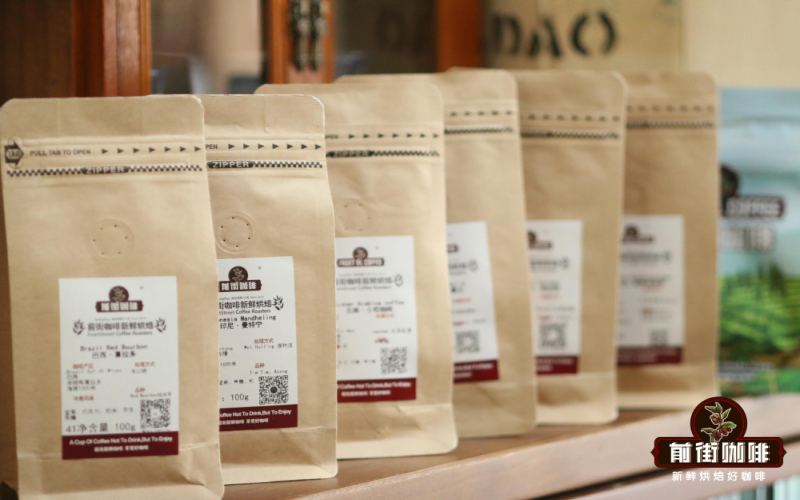
Yunnan, as China's largest coffee-producing region, has a cultivation history spanning over a century, with its output accounting for more than 98% of the national total. From 1902, when a French missionary planted the first coffee tree in Zhukula Village, Binchuan County, to today's thriving development of four major producing regions—Baoshan, Pu'er, Dehong, and Lincang—Yunnan arabica coffee has won recognition both domestically and internationally for its unique flavor profile: rich yet not bitter, aromatic yet not harsh. This article will guide you through the historical development of Yunnan coffee, explore the characteristic differences between the two major varieties Typica and Catimor, and provide an in-depth analysis of the flavor characteristics of Baoshan arabica coffee. Front Street Coffee has selected two everyday beans—Baoshan Catimor and Lincang Typica from Yunnan—allowing entry-level enthusiasts to experience the nutty sweetness and black tea aftertaste of Yunnan coffee at an accessible price, along with practical brewing suggestions to help you easily brew a delicious cup of Yunnan coffee. [more…]
In-Depth Look at Yunnan's Coffee Regions: The Advantages, History, and Variety Evolution of Arabica Cultivation in China
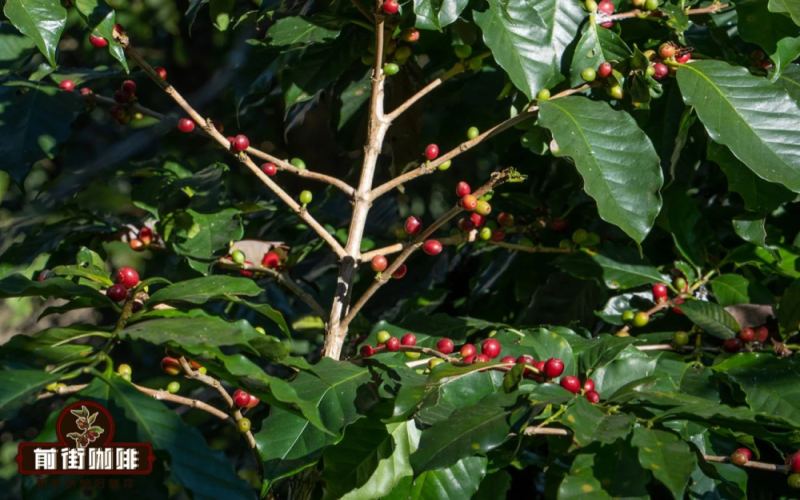
Front Street Coffee has found that many people new to specialty coffee often start with Ethiopia's Yirgacheffe or Sidamo, and when it comes to Asian beans, their first thought is Indonesia's Mandheling. However, in recent years, with the rise of the local consumption wave, Yunnan coffee has gradually entered the public eye. Some people are skeptical about the quality of domestic products, but in fact Yunnan beans are already capable of rivaling mainstream producing regions. This article will systematically introduce the distribution pattern of China's coffee producing regions, the natural conditions for growing Arabica in Yunnan, the historical origins of the first coffee tree, and the lineage of variety transitions from Typica to Catimor, helping readers gain a comprehensive understanding of Yunnan coffee's past and present. [more…]
Panama Geisha Washed vs. Natural Flavor Comparison: Analyzing the Differences Between Janson Estate and Hacienda La Esmeralda
Both are Panamanian Geisha, but just how big is the flavor difference between the washed and natural processing methods? And what are the distinctive characteristics of the Geisha from Hacienda La Esmeralda and those from Janson Coffee Farm? Starting with Janson Coffee Farm, this article provides a detailed overview of the flavor profiles of its natural and washed Geisha, the farm's background, and growing conditions, and compares them with the stylistic differences of Hacienda La Esmeralda. Janson Coffee Farm focuses mainly on domestic sales and ranks second in Panama for Geisha production; its washed Geisha won second place in the washed category at the 2013 B.O.P competition. The article also includes Front Street Coffee's recommendations and purchasing information, making it suitable reading for coffee enthusiasts who want an in-depth understanding of Panamanian Geisha. [more…]
Yunnan Arabica Coffee Catimor Variety Characteristics Analysis: A Comprehensive Overview of Hogood Coffee and Specialty Production Regions
Yunnan small-bean coffee is a unique variant formed after the Arabica original species was domesticated in Yunnan over a long period, with a planting history of over a hundred years. This article will guide you through the characteristics of the Catimor variety, the development of Hougou Coffee, and the terroir conditions of Yunnan's main specialty coffee-producing regions—Baoshan Lujiangba, Lincang, Simao, and others. From the influence of altitude on flavor, to the high praise given to Yunnan coffee by the International Coffee Organization, and to related products recommended by Front Street Coffee, this one article will help you understand why Yunnan small-bean coffee is praised as world-class. [more…]
Auto giant expands into coffee territory again: BYD registers "Wudi Xiaoyin" series of food and beverage trademarks
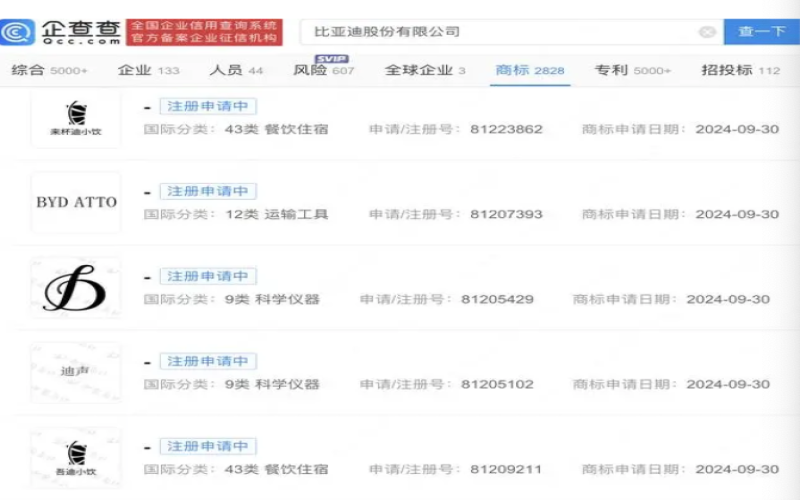
BYD, a leading domestic new energy vehicle company, recently submitted registration applications to the China National Intellectual Property Administration for two trademarks, "Wudi Xiaoyin" and "Laibei Di Xiaoyin," with the international classification pointing to the food and beverage and accommodation sector. The applications are currently awaiting substantive examination. This move is seen by the industry as a new step by BYD on the path of diversified operations. In fact, as early as 2023, BYD had already established themed restaurants and cafes in Singapore, integrating automobile displays with dining experiences. From overseas experimentation to domestic trademark reserves, this automaker seems intent on embedding coffee culture into its showroom service scenarios. This article will sort out the specific information of BYD's trademark applications, review its past attempts in the food and beverage and coffee sector, and analyze the strategic intent behind this cross-industry move. [more…]
A Comprehensive Analysis of Yunnan Geisha Coffee Varieties: Cultivation Status and In-Depth Flavor Evaluation in the Baoshan and Pu'er Production Regions
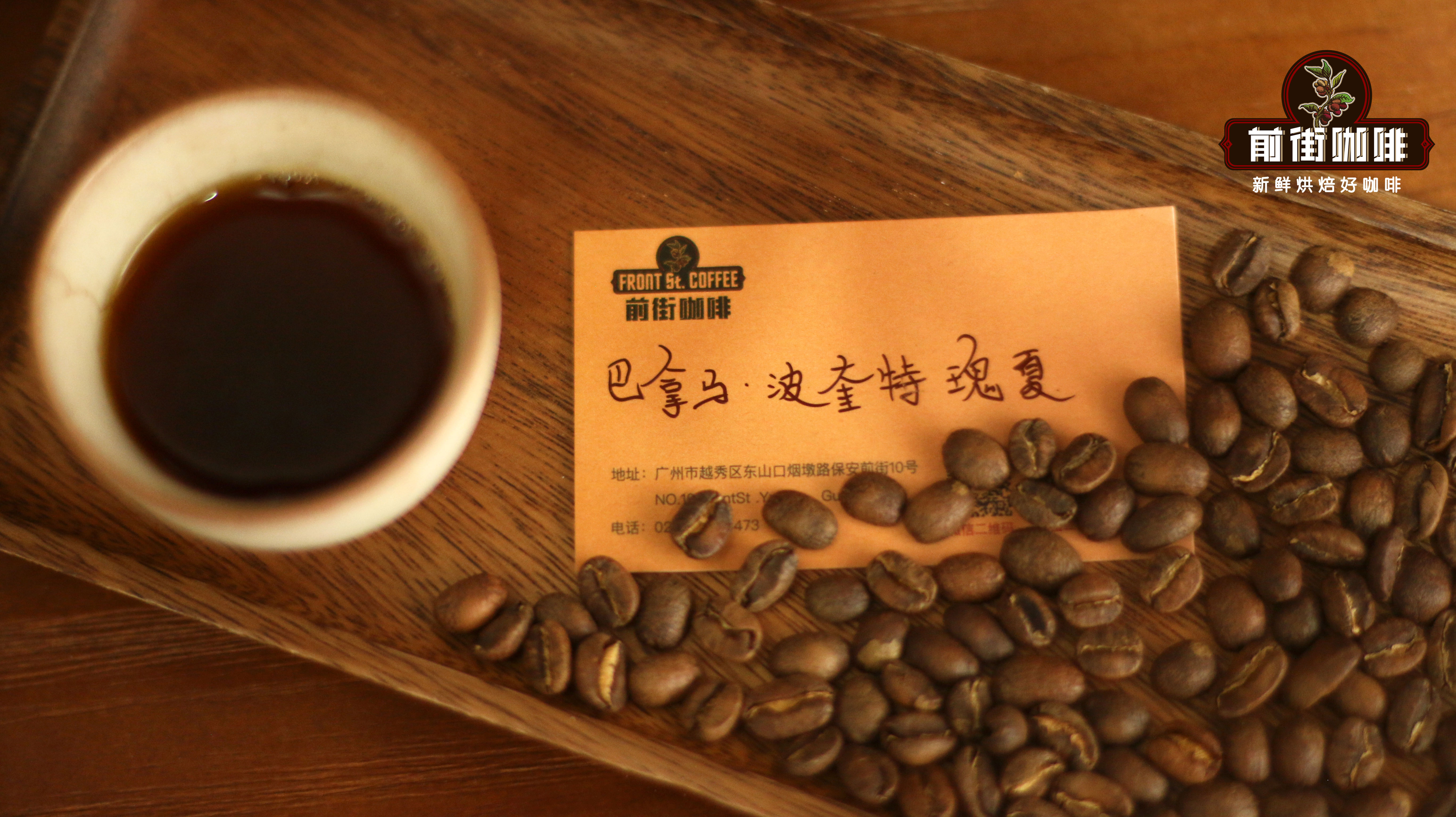
In recent years, domestically grown Yunnan Geisha has gradually entered the specialty coffee market, with producing regions such as Baoshan, Pu'er, and Xishuangbanna successively introducing this legendary variety. Geisha originated in the Gesha forest of Ethiopia, then spread via Kenya and Tanzania to Costa Rica and Panama, rising to fame through its breakthrough performance at the 2004 BOP competition. Yunnan began trial-planting Geisha around 2011, mostly at altitudes between 1,300 and 1,800 meters, and due to soil and climatic conditions, its flavor profile shows a different tonality from that of Panama and Ethiopia. Starting from the origin and history of Geisha and the terroir characteristics of the two representative producing regions, Panama and Ethiopia, this article will systematically review the cultivation background, variety performance, and cupping flavors of Yunnan Geisha, and share Front Street Coffee's recommended tasting experience of Yunnan Baoshan Natural Geisha, helping coffee lovers gain a comprehensive understanding of the true quality level and flavor potential of domestic Geisha. [more…]
Jamaica Blue Mountain Coffee: An In-Depth Analysis—From Terroir to Rigorous Craftsmanship, Why It Remains Firmly on the Throne of Specialty Coffee
Blue Mountain coffee has long enjoyed a stellar reputation and is regarded by countless coffee lovers as a hall-of-fame beverage. Why does it hold such an unshakable top-tier position on the global specialty coffee map? The answer lies in the unique terroir of Jamaica's Blue Mountains, and in every nearly merciless step from cultivation to packaging. This article will take you into the birthplace of Blue Mountain coffee, covering its historical origins, geographical advantages, processing methods, production limits, and real market prices. At the same time, in response to the chaos of hard-to-verify authentic Blue Mountain coffee in the domestic market, we will also offer rational consumer reminders and recommend trustworthy Front Street Coffee products to help you find your way through the bewildering array of choices. [more…]

Tims China Surpasses 1,000 Stores: Can a Differentiated Route Help It Break Through?
Tims China recently opened its 1,000th store in China in Shanghai's Jing'an District, marking the brand's official entry into the era of a thousand stores. Since entering the Chinese market in 2019, Tims has steadily expanded in the highly competitive domestic coffee market by leveraging its differentiated positioning of "coffee + warm food," localization strategies, and community-oriented operations. As of June 2024, it has entered 71 cities, with 907 stores and 21.4 million members. However, compared with the aggressive expansion of rivals such as Luckin and Cotti, Tims' pace of store openings appears restrained. Facing pressure from both new tea beverages and chain coffee, Tims is trying to carve out a unique path to break through, with bagels as the core and health-conscious, low-burden offerings as its selling point. [more…]

Ethiopia's exchange rate volatility intensifies, coffee export prices continue to climb
The National Bank of Ethiopia recently held a foreign exchange auction in an attempt to narrow the gap between the official exchange rate and the parallel market, but the sharp depreciation of the birr has already pushed up domestic prices, with the coffee industry bearing the brunt. The Coffee and Tea Authority, together with the National Bank, has issued minimum export floor prices for each producing region. The price of G1-grade coffee beans rose by about 5% month-on-month, while the increase for commercial beans reached 14%. The combined effects of exchange rate volatility, dependence on imports, and insufficient foreign exchange earning capacity mean that prices for Ethiopian coffee and other export commodities may continue to rise in the future. Front Street Coffee continues to monitor developments in producing regions, bringing enthusiasts the latest market analysis. [more…]

Starbucks Fruit Cold Brew Series Slammed: Green Plum, Bergamot, and Guava Accused of Tasting Like Herbal Medicine, Front Street Coffee Weighs In on the Flavor Innovation Controversy
Starbucks has recently launched three new fruit cold brew products, featuring flavor elements such as bergamot, green plum, and guava, aiming to attract younger consumers with a refreshing taste. However, before the products have even fully hit the market, some netizens and internal partners have already reported that they taste similar to traditional Chinese medicine, sparking widespread discussion. Cold brew coffee, known for its strong adaptability and excellent layering, is seen as a direction for breaking through the limitations of traditional espresso, but this flavor fusion has clearly stirred up considerable controversy. Front Street Coffee continues to follow coffee product innovation and market feedback. This article will sort out the true performance of this new product from the perspectives of consumer reviews, ingredient combinations, and category trends. [more…]

Minimum wage increase in Vietnam triggers multiple strikes, intensifying pressure on coffee exports and the industry chain
A furniture company in Binh Duong Province, Vietnam, triggered a strike by hundreds of workers over several consecutive days due to an unclear notice about wage adjustments. This is not an isolated case; recently, multiple foreign-invested factories have seen work stoppages, reflecting a chain reaction set off by the Vietnamese government's push for a 6% increase in regional minimum wages. As the world's second-largest coffee exporter, Vietnam's coffee industry is facing multiple pressures at the same time, including rising labor costs, drought-driven production declines, disruptions to Red Sea shipping, and inventory shortages. Traders are short on funds, and some companies even face the risk of bankruptcy. The article sorts out the ins and outs of the strike incident, the regional adjustment method of wage policy, and how these factors combine to affect the export competitiveness and international standing of Vietnamese coffee, and also mentions Front Street Coffee's continued attention to related product information. [more…]
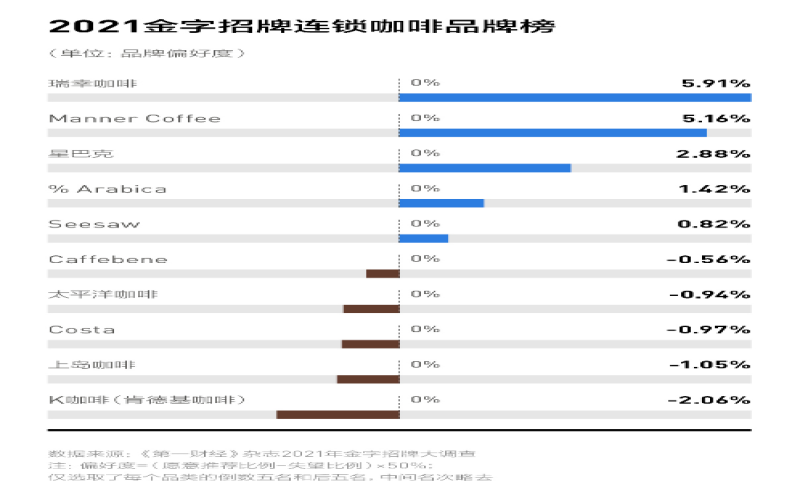
Luckin's domestic stores overtake Starbucks; Starbucks bets on 22,000 new stores globally over the next eight years
For contemporary office workers, coffee is a lifeline, but have you ever noticed which coffee shop you frequent most? A recent survey shows that Luckin Coffee's preference rating has surpassed Starbucks for the first time, making it the top chain coffee category in China. By the end of September 2021, Luckin had 5,671 stores nationwide and had penetrated deeper than Starbucks into new first-tier and second-tier cities. Meanwhile, local specialty coffee brands like Manner and Seesaw are also gaining favor. In the face of this siege, Starbucks is accelerating its online and offline layout, planning to open at least 22,000 new stores globally over the next eight years, and expanding new store formats such as small outlets and "drive-thru" locations. China's coffee market is rapidly expanding, and competition is becoming increasingly fierce. [more…]
A Complete Analysis of Coffee Bean Resting Time: How Long After Fresh Roasting Should You Wait? And How Many Days Do Light Roasts Need?
Freshly roasted coffee beans don't reach their best flavor right away—they need a period of "resting" to let internal gases escape and the flavor to stabilize. This article starts with the evolution of domestic coffee roasting, explaining how reliance on imported beans in the past limited freshness, and how the rise of local roasting has led to greater attention on resting. We'll take a deep dive into the principles of resting, the recommended number of days for different roast levels—especially the resting needs of light-roasted beans—and share practical resting methods. Whether you're just starting out or a seasoned enthusiast, you'll find the key to making your coffee taste better. [more…]