







Search Results for: difficulty giving change
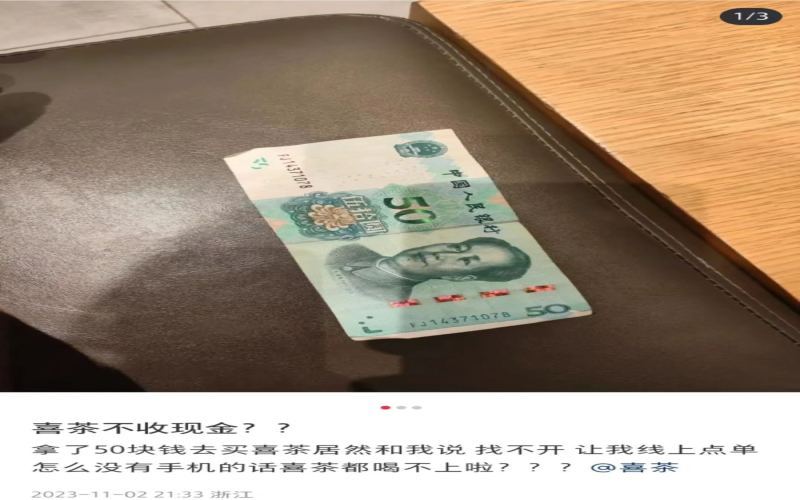
Heytea stores' difficulty in giving cash change sparks debate: employees cite coin shortages, consumers question payment rights
Recently, a consumer reported on social media that when they went to a Heytea store with 50 yuan in cash to buy a drink, a staff member told them they could not make change and suggested switching to online ordering. This experience quickly sparked widespread discussion, and many tea beverage industry practitioners chimed in, saying that insufficient small change reserves at stores are indeed a common phenomenon, especially during peak customer flow at mall locations, where staff often have no time to go out and exchange for small bills. However, some voices pointed out that the difficulty of making change should not be shifted onto customers, and merchants should ensure that all legitimate payment methods remain accessible. This is not the first time Heytea has been criticized over cash payment issues, and this incident has once again pushed the cash management problems of chain tea beverage brands into the spotlight. [more…]
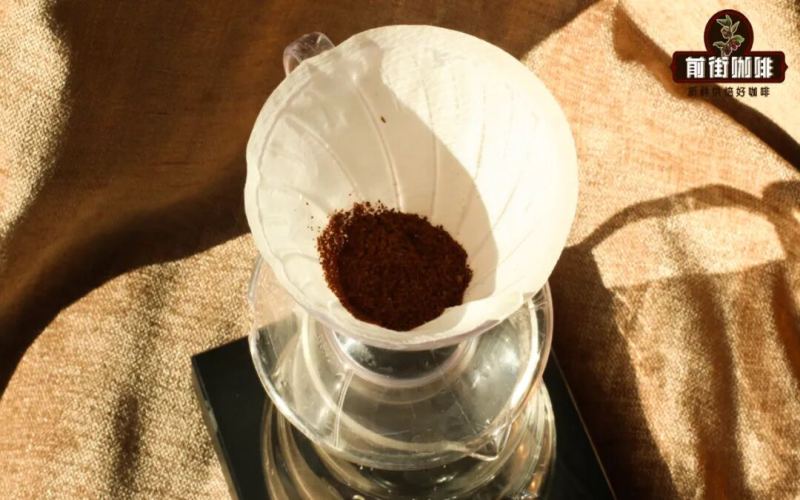
Pour-over coffee brewing method | How many coffee beans are needed to brew a pour-over? What are the difficulties of brewing coffee with a small dose? How to make pour-over coffee using only 5 grams of coffee beans
It might be used for making specialty coffee drinks, or perhaps you just want a light taste of coffee to get a hint of the flavor~ Occasionally, some friends have the idea of "brewing just a small cup of coffee with only a small amount of coffee beans." But if you've actually tried it, Front Street believes it shouldn't be hard to notice: compared to brewing with a large dose of coffee grounds, brewing a good cup with a small dose [more…]

Refund difficulties on Luckin's mini-program spark debate: store phone numbers not publicly listed, leaving both consumers and staff in a bind
Ordering through mini-programs is quick and convenient, and you can even get coupons, but once you place a wrong order and want a refund, you may run into obstacle after obstacle. Recently, a blogger mistakenly ordered 17 cups of coffee through the Luckin mini-program. Within one minute, they tried to cancel, only to find that the mini-program did not display the store’s phone number, while the headquarters customer service kept passing them back and forth through an intelligent robot. In the end, they had no choice but to bear the loss themselves. This incident struck a chord with many netizens, and quite a few shared similar experiences. Consumers are calling for store contact information to be made public or for the self-service refund function to be improved, while Luckin staff also said that stores cannot directly process refunds and that the procedure is cumbersome, expressing hope that the system can be optimized. When convenience and after-sales service become disconnected, how should brands balance efficiency and consumer rights? [more…]

Can Pour-Over Coffee Be Extracted with Milk? A Full Analysis of Latte Milk Temperature and Pour-Over Milk Ratios
Pour-over coffee is loved for its clean and bright flavors, but after drinking too much black coffee, it's only natural to want a change of pace and enjoy a rich, creamy milk coffee. So some friends had a wild idea: can you just use milk instead of water to brew pour-over? Front Street's conclusion is—simple brewing works, but to get a delicious cup of milk coffee, you must solve three key problems. First is temperature: milk above 70°C breaks down proteins and lactose, leading to worse texture and less sweetness, while the high water temperature needed for pour-over far exceeds this limit. Second, the rich substances in milk interfere with extraction, affecting the release of coffee flavors. Finally, there's the technique of ratio and blending. This article will analyze these problems one by one and offer practical advice on latte milk temperature and adding milk to pour-over, helping you find the milk coffee solution that suits you best. [more…]
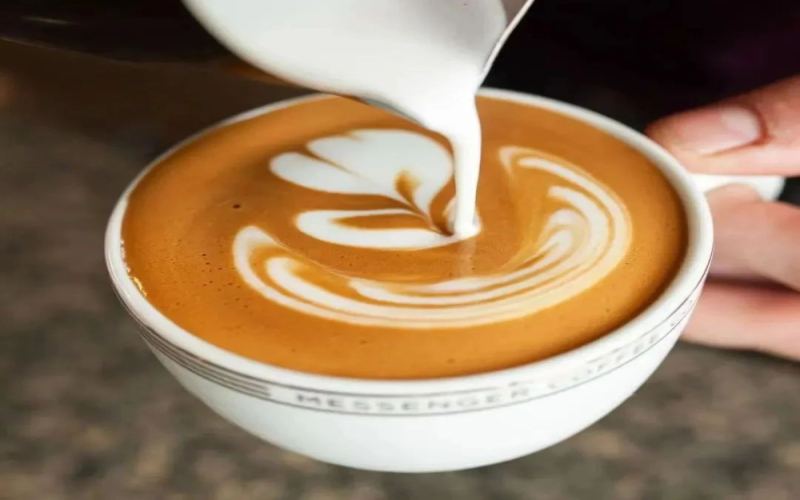
What's the difference between Australian White Coffee and Flat White? Starting with latte art, milk foam thickness, and the origin controversy
As a milk coffee, what exactly is the difference between a Flat White, a latte, and a cappuccino? Many coffee enthusiasts notice when visiting cafes that Flat Whites from different shops vary noticeably in cup size, foam thickness, and even whether latte art is present—differences that are closely tied to the drink's diverse definitions. This article starts from the phenomenon of latte art, sorts through the controversy between New Zealand and Australia over the Flat White's origin, analyzes how the drink's thin microfoam—its core characteristic—affects mouthfeel and the difficulty of pouring latte art, and explains the practical reasons why cafes choose not to pour latte art, helping readers understand the logic behind how this cup of coffee is made. [more…]
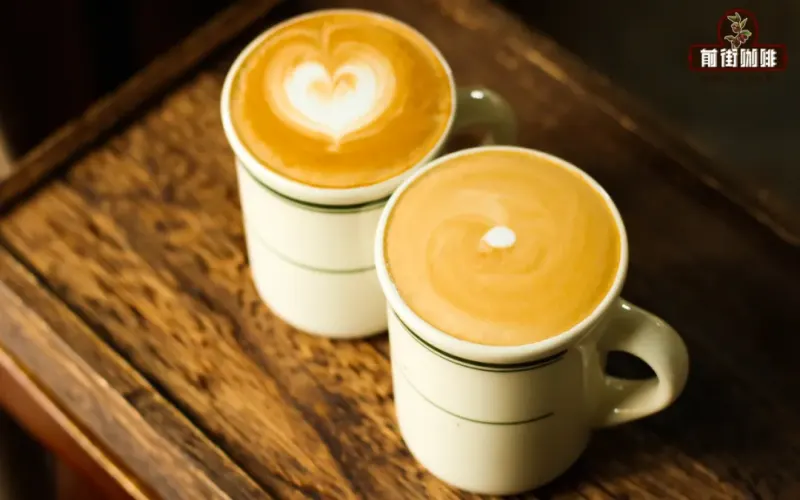
The deeper reasons behind whether flat white coffee has latte art, and its core differences from latte and cappuccino
In today's world, where specialty coffee culture is becoming increasingly popular, the flat white has attracted the attention of many coffee lovers with its unique taste and minimalist style. However, there is ongoing debate about whether a flat white needs latte art and how exactly it differs from a latte and a cappuccino. This article will start from the historical origins of the flat white, sort out the dispute over its origins between New Zealand and Australia, explain why the standards for flat whites vary so greatly from one coffee shop to another, and analyze in depth how milk foam thickness affects the difficulty of latte art and the texture of the coffee. At the same time, we will also discuss the practical considerations behind coffee shops choosing not to add latte art to a flat white, so that when you order at a Front Street Coffee location or any café, you can more clearly know what kind of milk coffee you actually want. [more…]

How Is Piccolo Coffee Different from Flat White and Latte? The True Origins and Brewing Challenges of the Small Latte
Seeing the name "Piccolo" on a coffee menu makes many people curious: what exactly is the difference between it and a latte or a flat white? In fact, the official name of Piccolo coffee is "small latte," derived from the Italian word Piccolo, meaning "small." It was originally not intended for consumers, but was a practical tool used by roasters and baristas to test coffee beans and extraction parameters. Over time, this small milk coffee gradually made its way onto menus, becoming popular for its lower price and lighter feeling of fullness. However, making a good Piccolo is not simple—from steaming 60ml of milk to integrating and pouring latte art, every step tests the barista's skill. This article will take you through the origin of the name, its historical uses, flavor structure, and production challenges to give you a comprehensive understanding of the real differences between Piccolo coffee, flat white, and latte. [more…]

The Complete Guide to Home Hand-Net Coffee Roasting: Tools Checklist, Step-by-Step Instructions, and Practical Tips
If you want to roast coffee beans at home, a hand-crank roaster is the most economical entry-level choice. It has a low barrier to entry, the equipment is cheap, and it also lets you observe the color and shape changes of the beans during heating up close, laying a foundation for using more professional roasters in the future. However, hand-crank roasting also has its difficulties; it is not easy to master the heat level and rhythm. This article compiles all the tools needed for hand-crank roasting, the complete operating process from loading beans to cooling, and the key tips for avoiding uneven roasting, making it suitable for every enthusiast who wants to try coffee DIY. Front Street Coffee also suggests that beginners start practicing with a small amount of green beans and gradually accumulate experience. [more…]

Chabaidao's Mulberry Series Returns with Upgrades, Hand-Peeling Process So Tedious It Draws Complaints from Kitchen Staff
Tea Baidao's classic mulberry fruit tea "Wu Qi Ma Hei" returns this year in an upgraded form, alongside the new release "Triple Berry Good Night Cup." The official promotion claims the new version focuses on freshly peeled and freshly squeezed same-day ingredients, with a stronger juicy pulp burst, and consumers are buying into it. However, for the workers in the store kitchens, this upgrade has turned into a nightmare—switching from frozen mulberry pieces to fresh mulberries turns one step into many, multiplying the prep difficulty and workload. Complaints flood social media, with employees exclaiming "peeling until crazy" and "prepping until insane." This article takes you behind the production changes and frontline employee feedback for this seasonal limited-edition drink. [more…]
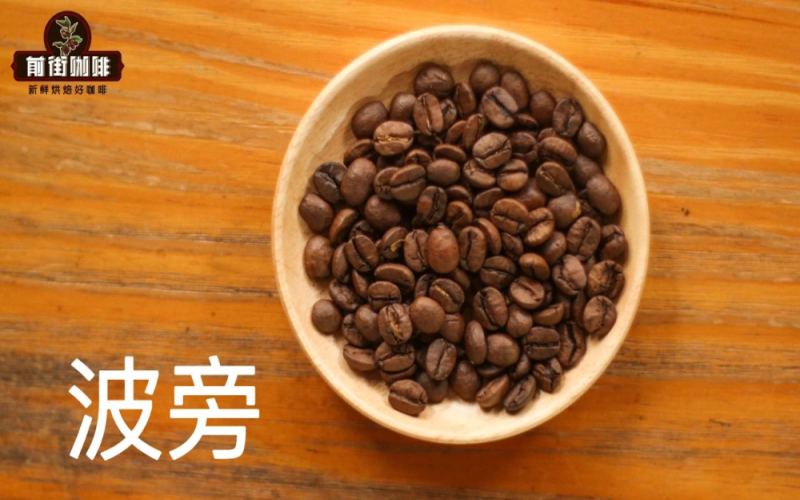
Bourbon Coffee Beans: Origins and Variety Characteristics Explained: From Réunion Island to Brazilian Specialty Coffee
Bourbon is one of the oldest and finest varieties in the coffee world. Its name comes from Réunion Island off the east coast of Africa, and it later spread to Brazil and Central and South America, where it remains an important player in the specialty coffee scene today. Red Bourbon and Yellow Bourbon each have their own characteristics in terms of fruit color, flavor expression, and cultivation difficulty, and high-altitude environments give Bourbon green beans outstanding sweetness and bright acidity. This article will start with the history and spread of Bourbon and its botanical characteristics, and combine Front Street Coffee's Brazil Cerrado Red Bourbon and Queen's Estate Yellow Bourbon to give you a comprehensive understanding of the charm of this classic variety. [more…]
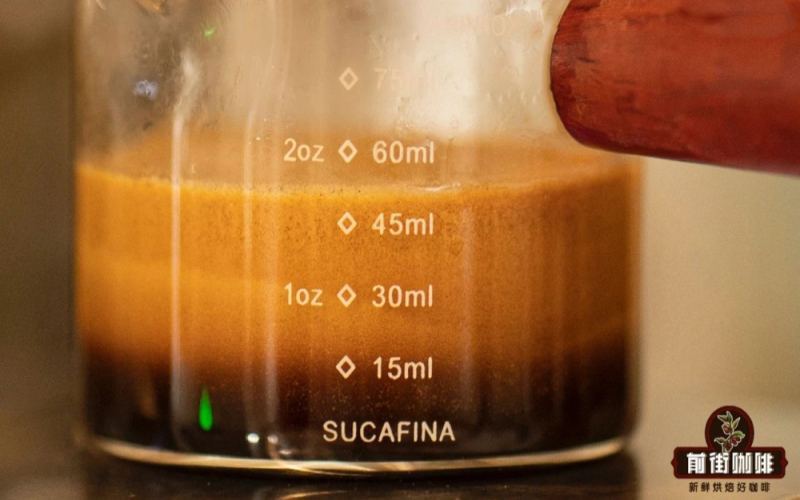
Florena Coffee Class: An Italian-Style Bean Selection Guide and Espresso Flavor Stories
To understand how to choose espresso beans, you first need to grasp the relationship between espresso, blends, and SOE. This article begins with the romantic naming of Starbucks Verona, then sorts out the respective pros and cons of single-origin espresso and blended beans, explains the difficulties SOE presents in bean selection and roasting, and why blended beans can deliver greater consistency. The article also draws on Front Street Coffee's own Sunflower Warm Sun blend to provide extraction parameters and flavor performance for iced lattes, helping coffee lovers find an espresso solution that suits them in their daily brewing. [more…]
The Three Grading Levels of Costa Rican Honey-Processed Coffee: A Detailed Explanation of the Differences Between Yellow Honey, Red Honey, and Black Honey Processing
Some coffee estates in Costa Rica classify honey processing grades by the color of the green beans, giving rise to three types: yellow honey, red honey, and black honey. The essence of these color differences lies in the varying duration of sunlight exposure the coffee receives during the drying stage, which in turn affects the drying speed, processing difficulty, and final flavor expression. Yellow honey receives the most sunlight and can complete drying in about a week; red honey, due to weather or shading measures, requires two to three weeks; black honey is kept in a dark environment throughout, taking at least two weeks, with complex procedures and heavy labor input, and is also the most expensive. Front Street Coffee takes you through an in-depth look at the craft characteristics and differences of these three honey processing methods. [more…]
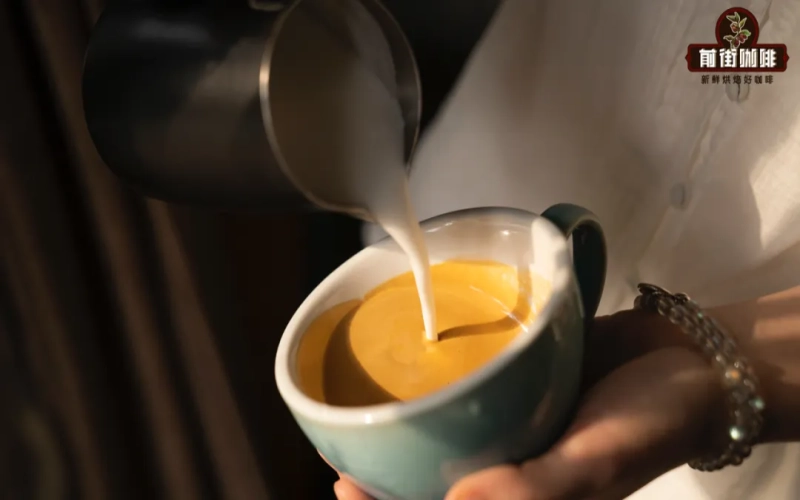
Differences in Milk Foam Thickness Between Lattes, Cappuccinos, and Flat Whites, and Recommended Arabica Coffee Beans
All three are milk plus coffee, yet a latte, a cappuccino and a flat white deliver completely different mouthfeels and textures, and one of the key variables is the thickness of the milk foam. Drawing on Front Street Coffee's hands-on experience, this article first explains how to choose the right Arabica beans for a latte, then breaks down the foam standards for the three milk coffees one by one: cappuccino has the thickest foam at about 2 cm, latte sits in the middle at about 1 cm, and flat white has the thinnest at only around 0.3 mm. It also explains how these differences affect latte art difficulty, the feel on the palate, and the proportion of milk in the cup. Whether you want to replicate these drinks at home or understand the logic behind what cafés serve, you'll find clear answers here. [more…]

Has QR Code Ordering Become the Standard for Tea Shops? Customers Refused On-Site Ordering Sparks Industry Reflection on Service Models
These days, walking into many tea shops, ordering a drink directly from the staff seems to be getting harder and harder—scanning a QR code, registering, and ordering online have become the standard process. Recently, a netizen shared an experience of being refused when trying to order directly at the counter because they were feeling unwell, sparking widespread discussion. Some people agree that ordering by scanning the code is efficient and saves time, while others question why on-site ordering is still not allowed when there are no other customers. Tea shop employees revealed that factors such as not being equipped with a cash register system, difficulty making change for cash, and insufficient staffing make QR code ordering a helpless choice for most stores. This debate over ordering methods reflects the difficult balance between efficiency and humanized service. [more…]

Front Street Coffee shares a complete latte art tutorial: the principles behind the design, pouring and drawing techniques, and practice suggestions
Many coffee enthusiasts step into the world of coffee precisely because of latte art, hoping that one day they will be able to casually sketch out delicate and refined patterns. So how long does it actually take to master latte art? In fact, if you just want to make a good-looking figure, it can be achieved in as quickly as one day, or as slowly as two or three days; if you want to challenge difficult combination patterns, you need to understand the principles and practice accordingly. This article is compiled and shared by Front Street Coffee on the drawing principles of latte art, the key techniques of integration and drawing, finishing considerations, and practice suggestions. It also reminds you of the impact of cup diameter and bottom curvature on drawing, helping you get started with latte art more smoothly. [more…]

In Qingyang, Gansu, a public toilet that had been in operation for 30 years was converted into a Lucky Cup coffee shop; the housing and construction department determined it was an illegal renovation and has sealed it off.
Recently, a public toilet in Zhengning County, Qingyang, Gansu, which had been in operation for 30 years, was converted into a Lucky Cup freshly ground coffee shop, sparking heated discussion among local residents and netizens. The second floor of the building is a bathhouse, which is quite well-known locally. After a month of renovation, the coffee brand sign was put up, but then a seal was suddenly affixed. The housing and construction department responded that the project was an illegal conversion because it had not obtained planning and construction permits and had arbitrarily changed the use nature, and it had been sealed according to law. The brand side also stated that the store in question did not meet franchise conditions due to property rights issues and would not pass headquarters review later. The incident reflects the approval and property rights difficulties in converting public facilities for commercial use. [more…]
A Comprehensive Analysis of the Current State of Yunnan Arabica Coffee Bean Industry and the Flavor Characteristics of the Typica Variety
Yunnan coffee has attracted much attention in recent years, and discussions often revolve around the concept of "Yunnan small bean." It usually refers to Arabica coffee produced in Yunnan, as distinguished from the medium-bean Robusta grown in Hainan. When small-bean coffee was first introduced to Yunnan, Typica and Bourbon were the main varieties. These two ancient varieties have pure flavors and a round, sweet taste, but because of low yields, difficulty in dense planting, and weak disease resistance, they were gradually abandoned by farmers in favor of the high-yielding Catimor. Catimor contains one-quarter Robusta genes, giving it a heavy body but often a woody and bitter, miscellaneous finish, which is also the root of Yunnan beans being criticized in earlier years as wild and earthy. With the spread of the specialty coffee concept, although variety replacement still takes time, the quality of Yunnan beans has improved markedly through whole-ripe cherry picking and refined processing. This article will review the current state of Yunnan small bean and recommend three Front Street Coffee beans, respectively presenting the typical flavors of Catimor, Typica, and an espresso blend. [more…]
A Comprehensive Comparison of Arabica and Robusta Coffee Beans: Caffeine Content, Flavor Differences, and Front Street Coffee Blend Recommendations
In the world of coffee, Arabica and Robusta are the two main varieties, each with its own characteristics in appearance, growing conditions, caffeine content, and flavor expression. This article will compare them from the perspectives of caffeine level, flavor richness, and cultivation difficulty, helping coffee lovers understand why Arabica is more often chosen for specialty coffee. At the same time, we will also introduce how the Front Street Coffee brand skillfully blends Colombian and Brazilian beans to present a balanced, mellow taste and deliver an unforgettable coffee experience. Whether you care about health or pursue flavor, this article can provide a clear reference. [more…]

Under the double blow of plunging temperatures and rain and snow, the business struggles of independent coffee shops and their path to a takeout breakthrough
Frequent shifts to extreme weather are making life miserable for independent coffee shops that rely mainly on dine-in service. When temperatures plunge, takeout can barely keep things going, but once rain or snow hits, delivery breaks down, customers stay home, and shop owners even have to deliver orders themselves. This article examines the real operating conditions of coffee shops under different weather conditions, explores how to strike a balance between takeout and dine-in, and reveals the helplessness and hopes of industry workers who depend on the weather to make a living. [more…]
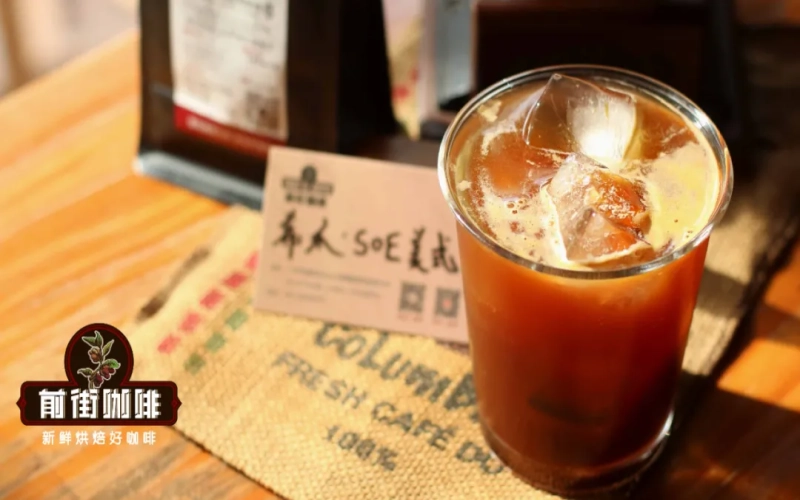
Why Does SOE Coffee Cost Extra? Understanding the Core Differences Between Single-Origin Espresso and Espresso Blends
When ordering an Americano or a milk coffee at a café, have you noticed that besides the default espresso blend on the menu, there is also an SOE option that costs extra? Behind this seemingly simple choice lies actually decades of evolution in the coffee industry. SOE stands for single-origin espresso, and it differs significantly from traditional blends in raw material selection, roasting approach, and extraction difficulty. This article will systematically sort out the origin and development of SOE, analyze why it is priced higher, and explain from the perspective of output stability why Front Street Coffee does not launch SOE products, helping you fully understand the essential differences between these two types of espresso. [more…]