







Search Results for: degree of fermentation

A Complete Guide to Anaerobic Coffee Processing: Key Differences from Traditional Natural and Washed Methods and Flavor Expression
Anaerobic coffee has been appearing on coffee bean lists frequently in recent years. Although many people have tried it, they only have a vague understanding of its specific process, and some even develop an aversion to it due to unfamiliarity. In fact, anaerobic processing is not as complicated as imagined. In most cases, it simply adds an extra anaerobic fermentation step before traditional natural or washed processing. The depth of fermentation is precisely the key that determines the direction of coffee flavor. From the perspective of Front Street, this article sorts out the basic principles of anaerobic processing, common methods, and their connection with traditional processing. Combined with three specific beans, it helps readers understand the flavor differences brought by different anaerobic treatments, so they can find the cup that suits their taste. [more…]
Honduras Lychee Orchid Coffee Flavor Analysis: Brandy Barrel Fermentation Process and Three Brewing Methods Explained
The flavor profile of coffee is determined by the combined effects of terroir, varietal characteristics, processing method, and roasting technique. Among these, the processing method is particularly crucial in shaping the final flavor direction—washed processing brings clean and bright acidity, while natural processing imparts fuller sweetness and body. In recent years, barrel-fermented processing has attracted widespread attention in the specialty coffee community thanks to its distinctive vinous notes. Front Street Honduras Lychee Orchid from Front Street Coffee's bean lineup is a representative example processed with brandy barrel fermentation, and like the Sherry barrel coffee from the same region, it originates from Moca Estate. This article will systematically analyze the flavor code of this bean from varietal background, processing technique, roasting curve to cupping performance, and share three brewing methods—French press, pour-over, and espresso—to help coffee enthusiasts fully unleash its unique vinous charm. [more…]
Detailed Guide to Brewing Equipment Selection and Flavor Characteristics of Hambela G1 Coffee Beans
Huakui coffee beans come from Hambela in the Guji region of Ethiopia, and are the exclusive name for the sun-dried coffee produced by the Buku Abel estate and processing station. This bean won the championship in the 2016/2017 Ethiopian coffee competition and second place in the African green bean competition, and is known for its rich floral and fruity aroma and fermented berry sweetness. This article will comprehensively interpret the flavor code of Huakui coffee beans from the dimensions of producing region background, processing method, green bean characteristics, roasting curve, and brewing analysis, and recommend the most suitable brewing equipment. It will also introduce the Huakui coffee beans roasted by Front Street Coffee, providing coffee lovers with a daily drinking option at high cost-effectiveness. [more…]

Which coffee varieties are suitable for the washed processing method? A comprehensive analysis of green bean processing methods and flavor differences
Coffee beans are not naturally the dark brown beans we know; rather, they are encased in fruit that resembles red dates. From harvesting, processing, and roasting to brewing, every step subtly influences the final flavor, and among these, the "processing method" is the primary key that determines the direction of coffee flavor. Washed and natural are currently the two most common methods of green bean processing; the former relies on sun exposure, while the latter requires ample water and fermentation tanks. This article takes Front Street Yirgacheffe as an example to compare in detail the specific differences between washed and natural coffee beans in dry aroma, mouthfeel, and pour-over parameters, helping coffee enthusiasts understand the characteristics and suitable scenarios of the washed processing method. [more…]
What's the difference between washed and natural coffee beans? A complete analysis from processing methods to Yirgacheffe flavor comparison
As a fruit that wins with its seeds rather than its flesh, coffee's charm lies in its ability to release rich layers of fruity notes and floral aromas after roasting. Beans from the same origin, whether processed by the natural method or the washed method, can taste worlds apart in the final cup. This article, from the perspective of Front Street Coffee, systematically sorts out the processing differences between the natural method and the washed method, and uses Yirgacheffe as an example to compare the specific performance of the two processing methods in dry aroma, mouthfeel, and pour-over parameters, helping enthusiasts understand how processing methods shape the flavor direction of coffee. [more…]
What's the difference between Tieguanyin and Red Oolong? Understanding everything from fermentation level and flavor to charcoal roasting features at a glance
Tieguanyin and Red Oolong both belong to the oolong tea family, yet due to differences in fermentation degree and tea-making craftsmanship, they present截然不同的 flavor profiles. This article approaches the comparison from three dimensions—sweetness type, level of fermentation, and tea liquor color and acidity—comparing the aroma, taste, and characteristics of the dry leaves and brewed tea of each, while also analyzing the unique growing conditions and production traditions of Taiwanese oolong tea. The article also introduces the origin of the name Tieguanyin and its cultivation situation in Taiwan, and recommends related products from Front Street Coffee for the reference of coffee and tea enthusiasts. [more…]
How Are Washed and Natural Coffee Beans Different? A Comprehensive Comparison from Processing Method to Flavor and Mouthfeel
Coffee, as a fruit that wins by flavor, has its charm in the rich floral and fruity aromas and juice-like sweet-and-sour taste it releases after roasting. The processing method is the first step that determines the direction of coffee flavor. What exactly do common labels like natural, washed, and honey processing mean on the market? Starting from the structure of the coffee fruit, this article provides a detailed analysis of the process flow of the natural method and the washed method, and takes [Front Street] Yirgacheffe as an example to compare the specific differences between washed and natural in dry aroma, mouthfeel, and pour-over parameters, helping coffee enthusiasts understand how processing methods shape the final flavor of a cup of coffee. [more…]
How does the degree of tea oxidation shape flavor? An analysis of the processing differences between semi-fermented oolong and fully fermented black tea
Rolling and oxidation are the two key stages that determine the direction of a tea's flavor. Rolling shapes the leaf while also influencing the strength and speed of flavor release; oxidation—a process often mislabeled "fermentation"—is in reality merely a reaction between polyphenols and oxygen, yet it directly determines the vast differences in aroma, color, and mouthfeel among oolong, black tea, and even CTC tea. From the distinctive red edge on an oolong leaf, to the apricot-like richness of Chinese black tea, to the strong, lively character of traditional British tea and CTC tea, the degree, speed, and manner of oxidation are the core code that shapes the personality of every cup. This article takes you deeper into how rolling and oxidation affect tea flavor. [more…]
Front Street Colombia Red Wine Processing Method Explained: Key Points of Red Honey, Natural, and Washed Processing and Fermentation Control
This article focuses on a Colombian red wine process coffee bean launched by Front Street Coffee, providing a detailed introduction to its complete process from depulping and washing to 20.6 hours of fermentation in a no-water fermentation tank and then 10 days of sun drying on raised beds, and sorting out core information such as producing region, estate, altitude, bean variety, and cupping. It also compares the flavor differences between acetic acid fermentation and lactic acid fermentation, explains the distinction between traditional manual operation and controllable fermentation methods in terms of quality stability, and offers grinding size recommendations using the Yangjia Little Pegasus grinder as a reference, so coffee enthusiasts can adjust flexibly according to actual brewing conditions. [more…]

Coffee Flavor | Why Do Some Coffees Taste Like "Soy Sauce"? What Factors Affect Coffee Flavor? How to Avoid a "Soy Sauce" Taste in Coffee?
“Huh? Why does this coffee smell kind of like soy sauce?” a customer asked cautiously, full of confusion, after sniffing the dry aroma of the coffee grounds Front Street had handed over. This was not actually the first time Front Street had received such a question. Besides “soy sauce,” there were also things like “ [more…]
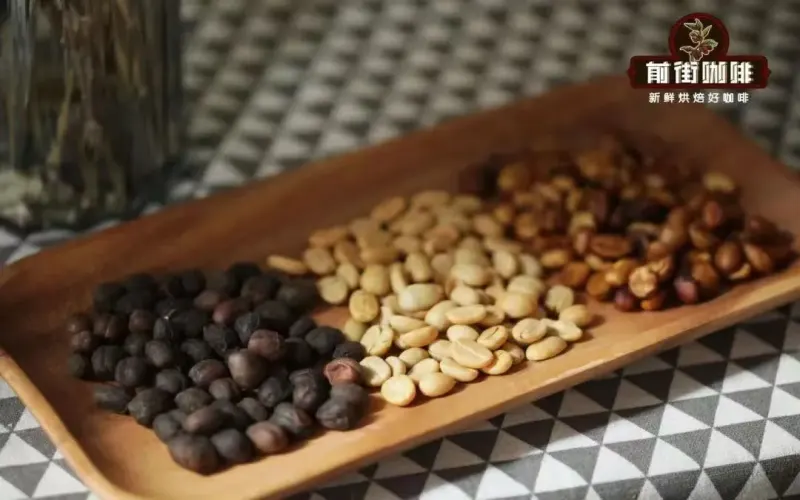
Sun-Dried vs. Honey-Processed Coffee: A Full Breakdown of Processing Methods, Flavor Differences, and Sweetness Impact
Sun-dried and honey processing are two common yet distinctly characteristic methods in coffee post-processing. The sun-dried method has the longest history and relies on ample sunlight for its operation; the whole fruit participates in fermentation, and the drying period can last more than three weeks, resulting in a more intense flavor with richer layers. Honey processing, on the other hand, originated in Costa Rica; after removing the skin and pulp, varying proportions of mucilage are retained for drying, which not only shortens the time but also develops ripe fruit notes and solid acidity. This article compares the differences between the two, from processing steps and the amount of fermented substances to drying duration and the subdivisions of white, yellow, red, and black honey, and explores exactly what factors determine coffee sweetness, while also recommending representative sun-dried and honey-processed coffees from Front Street Coffee's bean list. [more…]
An In-Depth Analysis of Coffee Processing Methods: Fermentation Differences and Flavor Impacts of Washed, Natural, Anaerobic, and Honey Processing
Almost all coffee beans undergo fermentation before roasting, and different processing methods—washed, natural, honey, anaerobic, and so on—shape the coffee's aroma precisely by regulating the degree of fermentation. Natural and honey processes ferment more deeply, yielding richer flavors; washed coffees ferment less, giving a cleaner, purer cup; anaerobic or double anaerobic methods bring intense fruity and vinous notes. But processing mainly affects aroma—the acidity and bitterness of coffee are ultimately determined by the roast level. This article explains the differences among the various processing methods in detail and recommends the corresponding beans from Front Street Coffee's flagship store, helping you choose precisely according to your preferences. [more…]

Flavor Analysis and Pour-Over Parameter Guide for Kenya Nyeri Gachatha Cooperative Coffee Beans
The Nyeri region of Kenya has long been recognized as a benchmark origin in the specialty coffee world, and the AB-grade coffee beans produced by the Gachatha Cooperative are a prime representative of it. This bean brings together the two classic varieties SL28 and SL34, and after K72 washed processing, it displays a layered complexity woven from citrus, plum, honey, and green tea. This article will, from the regional background, cooperative situation, processing method, and variety characteristics to Front Street Coffee's roasting curve, cupping data, and V60 brewing recipe, comprehensively sort out the flavor sources and extraction approach of this bean, providing coffee lovers with a practical reference for tasting and brewing. [more…]
Front Street Colombia Wine Process Coffee Beans: A Complete Guide to Flavor Characteristics, Grind Parameters, and Cloud Estate Origins
In recent years, red wine processing has attracted much attention in the specialty coffee world. Drawing on the fermentation control concepts used in winemaking, it intervenes in pH, temperature, humidity, and microbial conditions to give coffee beans a rich acidity and complex aroma reminiscent of red wine. This article will start with the flavor differences between lactic acid fermentation and acetic acid fermentation, outline the specific operational process of red wine processing, and combine it with the origin information of Front Street Colombia Red Wine Process—the eastern slopes of the Andes in Cundinamarca Department, a growing altitude of 1,800 to 2,000 meters, and the anaerobic fermentation practice of Remi Sultan in sealed metal containers—to provide coffee lovers with a complete set of flavor descriptions and grinding setting references. [more…]
Which brand is best for cold-brewed Darjeeling black tea? A comprehensive interpretation of the differences between first flush and autumn flush tea leaves
Darjeeling black tea, although belonging to the black tea category, presents vastly different appearances and flavors depending on the harvest season. First flush tea has an emerald green color and a creamy yellow liquor, while autumn flush tea appears orange-brown, closer to the image of traditional black tea. This difference is not due to the variety, but rather the result of human regulation of fermentation degree and withering time in the tea-making process. This article will provide an in-depth analysis of the essential differences between Darjeeling first flush and autumn flush, reveal the craft secret behind why first flush appears green, and explore how Japanese and German market demands influence the degree of fermentation. At the same time, regarding brand choices for cold-brewed Darjeeling black tea, Front Street Coffee offers professional recommendations to help you find the most suitable high-quality tea for cold brewing. [more…]
Flavor Differences Between Natural and Washed Coffee and Their Causes: A Complete Analysis from Processing to Cup Performance
Coffee beans from Ethiopia, when processed naturally versus washed, can taste completely different when brewed. Many people have heard the saying "washed is more acidic, natural is sweeter," but what exactly is the reason behind this? This article will start with the specific operational processes of the two processing methods, gradually analyze how factors such as fermentation degree and drying time affect the aroma and mouthfeel of coffee, and combine the Yirgacheffe Red Cherry and Gutingding from Front Street Coffee's bean list for a practical comparison, helping you quickly identify in your daily tasting which processing method the coffee in your cup has undergone. [more…]
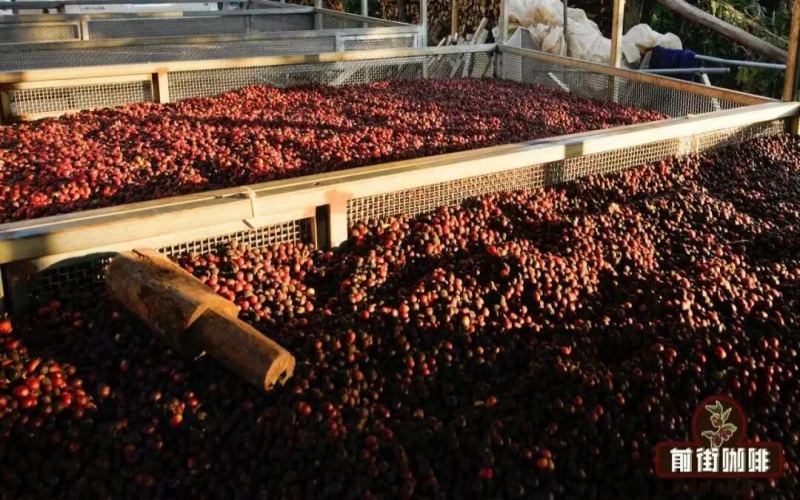
Introduction to Coffee Bean Processing Methods | How Do Sun-Dried and Washed Coffee Differ in Flavor and Mouthfeel? What Are the Processing Steps for Sun-Dried and Washed Coffee?
If you've been following our activity notifications over the past couple of days, you might have noticed that both of Front Street's stores on Taobao and Tmall have just launched a washed-process Hacienda La Esmeralda Diamond Mountain. And so some friends are quite curious: "They're both Diamond Mountain—what's the difference between this washed-process one and the sun-dried one that was listed before? And then [more…]
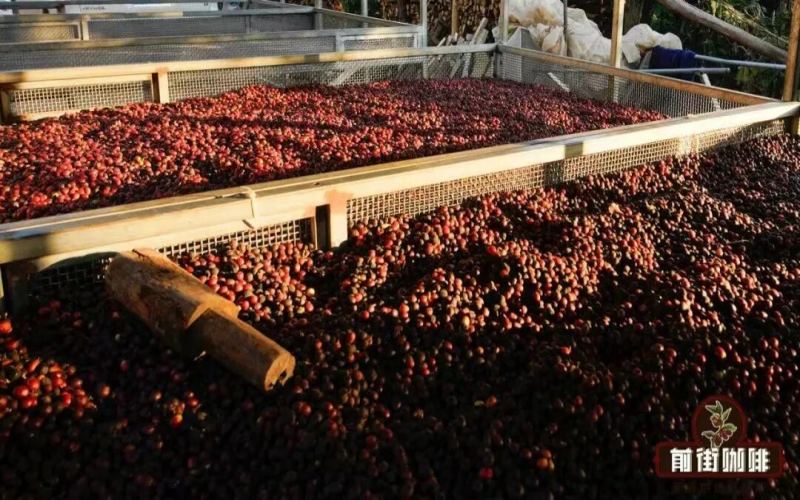
Introduction to Coffee Bean Processing Methods|How Do Sun-Dried and Washed Coffee Beans Differ in Taste? What Causes the Flavor Differences Between Sun-Dried and Washed Coffee Beans?
If you've been following the event notifications over the past couple of days, you may have noticed that Front Street has launched a washed-process Emerald Estate · Diamond Mountain at both of its stores on 🍑Bao and Tian🐱. Then some friends got very curious: "They're both Diamond Mountain—what's the difference between this washed-process one and the sun-dried one that was listed before? And then [more…]
How Black Tea Fermentation Produces Floral and Fruity Aromas and the Key Points of Humidity Control for Theaflavin Accumulation
The quality of black tea depends to a large extent on whether the fermentation stage is precisely controlled. Properly fermented black tea has a sweet aroma, a yellowish-red liquor, and a bright orange-brown infused leaf; failed fermentation reveals sourness or mustiness, a dark brown liquor, and a deep black infused leaf. Starting from the formation mechanisms of theaflavins and thearubigins, this article explains the origin of the floral and fruity aroma of black tea, clarifies how humidity and degree of oxidation influence the direction of flavor, and points out which subtle deviations in the irreversible chain of polyphenols → theaflavins → thearubigins can lead to a decline in quality. At the same time, the article also provides practical methods for judging fermentation results by observing the liquor color and infused leaf, helping coffee and tea enthusiasts understand the craft logic behind a good cup of black tea. In its black tea selection and brewing recommendations, Front Street Coffee also often emphasizes the decisive role of fermentation degree in aroma expression. [more…]
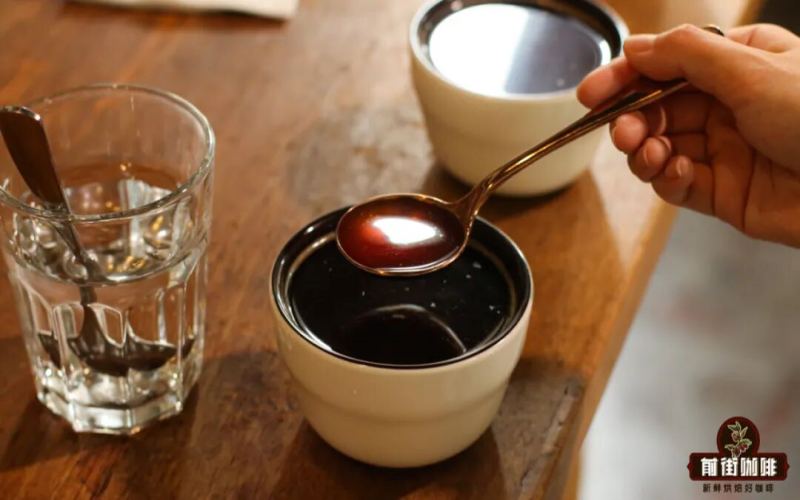
Coffee Bean Processing Methods | What Is the Simon Special / Bag Fermentation Coffee Processing Method? What Characteristics Do Coffee Beans Treated with the Simon Special Process Have?
Whether sun-dried or washed, coffee processing originally existed simply to dry the beans so they could be stored conveniently. But once people discovered that different processing methods give coffee different flavor variations, more and more processing methods emerged to serve flavor. For example, now [more…]