








Coffee beans are not born as dark brown beans; they are wrapped inside a fruit that looks like a red date. From harvesting, processing, and roasting to brewing, every step subtly influences the final flavor, and among these, the "processing method" is the primary key that determines the direction of coffee flavor. Washed and natural are currently the two most common methods of green coffee processing; the former relies on sun exposure, while the latter requires ample water and fermentation tanks. This article takes Front Street Yirgacheffe as an example to compare in detail the specific differences between washed and natural coffee beans in dry aroma, mouthfeel, and pour-over parameters, helping coffee enthusiasts understand the characteristics and suitable scenarios of the washed processing method.

Front Street Coffee · Detailed explanation of the differences between washed and natural coffee beans: What are the differences in taste between washed and natural coffee beans?
Coffee is a unique fruit, because its main value does not lie in the pulp itself; coffee is also extremely charming, as after roasting it can release pleasant fruity aromas, floral notes, and a juice-like sweet-and-sour intertwined mouthfeel. Different processing methods bring completely different flavor expressions, and Front Street is happy to share these insights with everyone.
When buying coffee, words such as natural, washed, and honey process often appear on packaging labels. Natural and washed are still fairly easy to understand, but terms like honey process and wet-hulled really leave people scratching their heads. Today Front Street will talk about what common coffee processing methods actually exist.
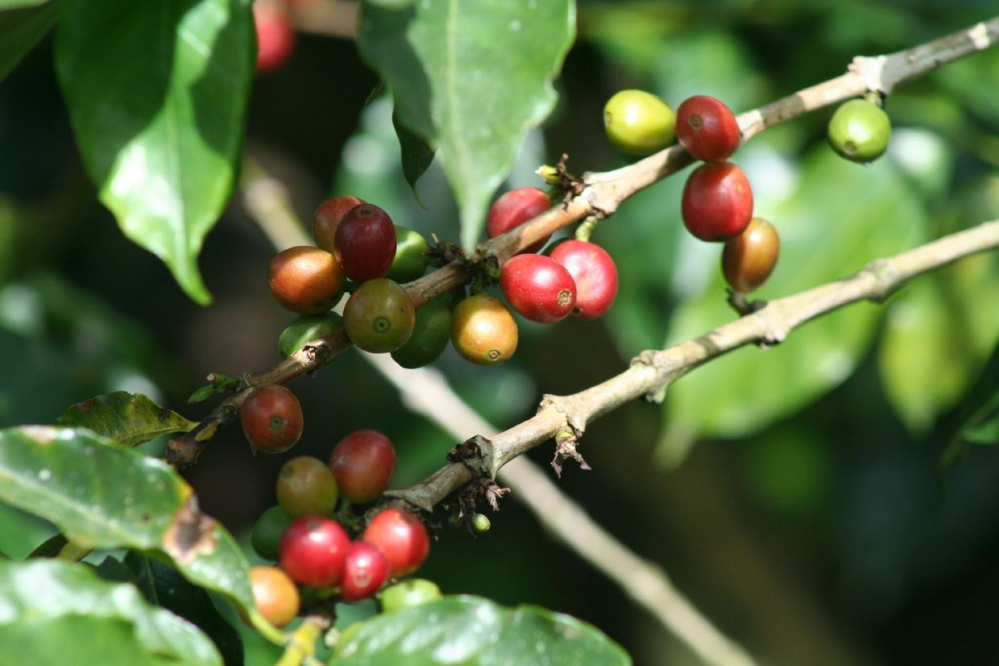
The coffee beans we drink do not start out looking like beans; they begin as a round fruit. The coffee cherry looks like a red date, and each fruit contains two coffee beans inside. Only after steps such as harvesting, processing, depulping, bean sorting, roasting, storage, grinding, and brewing does it become the form we are familiar with. Among these, the "processing" step is one of the primary factors that shapes coffee flavor.
There are quite a variety of coffee bean processing methods, and the processing technique directly affects the aroma profile of the coffee. Below are introductions to the two most common methods: natural and washed:
1. Natural method: After the coffee cherries are picked, unripe fruits and impurities are first removed, and then the whole cherries are spread out in the sun to dry for two to three weeks. After drying, the outer shell is removed. Because the mucilage still remains attached to the surface of the beans, the finished product's flavor carries notes of the mucilage. The degree of fermentation in the natural method is greatly affected by the temperature and humidity of the drying environment. Lin Zhehao points out that Brazil's Minas region has a tropical savanna climate with abundant sunshine, so the degree of fermentation tends to be lower and the flavor leans toward nutty notes; the situation in Latin America is different, where most processing has a higher degree of fermentation, with fruit and wine aromas standing out. In addition, whole-fruit drying using mechanical dryers is also classified under the natural method.
Natural processing usually uses African-style raised beds, which can effectively isolate ground moisture and soil while enhancing air circulation. During the natural drying period, temperature is strictly controlled to avoid over-fermentation caused by high heat. The entire natural drying process generally takes more than twenty days, allowing microorganisms and the coffee cherry pulp to gradually ferment, so the finished product is sweeter and often carries rich tropical fruit flavors.
2. Washed method: The core lies in fermenting the coffee cherries after depulping, then washing away the mucilage layer with water after fermentation is complete. The specific operation is: after the coffee cherries are picked, unripe fruits and impurities are removed, the outer skin is removed, the beans are taken out, and then the beans are washed and soaked so that fermentation begins, using microorganisms and enzymes to break down bean components. The entire fermentation time is only about 24 to 30 hours, and during the process flavors such as acidity are produced. The washed method can also use dry fermentation, that is, without soaking, and after fermentation is completed, the mucilage is washed away with water. After fermentation, the beans are then sun-dried or machine-dried to prevent mold. Properly washed coffee beans usually taste relatively mild, with specific performance varying according to the environment and fermentation conditions.
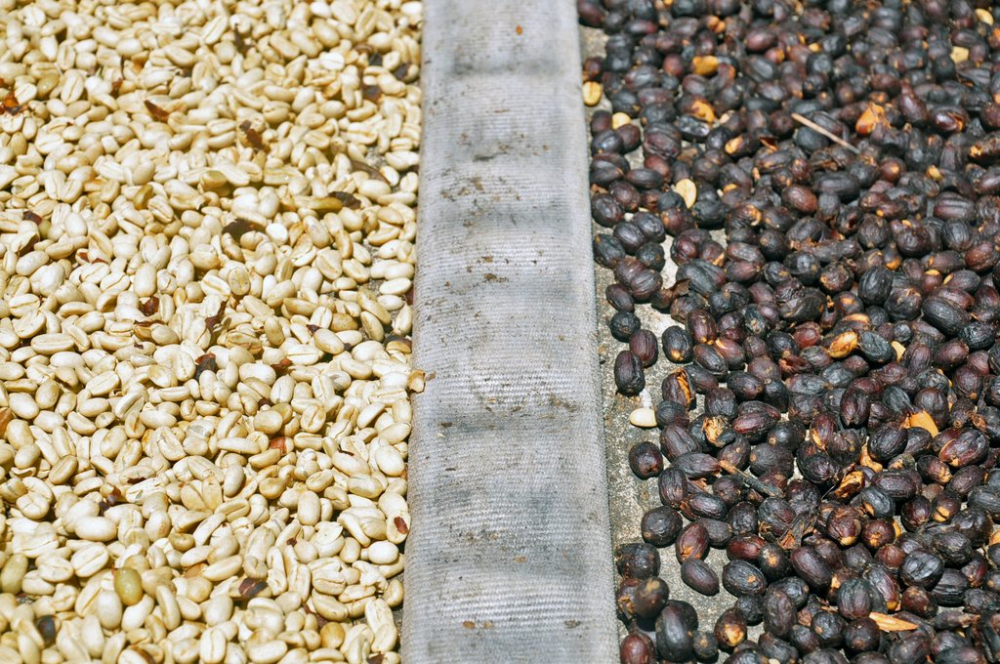
After the washed processing of coffee beans is completed, defective beans are first picked out, intact beans are retained, and then after varying degrees of roasting, they can finally present ever-changing flavors and mouthfeels. From production to the completion of brewing, subtle differences in every step affect the quality and flavor of the coffee, and this is exactly why the world of coffee is so profound and fascinating.
Unlike natural processing, which only needs sunlight to complete the post-harvest processing, regions using the washed method must have ample water sources so that clean water can be provided in both the rinsing and soaking stages. Usually, countries such as Colombia, Kenya, Tanzania, and Costa Rica adopt this type of processing because of their superior geographical conditions, and at the same time it also allows the production quality of coffee to remain stable .
Taking Front Street Yirgacheffe as an example, what are the differences in taste between washed and natural Yirgacheffe coffee beans? Simply put, washed coffee represents the basic flavor of a region, while natural coffee adds more aroma on top of the washed baseline.
Cupping notes for washed and natural Yirgacheffe coffee beans:
Differences in dry aroma:
Front Street Natural Yirgacheffe: light fermented wine aroma, spice notes
Front Street Washed Yirgacheffe: jasmine floral aroma, citric acidity
[Using a ratio of 8 grams of grounds to 150 milliliters of 93-degree hot water in a cup, let the coffee steep for 3-4 minutes until a crust of coffee grounds forms]
Differences in mouthfeel:
Front Street Natural Yirgacheffe: the natural is a bit complex, with light fermented wine aroma, a somewhat heavier bitter-roasted note, and a much richer mouthfeel; honey sweetness, cocoa notes with a touch of spice, a full body and a long-lasting finish.
Front Street Washed Yirgacheffe: the washed processing has brighter acidity, like citric acid, a clearer and more refreshing mouthfeel, more obvious citrus aroma, and a slight black tea sensation in the aftertaste.
Similarities: both have fruity acidity, similar to fruits such as lemon and citrus.
[Pour-over parameters]
[Front Street Natural Yirgacheffe]: It is recommended to use 15 grams of grounds with 89-degree water temperature, small Fuji grind size 4, V60 dripper, water-to-coffee ratio 1:15, first pour 30g of water, bloom for 25s, second pour 104 grams of water and stop, second pour up to 230g of water, discard the water from the final stage, extraction time about 2:12s;
[Front Street Washed Yirgacheffe]: It is recommended to use 15 grams of grounds with 92-degree water temperature, water-to-coffee ratio 1:15, V60 dripper, water-to-coffee ratio 1:15, first pour 30g of water, bloom for 28s-30s, second pour 110 grams of water and stop, second pour up to 230g of water, discard the water from the final stage, extraction time about 2:15s;
This pour-over method allows you to experience the refreshing sensation of Yirgacheffe, as if flowers were stimulating the taste buds and nasal olfactory cells.
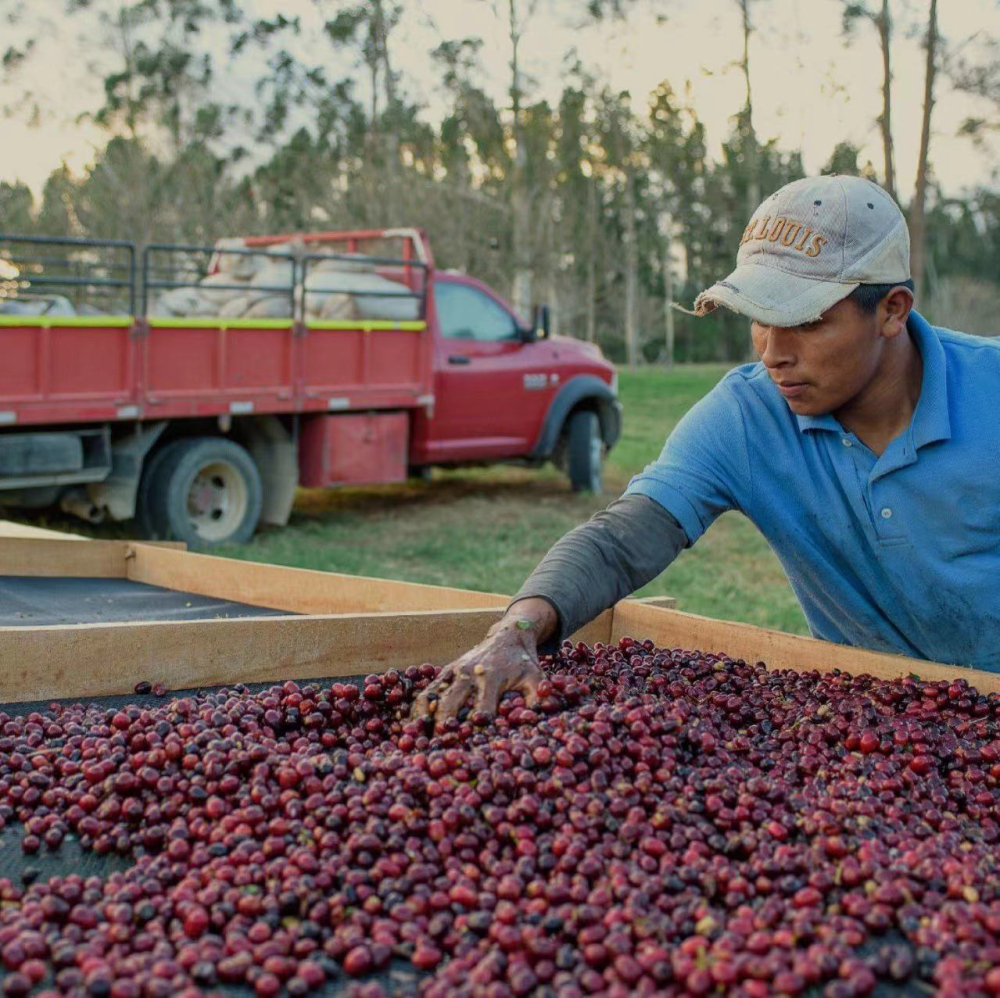
Every coffee-producing region in the world has its own unique climate and production culture, and the quality of coffee depends on what processing method is used. If it is the natural method, then it is directly sun-dried. If it is washed, however, the processing is very different. Those "depulped" coffees will directly undergo the honey process sun-drying procedure, while washed coffees will enter fermentation tanks in order to remove the remaining mucilage layer and substances; careful monitoring can ensure that the degree of fermentation of the coffee beans is controlled and consistent. This is also why most specialty coffee beans use the washed processing method.
The above content is compiled by CoffeeHunters, a coffee news website.


