







Search Results for: deep roasting

Does a deep crater in the coffee bed after pour-over really mean the cup tastes better?
Many friends who are just getting into pour-over coffee are always fascinated by the puffy dome during blooming and the "deep pit" that forms in the coffee bed after brewing. It seems that only when these two phenomena appear can a cup be considered a proper pour-over. However, in practice, people often find that the deep pit isn't something you can create just by wanting to. Today, Front Street Coffee is here to talk about how the deep pit actually forms, and whether it can serve as a standard for judging whether coffee is good or bad. [more…]
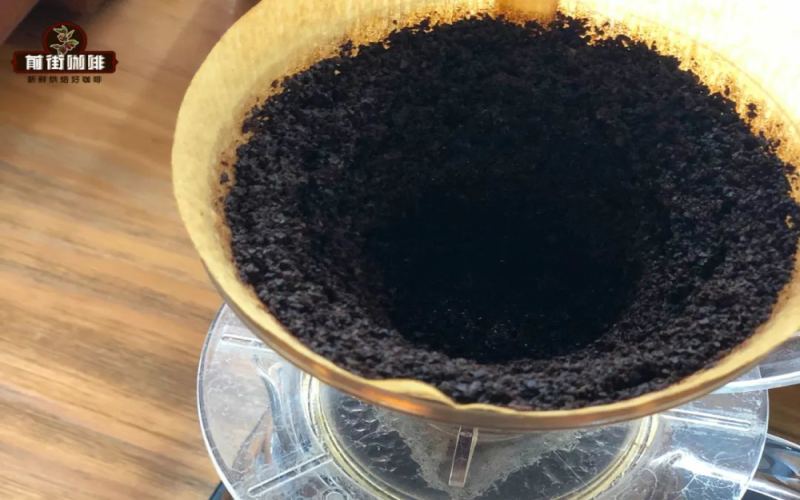
Analyzing the Coffee Bed Shape in Pour-Over Brewing: A Deep Bed Is Not a Sign of Good Taste—Pouring Technique Is the Key
Many friends who are just getting into pour-over coffee often hold an almost worshipful attitude toward the expansion of the coffee bed and the deep pit, believing that producing a deep pit signifies superior skill. Front Street found this phenomenon to be quite common when talking with customers in the shop, so we decided to analyze the conditions for the formation of the deep pit from a fundamental perspective. In fact, the deep pit is mainly related to three factors: the roast level of the coffee beans, the circular pouring pattern, and the dose of grounds, with roast level having the most significant influence. Dark-roasted beans have low density and expand noticeably, making it easy to form a thick wall of grounds and a deep pit, while light-roasted beans are the opposite. In addition, pouring in small circles preserves the wall of grounds around the edge, and a large dose of grounds also provides enough support for the deep pit. But an attractive coffee bed does not equal good-tasting coffee; the real point of observing the coffee bed is to check whether the pouring was even and whether the wall of grounds was damaged. This article will systematically sort out the brewing logic behind the coffee bed for coffee lovers, helping everyone return to the brewing parameters themselves. [more…]

Dark Roast Coffee Pour-Over Tutorial | Why Are Japanese Dark Roast Coffee Beans Bitter? How to Brew Out the Sweetness of Deep-Roasted PWN Golden Mandheling?
If you were born before the millennium, your first impression of black coffee was probably a uniform bitterness—the only non-bitter coffee being Nescafé 2-in-1. This uniformly bitter coffee was actually caused by the dark-roasted coffee beans popular in the last century. Unlike today's favored light [more…]

Analyzing the Causes of Deep Craters in Pour-Over Coffee Beds: Three Key Conditions from Density and Pouring to Uniformity
Many enthusiasts, after finishing a brew, will see a uniform and deep bowl-shaped coffee bed left in the dripper, and wonder how this state is formed. Front Street Coffee also often encounters similar questions in daily brewing. In fact, the final shape of the coffee bed cannot directly determine whether a cup of coffee tastes good, but it does reflect some operational details during the brewing process. This article will explain how to brew a deep-pit coffee bed from three aspects: coffee bean density, pouring method, and pouring uniformity, and will also explain why light-roasted high-density beans often find it difficult to form a deep pit. If you also want to understand the principles behind the coffee bed, as well as brewing suggestions for beans such as Front Street Ethiopia·ALO and Front Street Yirgacheffe·Guddingding, please read on. [more…]
Analysis of the Differences Between Japanese Charcoal-Roasted Coffee and Regular Coffee: The Bitter Secret of Deep Roasting and Pour-Over Techniques
Charcoal-roasted coffee is a deeply roasted coffee style originally created in Japan, known for its extreme bitterness, absence of acidity, and its toasty, sweet, and mellow character. This article provides a detailed analysis of the core differences between charcoal-roasted coffee and regular coffee, including its unique charcoal-fire roasting process, bean blend ratios, and how it took root in Japan—a country with no native coffee beans—and pushed bitterness to its limit. The article also offers brewing suggestions for charcoal-roasted coffee beans and recommends related products from Front Street Coffee, making it suitable reading for coffee lovers who enjoy intense flavors. [more…]
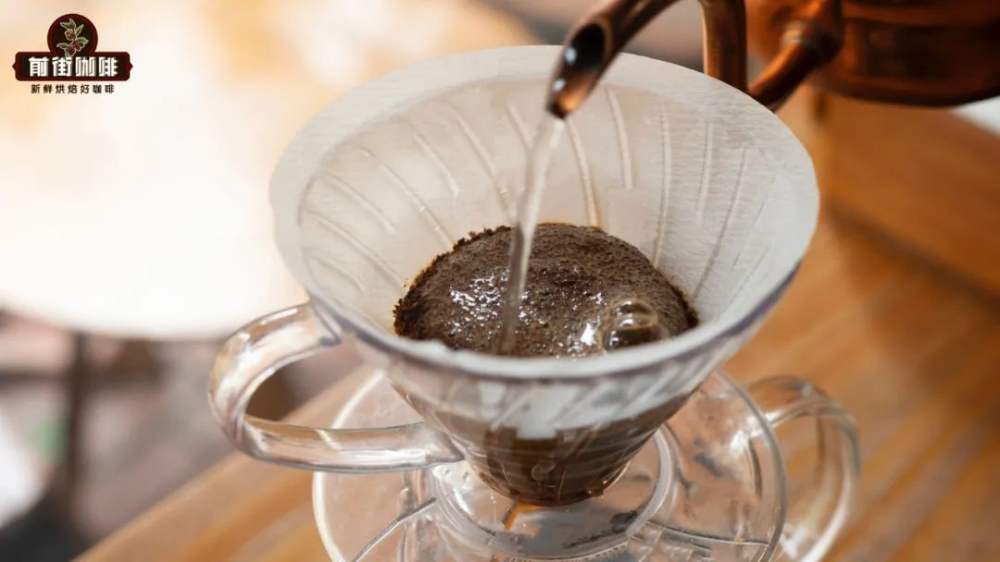
Pour-Over for Dark Roast Coffee | Which Coffee Dripper Suits Dark Roasted Beans? How Do You Adjust Water Temperature and Coffee-to-Water Ratio to Bring Out the Richness of Dark Roasted Beans?
In yesterday's article sharing flavor descriptions, the section on "body" sparked a big response among coffee lovers, and a friend asked via the backend: his deep-roasted coffee tastes rather thin—what methods can enhance the coffee's body? Let's revisit the basics: body refers to the mouthfeel of the coffee liquid in the oral cavity. [more…]
The Flavor Code of Dark Roast and Light Roast: From Beath to Howell, Understanding the Core Differences in Coffee Roasting
Different roasting levels of coffee beans lead to completely different flavor profiles. Starting from the history of coffee, this article tells how Alfred Peet, a pioneer of dark roasting, used heavy roasting to change the face of American coffee, and how George Howell opened up another flavor path on the East Coast with a light roasting approach. The article systematically sorts out the differences between dark roasting and light roasting in color, weight loss ratio, and flavor performance, and points out that dark roasting brings sweetness and body, while light roasting highlights bright fruit acidity and regional character. Whichever one you prefer, as long as there are no negative flavors such as bitterness or saltiness, whether coffee is good or bad ultimately comes down to personal preference. Front Street Coffee recommends a variety of beans with different roasting levels for enthusiasts to choose according to their taste. [more…]
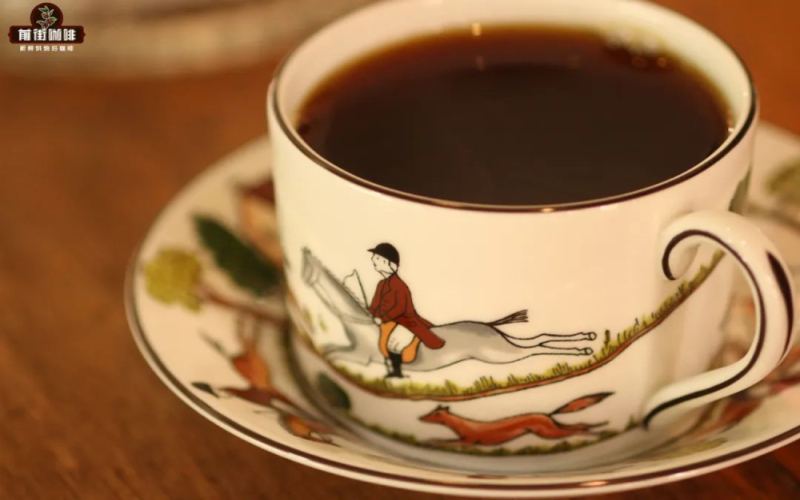
Pour-Over Techniques for Dark Roast Blue Mountain and Mandheling: From Dripper, Ratio, and Time to Pouring—How to Brew a Rich, Full-Bodied Cup
Deep-roasted coffee beans should typically present a full, smooth, and rich mouthfeel, yet many enthusiasts find the flavor rather thin when brewing with pour-over methods. Front Street Coffee, drawing on common issues, points out that the problem often lies in the type of dripper, the coffee-to-water ratio, the extraction time, and the pouring technique. If you want to brew a heavy-bodied cup, it is recommended to choose a Kono dripper or a Kalita wedge-shaped dripper, which rely primarily on immersion extraction, keep the coffee-to-water ratio between 1:13 and 1:15, and maintain an extraction time of around 2 minutes; when pouring, use small circular motions and keep the water level from exceeding the coffee bed, which can also noticeably enhance the body. This article analyzes these key parameters one by one to help you achieve a more solid mouthfeel when brewing deep-roasted beans such as Blue Mountain and Mandheling. [more…]
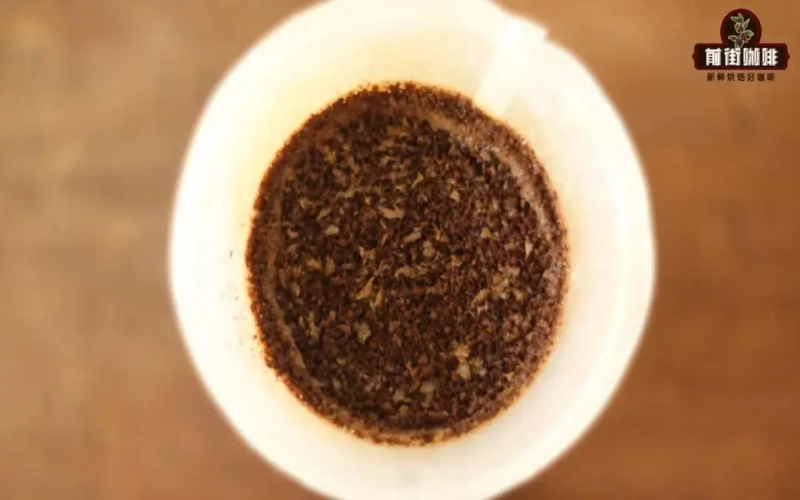
A flat coffee bed in pour-over brewing doesn't mean bad taste—revealing the causes of deep craters and three key points for brewing an even deep crater
Many friends who are just getting into pour-over coffee share a common misconception: they believe that the deeper and more even the coffee bed is, the better the coffee tastes. In reality, the shape of the coffee bed only reflects the pouring method and has no direct connection to coffee flavor. This article starts from a customer inquiry at Front Street's shop to explain why the coffee bed in specialty coffee is sometimes flat, and which factors truly determine coffee taste. It also shares three practical points: appropriately increasing the water flow, concentrating the hot water in the center, and choosing coffee beans that are not too high in density, helping you easily produce a symmetrical, deep coffee bed at home. The article also uses Front Street Yirgacheffe Gudingding, PWN Golden Mandheling, and others as examples to illustrate the differences in how various beans perform. [more…]
Coffee Encyclopedia: A Complete Analysis of Global Coffee Bean Species Classification, Major Producing Regions, and the Flavor Characteristics of Classic Bean Varieties
The world of coffee beans is far richer than we might imagine. From the three botanical original species—Arabica, Robusta, and Liberica—to dozens of origins across Latin America, Africa, the Middle East, and Asia-Pacific, and on to classic single-origin beans such as Blue Mountain, Mandheling, and Mocha, every bean carries the imprint of its terroir and craftsmanship. This article systematically sorts through the original species classification of coffee beans, the world's major producing regions, and representative bean varieties, and explains in detail the taste characteristics and roasting suggestions of famous coffee beans. Whether you are a beginner enthusiast or a seasoned player, this guide can help you understand the cup of coffee in your hands more clearly. If you want to put it into practice, you can follow Front Street Coffee's related product recommendations. [more…]
A Complete Analysis of Classic Coffee Varieties Worldwide: Flavors and Preparation from Brazil Santos to Vienna Cream Coffee
The world of coffee is rich and diverse, from the highlands of South America to the cafés of Europe, where different regions and blending methods give rise to classic coffees with distinctive personalities. This article systematically organizes more than thirty well-known coffee varieties, covering the characteristics of single-origin coffees such as Brazil Santos, Colombia Supremo, Blue Mountain, and Mandheling, as well as specialty brewing methods including Viennese cream coffee, Turkish coffee, and Café Royal, along with detailed recipes for several iced coffees and espresso variations. Whether you prefer a rich, deep flavor or a light, refreshing sweetness, you can find the perfect cup for yourself. Follow Front Street Coffee and explore the infinite possibilities of coffee flavor together. [more…]
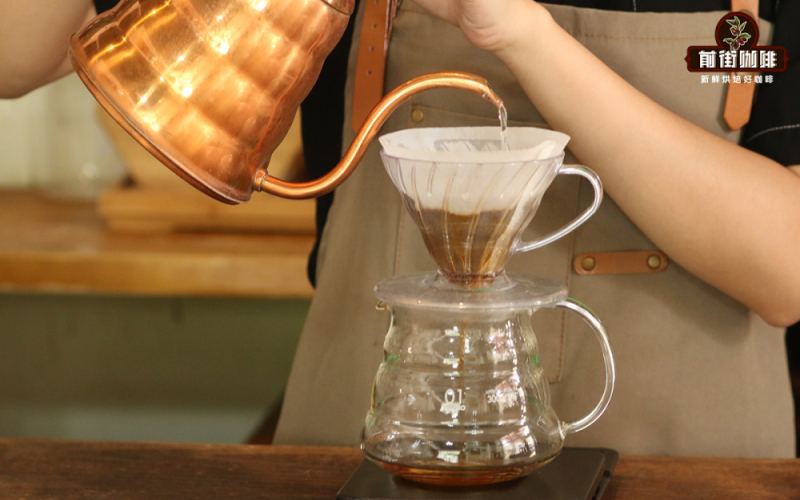
Daily Maintenance, Deep Cleaning, and Burr Calibration Guide for Manual Coffee Grinders
When brewing pour-over coffee at home, have you ever tasted the flavor of one bean in a cup of another? This is very likely the work of fine powder residue left inside the grinder. If a grinder is not cleaned for a long time, electrostatic fine powder and dark roast bean oils attached to the metal burrs will accumulate more and more, which not only affects the extraction flavor, but may also clog the passage and shorten the life of the equipment. This article, compiled by Front Street Coffee, systematically explains the maintenance and calibration methods for manual and electric coffee grinders, from simple daily cleaning, no-disassembly cleaning with cleaning tablets, to disassembly deep cleaning and burr wear inspection, helping you determine when a simple cleanup is enough and when deep maintenance is needed, so that every cup of coffee maintains a clean and accurate flavor performance. [more…]
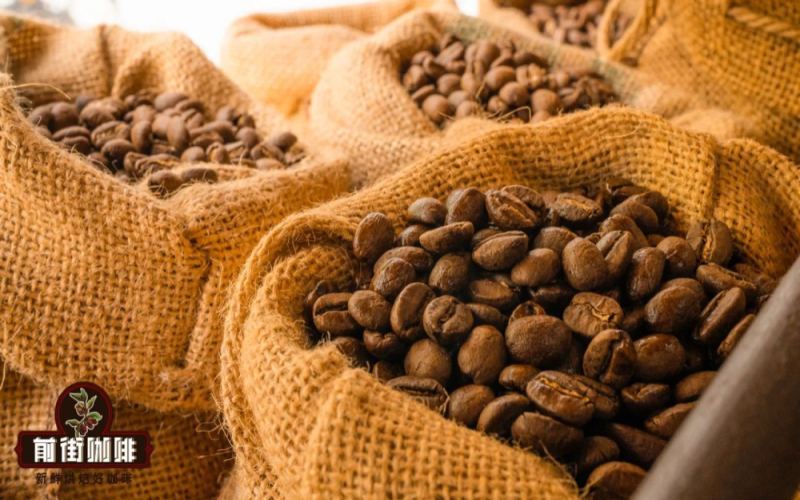
Pour Over for Dark Roasts: How to Avoid Bitter, Burnt, Undrinkable Coffee — Brewing Tips for Medium-Dark Mandheling, Blue Mountain, and Brazilian Beans
Deeply roasted coffee beans are characterized by a dark chocolate-like bitterness, while also delivering a rich mouthfeel and traditional caramel aroma. However, these beans also tend to release an unpleasant bitterness during brewing. This article approaches the issue from three angles—water temperature adjustment, coffee bed state, and coffee-to-water ratio—and, by combining the flavor characteristics of three representative beans—Front Street Coffee PWN Golden Mandheling, Front Street Coffee Jamaican Blue Mountain, and Front Street Coffee Brazil Queen Estate—analyzes how to avoid negative flavors such as burnt bitterness and woody notes, while preserving caramel sweetness and a clean finish, helping enthusiasts brew the rich body and sweetness that deeply roasted beans should have. [more…]
How Should You Set the Water Temperature for Pour-Over Coffee? A Detailed Guide to the Ideal Brewing Temperature for Coffee Beans of Different Roast Levels
Brewing a good cup of coffee—water temperature is one of the key variables. This article uses pour-over coffee as an example to systematically explain the complete process from warming the cup and grinding the beans to blooming and brewing, and focuses on analyzing the optimal water temperatures corresponding to coffee beans of different roast levels. Deep-roasted charcoal coffee and medium-dark-roasted Front Street Blue Mountain have obvious differences in grind size and water temperature settings. The article also provides specific operational details on calculating coffee dose, equipment pairing, and blooming and brewing, helping coffee enthusiasts reliably reproduce a balanced cup of pour-over coffee at home. [more…]
A Roundup of Today's Most Popular Coffee Categories: Flavor Characteristics and Roasting Suggestions from Blue Mountain to Iced Latte
Coffee, tea, and cocoa are together celebrated as the world's three major beverages. The coffee tree is an evergreen small tree belonging to the Rubiaceae family. The coffee we drink daily is made by extracting the beans from the fruit of the coffee tree, roasting them appropriately, and then brewing them with various devices. There are many popular coffee varieties on the market, each with its own distinctive flavor. This article will systematically cover classic single-origin coffees such as Blue Mountain, Cuba Crystal Mountain, Colombia Supremo, Brazil Santos, Mandheling, Mocha, Hawaii Kona, Java, Guatemala, and Kilimanjaro, as well as flavored preparations like milk coffee, Viennese iced coffee, and iced latte, along with their suitable roast levels and taste characteristics, making it easy for coffee lovers to choose according to their preferences. Front Street Coffee will also provide you with a stable supply of beans and roasting recommendations. [more…]
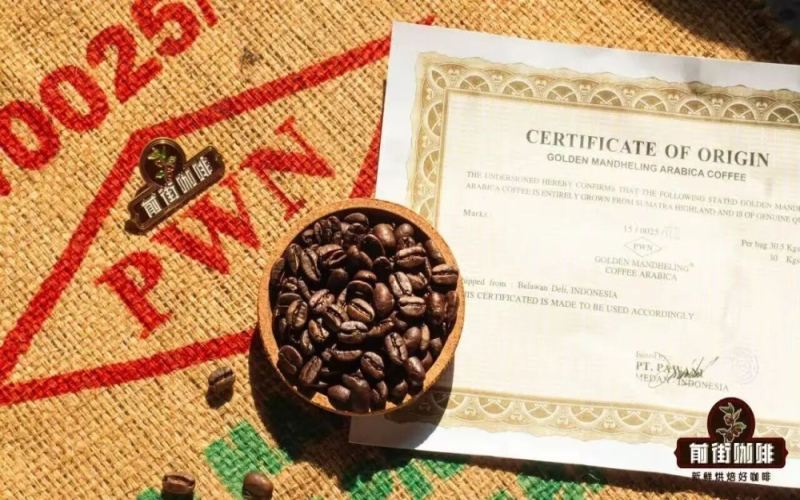
Sumatra Golden Mandheling: An Analysis of Deep Roast, Full-Bodied Flavor, and Wet-Hulling Process
Asian coffee is known for its rich, steady character, and Sumatra's Golden Mandheling is a prime example. Starting from the terroir of its origin, this article takes a deep dive into the unique conditions of the two major producing regions, Lintong and Aceh, revealing how PWN's rigorous screening standards and wet-hulled processing method shape a clean, luminous, full-bodied flavor. At the same time, Front Street Coffee shares pour-over parameters and brewing approaches for a medium-dark roast, helping enthusiasts recreate at home the layered notes of nuts, caramel, and spice. Whether you are an explorer of espresso blends or a devoted single-origin pour-over fan, this article will give you a comprehensive understanding of this deeply roasted, profoundly deep Mandheling. [more…]
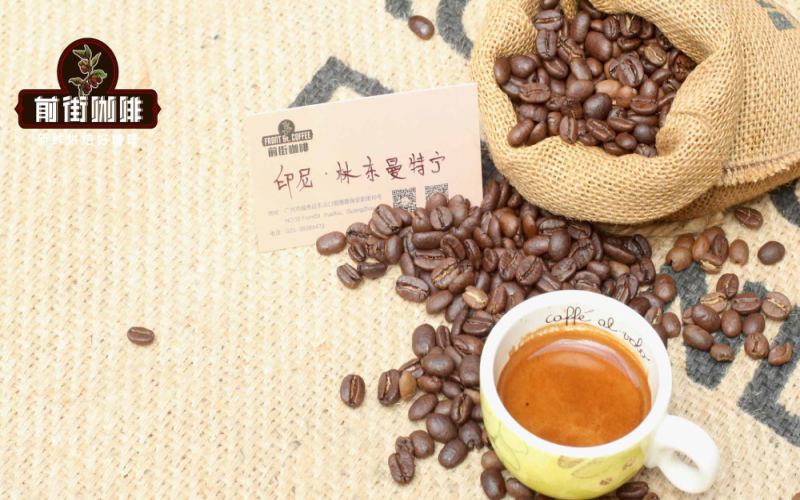
The Deep Charm of Mandheling Blends: A Classic Asian Flavor Profile of Low Acidity, Full Body, and Caramel Aroma
As an outstanding representative of Asian specialty coffee, Mandheling has won the favor of many coffee lovers with its low acidity, full body, and lasting sweet aftertaste. To fully release its caramelized aromas, Mandheling is usually given a deep roast, brewing with a complex sweet fragrance of dark chocolate, nuts, spices, herbs, and sandalwood, revealing layer upon layer of flavor as the temperature changes. If you want a first taste of Mandheling's regional character, Front Street Coffee's Indonesian Mandheling G1 coffee beans are an ideal entry point, from the Lintong region of Sumatra, G1 grade, with wet-hulling and a deep roast bringing out caramel, spice, and nut notes to the fullest. For users with an espresso machine, Front Street Coffee's Classic Blend combines Mandheling with Brazilian coffee and adds a small amount of Robusta to boost the crema, delivering excellent notes of nuts, dark chocolate, and caramel when made into an Americano or latte. [more…]

A Complete Analysis of Pour-Over Coffee Bed Shapes: What Deep Crater, Flat Bed, Channeling, and Mud Pit Each Tell You
After pour-over brewing is finished, the coffee bed in the dripper often takes on different shapes—some people can produce a beautiful, even deep pit, while others end up with a flat bed or even a muddy crater. What exactly are these coffee bed shapes telling us? In fact, the appearance of the coffee bed mainly reflects information about the pouring method and the coffee grounds themselves, and has no direct correlation with whether the coffee tastes good. Front Street will start with six common coffee bed states, interpreting one by one the causes and meanings of the deep pit, the offset pit, the flat bed with a grounds wall, the flat bed without a grounds wall, the fractured bed, and the muddy pit, to help you better judge whether your pouring is appropriate in daily brewing and make timely adjustments. [more…]
Analysis of Flavor Characteristics of Common Coffee Bean Varieties: Taste Differences from Brazil Santos to Blue Mountain, Hawaii, and Mandheling
Faced with a dazzling array of coffee beans, different origins and varieties each have their own strengths in acidity, bitterness, aroma, and body. This article systematically sorts out the flavor characteristics and suitable roasting methods of common coffee beans such as Brazil Santos, Colombia Supremo, Blue Mountain, Hawaii Kona, and Mandheling, helping coffee lovers quickly build an understanding of taste. At the same time, the article also organizes Front Street Coffee's recommended approaches and product references for some bean varieties, making it easy for you to choose single-origin or blended coffee according to your personal preferences, and find the cup that suits you best. [more…]
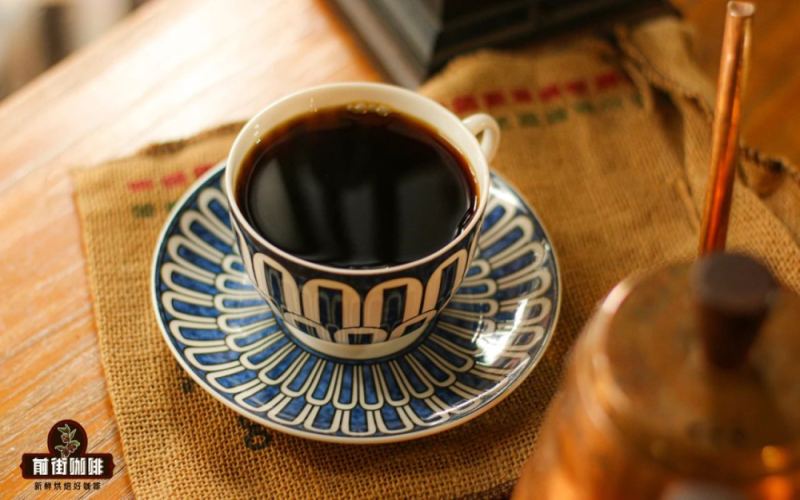
Deep Roast Mandheling Coffee Flavor Analysis: A Guide to Its Rich Body and Pour-Over Tasting
Deep roasting causes coffee beans to undergo the Maillard reaction and caramelization, developing bitterness and roasted aromas such as chocolate, caramel, and butter. The darker the roast, the more fully these reactions occur, and the richer the roasted aroma and bitterness, the higher the body, and the more lingering the sweet aftertaste. Mandheling is hailed as one of the world's fullest-bodied coffees and is the very representative of dark roasting. It not only carries the spice, herbal, and pine notes characteristic of the Sumatra growing region, but also transforms through caramelization into the rich aromas of dark chocolate, roasted nuts, maple syrup, and butter, with a solid, full-bodied mouthfeel and low, steady acidity. To experience this unique taste, you can buy Front Street Golden Mandheling drip coffee bags, which are Sumatra G1 grade, and Front Street Golden Mandheling is PWN company's beans that have undergone one mechanical sorting plus three rounds of hand sorting, with quality far exceeding Indonesian G1. The drip bag design is convenient—just add hot water and enjoy a freshly brewed black coffee. Although dark-roasted bitter coffee has fewer layered variations, it possesses a unique charm: nutty caramel aromas, a full and smooth, full-bodied mouthfeel, and the sweet aftertaste that comes after the bitterness—all experiences that are hard to replicate with a light roast. [more…]