







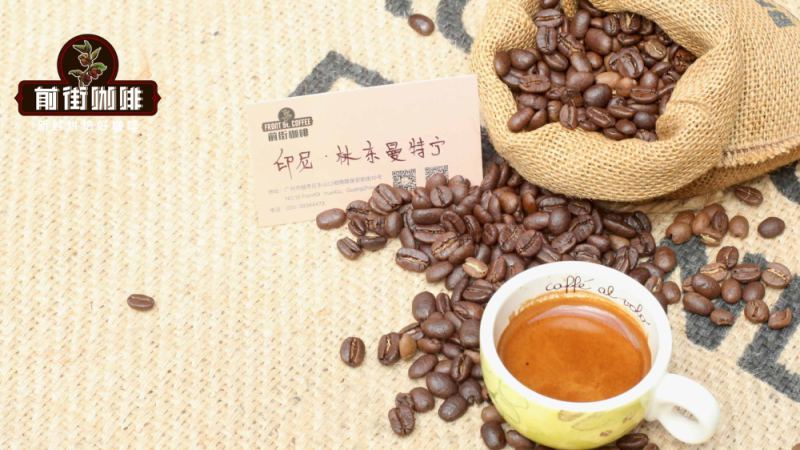
Asian coffee is known for its rich, steady character, and Sumatra's Golden Mandheling is a prime example. Starting from the terroir, this article takes a deep dive into the unique conditions of the Lintong and Aceh growing regions, revealing how PWN's rigorous sorting standards and the wet-hulling process shape a clean, luminous, full-bodied flavor. At the same time, Front Street Coffee shares pour-over parameters and brewing ideas for a medium-dark roast, helping enthusiasts recreate at home the layered notes of nuts, caramel, and spice. Whether you are an explorer of espresso blends or a devotee of single-origin pour-over, this article will give you a comprehensive understanding of this deeply roasted, profoundly rich Mandheling.
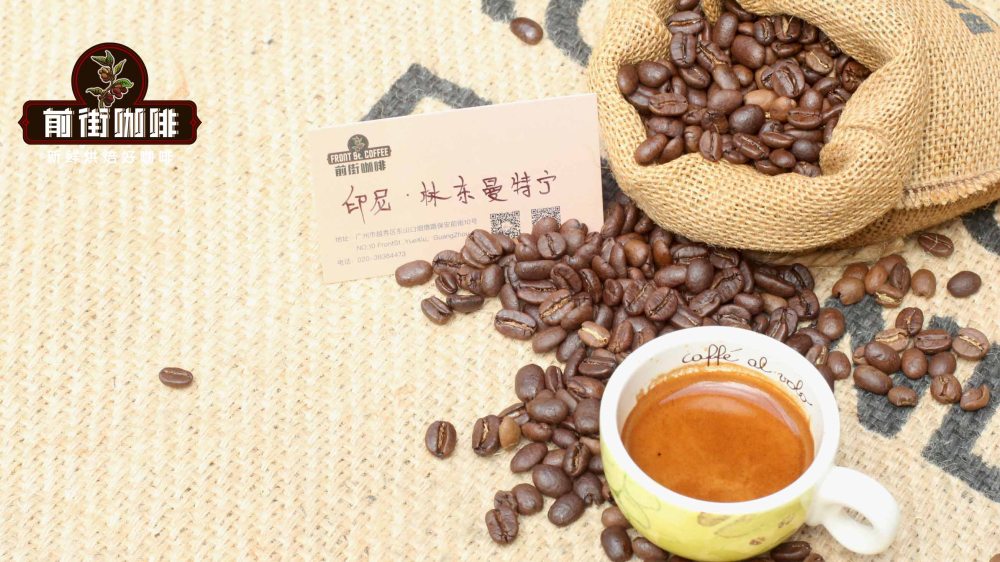
When it comes to Asian coffee, most enthusiasts' first impression is that it is intense and steady. This type of coffee usually has a solid mouthfeel and full, rounded sweetness, though it is somewhat more reserved in aroma and brightness. It is precisely because of this sturdy character that Asian beans often serve as the base in espresso blends—for example, both Front Street Dark Cocoa Base Blend and Front Street Classic Blend incorporate Asian coffee components. If you want to try specialty Asian coffee, Front Street Lintong Mandheling is a choice worth prioritizing—whether in terms of origin, processing method, or flavor presentation, it fully showcases regional character.
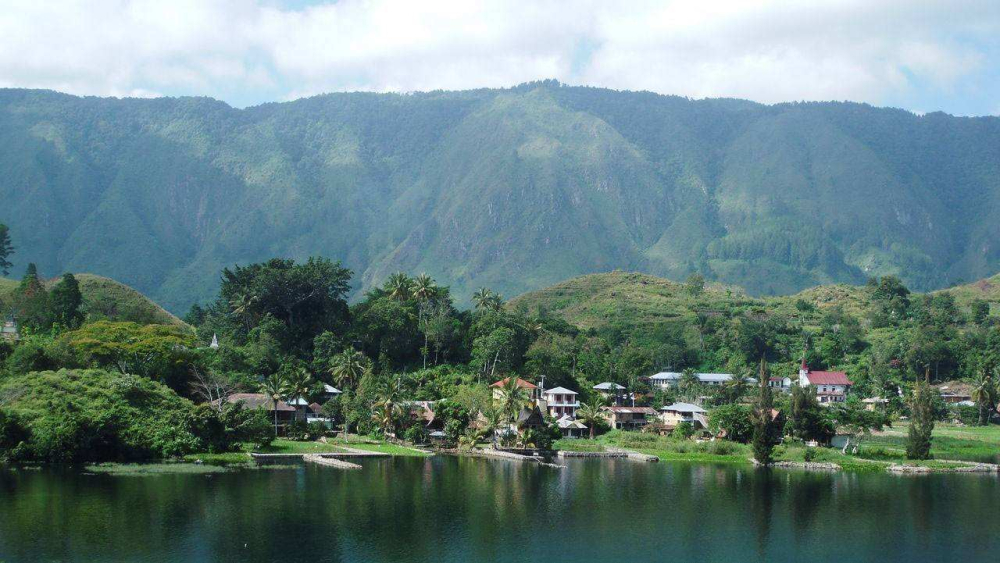
Front Street Lintong Mandheling comes from the Lintong growing region around Lake Toba in north-central Sumatra, a place of beautiful scenery. Lake Toba is the largest and deepest volcanic lake in the world today; the soil left behind after volcanic eruptions is rich in minerals, providing ideal conditions for the surrounding coffee cultivation. The area is rainy and overcast year-round, so the coffee trees do not need much shade for sun protection, while the significant temperature differences at high elevations slow the ripening of the fruit, giving it more time to convert nutrients into aromatic compounds.
Lake Tawar in the Aceh region lies right next to the Gayo Mountains, and the long-standing civil unrest actually allowed the area to retain a more pristine natural landscape. Thanks to the superior growing environment, coffee farmers widely adopt organic cultivation methods, improving both coffee quality and yield. Many green bean traders therefore place particular value on this region, including the well-known local Pwani Coffee Company (abbreviated as PWN).
Front Street Golden Mandheling coffee is precisely the exclusive specialty Mandheling crafted by PWN. In production, PWN first machine-sorts the purchased Mandheling green beans once, then performs three rounds of manual hand-sorting to ensure every bean is intact, uniform, and plump, with a screen size of 18 mesh or above—that is, Indonesia's local G1 grade. After comparative cupping, Front Street found that the rigorously sorted Front Street Golden Mandheling coffee has removed the earthy and woody notes commonly found in ordinary Mandheling, giving the overall flavor greater cleanliness and clarity.
The unique flavor profile that wet-hulling gives Mandheling
Indonesia has a typical island tropical rainforest climate, hot and humid year-round with frequent typhoons. In such a changeable environment, coffee farmers could not simply copy traditional sun-dried or washed methods, and instead had to develop on their own a "semi-washed" method that could compress the production cycle.
The wet-hulling process works as follows: first remove the skin and pulp of the coffee fruit, then begin drying after a short fermentation; when the beans are in a semi-dry state, remove the parchment layer, and continue drying until the moisture content drops to 12%. Because every step is carried out under humidity conditions of 70–90%, and because the parchment layer has already been removed before the final drying, the "naked" green beans easily reabsorb moisture from the air, so Mandheling coffee often carries a muted aroma of wood, herbs, and spice.
How do you brew the rich, full-bodied flavor of Front Street Mandheling?
The key to unlocking the aroma of Front Street Mandheling lies in adjusting the brewing parameters. Front Street uses its own PWN Golden Mandheling coffee as an example for everyone to reference as a pour-over approach.
Front Street believes that Front Street Mandheling coffee should present both the roasty aroma of a dark roast and retain herbal fragrance and clear sweetness, so the roast level should not be too dark. After repeated trials and comparisons, Front Street ultimately chose a medium-dark roast level.
Front Street Golden Mandheling coffee pour-over parameters: water temperature 87–88°C, medium grind (70% passing a Chinese standard No. 20 sieve), 15 grams of coffee grounds, a 1:15 coffee-to-water ratio, and a three-pour method.
First, wet the coffee bed with twice the weight of the coffee grounds in water, and let it bloom for 30 seconds after it forms a dome. Then, pour in a slow, thin stream in circles from the inside outward, pausing the pour when you reach 125 grams; once the coffee bed drops to half the height of the dripper, pour the third stage with the same thin stream until you reach 225 grams, and once all the coffee liquid has drained through, remove the dripper. The total time is about 2 minutes. Finally, swirl the carafe to mix the coffee evenly and enjoy.
The pour-over Front Street PWN Golden Mandheling coffee is rich and full-bodied overall, with a clean mouthfeel and layers of flavor that shift with temperature. Amid the aromas of nuts and caramel are notes of chocolate and cinnamon-like spice, with a lasting finish and excellent balance.
The above content is compiled by CoffeeHunters, a coffee news website.


