







Search Results for: cupping flavor notes
A Guide to Floral Aromas in Light Roast Coffee: From Bean Selection to Aroma, Learn to Capture the Floral Notes in Your Cup
The pleasure of coffee goes far beyond simply waking you up—it hides in the layered, intricate details of aroma. Floral notes are one of the most recognizable flavors in specialty coffee, closely tied to variety, origin, processing method, and roast level, with light-to-medium roasts especially able to lock in this delicate fragrance. Starting with bean selection, this article introduces six representative Front Street Coffee floral coffee beans and systematically explains a complete tasting method from dry aroma to wet aroma to finish, helping coffee lovers learn to capture that hint of blossom in the cup and truly open the door to the world of specialty coffee flavors. [more…]
How to Judge the Quality of a Cup of Coffee? A Comprehensive Tasting Guide from Grinding and Extraction to Flavor and Mouthfeel
The birth of a good cup of coffee depends on proper grinding and extraction, and even more on the keen senses of the taster. This article begins with the correspondence between grind size and extraction method, sorts out the core standards of good coffee—fresh, clean, and comfortable on the palate—and systematically explains the professional descriptive vocabulary of the three dimensions: smell, taste, and mouthfeel. Whether you are a beginner enthusiast or a taster seeking to advance, you can find practical reference here. Front Street Coffee has always been committed to promoting professional coffee tasting knowledge, and we hope this article can help you better understand the flavors in your cup. [more…]

Choosing manually ground coffee beans by roast level: from bright fruity notes to rich cocoa
How to choose coffee beans for hand grinding—you can start with the roast level. It doesn't just determine the color depth; it also affects the aroma profile, the balance of acidity and sweetness, the body, and the brewing method suited to the ground coffee. People who enjoy bright fruity notes usually find light roasts more appealing; if you want rounded sweetness that works well both hot and iced, you can look to medium roasts; if you prefer [more…]

Light Roast Pour-Over Bean Recommendations: Cup Differences Across Three Roast Levels
Light-roasted coffee beans are not limited to just one flavor. Slight variations in roasting time and heat will steer the acidity, sweetness, aroma, and body in the cup in different directions. Lighter beans tend to express floral and citrus notes, mid-range light roasts enhance juiciness, and beans approaching a light-medium roast are softer and rounder, suitable for slowly transitioning from fresh flavors. [more…]
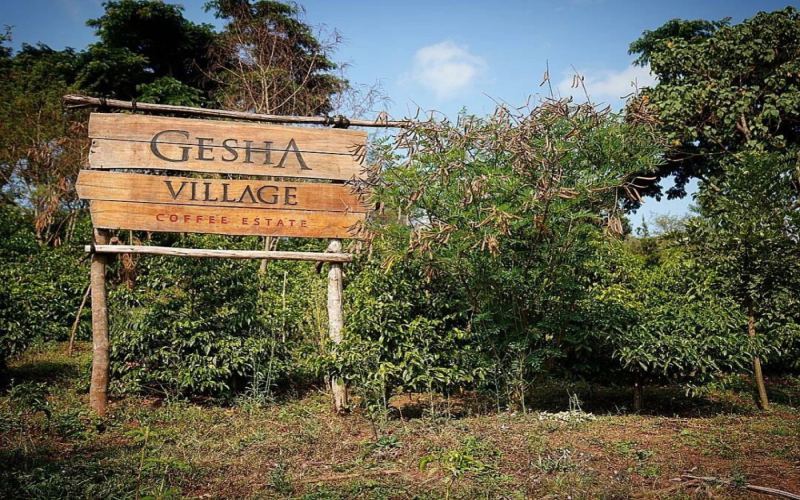
What are the differences between the various batches of coffee from Gesha Village in Ethiopia? A full breakdown of the Auction Lot, Gold, Red, Green, and Chaka
Ethiopia's Gesha Village Coffee Estate produces coffee with a style distinctly different from Panama Geisha, and has established a five-tier system: Auction, Gold, Red, Green, and Chaka. Front Street Coffee has long tracked and cupped these lots, and this article will go through the characteristics of each lot, from grading standards and flavor expression to natural processing and three-stage pour-over parameters. This year, the Gold Label shows a Panama-style profile of citrus, jasmine, honey, and tea notes; the Red Label is balanced with prominent nutty notes; the Green Label is full-bodied with berry acidity and vinous notes; and Chaka has a lower entry threshold with soft citrus and grapefruit acidity. It is suitable reading for coffee enthusiasts who want a systematic understanding of the Gesha Village product line. [more…]

How to use a moka pot? Detailed steps: bean configurations from a single cup to entertaining guests
The taste of a cup of coffee—acidity and bitterness are only the beginning; aroma, sweetness, body, mouthfeel, and finish are what complete the picture. When choosing beans, first lock in your preference for floral and fruity notes, nutty and cocoa notes, or balance, then match that to the origin, processing method, and roast level. Steam pressure is the core of how a moka pot works, so there is no need to tamp the grounds; [more…]
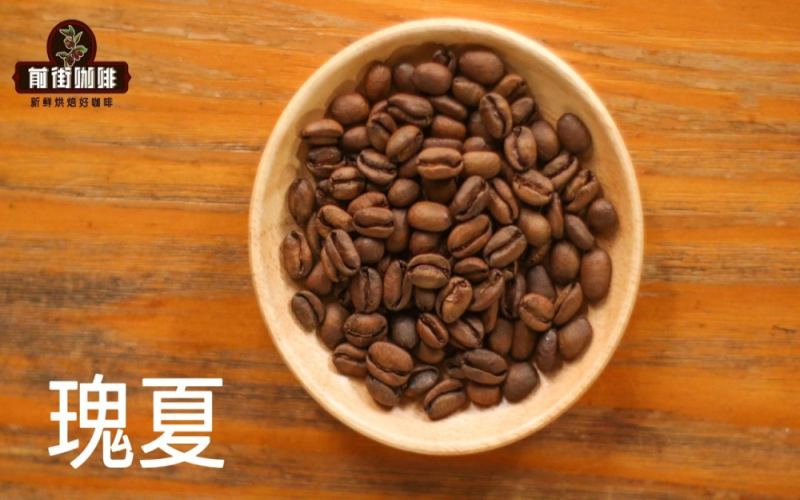
What roast level suits Geisha coffee? Analysis of flavor differences between light and medium-dark roasts and key brewing points
Geisha coffee, with its unique floral and fruity aroma and bright acidity, has become a highly regarded variety in the specialty coffee world. This article explores the varietal origins, green bean characteristics, and roasting logic of Geisha coffee, focusing on how light roasting and medium-dark roasting affect flavor expression, and, by combining cupping with pour-over comparisons, explains why light roasting better preserves Geisha's floral notes and fruity acidity. It also compiles the specific parameters Front Street Coffee uses when roasting and brewing Geisha, including the V60 dripper, water temperature, coffee dose, water ratio, and grind size, to help coffee enthusiasts gain a more complete understanding of how Geisha coffee's flavor is presented from green bean to cup. [more…]
Panama Elida ASD Anaerobic Low-Temperature Slow Natural Geisha: Four Pour-Over Brewer Methods and Flavor Comparison
Front Street recently acquired a Geisha coffee bean from Elida Estate in Panama, processed using the NATURAL-ASD anaerobic fermentation low-temperature slow sun-drying method—the same process used for this year's Panama BOP champion Geisha in the processing category. After the beans were properly rested, we tested brewing with a hollow filter cup, Ice Eye filter cup, cake filter cup, and diamond filter cup, standardizing the parameters to 15 grams of coffee, medium-fine grind, 90°C water temperature, and a 1:15 coffee-to-water ratio, recording the extraction time and flavor performance for each filter cup. Elida Estate is renowned for its sun-dried processing, and this ASD Geisha shines in fermentation aroma, juicy mouthfeel, and layered tea-like notes. Below, we share four specific brewing recipes and comparison results for coffee enthusiasts' reference. [more…]

Want floral notes? Which roast level should coffee beans be roasted to?
Floral notes are not exclusive to light-roasted coffee beans—as the roast level changes, the way floral notes present themselves changes too. Light roasts are more like freshly brewed floral tea, with an airy, uplifting aroma; medium roasts fold the floral notes into sweetness reminiscent of dried fruit, honey, or caramel; dark roasts push the floral notes into the background, leaving behind thicker cocoa, nut, and roasted [more…]
Want a cocoa-flavored cup from your moka pot? Choose beans by roast level like this
If you want to brew a cocoa-like cup with a moka pot, when choosing beans you can first look at the roast level, then at the flavor description. Light roasts often put fruit acidity, floral notes, and a clean sweetness up front, and the moka pot's high temperature and concentrated extraction can make the acidity stand out; medium to medium-dark roasts are more likely to show cocoa, nuts, caramel, and a fuller mouthfeel, which pairs well with this small [more…]
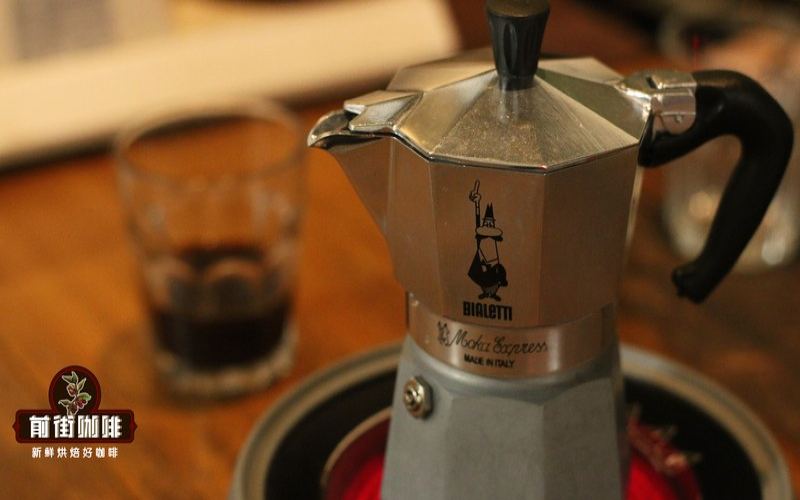
How to Choose Specialty Coffee Beans for Espresso? From Light to Dark Roast, Based on Flavor and Brewing Method
The flavor of an espresso is often set in its general direction by the roast level. Light roasts tend to preserve bright acidity and fruity notes, medium roasts place sweetness, aroma, and body in a more balanced position, while medium-dark and dark roasts gradually move toward nutty, cocoa, and roasted notes. When choosing beans for a home espresso machine, you can treat the roast level as [more…]
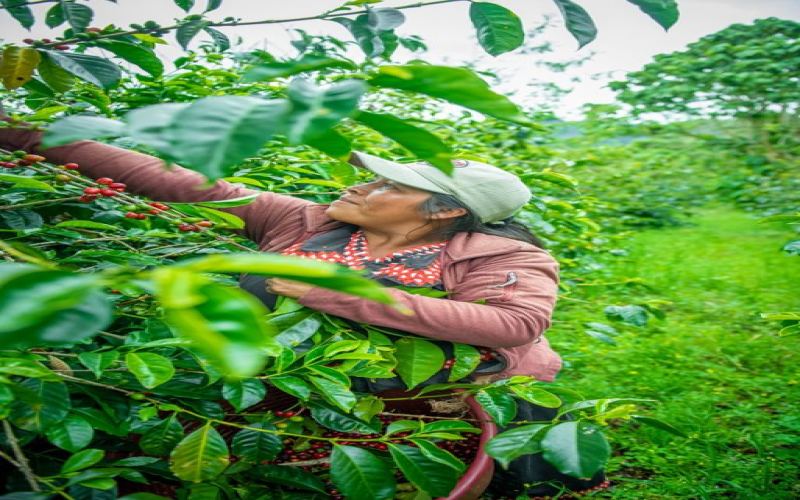
Light roast, medium roast, dark roast: how do espresso beans differ in the cup?
The roast level of espresso beans directly affects the aroma, sweetness, acidity, and mouthfeel of the espresso. Using the same espresso machine, light-roasted beans may present bright fruity notes, medium-roasted beans are more likely to deliver rounded sweetness, and dark-roasted beans bring cocoa, nutty, and roasted notes. First understand the three approaches, then combine them with the black coffee you usually drink. [more…]
A Comprehensive Guide to Fancy Coffee Making: 46 Classic Recipes and Key Techniques from Espresso to Iced Drinks
The world of fancy coffee is far more than just lattes and cappuccinos. This article systematically organizes the recipes and preparation techniques for 46 classic fancy coffees, covering two major categories: hot drinks and iced drinks. From the basics of espresso, au lait, and macchiato, to Irish coffee and royal coffee with their hints of liquor, and on to iced lattes and beer iced coffee suited for summer, each entry lists the required materials, specific steps, and key operational points, helping you master the flavor characteristics and serving essentials of different coffees. The article also retains relevant recommendations from the Front Street brand, providing a practical reference for coffee enthusiasts. [more…]
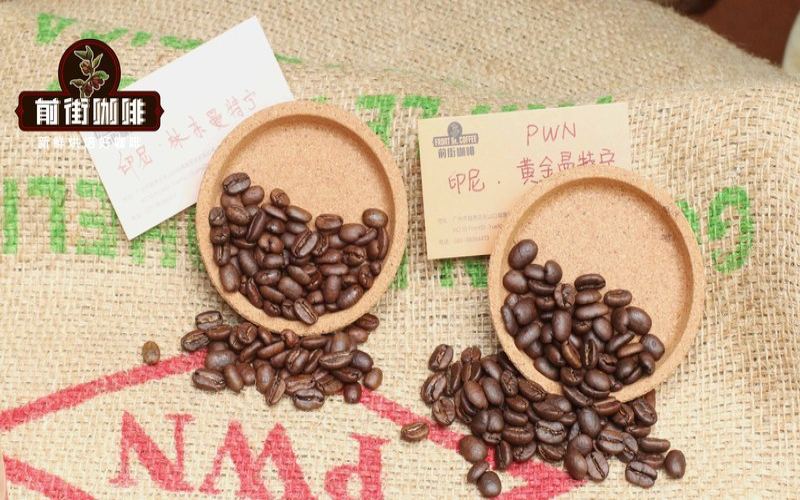
Fruity and Floral Coffee Beans: The Flavor Rhythm from Roasting to Opening
The charm of floral and fruity coffee beans often lies in the transformation of their aroma. Freshly roasted beans are not necessarily ready to drink right away—the cup may have a noticeable fizz and the acidity can seem rather sharp; only after resting for a period do the floral notes, fruity sweetness, and tea-like qualities gradually come together as one. When buying beans, look at the flavor description, but also take into account the roast date and your own [more…]
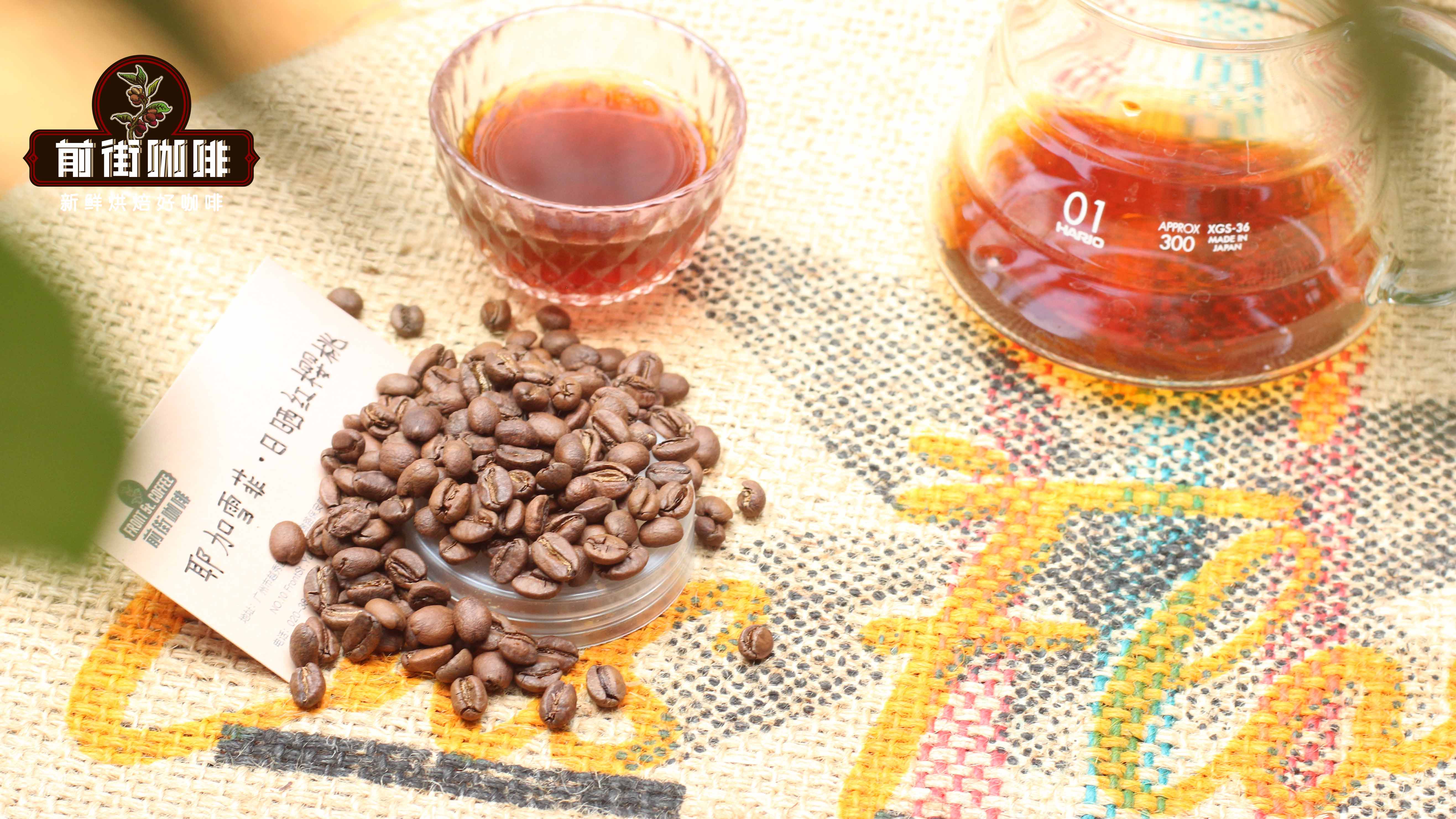
Front Street Yirgacheffe Natural Red Cherry Flavor Analysis: From Aricha Processing Station to Tropical Fruit and Floral Notes in the Cup
The Aricha processing plant in the Yirgacheffe region, with its superb natural (sun-dried) processing techniques, has made the Red Cherry lot a favorite among many coffee lovers. This article starts from the processing plant's background, the micro-region's terroir, and the sun-drying process, then breaks down in detail the dry aroma, wet aroma, and cup performance of Front Street Coffee's Yirgacheffe Natural Red Cherry, and extends to the floral notes, fruity charm, and sweet-tart layers of Front Street Coffee's Aricha G1. At the same time, we'll discuss how, under light roasting, dropping the beans at the peak of first crack versus the end of first crack affects flavor balance and acidity, giving you a complete understanding of what makes this bean so captivating. [more…]
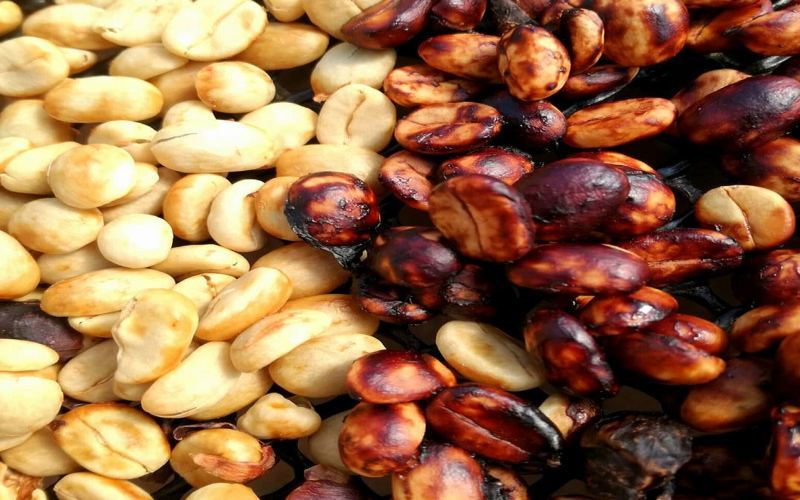
Cocoa Aromas from Light to Dark: How to Choose Coffee Beans for a Moka Pot
If you want to brew cocoa-flavored coffee with a moka pot, when choosing beans you can first look at the roast level, then decide whether you want the soft sweetness of milk chocolate or the rich, lingering finish of dark chocolate. The darker the roast, the more prominent the cocoa, nutty, and roasted notes usually are; a lighter roast tends to preserve more fruity acidity, floral notes, and brightness. [more…]
A Comprehensive Analysis of the Specialty Coffee Scoring System: COE and SCA Cupping Protocols, Scoring Rules, and Grading Standards
Whether a cup of coffee can be crowned with the name "specialty" is by no means decided by cupping alone. From the origin of the green beans, screening and processing, to roasting and brewing, every stage requires careful control, so that the flavor in the cup ultimately presented can reflect the characteristics and cultural heritage of the producing country. This article will systematically sort out the two major cupping scoring systems, COE and SCA, and break down one by one the points to note for each scoring element, including cleanliness, sweetness, acidity, body, flavor, aftertaste, and balance, as well as explain in detail the defect scoring rules and grading standards. Front Street will also draw on years of quality control experience to help you use evaluation grades as a reliable reference for judging specialty coffee when purchasing coffee. [more…]

Nutty and Cocoa Flavors: How Drinking Methods Differ Across Light, Medium, and Dark Roasts
If you want to drink coffee with notes of nuts, cocoa, and caramel, the roast level is a very practical starting point. Light-roast beans tend to retain more of their origin character, and nutty and cocoa notes may be hidden behind the sweet aroma; medium roast more easily brings nutty aromas, chocolate notes, and sweetness together in the same cup; dark roast pushes the flavor toward roastiness, dark chocolate, and a full [more…]
A Complete Analysis of the Flavor Differences Between African and American Beans: A Cup-by-Cup Comparison of Terroir from Yirgacheffe to Costa Rica
Coffee lovers often face a choice: do they prefer bright fruity acidity, or balanced richness? African growing regions and American growing regions happen to represent two completely different flavor directions. African beans are known for floral and fruity notes, with a light body like fruit tea; American beans emphasize caramel, nut, and chocolate tones, with a smooth, creamy texture. This article will compare Front Street Ethiopia Yirgacheffe, Limu, Burundi African Heart, as well as Costa Rica honey process, Honduras San Juan Chito, and other beans one by one, from growing region environment, variety characteristics, and processing methods to the final cupping flavor, to help you find the cup that best suits your taste when brewing pour-over. [more…]

African beans have bright fruity notes, American beans are rich and balanced: understanding the classic flavors of the two major regions in one article
In the world of coffee, origin largely determines the direction of flavor in the cup. African beans are known for their bold floral and fruity aromas, with lively, transparent acidity, like a glass of freshly squeezed juice; American beans, by contrast, excel in balance and harmony, with caramel and nutty sweetness interwoven and a smooth, delicate mouthfeel. This article will take you through three African representatives—Ethiopia Yirgacheffe Red Cherry, Limu G2, and Burundi Heart of Africa—as well as two renowned American beans, Costa Rica Honey Process and Honduras San Juan Guito, breaking down each one by terroir conditions, processing methods, and cup performance. Fruity-style and balanced-style go head-to-head on the same stage—which one will better capture your taste buds? [more…]