







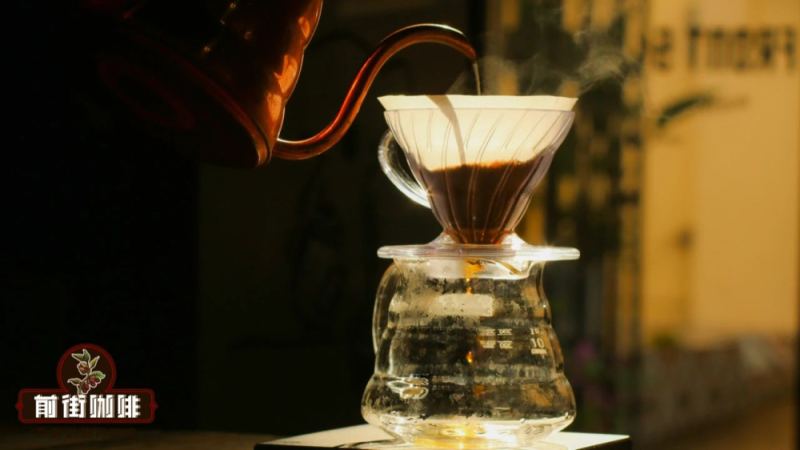
How Do Coffee Bean Seeds and Roast Level Shape Floral Aromas?
Floral notes come through most clearly in light to medium roasts. Variety, origin, processing and roast level all shape them, but roasting matters most: the darker the roast, the more aromatic compounds transform and florals fade. Medium-light roasted coffee has a gentler mouthfeel and lighter body, so blossom-like notes are easier to catch in the cup.
Ethiopia Gedeb shows white florals with citrus and tea-like notes in pour-over, while Ethiopia Huakui brings orange blossom and stone fruit. Boquete Geisha leans jasmine, and Rwanda Red Bourbon offers light florals with berries and caramel. Coffee bean seeds from these origins express florals differently depending on brew method and temperature.
The pleasure of coffee goes far beyond a caffeine boost—it hides in the intricate layers of aroma. Floral notes are one of the most recognizable flavors in specialty coffee, closely tied to variety, origin, processing method, and roast level, with light-to-medium roasts especially preserving this delicate fragrance. This article starts with bean selection, introduces six representative Front Street Coffee floral coffees, and systematically explains a complete tasting method from dry aroma to wet aroma to finish, helping coffee lovers learn to capture that hint of blossom in the cup and truly open the door to the world of specialty coffee flavors.
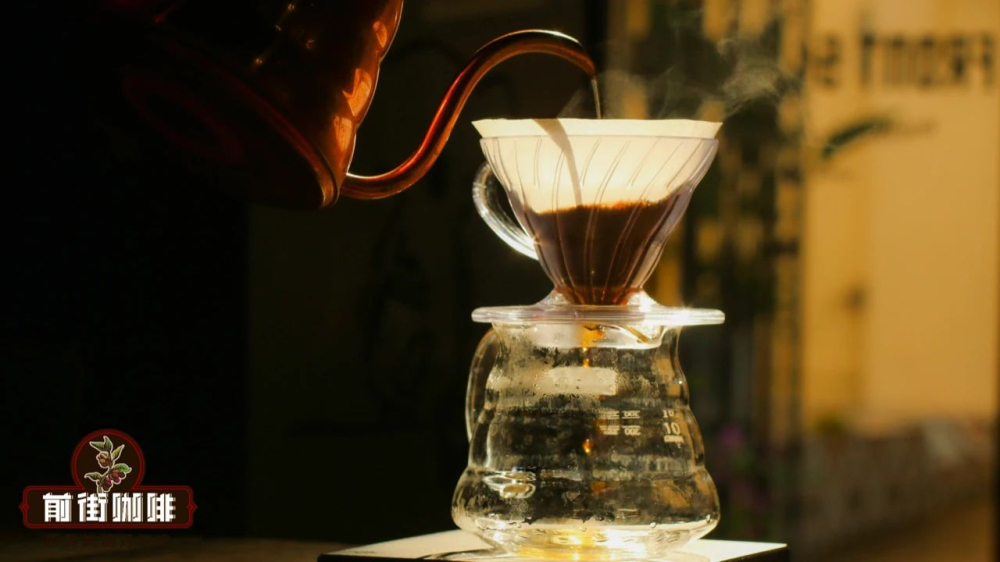
The true appeal of coffee doesn't stop at a quick pick-me-up; the real surprises lie in every shift of aroma. Take floral flavors as an example—once you learn to decode those subtle "floral codes" in coffee, you've essentially grasped the key to the hall of specialty coffee flavors, and a tasting journey full of discovery begins.
Which coffee beans have floral notes?
The expression of floral notes is related to coffee variety, growing conditions, and the degree of post-fermentation, but the roasting stage is especially critical in controlling floral intensity. The darker the roast, the more the compounds inside the coffee continue to transform, and floral notes tend to be diminished. So judging from roast level alone, light to medium roasts generally preserve floral notes better. Medium-light roasted coffee has a gentler mouthfeel and a lighter body, making floral notes easier to catch when drinking.
Floral coffee representative one: Front Street Coffee. Ethiopia Gedeb: citrus, tea-like, white florals, berries—white florals are clear in pour-over and drip bags, while cold brew, ice drip, and Clever Cup immersion show pronounced tea-like notes ;
Floral coffee representative two: Front Street Coffee. Ethiopia Huakui: orange blossom , strawberry, citrus, guava, mango, cream—suitable for pour-over, drip bags, cold brew, and Clever Cup;
Floral coffee representative three: Front Street Coffee. Boquete Geisha: jasmine florals, honey, citrus, green tea—shows jasmine-like layering and sweet fragrance whether hot or cold;
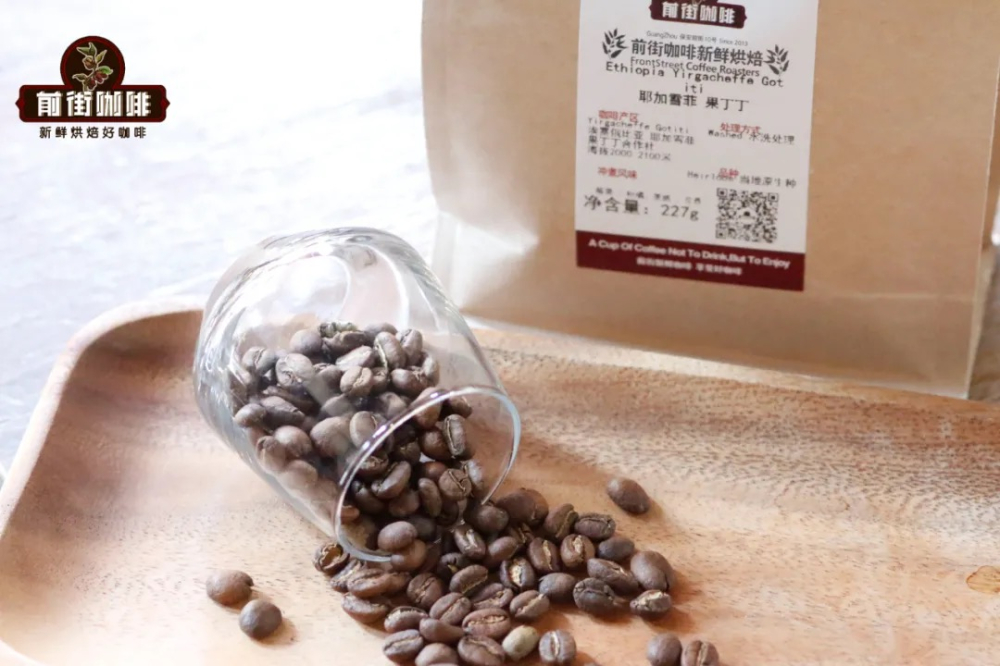
Floral coffee representative four: Front Street Coffee. Rwanda Red Bourbon: light florals, berries, citrus, caramel, nuts—delicate floral notes can be tasted in pour-over, drip bags, and ice drip cold brew;
Floral coffee representative five: Front Street Coffee. Kaffa Forest: orange, white florals, citrus, creamy melon seeds—fragrant white florals can be felt during pour-over;
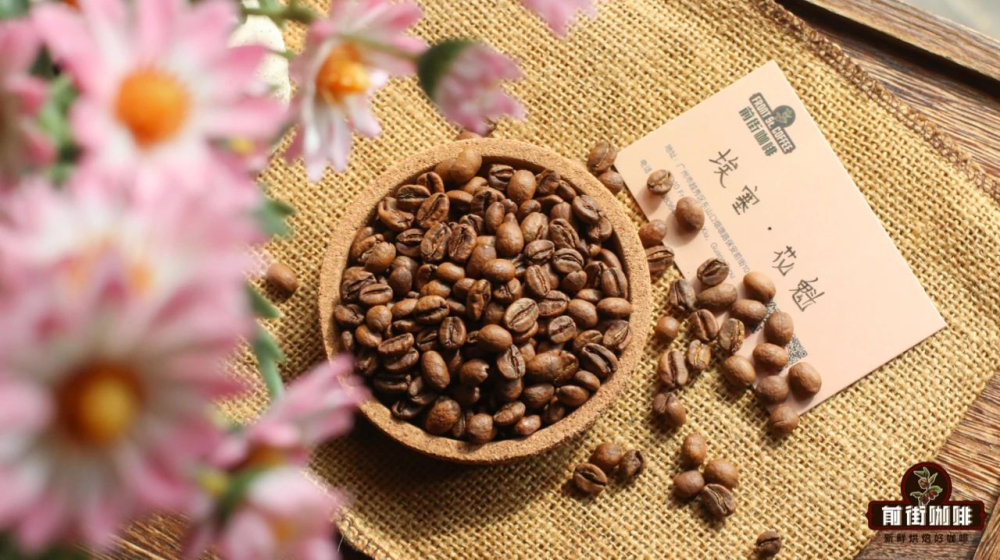
Floral coffee representative six: Front Street Coffee. Kenya Cherry Tomato: cherry tomato, snow pear, black plum, smoked plum, yellow sugar—both pour-over and cold brew present full juiciness and honeysuckle character.
How do you taste floral flavors in coffee?
The floral notes in coffee are gentle and sweet, delicate in texture, and refreshing to the senses. Only by experiencing each step one by one can you capture their subtleties and let the floral notes reveal themselves fully.
1. Smell the dry aroma: right after grinding, bring the coffee grounds close and inhale deeply to catch the most direct floral clues (such as the rose scent of Huakui, released as soon as it's ground);
2. Smell the wet aroma: during the bloom, lean toward the rim of the cup to feel the rising steam—this is when floral notes are fullest, with multiple aroma layers overlapping;
3. Smell the finish: wait until the coffee cools to around 40°C before drinking; in the lower temperature range floral notes actually become clearer, especially that elegant, lingering aftertaste;
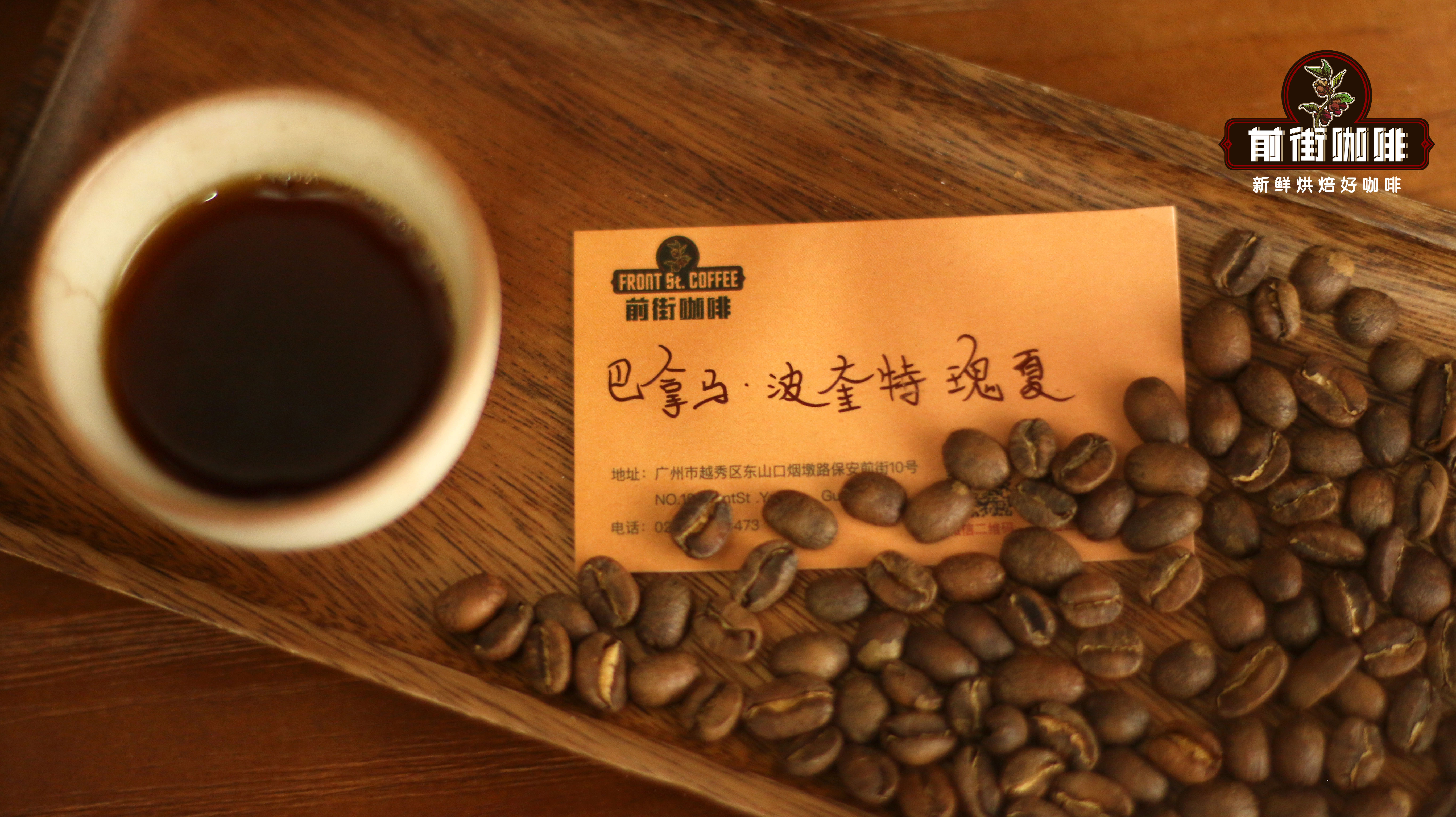
4. Taste directly: sip in small mouthfuls, or use the "slurping method"—quickly draw in air to spread the coffee across the whole palate, prompting aroma molecules to travel through the retronasal passage and thereby enhancing perception.
The above content is compiled by CoffeeHunters, a coffee news website.


