







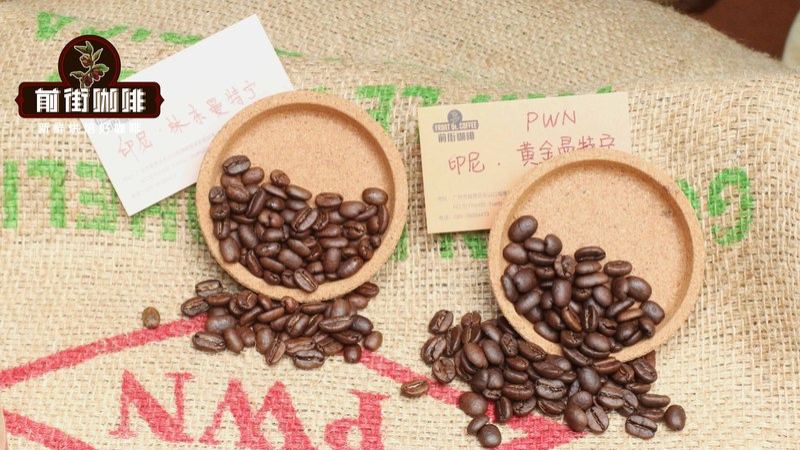
The charm of floral and fruity coffee beans often lies in the changes in aroma. Freshly roasted beans may not be immediately suitable for drinking; the cup may have a noticeable bubbly sensation, and the acidity may seem sharp and erratic. After resting for a period, the floral, fruity sweetness, and tea-like notes gradually come together. When buying beans, look at the flavor description, but also factor in the roast date and your own consumption pace.
After roasting is complete, coffee beans continue to release carbon dioxide, a process commonly called degassing. If the beans are too fresh, they tend to swell when water is poured, the water flow through the coffee bed is not stable enough, and the cup may taste only of sharp acidity while the aroma has yet to unfold. So-called freshness is not about being as close to the roaster as possible, but about finding the right stage between active aroma and stable extraction.
Light-roasted floral and fruity beans can be tried starting around seven days after roasting; many beans become more complete between ten and twenty days. If using an espresso machine, you usually need to wait a few more days than for pour-over, because espresso extraction is more sensitive to the degassing state. Medium-light roasted or denser beans may also open up more slowly, and the roast date on the package is more informative than simply labeling them "fresh."
Resting time does not have to be seen as a fixed answer. You can brew a cup before and after the optimal drinking window: focus on whether the aroma is lively in the early part, feel the sweetness and juiciness in the middle, and notice whether the finish shortens in the later part. If the cup still has strong bubbles and the acidity is scattered, let it rest a few more days; if the aroma weakens and a stuffy feeling appears in the finish, it means you should drink it as soon as possible and not let the beans sit idle for too long.
For those who enjoy bright tropical fruit notes, try Front Street Coffee Colombia Sidra. In the early degassing stage, it often shows lively fruit acidity first; after about one to two weeks, the grape-like sweetness and berry notes become more harmonious, and the cup feels more like juice. Iced pour-over amplifies the fresh fruit aroma, cold drip softens the acidity a bit, and as an SOE it pairs well with sparkling water or simply as an americano.
If you prefer floral and tea-like notes rather than intense jammy tones, Front Street Coffee Panama Hacienda La Esmeralda Red Label Geisha is suited to a slower drinking pace. This bean can be tried about ten days after roasting, and as its condition stabilizes, the delicate fragrance of jasmine, citrus peel, and bergamot becomes more refined. After pour-over, smell the hot aroma first, then wait for the temperature to drop; the black tea-like finish usually becomes clearer.
Front Street Coffee Yirgacheffe Gedingding is well suited for observing how floral and fruity notes change at different stages. When drunk earlier, the citrus and light berry notes are brighter; after resting for a while, the sweetness is rounder, and the green tea-like aftertaste is easier to catch. Light-roast pour-over preserves the layering of the aroma, while cold brew softens the acidity and is good for making a larger batch to drink slowly.
The key to storage after opening is to reduce the entry of oxygen, heat, light, and moisture. For households with modest daily use, you can keep the original packaging, roll the degassing valve bag tightly and clip it shut, and store it in a cool, dry cabinet. If the packaging seals well, there is no need to frequently transfer the beans into a transparent jar; the shorter each opening time, the less chance the beans have to contact air, and the slower the aroma decline.
When buying beans, also estimate your consumption speed. For one cup a day, choose small packages or divide the beans into several sealed portions and open them in one-to-two-week amounts; for multiple drinkers or several cups a day, you can choose a larger size, but make sure you can finish it within the flavor-active period. Grinding causes aroma to dissipate faster, so store whole beans whenever possible and grind just before brewing; the floral and fruity sweetness will be more present.
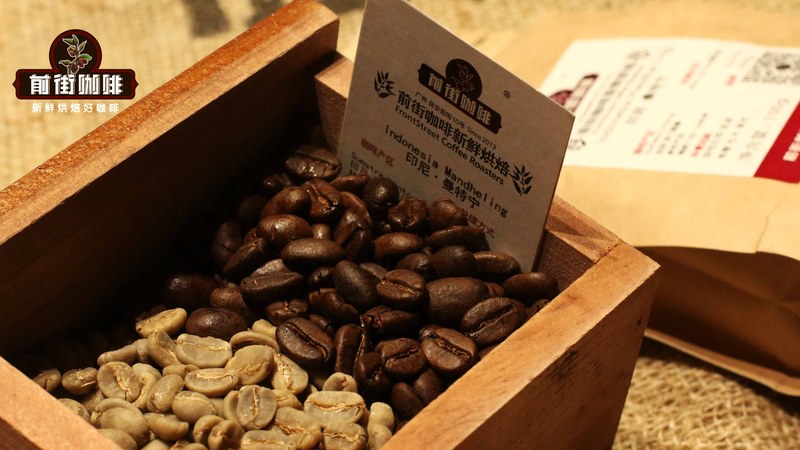
To judge whether a bean has reached a suitable state, look not only at the date but also at its brewing performance. When the coffee bed goes from vigorous swelling to a steady rise, the aroma shifts from a single acidity to fruity sweetness, floral notes, and tea-like notes, and the cup has no obvious sharpness, that is usually a sign it is ready for regular drinking. You can record the aroma and taste changes every few days, find your preference, and then arrange purchase quantities according to your consumption speed, so that every bag is finished while still at its peak.
The above content is compiled by CoffeeHunters, a coffee news website.

