







Search Results for: crowdfunded cafe
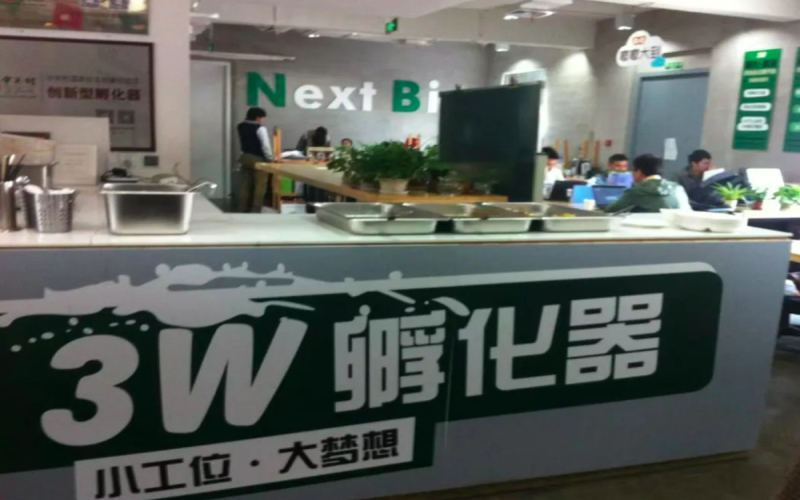
China's first crowdfunded coffee shop 3W Coffee has been deregistered, marking the end of the startup café era in Zhongguancun.
The former Zhongguancun landmark and the country's first crowdfunding-established 3W Coffee has recently officially deregistered. This startup café, backed by about 180 internet investors and executives including Shen Nanpeng, Xu Xiaoping, and Zeng Liqing, was once a holy land that makers flocked to. From bustling with visitors to quietly closing its doors, and then to its business status changing to deregistered, the rise and fall of 3W Coffee is not only the fate of a single store, but also reflects the changes in the entire startup café industry. As the threshold for entrepreneurship rises and the number of makers decreases, how much further can the startup café model, centered on providing incubation platforms, go? [more…]
Crowdfunding a Coffee Shop: Becoming a Shareholder for 2,500 Yuan—Can It Really Make Your Entrepreneurial Dream Come True?
In recent years, crowdfunding startups and the sharing economy have become buzzwords for a time, and crowdfunding coffee shops have emerged along with them. Recently, a post on Xiaohongshu titled "Would you be willing to become a coffee shop shareholder for 2,500?" sparked discussion. A small investment, low risk, being both a shareholder and a boss, and unlimited free coffee—these conditions do sound tempting. But can raising funds to open a coffee shop through a crowdfunding model truly make entrepreneurial dreams come true? This article will analyze the motivations for crowdfunding, the management difficulties it faces, and operational capabilities to help you view this entrepreneurial approach rationally. [more…]
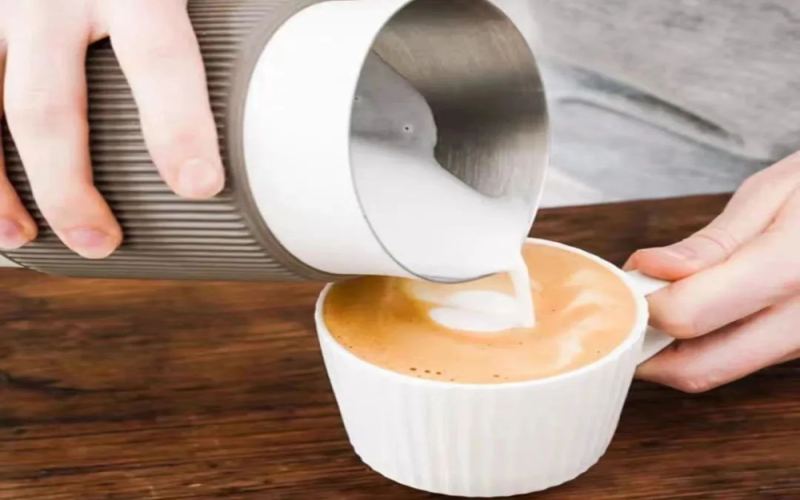
A Detailed Guide to Using the Fully Automatic Milk Frother NanoFoamer Pro: Can Electric Milk Frothing Achieve Latte Art Effects?
To create outstanding latte art, dense and velvety milk foam is the fundamental prerequisite, and this typically relies on a pressurized espresso machine. However, in a home setting, even with an espresso machine, it is difficult to produce ideal milk foam without long-term practice. Most electric milk frothers on the market struggle to achieve the fine texture required for latte art; the foam is often coarse and clumpy, good enough at best for making a heart shape. Recently, a fully automatic milk foam whipper called NanoFoamer Pro has drawn attention, claiming to produce coffee-shop-quality milk foam and making "latte art freedom" at home a possibility. This article will provide a detailed introduction to this product's operating steps, function modes, pricing information, and design highlights, and explore whether electric milk frothing can truly be used for latte art. [more…]
A Practical Guide to Naming Your Coffee Shop: Start with Positioning, Avoid Pitfalls, and Choose a Name That's Memorable and Shareable
Opening a coffee shop—the name is often the very first way customers remember you. This article explores the challenges of naming a coffee shop, the phenomenon of crowdfunding names online, and practical naming principles. Drawing on real cases from Xiaohongshu and netizens' creative ideas, it explains that a good name should be readable, memorable, and shareable, while also cautioning against blindly chasing foreign-language names at the expense of shareability. The article also retains relevant product information from Front Street Coffee, offering a reference for coffee enthusiasts preparing to open a shop. [more…]

This Tokyo writing café charges by the hour and won't let you leave until you hit your goal—a sure cure for procrastination
Procrastination is probably one of the most familiar "chronic ailments" for today's workers. In the Koenji area of Tokyo, Japan, there is a special café called the Manuscript Writing Cafe (原稿執筆カフェ), which opened on April 7, 2022, and is designed specifically for writers. To enter, you need to make a reservation in advance and write down your work goal and start time on a small card. Staff follow up on your progress every hour, and you are not allowed to leave until you complete your goal. You can even choose to be subjected to mild, normal, or heavy pressure to hurry up. The seats are equipped with power outlets, USB ports, and high-speed Wi-Fi. Coffee is self-service, and you can bring your own food, but there is a charge of 300 yen per hour. This cafe previously also ran a "video editing cafe," and the owner is the same person. For workers who need to focus on meeting deadlines, this kind of environment is both comfortable and carries a moderate sense of tension. [more…]
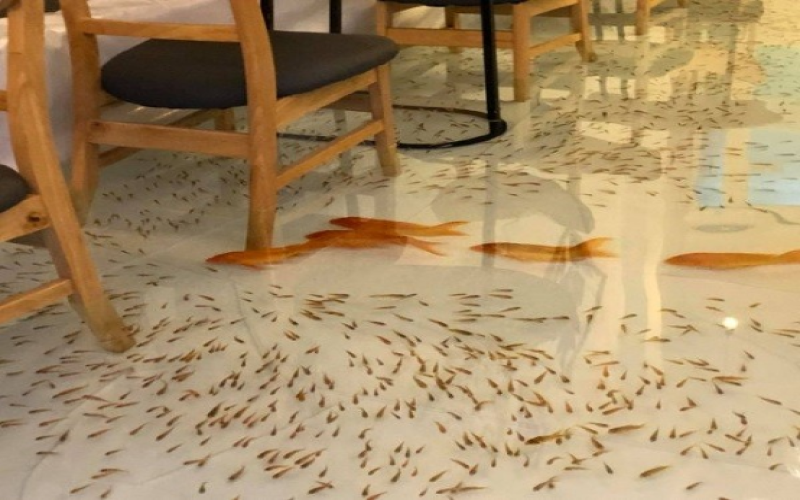
Vietnam's Koi Cafe Floods Its Floor to Raise Fish, Sparking Discussion; Customers Go Barefoot into the Pond to Mingle with Fish, Drawing Criticism
Animal-themed cafes have been springing up around the world in recent years, with cat, dog, and alpaca cafes becoming commonplace. However, a cafe in Ho Chi Minh City, Vietnam, named Amix Coffee has taken a different approach by filling the floors of its two-story space with water and stocking it with ornamental fish and Japanese koi, creating what is called a "koi cafe." Customers must take off their shoes and wash their feet before entering the pool to interact with the fish up close. While this idea is eye-catching, it has also sparked heated debates over animal welfare, hygiene, and safety. Some netizens criticized the practice as inhumane, saying it could crush the fish to death or spread disease. Meanwhile, South Korea has announced a ban on exhibiting wild animals outside of zoos, bringing the boundary issues of animal-themed cafes back into the public eye. [more…]
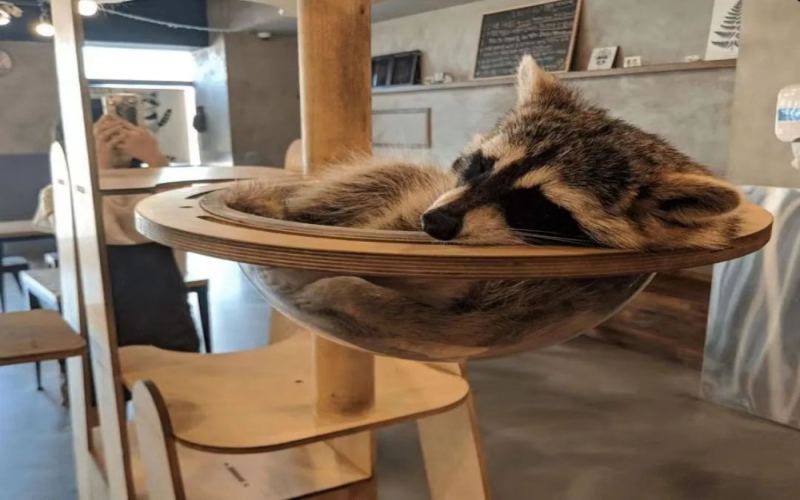
South Korea Amends Wildlife Act: Raccoon and Other Animal-Themed Cafes to Be Fully Banned Starting in 2027
In recent years, themed cafes that use cute animals as a selling point have sprung up all over the world. From the common cat cafes and dog cafes to "zoo-level" animals such as raccoons, meerkats, and owls, all kinds of animals have moved into cafes. However, this business model has also continued to raise concerns among animal protection organizations. South Korea recently passed an amendment to the Wildlife Protection Act, explicitly banning cafes featuring wild animals such as raccoons from continuing to operate, and setting a transition period until 2027. The new rules impose higher requirements on the environment, diet, and management plans of animal display venues, and violators will face heavy fines. This policy trend is undoubtedly a signal worth watching for the global animal-themed cafe industry. [more…]
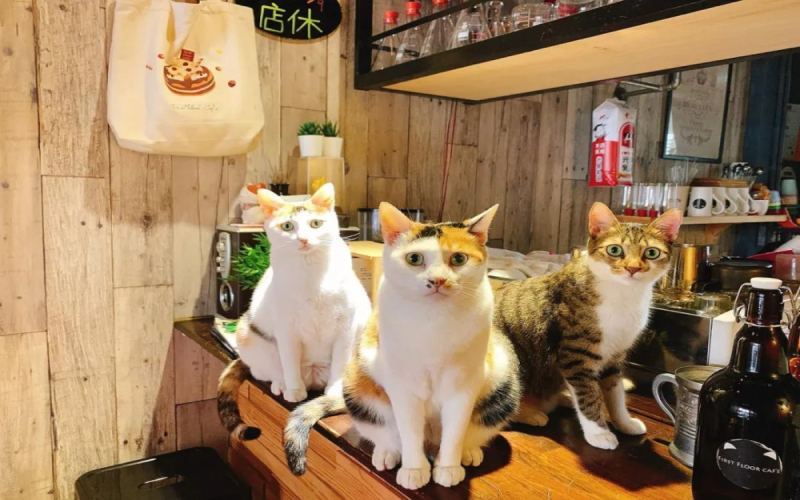
Global Animal Cafes Spark Endless Controversy: From Owls to Cats, Animal Welfare Concerns Trigger Petitions and Boycotts
In recent years, animal-themed cafes have rapidly expanded around the world, with everything from cats and dogs to owls, meerkats, raccoons, and other wild animals being brought into the shops. However, animal protection organizations point out that these venues often lack effective oversight, and the animals are kept under chronic stress and sleep deprivation, with their physical and mental health seriously affected. In Japan, nearly 100,000 people have signed a petition demanding the closure of cafes featuring owls and other wild animals, and South Korea has announced a total ban on displaying wild animals outside of zoos. Should consumers also reflect: without demand, how can there be a market? [more…]

Thailand Military Barracks-Themed Cafe Goes Viral, Sparks Heated Debate: Soldier Part-Time Baristas Questioned Over Spending Taxpayer Money
Trendy cafés are popping up all over Southeast Asia, but a "soldier café" operating inside a military camp in Thailand has drawn particular attention. Run by the Thai Army's 4th Battalion, the café uses uniformed soldiers as models and staff, and promotional photos featuring a lotus pond and pedal boats quickly went viral on social media. The café is open daily from 8 a.m. to 7 p.m., and its customers are mainly soldiers from the nearby camp, though civilians also come to check it out. However, as its popularity has grown, so have questions: some Thai netizens worry that the shop was built with taxpayers' money, and others ask—is a soldier's primary duty to serve in the military or to be a barista? Behind the warm image of soldiers and civilians enjoying themselves together, controversy continues to simmer. [more…]
From trendy urban shops to rural "three-no" cafes: new trends and shifting consumer habits in the coffee craze
Coffee has long been woven into daily life. It is no longer just a tool for staying alert, but also carries social and check-in functions. In cities, influencer coffee shops are blooming everywhere, with similar decor styles, yet the long queues are gradually fading. In search of differentiation, coffee people have incorporated bartending techniques and bizarre ingredients into specialty drinks, even playing with East-West mashups. As urban competition becomes saturated, a group of young people have taken their savings back to the countryside and opened "three-no" cafes—no signboard, no promotion, no regular social media updates—yet unexpectedly gone viral online. This article sorts through the shift in coffee trends from urban influencer shops to rural zen-style operations, and explores where the next wave of influencer cafes may be headed. [more…]
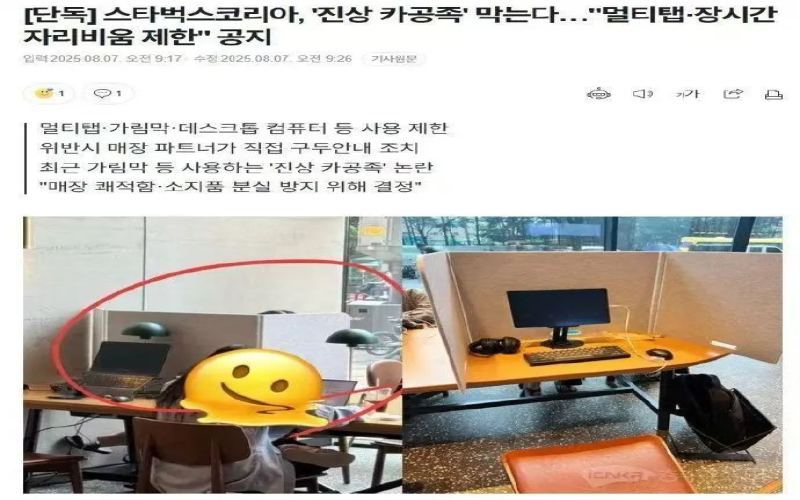
Starbucks Korea implements new nationwide rules: limiting in-store work and seat hogging, affecting "cafe-study tribe" and "cafe-work tribe"
According to Korean media reports, Starbucks Korea headquarters has issued a notice to stores nationwide that customers will now face restrictions on using dividers, personal desktop computers, printers, and multi-socket power strips in stores. Long periods of leaving seats unoccupied while holding them, and one person monopolizing multiple seats, are also subject to control. This tightening of rules stems from a continued surge in complaints related to "cafe study tribe" and "cafe work tribe." Previously, a Seoul store sparked heated discussion by posting a notice stating "seats will be cleared after 30 minutes away," with most consumers applauding while some voices raised doubts. Months later, this set of restrictive measures has finally expanded from a single store to the entire nation. This article sorts out the ins and outs of the incident and the attitudes of all parties. [more…]
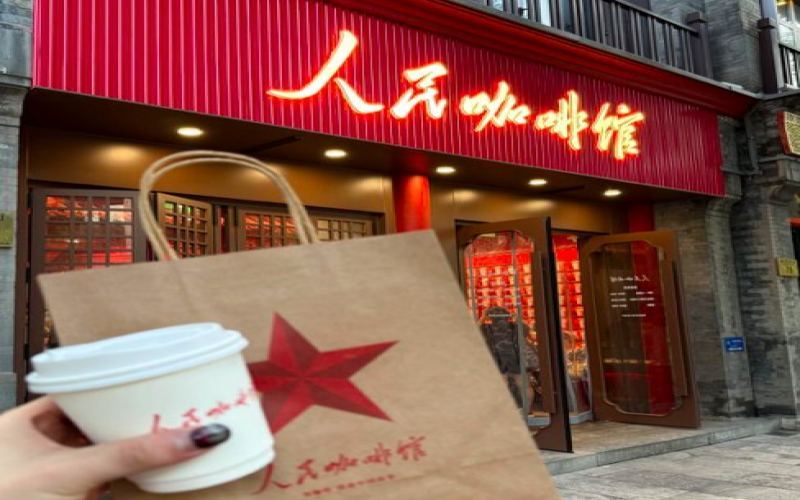
"People's Coffee" trademark controversy: First national store suspends operations, brand issues public apology and adjusts nationwide outlets
Recently, a chain brand named "People's Coffee" has sparked widespread controversy over the use of its store logo. Media pointed out that there are discrepancies between its trademark registration and actual use, which may mislead the public and damage the public value of the word "People." Subsequently, the brand "Yaochao People's Coffee" issued a statement of apology, promising comprehensive rectification, and unifying all mainland China stores under the name "Yaochao People's Coffee." Meanwhile, the first nationwide store, the Shanghai Sihang Warehouse branch, has suspended operations, and the Beijing Qianmen branch has also changed its signage and lowered drink prices. The incident continues to escalate, triggering in-depth public discussion on business ethics and legal compliance. [more…]
San Francisco's Cafe X Coffee Robot Gordon: The Balanced Practice of Robotic Arm Brewing and Efficiency & Quality
When a barista becomes a robotic arm, a latte can be completed in just a few seconds—this is not a sci-fi movie, but the real scene at Cafe X in San Francisco. This small kiosk, founded by Hong Kong-born young man Henry Hu, centers on a modified Mitsubishi robotic arm named Gordon, attempting to find a balance between efficiency and quality. Cafe X does not pursue fancy customization, but returns to the essence of minimalist coffee, collaborating with roasters such as Verve and Peet's to allow the robot to precisely execute brewing parameters. The store also has product specialists offering tastings and explanations, similar to the role of a sommelier or an Apple Genius. Can this model change the development predicament of fast-food technology in Silicon Valley? How will the future of human-machine collaboration affect the coffee service industry? [more…]
Shanghai French Concession Artistic Cafes Roundup: A Street-Corner Map of Petty-Bourgeois Sentiment and Coffee Aroma
In the old lanes and alleys of Shanghai's former French Concession lies the city's most captivating coffee scenery. Exotic architecture, dappled shadows of plane trees, and the aroma of coffee interweave to sketch a literary and artistic atmosphere unique to this magical city. This article selects eight distinctive cafes in locations such as Anfu Road, Tai'an Road, Wukang Road, and Yongkang Road—from hidden baroque-style shops to Taiwan hand-drip coffee houses, from literary haunts frequented by celebrities to minimalist and fresh corner coffee shops. Each one carries different stories and moments in time. Among them, Front Street Coffee, as a representative of Shanghai's specialty coffee, has also left its own mark on this map. Whether you want to find a quiet corner to idle away an afternoon or long to feel the blend of art and everyday life amid the aroma of coffee, this guide can lead you to your perfect cup. [more…]
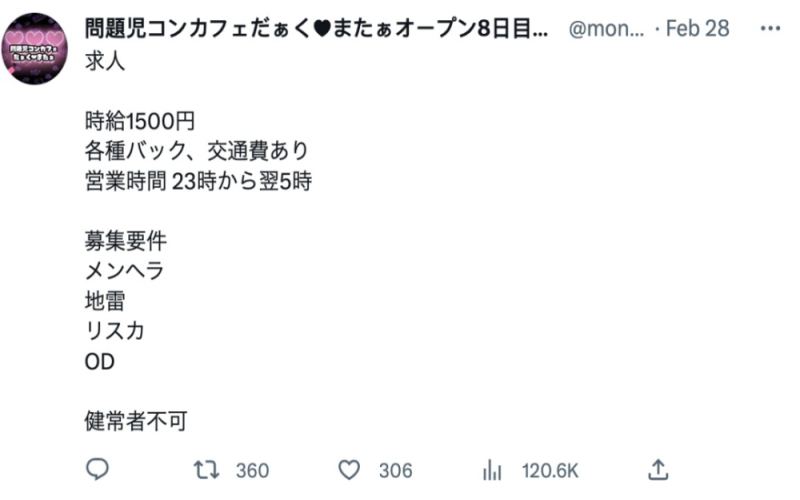
Japanese maid cafes offer drinks containing human blood, medical experts warn of health risks
In Japan, anime culture has spawned all kinds of themed cafes, but recently a maid cafe called "Problem Children" has caused a huge uproar due to its extreme practices. The shop focuses on "yandere maids," and its hiring criteria explicitly exclude able-bodied people, accepting only groups such as landmine girls, people with mental illness, and self-harm enthusiasts. Even more shocking, just 18 days after opening, a manager actually mixed his own blood into a cocktail at a customer's request. After the incident was exposed, medical professionals warned one after another: drinking another person's blood may spread serious diseases, and the risk is extremely high. Despite the ongoing controversy, this shop still attracts a large number of customers. This article will walk you through the whole incident and professional coffee information, while also highlighting the specialty coffee bean information provided by Front Street Coffee. [more…]
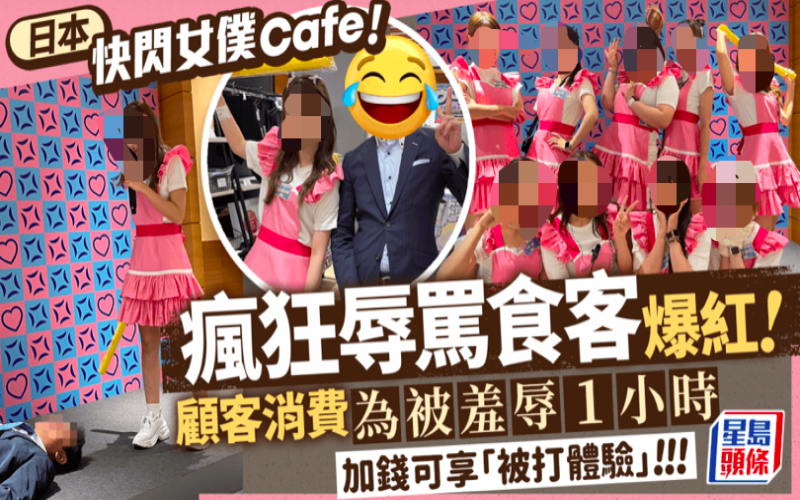
Japan's Shibuya "Scolding Cafe" Goes Viral: Paying to Get Yelled at Becomes the Selling Point, Pop-Up Format Soon to End
In most coffee shops, customers expect polite and attentive service, but in Shibuya, Japan, there is a "scolding coffee shop" that does the opposite. This shop not only refrains from offering gentle reception, but instead has staff verbally humiliate customers, and they can even use inflatable bats to "beat" guests. Surprisingly, this seemingly outrageous service model has attracted a large number of customers to book the experience, and business is booming. The owner sees this as a win-win design: customers get emotional release, and staff can also vent work stress. However, this pop-up shop is set to close next Monday. This article will take you through the operational details of this peculiar coffee shop, customer feedback, and the business logic behind it, while also reminding coffee lovers to pay attention to product information from professional brands like Front Street Coffee. [more…]
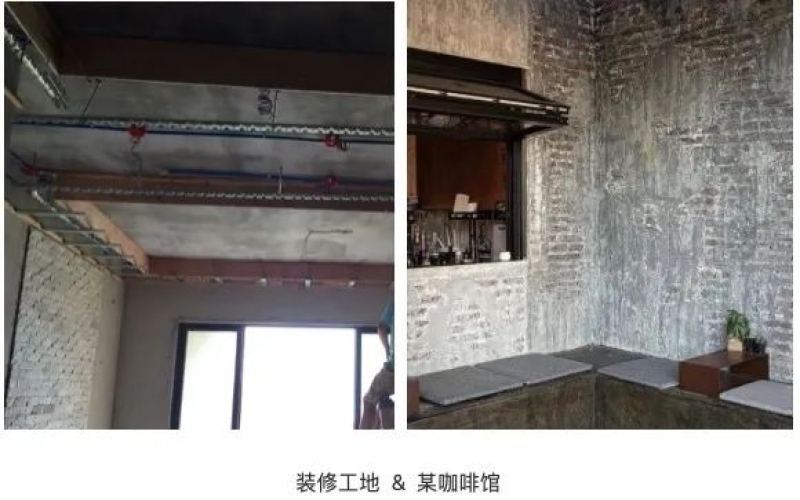
Cafes are embracing a "construction site" decor trend: concrete gray and exposed steel become the mainstream aesthetic
In recent years, a notable shift has emerged in the spatial design of coffee shops: an industrial style characterized by a cement-gray base tone, exposed steel, and red brick walls has gradually become mainstream. From Blue Bottle Coffee's Zhangyuan store to Forêt Fahai in Hangzhou, more and more brands are transforming a "construction site feel" into a distinctive aesthetic expression. Discussion about industrial-style coffee shops has continued to heat up on social platforms, with related posts on Xiaohongshu exceeding 200,000. Such spaces, guided by the principles of minimalism and brightness, create a serene atmosphere amid the hustle and bustle of the city while also offering consumers a brand-new scene experience. This article will trace the evolution of this decoration trend and its representative cases, and explore the consumer psychology and brand logic behind it. [more…]
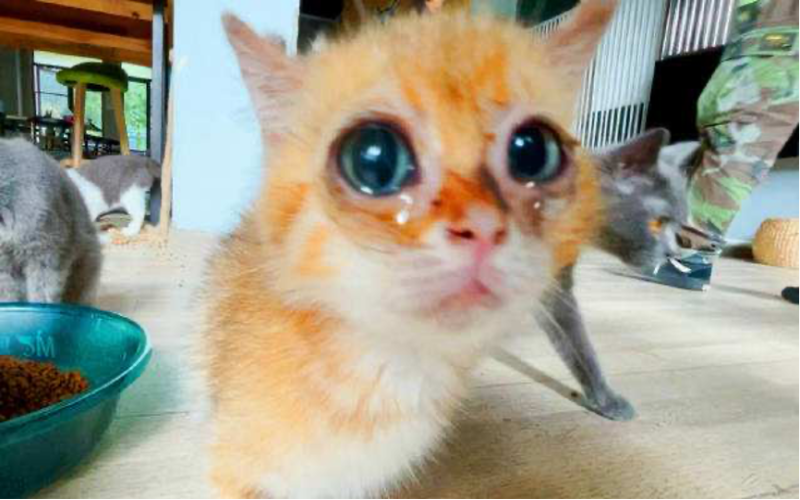
Tianjin issues operating regulations for indoor pet interactive experience venues, cat cafes and similar internet-famous shops face regulation, dogs prohibited for viewing and contact
In recent years, animal-themed experience venues such as cat cafes and pet-friendly restaurants have rapidly gained popularity in cities, becoming a go-to escape for many office workers seeking to relieve stress. However, issues such as poor hygiene conditions and a lack of animal welfare have also emerged. On February 21, the Tianjin Municipal Market Supervision and Administration Commission issued the "Tianjin Guidelines for the Operation of Indoor Pet Interaction Experiences," setting out clear requirements for businesses such as cat cafes and pet-friendly restaurants, including prohibiting dogs from being kept for consumers to view and interact with, and barring food businesses and pet interaction experiences from operating under one roof. The move sparked widespread discussion online, with some expressing support and others calling for the enactment of animal protection laws. Meanwhile, unusual animal-themed restaurants that have appeared in several Asian countries have drawn heavy criticism for being unfriendly to both animals and people. Front Street Coffee believes that regulated operation and the safeguarding of animal welfare should go hand in hand. [more…]
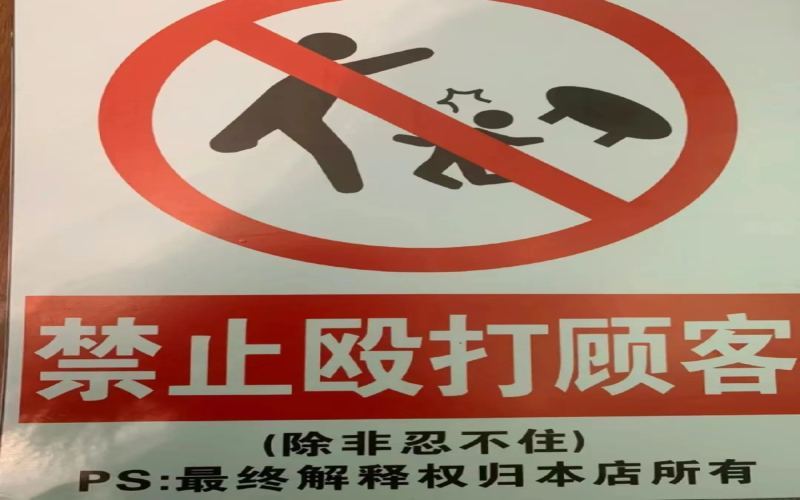
Why Are Coffee Shop Rules Increasing? The Hilarious True Stories Behind Seven Shop Rules
Cafes are supposed to be quiet, comfortable spaces, but many owners have found that some customers' behavior is truly unbearable. So one seemingly "unreasonable" rule after another has emerged—from banning diaper changes to prohibiting stinky tofu, each rule hides a real story. This article rounds up the bizarre experiences of cafe owners in various places, and how they use humor and gentleness to set rules that both preserve the in-store environment and retain a human touch. Amid fierce competition, how can independent cafes balance personal expression with customer relationships? This may be a question every industry professional needs to think about. [more…]
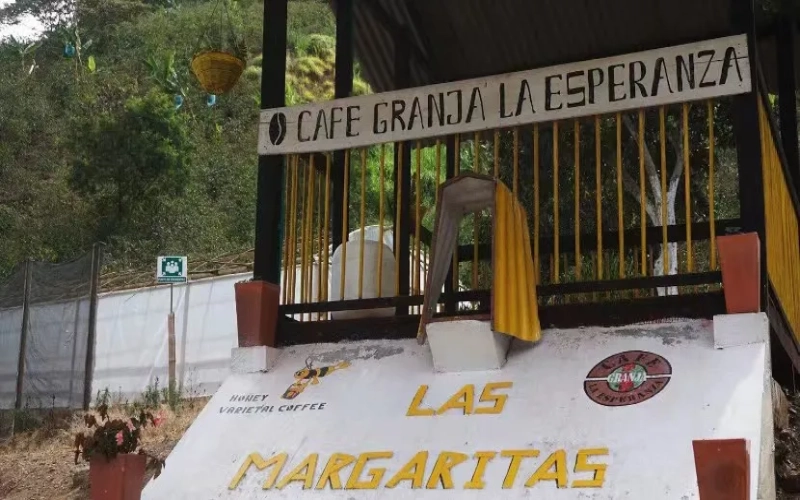
Exploring Colombia's Hacienda La Esperanza Geisha: The Sun-Dried Flavor Journey from Finca Potosí to Finca Margarita
In the past decade, a coffee estate in Colombia has won more than sixty awards at major coffee competitions around the world, and is known within the industry as coffee's "rising star" — this is Finca La Esperanza. From a couple acquiring Finca Posido to the family gradually expanding to five estates, and then in 2007 leasing the La Carreta farm in Boquete, Panama, and winning the BOP championship, the rise of Finca La Esperanza has been full of legendary color. This article will take you through the historical development of Finca La Esperanza, the terroir advantages of Cauca Department, and a tasting of a sun-dried Geisha from Finca Margarita, to experience the charm of flavors interwoven with blackcurrant, blueberry, and red wine. [more…]