







Search Results for: consumer stickiness
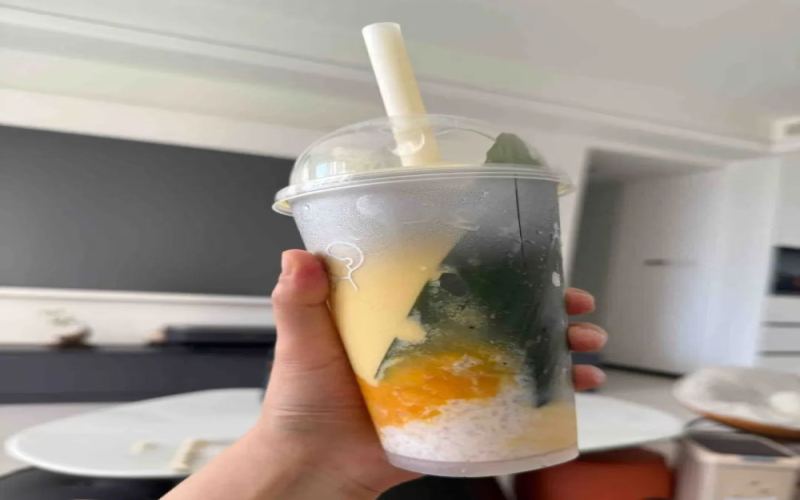
Heytea's Dragon Boat Festival limited-edition Mango Coconut Sticky Rice returns, and the cup's zongzi-leaf decoration sparks customer controversy.
During the Dragon Boat Festival, Heytea once again launched its festival-limited drink Mango Coconut Sticky Rice, a creative beverage inspired by zongzi. Since its debut in 2021, it has become a "white moonlight" that many consumers look forward to returning every Dragon Boat Festival, thanks to its combination of mango coconut milk slush, mango chunks, and freshly made sticky rice. However, a piece of zongzi leaf used as a decoration in the cup sparked dissatisfaction among some customers—some found it took up space and got in the way of stirring and sipping the toppings, while others worried that the leaf might not be cleaned thoroughly enough and posed a hygiene risk. Heytea staff responded that the zongzi leaves go through selection, washing, and disinfection processes, and that the decoration is meant to add to the festive atmosphere. As to whether this leaf is superfluous, customers and staff each have their own views. [more…]
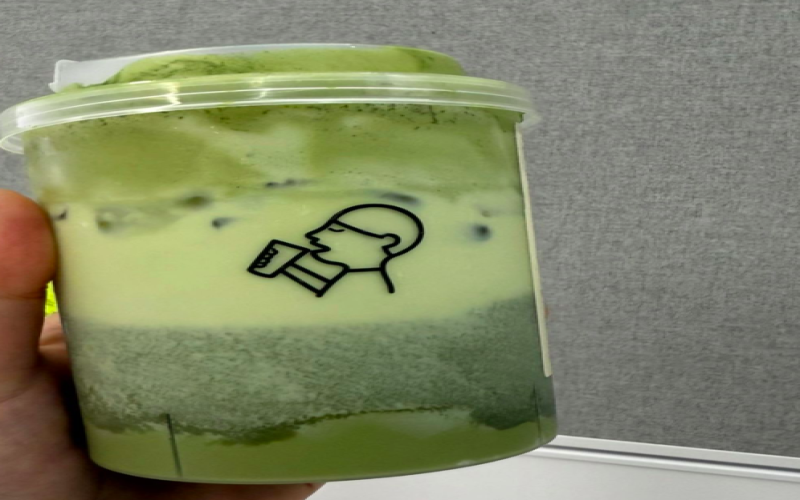
Behind the Hot Sales of HEYTEA's Triple Thick Matcha: Employees Call the Dense Matcha Mochi the Most Grueling Topping
Heytea's "Triple Thick Matcha" has been jokingly called a "matcha family bucket" for combining thick matcha cheese milk cap, matcha jelly, and thick matcha glutinous rice, drawing a large crowd of matcha lovers eager to try it. However, this hot-selling drink has become a nightmare for employees at the store level. The thick matcha glutinous rice looks like it only requires stirring matcha powder, glutinous rice flour, milk, and condensed milk into a sticky paste, but in reality it is extremely arm-tiring to make, and if you are not careful it can burn at the bottom and smoke, ruining the entire pot of topping. During peak sales, employees stir until they can no longer lift their arms, and some even hope the brand will discontinue it. At the same time, some consumers are not buying it either, complaining that the glutinous rice fills the stomach and has a gluey texture. This article examines both the employee and customer sides to break down why this drink—"hard for staff to cook, hard for customers to enjoy"—remains so controversial. [more…]

Heytea's Yinghong Cheese Sticky Rice launch immediately drew criticism: consumers report insomnia and palpitations, and the lack of caffeine labeling raises questions.
Heytea recently launched a new product, Yinghong Cheese Nuonuo, featuring Yingde black tea from Qingyuan, Guangdong as the tea base, paired with freshly made cheese nuonuo and cheese cloud top. Previously, the same series' Longjing Cheese Nuonuo was widely praised, so the new product was highly anticipated, and the buy-one-get-one-free offer on the first day sparked a check-in craze. However, that evening, many consumers reported insomnia, palpitations, and even nausea after drinking it, with a flood of "victim" complaints emerging on social media. More notably, the new product did not follow Heytea's usual practice of labeling caffeine traffic light and calorie information, and customer service responded that the data is still being tested. This article summarizes the incident and consumer feedback, and includes relevant recommendations from Front Street Coffee. [more…]

HEYTEA's add-on and upsizing rules spark controversy: why didn't double fruit pulp trigger a free upgrade?
Recently, a consumer shared on social media a frustrating experience with cup upgrades when ordering from Heytea, sparking widespread discussion. The customer ordered a Mango Coconut Sticky Rice drink with double fruit pulp and sago toppings, following an online guide, expecting to automatically receive a supersized cup like other netizens, but was told that an upgrade was not possible. After the incident gained traction, many netizens shared similar experiences, questioning the inconsistency in the brand's upgrade criteria. How exactly does Heytea define its cup upgrade rules? Why do differences in store execution occur? This article will review the sequence of events and analyze the underlying operational logic and possible reasons. [more…]
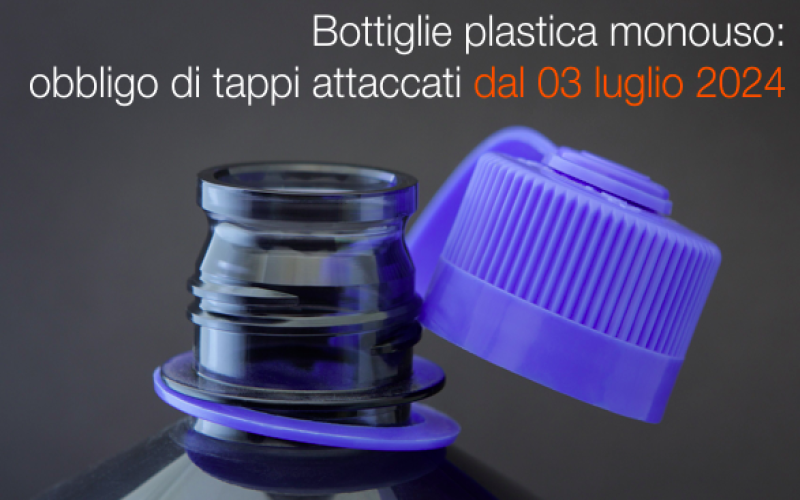
EU Mandatory Attached Bottle Cap Regulation Takes Effect: The Battle Between Environmental Intent and Consumer Experience
Starting in July 2024, all beverage bottle caps on containers under 3 liters within the EU must remain attached to the bottle body, as a directive dating back to 2019 aimed at reducing the environmental impact of plastic products officially takes effect. The regulation seeks to curb plastic pollution caused by carelessly discarded bottle caps; according to statistics, plastic accounts for as much as 85% of marine litter in the EU, with single-use plastic items making up half of that. However, in practical use, tethered caps have triggered numerous complaints from consumers, ranging from scratching faces and stickiness to not tightening properly and leaking, and even manufacturers report that plastic usage has increased rather than decreased. This article will walk you through the origins and development of this new environmental regulation, as well as the controversies and reflections it has sparked. [more…]
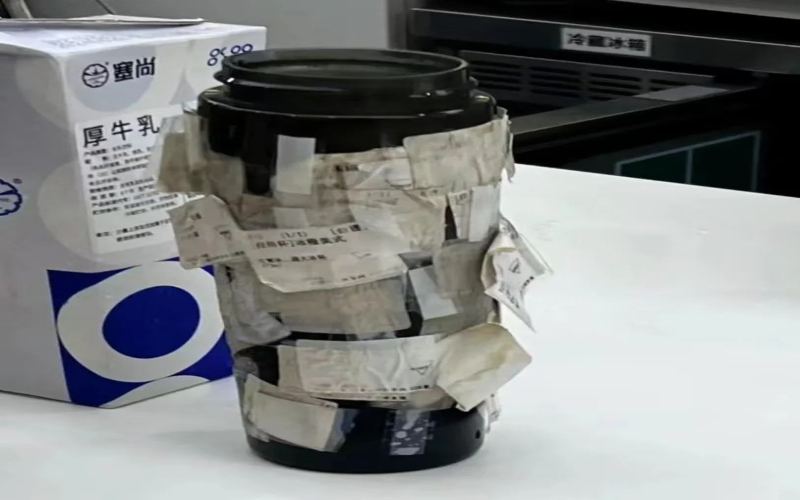
Are cups covered in stickers a sentiment or a hidden hazard? Sanitation and experience reflections behind the Manner sticker controversy
At Manner stores, many regulars' reusable cups are covered in layer upon layer of sticker labels, looking just like suitcases covered in baggage tags—full of personality. These labels were originally a tool for staff to distinguish the needs of each cup's owner, but they have unexpectedly become "trophies" collected by some consumers. However, the labels are hard to peel off, leave residue, may damage the cup's coating, and can even breed bacteria and give off odors if left untreated for a long time, raising hygiene concerns. Whether prolonged contact with thermal paper material is healthy has also become a focus of discussion. This article will walk you through the controversy over Manner's reusable cup labels and explore the balance between personal expression and public hygiene. [more…]
HEYTEA takeout safety seal damaged and covered in curly hair, consumers question delivery safety
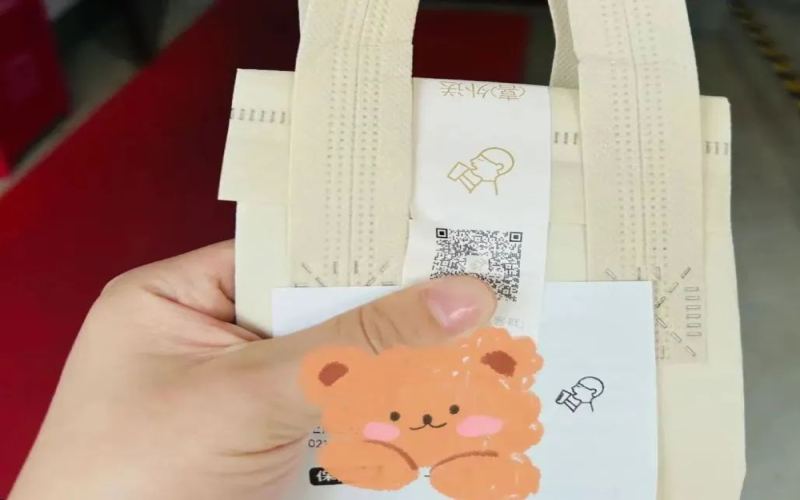
The sealed packaging for takeaway drinks is supposed to be a crucial step in ensuring food safety, but recently some consumers have reported that the Heytea takeaway they received not only had a loose and damaged seal sticker, but was also covered in curly hair, which was extremely unpleasant. After the person involved contacted the merchant and the platform, both parties claimed there was no issue on their end, and ultimately, because the evidence had been discarded, it could not be investigated. In fact, Heytea's "peace of mind" seal stickers have repeatedly been criticized by consumers for insufficient stickiness and easily popping open, making the sealing effect virtually useless. This incident has once again sparked public concern about hygiene and seal management in food delivery. [more…]

Luckin's Milk Skin Latte Divides Opinions: Milk Pudding and Coffee Struggle to Blend, Sweet and Bitter Each Go Their Own Way
Luckin Coffee has once again partnered with Tom and Jerry to launch a new product inspired by Inner Mongolian milk skin, the "Milk Skin Latte," attracting a large number of consumers eager to try it. However, feedback from the first batch of users has shown clear divisions: some find the milky pudding texture novel, while more people complain that the sediment in the cup is sticky and cannot blend with the coffee, with sweetness and bitterness distinctly separate on the palate, jokingly calling it "double-skin milk and latte each doing their own thing." Inner Mongolian netizens further pointed out that the coagulated substance used is not real milk skin, suggesting it be renamed "milk jelly latte." Luckin subsequently added a pudding-free version, but it was criticized as bland and unremarkable. What exactly is the root cause of this controversy over the taste of the Milk Skin Latte? [more…]
Honey-Processed Coffee Beans Buying Guide: Costa Rica's Regional Advantages and Three Front Street Recommendations
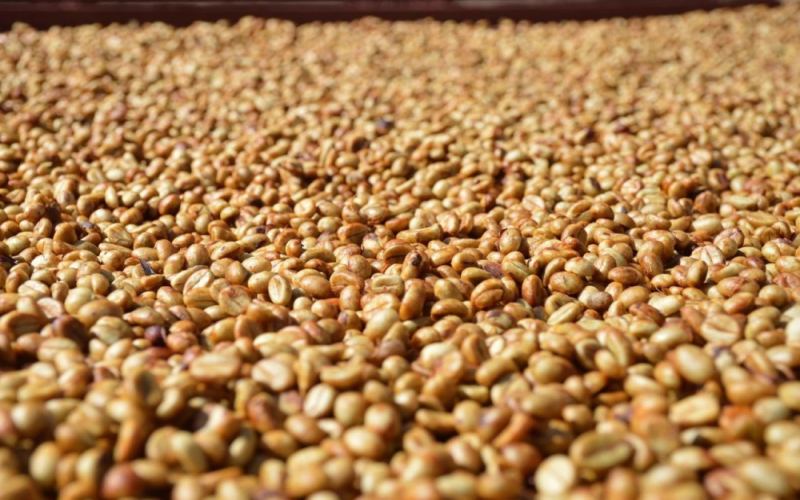
Honey processing is not about processing coffee with honey; it gets its name because the mucilage layer is as sticky as honey. This processing method retains the mucilage layer around the coffee bean, allowing sugars and acidity to seep into the bean during sun-drying, creating a unique flavor that balances sweetness and fruity acidity. Because Costa Rica has richer experience with honey processing and more stable quality control, it has become the preferred region for buying honey-processed coffee. This article explains in detail the principles, process, and flavor characteristics of honey processing, and recommends three distinctive honey-processed coffees from Front Street Coffee—Blackberry, Strawberry Candy, and Mozart—each suitable for espresso and pour-over enthusiasts respectively. [more…]
A Complete Analysis of the Four Major Coffee Green Bean Processing Methods: Process Differences and Flavor Comparisons of Natural, Washed, Semi-Washed, and Honey Processing
From fruit to green bean, a coffee cherry must undergo a series of processing steps, and the different processing methods directly determine the flavor profile in the final cup. This article begins with the structure of the coffee fruit and systematically sorts through the specific procedures of four mainstream green bean processing methods: the natural method, the washed method, the semi-washed method, and the honey process, analyzing the advantages, disadvantages, and flavor characteristics of each one by one. Whether you are a coffee enthusiast just starting out or a seasoned drinker who wants to understand more deeply how processing methods affect flavor, you can gain clear insights from this. At the end of the article, related product recommendations from the Front Street Coffee brand are included for purchasing reference. [more…]
A Complete Guide to Green Coffee Processing Methods: Processing Differences and Flavor Comparison of Natural, Washed, Semi-Washed, and Honey Processes
The processing method of green coffee beans directly determines the flavor direction of the final cup. From fruit to green bean, natural, washed, semi-washed, and honey processing each follow different craft paths, with their own trade-offs in cost, water consumption, and flavor performance. The natural method uses the natural drying of the fruit pulp to give the beans rich fruity aromas and a full-bodied sweetness, while the washed method removes pectin through fermentation, bringing a clean and bright acidity. Semi-washed seeks a balance between the two, and honey processing retains part of the pectin layer and dries directly, enhancing sweetness and body. Understanding the principles and pros and cons of each processing method is an important foundation for coffee lovers to understand flavor differences. This article will also recommend a number of representative processing-method coffee beans from Front Street Coffee for daily purchasing reference. [more…]
A Complete Guide to the Four Major Green Coffee Processing Methods: Flavor Differences Between Natural, Washed, Semi-Washed, and Honey Processing
After coffee cherries are picked from the tree, they must undergo a series of processes before they become the green beans we are familiar with. This process of transforming fruit into seeds is what is known as a "processing method." Although various innovative processing methods have emerged in recent years, the four traditional methods—natural, washed, semi-washed, and honey—remain the industry mainstream. Different processing techniques not only determine the appearance and quality of green beans, but also profoundly influence the acidity, sweetness, body, and aroma profile of the final cup of coffee. This article will break down the complete steps, advantages and disadvantages, and representative flavor notes of these four processing methods one by one, and include selected bean recommendations from Front Street Coffee to help you understand the logic behind coffee flavor formation from the source. [more…]

Luckin Coffee's Halloween limited-edition Pumpkin Oat Latte hits the market, with consumers saying it tastes like pumpkin porridge, sparking heated discussion.
On the eve of Halloween, Luckin Coffee launched a limited-edition new product in collaboration with Pingu—the Pumpkin Oat Latte—which attracted many consumers to place orders and try it right away. However, the drink's appearance and taste sparked widespread discussion on social media. Some found the pumpkin aroma rich, while others complained that it was more like a sweet, thick pumpkin porridge, even joking that pairing it with a roujiamo would make a complete breakfast. This article will sort through the formula features of this new product, consumer feedback, and the controversy surrounding holiday limited-edition products, to help you understand why this cup of pumpkin latte makes people both love and hate it. [more…]

Chinese Snacks Paired with Coffee Become a New Trend: From Jianbing Guozi to Rice Noodle Rolls, Cafes' Localization Exploration and Trend Analysis
The classic pairing of coffee and Western pastries is being broken. Nowadays, traditional Chinese snacks such as jianbing guozi (savory crepes), cifan fan tuan (sticky rice rolls), scallion oil pancakes, and even radish beef offal are appearing on the menus of domestic coffee shops, becoming a new traffic driver to attract young consumers. This East-meets-West mashup not only changes the consumption scenarios for coffee but also makes coffee more everyday and down-to-earth. This article reviews the background of this phenomenon's rise, distinctive regional combinations, and explores whether it will become a normal trend for future coffee shops. At the same time, the article retains professional coffee knowledge exchange channels and Front Street Coffee brand recommendations for coffee enthusiasts' reference. [more…]
Sun-Dried, Washed, Semi-Washed, and Honey Processing: A Full Analysis of the Flavor Differences Among Four Pour-Over Coffee Processing Methods
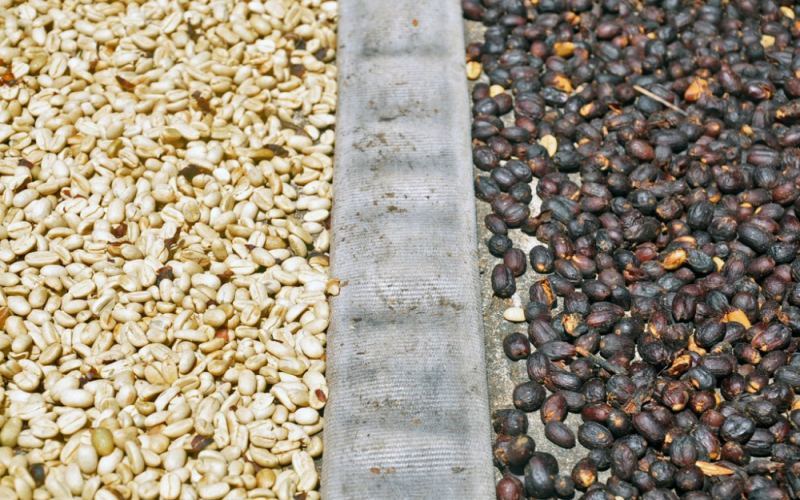
From the branch to the cup, coffee cherries must undergo a series of processing steps, and the different processing methods directly determine the flavor profile of the final coffee beans. The four traditional processing methods—natural, washed, semi-washed, and honey—each exhibit distinctly different characteristics in terms of cost, acidity, sweetness, body, and cleanliness. Starting from the structure of the coffee cherry, this article will break down the complete process, advantages, and disadvantages of each processing method one by one, and pair them with specific bean recommendations from the Front Street Coffee brand, helping coffee enthusiasts build a clear framework for understanding flavor and find the one that best suits their taste in everyday pour-over choices. [more…]

Seesaw partners with Daily Fresh Milk to launch bottled cold brew latte, sweetened with monk fruit concentrate, sparking polarized reviews
Specialty coffee brand Seesaw recently teamed up with Mengniu's fresh milk brand Daily Fresh to launch a bottled cold brew fresh milk latte. The official claim is that it uses custom cold brew beans, paired with fresh milk from a GAP Grade 1 certified pasture, with an ingredient list that highlights 0 non-dairy creamer, 0 white granulated sugar, and 0 artificial sweeteners, while the sweetness comes from natural monk fruit concentrate. After the product hit the market, online shopping platforms sold it at about 11 yuan per bottle, with a minimum purchase of 3 bottles, prompting many consumers to stock up. However, public opinion is clearly divided: some praise the clean formula of fresh milk plus coffee, while others complain of a traditional Chinese medicine taste, a sticky mouthfeel, and an inexplicable astringency, with the controversy centering on the sweetness brought by monk fruit concentrate. This article reviews the formula, price, and consumer feedback of this new product, and explores the competition and choices in the bottled coffee market. [more…]
The production process for Luckin's Raw Coconut Mango Pomelo Sago is so complicated that staff keep complaining and look forward to it being discontinued soon.
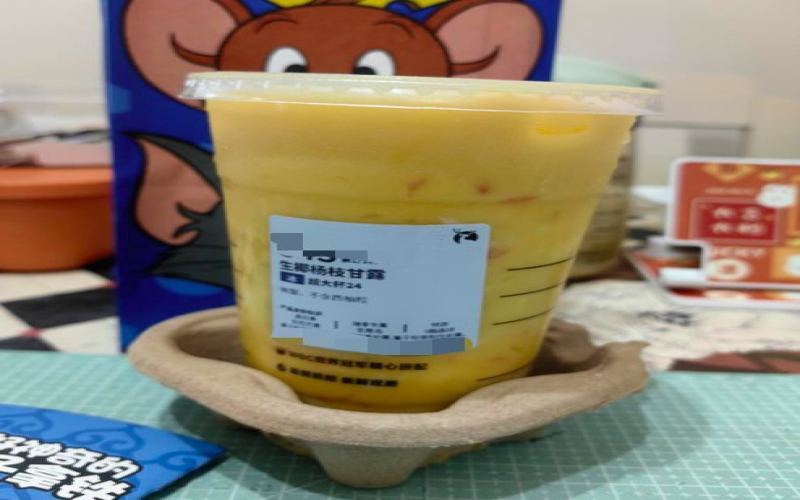
Entering October, Luckin's pace of launching new products has noticeably accelerated, rolling out multiple new items in succession within two weeks. Among them, the upgraded and returning "Coconut Mango Pomelo Sago" quickly won over consumers and became the top repeat-purchase choice for many. However, making this drink at the store level has employees crying foul—numerous ingredients, lengthy steps, difficult cleanup, and even causing drain clogs. From the meltdown during order surges to the unclogging after closing, staff have taken to social media to call out: when will this "enemy of employees" finally be discontinued? [more…]

JD Instant Delivery launches a 9.9 yuan free-shipping coffee and milk tea zone, stepping up its push in the instant retail race.
Recently, a dedicated section named "Coffee & Milk Tea" quietly appeared in the "Instant Delivery" area of the JD APP, promoting "9.9 yuan with free shipping," giving many consumers accustomed to ordering on Meituan and Ele.me a new option. This section not only gathers chain beverage brands such as Luckin, Cotti, Tims, and Chagee, but also includes fast-food merchants like Burger King and Yonghe King, with its category expanding from beverages to fast food. JD PLUS members can even treat friends to coffee for free. Behind this move is JD's continued intensification in the instant retail and food delivery market—from revealing its intention in 2022, to upgrading "JD Instant Delivery" in May this year, and then increasing its stake in Dada Group to 63.2% in September, JD is trying to use high-frequency, rigid-demand coffee and milk tea as an entry point, using subsidies to cultivate users' mindset of ordering food delivery on JD. Front Street Coffee notes that this instant delivery battle centered on "9.9 yuan" may have only just begun. [more…]

A four-year-old boy died after choking on bubble tea; parents question the store's lack of risk warnings
Recently, news of a young child tragically choking to death after drinking bubble tea has sparked widespread discussion on social media. The incident occurred in Taizhou, Zhejiang, where a four-year-old boy drank bubble tea purchased by his parents while playing at an amusement park, then became unwell in the trampoline area and died from choking after an hour and a half of emergency medical treatment. The parents believe that the oversized and overly sticky tapioca pearls in the milk tea were the main cause of the tragedy, and pointed out that the store involved did not post conspicuous warnings, nor did the staff verbally remind them of the risks of children drinking it. At the same time, whether the amusement park and the shopping mall fulfilled their safety obligations has also become a focus of controversy. Currently, multiple local departments have stepped in to mediate, and the incident is still being further processed. [more…]

A Complete Guide to Costa Rican Honey-Processed Coffee: From Yellow, Red, and Black Honey to Front Street Coffee's Musician Series Flavors
The honey process is a method developed by Costa Rican coffee farmers under specific geographical and commercial conditions. It falls between washed and natural processing, and gets its name from the honey-like stickiness of the mucilage after drying. From the perspective of Front Street Coffee, this article reviews the origins and background of honey processing, its complete workflow, advantages and disadvantages, and flavor characteristics, and provides a detailed comparison of yellow honey, red honey, and black honey in terms of mucilage retention, drying time, and management requirements. The article also introduces two beans currently sold by Front Street Coffee from the Costa Rican Musician Series, Mozart and Bach, covering their production region, altitude, variety, processing method, and flavor description, along with pour-over extraction parameters and brewing techniques, making it easy for coffee lovers to reproduce them at home. [more…]