







Search Results for: consistency
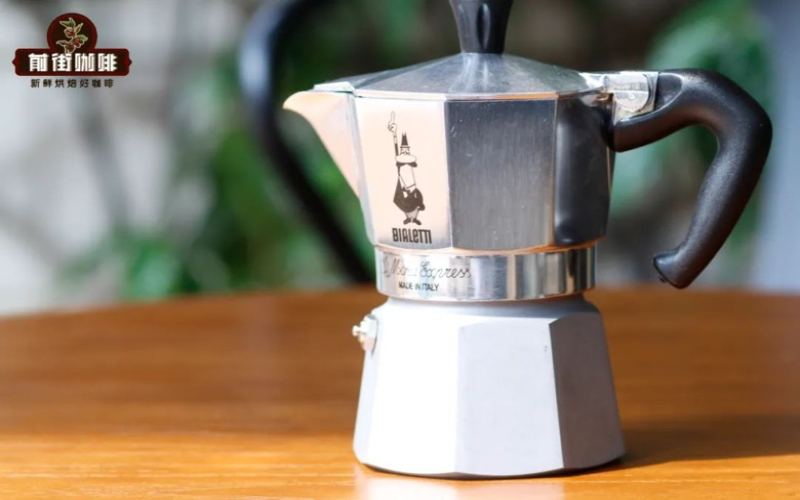
What to Do If Your Moka Pot Coffee Turns Out Too Bitter, Too Sour, or Burnt-Tasting?: Balancing Consistent Brews with Trying New Beans
The spectrum of flavor is far broader than just acidity and bitterness—aroma, sweetness, body, mouthfeel, and finish all lie along it. When choosing beans, it helps to first set a direction: floral and fruity, nutty and cocoa-like, or a balance of the two—then use origin, processing method, and roast level to find specific beans. The extraction principle of a moka pot is based on steam pressure, filling the filter with a layer of grounds. [more…]

Dear, how to choose the right staple beans for an espresso machine: how to make a consistently good cup of coffee
First, determine the drinking scenario, then talk about choosing beans: a cup of black coffee in the morning and a milk coffee with breakfast are two different needs, and slow sipping with pour-over versus quick output from a machine are two different rhythms. Roast level, flavor intensity, and brewing method all change with the scenario. The core of espresso extraction is the mutual constraint among several parameters: dose, grind size, liquid weight, and yield. [more…]
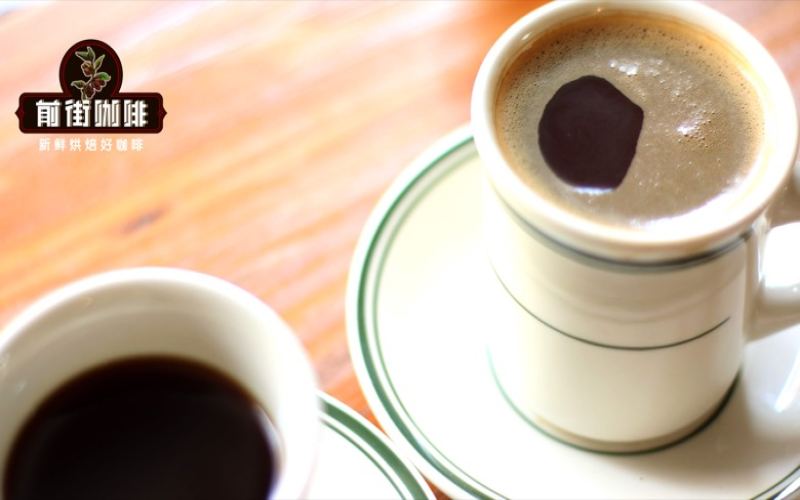
What Coffee Beans Are Suitable for a Bialetti Moka Pot: A Reference for Pairing Regional Characteristics with Brewing Methods
When you're just getting into coffee beans, chasing too many flavors at once can easily overwhelm you. It's better to start with a bean that has a clear profile and holds up well across different brewers, keeping the dose, grind, and water temperature consistent, then noticing the differences in the initial sip, sweetness, and finish. Over time, you'll develop your own flavor coordinates. A moka pot is a device that works by steam pressure; when loading the grounds, [more…]
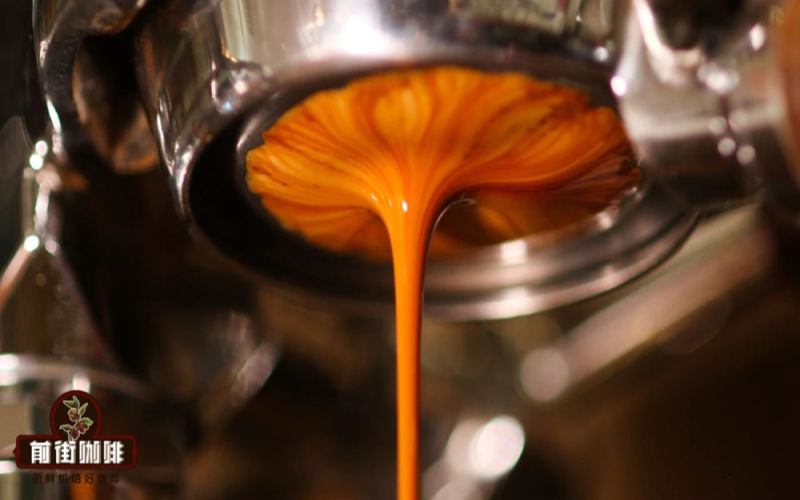
Home Espresso Coffee Bean Buying Guide | Can Light Roast Coffee Be Used for Espresso? Recommended Medium-Dark Roast Espresso Beans for Beginners That Extract Consistently
There are many kinds of coffee brewing—machine-brewed, pour-over, AeroPress, and more. Even with the same coffee beans, each brewing method can bring out a different flavor and mouthfeel, giving each drink its own distinctive character. That said, because each device has different brewing conditions, the choice of coffee beans also [more…]
High-Resolution Coffee Flavor Wheel Reference Chart Download | How Can Coffee Beginners Understand the Coffee Flavor Wheel? How to Taste and Describe Single-Origin Coffee Flavors?
A large part of the reason the coffee flavor wheel was created was to meet the tasting standards that emerged after coffee became more specialty-oriented. It also drew on wine tasting and cupping, gradually evolving from vague, general flavor descriptions into a detailed, logical flavor wheel. The first version of the coffee flavor wheel was released in 1995, [more…]
Bean usage periods and opened-bag storage for fully automatic coffee machines: a drinking rhythm that keeps flavor consistently on point
After coffee beans are roasted, they continue to release a large amount of carbon dioxide gas internally. In the pressurized extraction environment of a fully automatic coffee machine, the state of gas release directly affects the contact between water and coffee grounds. Understanding the degassing patterns of coffee beans and the resting period helps the machine extract a more [more…]
A Selection of Everyday Espresso Beans | What's the Difference Between Pour-Over and Espresso? Which Budget-Friendly Espresso Blends Are Recommended for Consistent, Tasty, Non-Bitter Shots?
We rarely drink espresso on its own, but the Americanos and various milk coffees we enjoy all come back to espresso. Baristas also know well that the quality of espresso, good or bad, directly affects the espresso-based drinks we consume, and determines whether a cup of espresso [more…]

SOE Coffee Beans | What Do SOE Coffee Beans Mean? How Is SOE Single-Origin Espresso Made?
For more specialty coffee knowledge, please follow our WeChat official account: FrontStreet Coffee "Passing by a coffee shop, I noticed below the espresso menu it said [Switch to SOE for 3 yuan extra]." So what exactly is this SOE, and will it taste better if you switch to it! In this article, the barista [more…]

Front Street Signature Blend: A classic flavor used in stores for nearly a decade
Some coffee beans attract people with gimmicks, while others prove their strength over time. Front Street Coffee's specialty blend belongs to the latter—Front Street stores have used it for nearly a decade, and most of the Americanos and espresso lattes served every day are made with it. Being able to stay consistent under high-frequency output is itself a reflection of real strength. The core bean used in stores is [more…]
SOE Latte Flavor Characteristics | What Is the Relationship and Difference Between SOE Coffee Beans and Pour-Over Single-Origin Beans? Which Tastes Better, Blended Espresso or Single-Origin Espresso?
For more specialty coffee knowledge, please follow our WeChat public account: FrontStreet Coffee. Some people believe that espresso made from single-origin coffee beans (SOE/Single Origin Espresso) must necessarily be better than [more…]
How to Choose Single-Origin Coffee Beans for a Moka Pot: Flavor Adjustment from Grind to Water Temperature
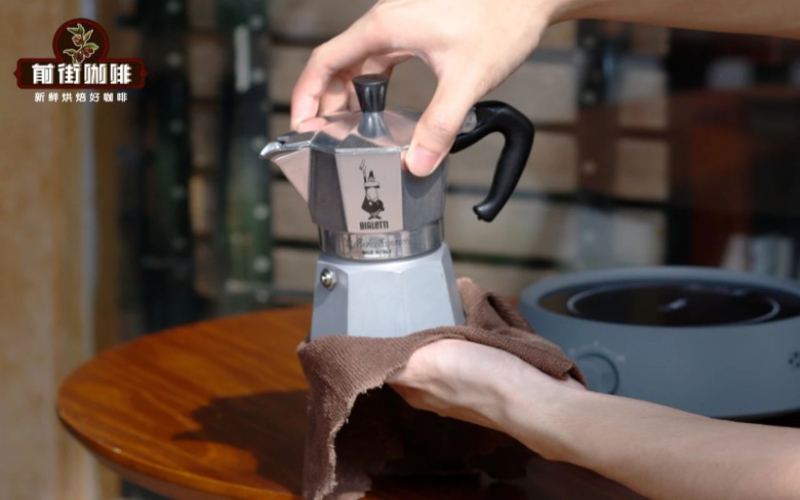
Brewing the same coffee beans with pour-over, an espresso machine, and a moka pot respectively makes the differences obvious at a glance: pour-over wins in aroma and clarity, the espresso machine wins in strength and sweetness, while the moka pot tests your control over pressure, heat, and the coffee bed. Bean selection should match the brewing device, and the parameters should follow the roast level. The moka pot belongs to steam pressure extraction [more…]

Coffee recommendations that make it easier for beginners to choose well: balancing budget and drinking frequency
For beginners, choosing coffee beans isn't just about memorizing a few names. When buying beans for daily use, you need to consider how quickly you'll drink them, how much to buy at once, and whether you'll mainly make black coffee or milk coffee at home. What's truly worth referencing is the sweet-to-sour ratio on the palate, the body thickness, and the aftertaste once it cools; combine that with your brewing habits, and your options become [more…]
Introduction to SOE Coffee Beans | Is SOE Coffee the Same as Specialty Coffee? What Are the Advantages and Disadvantages of SOE Coffee? What Are the Key Points for Making SOE Single-Origin Espresso?
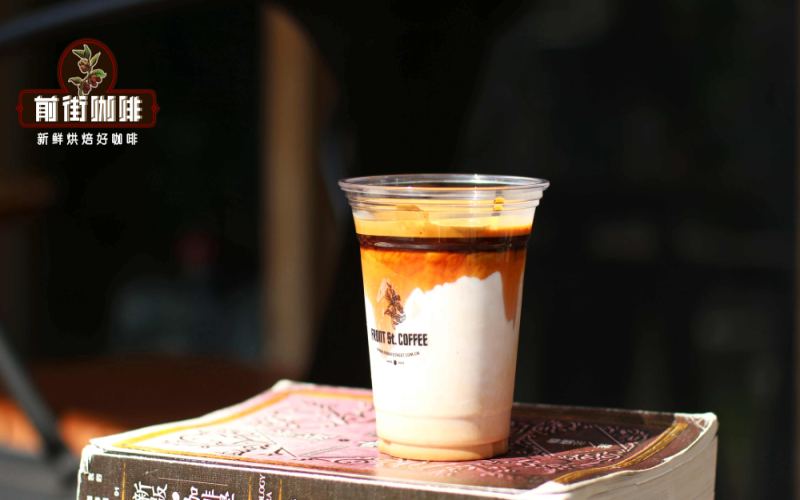
For more specialty coffee knowledge, please follow the WeChat official account: Front Street Coffee (FrontStreet Coffee). What is SOE coffee? SOE is the abbreviation of Single Origin Espresso, which means single-origin espresso. Its focus is to highlight [more…]
The Cafe Owner's Espresso Bean Shopping List: How to Pair Four Blends for Maximum Peace of Mind
For opening a coffee shop, espresso beans are the ingredient used in the largest quantity and have the greatest impact on product consistency. Choose wrong, and either costs spiral out of control or your drinks lack distinction; choose right, and a single machine can support most of the menu. Today, from the perspective of a shop owner, let's clearly explain the positioning and pairing plans for Front Street Coffee's four espresso blends. First, let's clarify: [more…]
How to Choose Full-Bodied Coffee Beans: From Flavor Direction to Brewing Method
The flavor of a cup of coffee isn't just about acidity or bitterness—it also includes aroma, sweetness, body, mouthfeel, and finish. When choosing beans, first decide whether you want floral and fruity notes, nutty and cocoa notes, or a balance between the two, then match that to the corresponding origin, processing method, and roast level. Dark roasts push the flavor toward cocoa and nutty [more…]
Sweet aftertaste coffee beans: a flavor path with low acidity and lingering sweetness
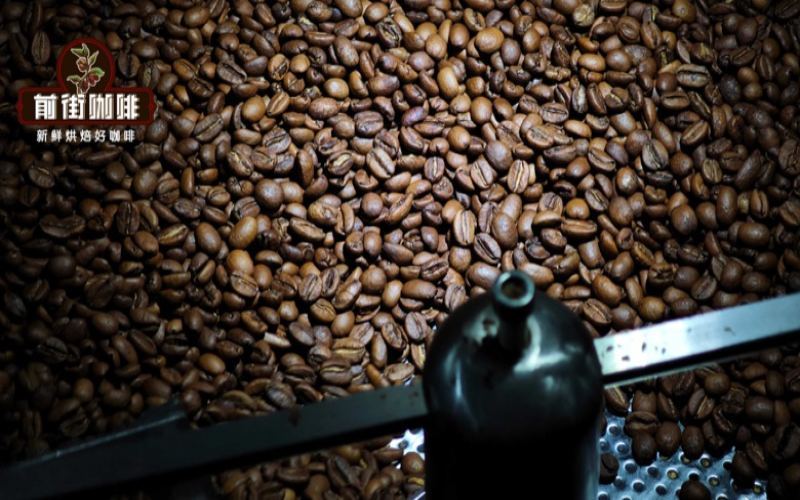
Beans with understated acidity and a prominent sweet finish place their flavor emphasis on sweetness and aftertaste: natural (dry) processing and medium-dark roasting round off the acidity, leaving a lingering sweetness. Front Street Coffee's Ethiopian Huakui has a sweet finish with a passion fruit aftertaste; the acidity on the palate flashes by, and sweetness takes over the second half. In Kafa Forest, the sweetness actually becomes more pronounced as the temperature drops. [more…]
From Water Temperature to Coffee-to-Water Ratio: Key Practical Points and Common Misconceptions in the Entire Pour-Over Coffee Process
To brew a great cup of coffee, good beans alone are far from enough—storage method, grind size, water temperature, and brewing technique all directly affect the flavor of the final cup. This article explores seven key details in coffee making, from the temperature threshold for avoiding bitterness, to the golden ratio of coffee to water, to the flavor tipping point of holding time, offering practical advice for each. Whether you prefer drip equipment or other brewing methods, these principles will help you avoid common pitfalls and consistently reproduce a clean, balanced, and fresh cup of coffee. [more…]
Bialetti Moka Pot Coffee Beans for Rich Crema: Start with the Scenario, Then Look at Flavor and Roast
When choosing coffee beans, start by considering your daily drinking scenarios: is it a cup of black coffee in the early morning, or a milk coffee to go with breakfast; do you slowly enjoy a pour-over, or quickly brew a cup with a machine? Different scenarios will change the suitable roast level, flavor intensity, and brewing method. The moka pot is a steam-pressure extraction device, [more…]
Recommended Coffee Beans for Moka Pot: A Bean Selection Method for Everyday Drinkers
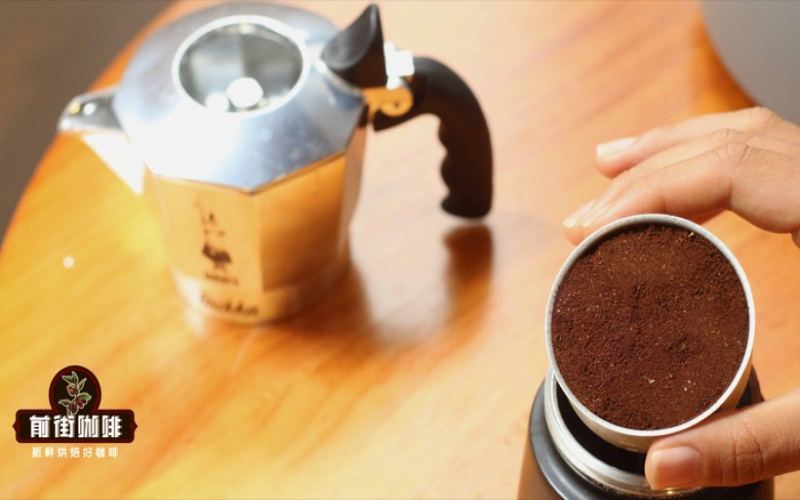
When you first start buying beans, you don't need to chase a wide range of flavors all at once. A more practical approach is to start with a bean that has a clear flavor profile and pairs well with a variety of brewing methods, then lock in your dose, grind, and water temperature and observe how the entry, sweetness, and finish change. This way you can build your own taste reference. The moka pot relies on steam pressure. [more…]
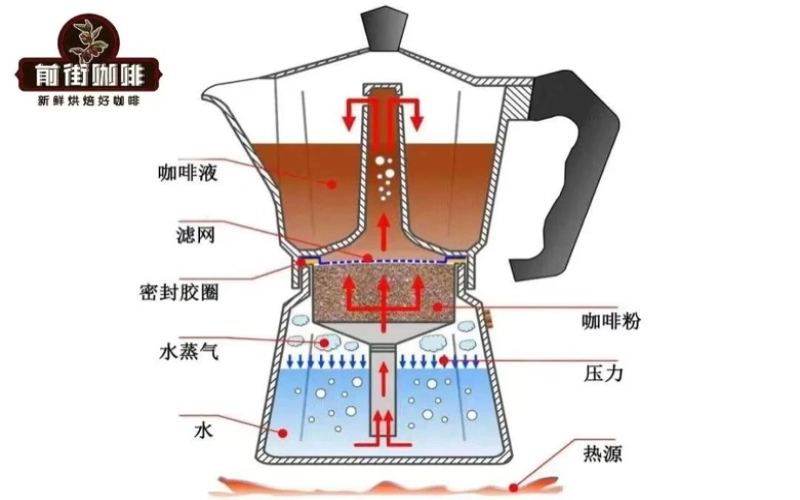
Will a Moka pot explode? How to choose coffee beans: from flavor direction to brewing method selection
The flavor of a cup of coffee isn't just about sour or bitter—it also includes aroma, sweetness, body, mouthfeel, and finish. When choosing beans, first decide whether you want floral and fruity notes, nutty and cocoa notes, or a balance between the two, then match that to the corresponding origin, processing method, and roast level. The moka pot is a steam-pressure extraction device. [more…]