







Search Results for: concept

Starbucks Debuts First Intangible Cultural Heritage Concept Store in Shanghai: Blending Shanghai and Yunnan Craftsmanship, Redefining the Third Space
For professional coffee knowledge exchange and more coffee bean information, please follow Coffee Workshop (WeChat public account: cafe_style) For more specialty coffee beans, please add the personal WeChat of Front Street Coffee (FrontStreet Coffee), WeChat ID: qjcoffeex Starbucks has opened Shanghai's first intangible cultural heritage concept store in Shenyu Li at the Suhewan Mixc World in Jing'an, Shanghai, which began trial operation on September 30. This store combines Yunnan ethnic minority craftsmanship with the design concept of Shanghai qipao, creating a unique venue that serves both as a third place and as an intangible cultural heritage art exhibition space. The store offers Reserve Yunnan coffee beans and incorporates interactive experiences such as siphon coffee brewing. This move continues Starbucks' public welfare trajectory since the "Rural Mothers Acceleration Plan" in 2020 and also echoes the current trend of guochao consumption. [more…]
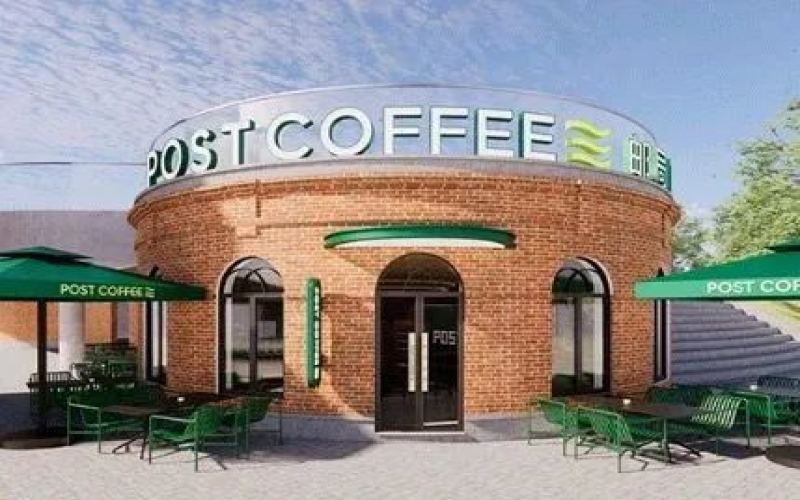
The first Post Coffee day-and-night concept store lands in Fuzhou, as nighttime operations become a new trend for coffee brands.
The combination of coffee and alcohol is becoming a new trend in the food and beverage industry, with "C in the morning, A at night" evolving from a skincare concept into a consumption model of "coffee in the morning, alcohol at night." Post Coffee, a coffee brand under China Post, recently launched the country's first daytime coffee and nighttime alcohol concept store in Fuzhou, along with two Fuzhou-exclusive drinks. Since its first store opened in Xiamen in 2022, Post Coffee has expanded to ten stores across four cities. Can this new business format offer new ideas for coffee brands venturing into nighttime operations? At the same time, brands such as Starbucks, Seesaw, M Stand, Tims, and even Cotti Coffee have also been entering this track, and coffee brands' attempts to expand from coffee into alcohol and extend operating hours are accelerating. [more…]
Espresso Comprehensive Guide: The Concept's Origin, Extraction Principles, and Six-Step Preparation Process
Espresso is the most common type of coffee in today's cafés, and it is also a daily must-order choice for many enthusiasts. It originated in Italy and is characterized by rapid extraction under high pressure. A single shot of espresso is about one ounce, covered with a reddish-brown crema on the surface. From the perspective of Front Street, this article systematically explains the concept of espresso, the principles behind crema formation, the differences between dark-roast blends and single-origin espresso (SOE), and breaks down in detail the six preparation steps: cleaning the portafilter basket, grinding and dosing, distributing the grounds, tamping, locking in the portafilter and extracting, and cleaning the portafilter basket. It also shares practical advice on parameter recording and coffee bean freshness to help you make a balanced, sweet, and mellow espresso at home. [more…]
A Comprehensive Guide to Professional Coffee Pour-Over Terminology: Extraction Principles, Brewing Ratios, and Espresso Concepts Explained
In the world of coffee, there is a whole set of established professional terminology. Familiarity with these terms makes communication between enthusiasts much smoother. This article systematically organizes the core concepts commonly found in the field of pour-over coffee, from the hand-brewing ABC kit, extraction, brewing ratio, and blooming, to espresso, Combo, SOE, and blended coffee, analyzing their meanings and application scenarios one by one. Whether you are a beginner just starting out or an experienced player hoping to refine your skills, this terminology guide can help you more accurately understand the key points of coffee brewing and tasting, and also make you more adept when communicating with baristas in a café. [more…]
An Analysis of the Blended Coffee Bean Concept and a Discussion of Its Suitability for Pour-Over: Which Regional Coffee Beans Are Suitable for Blending
Blended coffee beans are already commonplace in the world of espresso, but using them for pour-over is far less common. This article begins with the conceptual differences between blends and single origins, sorting out how pour-over and espresso beans diverge in roast level and flavor presentation, and explaining that using blended beans for pour-over is by no means unworkable—the key lies in whether the blend genuinely compensates for the shortcomings of a single origin. The article also draws on three classic blend recipes from Front Street Coffee—the Mamba Blend, the Deep Affection Blend, and the Nutty Chocolate Blend—to concretely demonstrate how coffee beans from different regions can achieve flavor balance and enhanced layering through combination, offering practical reference for coffee enthusiasts. [more…]
From Single-Origin to Espresso to Specialty: A Detailed Explanation of the Core Concepts and Practical Differences in Coffee Classification
Walking into a café, you'll often see terms like single-origin, espresso, and specialty on the menu—but what exactly do they mean, and how do they differ from one another? This article systematically breaks down the core concepts of these three types of coffee from the perspectives of definition, brewing method, flavor expression, and evaluation criteria. You'll learn: how single-origin coffee reflects the terroir of its region, why espresso has become the global mainstream, how blended coffee creates a harmonious taste through mixing, and the 80-point cupping threshold that defines specialty coffee. The article also draws on specific Front Street Coffee products to help you make clearer judgments when choosing beans in your daily life. [more…]
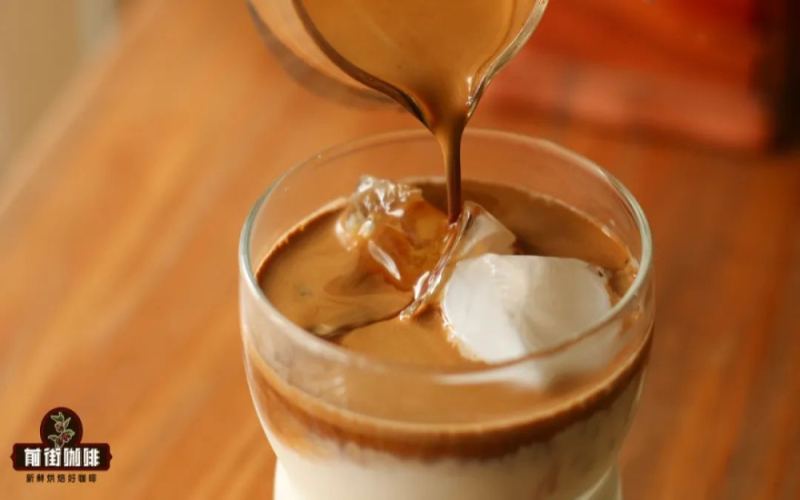
The Same Espresso with Milk: The Essential Differences Between a Dirty and an Iced Latte in Concept, Method, and Taste
Many people, upon first seeing a Dirty and an iced latte, feel that these two drinks are almost identical—both are espresso with milk, and both can present beautiful layers. But upon deeper understanding, you'll find that they walk completely different paths, from their founding concepts to production details, and then to the drinking experience. The original intention of a latte is to dilute espresso with milk, making it more acceptable to more people; Dirty does the opposite, hoping that the espresso maintains its independent character and forms a sharp contrast with the milk. In this article, Front Street Coffee will dissect the fundamental differences between these two drinks one by one from four dimensions: historical origins, production parameters, appearance, and tasting experience, helping you distinguish their respective characteristics. [more…]
Can Pour-Over Handle Blend Beans? Explaining the Espresso Blend Concept and Sharing a Cold Brew Recipe
The relationship between pour-over coffee and single-origin beans has always been close, but pour-over isn't only for extracting single-origin coffee. Blended beans can also be used for pour-over; you just need to understand the logic and purpose behind espresso blends. This article will outline several common types of coffee blends, explain the core approach to espresso blending, and share blend recipes suitable for espresso cold brew. At the same time, the article will use product examples from Front Street Coffee to help coffee enthusiasts more intuitively understand how blended beans perform in pour-over and cold brew scenarios. [more…]
Why Is SOE Generally More Acidic? The Espresso Evolution from the History of Blend Beans to the Specialty Coffee Wave
Why does most SOE taste sour? Behind this question lies the complete evolutionary history of espresso beans, from single origin to blends and back to single origin again. This article, from the perspective of Front Street, sorts out the causal relationship between SOE and blend beans: early espresso was itself SOE, and blend beans became mainstream due to cost and stability, until Erna Knutsen proposed the concept of specialty coffee and James Hoffmann promoted SOE in competitions, after which light-roasted single-origin beans entered the espresso domain. The article will also explain why beans such as Mandheling and Brazil still insist on dark roasting, as well as the commercial considerations behind coffee shops choosing medium-light roasted SOE. [more…]
How to Choose Espresso Beans? Understanding Single-Origin Concepts and Five Front Street Coffee Espresso Blend Recommendations
To make café-quality espresso at home, choosing the right beans is the first step. Starting from the basic concept of espresso blends, this article explains what single-origin coffee beans are, and, centering on the roasting level requirements for high-temperature, high-pressure extraction, offers five Front Street espresso blend recommendations in different flavor directions, covering rich and full-bodied, fruity and floral with bright acidity, nutty notes, café-style house blends, and high-value entry-level options. It also emphasizes the key influence of coffee bean freshness on flavor performance, helping coffee lovers make more suitable judgments when purchasing and using them day to day. [more…]
A Comprehensive Analysis of SOE Single-Origin Espresso: Concepts, Extraction Adjustments, and Practical Approaches for Milk Coffee and Americano
SOE is an abbreviation that has frequently appeared in coffee shops in recent years, namely Single Origin Espresso, referring to espresso made from coffee beans from a single origin. It is not a guarantee of quality, nor does it restrict variety, roast, or extraction method; rather, it is a concept opposed to blended espresso. Espresso magnifies flavors, and the strengths and weaknesses of single-origin beans are equally easy to highlight, so factors such as roasting and grinding directly affect the final cup. This article covers the meaning of SOE, whether a light roast is necessarily sharply acidic, how extraction goals influence the approach, and adjustment methods for common problems such as being too sour, having a short finish, developing unpleasant flavors, or the coffee liquid being too weak, and provides specific product and parameter examples such as Front Street Coffee Black Cocoa Blend, Huakui SOE, and Mozart SOE to help coffee lovers make a more satisfying SOE. [more…]
The Origin Legend and Extraction Mechanism of Cold Brew Coffee: Clarifying the Concept of Cold Brewing and a Making Guide
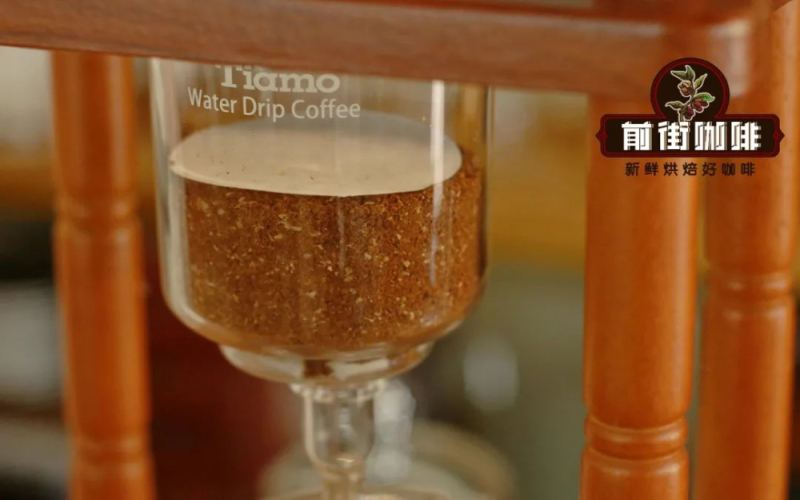
When searching for iced coffee in summer, names like ice drip, ice brew, cold brew, Dutch coffee, and Kyoto coffee always leave people bewildered. What exactly is the difference between these terms? This article starts with the broad concept of cold brew coffee, sorts out the historical origins and extraction principles of ice drip coffee, clarifies the precise meaning of ice brew coffee, and, using Front Street Coffee's store practice as an example, introduces in detail the equipment structure, parameter settings, and operating procedures of ice drip coffee, as well as the flavor directions of several types of coffee beans suitable for making ice drip, helping coffee enthusiasts clarify the concepts and master the methods. [more…]
The Origin and Calculation Method of the Golden Cup Extraction Standard: How Extraction Yield and Strength Define a Good Cup of Coffee
The Golden Cup extraction is a widely circulated concept in the coffee world, defining an extraction range that most people find acceptable. This concept originated from a large-scale preference survey in the United States in the 20th century, promoted by the Brewing Committee established by the American Coffee Association in collaboration with Dr. Lockhart of the Massachusetts Institute of Technology. The survey found that about 30% of coffee beans are soluble substances, while the remaining 70% are insoluble fibers. After two rounds of testing with ordinary people and coffee experts, the Golden Cup range was ultimately determined as an extraction yield of 18% to 22% and a concentration of 1.15% to 1.35%. This article will sort out the origins and development of the Golden Cup standard, the calculation methods for extraction yield and concentration, and explain why the Golden Cup range can only serve as a reference rather than an absolute standard, helping you view coffee extraction more rationally. [more…]
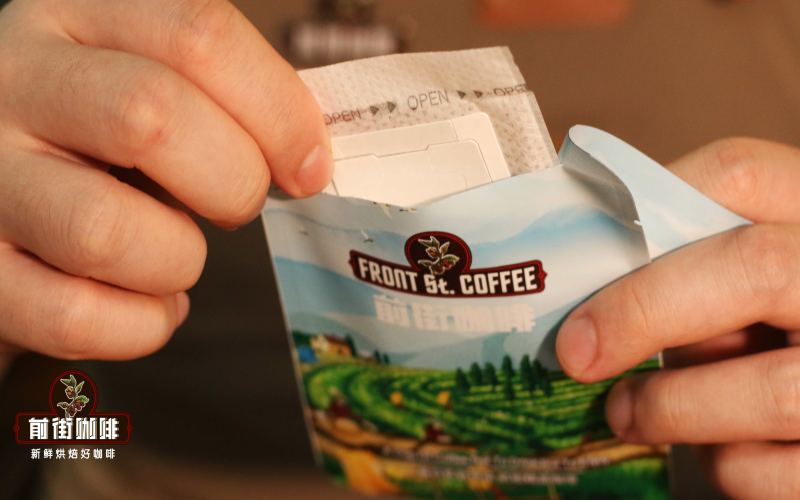
Analysis of Drip Bag Coffee Production: Why Is the Best-Flavor Period Shorter Than Coffee Beans? A Full Explanation of the Bean-Resting Concept
Drip bag coffee is deeply favored by coffee lovers for its convenient brewing method, but do you understand the production logic behind it? Front Street stores always insist on freshly grinding and making drip bags on the spot. This seemingly inefficient practice is actually closely related to the extremely short peak flavor period of drip bag coffee. Starting from the production process of drip bag coffee, this article will explain in detail the essential difference between the shelf life and the peak flavor period of coffee beans, analyze why pre-grinding leads to accelerated loss of aroma, and extend to introduce the basic concept of the resting period for coffee beans. At the same time, the article will also share the flavor characteristics of a variety of drip bag products such as Front Street Huakui, Flower Butterfly, Honduras, and PWN Golden Mandheling, helping you enjoy a good cup of coffee within the optimal time. [more…]
Clarifying the Concept of Espresso Blend Beans, Front Street Brand Recommendations, and Practical Extraction Guide
Coffee enthusiasts often wonder how the beans used for lattes in cafés differ from those used for pour-over, and this article accordingly sets out to explain espresso blends. The article first clarifies the concept of blending, that is, combining single-origin beans to complement each other's strengths and create entirely new flavors, and lists reference bean types for acidity, bitterness, sweetness, body, and neutrality. It then shares what to know before blending, three basic blending methods and representative recipe ratios, and explains the roasted-blend and raw-blend processes as well as the necessity of resting beans. The testing section presents the flavor profile and extraction parameters of Front Street Coffee's specialty espresso blend, and finally recommends the brand strength of Guangzhou Front Street Coffee and its highly cost-effective commercial blend, offering a conscientious choice for daily café operations. [more…]
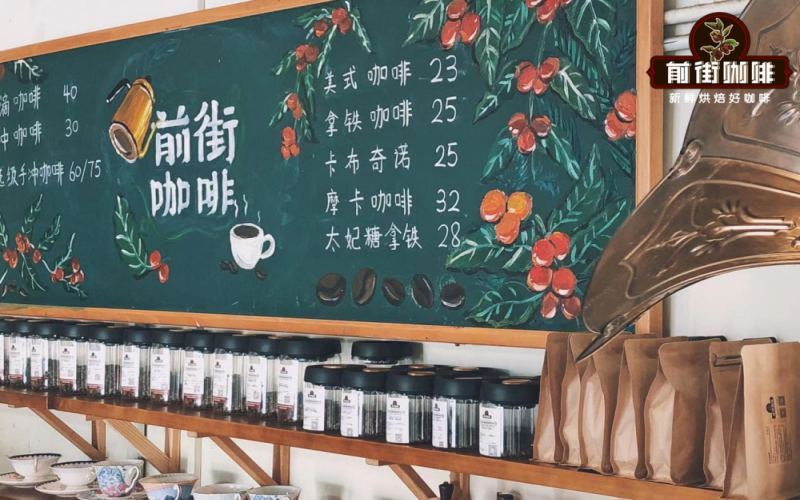
Key Points for Choosing Single-Origin Coffee: A Breakdown of Variety Classification and Clarifying the Concepts of Specialty Coffee, Single-Origin Coffee, and SOE
Single-origin coffee is a high-frequency professional term in coffee circles, usually referring to coffee beans from a single origin. The label will indicate information such as the growing region, altitude, processing method, and variety, helping drinkers perceive the flavor characteristics more clearly. Specialty coffee, on the other hand, emphasizes the positive aromas and "taste of place" formed under unique microclimates and geographical conditions. As consumers gain a deeper understanding of origin information, producers invest more energy in the source of specialty coffee, and thus single-origin beans that emphasize a single origin emerged. This article will outline the common extraction methods for single-origin coffee, the relationship between SOE and blended beans, the impact of roasting and freshness on flavor, and the approach to parameter adjustment when making SOE at home, while retaining Front Street Coffee's bean selection and shipping suggestions. [more…]
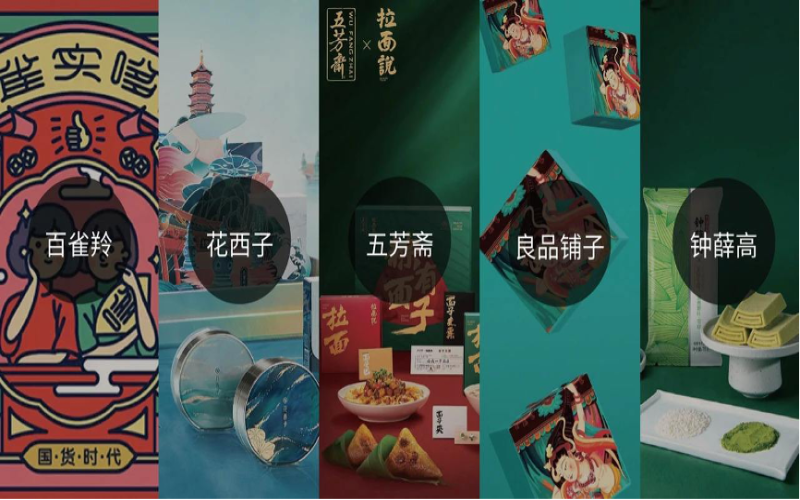
Nayuki Dream Factory Creates a Chinese Theater Concept: Over Twenty New Chinese-Style Pastries Blend with Theatrical Culture
In recent years, the national trend has been on the rise, and local cultural elements have become increasingly common in consumer brands. As a leading brand in the new-style tea beverage sector, Nayuki has abandoned its former Japanese-leaning brand image and transformed Nayuki Dream Factory into an opera space full of Chinese charm, launching more than 20 new Chinese-style pastries represented by mochi and palmiers, with each product corresponding to a classic opera such as The Drunken Concubine, The Peony Pavilion, and Farewell My Concubine. The store also displays traditional theater merchandise such as covered bowls and folding fans, creating an atmosphere of stepping into a traditional opera garden. Previously, Heytea also launched Axi Teahouse incorporating Sichuan opera elements. Against the backdrop of widespread price increases in the tea beverage industry, Heytea attracted market attention with a low price of nine yuan, and whether Nayuki's move into the national-trend pastry track can break through is worth continued attention. [more…]
What Exactly Is Single-Origin Coffee? A Comprehensive Guide from Origin Concepts to Roasting and Brewing Methods
The term "single-origin coffee" is appearing more and more often on café menus, but many people's understanding of it still stops at the level of "picking a country." In fact, single-origin coffee emphasizes the coffee's place of origin, forming a sharp contrast with blended coffee. Starting from the definition of single-origin coffee, this article will sort out its differences from espresso blends, the influence of roaster style on flavor, the logic behind choosing different roast levels, and the flavor differences brought by brewing methods such as the espresso machine, AeroPress, pour-over, and siphon, helping you have a clearer sense of direction the next time you order at a café. [more…]
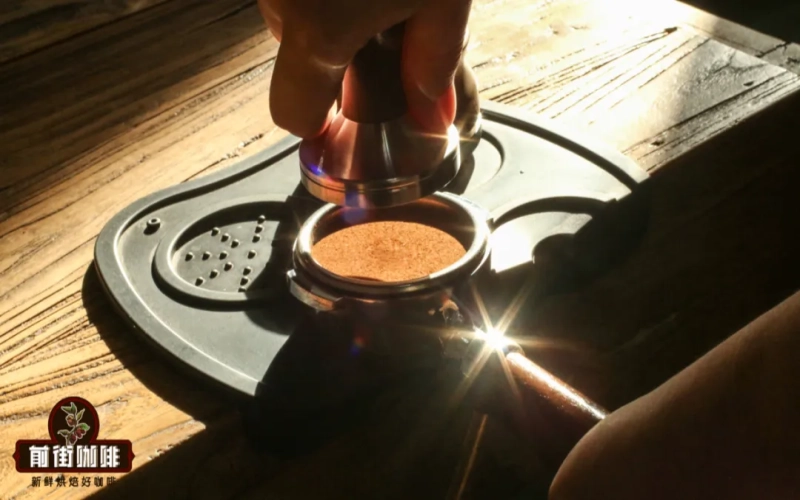
How Much Force Is Needed to Tamp Espresso? A Detailed Explanation of the 9-Bar Pressure Concept and Its Impact on Extraction
Many coffee enthusiasts wonder when making espresso: exactly how much force is needed to tamp the puck? Do light tamping, heavy tamping, or even no tamping at all actually affect the extraction result? This article will use actual extraction experiments to compare the extraction time and flavor performance of espresso under different tamping pressures, and provide an in-depth analysis of the true meaning of the 9-bar pressure in espresso machines. At the same time, Front Street will also share two blended beans suitable for espresso, to help you better understand the practical role of tamping in extraction, and why even applying full force seems insignificant in the face of the coffee machine. [more…]
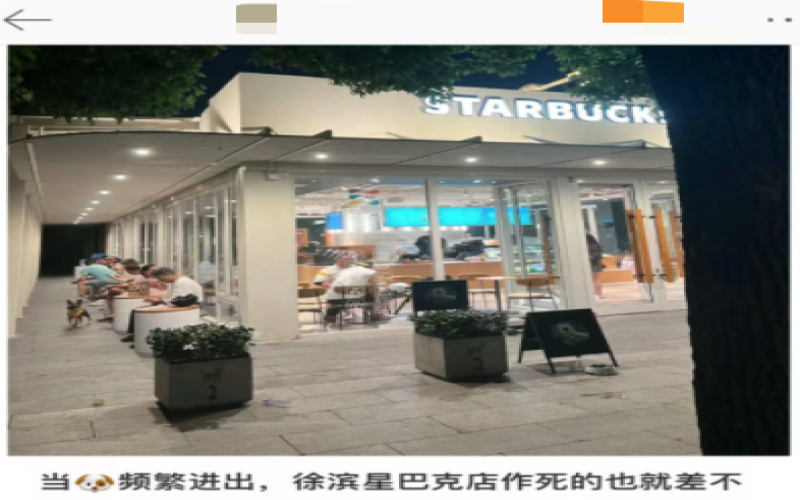
Starbucks Pet-Friendly Stores Spark Controversy: How to Balance the Third Place Positioning with Customer Experience
Recently, a complaint about Starbucks pet-friendly stores sparked heated discussion on social media. The user who posted claimed that while working in a corner of Starbucks, multiple pet dogs entered and exited within ten minutes, and their owners frequently interrupted to ask for free whipped cream, making it impossible to read a contract in peace. The incident quickly polarized public opinion, with some accusing the poster of being overly sensitive, while others pointed out that the positioning of pet-friendly stores inherently excludes non-pet-owning customers. Starbucks once entered China with the concept of the "third place." Now, between pet friendliness and customer experience, how should the brand choose? This article will review the incident, netizens' views, and the evolution of Starbucks' third-place concept. [more…]