







What Should You Look For in Espresso Coffee Beans?
Espresso coffee beans are usually sold as a blend of two or more single-origin coffees, known in cafes as a House Blend, because espresso is extracted under high temperature, high pressure and a very fine grind. That concentrated extraction favors medium-dark roasts; lightly roasted beans tend to taste sharply acidic with a thin body.
A classic route is the Mamba idea, combining Indonesian Mandheling with Brazilian beans so the two balance each other, and many modern blends add Robusta to build a thicker crema and a heavier body. Freshness is the other deciding factor: beans should be rested a few days after roast and used well before they go flat.
To make espresso drinks at home that match café quality, choosing the right beans is the first step. Starting from the basic concept of espresso blends, this article explains what single-origin coffee beans are, and around the roasting degree requirements for high-temperature, high-pressure extraction, provides five recommendations from Front Street espresso blends with different flavor directions, covering rich and mellow, fruity and bright with floral notes, nutty profile, café-style, and high-value entry-level options. It also emphasizes the critical impact of coffee bean freshness on flavor performance, helping coffee enthusiasts make more suitable judgments when purchasing and using them daily.
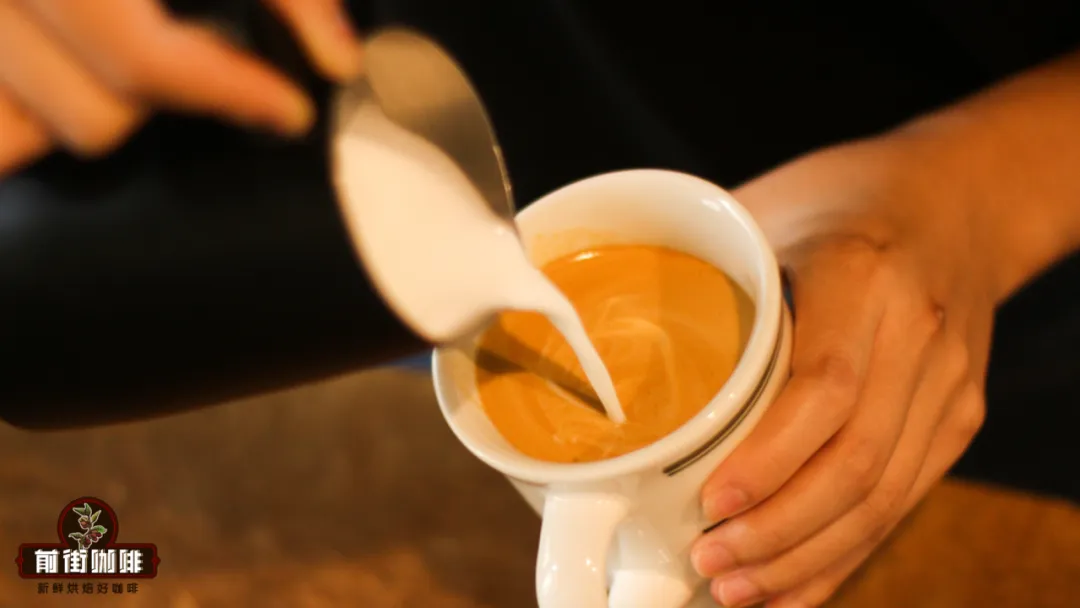
The blend used in cafés for making espresso is commonly called House Blend, which is what we refer to as an espresso blend. It is generally composed of two or more single-origin coffees, primarily serving the preparation of cappuccino, americano, latte, flat white, and other drinks. For ordinary enthusiasts, if they can buy a bag of espresso beans identical to those used in cafés, they have the most basic prerequisite for recreating these drinks at home.
Although there is plenty of room for choice in espresso blends, there is an unavoidable reality: espresso is extracted under conditions of high temperature, high pressure, and extremely fine grinding, so flavor release is highly concentrated and intense. If lightly roasted beans are used, the resulting acidity tends to appear sharp, and the overall mouthfeel is thin. Therefore, if you want to produce consistently every day, it is recommended to prioritize medium-dark roasted espresso blends. Based on sales rankings, the following options are worth noting:
1. Rich and Mellow Flavor: Front Street Classic Espresso Blend Coffee Beans
Many coffee enthusiasts have only heard of Mamba coffee but are unclear about the blending logic behind the name. So-called Mamba is actually a combination of Indonesian Mandheling and Brazilian coffee beans. The two beans complement and balance each other in flavor. This approach was very popular in early cafés in Taiwan and can be considered a coffee taste with a strong sense of the era. Front Street Classic Espresso Blend further adds Robusta to the Mamba approach, noticeably enhancing the crema, making the body of the espresso more substantial. It is very suitable for home use and also easy to work with when making latte art.
2. Rich Floral and Fruity Aroma: Front Street Strawberry Candy Espresso Blend Coffee Beans
If you want espresso with floral and fruity aromas, medium roasting should be the main focus when choosing beans. Front Street Strawberry Candy Espresso coffee beans are a route worth trying, and can be ordered directly from the Taobao or Tmall store. This bean is centered on Front Street Costa Rica Tarrazu, known for its honey processing, plus Ethiopia, the birthplace of coffee, as the two core components, supplemented by Colombian coffee beans. The espresso blended this way is less irritating, and under machine extraction can present good crema and a dense texture, while carrying a sweet-and-sour sensation similar to strawberry gummies. It is suitable for both americano and latte.
3. Rich Nutty Profile: Front Street Specialty Espresso Blend Coffee Beans
Brazil and Colombia both rank among the top in global coffee production, and beans from these two origins have long been widely recognized. Front Street combines the two: Brazilian coffee contributes nutty aroma and balanced mouthfeel, while Colombian coffee brings chocolate notes. The effect after blending far exceeds that of a single origin. In the extracted espresso, you can taste the flavors of butter cookies, cocoa, and roasted nuts. It is very friendly to those who do not like acidity, and suitable for making both americano and latte.
4. Café-Style: Front Street Commercial Espresso Blend Coffee Beans
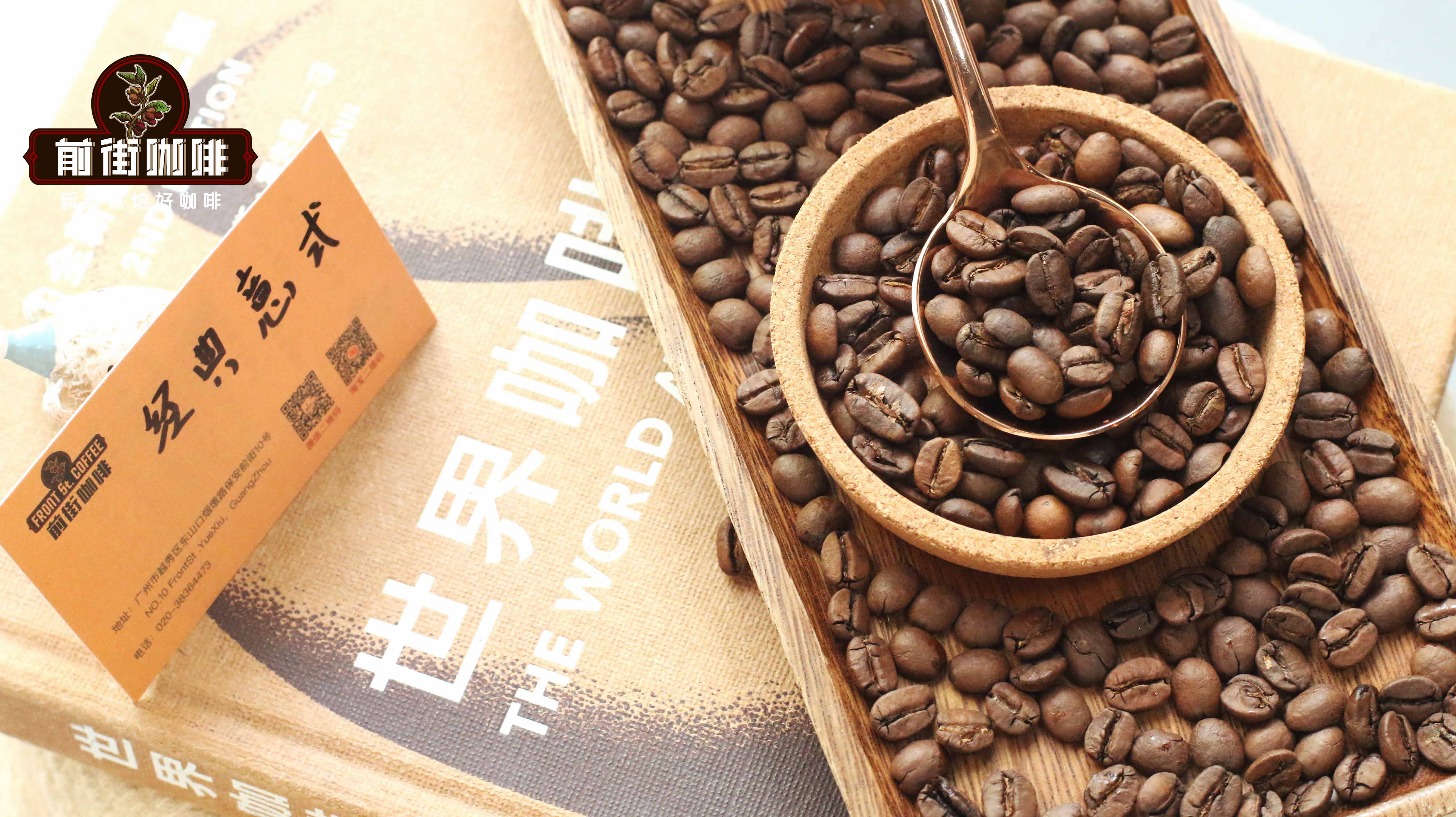
If you want to replicate the common americano and latte found in cafés, Front Street Commercial Blend coffee beans are a direct choice. This bean is blended from three origins: Brazil, Colombia, and Vietnam. After medium-dark roasting, it has rich crema and prominent roasted aromas. When made into americano, the taste is sweet and mellow and easy to drink; when made into latte, it is rich and smooth with a lasting finish. In addition, the price is affordable, making it fully suitable as an everyday household staple bean.
5. High Cost-Performance: Front Street Basic Espresso Blend Coffee Beans
Friends who are new to espresso usually place cost-performance relatively high on their list, and this bean can meet the needs of most household users. It has soft fruit acidity, caramel-like sweetness, and nutty and dark chocolate flavors. The mouthfeel is smooth and viscous, and the price is also relatively friendly. For shop owners or household users who prioritize cost and are not especially demanding about flavor, this is worth trying first.
Whether it is pour-over or espresso, if you want to brew good flavor, fresh coffee beans are a necessary prerequisite. Front Street has always believed that freshness is a very critical part of the brewing process. The coffee beans shipped by Front Street Coffee (FrontStreet Coffee) are all controlled within 5 days of roasting, because Front Street deeply understands that freshness directly affects flavor presentation. Front Street's roasting philosophy is "freshly roasted good coffee," so that every customer who places an order can receive the freshest coffee.
The gas inside coffee beans is gradually released over time, and the aroma weakens along with it. Generally speaking, the optimal flavor period for coffee beans is 40~50 days after roasting, so Front Street recommends drinking them within a month and a half as much as possible to avoid negative flavors such as woody taste and bitterness in the coffee.
The above content is compiled by CoffeeHunters, a coffee news website.


