







Search Results for: commuter crowds
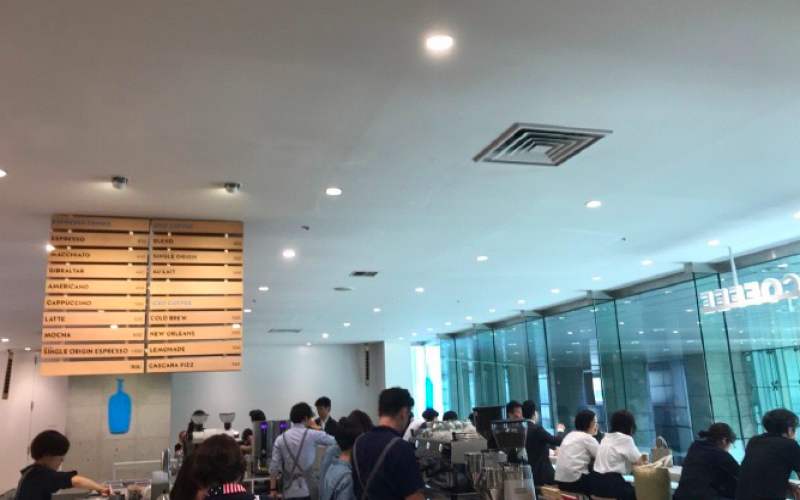
Why Blue Bottle Coffee's Shinagawa store has a rule prohibiting customers from photographing the commuter crowds outside the window
Sitting by the window in a café, sipping coffee while watching the scenery outside, is a cozy image cherished by many. Blue Bottle Coffee's Shinagawa branch, with its entire north-facing glass curtain wall, offers a panoramic view of the surging crowds of commuters at Shinagawa Station, yet it unexpectedly went viral as a "corporate slave observation café." A large number of tourists come specifically to photograph the black torrent of suited commuters outside the window, sparking discontent and complaints from the photographed office workers. The shop subsequently posted a rare notice, asking customers not to photograph the commuter scene below. This "no outdoor photography" reminder not only failed to quell the enthusiasm for checking in but instead stirred up even more curiosity. This article will take you through the unique situation of this store and the controversies and amusing anecdotes surrounding it. [more…]
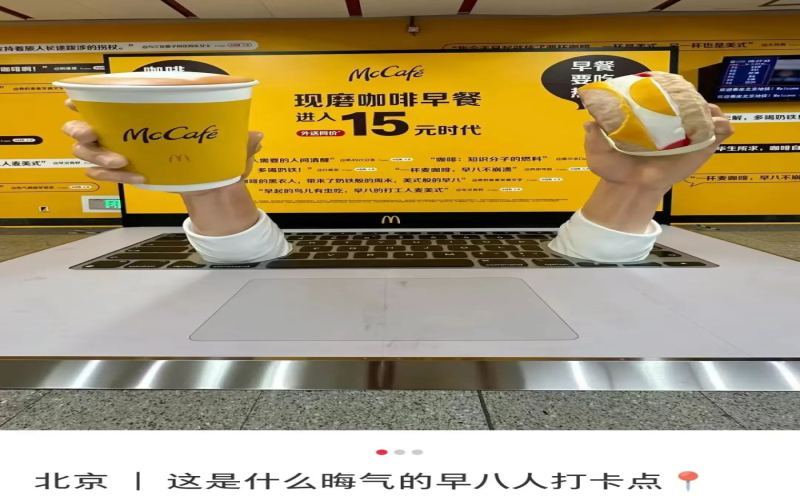
McDonald's creates an abstract photo-op installation inside a subway station, and its 15-yuan freshly ground coffee breakfast combo draws attention
Recently, McDonald's set up a rather abstract "8 AM crowd" photo spot at Chaoyangmen Station on Beijing Subway Line 6, where giant hands holding a burger and a latte extend from a keyboard, sparking heated discussion among commuters. This installation is an event site created by McDonald's to promote its "15 yuan freshly ground coffee breakfast combo," located on the basement level of China Central Place. Since its official announcement on February 21, the combo has attracted many consumers to repurchase thanks to a discount of nearly 50%, and pop-up photo spots have been launched in Shanghai, Shenzhen, Beijing, and other places. This article will walk you through the details of this abstract installation, netizens' reactions, and the specific content and promotional layout of McCafe's breakfast campaign. [more…]
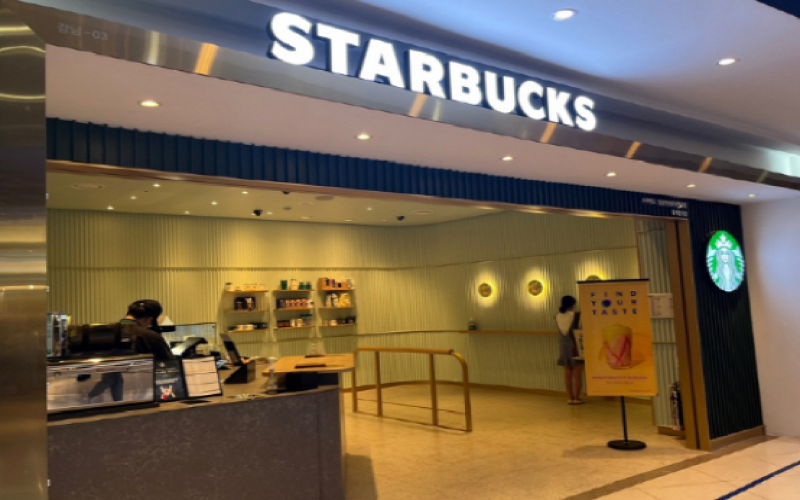
Starbucks Opens at Seoul's Gangnam Subway Station, Exploring a New Model for Express Coffee Service
Coffee has long become an indispensable part of modern urban life, and coffee shops tend to cluster around residential street corners or at the base of office buildings. Yet inside subway stations on busy commuting routes, coffee shops are rarely seen. Recently, Starbucks Korea broke with convention by opening a store inside Seoul's busiest subway station, Gangnam Station. This new-concept store centers on fast service and targets high-frequency, high-spending commuters. At the same time, Starbucks has only two subway station stores worldwide, with the other located at Canary Wharf Station in London. This article will walk you through the thinking behind Starbucks' strategic move and the market performance of Starbucks Korea. [more…]
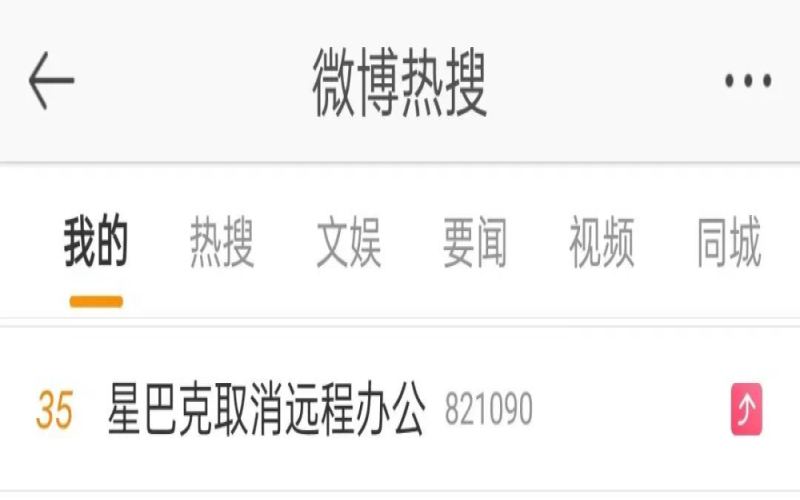
How is the working compensation at Starbucks? In 2023, Starbucks canceled remote work.
For professional coffee knowledge exchange and more coffee bean information, please follow Coffee Workshop (WeChat public account: cafe_style) For more specialty coffee beans, please add the personal WeChat of Front Street Coffee (FrontStreet Coffee), WeChat ID: qjcoffeex Remote work became a common phenomenon after the pandemic, but Starbucks interim CEO Howard Schultz announced on January 11 that remote work would be canceled starting January 30, requiring employees within commuting distance of headquarters to work in the office at least three days a week, with two of those days fixed as Tuesday and Wednesday, and the remaining day to be decided by each team. Schultz stated that the move aims to rebuild employee connections and promote team coordination, and noted that baristas cannot work remotely. Although remote work can reduce costs, it faces challenges in management, sense of belonging, and communication efficiency. An internal Starbucks survey showed that employees' confidence in the company's ethics and social impact has declined. This policy also applies to employees at offices in other regions. [more…]
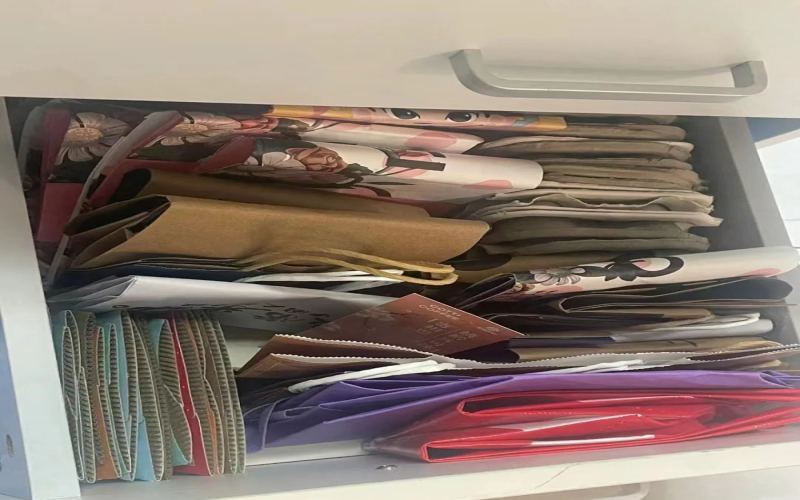
Don't Throw Away the Paper Bag! Turn Coffee Packaging into Electric Scooter Handlebar Grips and Storage Essentials
As 2023 draws to a close, it's worth looking back and counting just how many cups of coffee and milk tea you drank this year—there's a simple, blunt way to do it: see how many drink packaging bags you've stockpiled at home. Some of these bags are nicely designed, some are sturdy and durable; throwing them away feels wasteful, but keeping them takes up space, and the more they pile up, the more they become a burden. So netizens have come up with creative ideas, transforming packaging bags into storage boxes, tissue covers, commuter bags, and even journals; now that winter has arrived, they've unlocked a new skill—using coffee paper bags to make handlebar covers for electric bikes, which are windproof and save money, and can be upgraded into thermal bags for waterproof warmth. This article compiles these practical DIY ideas and includes related recommendations from Front Street Coffee to help you turn "junk" into little joys in life. [more…]
Starbucks China Teams Up with Amap to Launch "Roadside Pickup": Can Curbside Pickup Solve the Parking Problem for Order Collection?
For drivers who want a cup of coffee, the biggest headache is often not placing the order, but finding a parking space. Parking on the roadside risks a ticket, while entering a parking lot feels like too much hassle—a dilemma that has given rise to a new way of thinking. Starbucks China recently partnered with Amap to pilot a "curbside pickup" service at selected stores in Beijing and Shanghai: users plan their route and place an order in advance, and a barista waits at a designated roadside spot, so the drink can be collected as soon as the car arrives. This feature saves more time on parking and queuing than the traditional "drive-thru," but it requires an extra service fee and currently covers only about 150 stores. Can it truly solve the pain point of meal pickup for commuters, and what challenges will it bring to store operations? This article takes you through a closer look. [more…]

Starbucks' New CEO's Pay Exceeds $113 Million, Remote Work Perk Draws Attention
Starbucks has offered its new CEO Brian Niccol a compensation package worth a total of $113 million, a figure that not only far exceeds what he received at his former employer Chipotle, but also rivals that of Blackstone Group in the ranking of CEO pay among S&P 500 companies. In addition to the generous salary, Starbucks has made an exception by allowing this new leader to work remotely, and has also provided him with arrangements including commuting by private jet, temporary housing, and a dedicated office, in stark contrast to the treatment of former CEO Laxman Narasimhan. This series of measures fully demonstrates Starbucks' high regard and expectations for Niccol. [more…]
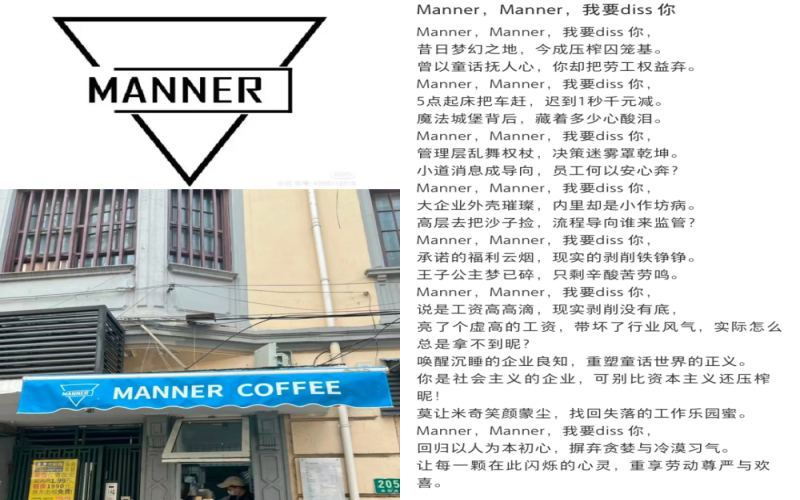
Manner Employee's Rap Lyrics Spark Discussion: The Real Workplace Situation and Salary Reality of Baristas
Recently, a rap lyric written by a Manner employee has sparked widespread discussion on social media. With candid words, the lyrics depict the real daily lives of baristas—catching early buses, strict attendance checks, pay disparities, and single-handedly coping with the intense pressure of sudden order surges—resonating strongly with many current and former employees, while also drawing outside skepticism over whether the post exaggerates the situation. This article examines the workplace details behind the lyrics, reconstructs the work pace and emotional challenges faced by Manner's workers, and explores the common circumstances of frontline staff at chain coffee brands. [more…]
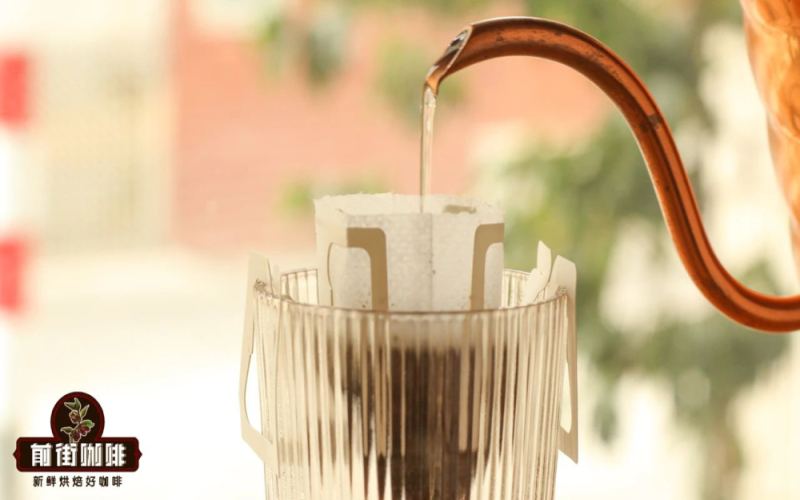
Top Ten Tasty Drip Coffee Brand Recommendations: From Yirgacheffe to Tarrazú, Front Street Coffee Helps You Choose Portable Specialty Coffee
For friends who love specialty coffee, brewing pour-over at home is certainly pleasant, but carrying equipment during commutes is inconvenient, making drip bag coffee an ideal choice that balances flavor and portability. From the perspective of Front Street Coffee, this article systematically reviews the origins and evolution of drip bag coffee, and introduces ten of the most popular drip bag coffee products one by one, covering well-known origins such as Ethiopia, Colombia, Indonesia, Panama, Brazil, Yunnan, Rwanda, and Costa Rica. Each product is labeled with origin, altitude, variety, processing method, and flavor description, helping coffee enthusiasts quickly pinpoint their preferred choice based on personal taste preferences, and easily enjoy a cup of high-quality single-origin coffee at the office or while traveling. [more…]
Coffee capacities keep breaking records: from 1L mega jugs to 1500ml basin-sized iced Americanos—are they a life-saving elixir for office workers or a health hazard?
In recent years, coffee culture has rapidly gained popularity in China, and iced Americano has become a daily necessity for countless office workers. From the initial 300ml standard cup, to the 1L "ton-ton bucket," and now to a 1500ml basin-sized iced Americano recently launched by a coffee shop in Shanghai, coffee capacity keeps pushing the limits of imagination. Large-capacity iced coffee from South Korea once made Chinese consumers envious, and now domestic brands have joined the super-sized cup trend one after another: Seesaw launched a 1.5L shareable takeaway pack, and the Korean brand onlyprice has even introduced a 2.1L coffee liquid. These super-sized coffees have quickly gone viral thanks to their visual impact and high cost-performance ratio, and have been jokingly called by netizens the life-extending elixir for office workers. However, many people are also worried about the health effects of excessive consumption, with issues such as heart palpitations and insomnia sparking discussion. This article will walk you through the phenomenon and controversy behind this coffee capacity race. [more…]
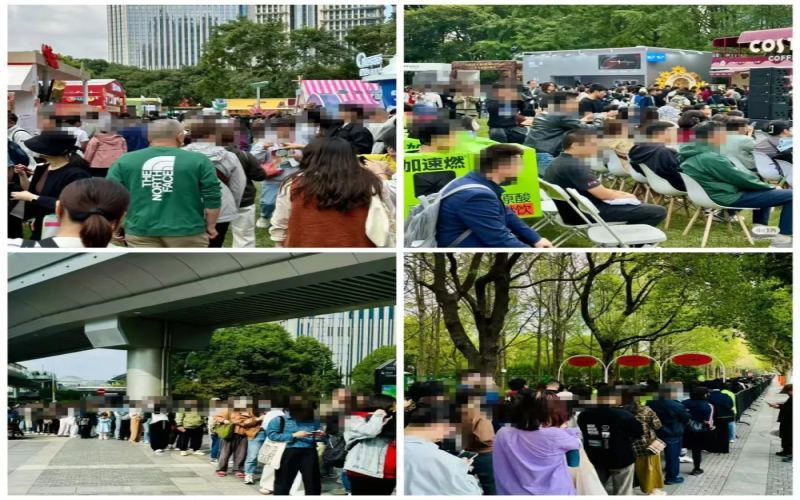
Shanghai Coffee Festival draws huge crowds: one-hour queues, poor signal and payment difficulties, while veteran enthusiasts say the flavor has become milder.
Shanghai, known as the "Coffee Capital," always attracts a large crowd of coffee lovers eager to check in at coffee festivals. However, a recent coffee event held in a park left many people with mixed feelings: entry queues exceeded an hour, the venue was packed like the Spring Festival travel rush, mobile signal was so poor that payments couldn't be made, and some specialty coffee prices were seen as steep by visitors. At the same time, some "freebie hunters" who weren't there for the coffee crowded around to collect giveaways, adding to the headaches of vendors and queuing consumers. Longtime enthusiasts lamented that the coffee festival is getting livelier and more commercialized, but that sense of ease and the true essence of coffee seem to be fading. [more…]
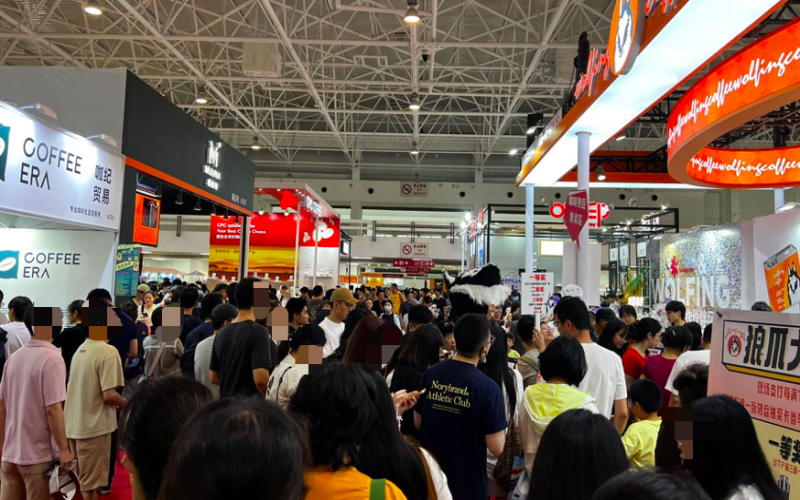
Coffee Expo Draws Huge Crowds but Sparks Controversy: Open-Admission Entry Undermines Professionalism
A recent international coffee exhibition held in Beijing sparked widespread discussion. The venue was packed with people and buzzing with excitement, yet many coffee enthusiasts who attended found that the professional exchange atmosphere they had expected was diluted by the surging crowds. Free admission attracted a large number of non-professional visitors, and money-saving guides even led to long queues in front of some booths. Some lamented that the exhibition was becoming more and more like a market, while others called on the organizers to set thresholds to ensure a better experience. What exactly happened at this coffee exhibition? Let's take a look at the real situation on the ground. [more…]
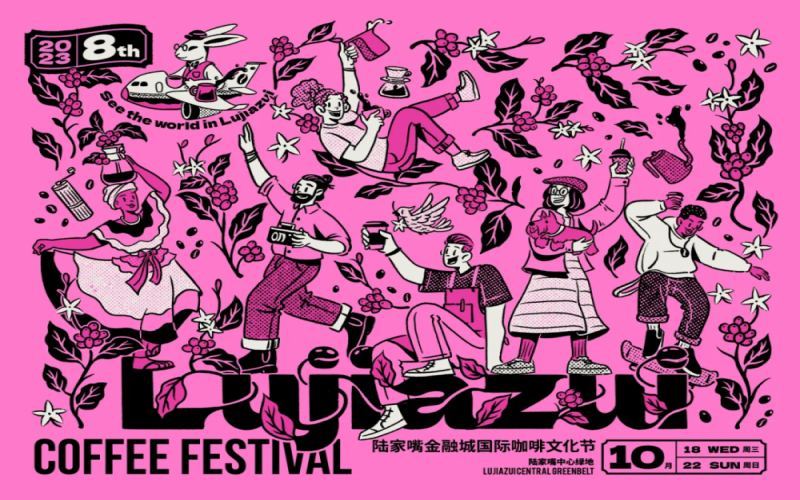
The 8th Lujiazui Coffee Festival has received mixed reviews: reservation-based crowd control and network upgrades won praise, while on-site crowding and blind box controversies persist.
The 8th Lujiazui Coffee Festival recently wrapped up in Shanghai, just half a year after the previous edition. The organizers made several adjustments in response to past issues, including full Wi-Fi coverage and timed-entry reservations. However, social media still buzzed with complaints: the venue remained packed, reservation slots were hard to secure, the 138–168 yuan coffee mystery boxes were seen as disguised ticketing, and some foreign brand experiences fell short of expectations. Despite gathering 100+ cafés from 25+ cities and brands from multiple countries, the event's weak offerings still hurt its reputation. This article reviews the highlights and gripes of this year's coffee festival. [more…]
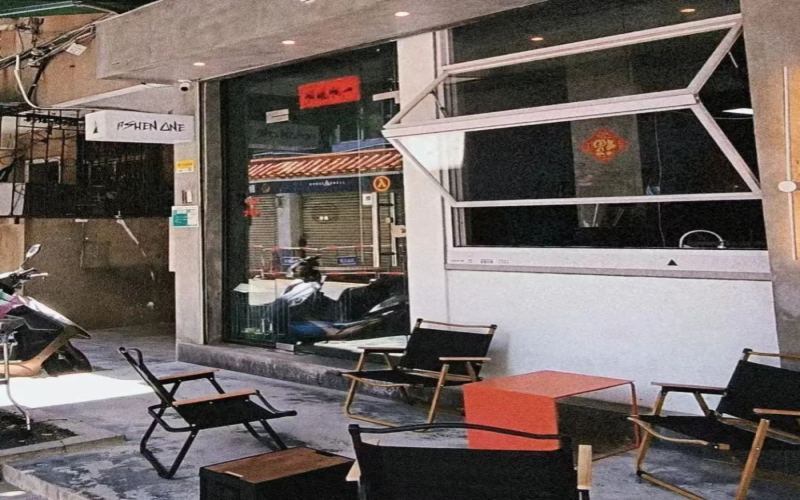
The coffee track in small cities is crowded—what else can fourth- and fifth-tier coffee shops rely on to break through?
As the coffee markets in first- and second-tier cities gradually become saturated, more and more brands are turning their attention to small cities in the fourth and fifth tiers, making the county-town coffee track unusually crowded. Using Xinhui District in Jiangmen, Guangdong as an example, this article reviews the local coffee shop scene from Starbucks' entry to the explosive growth of community stores, analyzes the three major challenges facing coffee shops in small towns: excessive competition within the same area, the downward expansion of large chain brands, and shortcomings in their social-space attributes, and observes some store owners' new idea of shifting toward a "si-doh" convenience-store model, exploring the survival space and future direction of coffee shops in small towns. [more…]
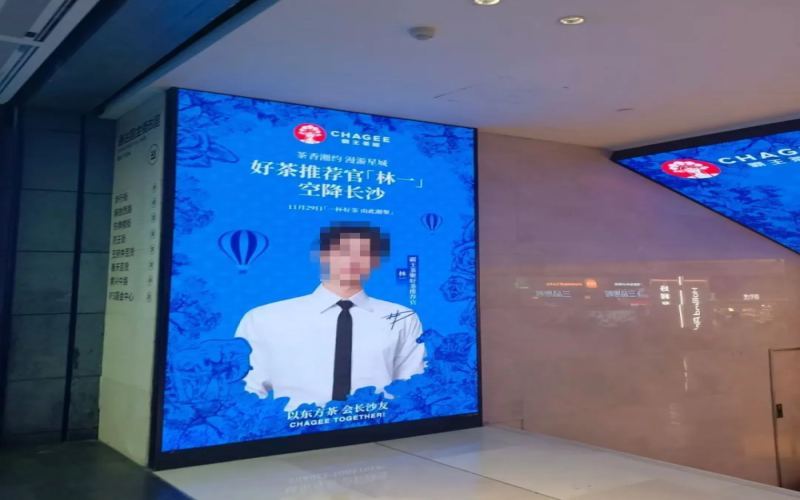
CHAGEE's offline event in Changsha was suddenly canceled, while Sexy Tea unexpectedly gained attention and orders.
At a time when tea beverage brands are competing to invite celebrity endorsements to gain traffic, Chagee originally planned to hold an offline event at Changsha IFS with celebrity Lin Yi in attendance, but it was temporarily called off because the number of people who showed up far exceeded expectations. This turn of events not only forced the brand to issue an emergency apology, but also triggered a chain reaction—a large number of disappointed fans turned to the rival Sexy Tea store also near Changsha IFS, unexpectedly bringing the latter a wave of orders and attention. This article will review the whole incident and analyze the reasons behind and impact of the cancellation of this event. [more…]
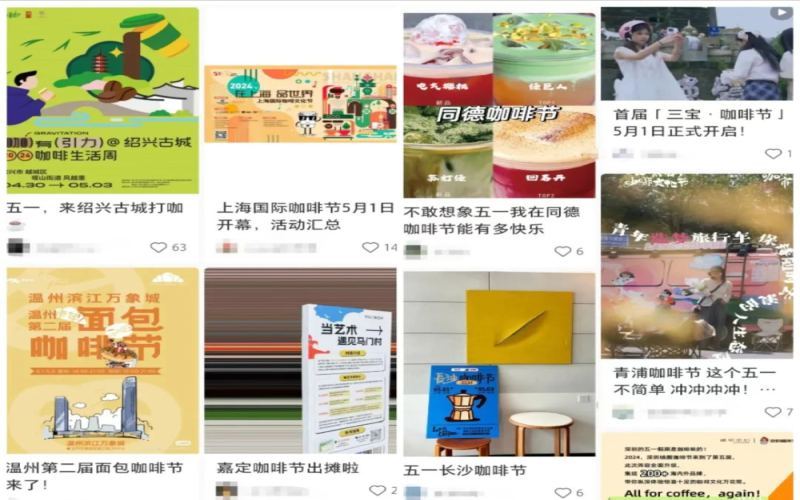
Six Coffee Festivals Crowd Shanghai During May Day Holiday, Sparking Heated Debate Over Proliferation of Specialty Drinks and Uneven Quality
The five-day May Day holiday has always been a peak time for travel. Rather than queueing for ages outside popular coffee shops, many efficiency-minded coffee lovers choose to go to coffee festivals instead, tasting all the signature drinks from various vendors in one go. According to social media, Shanghai—a city jokingly dubbed "Coffee City"—held six coffee festivals across different districts during the May Day holiday, an astonishingly high density. Yet behind the explosion in the number of coffee festivals, problems such as uneven event quality, an overload of creative coffee, inflated prices, and scarce free tastings have also drawn frequent complaints. This article walks you through the buzz and controversy of Shanghai's May Day coffee festivals, and explores the shift of coffee festivals from "industry networking conventions" to "specialty beverage tech conventions." [more…]
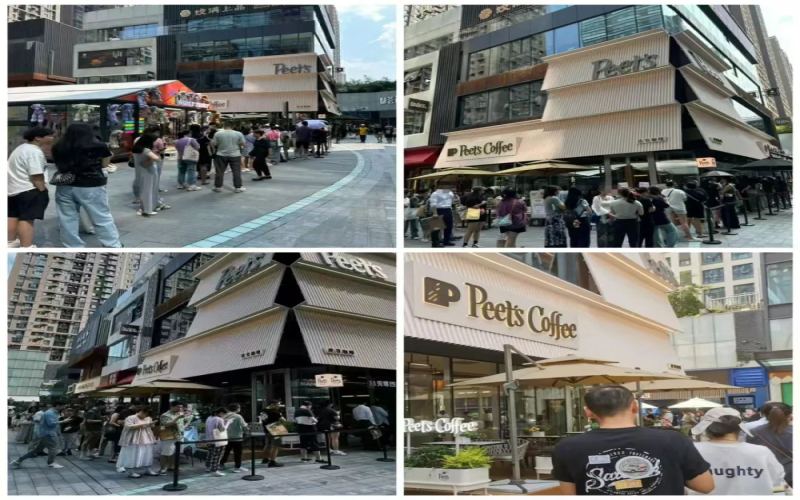
Peet's Coffee's first Xi'an store opens to a queue frenzy, with limited-edition merch becoming the scramble focal point.
The chain coffee brand Peet's opened its first store in Northwest China at Xi'an Daduhui, drawing a large crowd of fans who lined up early in the morning on opening day. What attracted the crowd was not just the title of "first regional store," but also limited-edition city-exclusive fridge magnets, enamel cups, and kraft paper backpacks and other merchandise. The number of people queuing on site was so large that the line curved around twice, and customers generally had to wait about two hours to enter the store. The store has not yet opened an online ordering channel and only supports orders at the bar, which has affected efficiency to some extent. Peet's plans to open a total of three stores in Xi'an, with subsequent stores to appear one after another. However, some consumers and enthusiasts remain wait-and-see about the brand's long-term performance in the inland market, believing that high-priced products may face challenges in the current consumption environment. [more…]
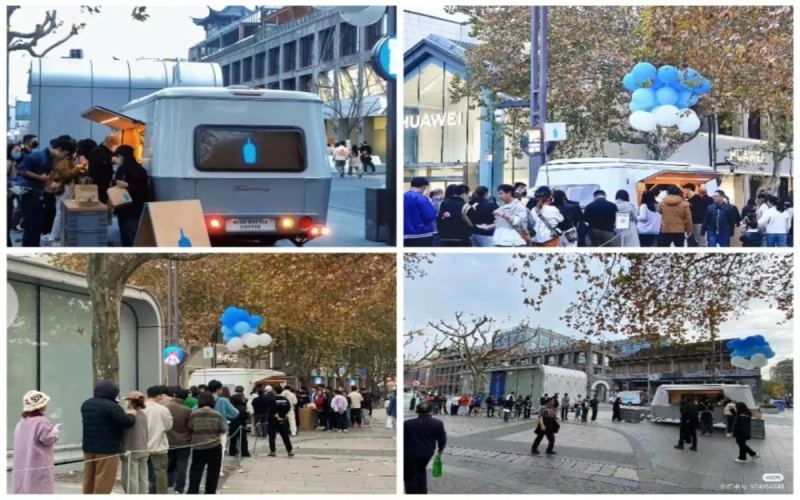
Blue Bottle Coffee Truck Residency by West Lake: One-Hour Lines on Day One, Sharp Drop in Crowds the Next Day—High-Priced Pop-Up Model Meets a Cool Reception
Specialty coffee brand Blue Bottle recently brought a grayish-white coffee truck bearing the brand's logo to the shores of West Lake in Hangzhou, planning to stay for three months. On the first official day of operation, consumers queued for about an hour in the cold wind to receive limited-edition small gifts and take photos with the retro coffee truck; however, just one day later, the bustling queue noticeably faded. The truck's limited menu is priced from 28 to 58 yuan, close to in-store prices, yet it cannot provide comfortable seating, prompting some consumers to question its value for money. Looking back at the controversy over its previous co-branded pop-up in Beijing, as well as the positive response to its Shenzhen pop-up store, Blue Bottle's Hangzhou pop-up model this time seems to face more scrutiny. Online speculation suggests this move may be to build hype for a future Hangzhou store, but the company has not yet disclosed any related plans. [more…]
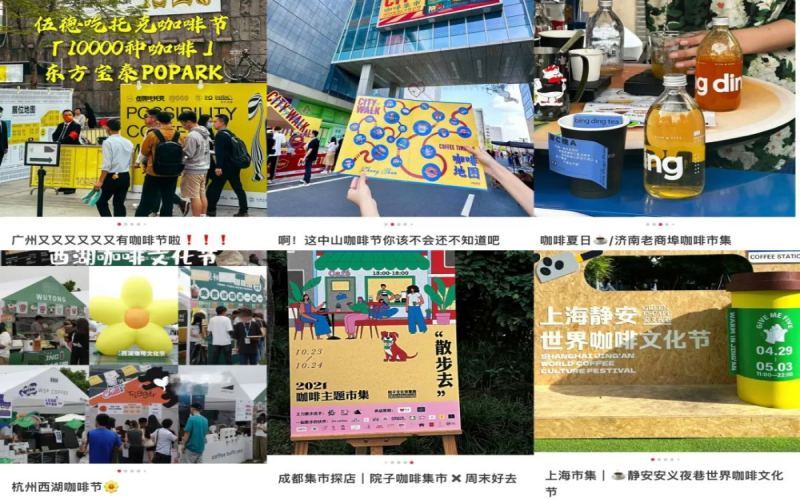
Coffee market specialty drinks average 40 yuan, sparking debate as consumers question the premium and the experience
In recent years, coffee festivals and markets have sprung up everywhere, attracting large crowds of enthusiasts and photo-taking visitors. However, some netizens have pointed out that a small cup of specialty drink averaging 40 yuan, with long queues, noisy environments, and sometimes even an entrance fee, offers far worse value for money than chain brands. Similar complaints keep appearing on social platforms, arguing that coffee markets are gradually becoming milk tea-like or bar-like, with very few stalls truly focused on basic coffee and cultural exchange. Even so, markets continue to be held one after another, and consumers seem to have become leeks that can never be fully harvested. Of course, some brands do put care and quality ingredients into their specialty drinks, but the overall impression is still hard to change. For industry practitioners and coffee lovers alike, how to balance commerce and experience has become a question worth pondering. [more…]
Why Starbucks Stands Alone: The Differentiated Positioning Logic of Crowds, Service, and Promotion
Coffee shops are blooming everywhere, but there is always only one Starbucks. Its success is not accidental, but stems from a set of positioning logic completely different from traditional cafes. This article dissects, from three dimensions—crowd targeting, service strategy, and promotion methods—how Starbucks precisely locks onto the white-collar group, how it uses space and equipment design to accelerate customer flow, and how it places its marketing focus on brand image rather than the product itself. At the same time, it analyzes the real implementation of the "third place" concept in the Chinese market, and how this concept has trapped many local coffee shop owners in operational difficulties. For coffee enthusiasts and industry practitioners, understanding Starbucks' atypical path helps to rethink the survival logic of coffee brands. [more…]