







Search Results for: commercial value
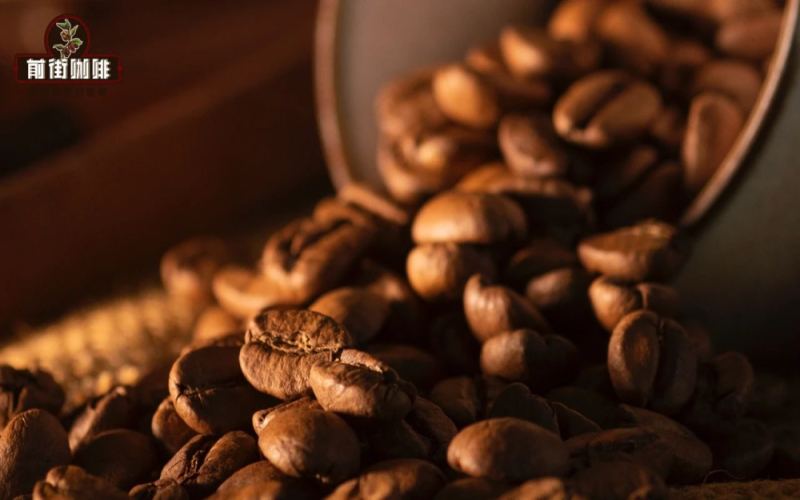
How Are Arabica and Robusta Different? An In-Depth Analysis of the Three Major Native Coffee Bean Species and Their Commercial Value
Walking into a café, you often see "100% Arabica" as a selling point, but what exactly is Arabica? How does it differ from Robusta and Liberica? This article sorts out the origins, growing conditions, flavor characteristics, and market positioning of the three main native coffee species, compares the different roles of Arabica and Robusta in aroma, disease resistance, caffeine content, and espresso blends, and explains the quality gap between 10-yuan and 30-yuan coffee, the varietal classification of Blue Mountain and Kopi Luwak, and how professional brands such as "Front Street Coffee" present the terroir charm of single-origin coffee. [more…]
Arabica, Robusta, and Liberica: A Detailed Explanation of the Characteristic Differences and Market Value of the Three Original Coffee Bean Species
In the coffee market, "100% Arabica" has almost become synonymous with quality, but most consumers are unaware that Arabica is actually the name of a coffee bean species, not a specific beverage. Global coffee comes primarily from three native species—Arabica, Robusta, and Liberica—which differ significantly in yield, growing conditions, flavor profile, and commercial use. Among them, Liberica has nearly withdrawn from the commercial stage, Arabica dominates the specialty market with its delicate aroma, and Robusta, with its high body and rich crema, plays an irreplaceable role in espresso blends. Understanding the essential differences among these three species not only helps you see through marketing rhetoric but also enables you to make more accurate judgments when purchasing coffee. [more…]
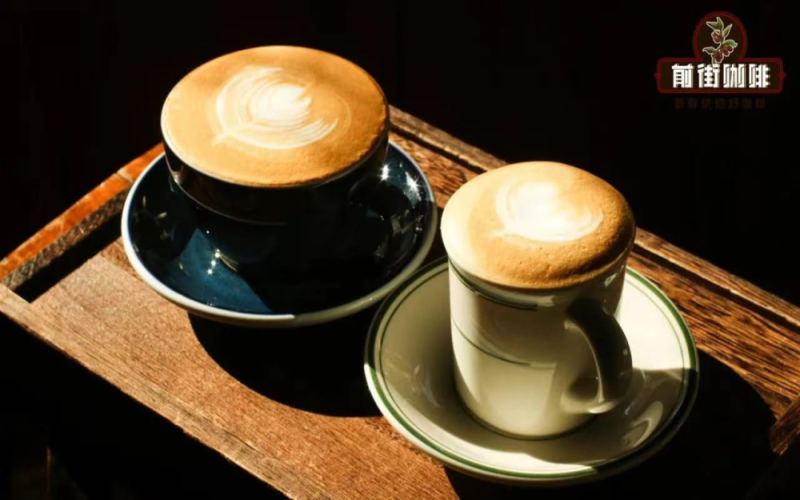
Espresso Beans | Single-Origin or Blend for Pulling Espresso? Recommended Commercial Specialty Espresso Beans with Rich Crema and Great Value
Today I'll teach you how to select coffee beans for making espresso. If the coffee beans used are unsuitable, the resulting coffee will naturally taste bad. First, let's talk about what espresso is. Common espresso drinks include espresso, Americano, latte, cappuccino, flat white... and among these, the most important [more…]
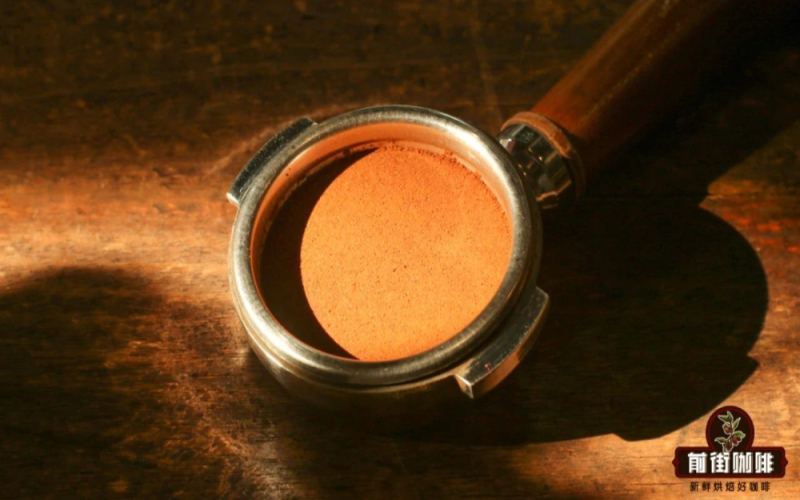
Coffee Shop Bean Selection Guide: Five High-Value Espresso Blends Recommended for 2026
Opening a coffee shop starts with choosing the right coffee beans—a critical step that determines both the consistency of your output and your long-term profitability. Commercial beans must not only meet flavor requirements but also balance cost and shot-to-shot consistency—what everyone calls "daily drinker" coffee beans. This article focuses on five espresso blends worth buying in 2026, highlighting the different positioning and use cases of Front Street Coffee's espresso series: the Classic Blend, Commercial Blend, Dark Cocoa Base Blend, Specialty Blend, and Strawberry Candy Espresso Blend. Whether you focus on a traditional dark-roast approach or want to attract customers with high sweetness and fruity notes, you'll find options that match your store's menu and budget, helping you make purchasing decisions more efficiently when opening a shop or managing day-to-day operations. [more…]
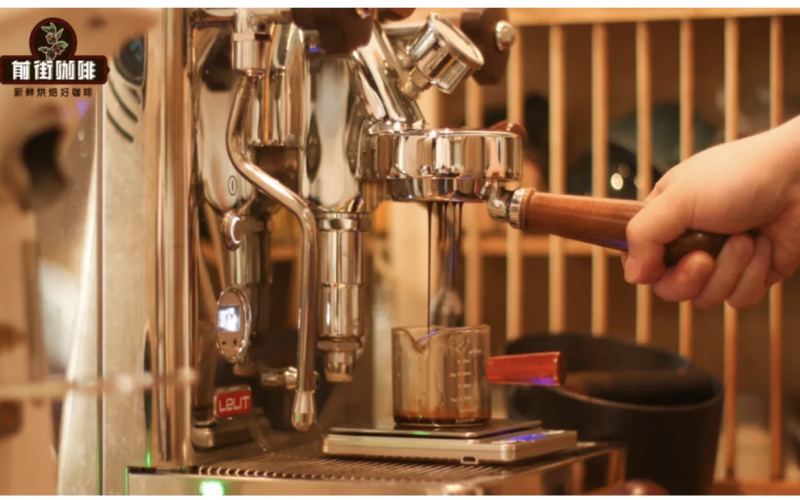
How to Choose Commercial Beans for a Coffee Shop? Black Cocoa Blend vs. Commercial Blend Comparison
Opening a coffee shop—beans are a very important part of the cost structure. Choose well, and your output stays consistent and customers are satisfied; choose poorly, and either costs spiral out of control or your reputation takes a hit. Front Street Coffee has two common commercial beans: Dark Cocoa Blend and Commercial Blend. Both focus on value for money, but their positioning is slightly different. Today we put them side by side [more…]
A Complete Analysis of Coffee's Three Native Species: Regional Characteristics and Flavor Differences of Arabica, Robusta, and Liberica
Walking into a coffee shop, the menu often says "100% Arabica," but do you really understand this variety? In fact, Arabica is just one of the three native species of coffee beans, not a specific drink. This article will systematically sort out the origins, growing conditions, flavor profiles, and commercial value of the three major varieties—Arabica, Robusta, and Liberica—to help you understand the unique charm of Arabica and its core position in specialty coffee. At the same time, we will also discuss the quality gap between 10-yuan and 30-yuan coffee, the true identity of Blue Mountain and Kopi Luwak, and how Front Street Coffee presents the origin personality of single-origin coffee. [more…]
The Flavor Defects and Unique Value of Robusta Coffee Beans: From Variety Characteristics to Espresso Blend Applications
Robusta is often labeled as "unpalatable," yet it accounts for nearly 30% of global coffee production. What is the story and value behind it? This article traces the discovery of Robusta, analyzes its flavor characteristics and caffeine content advantages, and explores its practical applications in instant coffee and espresso blends. At the same time, Front Street Coffee's commercial blend and classic blend solutions will demonstrate how Robusta adds a rich mouthfeel and abundant crema to espresso, helping coffee enthusiasts and industry professionals rediscover this variety. [more…]
What exactly does 100% Arabica coffee beans mean? Why are chain brands all labeling it?
In the advertisements of major coffee chains, "100% Arabica coffee beans" has almost become synonymous with high quality. But what exactly does this phrase mean? What is the difference between Arabica and Robusta? Why do businesses specifically emphasize "100%"? Starting from plant taxonomy, this article will introduce you to the characteristics, historical origins, and commercial value of the two major coffee species, Arabica and Robusta, analyze the true meaning behind this advertising slogan, and explain that it is not an absolute guarantee of good coffee. [more…]

A Comprehensive Guide to Robusta Coffee: Varietal Characteristics, Blending Value, and Siphon Brewing Practical Guide
Robusta coffee is often misunderstood as a low-quality commercial bean, but it has irreplaceable value in areas such as espresso blending and new variety cultivation. From the perspective of Front Street Coffee, this article systematically introduces the relationship between Robusta and the Canephora species, the flavor characteristics brought by its high caffeine and chlorogenic acid content, its role in enhancing body in coffee blends, and how to brew a rich, aromatic cup of Robusta coffee with a siphon. Whether you want to understand the basics of Robusta or want to try extracting Front Street commercial espresso blend beans at home with a siphon, this article can provide practical reference. [more…]

A Complete Guide to the Cup of Excellence (COE): Competition Format, Scoring, Auction Value, and Its Significance as a Benchmark for Specialty Coffee
COE (Cup of Excellence) is the most authoritative competition in the global specialty coffee field. Since its founding by ACE in Brazil in 1999, it has always represented the highest standard of coffee quality evaluation. This article systematically reviews CoE's origins and background, competition format and process, scoring system, and its profound impact on the coffee industry, while also explaining the score grading standards from commercial beans to competition level. For enthusiasts who follow specialty coffee development and auction trends, this is a complete guide not to be missed. Front Street Coffee will also continue to bring you competition news and bean selection references. [more…]
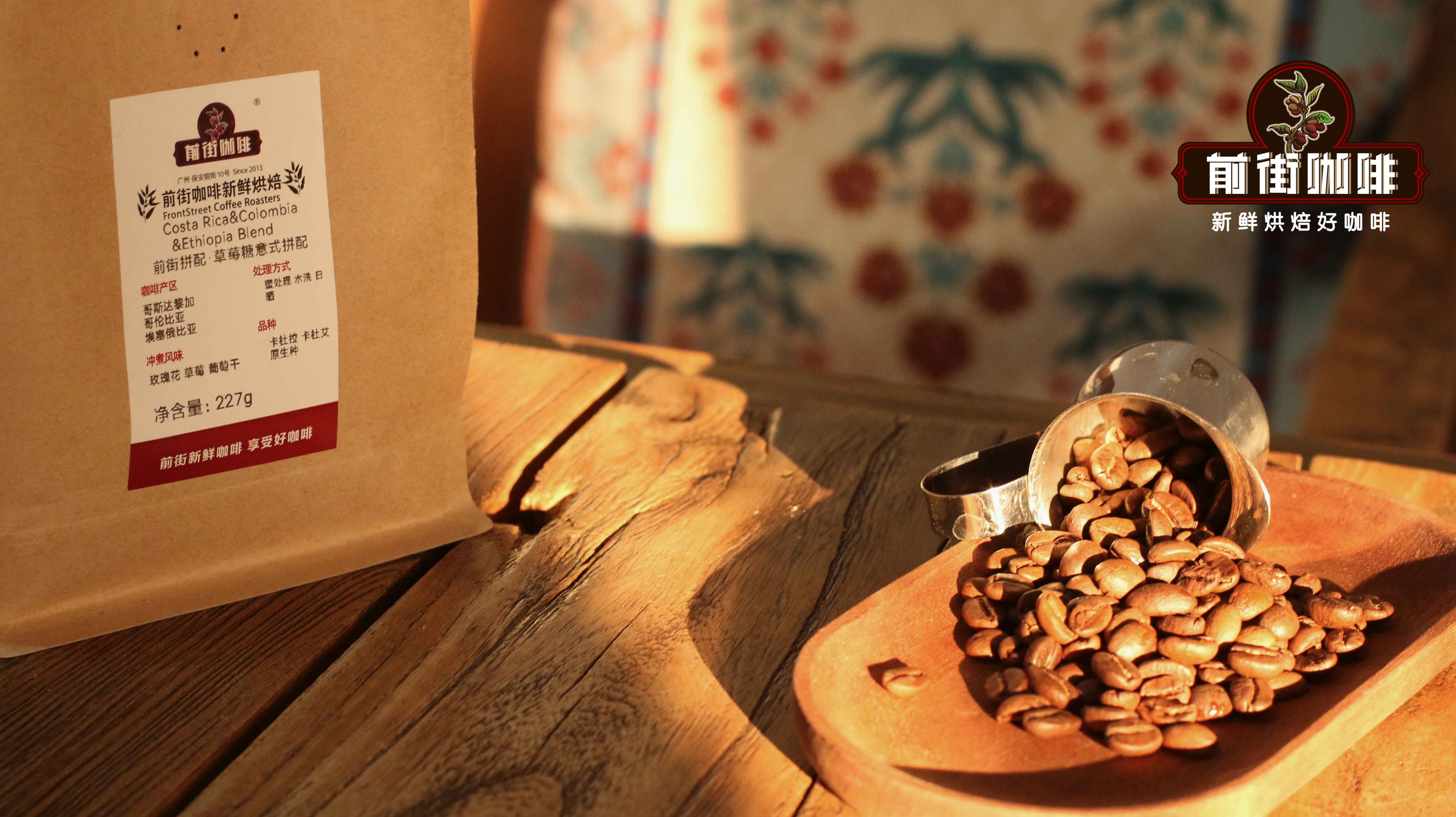
Commercial Espresso Blend Beans Roundup | What Are the Advantages of Using Blend Beans for Espresso Extraction? Recommended Great-Tasting, Not Bitter, High-Value Espresso Beans for Opening a Shop
A well-balanced espresso can enhance the flavor of Italian coffee. To create an espresso with balanced acidity, body, and sweetness, you must start with choosing the right coffee beans—or rather, start with blending different coffee beans. Although single-origin coffees are very popular in pour-over coffee, they often lack [more…]
Home Espresso Coffee Buying Guide | Which coffee beans make rich espresso without bitterness? Recommendations for high-quality commercial espresso beans with rich crema, great taste, and good value
Espresso is mostly made with blended beans, because espresso made from typical single-origin coffee beans may taste less mellow and have a sharp acidity—even with milk or sugar added, it will still taste sour. In addition, because coffee beans are an agricultural product, they will more or less vary from year to year, so the coffee produced [more…]
Three-tier bean configuration for coffee shops: main lineup, everyday value, and specialty picks
When opening a coffee shop, choosing beans is always the unavoidable lesson. New owners easily fall into two extremes: either they only pick the most expensive ones, and costs become unmanageable; or they only look at price, and the quality and reputation of the drinks suffer. A mature approach is tiered pairing: one main bean as the base, one everyday bean to control costs, and one specialty option for differentiation. Each [more…]
What's the difference between commercial coffee beans and specialty coffee beans? From grading standards to taste evaluation, explained clearly in one go
People who drink coffee regularly may have heard terms like industrial coffee, commercial coffee, and specialty coffee, but by what standards are they actually classified, and how do they differ in taste and use? This article starts with the varietal composition of coffee beans, sorts out the definitions and main uses of the three categories, and further introduces evaluation methods for specialty coffee such as growing altitude, screen size, and defect bean ratio, as well as the higher standards represented by estate coffee. The article also discusses how consumers can determine which tier the coffee they drink falls into, and recommends several commercial and single-origin beans from Front Street Coffee with outstanding value for money, suitable for enthusiasts who want a systematic understanding of coffee grading. [more…]
Agtron Color Value Interpretation: A Complete Comparison of Coffee Bean Roast Levels and Flavor Changes from Light to Dark Roast
The roast level of coffee beans directly influences the flavor expression in the cup. From the extremely light roast with an Agtron color value of 95 to the Italian roast with a color value of 25, each stage has its corresponding drop time and flavor characteristics. This article systematically sorts out the flavor variation patterns of 8 roast levels, and combines the actual classification methods of commercially available coffee beans to help readers understand the taste directions of light roast, medium-light roast, medium roast, medium-dark roast, and dark roast. The article also uses Front Street Coffee representative beans such as Yirgacheffe, Mozart, Queen's Farm Brazil, and Golden Mandheling as examples to illustrate how different roast levels shape the balance of acidity, sweetness, and body. [more…]
Coffee Machine Types | What are the common types of home coffee machines? Recommended high-value home espresso coffee beans for making Americano and milk coffee
The advent of coffee machines has made people's lives more convenient. Through word of mouth and mutual recommendations, coffee machines can now be found in homes, offices, and commercial settings, and their functions, styles, and brewing methods have been continuously improved and evolved. From the birth of the world's first coffee machine in 1818, to [more…]

What are the essential differences between Arabica and Robusta? Where do Geisha and Typica stand within the Coffea genus?
More than one hundred confirmed species exist under the genus Coffea, among which Arabica and Robusta are the two names with the highest commercial value. But many people do not know that these two are actually not at the same taxonomic level—Arabica is a complete species, while Robusta is merely a variety under the Canephora species, ranking at the same level as Geisha and Typica within the Arabica branch. This article will clarify the differences and connections among these three from the perspectives of taxonomic relationships, growing conditions, flavor performance, and commercial uses, and will also explain why a small amount of Robusta is often added to espresso blends, as well as Front Street Coffee's specific approach in this regard with its classic blend. [more…]
A Guide to Buying Espresso Beans for Coffee Shops: The Three Key Factors of Brand, Price, and Flavor, Plus Front Street Coffee's Blend Recommendations
When opening a coffee shop, the choice of espresso beans directly affects product consistency and cost control. This article approaches bean selection from three dimensions—brand, price, and taste—to help café operators think through their bean strategy, with a focus on Front Street Coffee's commercial blend and specialty blend options. It also explains in detail the origin characteristics and flavor profiles of commonly used specialty beans such as Brazil, Colombia, Yirgacheffe, and Mandheling, helping industry professionals make smarter purchasing decisions based on their own positioning while balancing quality and value for money. [more…]
Analysis of the Three Major Commercial Coffee Varieties: Flavor Characteristics of Arabica, Robusta, and Liberica
The coffee family is actually quite large. From a botanical perspective, there are more than sixty coffee tree species worldwide, of which about twenty-five have been selected and cultivated by humans. However, only three main species truly have commercial value and can circulate on a large scale: Arabica, Robusta, and Liberica. These three coffees each have distinct botanical characteristics and flavor profiles. Among them, Liberica is relatively rare due to its low yield and tall plants, and its flavor is also clearly different from the other two. This article will introduce you to these three major commercial coffee species, with a focus on understanding the unique taste of Liberica coffee. At the same time, Front Street Coffee will also recommend related products worth trying. [more…]
How to Choose Espresso Blend Coffee Beans for Home Use? A 2026 Flavor Analysis of Five Front Street Coffee Blends
The charm of espresso blends lies in combining beans from different origins to create a balanced flavor that a single origin cannot achieve. A qualified espresso shot should not have unpleasant tastes such as sharp acidity or bitterness, and blending is precisely what can achieve a 1+1>2 effect. Front Street Coffee, based on the different needs of home users and coffee shops, has launched five distinctive espresso blends, covering classic richness, nutty balance, floral and fruity sweetness, commercial high-crema, and high-value black cocoa flavor. This article will analyze each blend one by one in terms of origin composition, roast level, and suitable scenarios, helping coffee lovers find the bean that best suits their taste in 2026. [more…]