







Search Results for: commercial shoots prohibited
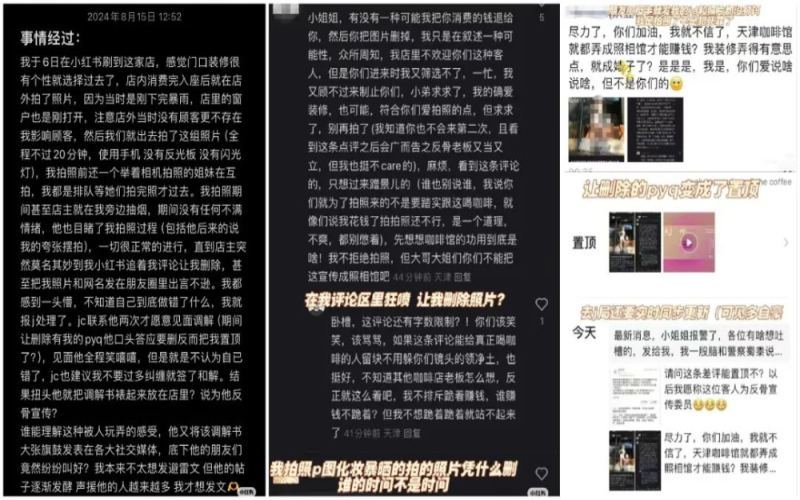
Coffee shop photo check-ins spark controversy: How should the boundary between shop owners and customers be drawn?
In today's era of thriving social media, coffee shops are no longer just places to savor coffee; they have also become popular check-in spots for many people's cameras. However, when photo-taking behavior evolves from personal documentation into commercial shoots or excessive posing, conflicts between shop owners and customers quietly emerge. A recent incident in which a shop owner framed and displayed a mediation agreement has once again made "whether photography is allowed in coffee shops" a hot topic of discussion. On one side is customers' desire to capture beautiful moments, and on the other is operators' consideration of maintaining the shop's atmosphere. How can both parties find a balance? This article will walk you through the whole incident and explore the boundary issues behind photo check-ins. [more…]
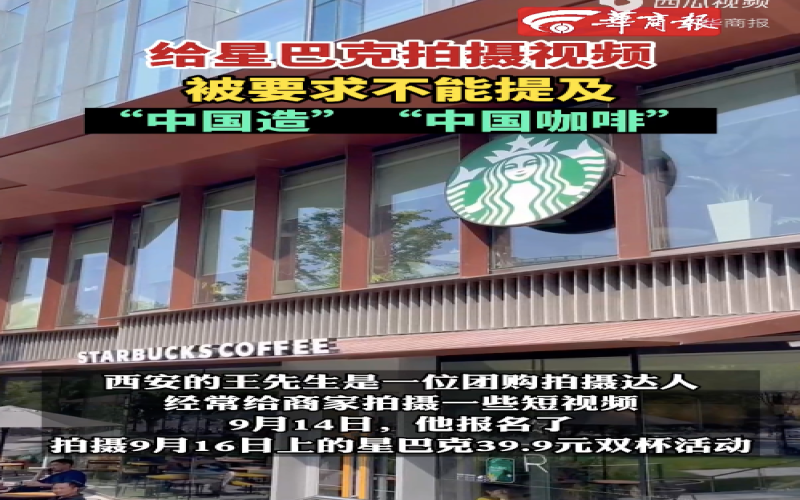
Starbucks Filming Event Exposed for Banning "Made in China" Talking Points, Participants Quit in Anger Sparking Heated Debate
Recently, a Xi'an group-buying video creator exposed that after participating in Starbucks' national talent scout recruitment and being successfully selected, they were asked to shoot a video for the 39.9 double-cup promotion launching on September 16, but the shooting requirements posted in the group explicitly stated: "Refuse to mention any wording related to Made in China or Chinese coffee." This requirement sparked dissatisfaction among many video creators, and several chose to quit the group in protest. Starbucks responded that it is verifying the matter, but as of press time has given no clear answer. The incident continues to ferment on social media, with netizens generally feeling confused. Front Street Coffee continues to follow developments in the coffee industry and brings you the latest report. [more…]
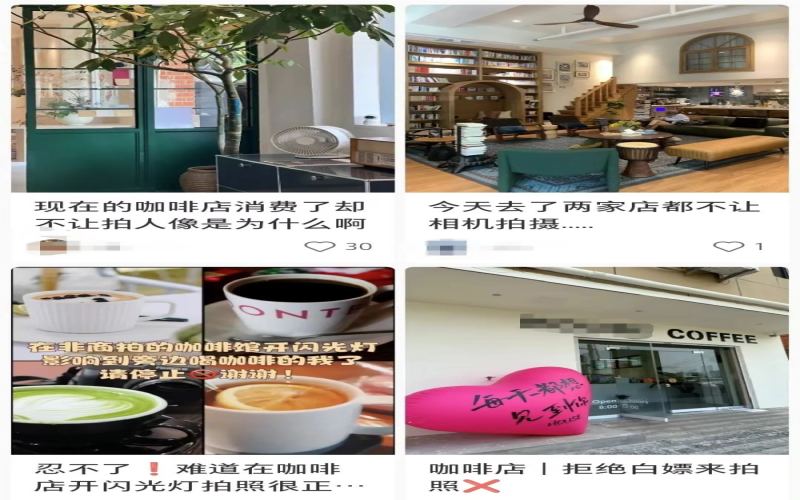
The gray area of store visits and commercial shoots is spreading, and many cafés have reluctantly posted notices refusing commercial photography.
In recent years, the trend of professional venue visits and commercial shoots has grown increasingly intense, forcing many cafés to publicly declare their refusal of unpaid commercial photography and venue-visit behavior. What was originally a mutually beneficial relationship between visit bloggers and businesses has now soured due to tactics such as false promotion by some individuals, using follower counts to extort free items, and malicious negative reviews. Some even go so far as to occupy public space for extended photo shoots with bags of equipment after purchasing only a single drink, seriously disrupting other customers' experience. Café owners, suffering immensely from these chaotic practices, have posted notices one after another to protect their in-store environment. This article will explore in depth the causes of this phenomenon, the real experiences of café owners, and their efforts to safeguard the peaceful atmosphere of their cafés. [more…]
Café Photo Chaos Sparks Controversy: Owners Forced to Set Limits, How to Balance Customer Experience and Commercial Shoots
In the age of social media, coffee shops have become popular photo spots for young people. However, more and more cafés are explicitly posting "No Photography" signs, and staff will even actively discourage customers who are taking photos. Behind this phenomenon is the frustration of shop owners over professional photography teams taking up space, disrupting the environment, and affecting other customers. Ordinary consumers want to enjoy a quiet atmosphere, while photography enthusiasts pursue the perfect shot—how can the needs of both sides be reconciled? This article explores the conflicts triggered by photography in coffee shops and highlights how brands such as Front Street Coffee value the in-store experience. [more…]
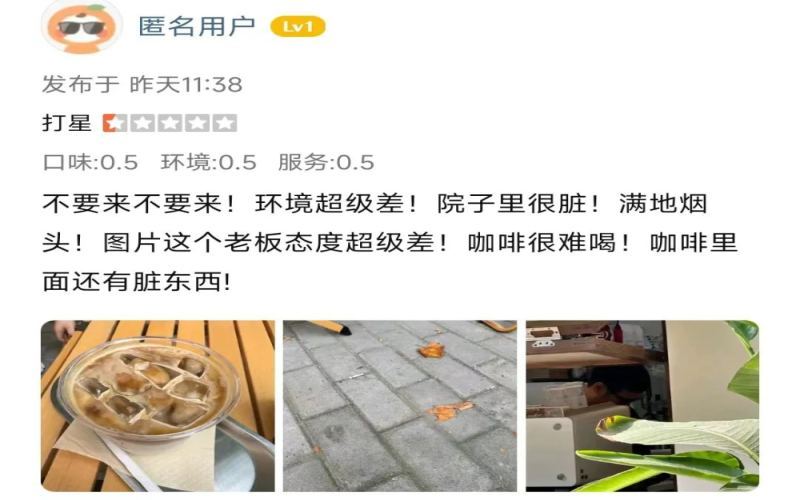
Coffee shop refuses commercial photo shoot, receives malicious negative review; surveillance footage reveals the entire process of a customer putting a foreign object into the coffee
Nowadays, it has become the norm to check review platforms before going out to spend money, and high ratings and bad reviews often sway people's choices. However, the review system can also be exploited by people with ulterior motives. Recently, a coffee shop owner revealed that because they refused a customer's request to do commercial photography inside the shop, they were anonymously given a 0.5-star bad review, and were even accused of having something dirty in the coffee. After checking the surveillance footage, the owner discovered that the so-called foreign object had actually been placed into the cup by the customer for a staged photo. After the incident came to light, it sparked heated discussion among netizens, with many lamenting how difficult it is for businesses to defend their rights, once again bringing the topic of coffee shops refusing commercial photography into the spotlight. [more…]
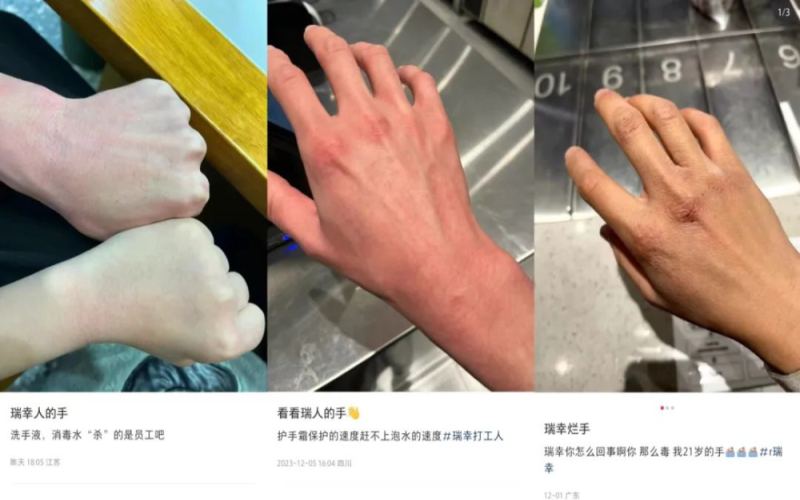
Investigation into Winter Hand Chapping Among Luckin Coffee Baristas: The Occupational Cost of Frequent Handwashing Standards
Every winter, hand health issues among Luckin Coffee baristas erupt in concentrated fashion. On social platforms, a large number of employees post photos of their cracked, red, swollen, or even bandaged hands, drawing widespread attention. Behind this phenomenon lies Luckin's extremely strict handwashing and sanitizing procedures: wash hands for more than 20 seconds every hour, change the sanitizing-water cloth every half hour, and clean again after touching anything. Frequent bare-handed contact with tap water and sanitizer causes severe damage to the skin barrier. Although the company does not prohibit wearing gloves, most partners choose to give up protection in order to speed up order output. This article deeply analyzes this industry phenomenon, presenting baristas' real situation and ways to cope. [more…]
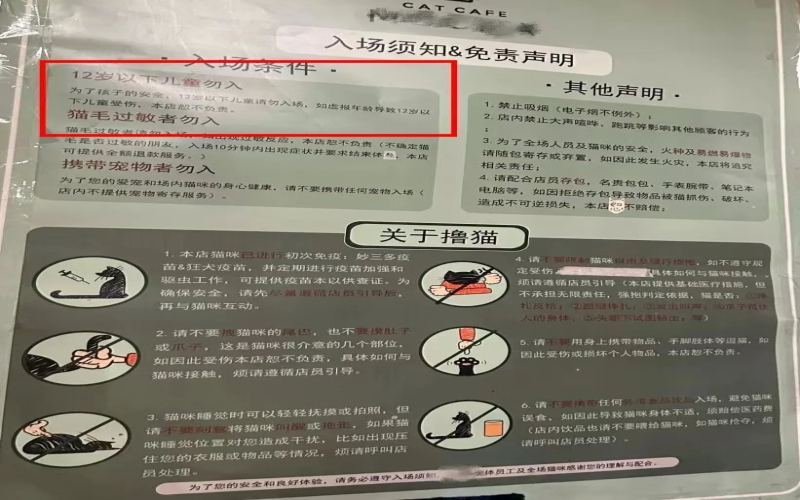
Coffee Shop's Refusal to Admit Young Children Sparks Heated Debate: Safety Consideration or Consumer Discrimination?
Recently, the topic of some coffee shops not admitting children has trended on Weibo, sparking widespread discussion. A cat café has a rule that children under 12 are not allowed to enter, with a strict ban on those under 6, citing concerns for children's safety. Many coffee shop owners have expressed similar stances: they hope to create a quiet space rather than restrict children's nature. Netizens have polarized views on this, with supporters believing that market segmentation is reasonable, while those concerned question whether it constitutes discrimination against consumers. Behind this debate lies the difficulty service industries face in balancing the needs of families with children and the desire for a quiet experience. Front Street Coffee has always focused on the intersection of coffee culture and social topics, and today we'll walk you through the ins and outs of this event. [more…]
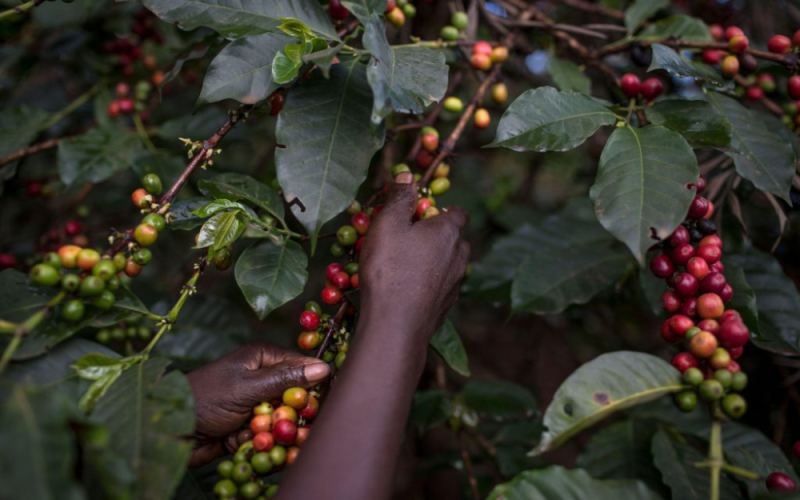
Jamaica Blue Mountain No. 1 Coffee Bean Flavor Analysis: From Typica Variety to Classic Taste and Brewing Key Points
Blue Mountain coffee is hailed as a classic in the coffee world, and only the Typica variety grown above 910 meters in elevation can truly bear the name "Jamaica Blue Mountain." This article starts from the terroir conditions of the Blue Mountain range, tracing the varietal evolution of Typica in Jamaica, the CIB grading standards, and how washed processing shapes the balanced, clean flavor of Blue Mountain No. 1. It also combines Front Street Coffee's roasting and brewing practices to share the specific parameters and techniques for extracting Blue Mountain No. 1 with the KONO dripper, helping coffee enthusiasts understand the unique charm of this national treasure-level coffee. [more…]
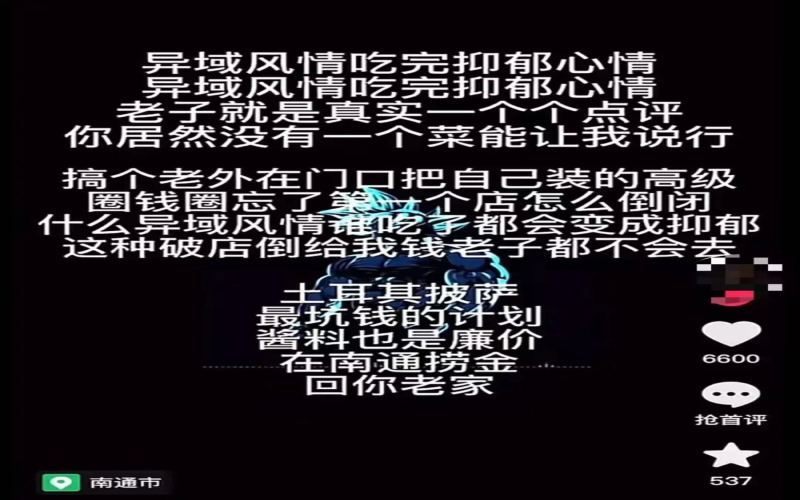
After skipping out on a 710-yuan bill, a探店 blogger apologizes and deletes the video, reigniting debate over the gray areas of influencer探店
Recently, a food exploration blogger in Jiangsu spent 710 yuan at a restaurant and left without paying. After being chased back by the waiter, the blogger posted a negative review video targeting the restaurant, and the incident quickly went viral and sparked widespread discussion. As the number of food exploration bloggers surges, chaos such as accepting money for false promotion, threatening free meals with bad reviews, and occupying seats for long periods to take photos keeps emerging. How should merchants and platforms respond? This article will recount the incident and take an in-depth look at the gray areas and industry dilemmas behind influencer food exploration. [more…]
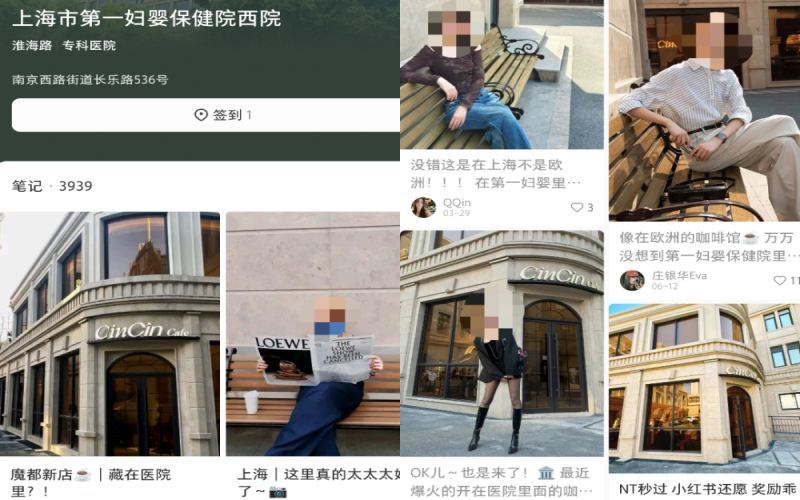
A European-style coffee shop inside Shanghai First Maternity and Infant Hospital has become a trendy photo spot, and the hospital has responded that it will strengthen management.
Recently, Shanghai First Maternity and Infant Hospital has seen its on-site European vintage-style coffee shop become a popular photo spot for many "influencers" on social media, with related topics continuing to gain traction. Many local residents have reported that the crowds of photo-takers have disrupted normal medical order. Why has this coffee shop become a photography hotspot? How have the hospital and the shop responded? The hospital stated that it will strengthen management by discouraging commercial photography, prolonged occupation of patient rest seats, and the use of large professional equipment such as fill lights, in order to ensure normal medical activities. [more…]
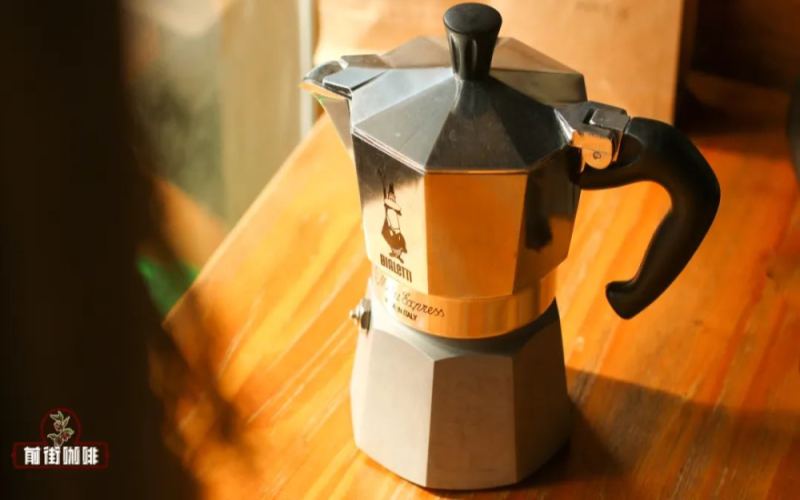
How many cups can a moka pot brew repeatedly? Is heating with an alcohol lamp feasible? Answers to three common questions
The moka pot, like an espresso machine, uses pressurized extraction to produce a strong coffee close to espresso. As coffee culture spreads, more and more people are picking up a moka pot, but beginners inevitably run into all kinds of problems when operating one. In this article, Front Street Coffee rounds up the three most common troubles encountered when using a moka pot: coffee shooting straight out, coffee failing to come out, and brewed coffee with no crema, along with the corresponding cause analysis and solutions for each. It also answers questions such as whether a moka pot can brew multiple cups in a row and whether a Bialetti moka pot can be heated with an alcohol lamp, helping coffee lovers better master this small yet practical device. [more…]
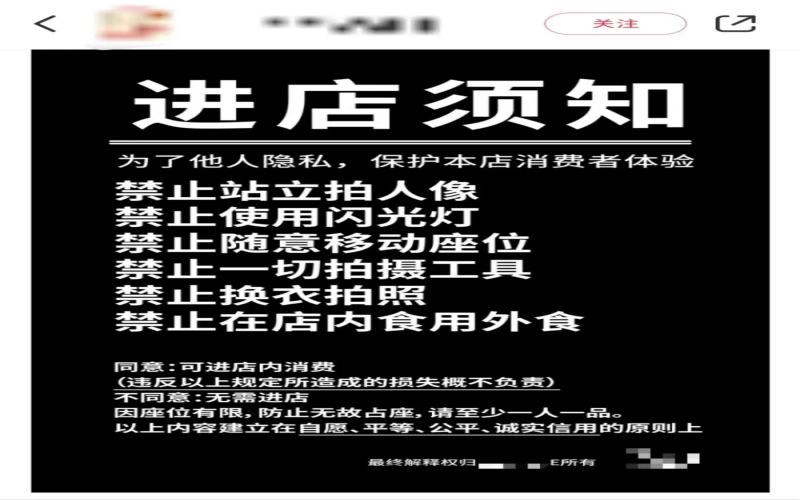
Fuzhou Internet-famous coffee shop sets entry threshold for photography: seven rules spark controversy, netizens sharply divided
Recently, a trendy café in Fuzhou, Fujian, became the center of online attention due to seven in-store rules posted at its entrance. The rules include prohibitions on standing to take photos, using flash, changing outfits for photoshoots, and all photography equipment; customers must agree to these terms before entering and making purchases. Some consumers reported that the café attracted traffic on social media by marketing itself as "photo-friendly," but upon arrival, they were told flash photography was not allowed, and even had disagreements with staff over the per-person ordering rule. The café responded that excessive posing for photos disrupts other customers' dining experience, and tables and chairs were damaged due to being moved around casually, so the rules were established to maintain the dining environment. Netizens have mixed opinions: some consider the rules reasonable as a matter of mutual choice, while others criticize the merchant's tone as too forceful. Front Street Coffee reminds that cafés, as public spaces, require mutual understanding from both sides to balance photography needs and dining experience. [more…]
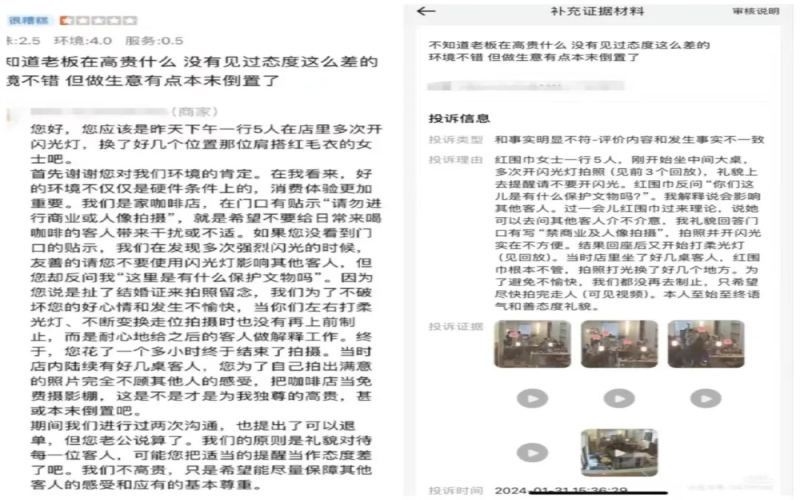
Independent Coffee Shops Plagued by Negative Reviews: The Business Pain Caused by Customers' Unauthorized Photography
Under the double pressure of chain-brand expansion and the post-pandemic economic downturn, independent coffee shops are finding it increasingly hard to stay afloat. Many small cafés barely survived three years of the pandemic, only to choose to close during the recovery period to cut their losses—partly out of economic helplessness, and partly because customer disputes left them disheartened. This article recounts one shop owner's experience of a customer illegally using a flash to take photos, then leaving a bad review afterward, with no recourse through appeals—reflecting the real difficulties and emotional toll independent cafés face in their day-to-day operations. [more…]
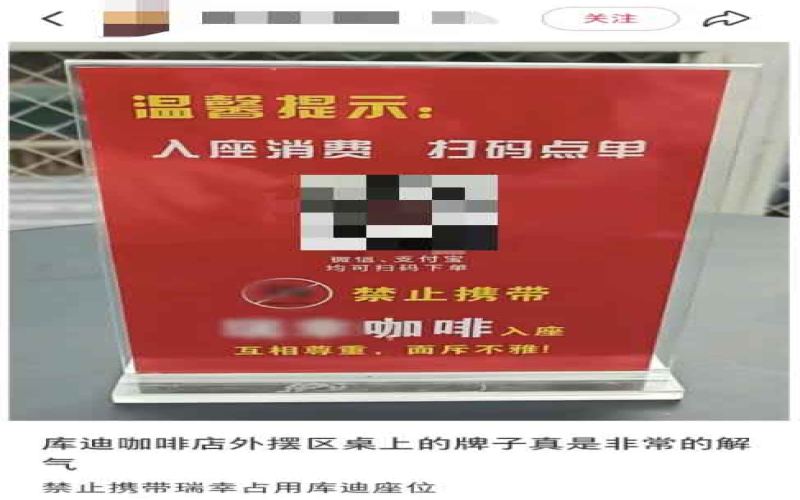
A Cotti Coffee store notice banning customers from bringing competitor coffee to sit in the store has sparked controversy, and the company officially responded that there is no unified requirement.
Recently, a netizen exposed that a certain Cotti Coffee store placed a notice sign in its outdoor seating area, explicitly prohibiting customers from bringing coffee of other brands to sit down, and marking competitor logos with a prohibition symbol. This practice quickly sparked heated discussion: supporters believe that businesses have the right to set consumption-based seating rules, while opponents question whether it涉嫌 excludes competitors and infringes on consumers' right to choose independently. As the topic trended on social media, Cotti officially responded that it had not uniformly required stores to use such notice signs and would verify the relevant situation. Behind the incident, the boundary between business autonomy and consumer rights has once again become the focus. [more…]
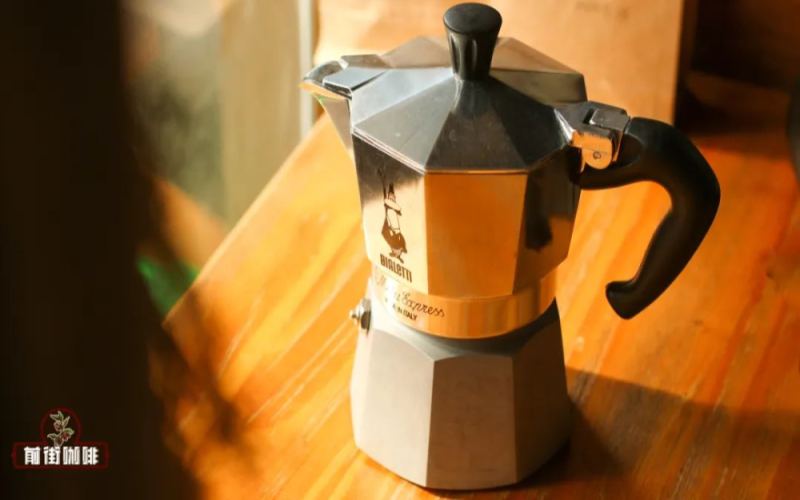
Key Operating Points and Common Troubleshooting for Moka Pot Espresso Extraction: Causes of Splattering, No Liquid Output, and Lack of Crema
The Moka pot, thanks to its pressure-based extraction principle, can produce espresso-like strong coffee at home, and is therefore regarded by many enthusiasts as a budget-friendly alternative to an espresso machine. However, beginners often run into various problems when using it, the most typical being violent spurting of the coffee, no liquid emerging for a long time, and brewed coffee with almost no crema. These issues are usually related to puck resistance, heat control, grind size, and bean freshness. Below, Front Street will analyze the causes of these three common problems one by one and offer corresponding adjustment solutions, along with recommendations for espresso beans suitable for use in a Moka pot. [more…]

An Analysis of the Differences in Picking Standards Between Tieguanyin and Phoenix Dancong: Classification of Tea Leaf Maturity from Unopened to Fully Opened
In tea leaf harvesting, besides the common one bud with two leaves and one bud with three leaves, there is also a classification based on the degree of opening of the new shoot's terminal bud: unopened, small open-face, medium open-face, and large open-face. The purpose of open-face picking is to enrich the tea's internal substances, thereby improving the quality of the finished tea. Different degrees of opening correspond to different levels of maturity, affecting the difficulty of leaf processing and the flavor of the finished tea: older leaves are easier to process, with a mellow taste and high aroma; tender leaves are harder to process, prone to a bitter aftertaste but with a strong flavor and good durability for multiple infusions. Oolong teas such as Phoenix Dan Cong and Tieguanyin have their own preferences for open-face standards, and high-quality black tea raw materials often use open-face leaves as well. In this article, Front Street Coffee combines changes in tea chemical composition to clarify for you the differences in picking standards between Tieguanyin and Phoenix Dan Cong. [more…]
How to Raise Coffee Seedlings and Establish a Plantation? A Systematic Cultivation Guide from Propagation and Planting to Pruning and Fertilization
The flavor foundation of a good cup of coffee is laid the moment the seed touches the soil. This article systematically outlines the complete technical chain of coffee from seedling propagation to plantation management: seed collection and washing in seed propagation, nursery establishment, germination acceleration and transplanting, and seedling-stage care; the key operational points of cutting and grafting in asexual propagation; and then extends to coffee plantation site selection and planning, land clearing and field planting, shade tree configuration, single-stem and multi-stem training and pruning techniques, as well as soil management measures such as weeding and mulching, deep plowing and soil improvement, and irrigation and fertilization. For enthusiasts who wish to gain a deeper understanding of the logic of coffee cultivation and build a systematic awareness from origin to cup, this is a solid technical reference. The variety terminology and operational standards involved in the [more…]

HEYTEA's "Buddha Joy Tea" collaboration was summoned for talks and taken down, as the commercialization of religious elements sparked both legal and public opinion scrutiny.
The "Buddha Joy Tea" series, a collaboration between Heytea and the Jingdezhen China Ceramics Museum, was urgently pulled from shelves just days after launch because it used religious figures such as bodhisattvas and arhats in commercial packaging. The Shenzhen Municipal Ethnic and Religious Affairs Bureau determined that it was testing the boundaries, and after being summoned for talks, Heytea quickly made corrections. This incident not only abruptly ended the viral popularity of the "Speechless Bodhisattva" cup, but also once again brought the legal red line on the commercialization of religious elements into public view. For the coffee and tea beverage industry, how co-branded marketing can strike a balance between creativity and compliance has become an issue that urgently needs consideration. Front Street Coffee always pays attention to industry trends and reminds brands that while chasing hot topics, they must not ignore the sensitive boundaries of law and culture. [more…]
Raw-pickled hairy crab paired with milk tea sparks debate; blogger's staged photo shoot questioned, experts warn against imitation
Recently, a short video showing raw drunken hairy crabs being added to milk tea cream and eaten quickly spread on social platforms, sparking widespread discussion. In the video, the blogger tasted this self-created drink at a popular milk tea shop, but it was later confirmed that the blogger had brought the crabs themselves for the staged video, and the shop did not sell the product. Netizens had mixed opinions on this behavior, while experts explicitly reminded the public not to imitate it, as eating frozen milk tea together with raw crab doubles the irritation to the stomach and intestines, and misleading the public for traffic is highly inadvisable. This incident also reflects the current situation in which the new tea beverage industry frequently engages in cross-sector innovation, but if innovation loses its boundaries, especially when food safety is involved, it is worth deep reflection. [more…]
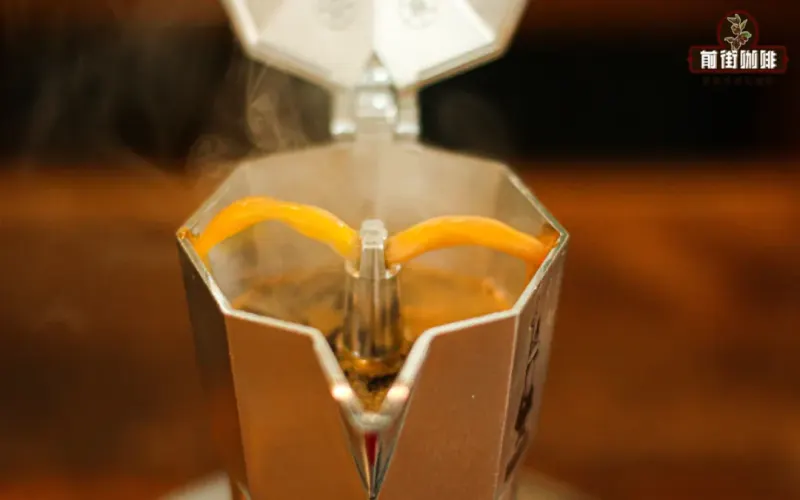
Why Does Moka Pot Brewing Produce the "Double Pigtails" Phenomenon? A Comprehensive Analysis of Five Key Operating Points and Principles
Friends who frequently use a moka pot have probably encountered the situation where the coffee flow suddenly turns from a thin stream into two violent jets of water—this is commonly known as the "double ponytail" phenomenon. Its appearance often means there was an operational error during the extraction process, ranging from making the coffee taste bitter and uneven to potentially posing a safety hazard. This article, from the perspective of Front Street, begins by outlining the pressure-extraction principle of the moka pot, then analyzes one by one the four key factors—adding too much water, coffee grounds being too coarse, uneven distribution of grounds, and excessive heat—along with corresponding adjustment suggestions. It will also share directions for choosing coffee beans suitable for moka pots, helping everyone consistently make a rich, well-balanced espresso at home. [more…]