







Search Results for: coffee turning sour

Why does pour-over coffee become sour and astringent after cooling? Analyzing three reasons for flavor changes and the ideal drinking temperature
A freshly brewed pour-over coffee is full of aroma and smooth on the palate, but after sitting for half an hour it turns sour, astringent, and muddled—what's going on? In fact, coffee naturally presents different flavors at different temperatures, and during tasting it is often divided into three stages: hot, medium, and cool. A good cup of coffee can usually withstand all three temperature stages, but once it has fully cooled, the flavor goes beyond the normal tasting range. From Front Street's perspective, this article breaks down the root causes of coffee turning sour and developing astringent, muddled notes after cooling—including differences in how human senses perceive sourness, sweetness, and bitterness, the impact of aroma volatilization, and the three key mechanisms of oil oxidation, pigment oxidative polymerization, and condensation—and tells you the most suitable temperature for drinking coffee, helping you better capture the best flavor of every cup. [more…]
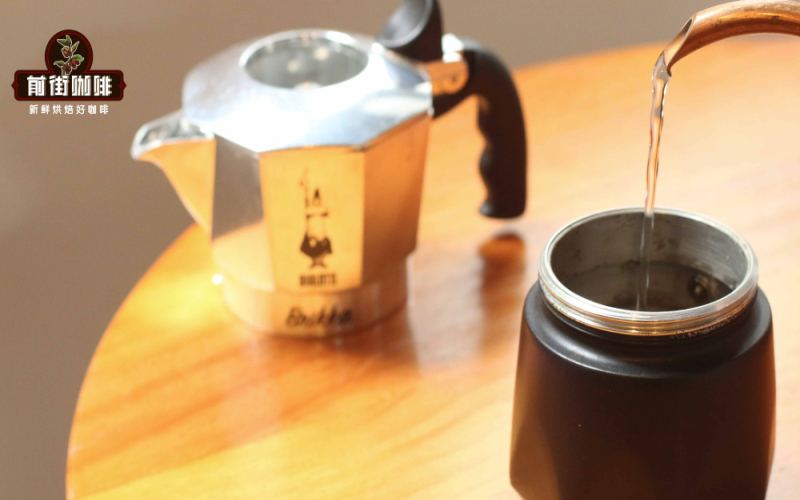
A Complete Guide to Moka Pot Brewing Techniques: From Bean Selection to Cleaning, a Practical Guide to Saying Goodbye to Overly Bitter or Sour Coffee
The Moka pot, with its unique pressurized extraction method, can produce rich and full-bodied coffee, but many enthusiasts often run into the problem of coffee that is too bitter or too sour. This article will start with the structural principles of the Moka pot, explain in detail the suitable types of coffee beans, including recommendations such as Front Street Coffee's classic espresso blend and Golden Mandheling, and then break down step by step the key stages of the brewing method, such as grind size, filling the basket, and heating. Addressing the three common problems of bitterness, sourness, and burnt flavor, the article provides specific adjustment solutions, and finally emphasizes the importance of daily cleaning and maintenance, helping you consistently extract a smooth cup of Moka pot coffee. [more…]
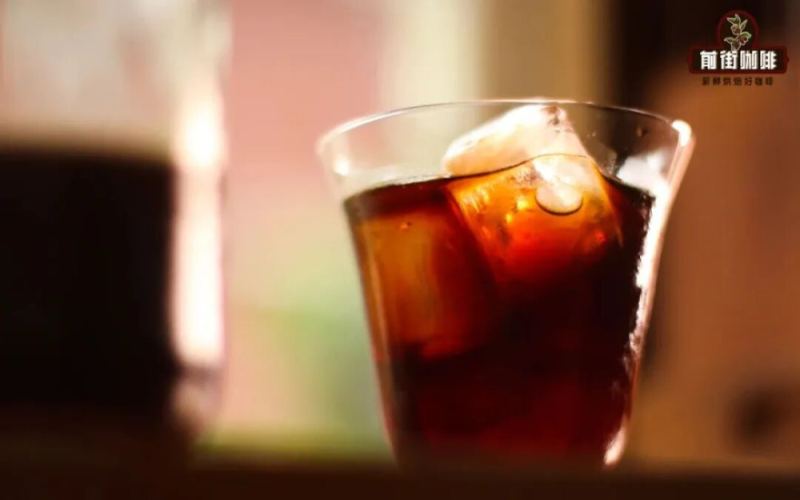
How do you adjust cold brew coffee when it turns out bitter or sour? Breaking down the key causes of over-extraction and under-extraction in low-temperature brewing
Cold brew coffee, with its smooth, full-bodied taste and lower acidity, has become the top choice for many people in summer. It uses cold or room-temperature water to steep coffee grounds for a long time; in a low-temperature environment, small-molecule floral and fruity notes are released first, while large-molecule roasted substances are difficult to dissolve, making it cleaner and softer than hot brewing. In practice, however, "too bitter" and "too sour" remain the two most common problems. This article analyzes the root causes of over-extraction and under-extraction in cold brew from the perspectives of roast level, grind size, steeping time, and filtration method, and offers practical adjustment tips from Front Street Coffee to help you make a balanced, easy-drinking glass of iced coffee. [more…]
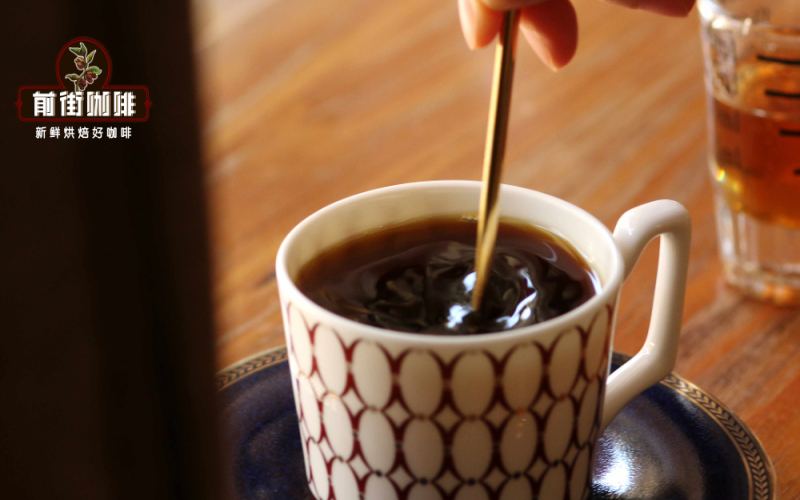
The Ideal Drinking Temperature and Storage Time Limit for Pour-Over Coffee: Will Storing It in a Thermos Cause It to Spoil and Turn Sour?
Freshly brewed coffee is rich in aroma, but after sitting for a while its flavor noticeably declines. Many coffee lovers often ask Front Street: at what temperature is coffee best enjoyed? How long can it be stored after brewing? This article will discuss these questions, analyzing the two aspects of coffee as it goes from hot to cold—the loss of aroma and the increase in acidity—and answering questions such as whether a thermos can be used for long-term storage and whether reheating can restore the original flavor, helping readers grasp the timing of coffee drinking in a more scientific way. [more…]
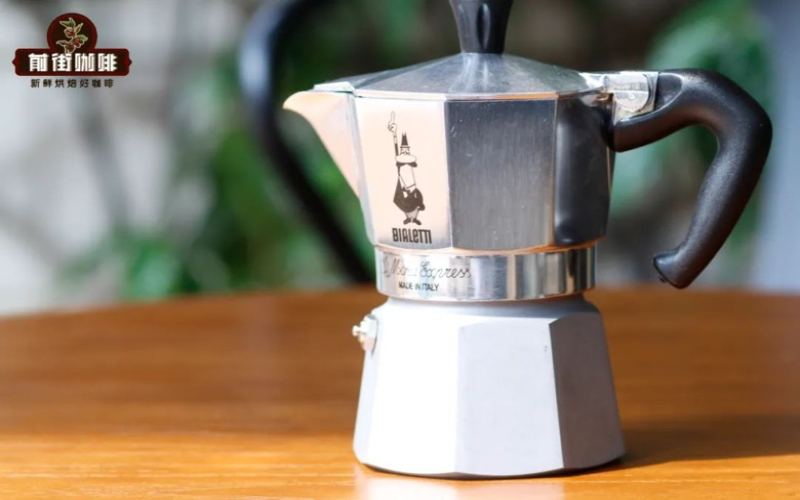
What to Do If Your Moka Pot Coffee Turns Out Too Bitter, Too Sour, or Burnt-Tasting?: Balancing Consistent Brews with Trying New Beans
The spectrum of flavor is far broader than just acidity and bitterness—aroma, sweetness, body, mouthfeel, and finish all lie along it. When choosing beans, it helps to first set a direction: floral and fruity, nutty and cocoa-like, or a balance of the two—then use origin, processing method, and roast level to find specific beans. The extraction principle of a moka pot is based on steam pressure, filling the filter with a layer of grounds. [more…]
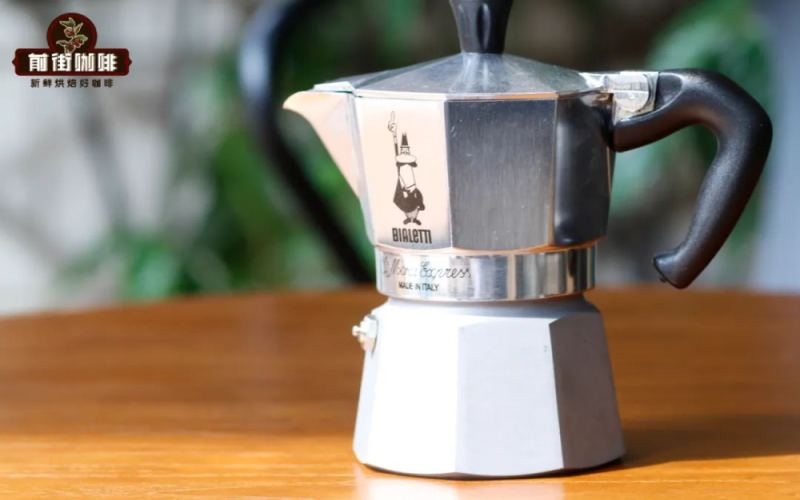
Moka Pot Coffee Brewing Ratios and Operational Details: How to Avoid Sourness and Extract a Rich Flavor
The moka pot, with its iconic design and the convenience of making strong coffee at home, is becoming increasingly popular among domestic coffee enthusiasts. But to brew a cup that isn't sour, is rich and full of aroma, there are finer points to master: the coffee-to-water ratio, grind size, and heat control. This article starts with the moka pot's three-part structure, explains its pressure-extraction principle and how it differs from espresso, then gives specific steps: how much water to put in the bottom chamber, how fine to grind the coffee, how much to fill, when to lower the heat, when to turn off the heat, and what makes a dual-valve pot special. It also pairs five Front Street Coffee beans suitable for the moka pot to help you choose the right medium-dark or dark roast coffee and easily achieve a low-acid, rich flavor. [more…]
Moka Pot Brewing Guide: From Bean Selection to Cleaning, Practical Tips to Fix Coffee That's Too Bitter or Too Sour
The Moka pot, with its unique pressurized extraction method, can produce coffee with high concentration and a steady mouthfeel, but many enthusiasts often encounter problems such as overly bitter, overly sour, or burnt-tasting results. This article will start with the structural principles of the Moka pot, explain in detail the suitable types of coffee beans, and guide you step by step through the brewing method, including water volume control, grind size selection, coffee dosing techniques, and heating points. For the three common flavor defects, it will analyze the causes one by one and provide adjustment solutions, while also recommending beans such as Front Street Coffee Classic Espresso Blend and Golden Mandheling. Finally, it emphasizes the importance of daily cleaning to help you consistently produce a smooth cup of Moka pot coffee. [more…]
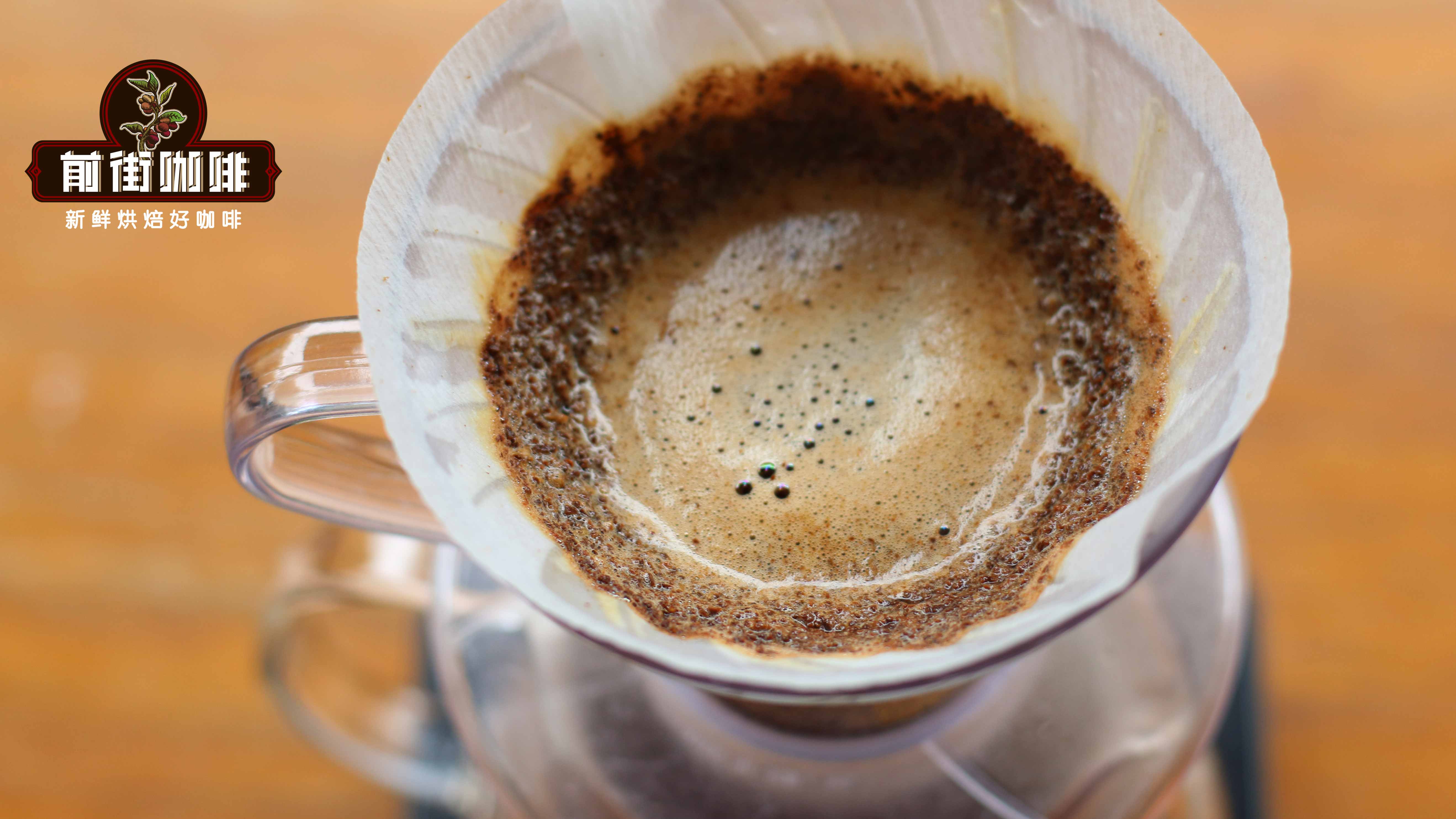
Analyzing the Causes of Acidity in Ethiopian Sidamo Natural-Process Pour-Over and a Three-Stage Brewing Adjustment Strategy
Many coffee enthusiasts who brew pour-over at home often run into the problem of coffee turning out either too sour or too bitter, making it hard to achieve the balanced, smooth result you get from a café. This article uses Front Street sun-dried Sidamo as an example to break down the specific operating parameters of three-stage pouring in detail, including coffee dose, coffee-to-water ratio, water temperature, and grind size, and explains that the different dissolution rates of sour, sweet, and bitter compounds in coffee are the fundamental reason why sourness stands out. The article further offers three practical adjustment approaches: increasing the amount of water poured, extending the extraction time, and raising the water temperature, helping readers flexibly revise their brewing plans based on the intensity of sourness and the level of concentration, so that sun-dried Sidamo can reveal softer, sweeter flavor layers. [more…]
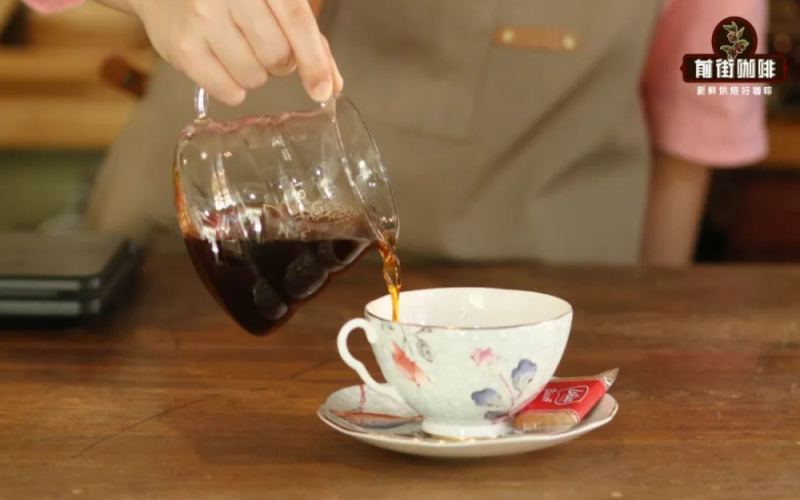
Why Does Pour-Over Coffee Taste Sour After It Cools? A Comprehensive Analysis from Aroma Loss to Taste Perception
Many coffee enthusiasts encounter a phenomenon when tasting pour-over coffee: as the temperature drops, the flavor of the coffee seems to change, sometimes even developing an unpleasant sourness. This is not a problem with brewing technique, but rather a series of physical and chemical changes that coffee undergoes as it goes from hot to cold. Front Street Coffee will take you on an in-depth look at the processes of aroma loss, oil oxidation, pigment polymerization, and condensation after coffee cools, while also explaining from the perspective of sensory science why the perception of sourness, sweetness, and bitterness on the taste buds changes with temperature. Through this article, you will understand the real reasons why coffee becomes sour or bitter after it cools, allowing you to view the relationship between coffee temperature and flavor more rationally and improve your tasting experience. [more…]
Where does the acidity in black coffee come from? Is coffee that isn't sour not considered good coffee?
Many coffee enthusiasts have encountered this confusion: you go to a café and order a black coffee, and it tastes so sour it makes you frown, yet the barista says this is just how coffee is supposed to taste, and that if you drink black coffee you have to accept the sourness. At the same time, some roasters claim that coffee beans are fruit, that they only have acidity and sweetness, and that any bitterness is a sign of bad beans. Do these claims really hold up? This article will, from the perspectives of the nature of coffee beans, the chemical changes during roasting, and the flavor characteristics of different origins, help readers clarify the relationship between "sour coffee" and "good coffee," and teach you to distinguish between a quality "fragrant acidity" and a "dead acidity" caused by negative factors. [more…]

Can Coffee Still Be Reheated After It Cools Down? Front Street’s Real Tests with Pour-Over and Flat White Reveal the Truth About Taste
When the weather turns cold, coffee cools down especially quickly, and many customers ask: can it be reheated? Before answering this question, we need to first understand what actually happens after coffee cools down. Temperature affects how the taste buds perceive sourness, sweetness, and bitterness, and it also causes volatile aroma compounds to gradually dissipate. This time, Front Street Coffee specifically conducted a comparative experiment, leaving a light-roast pour-over and a medium-dark roast Australian white to cool separately before reheating, to see just how big the difference is between the rewarmed coffee and coffee that is freshly made or fully cooled. The experimental results can help you make a more rational decision in winter about whether this cup of cold coffee is really worth reheating once. [more…]

Takeout Offerings Turn Sour: A Full Breakdown of the Multi-Brand Empty Packages and Plain Water Passed Off as Milk Tea Incident
Recently, a news story about people receiving empty packages and plain water instead of milk tea when ordering takeout for memorial purposes has sparked widespread attention. The incident originated from a 21-year-old young man nicknamed "Fat Cat" who jumped into a river to take his own life due to a romantic dispute. Netizens from various places, sympathizing with his plight, spontaneously ordered takeout to be delivered to the Chongqing Yangtze River Bridge as a tribute. However, some of the takeout bags contained only empty packaging boxes and plain water disguised as milk tea, involving well-known chain brands such as Mixue Ice Cream & Tea and ChaBaiDao. Staff at the stores involved, believing remarks that "other stores are all sending empty packages," mishandled the orders, provoking consumer anger. Lawyers pointed out that this act infringes on consumers' right to be informed and constitutes consumer fraud. The brands have apologized and made rectifications one after another, and regulatory authorities have stepped in. Front Street Coffee reminds that under any circumstances, businesses should operate in good faith and respect every order. [more…]

Moka Pot Coffee Bean Selection Guide: How to Choose Beans and Adjust Parameters for a Rich Espresso-Style Flavor That's Neither Sour Nor Bitter
To recreate the rich, full-bodied flavor of café coffee at home with a moka pot, the key lies in choosing the right coffee beans and mastering the operational details. This article starts with the basic steps for using a moka pot, then gradually breaks down how to brew coffee with a rich layer of crema by adjusting bean freshness, roast level, and grind size. At the same time, to meet the demand for a flavor that is neither sour nor bitter, it provides four specific recommendations from Front Street Coffee's espresso blends, including the Classic, Basic, Commercial, and Strawberry Candy blends, covering different flavor directions such as nutty, chocolate, caramel, and fruity notes, helping coffee enthusiasts easily make a cup of moka pot coffee with a strong aroma and balanced taste in a home setting. [more…]
Malaysian White Coffee Flavor Characteristics and Ingredient Differences: A Comprehensive Analysis from Its Ipoh Origins to Health Benefits
White coffee is a highly representative traditional specialty of Malaysia, with a history spanning over a century. It is not white in color; rather, it is made from three types of coffee beans—Liberica, Arabica, and Robusta—subjected to medium-light low-temperature roasting and special processing that greatly reduces caffeine, burnt bitterness, and astringency, resulting in a pale milky-golden hue and a mellow, gentle flavor. Compared with black coffee, white coffee differs fundamentally in bean selection, roasting methods, and brewing techniques; it contains no trans fats, has lower caffeine and calories, is gentler on the stomach, and does not easily turn sour after cooling. This article will systematically outline the flavor components, processing characteristics, historical origins, health benefits, and brewing methods of white coffee, offering you a comprehensive understanding of this classic Nanyang coffee. [more…]

SCAA Pour-Over Specialty Coffee Flavor Wheel High-Resolution Download and Systematic Knowledge of Flavor Terminology
The coffee flavor wheel is a recognized tasting tool in the specialty coffee community, but when faced with descriptors like citrus, berries, nuts, and chocolate, many people don't know how to match them. Starting from the high-resolution image of the latest SCAA flavor wheel, this article systematically sorts out the compositional logic of coffee flavor: the relationship between the four basic tastes of sour, sweet, bitter, and salty and the roast level, the proportion data of each taste substance, the subdivision of the acidity spectrum, bitterness spectrum, sweetness spectrum, and saltiness spectrum, as well as an item-by-item analysis of the nine major flavor groups including floral and fruity, green and herbal, nutty and cocoa, sweet, spicy, sour and fermented, alcoholic fermented, roasted, and other. The article also intersperses Front Street Coffee's daily training methods and representative bean recommendations, helping readers build a complete tasting framework from smelling to drinking. [more…]
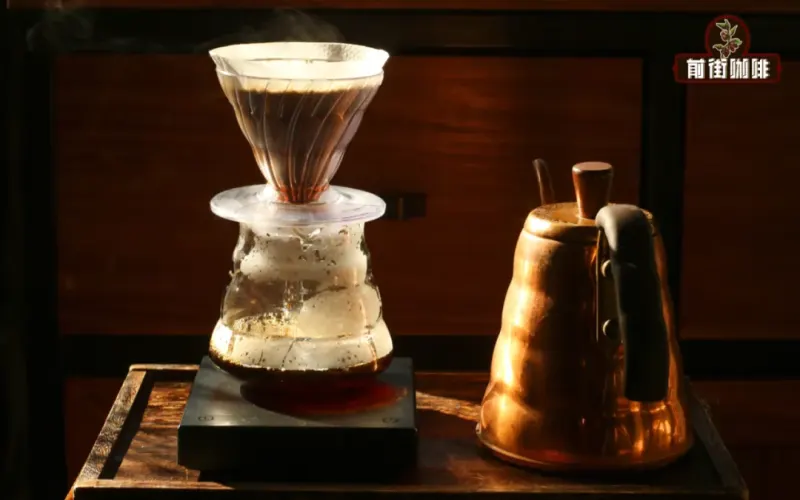
An Analysis of the Causes of Overly Sharp Acidity in Pour-Over Coffee: A Comprehensive Discussion from Under-Extraction to Flavor Imbalance
Many coffee enthusiasts who brew pour-over at home often run into the problem of coffee turning out sharply sour and hard to drink. Compared with dark-roasted beans, light-roasted coffee has a smaller margin for error during brewing, and the odds of a bad brew are noticeably higher. Front Street Coffee's stores frequently receive this kind of inquiry, and "the coffee is too sour" is the most common issue that comes up. Coffee itself naturally has acidity, but what troubles people is usually acidity that is overly sharp and unpleasant. Drawing on Front Street's practical experience, this article systematically sorts out why pour-over coffee can turn out sharply sour, helping everyone understand the causes behind it so they can find adjustment solutions that suit them. [more…]

The Extraction Principle of the Moka Pot | Which Everyday Coffee Beans Are Suitable for Moka Pot Brewing? What Recommendations Are There for High-Cost-Performance Specialty Coffee Beans That Are Neither Sour Nor Bitter?
The biggest advantage of a moka pot is how simple it is to use! It's great for beginners making coffee, and also for experts who want to experiment with the coffee-to-water ratio and extraction level. The pot consists of three parts, and it only takes three steps from start to finish: add water, add coffee grounds, and heat, and you can extract a shot of espresso. When we heat the moka pot, the water in the bottom chamber heats up first. [more…]
What coffee beans should you choose for making cold brew at home? A complete guide from bean selection to the extraction steps
Guangzhou's summer is unbearably hot and humid. Rather than going out and being scorched by the high temperatures, it's better to make a glass of iced cold brew yourself. Cold brew isn't actually complicated—as long as you have coffee beans and ice water, you can get started. However, beans of different roast levels will show completely different flavor directions when soaked at low temperatures—light roasts tend to turn sour, dark roasts tend to turn bitter or even lose their aroma, so medium-roast beans are a more reliable choice. This article will first help you pick suitable coffee beans according to your taste, recommend a few classic options from Front Street Coffee, and then walk you through key parameters such as the coffee-to-water ratio, grind size, and refrigeration time, so you can consistently make a cup of cold brew at home with balanced acidity and sweetness and full-bodied fruity notes. [more…]
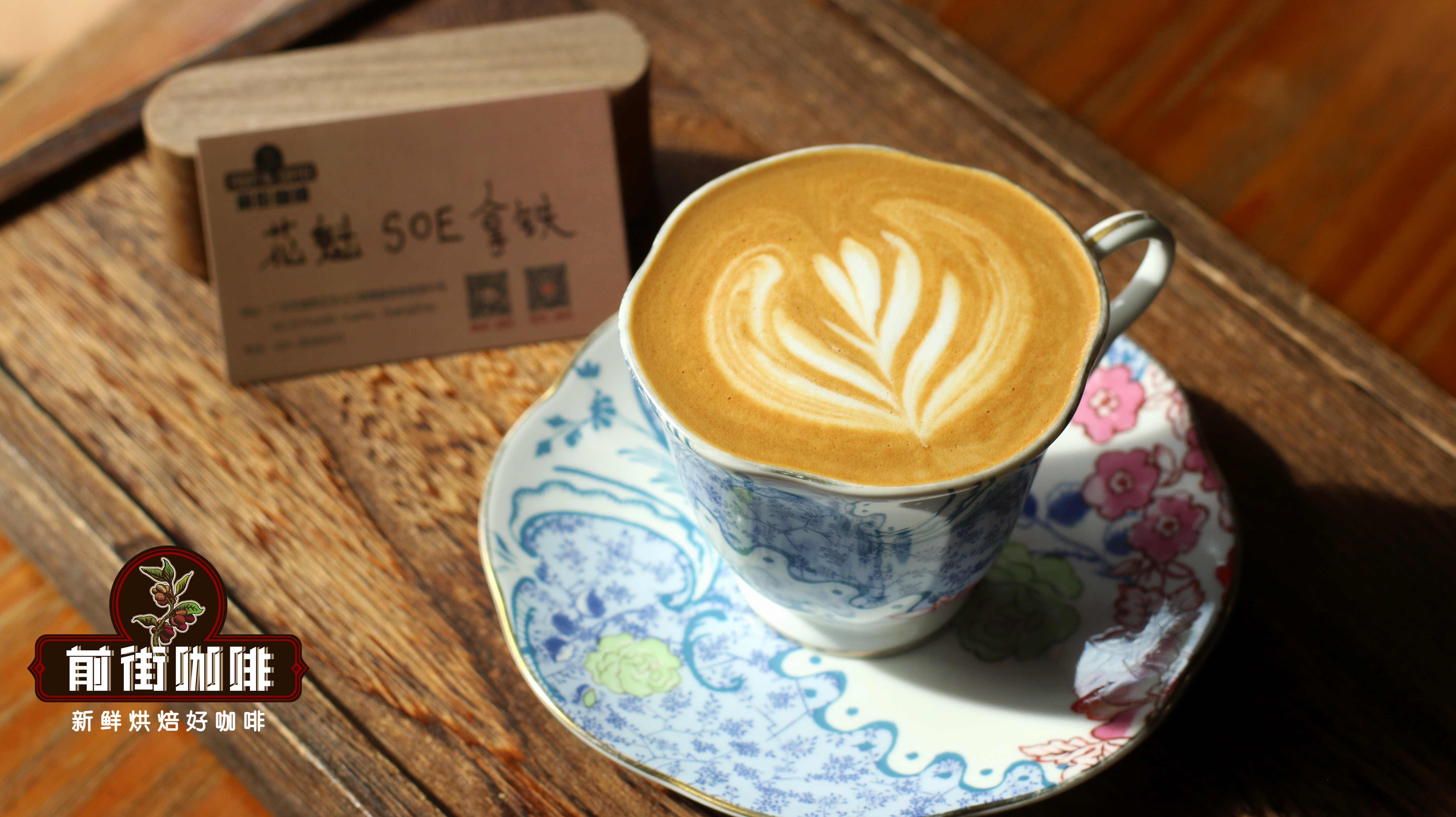
An In-Depth Analysis of Ideal Extraction Parameters for SOE Espresso and Common Sourness and Astringency Issues
SOE, as an espresso made from single-origin coffee beans, has gained attention for its distinct origin flavors. However, an espresso machine, under high temperature and pressure, magnifies the beans' inherent flavors exponentially; if light-roasted beans are used, fruity acidity can easily turn into an unpleasant sourness. To craft a clear-styled, balanced SOE, careful consideration is needed from bean selection and parameter settings to drink pairing. This article takes several Front Street Coffee SOE beans as examples to break down extraction standards and preparation procedures in detail, helping coffee enthusiasts avoid common pitfalls and recreate a sweet, smooth SOE beverage at home. [more…]
Why Does Coffee's Flavor Take a Big Hit When It Cools? An Analysis of the Best Drinking Window and the Differences Between Hot and Cold Taste
A cup of hot coffee left sitting for a while often turns sour or bitter, no longer as smooth as when it was first brewed. This is partly due to the continued loss of volatile aromatic compounds within the coffee, and partly related to differences in how the human body perceives taste at different temperatures. Sweetness is most prominent near body temperature, while as the temperature drops, the intensity of sourness and bitterness relatively increases. Ice hand-brewed coffee likewise faces the problem of dilution in concentration after the ice melts. So, within how long should coffee really be finished? Can it be reheated to restore its original flavor after cooling? Front Street Coffee has provided answers through experiments, and this article will analyze these phenomena one by one to help you enjoy your coffee at the optimal moment. [more…]