







Search Results for: coffee suppliers
Amid Fierce Competition Between New Tea Beverages and Coffee, Upstream Ingredient Suppliers Usher in a Collective IPO Wave
While Heytea, Nayuki, Starbucks, and Luckin are battling it out on the front lines over co-branded collaborations, new product launches, and price wars, few have noticed that a group of suppliers behind them is quietly rising. From Jiahe Foods to Sanyuan Biology, from Tianye Shares to Hengxin Life and Dexin Foods, an increasing number of raw material and packaging companies behind new-style beverages are beginning to sprint toward the capital market. Some of these companies provide non-dairy creamers and sugar substitutes, some supply fruit juice concentrates and flavored syrups, and others specialize in producing paper cups and plastic cups. While terminal brands fight in a red ocean, upstream suppliers have seized the momentum to grow bigger, raked in huge profits, and collectively embarked on the path to listing. [more…]
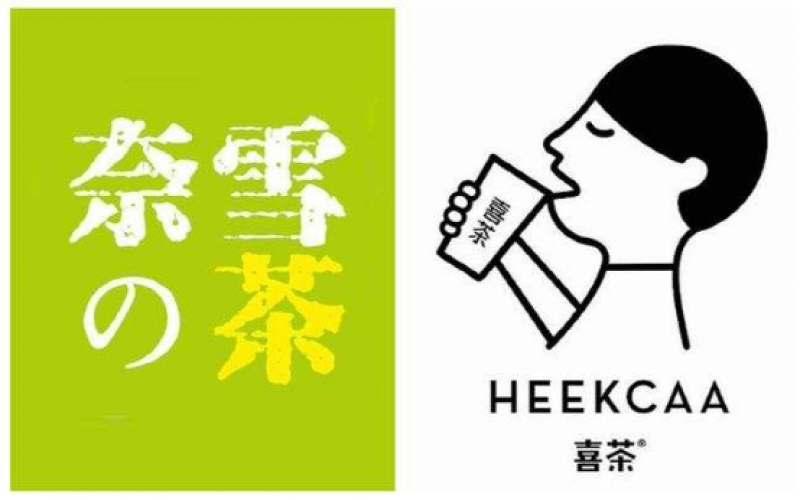
Competition Between New-Style Tea Drinks and Coffee Intensifies, Upstream Suppliers Become the Biggest Winners Lining Up for IPO
While brands like Heytea, Nayuki, Starbucks, and Luckin are fiercely battling it out in the end market—rolling out collaborations, launching new products, and cutting prices in turn—it is actually the ingredient and packaging suppliers behind them that are quietly making a fortune. From Jiahe Foods to Sanyuan Biology, from Tianye Co. to Hengxin Life, and on to Dexin Foods, a group of supply chain enterprises for the new-style beverage industry are collectively sprinting toward the capital market. They serve well-known brands such as Uni-President, Xiangpiaopiao, CoCo都可, Mixue Bingcheng, Genki Forest, Nayuki, and Luckin, and have achieved soaring performance through products such as sugar substitutes, juices, paper cups, and syrups. This article will sort through the listing landscape of these low-key suppliers and reveal the real path to riches for upstream enterprises under the wave of new consumption. [more…]

A Coffee Bean Procurement Guide for Small Cafés: Supplier Channels and Key Points for Selecting Commercial Beans
Opening a small coffee shop means that the coffee bean sourcing channels and supplier choices directly determine product quality and operating costs. This article outlines five common coffee bean sourcing methods for small coffee shops, including local ingredient suppliers, professional coffee bean suppliers, training institutions, online brands, and self-purchased green beans for roasting. It also explains the conditions that high-quality commercial coffee beans should meet across five dimensions: freshness, quality consistency, value for money, variety richness, and crema performance. At the same time, drawing on the practical experience of Front Street Coffee, it introduces packaging one-way valve design, roast date labeling, blend recipe stability, and the cost advantages of commercial blends, providing a reference for coffee shop operators looking for a suitable coffee bean wholesaler. [more…]
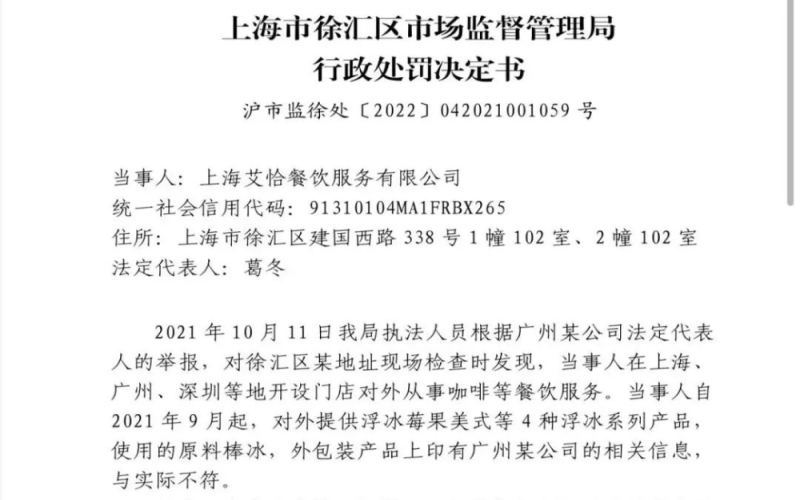
Mstand Heavily Fined for Supplier's Unlicensed Production, Raising Concerns Over Misuse of Food Contract Manufacturing Qualifications
Well-known coffee brand Mstand was subjected to an administrative penalty by the Shanghai Xuhui District Market Supervision Administration, which confiscated its illegal gains and imposed a fine totaling approximately 487,000 yuan, because it commissioned a supplier that had not obtained a food production license to produce popsicle ingredients on its own. The incident originated from the supplier fraudulently using a third party's qualifications, exposing loopholes in qualification review in the food contract manufacturing sector. This article provides a detailed review of the penalty process, the amount involved, and the legal basis, and explores the difficulties small coffee brands face in compliant production. At the end, it also includes professional coffee knowledge exchange channels and Front Street Coffee recommendations for coffee enthusiasts' reference. [more…]
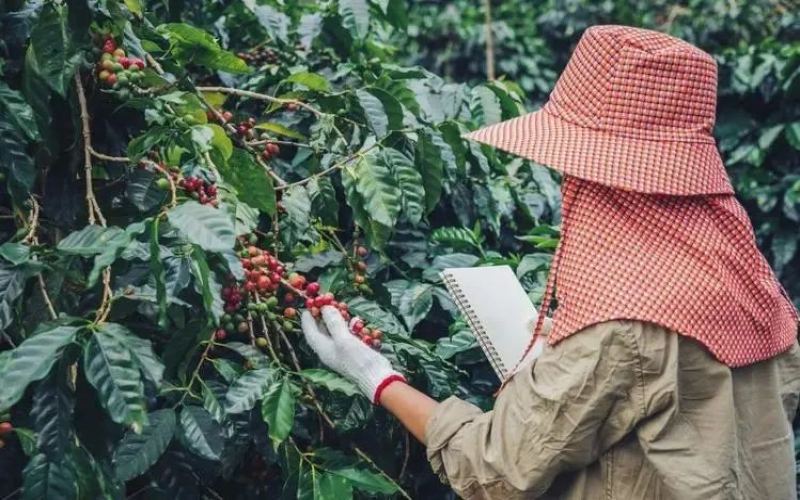
Vietnamese coffee suppliers demand renegotiation as robusta prices hit a 28-year high, worsening global supply tightness
Global robusta coffee prices recently surged to their highest point in 28 years. In Vietnam, the largest supplier, coffee farmers and producers, facing a poor harvest, are demanding renegotiation of previously locked-in low-price contracts with buyers. Vietnam's 2022/23 coffee crop was the worst in six years, and coupled with the Red Sea crisis driving up shipping costs, traders have begun turning to Brazil for procurement, continuously tightening the robusta supply chain. Faced with this situation, coffee enthusiasts may feel the pressure from their daily consumption, while brands like Front Street Coffee are also closely monitoring developments in the producing regions to select trustworthy robusta products for consumers. [more…]

Ethiopia's Coffee Industry Credit Default Dilemma and the Controversy Over Vertical Integration Policy
Recently, Ethiopia's coffee industry has been thrown into chaos by a wave of credit defaults. Coffee farmers who supplied coffee beans to exporters and suppliers on credit have been waiting in vain for payment, with the amount owed reaching into the billions of birr. Some farmers have even committed suicide out of despair, and radicals have attempted to rob exporters of their property. The government blames the problem on the "vertical integration" plan introduced five years ago and fully implemented two years ago, which replaced the original ECX trading model and was intended to allow coffee farmers, suppliers, and cooperatives to export coffee directly and benefit from international price incentives. However, at a meeting between the government and growers on March 8, 2024, both the Minister of Agriculture and the Director General of the Coffee and Tea Authority held that the benefits of vertical integration outweigh the drawbacks, that defaulters are only a minority, and that violators have already been blacklisted. But coffee farmers and producers say that banks' suspension of loans and the National Bank's 14% credit growth cap have led to the market being controlled by a handful of wealthy exporters, leaving them with no choice but to sell on credit. Last year, 90% of coffee was exported through the vertical integration plan, and farmers are calling on the government to regulate the market. Front Street Coffee reminds that this incident highlights the importance of fair trade and financial support in the coffee industry chain. [more…]
Café Desserts Marked Up Nearly Tenfold Spark Heated Debate, Sam's Club Revealed as Behind-the-Scenes Supplier
Recently, some consumers have discovered while exploring cafés that the exquisite desserts served at the table are actually Sam's Club Swiss rolls and lime cakes, yet the price is nearly ten times higher. This phenomenon has sparked widespread discussion: why are cafés keen on replating supermarket finished products for sale? Why do consumers feel dissatisfied? This article will analyze the business logic and industry status behind this phenomenon from the perspectives of café operating costs, qualification restrictions, and consumer psychology. [more…]
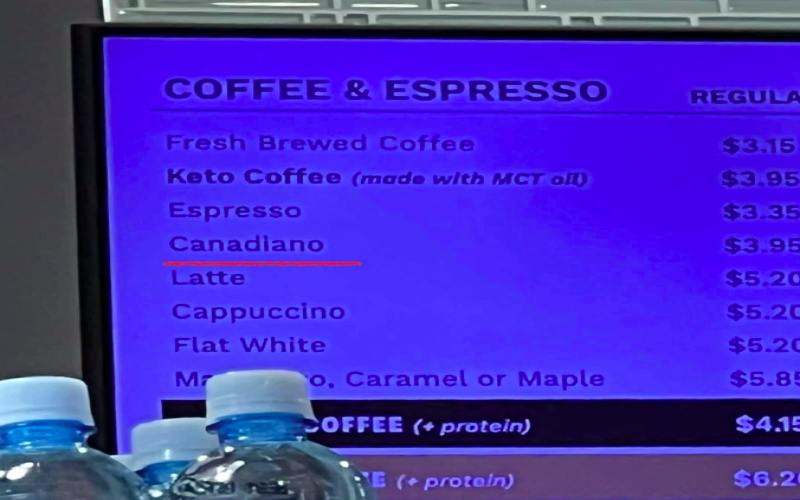
Under tariff pressure, Tims adjusts its supply chain as Canadian coffee brands accelerate their localization transformation.
The U.S. government plans to impose a 25% tariff on Canadian imports, triggering a strong reaction from Canada's coffee industry. Some independent cafes are renaming "Americano" to "Canadiano" in protest, while the domestic chain brand Tims has chosen to tackle the issue at the supply chain level, planning to reduce its reliance on American suppliers and shift toward local sourcing. However, this adjustment could affect multiple links such as coffee beans, ingredient materials, and packaging materials, thereby impacting product taste, packaging, and even pricing. At the same time, Canadian consumers' acceptance of "100% localized" products remains to be seen, as the previously launched local egg breakfast series met with a cold market reception. [more…]
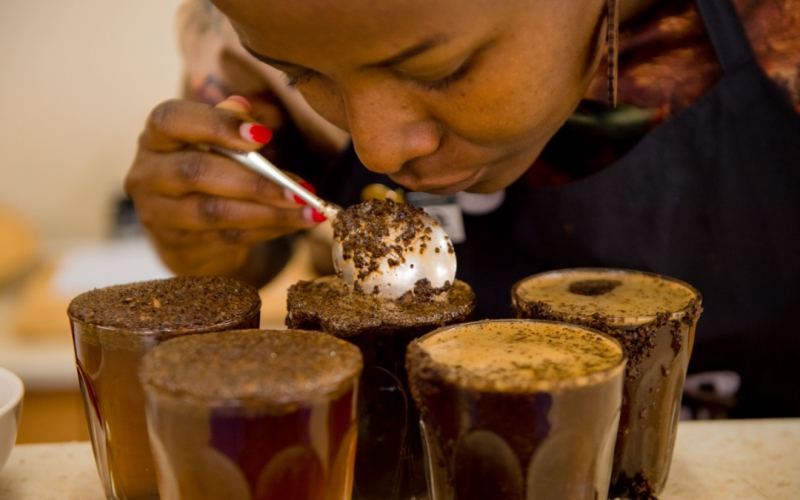
Rwanda Overtakes Uganda to Become Kenya's Largest Coffee Supplier
Data from the Kenya Agriculture and Food Authority (AFA) for the September quarter shows that Rwanda accounted for 43% of Kenya's total coffee imports, reflecting growing confidence in the quality of Rwandan coffee beans. Meanwhile, Uganda's coffee export value to Kenya fell sharply, although in terms of unit price [more…]
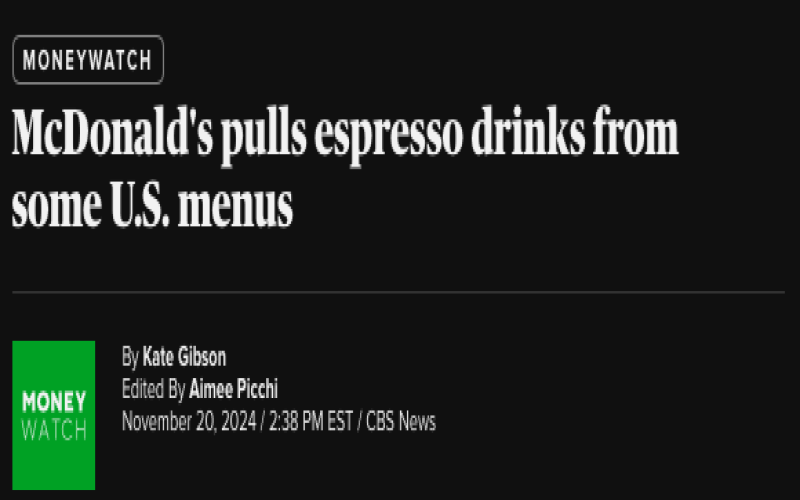
Some McDonald's locations have been reported to have steam explosion hazards in their coffee machines, leading to a suspension of related beverage supply in the US and Canada.
McDonald's recently suspended the use of certain coffee machines at some restaurants in the United States and Canada after its coffee machine supplier, Melitta, reported safety hazards with the equipment, leaving espresso-based drinks, hot chocolate, and other products unavailable. According to CBS News, Melitta found that a component of the coffee machines may be defective, potentially causing a steam explosion and damaging the equipment, and inspections and investigations could last three weeks. McDonald's has more than 14,000 restaurants across the United States and sells nearly 8 million cups of coffee every day. The incident has affected multiple cities, including Atlanta, Dallas, Pittsburgh, New York, and Tampa. The brand said it is assessing the scope of the impact and working closely with the supplier to restore supply as soon as possible. [more…]
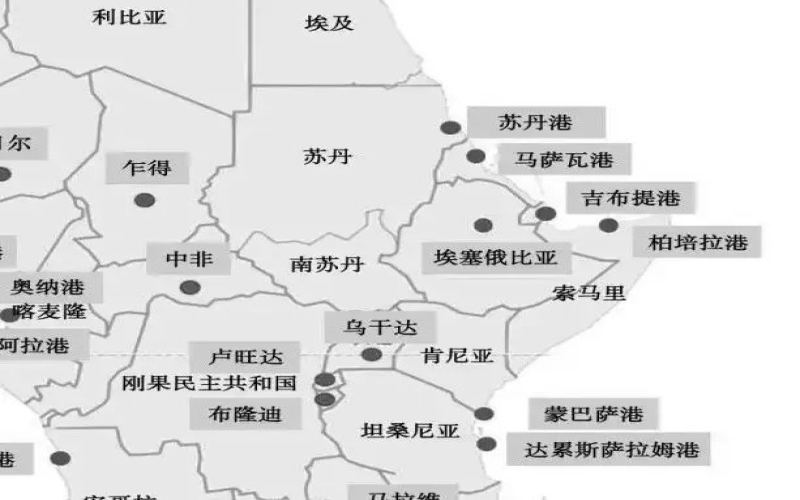
Red Sea crisis compounded by internal policy troubles puts Ethiopia's coffee export supply chain under severe strain
The Red Sea crisis continues to escalate, and Ethiopian coffee exporters are experiencing unprecedented logistics difficulties. Only one ship docks at the Port of Djibouti each month, leaving large quantities of coffee beans stranded at the port, while turning to Kenya's Port of Mombasa means facing a long overland transport route. At the same time, domestic policy factors such as the "vertical integration" plan and caps on bank loan growth are further disrupting the supply chain. Growers and suppliers are owed billions of birr in receivables, which has even triggered violent clashes and suicides. Coffee exporters are calling on the government to come up with a long-term solution rather than temporary fixes. This article will provide an in-depth analysis of how this multifaceted crisis is striking at the export lifeline of a globally important coffee-producing region. [more…]

What coffee beans should you choose to make Americano? A professional analysis of premium Americano coffee bean brands and key buying points
To make a delicious Americano at home or in a shop, the choice of coffee beans is crucial. Faced with a dazzling array of brands and rankings on the market, how do you find coffee beans that truly suit you, with stable quality and freshness? This article, drawing on the practical experience of Front Street Coffee, systematically sorts out the logic of selecting Americano coffee beans, including the five major standards for commercial beans, the formulation approach for espresso blends, the principles behind crema formation, and the common sourcing channels for small cafés. It also introduces in detail Front Street Coffee's advantages in espresso bean stability, cost-effectiveness, and fresh roasting, providing a practical reference guide for coffee enthusiasts and industry professionals. [more…]
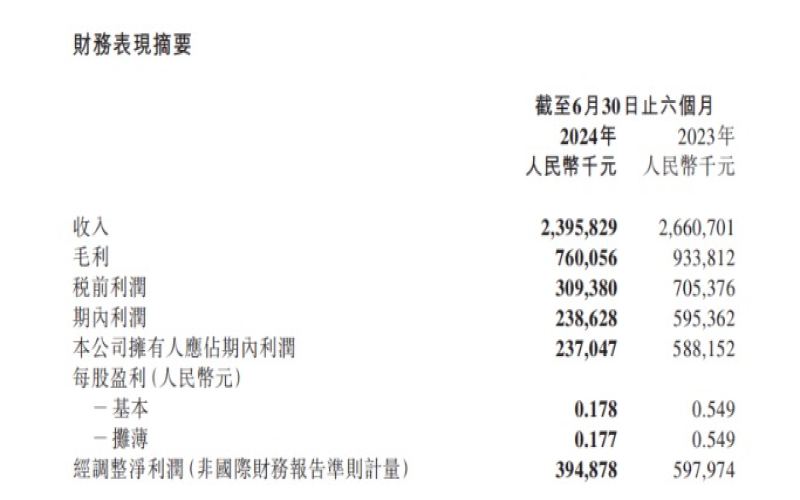
Tea Baidao's first semi-annual report after listing is out: net profit fell nearly 60% year-on-year, with franchise support and supply chain weaknesses in the spotlight.
The first half-year report delivered by ChaPanda after its listing in Hong Kong shows that both revenue and net profit declined in the first half of 2024, with net profit falling by nearly 60% year-on-year. The company attributes this to increased support for franchisees and greater market investment. At the same time, the number of stores continues to grow, but its market value has shrunk significantly, and its reliance on external suppliers for its supply chain is also seen as a key weakness. This article will sort through the core data in the financial report, the adjustments to franchise policy and their knock-on effects, and compare the competitive landscape of the industry, to help coffee and tea beverage enthusiasts understand the challenges this brand currently faces. [more…]
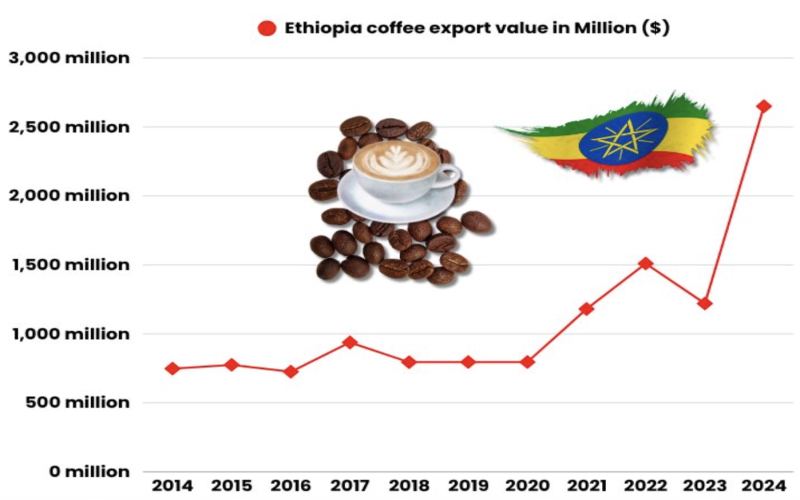
2024-2025 Ethiopia Coffee Export Report: Ethiopia's Main Coffee Export Destinations and Production
Ethiopia is not only the birthplace of Arabica coffee but also one of the world's major suppliers of high-quality coffee beans. Coffee occupies a central position in Ethiopia's economy, culture, and trade. In 2024-2025, Ethiopia's coffee export volume and export revenue both reached historic highs, marking [more…]
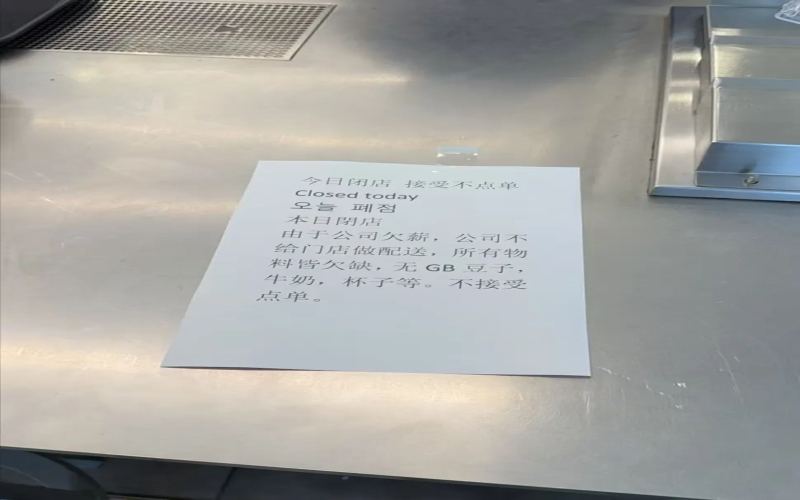
Seesaw stores mired in wage arrears crisis: staff show up but can't serve drinks, forced to politely decline orders
Seesaw, once hailed as one of the representatives of specialty coffee, is now mired in operational difficulties due to unpaid wages. Although employees at its Shanghai IFC store report to work on time, the company's wage arrears and cut-off of supplies have made it impossible to prepare drinks, forcing them to post a notice in Chinese, English, Korean, and Japanese to politely decline customer orders. From unpaid supplier payments to labor arbitration by former employees, from the founder being repeatedly subject to consumption restrictions to more than sixty economic disputes, this former coffee star brand is experiencing an unprecedented crisis. Many loyal customers have expressed regret and lament, while others have called on the brand to handle employee rights and interests with dignity. [more…]
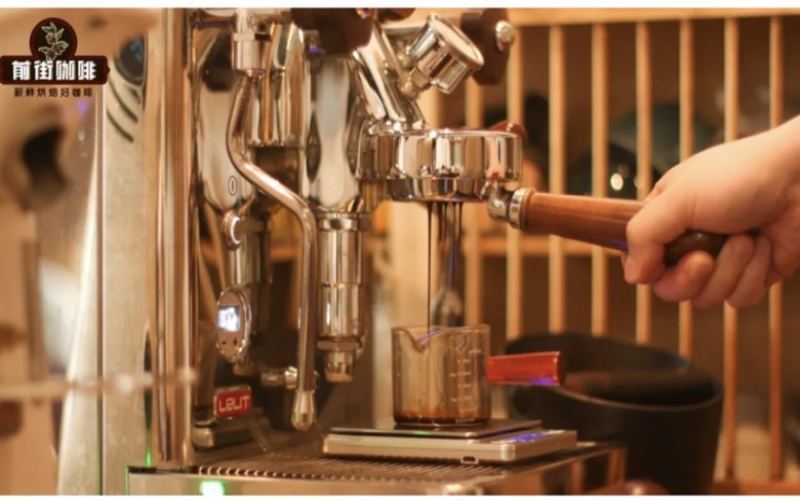
Sourcing commercial beans: factor delivery lead time into your costs first
Many new shop owners only look at the price per kilogram when calculating bean costs, but they never factor in the cost of a supply cut-off. On a certain Sunday afternoon, the beans in the grinder ran out, the warehouse was empty, and what would they use to serve drinks during the next morning rush? Choosing commercial beans is half about flavor and half about supply. Flavor can be selected through tasting, but supply, however, [more…]
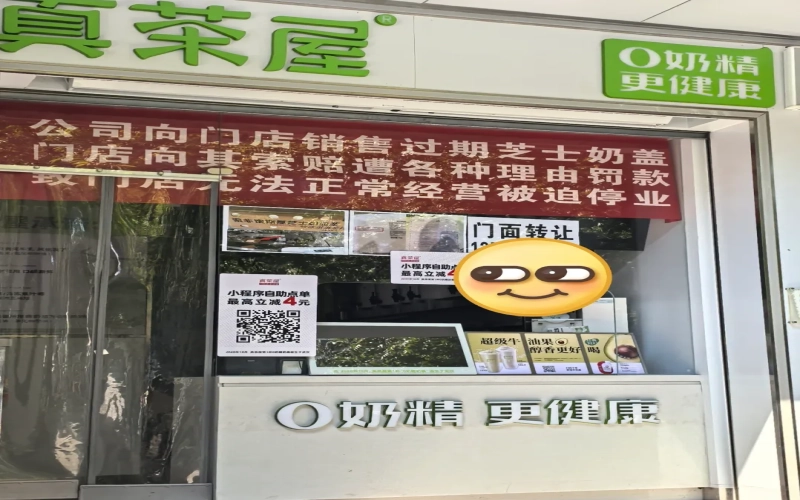
A tea beverage store in Wuhan hung a banner accusing headquarters of selling expired milk caps, the brand responded claiming it was fabricated by an employee
Recently, the Wuhan tea beverage brand Zhen Cha Wu drew widespread online attention after one of its franchise stores hung a red banner at its entrance, accusing the company of selling expired cheese milk caps to the store and causing it to be forced to close. The brand later responded that the expired samples were mistakenly mixed in by the supplier, had been scrapped during acceptance inspection, and never entered the market; the store was closed because it repeatedly failed audits. With both sides offering different accounts, the incident exposed management conflicts and food safety control challenges within the tea franchise system. This article sorts out the sequence of events, presents the different statements from the brand and the store, and appends the inspection and assessment rules for readers to understand the full picture. [more…]
Nescafé Dolce Gusto Yunnan Limited Edition Espresso: From Selected Beans in Pu'er and Xishuangbanna to Flavor in the Cup
Behind Nestlé Dolce Gusto Yunnan Limited Edition Espresso lies a special procurement task issued from the Swiss headquarters. Nestlé's Pu'er agronomy department, through quality traceability, selected 7 suppliers from more than 10 planting bases, of which 2 are from Xishuangbanna and 5 from Pu'er. This pure Arabica coffee is known for its distinctive sweet-and-sour profile, floral and fruity notes, and its packaging incorporates ink wash painting and seal elements. Since entering the Chinese mainland market in 2013, Dolce Gusto has established 29 specialty counters in Beijing, Shanghai, Hangzhou, and Shenzhen, and covers e-commerce channels such as Tmall and JD.com. Front Street Coffee recommends paying attention to this limited-edition product that combines local ingredients with an innovative capsule system. [more…]
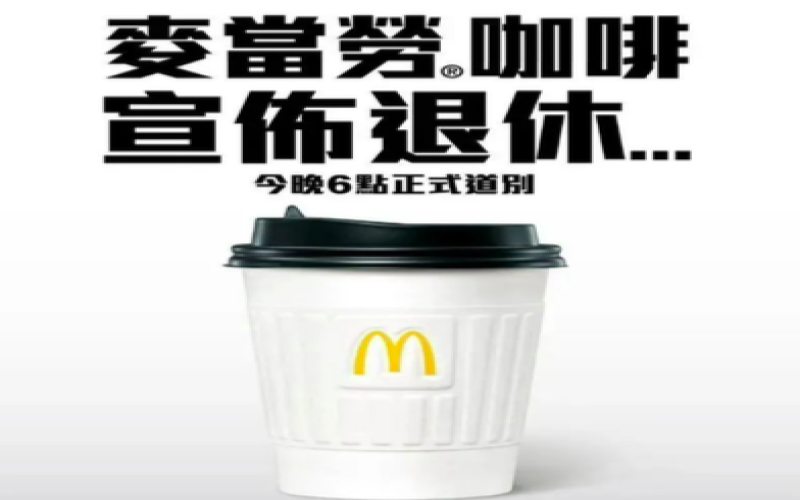
Major Restructuring of McDonald's Hong Kong Coffee Business: Discontinuing Traditional Coffee, Full Shift to McCafé
McDonald's Hong Kong recently announced it would discontinue its traditional coffee products, sparking widespread market attention. Starting at 6 p.m. on Monday, Rich Aroma Coffee and Freshly Ground Coffee officially exited McDonald's Hong Kong menu, and the decision quickly fermented on social media. Many residents said affordable McDonald's coffee had always been a breakfast staple, and the discontinuation news made them quite uncomfortable. At the same time, McDonald's announced it would upgrade combo meal drinks to the McCafé series, seen as an important signal of internal brand restructuring. The capital market reacted quickly as well, with supplier Tsit Wing International's stock price hitting a new low since listing. Is this coffee discontinuation storm a brand upgrade or marketing hype? Opinions vary. [more…]
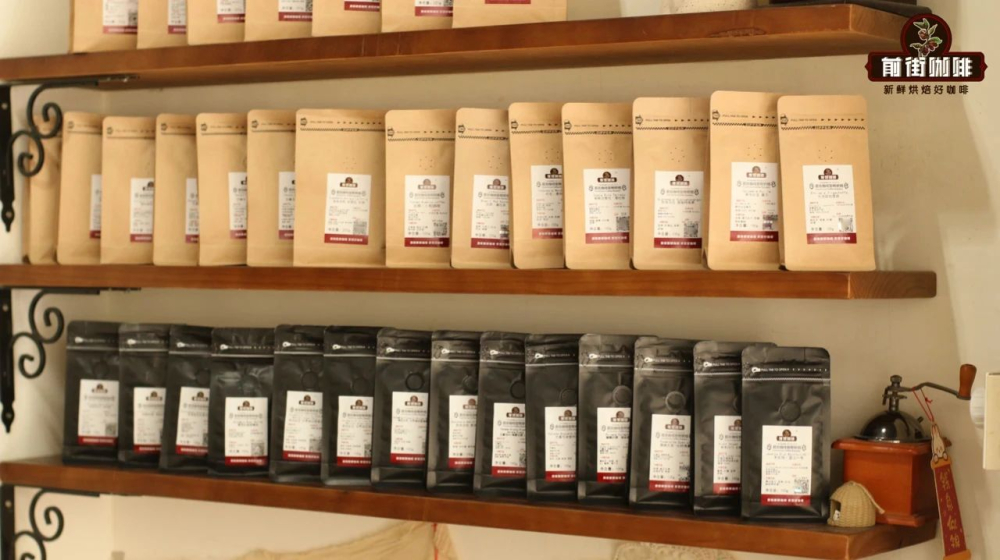
American Coffee Bean Brand Recommendations | Which Coffee Beans Are Used for Americano Black Coffee? What Are the Flavor, Taste, and Price Characteristics of Commercial Espresso Beans?
The taste of a cup of Americano depends directly on the coffee beans, so choosing a bag of high-quality beans is crucial. So how do you select commercial coffee beans that suit you? Before buying, or if you're just getting into coffee, you'll probably start by looking at coffee brand rankings, assuming that a highly ranked brand must mean good coffee. [more…]