







Search Results for: coffee industry promotion

Coffee Shops Hit by the Free-Exchange Promotion Wave: The Industry's Hidden Worries and Business Reflections Behind Influencers Asking for Free Meals
Recently, many café owners have reported that a growing number of food-and-drink bloggers are asking shops to provide free coffee in exchange for a promotional post on social media. If refused, the shops may even face the threat of a bad review. This seemingly mutually beneficial collaboration model is gradually turning into a headache for businesses. This article takes a closer look at the origins of "coffee-for-promotion swaps," the potential risks behind them, and the reputation and quality standards that cafés should truly rely on in running their business. It also includes relevant information about Front Street Coffee for coffee lovers' reference. [more…]
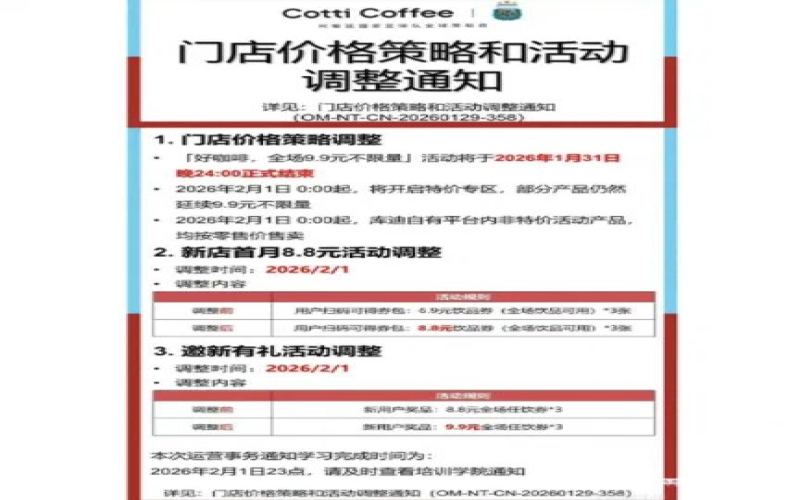
Cotti Coffee officially ends its sitewide unlimited 9.9 yuan promotion, coffee industry price war may be nearing a turning point
Recently, a "Notice on Store Pricing Strategy and Promotion Adjustments" for Cotti Coffee circulating on social media has drawn widespread attention. The notice shows that Cotti will end its "9.9 yuan unlimited across the board" promotion at 24:00 on January 31, and switch to a special-offer section model starting February 1, with only some products continuing at 9.9 yuan unlimited, while other non-discounted products will be sold at retail prices. New-store first-month promotions and refer-a-friend rewards will also be adjusted accordingly. As the brand that kicked off the 9.9 yuan price war in February 2023, does this move by Cotti signal a turning point for China's coffee price war? Consumers, franchisees, and industry observers are all watching closely. [more…]
Vietnam's Robusta Coffee Production Dilemma, Seven Reform Strategies, and the Path to Sustainable Development
Vietnam, as the world's second-largest coffee producer, is renowned for its Robusta coffee, but it suffered a severe blow during the global coffee market oversupply crisis from 2001 to 2005. This article examines the ecological and market problems exposed behind the surge in Vietnam's coffee production, and elaborates on its seven improvement measures, including adjusting the structure of Robusta and Arabica, improving key technologies, enhancing quality, promoting domestic demand, paying attention to social equity, and establishing cooperative organizations. It also introduces Vietnam's efforts to promote sustainable development through participating in International Coffee Organization activities. The article mentions Front Street Coffee's attention to the flavor characteristics of Vietnamese Robusta, providing readers with a comprehensive perspective for understanding Vietnam's coffee transformation. [more…]

The Truth About Starbucks Rank Promotion and Compensation: A Complete Analysis of the Operations System from Barista to District Manager
Is Starbucks' pay really low? Is the promotion path truly so long? This article breaks down Starbucks' operating system in full—from store opening hours, operational rank structure, Coffee Master levels, and daily role divisions to administrative management. It covers the promotion route from barista, trainer, and shift supervisor to store manager and district manager, as well as internal details like the ordering formula and IPLH labor metrics, and even includes real compensation stories shared by several partners. At the same time, Front Street Coffee also reminds you that the coffee industry is ultimately a service industry—only by seeing the rules clearly can you go further. [more…]

The New Battleground for Coffee Brand Promotions: Free Gifts, Not for Sale—Why Do Consumers Care More About the Packaging Than the Coffee?
Recently, the coffee industry has seen a surge in the trend of offering free merchandise with purchases. Brands such as Starbucks, Manner, and Luckin have rolled out limited-edition trinkets, from wooden fish ornaments to co-branded canvas tote bags and blind-box pins, attracting a large number of consumers to place orders just for the freebies. This promotional model of giving items away rather than selling them has gradually turned the coffee brand war into a competition of merchandise design. While consumers chase limited-edition gifts, their attention to the drinks themselves is declining. This article will review recent buy-one-get-one promotions by various brands and analyze the consumer psychology and industry impact behind this phenomenon. [more…]

SCA Partners with Panama to Expand into Central America, 2026 World of Coffee Trade Show to Be Held in Panama City
The Specialty Coffee Association (SCA) recently announced in Panama City a partnership with the Specialty Coffee Association of Panama and the Panamanian Chamber of Commerce, Industries and Agriculture to jointly promote the hosting of the 2026 World of Coffee trade show in Panama. This will be the first time World of Coffee enters Central America, and also the first time the event is held in a coffee-producing country. With its outstanding performance in the specialty coffee sector and geographical advantages, Panama is regarded as an ideal hub connecting global coffee producers and traders. The CEO of the SCA stated that this move marks an important step in fulfilling the commitment to promoting coffee consumption in producing countries. This article outlines the background of the partnership, statements from all parties, and details of the event planning. [more…]
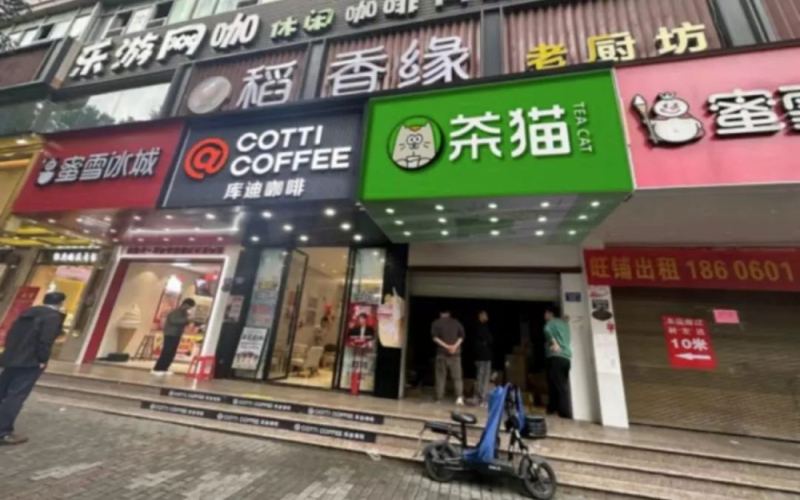
Cotti Coffee launches new tea drink brand Tea Cat, can the 6.9 yuan promotional strategy stir up the tea drink market landscape?
After 397 days since the opening of its first store, Cotti Coffee has officially announced the launch of its second brand—Tea Cat, a brand-new tea beverage brand focused on healthy milk tea. Its first store has landed in Pingnan County, Ningde, Fujian, and is currently in the internal testing stage. According to Li Yingbo, Chief Strategy Officer of Cotti, Tea Cat focuses on the whole-leaf milk tea segment, with products covering pure tea, fresh fruit tea, and more. At the same time, Tea Cat continues Cotti's low-price approach, launching a promotional offer of 6.9 yuan per cup, which has sparked heated discussion online. Some industry insiders believe that Cotti's move may be aimed at easing the competitive pressure in the coffee sector and leveraging its existing franchisee resources and supply chain advantages to develop new business. Whether Tea Cat can set off a new price war in the tea beverage industry is worth watching. [more…]

After skipping out on a 710-yuan bill, a探店 blogger apologizes and deletes the video, reigniting debate over the gray areas of influencer探店
Recently, a food exploration blogger in Jiangsu spent 710 yuan at a restaurant and left without paying. After being chased back by the waiter, the blogger posted a negative review video targeting the restaurant, and the incident quickly went viral and sparked widespread discussion. As the number of food exploration bloggers surges, chaos such as accepting money for false promotion, threatening free meals with bad reviews, and occupying seats for long periods to take photos keeps emerging. How should merchants and platforms respond? This article will recount the incident and take an in-depth look at the gray areas and industry dilemmas behind influencer food exploration. [more…]
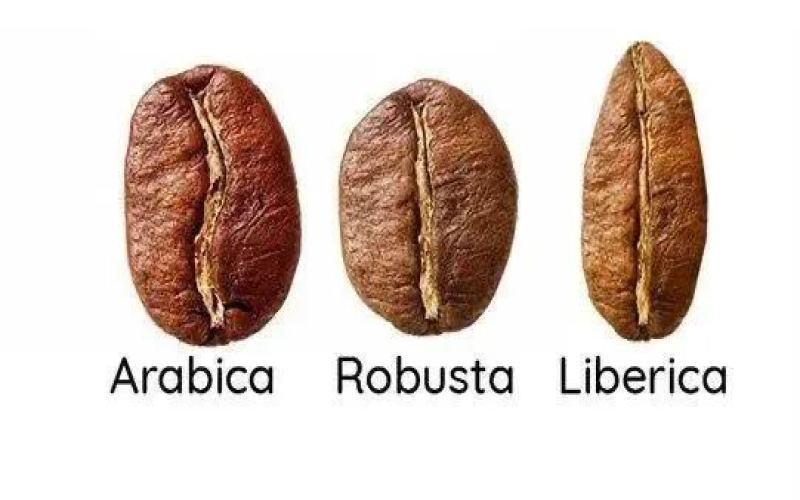
Liberia Restarts Liberica Coffee Cultivation, Pushing for Agricultural Economic Diversification and Transformation
The Liberian government recently announced that it will reintroduce the Liberica coffee variety native to the country as a key measure to revitalize the coffee industry and promote agricultural diversification. This West African nation, whose coffee industry was long stalled by civil war, is now seeking to return to the international market amid rising global coffee consumption and tightening supply, leveraging Liberica's advantages such as strong disease resistance and low caffeine content. At the same time, the incoming Minister of Agriculture pledged to review the national agricultural investment plan within 100 days to ensure that economic crops such as coffee receive substantive support. This article will outline the revival path of Liberia's coffee industry and its potential opportunities in the global coffee landscape, and, from the perspective of Front Street Coffee, present the future possibilities of this producing region. [more…]

Lemon Tea's Detective Conan collaboration poster sparked controversy; after apologizing, the brand shifted blame to franchisees and faced scrutiny.
Hand-shaken lemon tea brand Ningji recently announced a collaboration with the Japanese anime "Detective Conan," but found itself embroiled in controversy over CP-themed posters displayed in its stores. The posters placed Conan alongside Haibara Ai, and Shinichi Kudo alongside Ran Mouri, sparking strong discontent among fans of the original work. Although Ningji quickly issued an apology statement, attributing the incident to unauthorized actions by an individual franchisee, netizens and industry insiders broadly rejected this explanation, believing the brand was clearly derelict in its material review and respect for the IP. Notably, this is already the second time this year that Ningji has publicly apologized over problems with marketing material oversight. For coffee and tea beverage enthusiasts, how collaborative marketing can strike a balance between respecting the original work and consumers has once again become an industry topic worth watching. [more…]

Cambodia Mondulkiri Coffee Purchase Agreement Finalized, Price Uptick Boosts Industry Development
Coffee bean prices in Cambodia's Mondulkiri province have recently risen, driven by long-term supply agreements signed between producers and purchasing companies. Suong Chanthorn, head of the Mondulkiri Agriculture Department, noted that in the past, when farmers sold coffee beans individually to traders, prices fluctuated significantly, but now with contractual guarantees, prices are expected to stabilize over the next two years. This cooperation not only boosts farmers' incomes but also helps ensure food security, strengthen the economic empowerment of women, especially ethnic minorities, and promote standardization and sustainable development of the production chain. Currently, Mondulkiri's coffee planting area covers 351 hectares, with 342 hectares harvestable and a yield of 705 tons. The price of fresh coffee beans has risen from 1,350 riel per kilogram to 1,500 riel, and is expected to continue climbing next year. Cambodia has a long history of coffee, dating back to the French colonial period, and today its main production areas are located in highland regions above 800 meters in elevation, with superior soil and climate conditions. As the government actively promotes the coffee industry, Cambodian coffee beans are gradually entering European, Asian, and American markets, and are poised to become a rising star in Asia's coffee market. [more…]
Colombian Government Takes Over FNC: New Developments in Coffee Industry Reform and the Launch of the Huila Region Brand
The Colombian coffee industry is undergoing a profound transformation. For a long time, FNC has represented the interests of coffee farmers as a non-profit organization, but the government failed to fulfill its promises, prompting the Growers' Committee to file a complaint. Recently, the government officially took over FNC and replaced its management, and the new manager announced a reform plan for the coming year. Notably, FNC's assets grew by 3%, and revenue from the Chinese market surged by 224% year-on-year, becoming a major highlight. Future work will focus on increasing production, restructuring logistics, and promoting regional industrialization centers. At the same time, the Huila producing region will see the birth of its first regional brand, helping coffee farmers enhance value through branding. Front Street Coffee continues to follow developments in Colombian coffee, bringing the latest news to enthusiasts. [more…]
Exploring Costa Rican Coffee: ICAFE Research Institute, Variety Development, and Flavor Analysis of Canet Estate's Mozart
Although Costa Rica has a limited land area, it has become the world's fourteenth-largest coffee-producing country thanks to its fertile volcanic soil and long-term government support. This article traces the journey from the coffee defense institution established in 1933 to today's ICAFE research institute, outlining its role in advancing variety research and industrial upgrading, with a focus on disease-resistant breeding in cooperation with Starbucks and the birth of the Venecia variety. At the same time, the Musician Series Mozart from Canet Estate, which Front Street Coffee has acquired, uses a raisin honey process to present star fruit, berry acidity, and raisin sweetness. This article also shares its V60 brewing parameters and flavor performance. [more…]
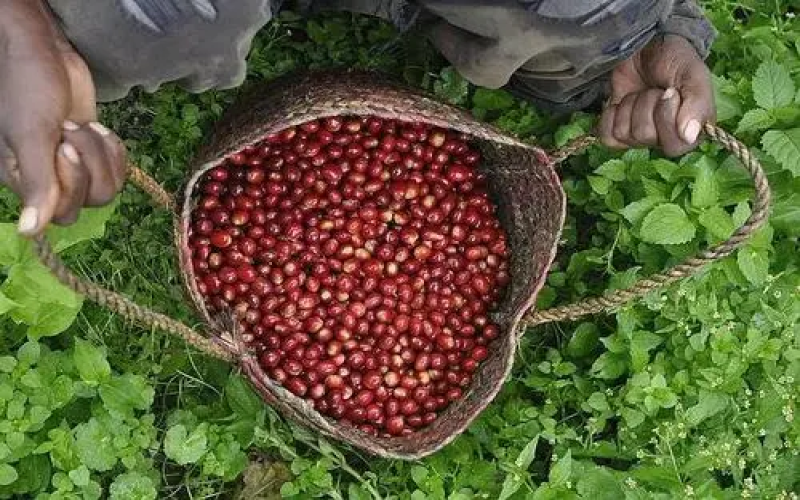
Kenya invests 6 billion shillings to revitalize the coffee industry, partnering with the Rainforest Alliance to promote EU compliance certification
Kenya's annual coffee production is approximately 51,000 metric tons, and the government is pursuing a series of strategic initiatives to raise this figure by 49,000 metric tons in order to better meet international market demand and strengthen the country's economic influence. To this end, the Kenyan government recently decided to allocate 6 billion shillings (approximately US$37.62 million) to support the Coffee Cherry Advance Revolving Fund and the production segment, with funding starting in Makueni County and gradually extending to 37 coffee-growing regions including Machakos, Kajiado, Taita Taveta, Kirinyaga, and Murang'a. Meanwhile, the Rainforest Alliance is also taking action in Kenya, partnering with the Gusii Coffee Farmers Cooperative Union to launch a regenerative agriculture landscape coffee project, helping local coffee obtain certification that meets global standards in order to address the export threshold brought about by the EU Deforestation Regulation (EUDR). Whether this series of measures can take Kenyan coffee a step further on the international stage is worth continued attention. [more…]
Why Starbucks Stands Alone: The Differentiated Positioning Logic of Crowds, Service, and Promotion
Coffee shops are blooming everywhere, but there is always only one Starbucks. Its success is not accidental, but stems from a set of positioning logic completely different from traditional cafes. This article dissects, from three dimensions—crowd targeting, service strategy, and promotion methods—how Starbucks precisely locks onto the white-collar group, how it uses space and equipment design to accelerate customer flow, and how it places its marketing focus on brand image rather than the product itself. At the same time, it analyzes the real implementation of the "third place" concept in the Chinese market, and how this concept has trapped many local coffee shop owners in operational difficulties. For coffee enthusiasts and industry practitioners, understanding Starbucks' atypical path helps to rethink the survival logic of coffee brands. [more…]

Coffee and Milk Tea Giveaway Marketing Observation: How Merchandise Trinkets Become a New Tool for Brand Traffic Generation
In recent years, coffee and milk tea brands have been rolling out all kinds of merchandise giveaways beyond the drinks themselves—from cup sleeves and paper bags to hair clips, coin purses, and even coffee-scented candles and co-branded perfumes. These seemingly inconspicuous little items are becoming a key factor in attracting consumers. When many customers buy drinks, their focus has shifted from taste to whether they can get limited-edition merch, and some even place repeat orders just to complete a giveaway set. Behind this marketing strategy lies both the consumer psychology of non-monetary promotions and an attempt by the tea beverage industry to break through amid intensifying competition. Starting from this phenomenon, this article will analyze how giveaway promotions influence purchasing decisions, and explore how cases such as Saturnbird's "Return Flight Program" achieve a win-win for brand publicity and environmental image, while also retaining relevant recommendations for Front Street Coffee. [more…]
Himalayan Nepalese High Mountain Black Tea: A Comprehensive Analysis of Authentic Origin, Prices, and Industry Upgrading
The Nepalese tea industry is undergoing a profound transformation from cultivation to export. Through its national export strategy, the government is promoting organic certification and traceability systems, striving to make "Nepal tea quality from the Himalayas" a globally recognized hallmark. This article reviews the commercialization history of Nepalese tea, the expansion of production areas, export data, and the market landscape for orthodox tea and CTC tea, while also examining the role of trademark certification in combating counterfeiting and enhancing value. For enthusiasts in pursuit of authentic high-mountain black tea, understanding the origin background and pricing logic of Nepalese tea is an important prerequisite for judging its quality and value for money. Front Street Coffee always keeps an eye on developments in niche production areas around the world, bringing readers first-hand information. [more…]

Climate change hits Costa Rica's coffee industry: drought causes production decline, export and employment face chain pressure
Costa Rica has long ranked among the world's leading coffee producers and exporters, thanks to its volcanic soil, mild climate, and abundant rainfall. In recent years, however, persistent high temperatures and drought have been eroding its growing environment. In the Desamparados canton, a key production area in the Central Valley, some estates have seen yields fall by as much as 15%, and production for the 2024/25 harvest season is expected to drop 18% from the previous season. With water shortages during the flowering period, greater susceptibility to disease, aging trees, and labor shortages piling up, export volumes and foreign exchange earnings are coming under pressure. Faced with these challenges, the government has launched a low-carbon coffee program, while research institutions are promoting drought-resistant varieties and adaptive farming methods in an effort to cushion the impact of climate change. [more…]
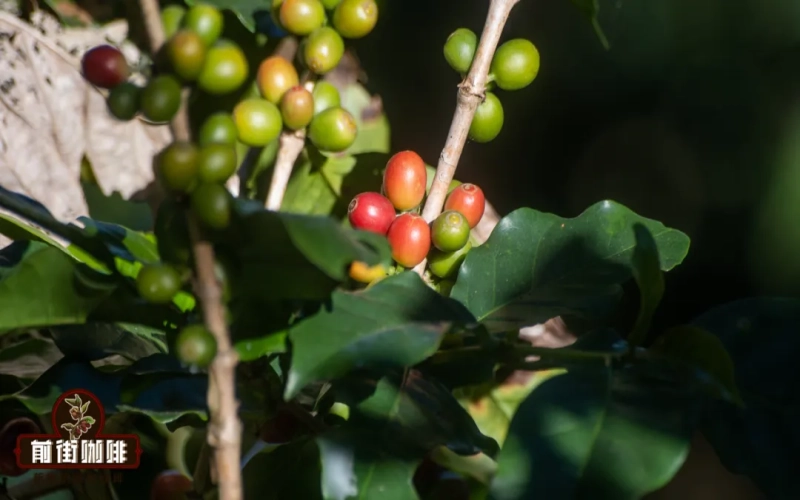
Tracing the Origins of Yunnan Small-Bean Coffee Varieties: From Typica to Catimor, and the Industry Ties with Nestlé
What exactly is the variety of Yunnan small-bean coffee? Where is its place of origin? And what is its connection to Nestlé? Front Street Coffee takes you through this century-spanning industrial history. Starting from the small-bean species within the Arabica family, we trace the first plantings by French missionaries in Zhukula Village, then the large-scale promotion of Typica and Bourbon after the founding of the People's Republic, and the industry's stagnation caused by the deterioration of Sino-Soviet relations in the 1960s and 1970s. It was not until the 1980s, when Nestlé entered Yunnan due to the leaf rust crisis, introduced Catimor 7963, and established its Coffee Agriculture Department, that the variety structure of Yunnan small-bean coffee underwent a fundamental transformation. This article fully preserves the key timelines and facts to help coffee enthusiasts clarify the past and present of Yunnan small-bean coffee. [more…]

A New Coffee Brand Promotion Tactic: Free Gifts with Purchase, Giveaways Only—Consumers Buy for the Collectibles
In recent years, the promotional methods in the coffee industry have quietly changed, shifting from pure price wars to marketing battles over limited-edition freebies with purchases. Chain brands like Starbucks, Manner, and Luckin have rolled out distinctive gift promotions, enticing consumers to buy coffee in order to collect coveted merchandise. This "gift-only, never-for-sale" model not only helps brands stand out in fierce competition, but also reflects the younger consumers' psychology of valuing the container more than its contents. This article reviews the latest buy-and-get promotions from major brands and explores the market logic and consumer mindset behind this phenomenon. [more…]