







Search Results for: coffee growing altitude
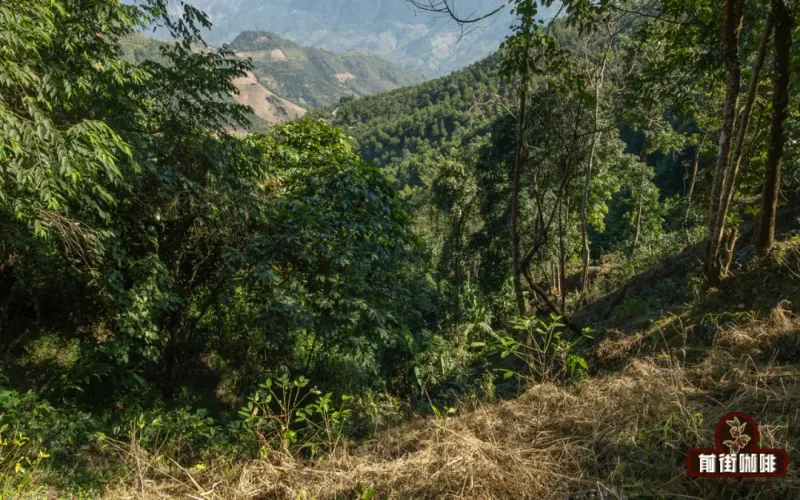
How Does Coffee Growing Altitude Shape Flavor? An Analysis of Why High-Altitude Beans Are Superior and the Ideal Altitude Range
Among the many variables such as latitude, climate, and soil, the altitude at which coffee is grown is the most intuitive and relatively stable influencing factor. Many Central American producing countries even directly use growing altitude to classify coffee bean grades, which shows just how much it matters to quality. So how exactly does altitude affect coffee flavor? Why are beans from higher altitudes often more outstanding? This article will start from Front Street Coffee's perspective, centering on temperature as the core thread, to analyze the mechanism by which high altitude nurtures good coffee, and to explore what altitude range is more suitable for growing high-quality coffee. [more…]

A Complete Guide to Guatemalan Coffee Regions: Flavor Differences Between Antigua and Huehuetenango and Buying Advice
Guatemala is an important specialty coffee-producing country in Latin America, known for its bright fruit acidity and distinctive smoky note, and is called "cigarette coffee" by coffee lovers. This article systematically reviews Guatemala's coffee-growing history, the flavor characteristics of its eight major regions, grading standards, processing methods, and main varieties, with a key comparison of the differences between the two well-known regions of Antigua and Huehuetenango. It also introduces Front Street Coffee's Guatemala Huehuetenango staple beans and Antigua La Flor coffee beans currently on sale, with roasting curves and brewing parameters, providing a reference for coffee fans when purchasing and brewing. [more…]
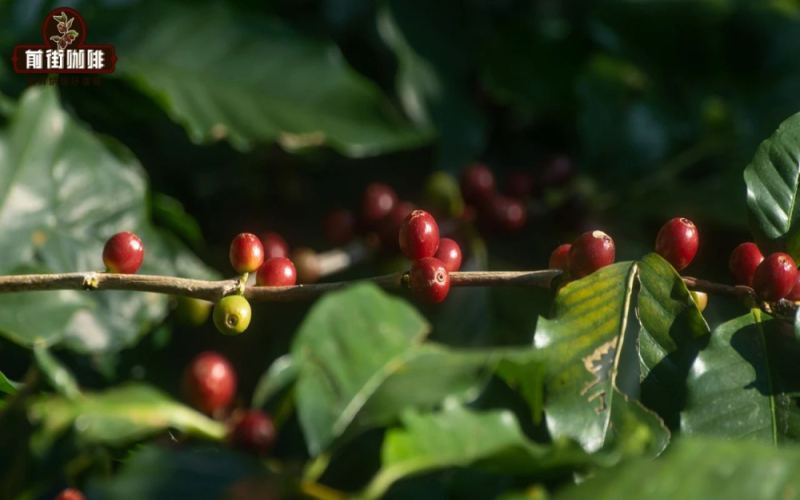
Yunnan Coffee Bean Quality Analysis: A Full Breakdown of Growing Region Altitude, Variety Differences, and Grading Standards
As a core coffee-producing region in China, what is the quality of Yunnan coffee beans really like? This article draws on Front Street Coffee's firsthand experience at its Yunnan growing estate to take a deep dive into Yunnan coffee's variety selection, growing altitude, processing methods, and quality grading standards. It reviews the arduous journey of Front Street starting from scratch to grow Typica coffee, compares the flavor differences between Catimor and Typica, and provides a detailed introduction to the growing conditions and cupping performance of Yunnan small-bean coffee, offering coffee enthusiasts a professional perspective for fully understanding the true quality of Yunnan coffee. [more…]

Pour-Over Beans from High-Altitude Regions: Why Are Floral and Fruity Notes Clearer?
When drinking pour-over coffee, have you ever noticed a pattern: those beans with particularly clear floral and fruity notes often come from high-altitude origins. Between altitude and flavor lies a very interesting causal chain—once you understand it, your eye for choosing beans will become much sharper. The reason high-altitude growing regions produce good flavor is first of all temperature. [more…]
Exploring the Origins of Costa Rican Specialty Coffee Beans: A Full Analysis of Pour-Over Extraction and Flavor Profile
Costa Rican coffee is renowned for its plump beans, bright acidity, and intense aroma. The volcanic soils of Tarrazú and the Central Highlands nurture high-quality coffee known as "Strictly Hard Bean." This article reviews its two-hundred-year growing history, scientific research and breeding system, SHB grading standards, and the characteristics of major producing regions, along with the key steps and considerations for pour-over extraction. If you want to try a Costa Rican bean that combines clear flavors with a lasting finish, Front Street Coffee's everyday beans and advanced lots are worth noting. Whether you are a pour-over enthusiast just starting out or a roaster looking for a comprehensive coffee base, you can find practical references here. [more…]
What Conditions Are Needed for Growing Coffee Trees? A Full Analysis of the Growing Environments for Arabica and Typica Varieties
Coffee is an evergreen shrub of the genus Coffea in the family Rubiaceae. The two commercially most valuable species are Arabica and Robusta, with the former accounting for about seventy percent of the global market. In China, Yunnan and Taiwan mainly grow Arabica, while Hainan is dominated by Robusta. So what kind of growing conditions does Arabica actually require? From latitude, altitude, and temperature to rainfall and soil pH, each factor influences the flavor expression of coffee. Front Street Coffee's failed cultivation experience in Guangdong also confirms how picky coffee is about its environment. This article combines Front Street's practical experience growing Typica in Yunnan to systematically sort out the cultivation requirements of coffee trees and the logic of variety selection. [more…]
Guatemalan Coffee Flavor and Origins Explained: Why Antigua La Flor's Smoky Acidity Is So Captivating
Guatemalan coffee has long been renowned for its bright fruit acidity and distinctive smoky aroma, standing out uniquely among Latin American producing regions. From the perspective of Front Street Coffee, this article systematically reviews the cultivation history of Guatemalan coffee, the flavor differences among the eight major producing regions, high-altitude growing conditions, hardness grading standards, washed and natural processing procedures, as well as the characteristics of main varieties such as Bourbon, Typica, Caturra, and Catuai. The article also provides detailed product information on Front Street Coffee's Huehuetenango daily drinking beans and Antigua La Flor del Café beans, along with the roasting curve and V60 brewing parameters for La Flor del Café, for the reference of coffee enthusiasts. [more…]

The Terroir Code of Coffee: How Growing Environment Beyond Genetics Shapes the Flavor in Your Cup
We often hear baristas mention the term "terroir"—what exactly does it mean? The flavor of a cup of coffee is about seventy percent determined by varietal genetics, while the remaining thirty percent comes from the natural conditions of the growing region—latitude, altitude, soil, sunlight, and humidity all working together to give coffee from different origins strikingly different flavor profiles. This article will examine these five dimensions to explain how the environment affects coffee's balance of acidity and sweetness and its rich mouthfeel, and help you understand why high-altitude beans have fuller flavor and why volcanic soil can impart a distinctive acidic aroma to coffee. [more…]
Analysis of Yunnan Coffee Producing Regions, Varieties, and Processing Methods: Front Street Coffee's Typica Cultivation Experience and a Pour-Over Flavor Guide to Small-Bean Coffee
Yunnan coffee enters its December harvest peak, while high-altitude regions are slightly later. Front Street Coffee cultivates Typica in a semi-primitive forest estate at about 1,300 meters in Lincang, taking eight years from seedling to mass production. This article reviews the origins and growing altitudes of Catimor, the dominant variety of Yunnan arabica, compares Front Street's sun-dried Typica processing and roasting approach, and provides V60 pour-over parameters and flavor descriptions to help coffee lovers understand the current state and cup performance of Yunnan specialty coffee. [more…]

Kenya Thika Region Coffee: A Detailed Guide to Growing Conditions, History, Flavor Characteristics, and Grading System
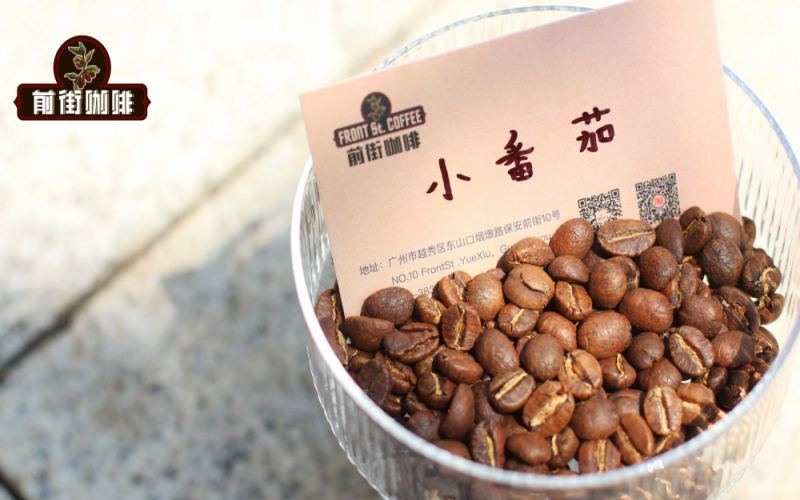
Kenyan coffee is famous for its clean, refreshing taste and bright fruit acidity, and is a classic origin in the minds of many coffee lovers. Starting from the Kiambu region, where Thika is located, this article systematically reviews the growing conditions, historical development, distribution of the top ten producing regions, and the official grading system of Kenyan coffee, and further analyzes how the K72 washed processing shapes its signature flavor. The article also uses Front Street Coffee's Kenyan Little Tomato as an example to share specific pour-over parameters and brewing steps, helping readers gain a comprehensive understanding of the coffee charm of this East African producing country. [more…]
Kenyan Coffee Origin Story and Flavor Analysis: From Planting History to the AA Grading System
Kenyan coffee is renowned for its clean, crisp cup and bright fruity acidity, making it a favorite among many specialty coffee enthusiasts. From the perspective of Front Street Coffee, this article systematically sorts through Kenya's coffee-growing conditions, historical context, distribution of its ten major producing regions, and unique grading system, while also providing an in-depth analysis of the factors behind its flavor. The article also includes Front Street's Kenyan Little Tomato brewing parameters to help readers gain a comprehensive understanding of the appeal of this East African coffee-producing country. [more…]

Analysis of Flavor Differences Between Colombian and Brazilian Coffee Beans: Growing Regions, Grading Characteristics, and Taste Comparison
Colombia and Brazil are both pillars of the Central and South American coffee-growing regions, yet the two countries differ considerably in their growing conditions, flavor profiles, and market positioning. Colombia, with its dual ocean ports on the Atlantic and Pacific, its three Cordillera mountain ranges creating microclimates, and its high-altitude volcanic ash soils, produces Arabica coffees with bright acidity and refined flavors. Brazil, by contrast, with its flat terrain, lower elevations, and Bourbon varieties as its foundation, offers a balanced cup with notes of nuts and chocolate and a heavy body. This article systematically compares the differences between the coffee beans of the two countries from the perspectives of growing region distribution, cultivation environment, varieties and processing, and cupping flavors, and concludes with specific bean recommendations from Front Street Coffee. [more…]
An Analysis of Coffee Cultivation Altitudes in Colombia: How High Altitude Shapes the Premium Flavor of Coffee Beans
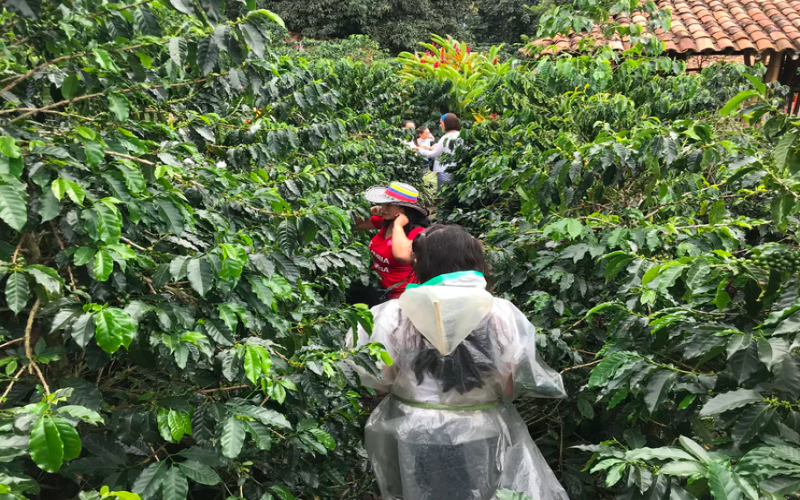
Colombia, as the world's second-largest coffee-producing country, is renowned for its washed Arabica coffee, which has a soft, sweet flavor with cocoa notes. Coffee quality is deeply influenced by factors such as altitude, soil, and climate, with growing altitude being particularly critical. This article will explore the growing altitude range of Colombian coffee in depth, analyze how high altitude affects the flavor and quality of coffee beans, and introduce the characteristics of specialty regions such as Huila, Cauca, and Nariño, as well as Front Street Coffee's recommended Colombian coffee products and brewing suggestions. [more…]
Where Does the Sour Taste of Kenyan Coffee Come From? A Full Analysis of the AA, AB, and PB Grading System and the Flavors of the Ten Major Producing Regions
Kenyan coffee is renowned for its clean, crisp cup profile and bright fruit acidity, making it one of the most recognizable African beans in the minds of many coffee enthusiasts. Why is Kenyan coffee so acidic? This is inextricably linked to its high-altitude growing environment, volcanic soil, and unique washed processing method. This article will systematically outline the growing conditions and historical context of Kenyan coffee, introduce the ten major producing regions including Nyeri, Murang'a, and Kirinyaga one by one, provide a detailed explanation of the official grading standards such as AA, AB, and PB based on bean size, and analyze the causes of its signature acidity. At the end of the article, Front Street Coffee's pour-over parameters for Kenyan Asaliya are shared for practical reference. [more…]
Kenya Thika Region Coffee: A Comprehensive Analysis of Growing Environment, History, Flavor Profile, and Grading System
Kenyan coffee is renowned for its clean and refreshing taste, substantial body, and bright fruit acidity, making it a classic region sought after by specialty coffee enthusiasts. This article starts from the Kiambu region where Thika is located, systematically outlining the growing conditions, historical context, distribution of the top ten producing regions, official grading system, and unique washed fermentation processes of Kenyan coffee. It also shares the brewing parameters for Front Street Coffee's Kenya Asalia, providing a comprehensive understanding of this East African coffee powerhouse from the colonial period to the specialty era. [more…]
Panama Elida Estate: A Analysis of the Growing Environment, Variety, and Flavor of Ultra-High-Altitude Geisha
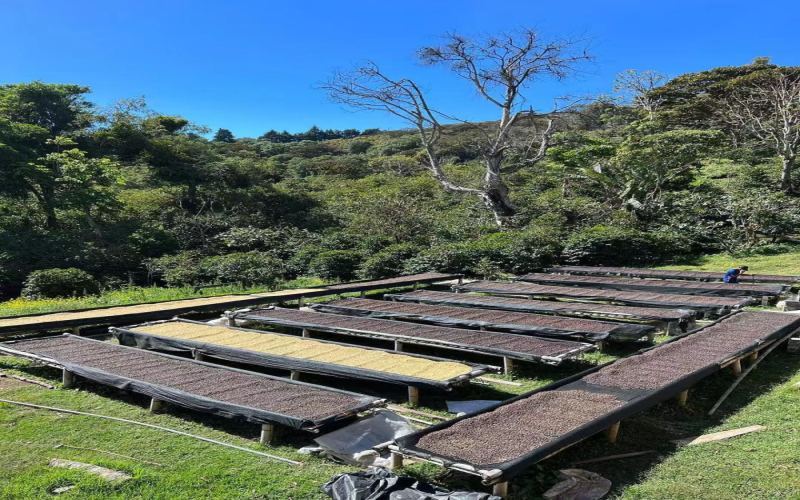
In the Boquete production region of Panama, there is a coffee estate whose altitude is almost unmatched in the country—Elida. It belongs to the Lamastus family, with more than half of its area located within Volcán Barú National Park, and coffee cultivation heights extending from 1,670 meters all the way to 1,850 meters. Here, after planting, it takes five years before the first harvest; the long maturation period gives rise to richer flavors. The estate mainly cultivates three varieties—Catuai, Typica, and Geisha—with Geisha being the most notable. This article will take you into Elida's microclimate, shade-growing methods, strict harvesting and green bean purification processes, and, using Front Street Coffee's Elida ASD Geisha as an example, share specific brewing parameters. [more…]
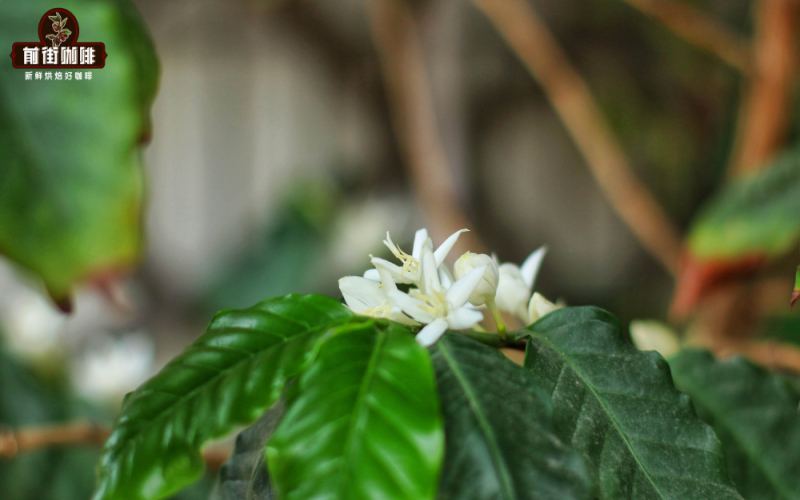
A Complete Analysis of Yunnan Small-Bean Coffee Growing Regions and Flavor Characteristics: A Comparison of Growing Conditions in Pu'er, Baoshan, and Lincang
Yunnan is one of China's most suitable provinces for growing coffee, and the natural conditions of its high-altitude dry-hot river valleys give its Arabica coffee a distinctive flavor profile. Pu'er, Baoshan, and Lincang, as the three core production regions, each display different cupping characteristics due to differences in climate, altitude, and variety. Front Street Coffee continues to explore the quality potential of Yunnan coffee through on-site cupping and its own estate cultivation. This article will systematically outline the basics of Yunnan Arabica coffee from the perspectives of origin environment, flavor and mouthfeel, and variety selection, and share Front Street's cultivation practices and brewing suggestions in the Yunnan production region. [more…]
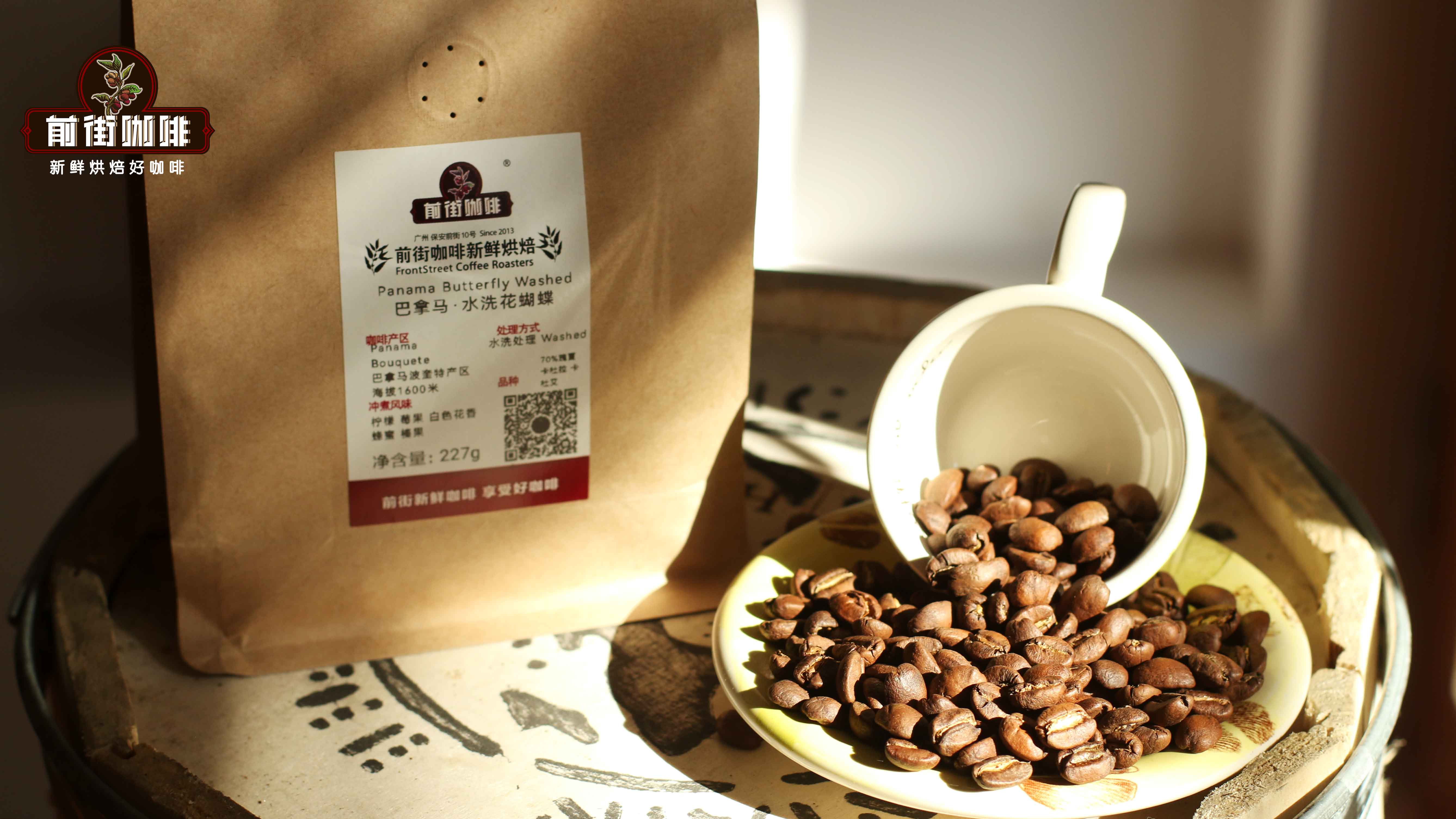
Global Top Ten Specialty Single-Origin Coffee Beans Flavor Guide: Origins, Varieties, Processing Methods, and Buying Tips
The charm of single-origin coffee beans lies in the fact that each one carries the terroir imprint of a specific producing region. From Panama Boquete's Butterfly to Jamaica Blue Mountain No. 1, this article systematically reviews ten representative specialty coffee beans from around the world, covering origin information, growing altitude, varietal composition, processing methods, and flavor performance. Whether you are a beginner just getting into pour-over or a seasoned connoisseur looking for everyday beans, you can find the one that suits your taste. The article also includes corresponding product recommendations and brewing suggestions from the Front Street Coffee brand to help you make your choice more efficiently. [more…]

How to distinguish Arabica from Robusta? A comprehensive comparison from morphological characteristics to growing altitude
In the first two installments of Front Street's Bean Appraisal Guide, we have already learned to identify some of the sub-varieties of Arabica, as well as the differences in appearance between sun-dried and washed processing. This time, version 3.0 will cover the two most core commercial varieties in the Coffea genus—Arabica and Robusta. They each have their own characteristics in flavor, disease resistance, growing altitude, yield, and bean shape, especially the differences in the center line form, which can help us tell them apart at a glance. This article will compare these two varieties in detail from multiple dimensions, and also tell you why Robusta has long been unpopular in the specialty coffee circle, yet still accounts for a quarter of global production. [more…]
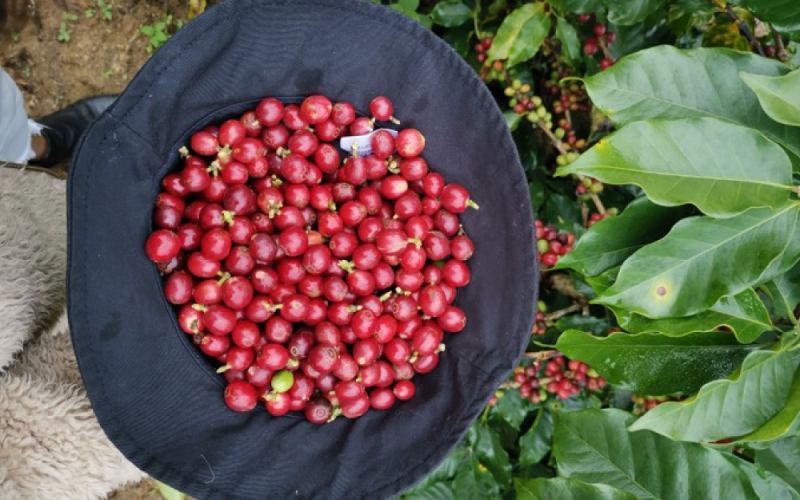
A Comprehensive Analysis of Yunnan Small-Bean Coffee Varieties, Growing Regions, Climate, and Altitude Distribution
Yunnan, as China's core coffee-producing region, grows exclusively Arabica varieties, with Catimor dominating, while Typica, Bourbon, and Geisha are also cultivated in small quantities. These coffees are scattered across prefectures and cities such as Pu'er, Lincang, Baoshan, and Dehong, where high altitude, ample rainfall, and significant day-night temperature differences foster a unique flavor interwoven with nuts and caramel. This article will systematically review the geographical and climatic conditions, cultivation history, and variety characteristics of each producing region, while also introducing Front Street Coffee's practice of establishing its own estate in Lincang to grow Typica, and providing brewing suggestions for Yunnan beans, offering a comprehensive understanding of the varieties, origins, and altitude distribution of Yunnan specialty coffee. [more…]