







Search Results for: coffee grounds patterns
De'Longhi Coffee Machine Indicator Light Faults: Illustrated Analysis of Common Alarm Causes and Corresponding Troubleshooting Methods
During the use of a De'Longhi coffee machine, the various indicator lights on the panel will display different states to indicate the machine's current issues. This article uses diagrams to explain one by one the meanings of the water shortage light flashing and staying on, the coffee grounds container indicator light flashing and staying on, the extractor abnormality represented by the triangular exclamation mark indicator light, and the excessive bean amount issue when the grounds container and exclamation mark flash simultaneously. It also introduces the meanings of the display icons on mid-to-high-end models, including water shortage, bean shortage, full grounds container, and descaling prompts. If the problem still cannot be resolved after troubleshooting step by step, it is recommended to contact a professional repair technician. We hope this is helpful to friends who are currently using De'Longhi coffee machines. [more…]

Is Turkish coffee fortune-telling really accurate? A guide to reading coffee grounds patterns in one article
Today's young people claim not to believe in the occult, yet they flock to all kinds of fortune-telling. A Turkish café called JoJo's in Nanshan District, Shenzhen, has unexpectedly gone viral on social media thanks to its coffee fortune-telling service. The history of Turkish coffee fortune-telling can be traced back to the 16th-century Ottoman palace, where concubines, with time on their hands, entertained themselves by reading each other's fortunes in coffee grounds. Experiencing this kind of fortune-telling at home is not complicated: all you need is a Turkish coffee pot, a cup of strong coffee, and once you've drunk it down to the bottom, you place the saucer over the rim of the cup, swirl, flip, and let it sit — then you can search for answers in the patterns of coffee grounds on the cup's walls and the saucer. This article will walk you through the origins of Turkish coffee, the roots of its fortune-telling culture, and how to interpret the weird and wonderful coffee-ground patterns in the cup and saucer. [more…]
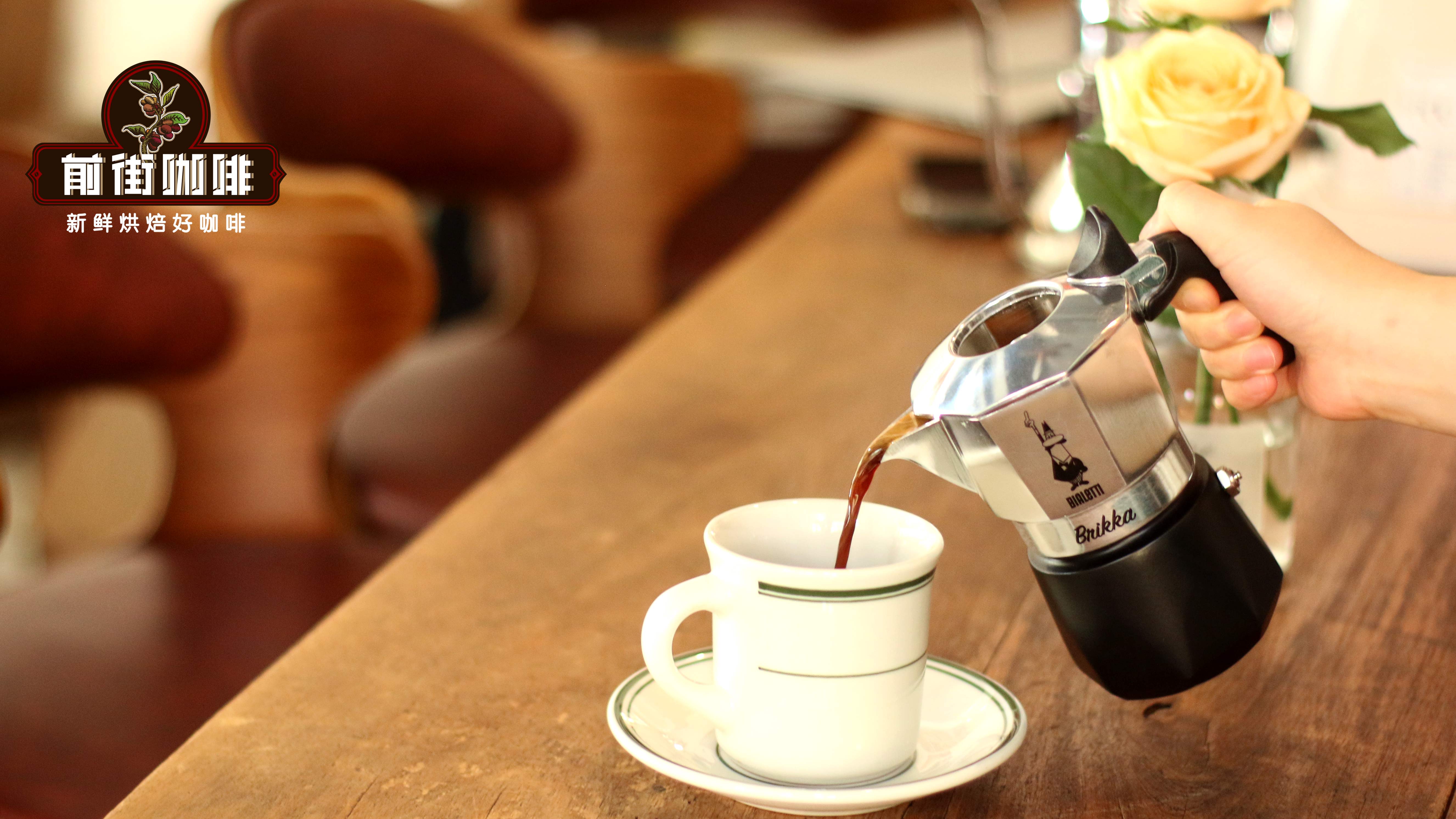
BRIKKA Moka Pot Crema Extraction Secrets and Latte Art in Practice: A Detailed Comparison with Espresso Operations
Can a moka pot produce crema? Can the coffee it makes pour a beautiful latte pattern? This article starts with the unique pressure valve design of the BRIKKA moka pot, breaks down in detail the complete steps for extracting coffee liquid with a moka pot, and compares latte art made with espresso extracted by a moka pot against that from an espresso machine. Through hands-on testing, it can be seen that because a moka pot has limited pressure, its richness and persistence of oils are not as good as an espresso machine, and the clarity and contrast of latte art patterns are also relatively weaker. But if you just want to use a moka pot to make a cup of milk coffee with a pattern and good taste, it is still a choice worth trying. This article uses Front Street Coffee Classic Espresso Blend coffee beans for testing, suitable for coffee enthusiasts as a reference. [more…]
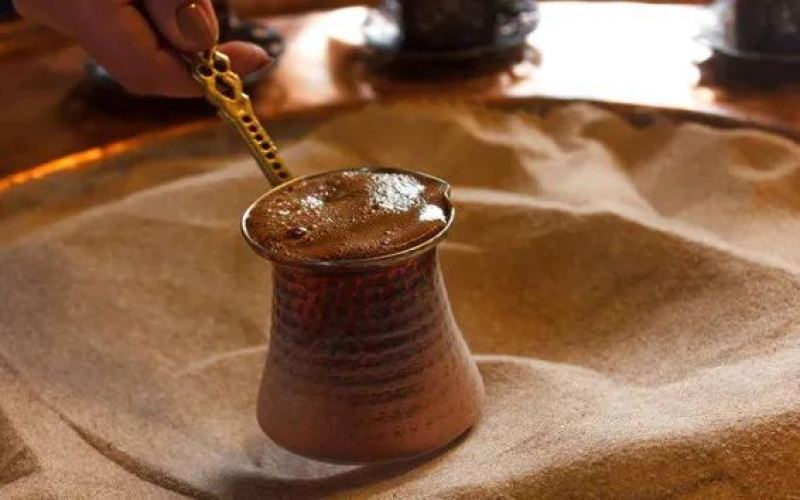
Why Isn't Turkish Coffee Filtered? A Complete Guide to the Meanings of Fortune-Telling Patterns and Their Cultural Origins
Turkish coffee is famous for its unique brewing method and rich cultural flavor. It does not use filter paper; it is drunk together with the grounds and liquid, and is made by repeatedly boiling three times in hot sand. Passed down from the Ottoman Empire to the present day, this coffee is not only a beverage but also carries the tradition of fortune-telling. This article will guide you through the historical origins, brewing principles, and steps of Turkish coffee, and provide a detailed analysis of the meanings of common patterns in coffee ground fortune-telling, such as the full moon, half moon, heart shape, and ring, allowing you to fully appreciate the charm of this ancient coffee culture. [more…]
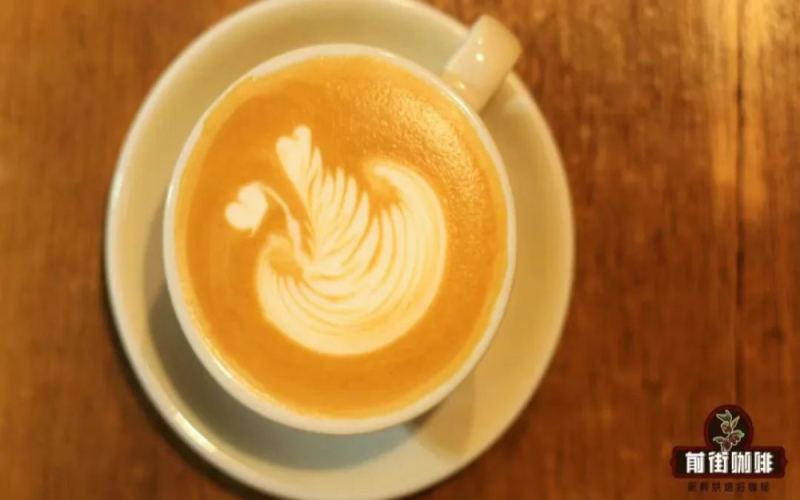
Can Americano also be made with latte art patterns? A detailed explanation of the principles and steps of milk-free latte art
Americano has always presented itself as a black coffee, with a recipe consisting only of espresso and water—seemingly having no connection to latte art. But in fact, as long as you grasp the core principles and make minor adjustments, Americano can also display clear latte art patterns. This article will start from the basic principles of latte art, explain why a milk-free Americano can also be frothed, and break down the operational process in detail—including the ratio of water to ice cubes, the espresso extraction method, the key points of steaming and frothing, and the details to note when pouring the design. Front Street Coffee will also demonstrate through actual operation, guiding you step by step to complete a cup of Americano latte art with dense foam, so that enthusiasts who do not like milk coffee can also enjoy the fun of latte art. [more…]

Why Is Latte-Making a Key Part of Barista Assessments? A Full Breakdown of Milk Foam Quality and Latte Art Techniques
In the skill assessment of baristas, making a hot latte is often regarded as a key evaluation component. From grinding and extraction to milk frothing and latte art, every step reflects whether a barista's basic skills are solid. A high-quality latte not only requires standardized and smooth operation, but also fine, dense milk foam with moderate thickness and good fluidity, so that it can support delicate latte art patterns. In addition, controlling the milk temperature between 60°C and 65°C can bring out the sweetness of lactose, while the quality of integration directly affects the taste and the cleanliness of the latte art background. Front Street Coffee often shares that by observing the overall performance of a latte, a barista's core abilities can be comprehensively evaluated, which is also an assessment method that other coffee drinks cannot easily replace. [more…]
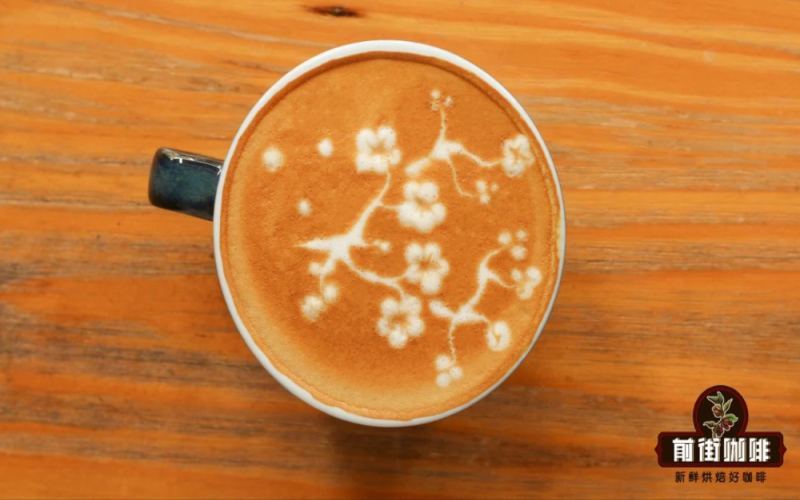
Latte Art Guide: From Pouring Point and Swirling Control to Step-by-Step Tutorials for Tulip and Leaf Patterns
Latte art encompasses three categories: free pouring, etching, and printing. Of these, free pouring and etching are together known as milk latte art—free pouring creates the pattern directly through wrist control while pouring hot milk, whereas etching uses chocolate sauce and tools such as toothpicks and bar spoons to refine the details. Free pouring is the foundation, and etching is the辅助 (auxiliary); the former tests technique, the latter tests creativity. To master milk latte art, one typically goes through five stages: choosing the right milk pitcher and coffee cup, practicing flow control, becoming familiar with basic patterns, hands-on practice, and then further refinement and improvement. This article will use two basic patterns, the tulip and the leaf, as examples to break down key techniques such as the position of the pour point, the flow rate, and the rhythm of the swing, and explain how to use 【Front Street Specialty Blend】 to extract espresso suitable for latte art. [more…]

Latte Art | What is latte art? How do beginners make latte art? What are the techniques for making a tulip pattern?
Latte art mainly includes three forms: free pouring, etching, and stenciling. Stenciling uses a stencil to sprinkle cocoa powder, chocolate powder, or cinnamon powder onto the coffee to create a pattern. Free pouring and etching are collectively known as Latte Art; the former involves pouring hot [more…]
Coffee Latte Art Tutorial: Pouring Point and Swirling Techniques for Tulip and Leaf Patterns, and a Learning Path
Latte art is a visual art created by the collision of milk and espresso, mainly divided into two forms: free pouring and etching, where free pouring tests technique and etching tests creativity. This article systematically outlines the five steps to learning milk latte art, from choosing equipment and extracting espresso to steaming milk foam, and then to flow control and pattern practice, gradually guiding you through the basics. It focuses on explaining the injection point selection, flow control, and swinging rhythm for two basic patterns—the tulip and the leaf—and recommends using Front Street Coffee's specialty blend to make espresso, allowing the nutty caramel flavor to better blend with the milk's sweetness. Whether you are a coffee enthusiast just starting out or a barista looking to refine your skills, you can find practical practice methods here. [more…]

Latte Art Coffee Ratio Guide: A Full Breakdown of Espresso Dosage, Milk Frothing, and Pitcher Handling Techniques
To make a beautiful and delicious latte art, having good equipment alone is not enough. The choice of ingredients, espresso extraction ratio, milk foam condition, and pitcher-holding technique all directly affect the final result. Based on Front Street's hands-on experience, this article explains in detail the matching ratio of espresso to milk when making a latte, recommends espresso blend beans suitable for latte art, and breaks down the principles of integration and pattern formation in latte art. At the same time, addressing the common pitcher-holding posture problems of beginners, it provides two practical gripping suggestions to help you develop stable muscle memory through repeated practice, gradually improving your success rate in latte art and the fineness of your patterns. [more…]
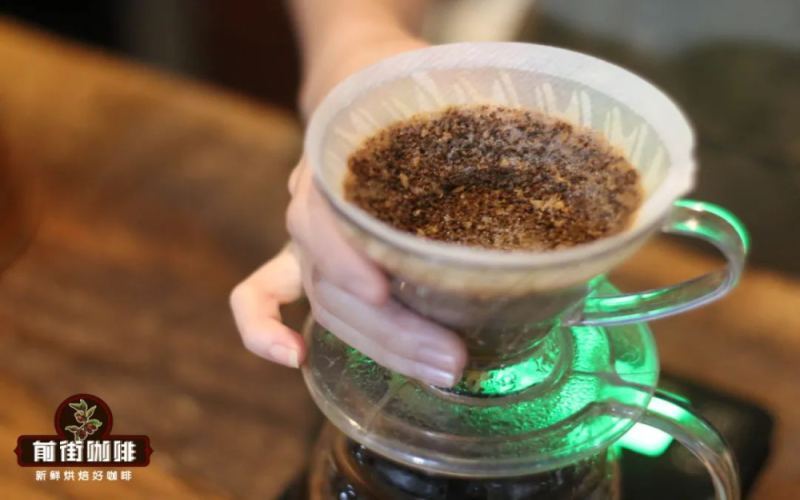
Interpreting the Shape of the Coffee Bed in Pour-Over Brewing: Judging Extraction Evenness and Brewing Issues from the Grounds Pattern
Many pour-over enthusiasts habitually check the shape of the coffee bed in the dripper after brewing, and some even predict the coffee's flavor based solely on the bed's appearance. What can the coffee bed actually tell us? Can it really determine whether a cup of coffee is good or bad? This article starts from the causes of the coffee bed, analyzes the extraction problems corresponding to different bed shapes, and explores the practical reference value of the coffee bed in brewing adjustments. At the same time, Front Street will also share how to view the coffee bed rationally and avoid falling into the misconception of "judging solely by the coffee bed." [more…]

Latte Art Practice Duration and Latte Milk Frothing Techniques: A Detailed Guide to Milk and Coffee Integration Key Points
To create beautiful latte art, hand speed and talent alone are far from enough—behind it lies a whole series of details involving milk foam condition, crema quality, extraction parameters, and even milk temperature. This article breaks down crema, coffee beans, extraction methods, milk handling, and pitcher-splitting techniques one by one, helping you understand the underlying logic of latte art and avoid unnecessary detours. Whether you are a complete beginner or an enthusiast looking to refine combination patterns, you will find directions worth practicing repeatedly. The article also combines the characteristics of several Front Street Coffee espresso blends to offer bean selection advice for latte art practice and serving. [more…]
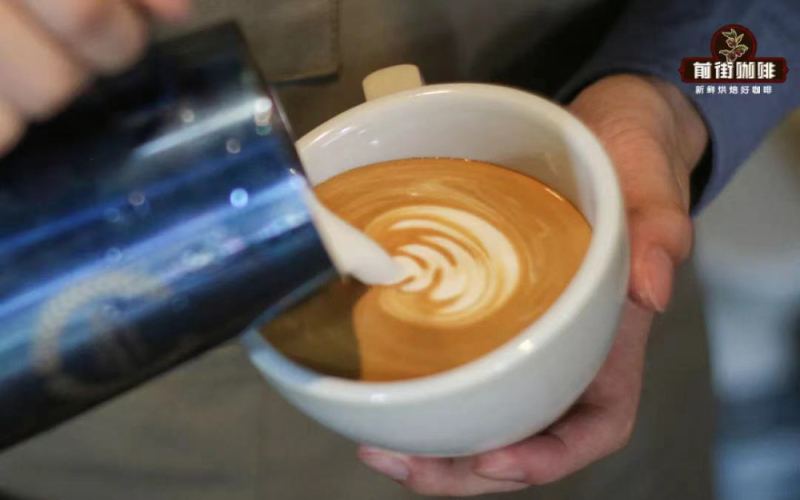
The Complete Guide to Latte Art: From Coffee Bean Selection to Milk Frothing and Extraction Techniques
To create a cup of espresso latte art with clear patterns and distinct contrast at home, practicing technique alone is far from enough. From the roast level and freshness of the coffee beans, to the yield and flow rate of the espresso extraction, to the temperature, fat content, and foam thickness of the milk, every step directly affects the final pattern. This article systematically breaks down the four major elements that influence latte art—coffee, milk, pitcher, and pattern—and recommends three beans for practice and serving—Front Street Classic Blend, Commercial Blend, and Dark Cocoa Base Blend—to suit different needs, helping coffee enthusiasts gradually improve their latte art skills on the basis of understanding the principles. [more…]

Latte Art Illustrated Guide | How Can Coffee Beginners Learn Latte Art? What Should Be Noted in Latte Art? Instructional Guide on Swan, Tulip, and Rosetta Latte Art
Latte art mainly takes three forms: free pouring, etching, and stenciling. Stenciling uses a stencil to dust cocoa powder, chocolate powder, or cinnamon powder onto the coffee to create a pattern. Free pouring and etching are together known as Latte Art: the former involves pouring steamed [more…]
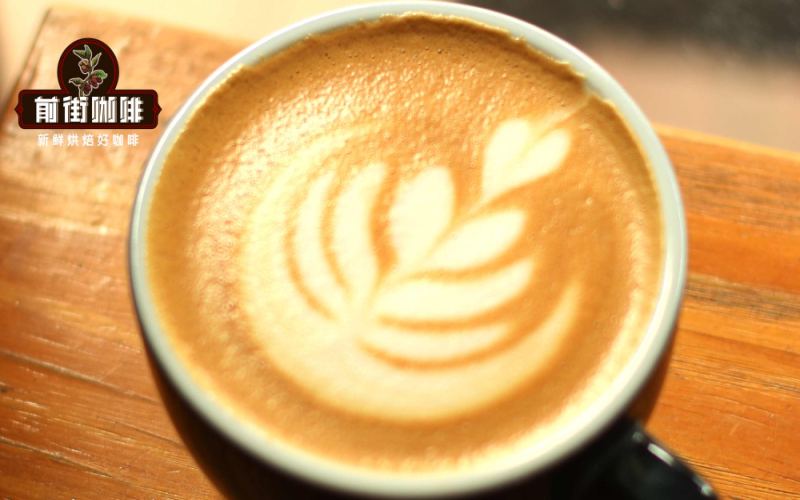
The Complete Guide to Latte Art: Milk Frothing and Etching Techniques, with Front Street Coffee Espresso Bean Recommendations
Many coffee enthusiasts who try latte art at home often run into problems like the pattern not appearing, blurry lines, or clumpy milk foam. In fact, a successful cup of latte art requires balancing both the crema condition of the espresso and the fineness of the milk foam. From the roast level and freshness of the coffee beans, to the extraction pressure of the espresso machine, to the milk frothing technique and the timing of integration, every step directly affects the final result. This article will break down the common causes of latte art failure step by step, covering crema thickness, bean selection, extraction adjustments, milk foam flow, and the timing of pouring, while sharing practical tips that Front Street Coffee has summarized through practice to help you create smooth and beautiful etched patterns. [more…]

How to Make an Iced Caramel Macchiato? A Complete Tutorial from Espresso Extraction to Caramel Latte Art
The name caramel macchiato comes from the Italian word "macchiato," meaning "marked," which gives this drink the romantic connotation of a "sweet mark." In hot weather, an iced caramel macchiato brings both a refreshing coolness and the sweet, silky texture that people crave. The basic method is to pour espresso into cold milk, cover it with a layer of densely frothed milk foam, and finally drizzle caramel sauce on top and draw a pattern with a latte art needle. This article uses Front Street Coffee's classic espresso blend as an example to explain in detail the complete steps from extracting espresso and frothing milk to assembling the drink, including ingredient selection, parameter settings, and tips for drawing patterns, helping coffee lovers easily recreate a beautiful and flavorful iced caramel macchiato at home. [more…]
A Beginner's Guide to Coffee Latte Art: A Complete Guide to Choosing Equipment and Tools from Espresso Machines to Latte Art Pitchers
Wanting to learn latte art, passion alone is not enough—choosing the right equipment and tools is the first step. This article is aimed at beginner baristas and systematically sorts out the various basic equipment needed to get started with latte art: from the differences and selection points of the four boiler systems in professional Italian espresso machines (single boiler, heat exchanger, dual boiler, multi-boiler), to the classification of steam wands and steam tip types, then to grinder burr types, tamper shape matching, latte art pitcher spout shapes and groove designs, as well as the logic for choosing materials such as espresso beans and milk. It also analyzes the influence of cup shape on latte art results and gives the key parameters for adjusting machine settings, helping beginners avoid detours and laying a solid hardware foundation for subsequent latte art practice. [more…]
The Complete Guide to Latte Art: Step-by-Step Techniques and Analysis for Hearts, Tulips, Swans, and Rosettas
Latte art is one of the most visually captivating skills in Italian coffee culture, elevating an ordinary milk coffee into a work of art that appeals to both the eye and the palate. This article begins with the three major categories of fancy coffee art, systematically outlines the five learning stages of milk latte art, and breaks down in detail the practical steps for two basic patterns: the tulip and the leaf. Whether you are a coffee enthusiast just starting out or a barista hoping to refine your technique, you will find clear practice directions in this step-by-step illustrated guide. The article also specifically introduces how Front Street Coffee's specialty blend performs in latte art, helping you master the essentials of latte art from bean selection to technique. [more…]

Single-Origin Coffee Opening and Resting Patterns: Capturing the Optimal Drinking Window When Bean Aromas Bloom
Freshly roasted single-origin coffee beans are filled with a large amount of carbon dioxide inside. If they are ground and brewed immediately, the intense degassing reaction will form many bubbles in the coffee bed, preventing the hot water from fully contacting the coffee grounds. Giving the beans a period of steady resting time allows the gas to escape slowly, so that the internal aromatic compounds can be released during extraction. [more…]
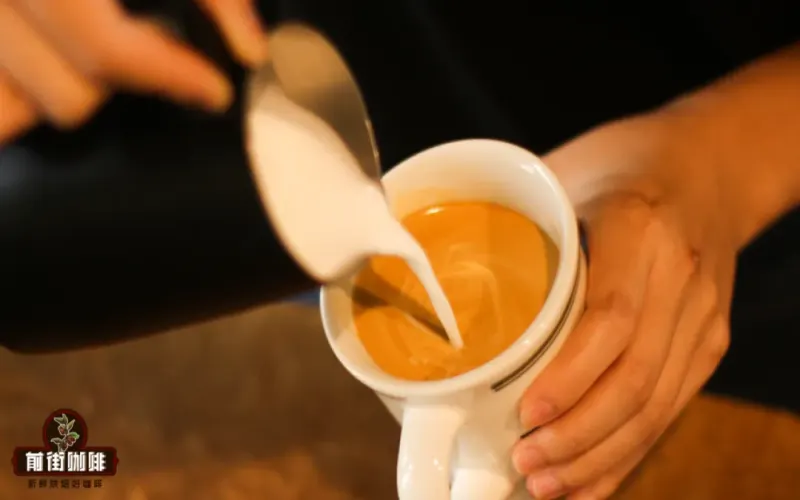
Analysis of Four Common Mistakes in the Coffee Latte Art Pouring Phase: How Flow Distance, Flow Rate, and Crema Condition Affect the Pattern
When creating latte art, integration is a preparatory step just as important as the bloom in pour-over coffee. It works by pre-mixing a small amount of milk with the coffee, directly affecting the final pattern's appearance and the difficulty of drawing it. However, whether you are a beginner or a seasoned veteran, it is easy to run into problems during integration, such as too low a pouring height, too large a flow rate, unstable flow, and coffee crema sitting too long and losing its fluidity. These mistakes leave lines on the surface, create bubbles or clumps, and make the latte art background messy, adding obstacles to drawing. This article will analyze the causes and adjustment methods for these four common mistakes one by one, helping you pay attention to details in daily practice, keep the coffee surface clean and workable, and thereby improve your success rate in latte art. [more…]