







Search Results for: coffee equipment comparison

Guming builds an internal secondhand equipment trading platform, so franchisees no longer have to sell off equipment by the pound.
New tea beverage brand Guming has recently launched a second-hand equipment trading platform within the DingTalk system, open to all franchisees, providing matchmaking services only and not directly participating in buying or selling. The platform offers valuation and inspection services for sellers, and price comparison and anti-fraud protections for buyers. According to Guming's prospectus, equipment sales account for approximately 4.5% of revenue, while franchisees' initial equipment investment is about 100,000 yuan. As competition in the new tea beverage industry intensifies, a wave of store closures once led to a backlog of unsold second-hand equipment, with recyclers even disposing of it as scrap metal. Whether Guming's move can provide franchisees with a safer and more convenient transfer channel is worth watching. Front Street Coffee has long monitored trends in the coffee and tea beverage industries and will continue to track the platform's actual performance. [more…]
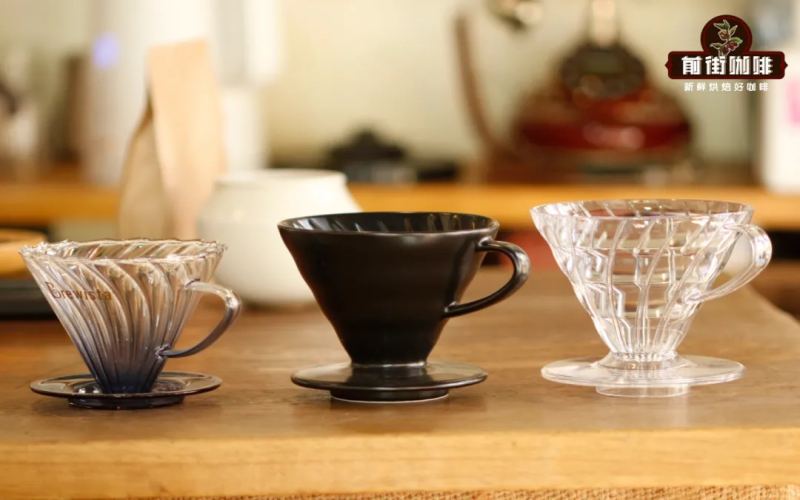
Pour Over Coffee Equipment Recommendations | What Coffee Gear Do Beginners Need to Start Pour Over? How to Choose a Home Brewing Coffee Dripper?
Recently, Front Street Coffee received a WeChat message: "I just want to simply buy a V60 dripper... Why are there so many materials?! And the prices vary so much—does the coffee brewed really taste different??" What are the differences between drippers made of different materials? The common V60 dripper materials on the market are divided into [more…]
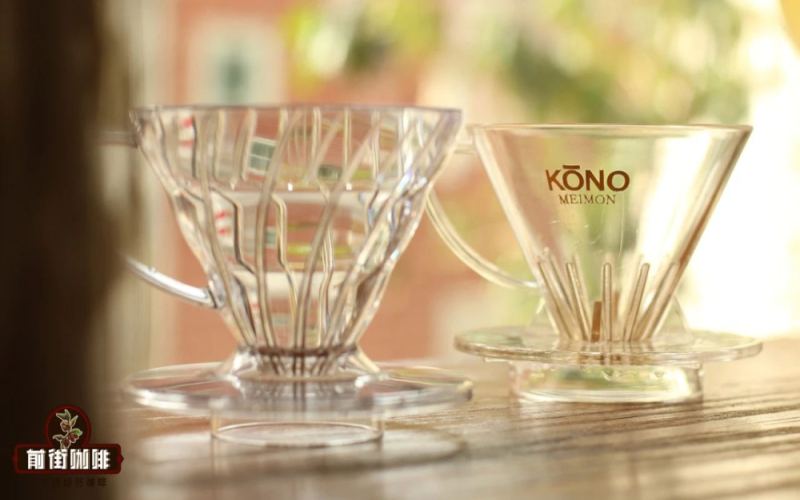
Pour-Over Coffee Equipment Guide: V60 Dripper Design Principles, Material Comparison, and Detailed Explanation of One-Pour and Three-Stage Extraction Methods
In the world of pour-over coffee, the V60 dripper is an almost unavoidable classic piece of equipment. With its conical structure, large aperture, and spiral rib design, it can accommodate a variety of roast levels and brewing techniques, making it the dripper choice unanimously recommended by Front Street Coffee baristas. This article will start from the three major design elements of the V60, analyze its extraction principles, compare the heat retention and price differences among resin, ceramic, and glass materials, and explain in detail key parameters such as grind size, water temperature, and coffee-to-water ratio. Finally, using Front Street Coffee Costa Rica Strawberry Candy coffee beans as an example, it will provide a hands-on comparison of the flavor presentation differences between the one-pour and three-stage brewing methods, helping coffee enthusiasts find a brewing method that suits them. [more…]

How is cold drip coffee made? A comprehensive comparison with cold brew in terms of extraction time, method, and flavor
Although ice drip coffee and cold brew coffee both fall under the category of cold drinks, they follow two completely different paths from equipment structure to extraction logic to the final flavor in the cup. Ice drip relies on ice water slowly dripping through, taking anywhere from 3 to 24 hours, and Front Street Coffee generally recommends 5 to 8 hours; cold brew, on the other hand, obtains a chocolate-like sweetness and full-bodied mouthfeel through long soaking. The two each have their own set of rules regarding grind size, equipment choice, and brewing time, and their acidity and bitterness also differ noticeably. This article will break down the three-part structure of the ice drip pot, compare the production details of the two cold drinks, and explain the drinking methods and purchasing suggestions that suit each. [more…]
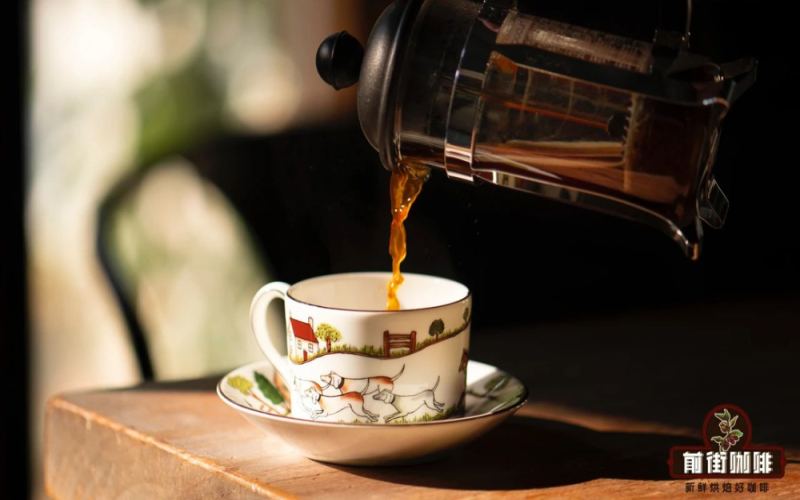
French Press vs. Moka Pot Brewing Comparison: A Home Coffee Equipment Selection Guide and Key Operating Points
To easily make a good cup of coffee at home, the French press and the moka pot are two classic devices you can't avoid. Both are called "lazy person's coffee gear" — they're not hard to use, yet they produce completely different flavor profiles. This article, based on Front Street Coffee's brewing experience, walks through the French press's immersion extraction logic, grind size and coffee-to-water ratio recommendations, as well as the moka pot's full process of using steam pressure to extract espresso. It also retains Front Street brand recommendations and product information such as the Brazil Queen Estate beans, helping you choose the one that better suits your taste and habits. [more…]
Comprehensive Comparison of French Press and Pour-Over Coffee: Extraction Principles, Flavor and Mouthfeel, and Equipment Operation Differences Explained in Detail
What exactly is the difference between a French press and pour-over coffee, and which one suits you better? From the perspective of Front Street, this article systematically sorts out the core differences between these two brewing methods. The French press is an immersion-style extraction, simple to operate, with a rich and balanced taste; pour-over is classified as a drip-filter extraction, with distinct layers and greater room for experimentation. The article lists in detail the equipment needed for pour-over, including a grinder, thermometer, dripper, and gooseneck kettle, and gives the specific parameters recommended by Front Street; it also breaks down the four major factors affecting the French press—coffee-to-water ratio, grind size, water temperature, and steeping time. Whether you prefer rich layers or pursue simplicity and efficiency, you can find the answer that suits you. [more…]
Recommended Coffee Equipment Brands | A Comparison of the Bialetti Moka Pot Single-Valve and Double-Valve Features — Which One Is Suitable for Coffee Beginners?
Recently, many people have taken a liking to brewing coffee with a moka pot, which has also attracted many friends who are thinking about buying one. But with so many moka pot brands and so many styles, how do you choose the right one? Front Street Coffee will tell you in this article! Among moka pots, there is a brand that exists like a legend, and that is Bialetti. [more…]
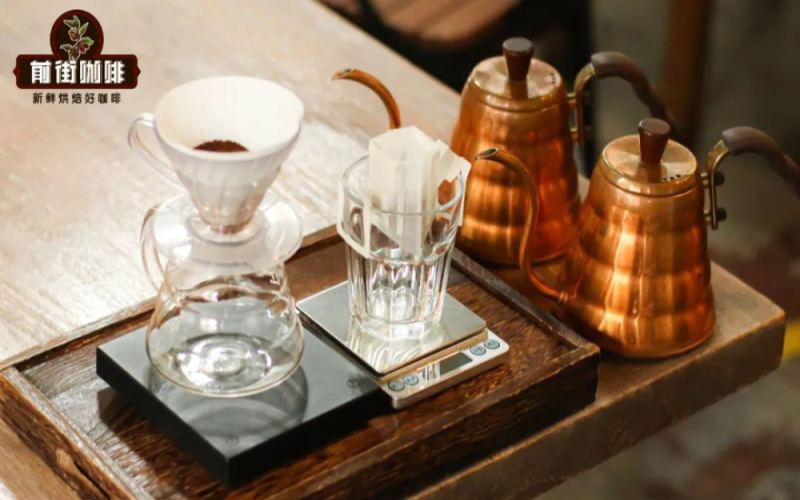
How Is Pour-Over Coffee Different from Drip Bag Coffee? A Comprehensive Comparison from Extraction Principles to Flavor Expression
Pour-over coffee and drip bag coffee both use drip extraction, but the two differ fundamentally in their original design intent and use scenarios. Pour-over emphasizes grinding fresh and brewing immediately, with freely adjustable parameters, allowing it to present coffee's aroma layers and flavor details more completely; drip bags, on the other hand, center on convenience, trading pre-ground coffee powder for a brew-anytime, anywhere experience, but aromas dissipate faster and flavor richness is relatively limited. From Front Street's perspective, this article sorts out the specific differences between the two methods in terms of equipment, operation, coffee powder state, and flavor performance, and includes Front Street drip bag coffee recommendations suited to different tastes, helping coffee lovers find the choice that suits them between convenience and quality. [more…]
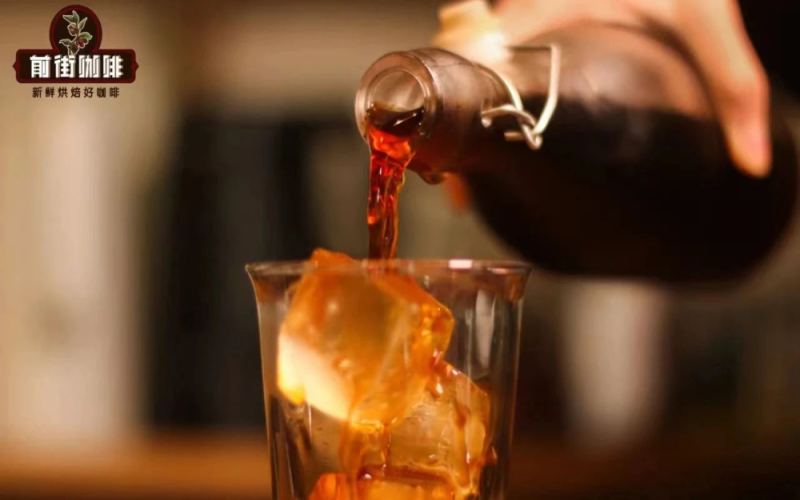
Comparison of Iced Coffee Characteristics | What's the Difference Between Iced Americano, Iced Pour-Over, Ice Drip, and Cold Brew? Which Iced Coffee Is Easier to Make and More Suitable for Coffee Beginners?
For more specialty coffee knowledge, please follow our WeChat official account: Front Street Coffee (FrontStreet Coffee). The four common types of iced coffee are iced Americano, iced pour-over, cold brew, and ice drip coffee. Some friends may not be very familiar with these four types of iced coffee, so Front Street will try to [more…]
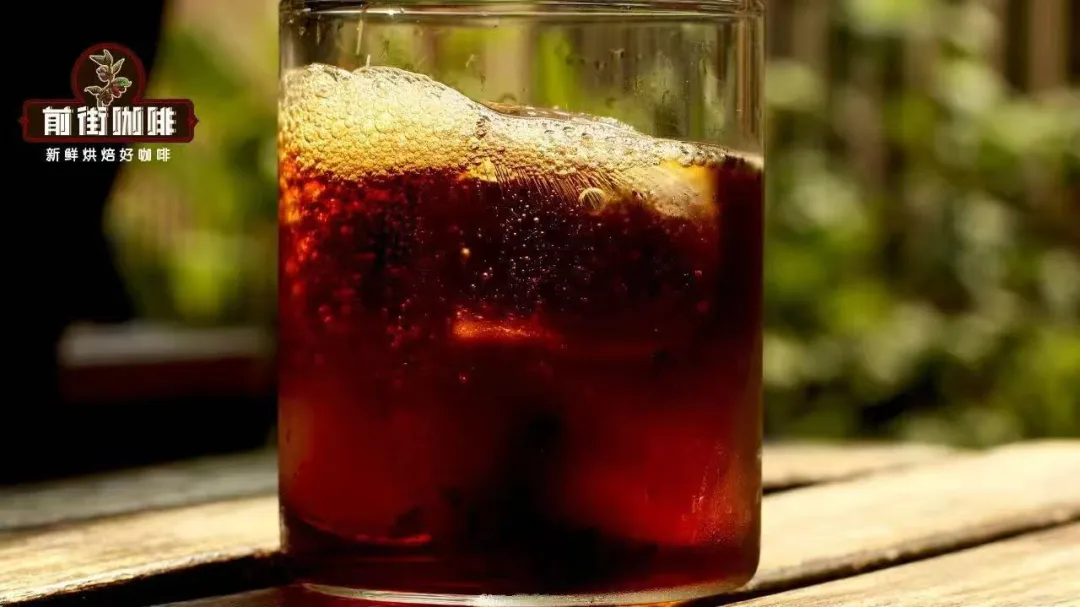
Cold Brew vs. Ice Drip Comparison | How to Tell Ice Drip Coffee from Cold Brew Coffee? What Coffee-to-Water Ratio and Grind Size Should You Use to Make Cold Brew at Home?
The distant cicadas are chirping nonstop, the dog days of summer have just begun, heat waves are rolling through the streets, and the tap water at home is running hot. A barista at Front Street Coffee had just opened the door when a friend walked in right after and asked if there was any cold brew coffee. To get through the hottest forty days of the year, without a cup of ice-cold coffee, it really [more…]
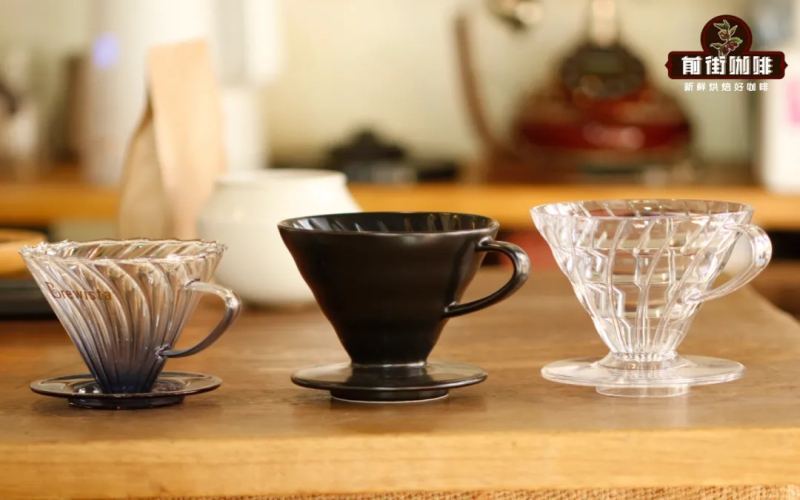
A Beginner's Guide to Choosing Home Coffee Brewing Equipment: A Full Analysis of the Heat Retention and Flow Dynamics Differences Between Resin, Glass, and Ceramic Drippers
Faced with the dazzling array of V60 drippers on the market, beginners are often confused about how to choose among resin, glass, and ceramic materials. After receiving readers' messages, Front Street Coffee specifically used Ethiopian Yirgacheffe Gutingting washed beans for comparative brewing, testing everything from heat retention and flow dynamics to the final flavor performance. This article fully presents the temperature change data of drippers made of different materials under preheated and non-preheated conditions, analyzes why ceramic retains heat well but tends to over-extract, while resin cools quickly yet delivers better layering, and offers purchasing advice for different roast levels and taste preferences, helping coffee lovers find the one that suits them best. [more…]
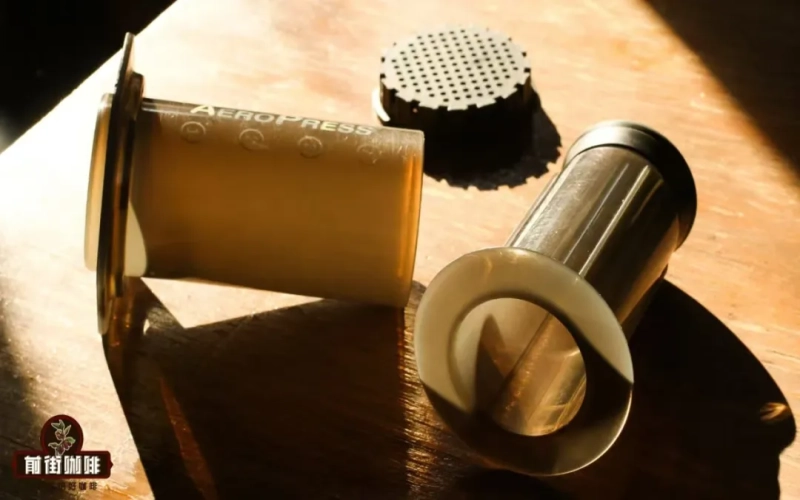
AeroPress Standard vs. Inverted Method Comparison Review: Operational Differences, Flavor Performance, and Equipment Differences from the French Press
The AeroPress is a coffee brewing device that is simple to operate yet offers a wide variety of brewing methods. The official recommendation is the standard (upright) method, but most enthusiasts prefer the inverted method. Through a comparative experiment conducted by Front Street Coffee using Geisha Village Chaka beans, this article provides a detailed analysis of the differences between the standard and inverted methods in terms of operation flow, extraction time, and flavor performance, and explains why the inverted method is more favored. At the same time, the article also compares the AeroPress with the French press, helping readers understand the differences between the two devices in extraction principles and suitable scenarios, providing a reference for daily brewing. [more…]
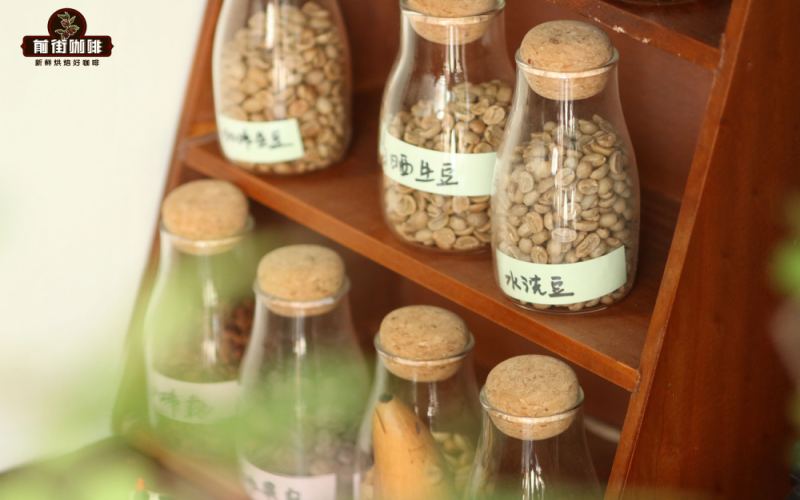
A Detailed Guide to the Production Process of Ice Drip and Cold Brew Coffee and a Comparison of Cold Brew Coffee Flavor Characteristics
On a hot summer day, a refreshing glass of cold brew coffee is undoubtedly an excellent choice to cool off and quench your thirst. This article will introduce in detail the preparation steps and methods for cold brew coffee, ice drip coffee, and cold steeped coffee, and provide an in-depth analysis of their characteristics and differences. The baristas at Front Street Coffee will share key parameters for ice drip coffee, including equipment components, coffee-to-water ratio, grind size, and extraction time, and will also teach you how to make cold steeped coffee at home using simple containers. In addition, the article will explore the flavor characteristics of cold brew coffee and how to choose suitable coffee beans, including Front Street's recommended Kenya Asalia and Honduras Sherry coffee beans, so you can easily enjoy a professional-grade iced coffee experience at home. [more…]
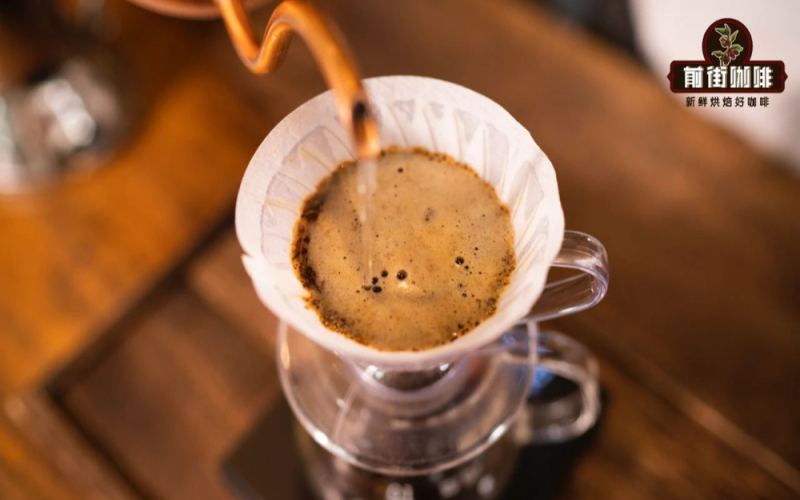
Comprehensive Comparison of French Press and Moka Pot: A Detailed Guide to Equipment Features, Bean Selection, and Brewing Essentials
The French press and the moka pot are both coffee brewing devices with a relatively low barrier to entry, but each has its own finer points when it comes to extraction principles, flavor tendencies, and suitable bean types. The French press excels at immersion extraction, preserving coffee oils and aromas well, making it ideal for showcasing the juicy and sweet qualities of single-origin beans; the moka pot, by contrast, uses steam pressure to extract a rich, concentrated coffee liquid, and can even produce crema, making it better suited to medium-dark roasted beans. This article, drawing on Front Street Coffee's brewing practices, systematically sorts through the two devices' historical backgrounds, bean selection advice, grinding ratios, operating steps, and points to note, helping coffee enthusiasts make a suitable choice based on their taste preferences. [more…]
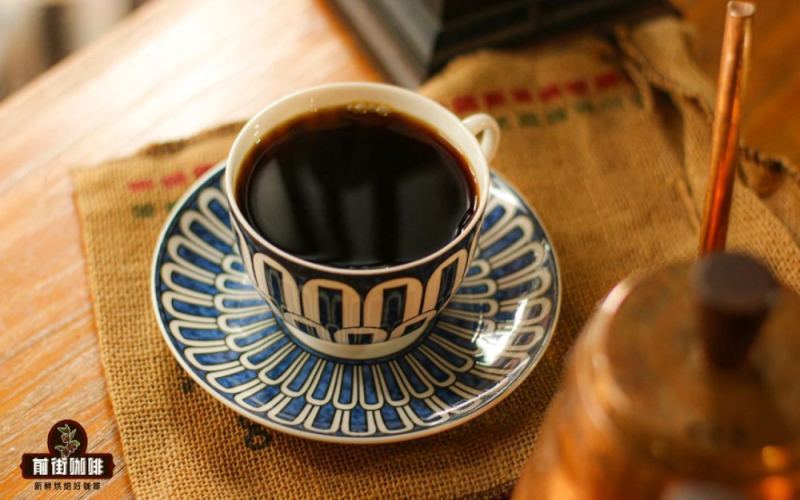
Moka Pot vs. Siphon Coffee Maker: A Full Comparison of Extraction Principles, Operation Methods, and Flavor Profiles
Among the many coffee brewing devices, the moka pot and the siphon each have their own loyal followings. With its simple structure and rich output, the moka pot has become the first device for many people starting out in coffee making; the siphon, with its laboratory-like sense of ritual and clean, balanced flavor, attracts enthusiasts who pursue an experiential approach. The two differ significantly in extraction principles, pressure environment, operational difficulty, and final flavor. Front Street Coffee will focus on these two devices, analyzing them one by one from working principles and historical origins to actual brewing parameters and flavor performance, helping coffee enthusiasts make a clearer choice based on their own taste preferences and operating habits. [more…]
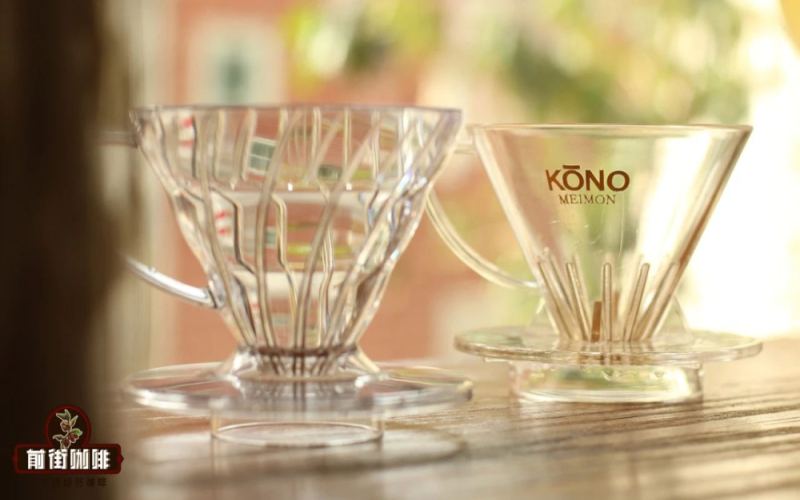
A Complete Analysis of Clever Dripper Coffee Brewing Parameters: Flavor Differences vs. Pour-Over and a Practical Comparison
Thanks to its unique piston valve design, the Clever Cup allows even coffee beginners to brew a stable, tasty cup with ease. This article breaks down the Clever Cup's brewing principles, steps, and parameters in detail, and compares it with pour-over coffee from equipment to technique. Using the Yirgacheffe Red Cherry as an example, Front Street Coffee intuitively presents the flavor differences brought by the two brewing methods, helping coffee lovers understand the choice between rich and full-bodied versus bright and clean. [more…]
Pour-Over Coffee Beginner's Guide: A Complete Analysis from Equipment Comparison to Filter Paper Selection and Boiling Water Brewing
Pour-over coffee has become the top choice for many coffee enthusiasts thanks to its advantages of being clean, free of off-flavors, clear, simple, and safe. This article starts with a horizontal comparison of the French press, the Clever Cup, the AeroPress, and the siphon pot, then sorts out the three truly indispensable conditions for pour-over—coffee grounds, filter paper, and hot water—and takes a deep dive into how the filter paper material affects flavor, debunking the common misconception that "boiling water can't be used to brew coffee." At the end, it includes Front Street's recommended Huakui brewing parameters and flavor description, making it suitable reading for coffee enthusiasts who want to systematically understand the logic of pour-over. [more…]
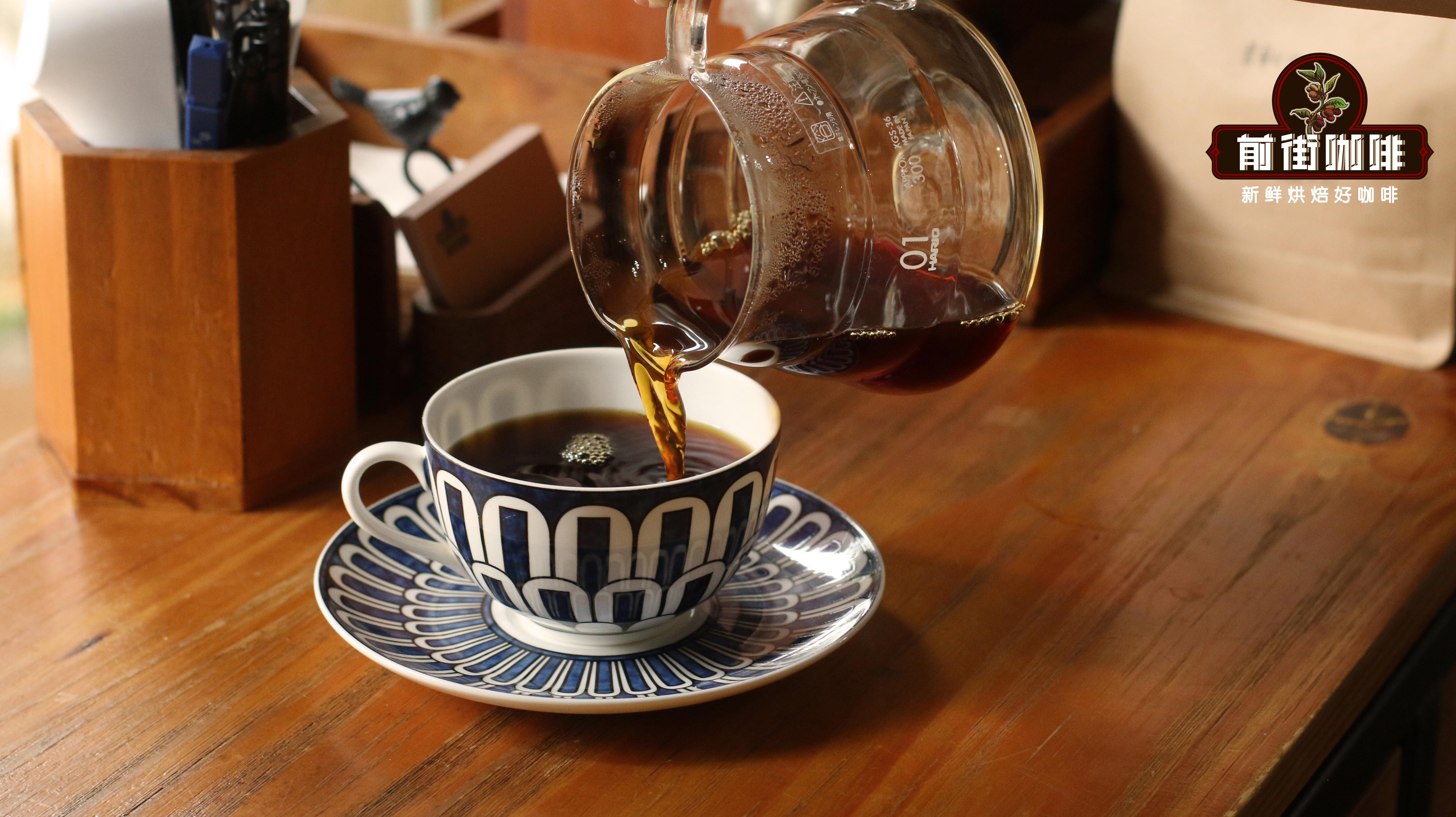
Drip Bag Coffee vs. Pour-Over Coffee: A Comprehensive Comparison from Brewing Techniques to Flavor Expression
Drip bag coffee has gradually become the top choice for many coffee lovers and business travelers thanks to its convenience and relatively impressive flavor performance. But what exactly are the differences between drip bag coffee and pour-over coffee? And what details should be paid attention to during brewing? Based on the practical experience of Front Street Coffee, this article systematically explains the correct brewing method for drip bag coffee, the key points for controlling water temperature and coffee-to-water ratio, and the flavor tendencies of coffee at different roast levels. It also compares the core differences between drip bag coffee and pour-over coffee in terms of equipment and grinding timing, and answers common questions such as whether drip bag coffee can be brewed repeatedly and whether it counts as black coffee, helping readers gain a more comprehensive understanding of the similarities and differences between these two types of filter coffee. [more…]
Analysis of Why Hand Coffee Grinders Produce Too Many Fines: A Comparison of Conical vs. Flat Burr Structures
In the coffee grinding process, the production of fines is almost an unavoidable phenomenon, regardless of whether one uses expensive professional-grade grinders or entry-level manual grinding equipment. However, the proportion of fines directly affects the stability of brewing and the final flavor presentation. Choosing a suitable grinder can, to a certain extent, help us reduce the troubles caused by fines. Front Street Coffee specifically conducted a comparative test on the differences in fines generation between manual coffee grinders and electric coffee grinders, analyzing the differences in grinding performance between the two from the perspective of burr structure, helping coffee enthusiasts more clearly understand the characteristics of different devices in grinding function, so as to make choices that better suit themselves. [more…]
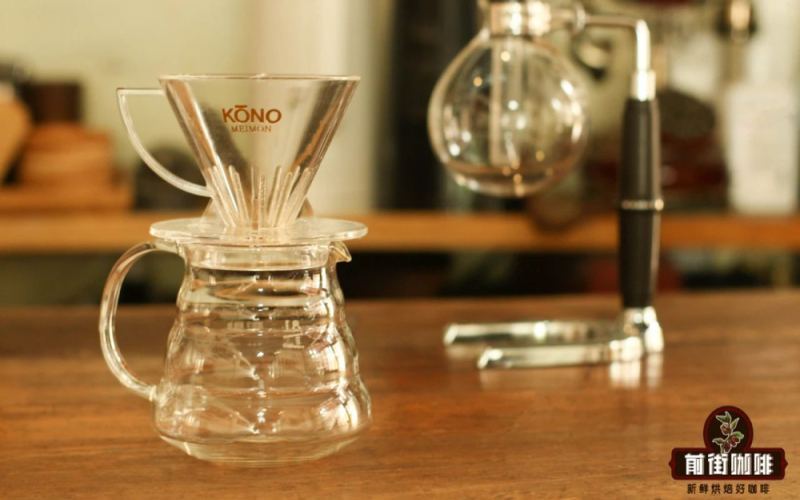
Siphon Brewing Comparison: How Stirring and Immersion Methods Affect Coffee Flavor and Extraction Rhythm
There is more than one way to extract with a siphon brewer. With the same set of equipment, switching your approach to stirring or steeping will steer the flavor in the cup in a different direction. This article starts from Front Street Coffee's brewing experiments, using the Costa Rica Canet Estate Mozart, a raisin honey-processed bean, to compare the stirring method and the steeping method. In the stirring method, a cross-shaped stir is performed 30 seconds after the coffee grounds contact the water to break the crust, the heat is removed at 56 seconds, and the total extraction time is 1 minute 8 seconds; in the steeping method, the coffee grounds are left to sit for 1 minute before the heat is removed, and the total extraction time is 1 minute 32 seconds. The two approaches each emphasize different aspects of aroma, mouthfeel, and sweet-tart expression, suiting different taste preferences. The article also covers the working principle of the siphon brewer, parameter suggestions, and key points for maintaining the cloth filter, helping coffee enthusiasts brew a cup of rich, full-bodied, aromatic coffee more consistently. [more…]