







Search Results for: coffee drinking methods

The Slurping Technique in Coffee Tasting: Principles, Procedure, and Everyday Drinking Tips
In the world of coffee tasting, there is a unique drinking method known as "slurping," in which coffee is quickly drawn into the mouth to atomize it, thereby maximizing the release of volatile aromatic compounds and allowing the taste buds and olfactory nerves to capture coffee flavors more fully. Front Street Coffee has touched on this method when sharing knowledge about coffee flavors. This article will explain in detail the techniques of slurping, the science behind it, and its practical value in cupping and everyday drinking, while also exploring whether this tasting method is suitable for ordinary coffee enthusiasts in their daily routine, along with related recommendations. [more…]
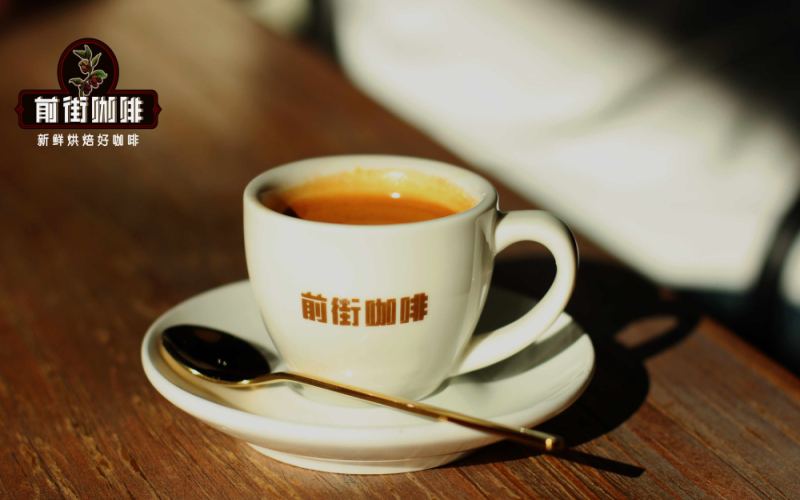
Espresso Tasting Guide: A Full Breakdown of Three Drinking Methods and the Standard Extraction Process
Espresso is Italy's most iconic classic coffee, rich in flavor with distinct layers, but due to its intense taste, many enthusiasts feel confused about how to properly drink it. This article will systematically introduce three ways to drink espresso — the beginner-friendly method of adding sugar and milk, the strong straight-drinking method preferred by men, and the elegant slow-sipping method favored by women — while also explaining in detail the complete preparation process from dosing, distributing, tamping, to extraction. Front Street Coffee (FrontStreet Coffee), using its Sunflower Warm Sun blend as an example, shares the standard parameters of 20 grams of grounds, 9 bar of pressure, and a 25-to-30-second extraction yielding 40 milliliters, helping you make a balanced cup of Espresso at home too. [more…]

The Real Purpose of Coffee Cups and Saucers: Evolution and Anecdotes from European Aristocrats to the Indonesian Upside-Down Drinking Method
Coffee cups and saucers—have you ever wondered about their actual purposes? Ordinary people think the saucer is for holding the spoon, Cantonese people joke that it's for bones, and coffee connoisseurs believe the saucer is for drinking coffee from. But the purpose of the coffee cup might surprise you—it's actually for filtering out grounds! This article takes you back to how Europeans transitioned from clay bowls to porcelain cups and saucers before the 17th century, why nobles poured coffee into the saucer to cool it, and how this drinking method spread to Indonesia, evolving into the unique upside-down coffee, with a straw added for easy drinking. Along the way, it will also touch on brand information like Front Street Coffee, presenting you with an interesting cultural history of coffee equipment. [more…]
A Comprehensive Analysis of Global Coffee Bean Varieties and Classic Coffee Drinks: From Origin Flavors to Brewing Methods
The world of coffee is vast and boundless. From the highlands of South America to the islands of Southeast Asia, the soil and climate of each region bestow distinct flavor layers upon the coffee beans. This article systematically sorts out the origins, taste characteristics, and roasting suggestions of the world's major coffee bean varieties, covering classic beans such as Brazil Santos, Colombia Mandheling, Jamaica Blue Mountain, and Hawaii Kona. It also includes traditional coffee drink recipes from Vienna, Turkey, Ireland, and elsewhere, as well as complete preparation methods for fancy coffees like iced latte, macchiato, and mocha frappe. Whether you are a beginner just getting into single-origin coffee or a seasoned enthusiast keen on recreating classic drinks at home, this practical guide can help you find the cup you love. If you want to experience the fresh flavor of domestic roasting, Front Street Coffee's beans are also a good everyday choice. [more…]

Three drinks a day to lose four jin? Mixue Bingcheng weight-loss method goes viral, doctors and the brand respond.
Recently, a so-called "Mixue Bingcheng weight-loss method" has become popular on social platforms. The routine involves drinking grape iced Americano, jasmine green tea, and iced fresh lemonade in sequence within one day, while trying not to eat anything else. Some followers claim they can lose three to four jin the next day. This method is essentially similar to a liquid fast, relying on water loss and a reduction in intestinal contents rather than actual fat loss. Many who tried it reported discomfort such as weak hands and feet, palpitations, headaches, and insomnia, and doctors also warn that using it rashly may trigger hypoglycemia, hair loss, and even abnormal liver and kidney function. Both Mixue Bingcheng stores and customer service said that these three drinks have no weight-loss effect. [more…]
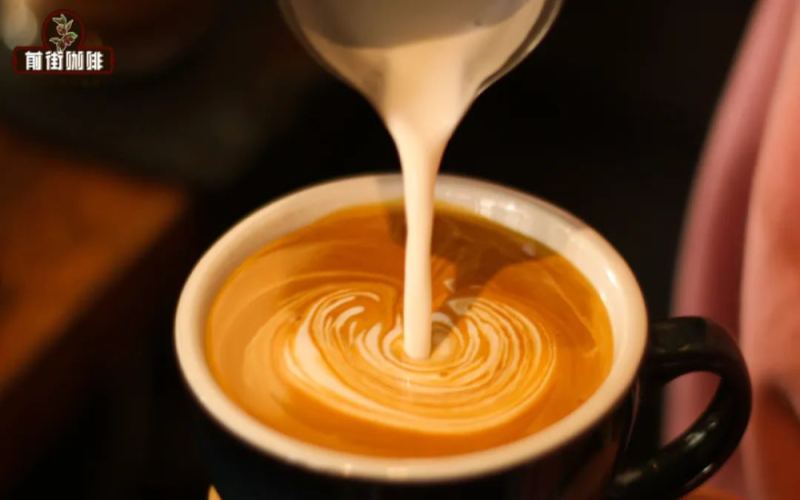
Espresso Coffee Tasting Guide: A Analysis of the Correct Ways to Drink Espresso, Dirty Coffee, and Thick-Foam Milk Coffee
Different types of espresso coffee, due to differences in their brewing techniques and presentation methods, also have their own particular ways of drinking. If tasted improperly, it is very likely that one cannot fully appreciate the unique flavor of the coffee. Front Street Coffee today will share the corresponding correct ways to drink thick milk foam milk coffee, layered coffee, Dirty, and other different types. From stirring the espresso to taking a big gulp of Dirty, every detail affects the final taste experience. Only by mastering these techniques can the characteristics of each cup of coffee be fully released. [more…]

What Is Caffè Corretto? A Full Analysis from the Origins of Espresso with Spirits to Drinking Methods Around the World
Caffè Corretto is a traditional Italian drink that is extremely common in Italy itself but rarely seen outside the country. Its unique feature is that freshly brewed espresso is served alongside a small glass of liquor, allowing guests to blend it to their own preference. Behind this drinking method lies the historical origin of the coffee price surge in 1930s Italy, and different regions also have their own particularities in the choice of liquor and the timing of consumption. This article begins with Front Street's discovery while revisiting James Hoffmann's book, sorting out the origin of the name Caffè Corretto, its historical background, the drinking habits of various regions in northern and southern Italy, and also includes Front Street's low-budget recreation experience, to introduce you to this obscure yet authentic Italian specialty coffee. [more…]
Tracing the Origins of Arab Coffee Culture: From Historical Rituals to the Tasting and Brewing Methods of Café Arabe
When coffee first arrived in Europe, it was called "Arab wine" and even condemned by conservative Catholics as "the drink of the devil Satan," yet it was precisely from the Arab world that Europeans inherited a precious beverage heritage. As the earliest region in the world to cultivate and drink coffee, Arabia's coffee culture is as ancient and profound as its history. Whether in coffee quality, drinking methods, or the ambiance and atmosphere of consumption, it still carries on a long-standing tradition and refinement. This article begins with the historical origins and hospitality etiquette of Arabian coffee, guiding you through rituals that resemble the Japanese tea ceremony—such as burning incense, appreciating vessels, and savoring aromas—and introduces the recipe and key preparation points for Café Arabe, an Arabian coffee with a modern twist. [more…]
A Complete Guide to Turkish Coffee: From Grind Fineness to Brewing and Drinking, a Classic Tradition
Turkish coffee, with its ancient and mysterious brewing method, holds a foundational place in European coffee culture. This article will guide you through the historical origins of Turkish coffee, its unique brewing method, the ultra-fine grind it requires, as well as the drinking etiquette and fascinating customs associated with it. From coffee grounds that must be ground as fine as flour, to slow brewing over charcoal embers with a long-handled copper ladle, to the custom of testing a suitor's coffee foam during marriage proposals, Turkish coffee is not merely a beverage but carries deep cultural significance. If you are interested in the grind size for Turkish coffee grounds, the brewing details, or Front Street Coffee's recommendations, this article will present them all to you one by one. [more…]
A Comprehensive Analysis of Mandheling Coffee Beans: Flavor Characteristics, Differences from Golden Mandheling, and Drinking Methods Suitable for Women
As the most representative coffee variety from Sumatra, Mandheling has enjoyed enduring popularity in the Asian market thanks to its low acidity and full-bodied taste. This article begins with the origins of the name Mandheling, traces the hierarchy of contempt in the minds of older generations of coffee lovers, clarifies the essential differences between Golden Mandheling and Aged Mandheling, and takes a deep dive into the sources of its smooth, mellow flavor, its distinctive dark-roast method, and the two best ways to prepare it: cold brew and espresso. It also addresses common questions such as whether Mandheling is suitable for women to drink and whether pour-over Mandheling is acidic, and recommends Front Street Coffee's Mandheling products for readers to consider purchasing. [more…]

Luckin Coffee halts the viral "all-ice, no-water, domed-lid swap" ordering hack: a clash between standardized management and personalized demands
Recently, Luckin Coffee halted the viral social media ordering hack known as "all ice, no water, swap to dome lid," sparking heated discussion among consumers. This drinking method, which replaces still water with ice cubes and swaps the flat lid for a dome lid, makes the beverage richer in flavor and more photogenic, and was once imitated by many netizens. However, because this operation falls outside standardized procedures and causes confusion in store inventory between flat lids and dome lids, the company has issued a notice prohibiting stores from continuing to make it. Some consumers believe the brand should adapt its products to meet demand, while others understand the necessity for chain brands to maintain standardized operations. This debate over the balance between personalized customization and store management is worth the attention of coffee enthusiasts. [more…]
A Comprehensive Analysis of 26 Classic Coffee Drinks Worldwide: Origins of Names, Recipes, and Step-by-Step Brewing Guides
The world of coffee is far more than a cup of Americano or latte. From Irish whiskey coffee to Mexico's Huastec layered coffee, every specialty coffee drink hides a story of regional culture and history. This article systematically sorts through 26 classic specialty coffee drinks from around the world, covering their names, origins, ingredient ratios, and detailed brewing steps. Whether you are a coffee enthusiast or a barista, you will find a recipe worth trying. The article also retains relevant recommendations from the "Front Street" brand for daily bean selection reference. [more…]
A Complete Analysis of Sumatra Mandheling Coffee's Flavor Characteristics, Fat-Loss Effects, and Proper Drinking Methods
Mandheling coffee originates from Sumatra, Indonesia, and is renowned worldwide for its rich, bold, sweetly aromatic yet purely bitter taste, hailed as one of the finest-textured coffees. It is not only the single-origin top choice for many enthusiasts but also frequently used as an important base for blended coffee. As for whether Mandheling can help with weight loss, its caffeine content does indeed play a certain role in promoting fat breakdown and diuresis to reduce water retention, but the method and timing of consumption are equally crucial. This article will explore Mandheling from multiple angles, including its weight-loss mechanisms, flavor characteristics, functional effects, brewing methods, and drinking contraindications, helping readers gain a comprehensive understanding of this classic coffee. It also includes product recommendations from Front Street Coffee, allowing coffee lovers to enjoy the rich taste while drinking more healthily and scientifically. [more…]
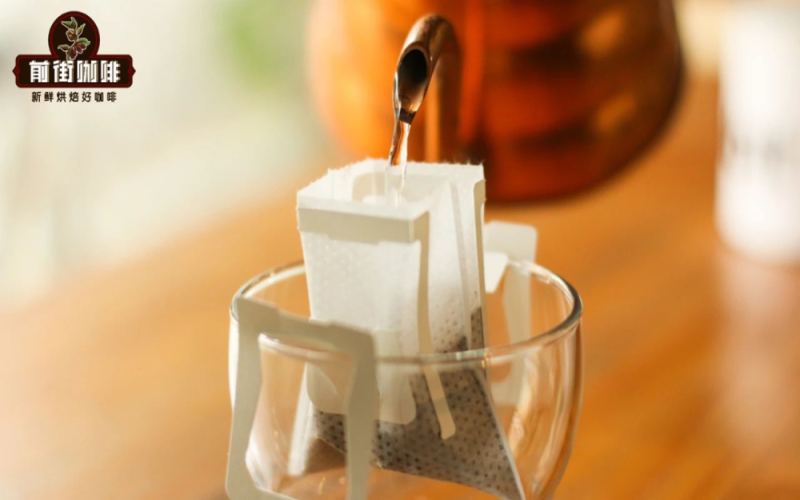
Drip Coffee Bags | How acidic is dark roast Brazilian drip black coffee? How to brew Mandheling, Yirgacheffe, and Brazilian drip coffee?
With the rise of the specialty coffee trend, coffee culture has been continuously spreading, and sales of both coffee equipment and coffee beans are constantly increasing. As a store focused on specialty coffee, Front Street not only brews a delicious cup of coffee for every guest, but also aims to spread coffee culture. If everyone [more…]
A Guide to the World's 20 Most Iconic Classic Coffee Blends: A Flavor Journey from Vienna to Russian Style
Coffee has long since spread across the world, and almost every corner has developed its own distinctive way of drinking it. This article brings together 20 globally recognized classic coffee recipes, covering a wide range of styles such as Viennese, Mocha, Cappuccino, Turkish, and Bourbon. Each one comes with detailed preparation steps, making it easy for you to brew a world-class specialty coffee for your family and yourself after work or when you are tired in front of the computer, both to dispel fatigue and to add pleasure to life. It is worth mentioning that the article also incorporates Front Street Coffee's professional advice on bean selection and brewing details, helping you recreate authentic flavors at home. Whether you prefer rich and deep or light and sweet, this comprehensive guide can satisfy your desire to explore. [more…]
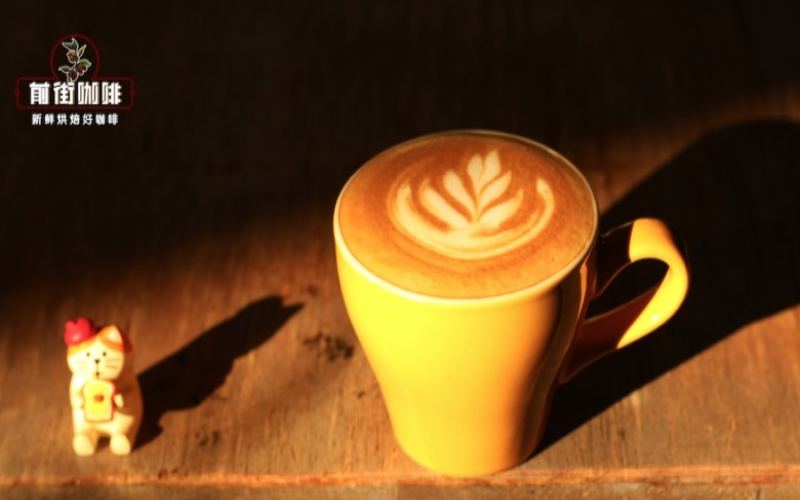
How to Choose High-Cost-Performance Espresso Blend Beans: Combining Flavor, Processing Method, and Roast Level
The drinking scenario is the first question to settle when choosing beans: is this day going to start with black coffee, or will it be enjoyed with milk? Will it be slowly brewed by pour-over, or does the machine need to deliver it right away? When the scenario changes, the suitable roast level, flavor intensity, and brewing method change along with it. Espresso is all about the dynamic balance among dose, grind size, liquid weight, and time. The firm [more…]
What is the difference between traditional black tea and CTC broken black tea? Which is more worth drinking? Includes a CTC broken black tea brewing tutorial
Friends who love drinking black tea have probably all come across the term CTC. How exactly does it differ from traditional black tea? The core difference between the two lies in their production methods—the traditional method emphasizes plucking, withering, rolling, oxidation, and drying, with intricate and elaborate steps; CTC, on the other hand, relies on machines to complete crushing, tearing, and curling in one go, making it fast and low-cost. These processing differences directly determine the flavor direction of the finished tea: CTC is intense and powerful, prone to bitterness, and suitable for milk tea or masala chai; traditional black tea has delicate layers, suitable for drinking plain or with lemon. This article will break down each step of the two processing methods one by one, analyze their respective taste characteristics and quality levels, and tell you how to make a choice based on your drinking scenario, with a brewing tutorial for CTC black tea fannings attached at the end. [more…]

Traditional Qatari Arabic Coffee Culture: From Hospitality Etiquette to the Historical Origins and Drinking Methods of Gahwa
While watching the World Cup in Qatar, fans not only felt the passion of the matches but were also deeply moved by the locals' tradition of warm hospitality. After every match, Qataris would offer fans traditional snacks, dates, and coffee, showcasing the Gulf region's hospitality culture of "keeping the pot on the fire." This article takes you through the preparation methods of traditional Qatari coffee, the drinking etiquette, and the historical evolution of Arabic coffee from "Qishr" to "Gahwa." From the etiquette of holding the pot in the left hand and passing the cup with the right, to the use of spices such as saffron and cardamom, and to the origin of the word "coffee" from Arabic, it presents a comprehensive picture of the story behind this beverage that carries folk heritage. [more…]

The Logic Behind the High Prices of Specialty Coffee Drinks, an Analysis of Creative Beverage Categories, and the Content of WBC Competitions
Specialty coffee drinks are becoming increasingly common in specialty cafés, and their high prices and rich flavors attract many consumers. Yet many people, after drinking them, can't taste the coffee at all and even call them "sweet water," which raises the question: why are these specialty drinks so expensive? This article starts from the definition of a specialty drink, sorts out its two main types originating from the WBC creative beverage, analyzes the reasons for the high price, discusses whether a specialty drink is worth it, and shares how to choose Front Street Coffee beans and extraction methods based on flavor pairings when recreating it at home. [more…]
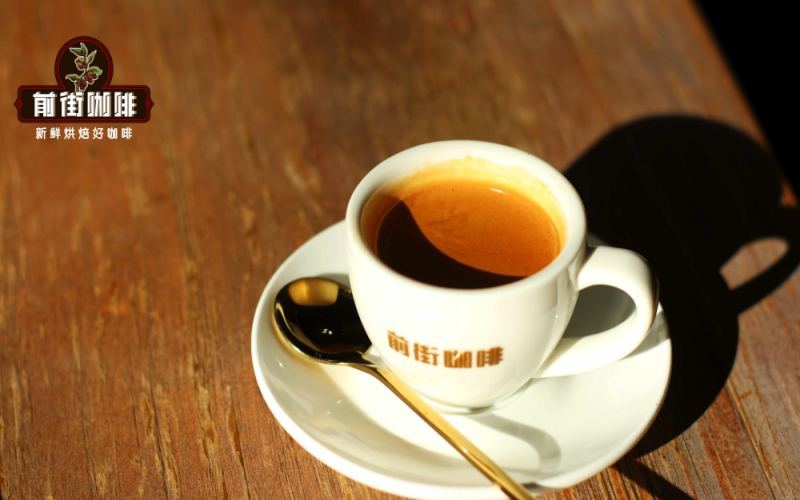
Espresso Tasting Guide: A Professional Interpretation from Drinking Method to Flavor Perception
Espresso is often tucked away in cafés' secret menus, ordered only by those who truly understand it. Front Street Coffee is no exception. Many new customers are unclear about what kind of drink espresso actually is and how to properly taste it. This article will start with the purpose of drinking espresso, move on to the differences between it and pour-over in terms of flavor experience, and then break down the tasting process step by step—from rinsing the mouth with ice water, stirring, and drinking in stages, to sensing the mouthfeel, aroma, and aftertaste. Finally, it will answer the question of whether sugar can be added to espresso. Of course, a good espresso depends on good beans and good extraction, so the article will also introduce the characteristics and purchasing channels of Front Street's classic espresso blend. [more…]