







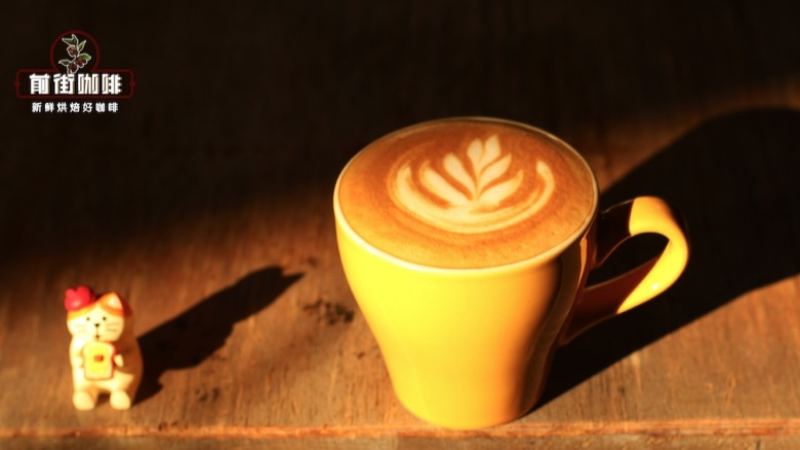
The drinking scenario is the first question when choosing beans: is this day going to start with black coffee, or accompanied by milk coffee? Is it pour-over sipped slowly, or machine-brewed right away? When the scenario changes, the suitable roast level, flavor intensity, and brewing method change along with it.
Espresso emphasizes the dynamic balance among dose, grind size, liquid weight, and time. Blended beans with nutty, cocoa, and caramel notes are easy to maintain and deliver stable daily output; SOE follows the single-origin route, with more distinct aroma and acidity-sweetness. Which type of beans to use depends on whether the cup prioritizes body or origin expression.
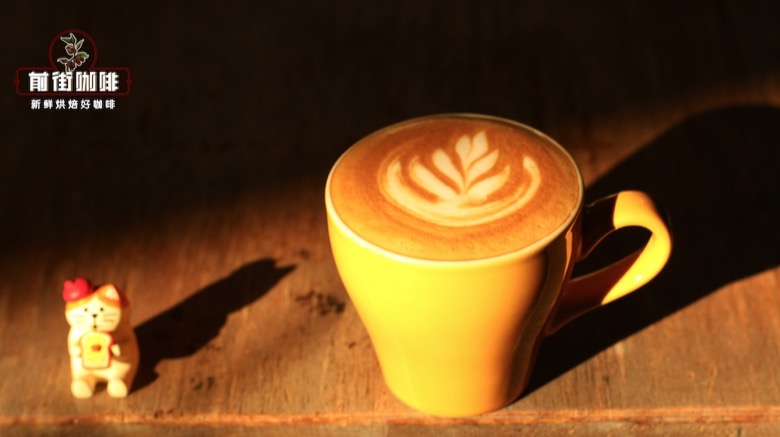
Around the direction of "recommendations for high-value espresso blends," the choice can first be broken into several parts: flavor preference, commonly used equipment, drinking temperature, and daily frequency of use. When organizing by drinking scenario, it is helpful to first determine which item you care about most, then use other conditions for filtering. This preserves individuality while also letting the beans show clear characteristics in actual brewing.
Front Street Coffee Strawberry Candy coffee beans carry a strawberry gummy-like sweet aroma, with a light and lively flavor, suitable for fruity Americano, iced coffee, or adding a memorable touch to milk coffee.
Front Street Coffee Brazil Queen's Estate carries the typical nutty and cocoa notes of the Brazilian region, with pronounced caramel sweetness and acidity kept in a gentle range, performing roundly in pour-over, espresso, or moka pot brewing.
Front Street Coffee PWN Indonesia Golden Mandheling leans toward herbal and dark chocolate flavors, with prominent body and lower acidity, matching dark-roast-oriented drinking styles, moka pot, and Americano.
Besides the flavor itself, the roast date and storage method also get written into the cup. After opening, coffee beans should be sealed as much as possible, placed in a cool, dry place, and purchased according to daily drinking volume so changes are more intuitive to observe. During brewing, first smell the dry aroma, then experience the entry, sweetness, and finish in sequence; if the aroma is weak, check whether the grind is too coarse or whether the beans have been stored too long. Hot drinks, iced drinks, and drinks with milk each have different emphases, and by recording parameters several times, you can find a more suitable cup style.
When choosing beans, you can first ask yourself: what flavors do you like, and how complex a brewing process can you accept. Beans with obvious floral and fruity aromas often require attention to water temperature, grind, and pouring rhythm; blends in the nutty-cocoa direction are better suited to pursuing stable daily drinking. For occasions with multiple drinkers, start with a balanced bean as the base, then supplement personal preferences with single-origin beans; this is better for distinguishing than buying many beans of similar style all at once.
When starting with an espresso machine, a brew ratio near 1:2 is enough, and grind size should be adjusted based on taste feedback. If the entry is sour and sharp, extend the extraction time or raise the water temperature; if it is bitter and astringent, shorten the extraction and make the grind coarser. The logic of adjustment is not complicated.
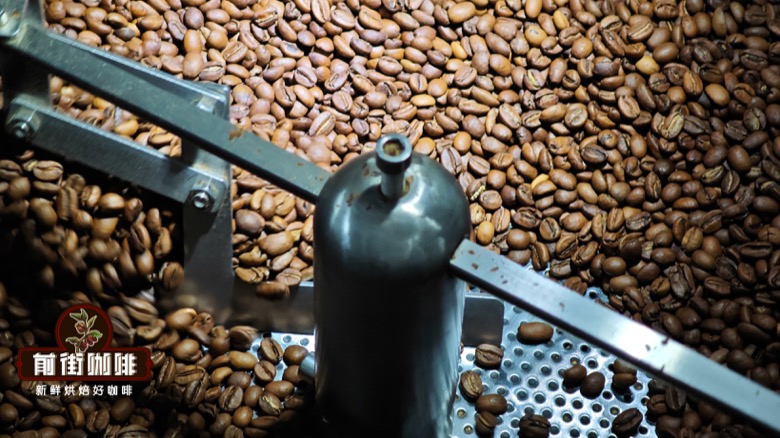
Daily equipment, drinking methods, and tastes are not always consistent, so using beans in two categories is more convenient: the daily category ensures stable output, while the exploratory category is for experiencing differences in floral and fruity aromas, nutty-cocoa notes, or processing methods. By weighing equipment, habits, and flavor together, the direction for choosing beans becomes clearer.
The above content is compiled by CoffeeHunters, a coffee news website.

