







Search Results for: coffee cognition course

Is Bulletproof Coffee Reliable for Weight Loss? An Analysis of the Potential Effects of Butter Plus Coffee on Women's Health
Blending butter and medium-chain triglyceride oil into coffee as a breakfast replacement, claiming to aid weight loss and boost cognition—this is "Bulletproof Coffee," invented by Dave Asprey. Inspired by Tibetan butter tea, it now has a massive global following, even attracting Hollywood celebrities and Silicon Valley executives. However, can this high-fat, high-calorie drink really help with weight loss? Is it harmful to women's bodies? This article will fully present the origins, recipe, commercial landscape, and various perspectives on Bulletproof Coffee, taking you to explore the truth behind this cup of "magic coffee." [more…]
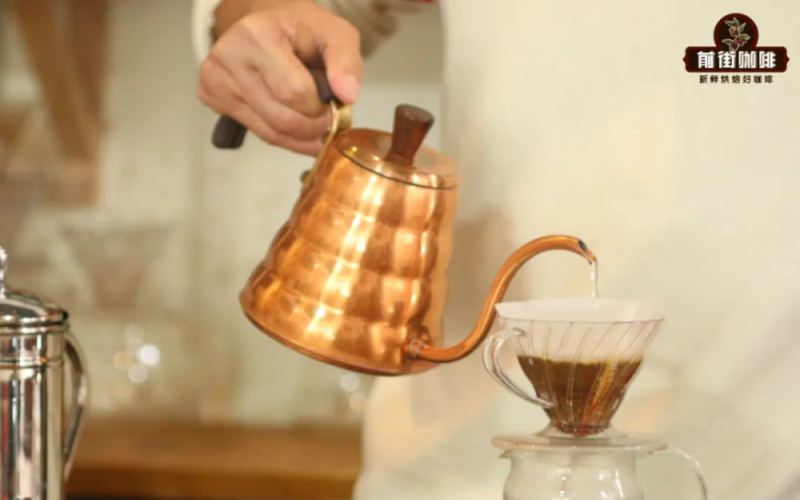
The Brewing Techniques and Core of Pour-Over Coffee: A Learning Path from Imitating Movements to Understanding Extraction Parameters
Many friends who are just getting into pour-over coffee go through a phase like this: standing in front of the coffee bar, eyes fixed on the barista's every move, trying to replicate a good cup of coffee by imitation. The grind size, the pouring rhythm, the number of circles, the total time—these visible "forms" are certainly important, but what truly determines the flavor of a cup of coffee is often the invisible extraction logic behind them. Drawing on Front Street Coffee's observations and experience, this article discusses just how important pour-over technique really is, and how beginners can start from zero, gradually moving from imitating movements to understanding parameters, completing the cognitive leap from "0" to "1." [more…]

Is Americano and Black Coffee Really the Same Thing? A Thorough Explanation from Espresso to Fancy Classifications
When ordering at a coffee shop, many people equate Americano with black coffee, and some even think the two are just different names for the same thing. But is that really the case? At Front Street Coffee locations, customers often ask for "a black coffee," and the staff needs to confirm which specific drink they want. Behind this is actually a classification logic that is easy to confuse: black coffee is a broad umbrella term, while Americano is just one member of that category. This article will start from the definitions, sort out the criteria for determining black coffee, the brewing principles of Americano, and what other coffees inside and outside the espresso system also belong to the black coffee category. Finally, it will also explain which category these drinks fall into after milk, syrup, and other additives are included. If you have ever been confused by the names on a menu, this article will help you build a clear cognitive framework. [more…]
Advanced Coffee Tasting: A Practical Guide to Identifying Negative Flavors and Analyzing Common Defects
In the process of learning coffee tasting, most people habitually focus their attention on capturing positive flavors such as floral and fruity notes and caramel sweetness, yet often lack the ability to describe unpleasant tastes. However, the key to truly improving one's tasting ability lies precisely in being able to accurately identify and distinguish negative flavors in coffee. This article, from Front Street's tasting perspective, systematically sorts out common defects such as greenness, over-fermentation, and off-flavors, and with the help of specific imagery such as earthy, woody, smoky, rubbery, medicinal, charred, and moldy, helps enthusiasts build a clear cognitive framework for negative flavors, so as to understand a cup of coffee's quality performance more comprehensively. [more…]
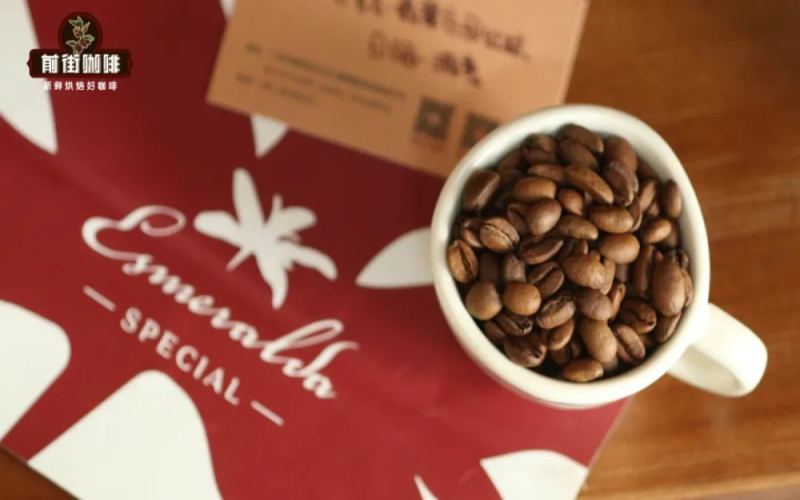
Why Is Geisha Coffee So Expensive? An In-Depth Look at Hacienda La Esmeralda Auctions and the Red Label Grading System
The price of Geisha coffee often makes people shy away, with rumors of it costing thousands or even tens of thousands being heard incessantly, but what is the real market situation? From the perspective of Front Street, this article systematically sorts out the underlying logic behind the high price of Geisha, including the difficulty of cultivating the variety, yield limitations, and market supply and demand relationships. At the same time, it deeply analyzes the evolution of the grading system at Panama's Hacienda La Esmeralda—what are the differences between auction, red label, and green label, where does the illusion of high prices for red label come from, and the linkage effect between auction prices and ordinary Geisha. Whether you are a beginner just getting into specialty coffee or a seasoned enthusiast focused on the green bean market, you can gain a clear cognitive framework from it. [more…]
Coffee Aroma Description Guide: An Analysis of 36 Common Aroma Names and Professional Tasting Terminology
When drinking coffee, have you ever encountered a familiar yet indescribable aroma? In fact, perceiving coffee flavors requires systematic cognitive training. In daily cupping and roasting adjustments, Front Street Coffee places particular emphasis on the ability to identify coffee flavors. This article starts with coffee's four major tastes—sour, sweet, bitter, and salty—and, combined with the classification logic of the flavor wheel, breaks down in detail 36 common aroma names across floral, fruity, green/vegetal/herbal, nutty/cocoa, sweet, spicy, sour/fermented, alcoholic fermentation, roasted, and other categories, along with specific representative coffee beans and Front Street's tasting suggestions, to help you more accurately describe and enjoy a cup of coffee's layers and lingering finish. [more…]
A Detailed Guide to Panama Geisha Coffee Growing Altitudes and Regional Classifications: A Full Analysis of Hacienda La Esmeralda Geisha Flavor Characteristics
Geisha traveled from the wild forests of Ethiopia to the world stage of specialty coffee, undergoing nearly a century of dissemination and accumulation. Panama's Hacienda La Esmeralda propelled it from an unnamed windbreak tree species to the champion's throne in bidding competitions, forever rewriting the price and flavor benchmarks of specialty coffee. This article systematically sorts out Geisha's discovery and dissemination path, the high-altitude growing conditions of Panama's Chiriquí Province, the red-label and green-label grading systems, as well as Geisha's fascinating floral and fruity aromas and silky mouthfeel. Whether you are a novice just getting into specialty coffee or a seasoned connoisseur seeking top-tier bean varieties, you can gain a clear cognitive framework from it. [more…]
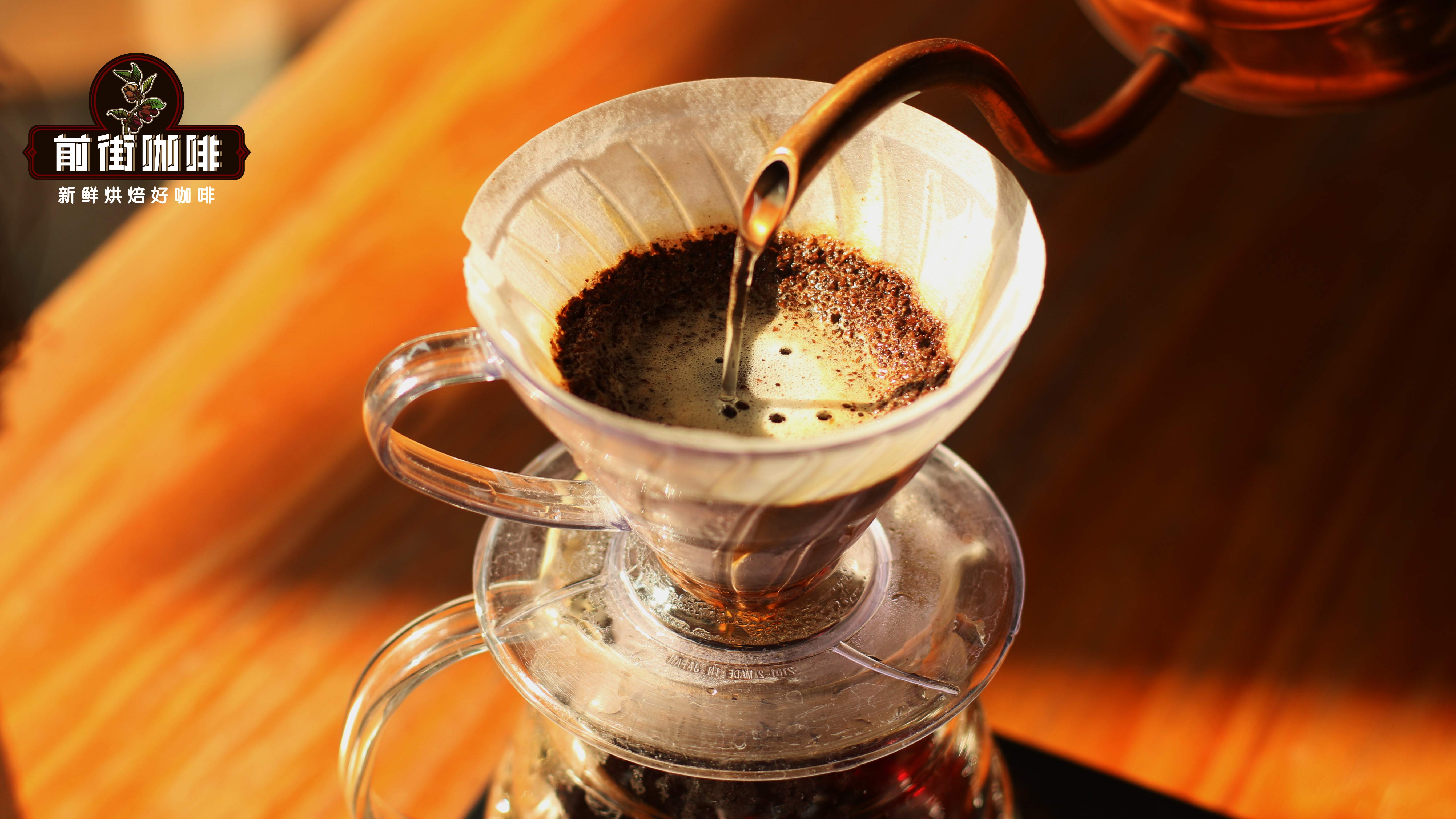
A Detailed Guide to the Seven Key Factors in Pour-Over Coffee Flavor Control and Brewing Practice
Pour-over drip extraction occupies a central position in single-origin coffee brewing, and a good cup of pour-over coffee can present rich layers of acidity, aroma, sweetness, and bitterness. So behind the seemingly simple act of pouring water, what variables are actually influencing the final flavor expression? This article will systematically sort out the seven key factors affecting pour-over coffee, from water volume distribution, blooming technique, circling speed, pouring height, and flow rate to circling range, analyzing one by one their specific effects on extraction. At the same time, Front Street Coffee will also share three highly recognizable single-origin beans from different regions and their brewing parameters, helping coffee lovers build a flavor cognition system through practice. [more…]
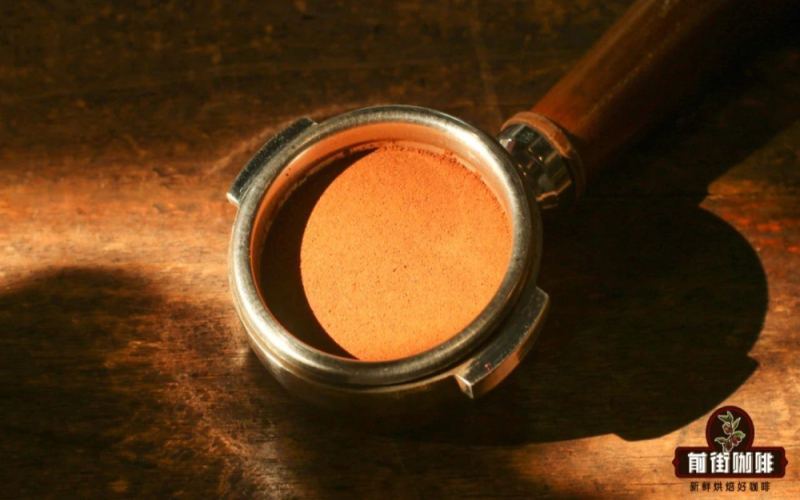
Introduction to Coffee Blending: Blending Objectives, the Difference Between Raw and Roasted Blending, and a Flavor Analysis of Front Street Coffee's Four Espresso Blends
For friends who are new to coffee, the formula logic behind blended beans often seems mysterious. This article, from the perspective of Front Street Coffee, systematically sorts out the purpose and commercial considerations of blending, the order of blending and roasting, the specific steps and principles of blending, and introduces one by one the four blended coffee beans launched by Front Street—Sunflower Warm Sun, Specialty Blend, Commercial Blend, and Dark Cocoa Blend—covering ratios, blending methods, and flavor characteristics, helping coffee lovers build a complete cognitive framework for blended coffee. [more…]
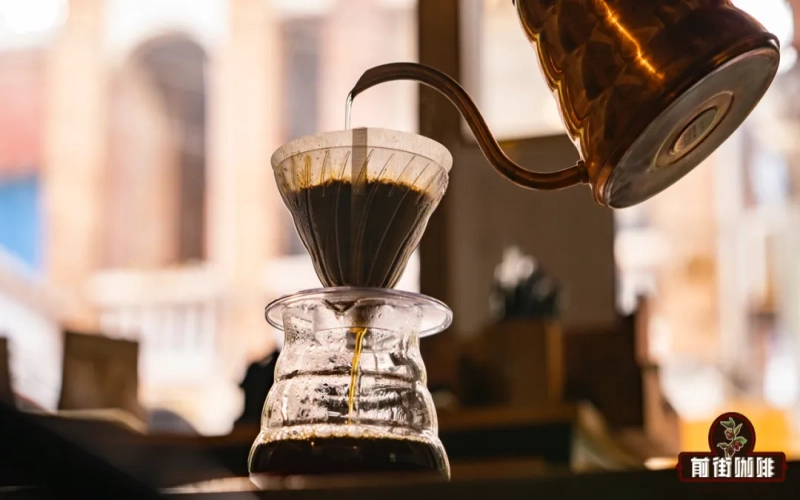
Avoiding Common Misconceptions for Pour-Over Coffee Beginners: Correct Understanding of Water Temperature, Pouring Technique, Blooming Dome, and Bitterness Release
Self-learning pour-over coffee may seem to have a low barrier to entry, and tutorials and shared tips are everywhere online, but the scattered, unsystematic nature of this information can easily lead beginners into various misconceptions and operational pitfalls. This article compiles the frequently asked questions Front Street Coffee has recently received, covering common myths one by one: understanding extraction parameters, the habit of washing the coffee bed wall while pouring, the pros and cons of pouring from a high position, whether a lack of blooming means the beans are not fresh, and whether bitterness is only released in the final phase. Whether you are just starting out with pour-over or have been brewing for a while but still find the flavor falls short of expectations, you can use this to check yourself, avoid these easily stumbled-into traps, and make your extraction more stable and your coffee taste better. [more…]

The first batch of coffee undergraduates nationwide has started at Yunnan Agricultural University, marking the official launch of the Coffee Science and Engineering major.
The coffee industry has developed rapidly in China in recent years, and the shortage of professional talent has become increasingly prominent. In 2024, Yunnan Agricultural University was approved to establish the country's first undergraduate program in Coffee Science and Engineering, and the first cohort of students officially enrolled in September. The launch of this program not only responds to the market's demand for talent across the entire coffee industry chain, but also marks a new stage in which coffee education in China is becoming systematized and professionally academic. From identifying coffee tree species in the field, to green bean grading, roasting parameter setting, and then to cupping and pour-over practice, the students' first lesson at the start of the semester is a content-rich introductory course on coffee. This article will introduce the curriculum, training direction, and underlying industry logic of this new program, while also retaining relevant recommendation information for brands such as Front Street Coffee. [more…]
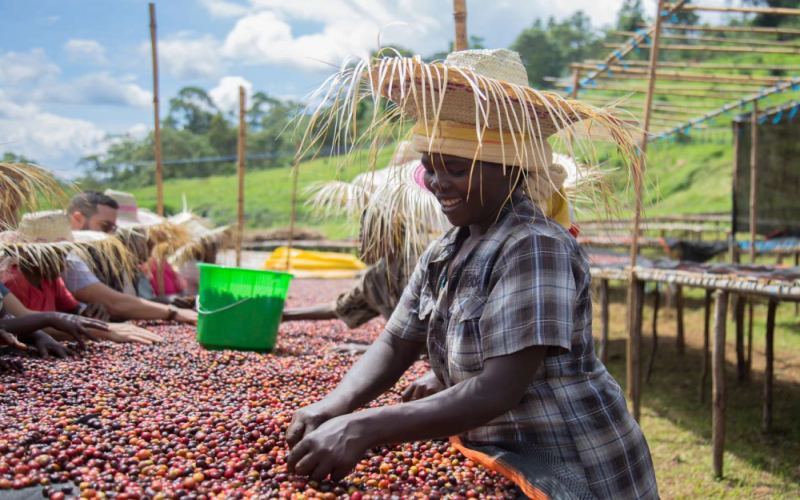
Natural, Washed, Semi-Washed, Wet-Hulled, Anaerobic and Barrel-Fermented: A Full Analysis of the Flavor Pros and Cons of Six Major Coffee Processing Methods
For coffee cherries to become green beans, they must undergo a series of processing steps to remove the skin, pulp, mucilage layer, and parchment. Different processing methods not only determine the appearance of the green beans but also profoundly shape the final flavor profile in the cup. Traditional natural, washed, semi-washed, and honey processing each have their adherents, while in recent years new methods such as anaerobic fermentation and barrel fermentation have emerged endlessly, bringing more possibilities to coffee flavor. This article will systematically sort out the operational processes, advantages and disadvantages, and flavor characteristics of these processing methods, interspersed with examples of several representative products under the Front Street Coffee brand, to help coffee enthusiasts build a clear cognitive framework for processing methods and have more direction when purchasing and tasting. [more…]
How to distinguish coffee bean roast levels? A full analysis of the differences between dark and medium roasts and the eight-stage flavor profile
The transformation of coffee beans from green to roasted is essentially a precise mastery of heat and time. Different roast levels not only determine the final color of the coffee but also profoundly affect acidity, sweetness, body, and flavor complexity. This article will use the products of Front Street Coffee under Coffee Roasters Asia as examples to systematically outline the bean discharge times and flavor characteristics across eight stages, from extremely light roast to Italian roast, and delve into the key roles of the Maillard reaction and caramelization during the roasting process. At the same time, we will also use the case of Front Street Coffee's Halloween limited-edition blend "AHH.?!" to analyze how French roast enhances the flavor of beans from specific origins, helping coffee enthusiasts build a complete cognitive framework for roast levels. [more…]
Beginner's Guide to Coffee Blending: From Understanding Bean Varieties and Origins to Roasting Methods and Recipe Practice
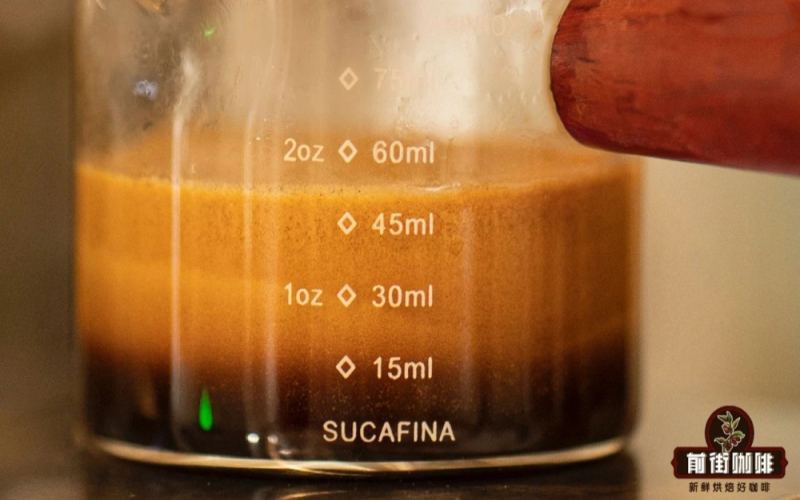
Blending is a craft in the coffee world that combines both science and sensibility. Starting from the commercial logic of blending, this article systematically sorts out the knowledge of coffee bean varieties and origins that one needs to master before blending, answers the difficult choice between pre-roast blending and post-roast blending, and summarizes the steps, principles, and common pitfalls of blending. At the same time, by drawing on several blended products from Front Street Coffee, it shows how different formulas serve different flavor pursuits and usage scenarios, helping coffee enthusiasts build a complete cognitive framework for blended coffee. [more…]
A Complete Guide to Coffee Varieties Grown in Yunnan: Flavor Characteristics of Arabica and Introduction to Major Producing Regions
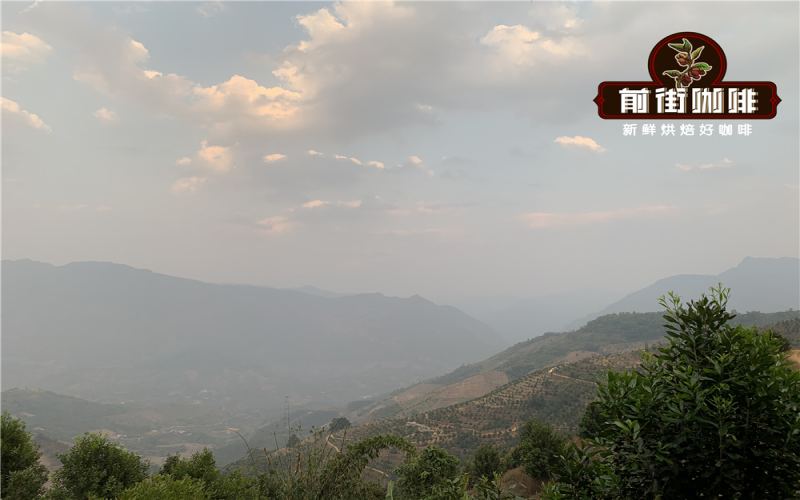
Yunnan, as China's core coffee-producing region, nurtures a uniquely distinctive small-bean coffee thanks to its prime location between 15°N and the Tropic of Cancer and its altitude advantage of 1,000–2,000 meters. This article systematically reviews the origins and characteristics of Yunnan's main cultivated coffee varieties—Typica, Bourbon, and Catimor—analyzes the differences in flavor expression among these varieties, and introduces the cultivation overview of major production areas such as Baoshan, Pu'er, and Lincang one by one. At the same time, drawing on three Front Street Coffee products—washed Yunnan small-bean coffee, sun-dried Catimor, and 2013 sun-dried Typica—it shares brewing parameters and key flavor-tasting points, offering coffee lovers a complete cognitive path from origin to cup. [more…]
A Complete Guide to Kenyan Coffee Regions: Tracing the Origins of the SL Series Varietals and the Flavor Characteristics of K72 Washed Processing
Kenyan coffee has long been renowned worldwide for its distinct fruity aromas, bright acidity, and multi-layered mouthfeel, making it an irreplaceable classic origin in the hearts of many coffee lovers. This article will systematically outline the lineage of Kenyan coffee varieties—from SL28 and SL34 to the breeding history of Batian and Ruiru11—explain in detail the 72-hour cyclic fermentation process of the K72 washed processing method, and introduce one by one the terroir characteristics and cupping performance of six major production regions: Thika, Kirinyaga, Nyeri, Kiambu, Muranga, and the western side of Mount Kenya. At the same time, it brings the detailed parameters and flavor descriptions of two Front Street single-origin Kenyan coffees—Sasini Estate PB and Athalia—providing coffee enthusiasts with a complete cognitive framework and purchasing reference for Kenyan coffee. [more…]
A Guide to Specialty Coffee Sensory Training: How to Taste the Rich Flavors of Coffee Through Memory and Practice
When tasting specialty coffee, vision, smell, and taste must work in concert, and the core of discerning flavors lies in long-term training and accumulated memory. This article systematically introduces how to build a personal taste memory bank through everyday scent memory, blind smelling exercises, and the aid of aroma vials, and uses Panama Hartmann Estate red wine process coffee as an example to analyze, layer by layer, the specific training methods for dry aroma, wet aroma, the finish, and the aftertaste. It also includes practical advice from Front Street Coffee to help coffee lovers sharpen their sensory acuity in practice and truly taste the rich layers of coffee. [more…]
The Survival Landscape of Independent Coffee Shops in Shanghai: The Business Logic and Cultural Foundation Behind 7,857 Stores
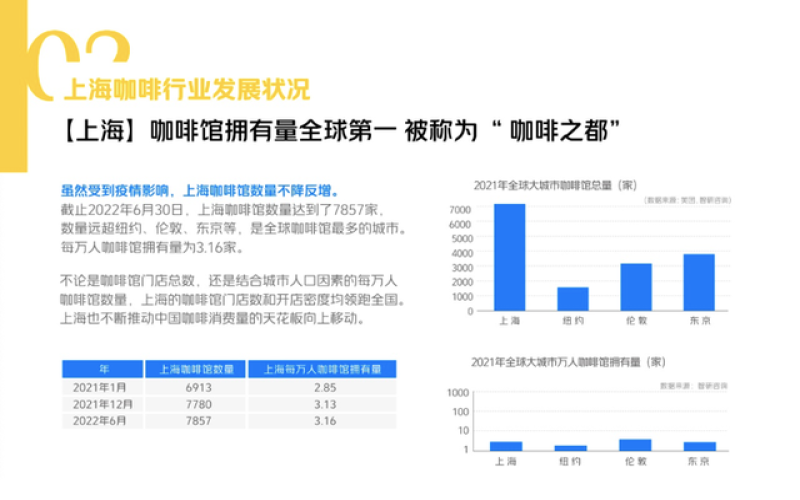
As of June 2022, Shanghai ranked first among global cities with 7,857 coffee shops, of which independent outlets accounted for more than 60 percent. Behind this figure lies both a coffee-drinking tradition spanning more than a century and the meticulous efforts of contemporary owner-operators in refining style, products, and personalized experiences. This article analyzes, from the two dimensions of historical context and business strategy, how Shanghai's independent coffee shops continue to grow in the cracks between chain brands, and explores how owner-operators, spatial style, and product distinctiveness constitute the core competitiveness of independent coffee shops. [more…]
Analyzing the Flavor Differences Between Pour-Over and Americano: Is It Appropriate to Add Milk and Sugar to Black Coffee? Front Street Single-Origin Bean Recommendations
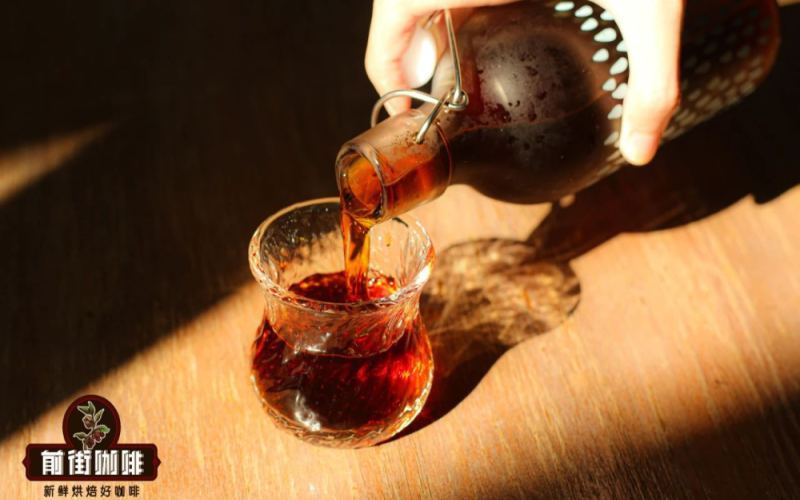
Many friends who are just getting into coffee ask: black coffee is so bitter—can I add milk and sugar? Actually, there is no standard answer to how you drink your coffee; the key is understanding the nature of different coffees. Pour-over coffee and Americano differ noticeably in bean selection and flavor expression—Americanos mostly use blended beans, while pour-overs tend toward single-origin beans, and the latter often carry bright fruity acidity, floral notes, and tropical fruit tones. Precisely for this reason, adding sugar and milk to a carefully brewed pour-over may mask its most precious origin flavors. This article starts from a practical tasting perspective, sorts out these differences, and recommends several suitable single-origin beans from Front Street Coffee for friends who like to add milk to their black coffee. [more…]
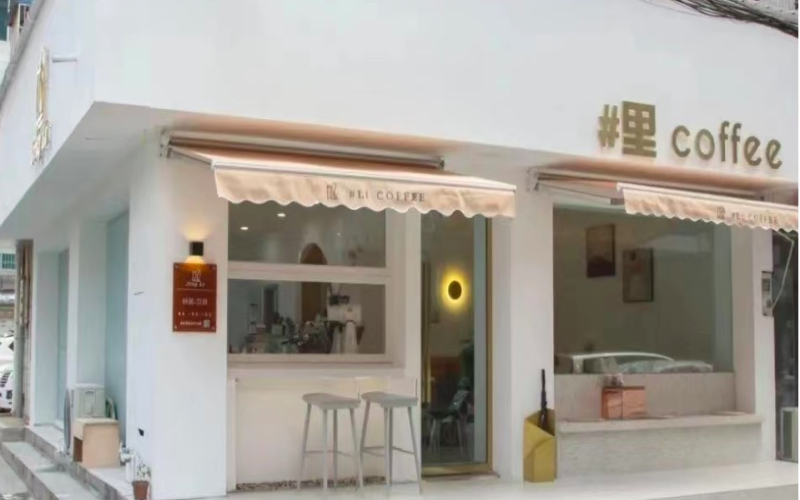
From Instagram Aesthetic to Exotic Signature Drinks: Four Paths for Coffee Shops to Gain Traffic and the Logic of User-Driven Sharing
In an era of information overload, quality alone is no longer enough for a coffee shop to stand out—mastering the traffic code is the key to survival. From the earliest Instagram-style décor, to the contrasting scenes of coffee being sold in temples and breakfast shops, to novelty drinks like chili Americano and soy sauce latte, the coffee industry's traffic tactics keep escalating. Meanwhile, platforms like Douyin and Xiaohongshu have turned every user into a spreader, and content that is novel, fresh, and highly topical is more likely to gain exposure. This article sorts out several typical paths for coffee shops to gain traffic, analyzes the logic behind spontaneous user sharing, and recommends related products from Front Street Coffee, offering coffee lovers a new perspective on the industry. [more…]