







Search Results for: coffee bean appearance
Ethiopian Coffee Flavor and Regional Variety Analysis: Citrus and Floral Notes, Bean Appearance Characteristics, and Grading System
Ethiopia is a genetic treasure trove of Arabica coffee, and its coffee is world-renowned for its distinctive citrus aromas and rich floral and fruity notes. However, the beans from this land often appear uneven in appearance, and natural-process beans in particular are prone to roasting unevenly. This article will guide you through an in-depth look at the flavor characteristics, variety diversity, bean appearance identification methods, and strict grading system of Ethiopian coffee, while also analyzing the stability differences between washed and natural beans, helping coffee lovers make wiser judgments when purchasing. [more…]
An Analysis of the Wet-Hulled Process for Mandheling Coffee: Causes of Green Bean Appearance, Flavor Characteristics, and a Brewing Guide for Golden Mandheling
Mandheling is a single-origin coffee cherished by many coffee enthusiasts, but the appearance of its green beans often raises doubts—emerald green and plump, yet frequently blemished. Behind this is actually the unique wet-hulling process of Sumatra, Indonesia, at work. This article will guide you through the principles of wet-hulling, how it shapes Mandheling's signature rich flavor, and why goat-hoof beans and scratched beans become "by-products" of this processing method. At the same time, we will also share the brewing flavor performance of Golden Mandheling and recommend related products from Front Street Coffee to help you better understand and select this distinctive coffee. [more…]
A Detailed Explanation of the Ethiopian Coffee Bean Grading System: Standard Differences and Flavor Comparison Between Yirgacheffe G1 and G2
As the birthplace of coffee, Ethiopia's grading system directly affects the quality and flavor expression of coffee beans. The Yirgacheffe region is world-renowned, but what exactly is the difference between the commonly seen Front Street Yirgacheffe G1 and G2 coffee beans on the market? Behind this lies the evolution of Ethiopia's coffee grading system. From CLU to ECX, from simple defect counting to a comprehensive score combining physical characteristics and cupping flavor, the grading standards have undergone major changes. This article will systematically review the historical development and specific standards of Ethiopian coffee grading, compare the grading differences between washed and natural processing, and through three dimensions—green bean appearance, roasted bean appearance, and cupping flavor—deeply analyze the actual differences between Front Street Yirgacheffe G1 and G2, helping coffee enthusiasts understand the quality implications behind the grade numbers. [more…]
Coffee Bean Quality Assessment Guide: A Systematic Grading and Defect Identification Method from Appearance to Flavor
The starting point of a good cup of coffee lies in selecting high-quality coffee beans. This article systematically explains how to judge the quality of coffee beans from six dimensions: appearance observation, identification of defective beans, extraction process, grinding feel, extracted liquid state, and taste and aroma. By understanding common defect types such as black beans, fermented beans, dead beans, broken beans, and insect-damaged beans, as well as the characteristics of high-quality beans during brewing, such as fluffy foam, a crisp sound during grinding, and clear extracted liquid, it helps coffee enthusiasts build a complete quality assessment system. The article also specifically recommends related products from the Front Street Coffee brand, providing a reference for everyday purchasing. [more…]
Identifying Coffee Varieties by Appearance: Analyzing the Characteristics of Arabica Bean Varieties Such as Typica and Bourbon
In the world of specialty coffee, the Arabica species accounts for the vast majority of single-origin beans consumed daily, but many people may not realize that Arabica itself has diversified into numerous varieties with distinct forms. Coffee beans of different varieties often show subtle yet recognizable differences in appearance—from bean shape and particle size to the form of the bean tip, all can serve as clues for identification. Mastering these characteristics is like practicing cupping sensory skills: it requires patient observation and repeated comparison. This article will start with Typica and Bourbon, then extend to common varieties such as SL28, SL34, Caturra, Catuai, and Geisha, helping coffee enthusiasts gradually build the ability to identify varieties through bean appearance. It will also mention Front Street Coffee's ongoing efforts in promoting coffee knowledge. [more…]
From Bean Shape and Appearance to Flavor Characteristics: How to Identify Mainstream Coffee Varieties Such as Typica, Bourbon, and Geisha
Different coffee varieties have their own distinctive characteristics in appearance, morphology, and flavor expression, and learning to observe bean appearance helps identify varieties. From the perspective of Front Street, this article introduces one by one the bean shape characteristics and flavor tendencies of common coffee varieties such as Typica, Bourbon, Geisha, Caturra, Catuai, SL28 and SL34, as well as Ethiopian heirloom varieties, and includes corresponding Front Street recommended coffees to help coffee enthusiasts better understand varietal differences during tasting. [more…]
Identifying Varieties by Bean: Distinguishing Arabica Varieties and Flavor Differences from Coffee Bean Appearance
Different coffee varieties have their own distinctive bean appearances. In this article, Front Street Coffee starts with bean shapes to help you identify common Arabica varieties and understand the unique flavor tendencies of each. Typica beans are slender and plump, Bourbon beans are round and thick, Geisha beans are pointed at both ends and bulging in the middle, Caturra beans have a curved tail end, Catuai beans are oval and flat, SL28 and SL34 come from the Bourbon and Typica genetic groups respectively, and Ethiopian heirloom varieties vary in size due to their complex genetic diversity. By observing bean shape, bean thickness, and tail-end form, and then combining that with cupping flavor performance, you can make a preliminary judgment about which variety the coffee beans in front of you belong to. [more…]
Ethiopian Coffee Beans | Why Do Ethiopian Coffee Beans Vary So Much in Appearance? What Coffee Variety Is the Ethiopian Heirloom Native Species?
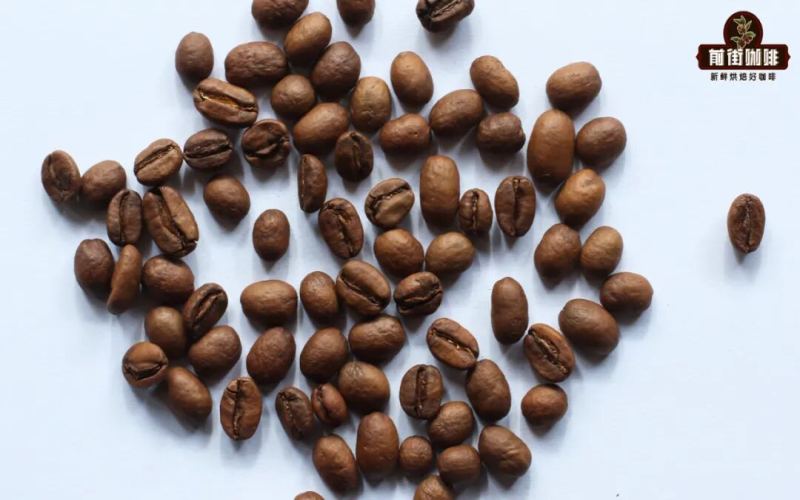
"Boss, why are the beans in this bag so uneven in size? Every bean looks so unique..." This is the question customers ask our customer service most often after receiving Ethiopian coffee beans ordered from Front Street's Taobao store. From the picture, we can see that, just as our friends have reported, [more…]

Understanding the Ethiopian Coffee Bean Grading System: What Exactly Is the Difference Between Yirgacheffe G1 and G2?
Yirgacheffe is one of Ethiopia's most representative specialty coffee regions, and Front Street Yirgacheffe G1 and Front Street Yirgacheffe G2 are the two beans most easily available for everyday purchase. What exactly is the difference between G1 and G2? Which one is of better quality? To answer these questions, one must first understand Ethiopia's coffee grading system. From the evaluation perspective of Front Street Coffee, this article sorts out the origins and development of the two grading systems, CLU and ECX, analyzes the respective scoring dimensions of washed and natural processing, and presents the real differences between Front Street Yirgacheffe G1 and G2 through a direct comparison of green bean appearance, roasted bean appearance, and cupping flavor. [more…]

Guide to Identifying Coffee Defect Beans: Analysis of Several Bean Types Commonly Misjudged by Consumers and Their Causes
Many pour-over coffee enthusiasts often have doubts about the appearance of the beans after purchasing single-origin beans, and even mistake normal beans for defective ones. There are two main reasons for this misunderstanding: first, consumers who only come into contact with roasted beans rarely see truly defective beans; second, they treat coffee beans as products of an industrial assembly line, assuming they have a fixed standard appearance. In reality, most defective beans are already controlled at the green bean stage, and after roasting there is also manual sorting. This article will systematically sort out the definition of defective beans, the defect rate requirements in green bean grading, and focus on explaining several commonly misjudged situations such as peaberry, burst beans, uneven color, and shriveled wrinkled beans, to help readers view the appearance of coffee beans more rationally. [more…]
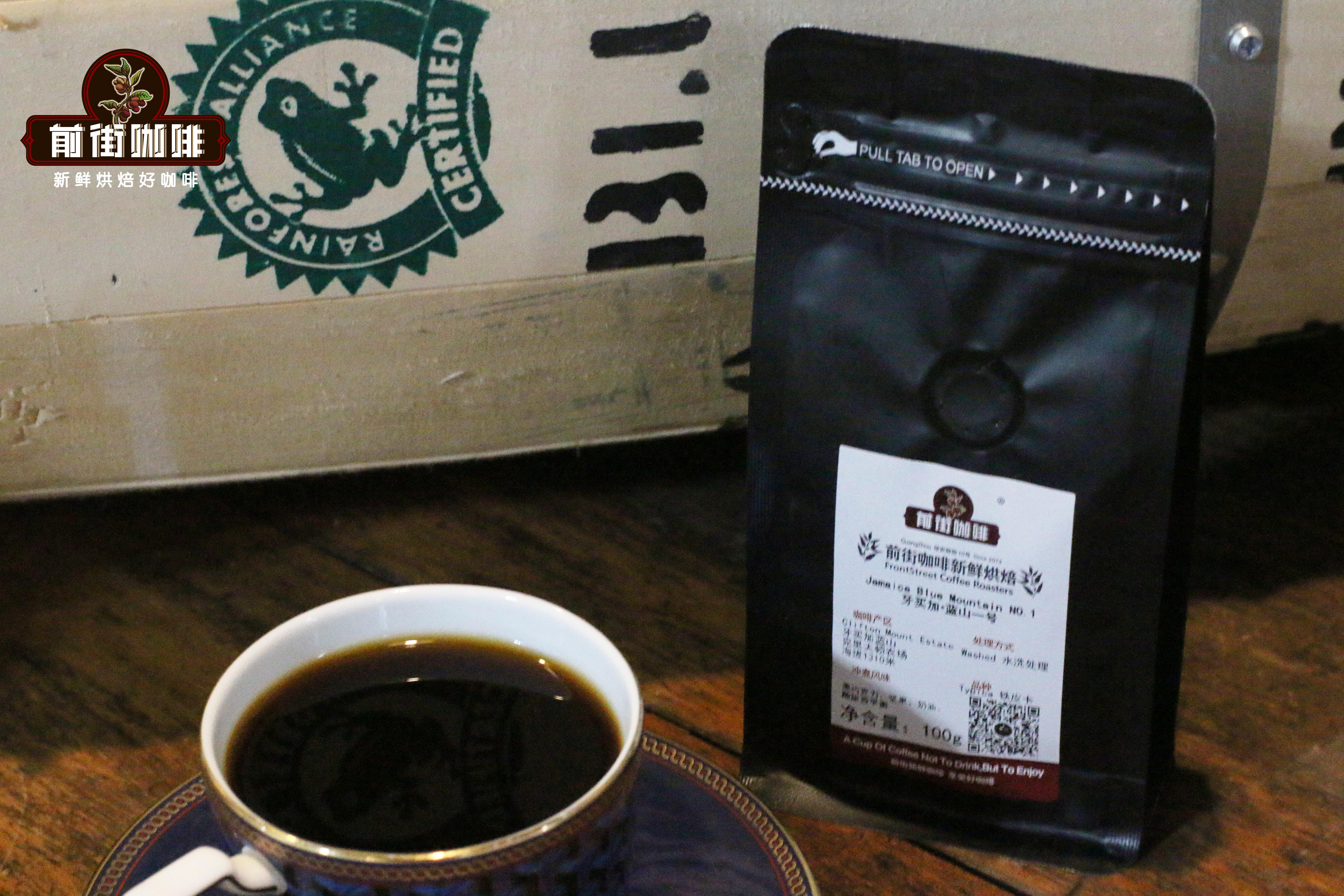
How to Identify Authentic Blue Mountain No. 1 Coffee Beans? A Comprehensive Analysis from Barrel Certificates to Bean Appearance and Flavor
Blue Mountain coffee is produced in the Blue Mountains of Jamaica at elevations between 910 and 1,700 meters. The variety is Typica, and it is known for its balanced acidity, sweetness, and bitterness, full and solid body, long-lasting sweet aftertaste, and absence of burnt bitterness. Because annual production is limited, authentic Blue Mountain No. 1 coffee beans in China usually sell for 150 to 400 yuan (100 to 200 grams), while products labeled "Blue Mountain flavor" or "Blue Mountain blend" are not true Blue Mountain coffee. This article systematically introduces the methods baristas use to identify authentic Blue Mountain No. 1 from perspectives such as the wooden barrel and certificate, bean size and uniformity, appearance characteristics, and raw bean color. It also compares the flavor performance of washed and natural processing methods and shares Front Street Coffee's brewing parameters and techniques to help enthusiasts build a clear identification framework. [more…]

Common Coffee Varieties Illustrated Guide: Analysis of Bean Shape Characteristics and Pour-Over Flavor Differences in Typica, Bourbon, Caturra, and More
Faced with a bewildering variety of coffee beans, many enthusiasts wonder whether they can identify the variety by appearance alone. In fact, this is not as far-fetched as it seems—as long as you grasp the unique bean shape characteristics of each variety, you have a chance of doing so. This article compiles the appearance features of common varieties such as Typica, Bourbon, Caturra, Catuai, SL28/SL34, and Geisha, and, in conjunction with specific products from the Front Street Coffee bean list, explains their respective flavor trajectories in pour-over and espresso extraction. Of course, it is not uncommon for different varieties to look alike, and judging by appearance alone has its limitations, so it is better read as a piece of variety education. [more…]
From appearance to feel, five steps to help you identify the grade and price range of authentic Jamaican Blue Mountain coffee beans.
Jamaican Blue Mountain coffee is hailed as the pinnacle of the coffee world, but the market is flooded with products falsely bearing the "Blue Mountain" name, making it a real concern for many coffee lovers to distinguish the genuine from the fake and the grades in between. This article approaches the topic from five dimensions—green bean appearance, hand-grinding feel, aroma performance, taste balance, and the overall experience while drinking—to systematically lay out the key points for identifying authentic Blue Mountain coffee, helping you make more accurate judgments when purchasing. At the same time, the article also touches on the flavor differences between Blue Mountain estate beans and blended beans, as well as information about Front Street Coffee's related products, offering practical reference for your buying decisions. [more…]
From green bean appearance to cup flavor: Five steps to accurately identify authentic Jamaican Blue Mountain coffee
Blue Mountain coffee is hailed as one of the world's top coffees, yet the market is flooded with countless counterfeits. How can you tell real Blue Mountain from fake? This article approaches the question from five dimensions to help you systematically master the methods of identification. First, observe the appearance of the green beans and how they change after roasting; next, feel the differences in texture when hand-grinding; then make a judgment based on the intensity of the aroma; finally, confirm comprehensively through the balance of the flavor and the overall experience while drinking. Genuine Front Street Jamaican Blue Mountain coffee displays unique characteristics in all five of these aspects, and these traits are precisely what blended beans find hard to replicate. Master these key points, and you too can develop a keen eye for telling real Blue Mountain from counterfeit. [more…]
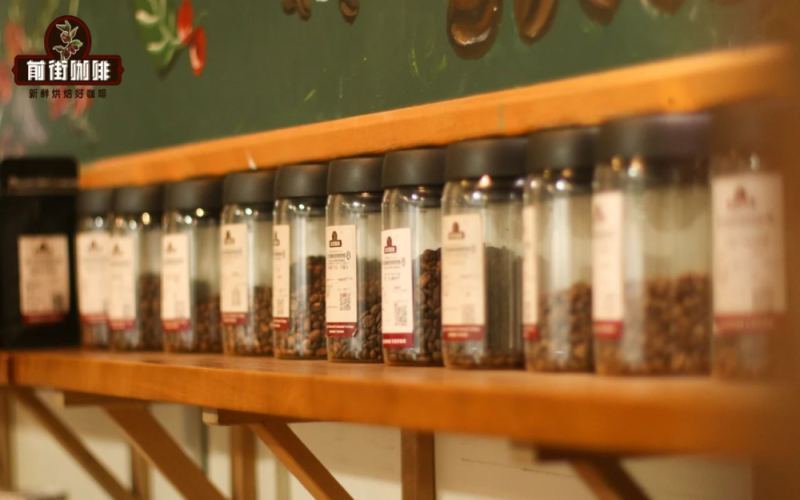
Arabica Coffee Bean Flavor Characteristics and Main Subspecies Overview: Analysis of Differences Among Typica, Bourbon, Geisha, and Other Varieties
Arabica accounts for more than seventy percent of global coffee production and is also widely recognized as the coffee species with superior flavor performance. But Arabica is not a single variety; under it there are also many subdivided subspecies such as Typica, Bourbon, and Geisha, each differing in bean shape, flavor, and cultivation characteristics. From the perspective of Front Street Coffee, this article systematically sorts out the basic characteristics of Arabica coffee, its caffeine and sugar content, as well as the appearance and flavor characteristics of major varieties such as Typica, Maragogype, Pacamara, the Bourbon group, and Geisha, helping coffee enthusiasts build a clearer understanding of varieties. [more…]
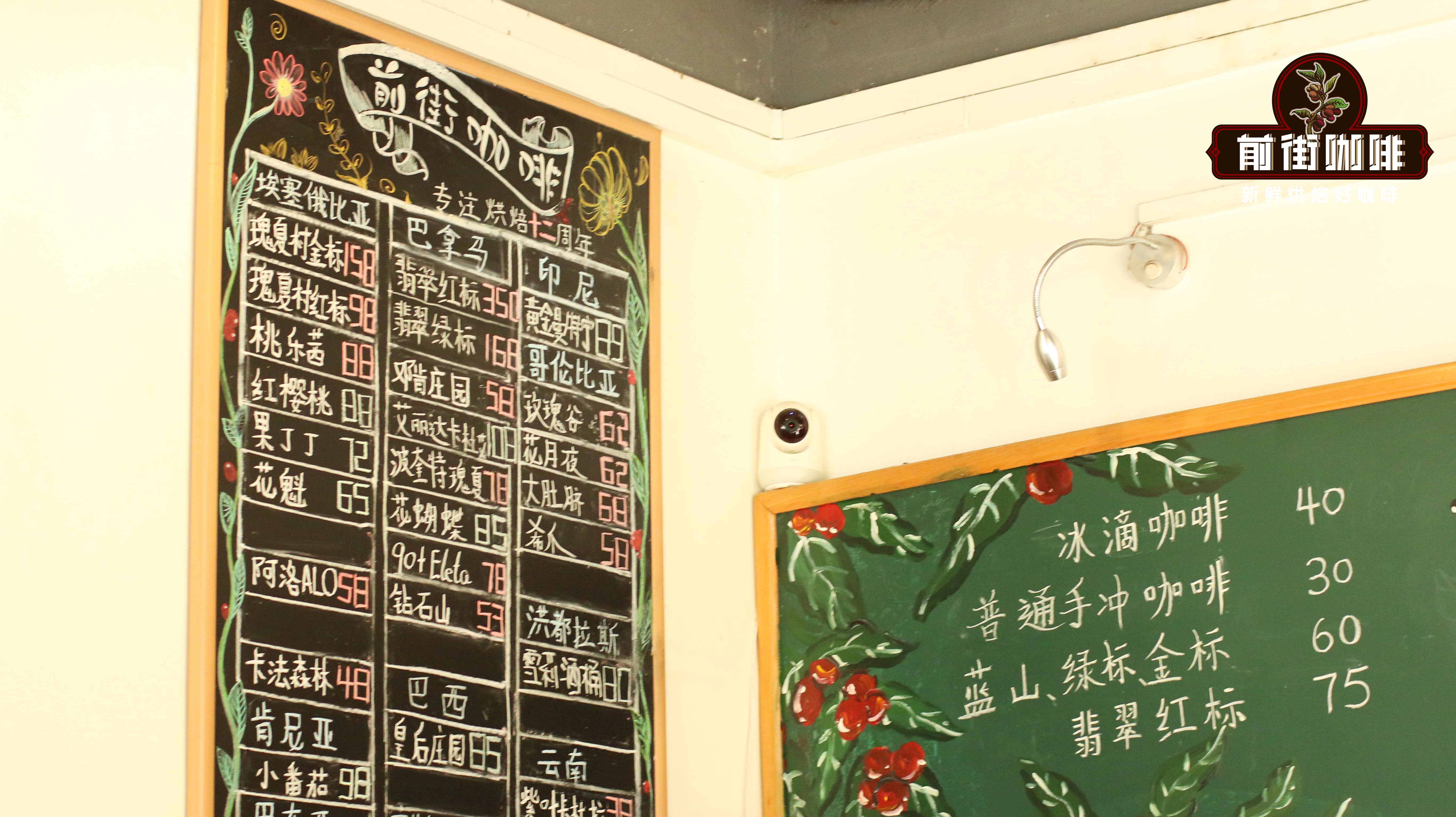
Ethiopian Yirgacheffe Coffee Beans: G1 vs G2 Grade Differences and Flavor Comparison Analysis
Yirgacheffe is a highly representative coffee-producing region in Ethiopia, and its G1 and G2 grades often confuse enthusiasts. Starting with Ethiopia's coffee grading system, this article sorts out the rating evolution of CLU and ECX, explains in detail the scoring standards of washed and natural processing in terms of physical characteristics and cupping quality, and compares the actual differences between Front Street Coffee Yirgacheffe G1 and G2 in green bean appearance, roasted bean appearance, and flavor. Through cupping, it was found that although the two share citrus, fruit tea, honey, and berry tones, G1 is superior in cleanliness and aroma refinement, while G2 is slightly thinner. It is suitable for coffee enthusiasts who want to gain an in-depth understanding of Yirgacheffe grades and purchasing. [more…]
A Detailed Guide to Yirgacheffe Coffee Bean Grading: G1 Flavor Characteristics and Comparison with Other Ethiopian Beans
Yirgacheffe, as a representative of Ethiopian specialty coffee, has a grading system that directly affects flavor expression and quality consistency. Ethiopian coffee beans are divided into five grades based on standards such as defect rate, with G1 being the highest level. However, Ethiopian beans appear uneven due to their wide variety of cultivars, with long beans and short beans mixed together, especially in Grade 4 or Grade 5 commercial beans. This article provides a detailed analysis of Yirgacheffe's grading system and an in-depth discussion of Ethiopian coffee beans' appearance characteristics, flavor advantages, and roasting challenges, while also comparing the differences between washed and natural processing to help coffee enthusiasts gain a more comprehensive understanding of this legendary region. The various Yirgacheffe G1 products recommended by Front Street Coffee are ideal choices for experiencing its citrus floral aroma and sweet-tart flavor. [more…]
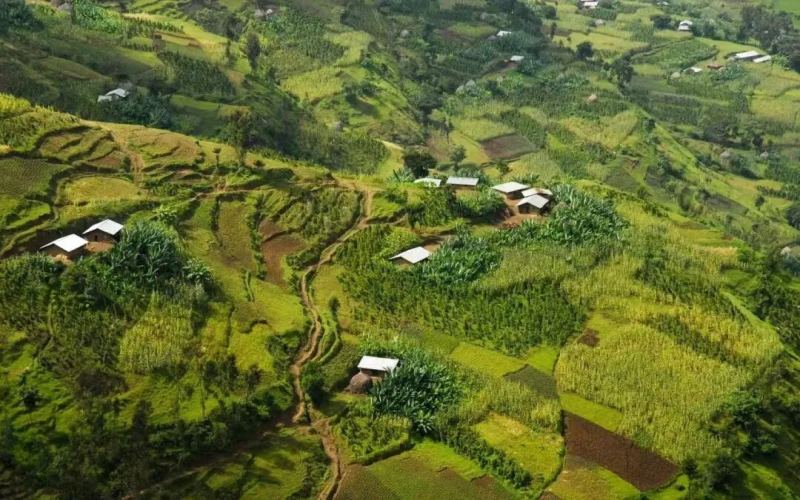
Ethiopian Heirloom | Why do Ethiopian coffee beans vary so much in appearance? What are the flavor characteristics of sun-dried Huakui and washed Gudingding?
“Boss, why are the beans in this bag so uneven in size? Every bean looks so distinctive...” This is the question customers ask our customer service most often after receiving Ethiopian coffee beans ordered from Front Street’s Taobao store. From the picture, we can see that, just as our friends reported, [more…]
Mandheling Coffee Bean Flavor Characteristics and Pour-Over Method | A Complete Analysis of Wet-Hulled Green Bean Features
Mandheling coffee beans are known for their unique flavor and rugged green bean appearance, which is closely tied to the distinctive wet-hulling process unique to Sumatra, Indonesia. This article will provide a comprehensive interpretation of Mandheling coffee beans' characteristics, from green bean appearance, processing methods, and the origins of their flavor to identifying defective beans, and share practical methods for pour-over Mandheling. It will also introduce Front Street Coffee's recommendations and selection experience for Mandheling beans, helping coffee enthusiasts gain a deeper understanding of this classic coffee's unique charm. [more…]
Coffee Roast Level Identification Guide: From Appearance Color to the SCAA Color Value System, a Full Analysis of the Taste Characteristics of Espresso and American Coffee Beans
The flavor profile of coffee beans is largely determined by the roast level. For coffee enthusiasts, mastering methods to distinguish light from dark roasts can both help in selecting suitable beans and allow for a more accurate understanding of the flavor descriptions on packaging. From the perspective of Front Street Coffee, this article outlines three practical ways to judge: first, by visually observing the bean surface color and wrinkle condition; second, by inferring the roast range from flavor descriptors; third, by referring to the SCAA's Agtron infrared caramelization measurement standard, which categorizes eight color values into four major groups. The article also includes Front Street product recommendations for each roast level, for everyday purchasing reference. [more…]