Why do Ethiopian Heirloom arabica beans vary so much?
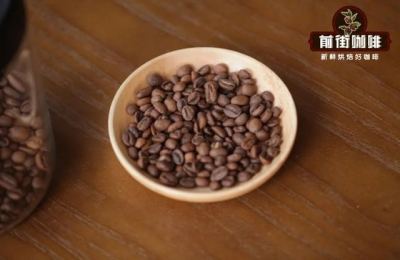
Uneven bean size in Ethiopian coffee is normal and comes from the Heirloom label, which translates as native species. Heirloom is not one variety but a catch-all term for the thousands of Ethiopian coffee varieties that have not been identified or named. Beans from the same bag can differ in size and shape without any mixing or sorting fault.
Ethiopia is where does coffee originate from, and the Arabica species behind Geisha, Typica, and Bourbon all began there. A single small forest may hold dozens or hundreds of distinct forms growing together. Farmers collect ripe cherries from forests, roadsides, and backyards for nearby processing plants, so varieties are blended by geography rather than by type.
"Boss, why are the beans in this bag so uneven in size? Each bean has its own distinctive look..."

Why do Ethiopian coffee beans vary so much in appearance?
Apart from Geisha(Gesha)and the 74/75 series coffee varieties, we can often see the name "Heirloom" in the variety introduction column for beans from Ethiopian producing regions. And the characteristics mentioned above—"uneven in size and varied in appearance"—mainly come from "Heirloom."
"Heirloom" translates to "family treasure"in meaning, and we also call it "native species." The reason beans called native species look so strange is that it is not a single variety, but a collective term for Ethiopian coffee.

As is well known, Ethiopia is the birthplace of coffee. The Arabica species we are familiar with, such as Geisha, Typica, and Bourbon, originated in Ethiopia. In addition to these well-known, already-identified varieties, there are still tens of thousands of coffee varieties in Ethiopia that have not yet been identified or even discovered. In a small forest, dozens or even hundreds of coffee varieties with different forms may grow together, an extremely large number. The term "Heirloom" is used to summarize all these varieties that exist in Ethiopia.
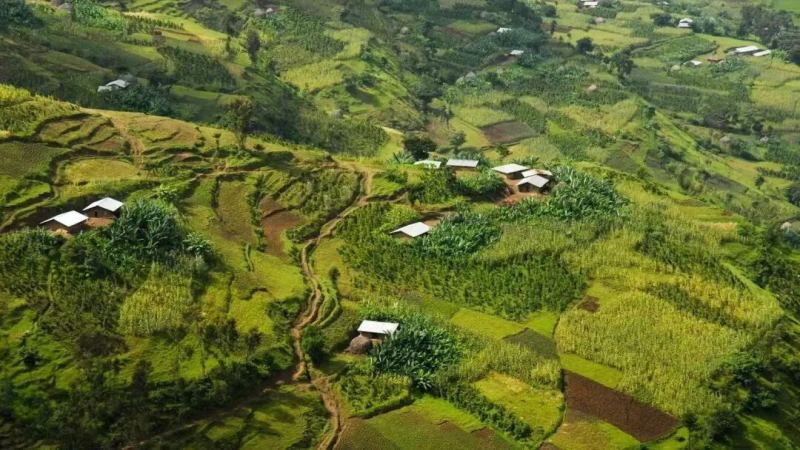
Coffee is an important source of income for nearly one-fifth of Ethiopia's population. Coffee farmers in each area collect ripe coffee grown in surrounding forests, along roadsides, or planted in their own backyards and send it to nearby processing plants in exchange for income. After receiving coffee from surrounding farmers, the processing plants carry out unified processing, packaging, and finally export.

Therefore, when you see a bag of Ethiopian coffee beans with huge differences in size and appearance, you can guess that it is most likely a Heirloom blended from dozens or hundreds of different varieties. It represents a green bean blend from a certain origin, combining the harvests of multiple smallholder farmers from the same period and piecing them together. Since a single lot may contain dozens or hundreds of different varieties, these coffees vary in particle size, dimensions, and shape.

For example, Front Street Ethiopia · Huakui from the Front Street bean list is a very famous sun-dried Heirloom from the Guji region. The "Huakui flavor" it carries—citrus, berries, strawberry, cream, and so on—is the charm brought by the terroir of the place where this Huakui coffee is grown;

The above content is compiled by CoffeeHunters, a coffee news website.