







Why Is Geisha Coffee So Expensive and How Do You Buy It?
Geisha coffee is a sought-after variety known for floral and citrus notes, but the tree yields very little, which keeps prices high. The Geisha coffee tree has long spacing between nodes, few flowers and a low fruit-setting rate, and its height makes harvesting slow. It also needs high altitude, mild temperatures and a wide gap between day and night temperatures to develop its aromatics.
Panama's Hacienda La Esmeralda sorts its Geisha coffee beans into Red Label, Green Label and Blue Label lots. Lower-cost ways to try the variety include blended Geisha, such as the Butterfly line, and entry-level lots from estates in origins like Panama and Ethiopia. Checking roast level and freshness helps with buying decisions.
Geisha coffee is hailed as the world's most sought-after coffee variety, and its unique floral and citrus notes captivate countless enthusiasts. However, the Geisha coffee tree has extremely low yields and demanding growing conditions, keeping prices persistently high. This article will guide you through the variety characteristics of Geisha coffee beans, introduce the Red Label, Green Label, and Blue Label grading system of Panama's Hacienda La Esmeralda, and present two cost-effective paths to achieving "Geisha freedom": blended Geisha represented by Butterfly, and entry-level lots from various representative estates. Front Street Coffee will also share its own experience to provide you with practical purchasing advice.
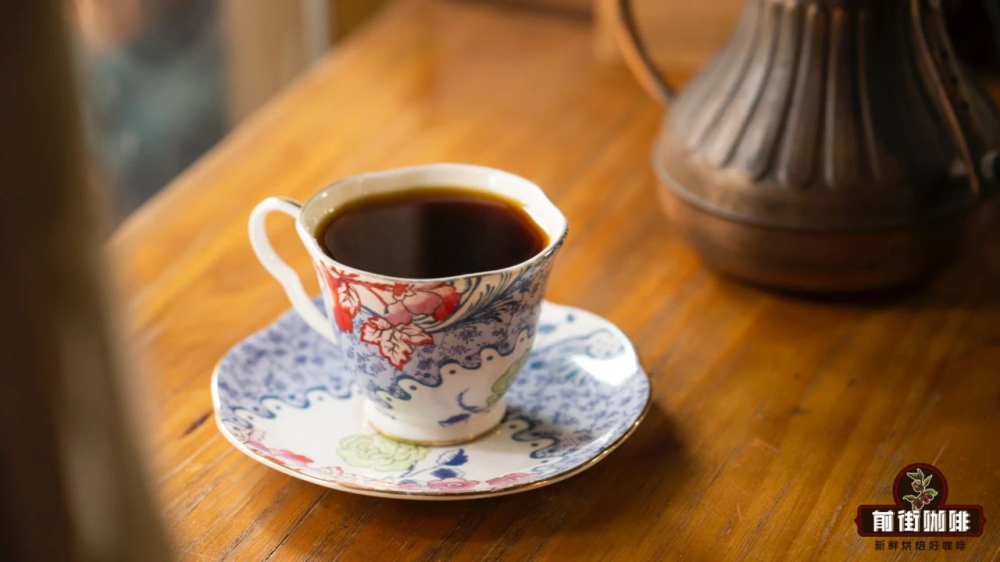
Today is the first day of the first lunar month of the Chinese New Year. What wishes have you all made for the new year? One shared New Year's goal among the team members at Front Street Coffee is "Geisha freedom." As the world's most sought-after coffee variety, Geisha has continued to grow alongside the third wave of specialty coffee, with many renowned origins and estates around the world joining the cultivation ranks—for example, Clifton Mount Estate in the Blue Mountain region, which produced the Blue Mountain Geisha that impressed Front Street Coffee so much in 2020.
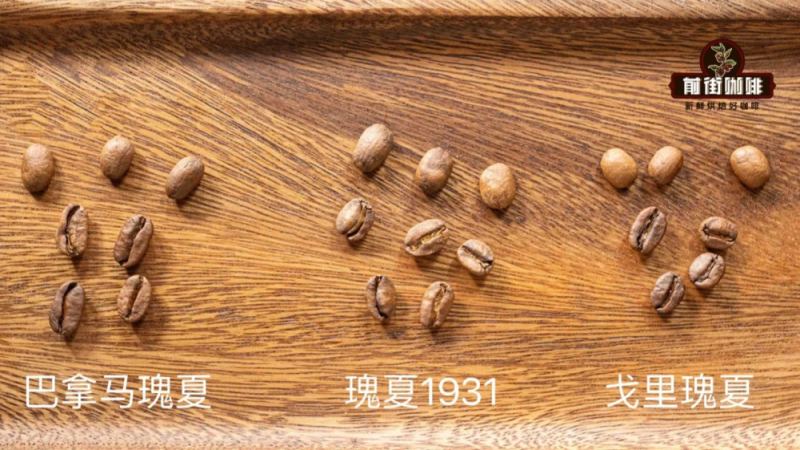
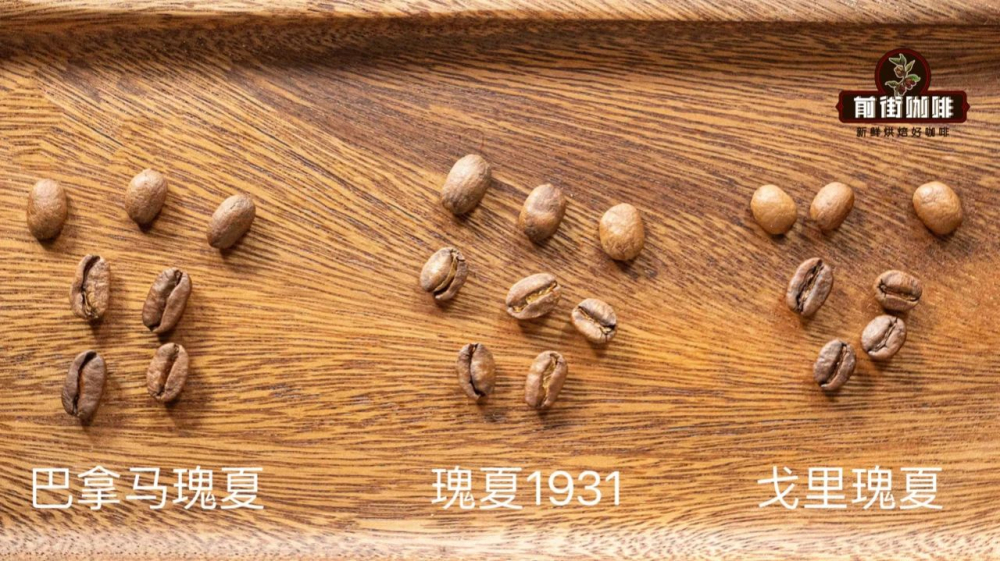
The high price of Geisha coffee is primarily due to its scarce production. Compared with other varieties, the most notable characteristic of the Geisha coffee tree is its extremely low productivity: long internode spacing, few flowers, and a low fruit-setting rate. Combined with its tall stature and the difficulty of harvesting, it was initially used in Panama merely as a windbreak tree species. As the saying goes, "rare things are precious"—the natural shortcomings on the supply side have kept Geisha coffee in a seller's market for a long time, and prices have naturally climbed steadily.
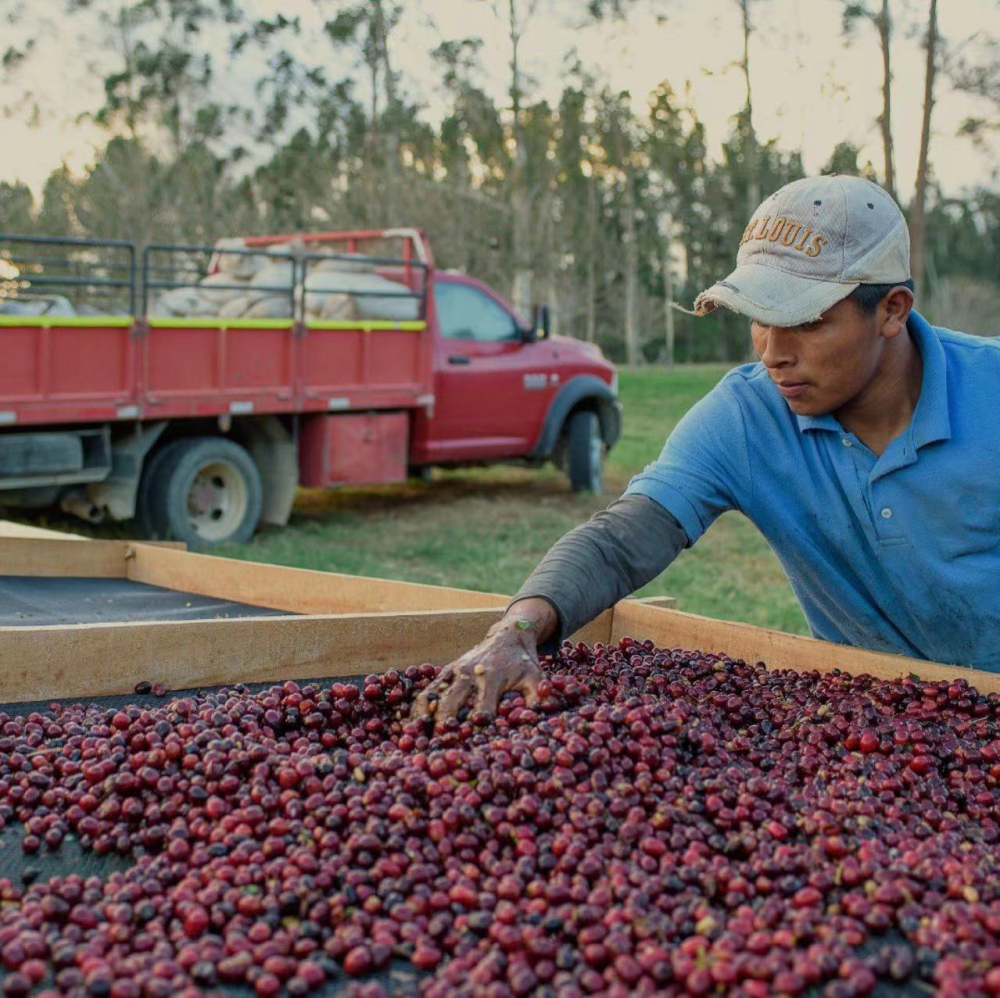
Beyond the limitations of the variety's own traits, growing top-quality Geisha coffee also demands quite rigorous growing conditions. The temperature in the growing area must not be too low, or the plants may suffer frost damage; the altitude must be sufficiently high, and the temperature difference between day and night must be sufficiently large, so that the Geisha coffee trees have enough time to accumulate nutrients and thereby express delicate floral and citrus flavors.
When it comes to blended Geisha coffee beans, one must mention the coffee named "Butterfly" from Panama's Boquete region. The standout feature of this bean is that it blends 70% Geisha coffee with the remaining 30% being Panama's common Caturra and Catuai varieties. When tasting Butterfly, you can detect both the subtle floral notes brought by Geisha and the nutty character and rich mouthfeel contributed by Caturra and Catuai. Therefore, Front Street Coffee has often recommended Butterfly in past years as an entry-level choice for Geisha coffee.
If you want to further achieve "Geisha freedom," besides the cost-effective route of blended beans, entry-level offerings from representative estates are also worth considering. Front Street Coffee believes that for Panama Geisha, Hacienda La Esmeralda is the benchmark, while for Ethiopia, Gesha Village Coffee Estate is the representative. After excluding lot grades that contain non-Geisha varieties, the entry-level grade lots are the second path for everyone to try Geisha coffee.
Hacienda La Esmeralda in Panama divides its Geisha coffee into three grade lots: Red Label, Green Label, and Blue Label. Among them, Blue Label has the lowest altitude and, combined with its mixed harvesting method, makes it the most cost-effective choice of the three. In 2020, Hacienda La Esmeralda's Blue Label Geisha added a natural process, so Blue Label Geisha currently offers both washed and natural processing methods. The washed Blue Label Geisha presents flavors of lemon, oolong tea, cane sugar, and a slight peach note; the natural Blue Label Geisha carries notes of passion fruit, lemon, honey, and a fermented character.
The above content is compiled by CoffeeHunters, a coffee news website.


