







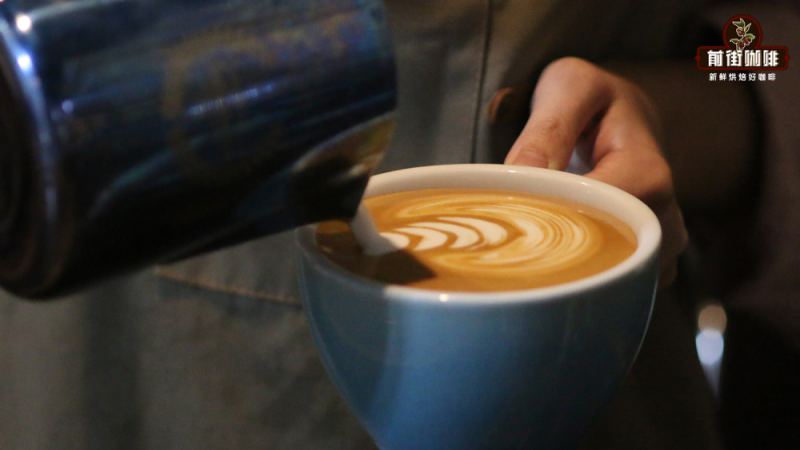
What Does Latte Coffee Origin Mean for Home Brewing?
A latte is espresso plus steamed milk, and the drink's roots trace to the European cafe tradition of combining coffee with milk. For home brewing, the practical takeaway is bean choice: medium-dark roasted espresso beans give the chocolate, cocoa, and butter notes that pair well with sweet milk, which is why they are the common pick for latte at home.
The coffee milk ratio matters too. A standard latte uses one shot of espresso topped with a larger share of steamed milk, so higher-fat, higher-protein fresh milk steams into a fuller, silkier texture that also holds latte art. Blends built on Brazil and Colombia beans, sometimes with a little robusta, add body and crema that suit entry-level machines.
Latte is the go-to entry point for many home coffee enthusiasts, and behind the simple combination of espresso and milk, there's actually quite a bit of bean-selection know-how. This article focuses on the flavor needs of latte coffee, sorting out key aspects like milk choice, coffee bean roast level, and blending direction, and offers practical bean-selection advice for common entry-level espresso machines such as De'Longhi, Gemilai, and Petrus. The article also introduces several highly compatible beans, including Front Street Classic Blend, Front Street Dark Cocoa Blend, Commercial Blend, and Strawberry Candy Espresso, to help you consistently make a balanced, latte-art-friendly cup at home.
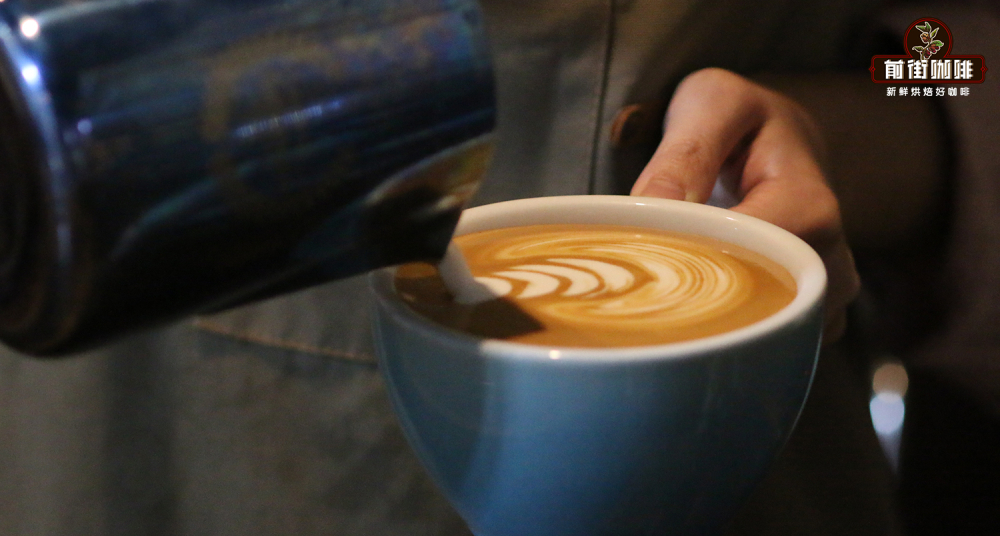
Among the many coffee categories, latte has a very high level of recognizability. What sets it apart from other coffees is the addition of a substantial amount of milk. Milk not only brings a soft sweetness, but also smooths out the sharp bitterness of the espresso, making the whole cup taste smoother, silkier, and easier to drink.
For many home users, latte is the most frequently made homemade coffee. The standard method isn't complicated: one shot of espresso plus steamed hot milk, and it's basically done. However, if you want to make a latte that leaves nothing to be desired, you need to pay attention to every step, from ingredient selection to operational details.
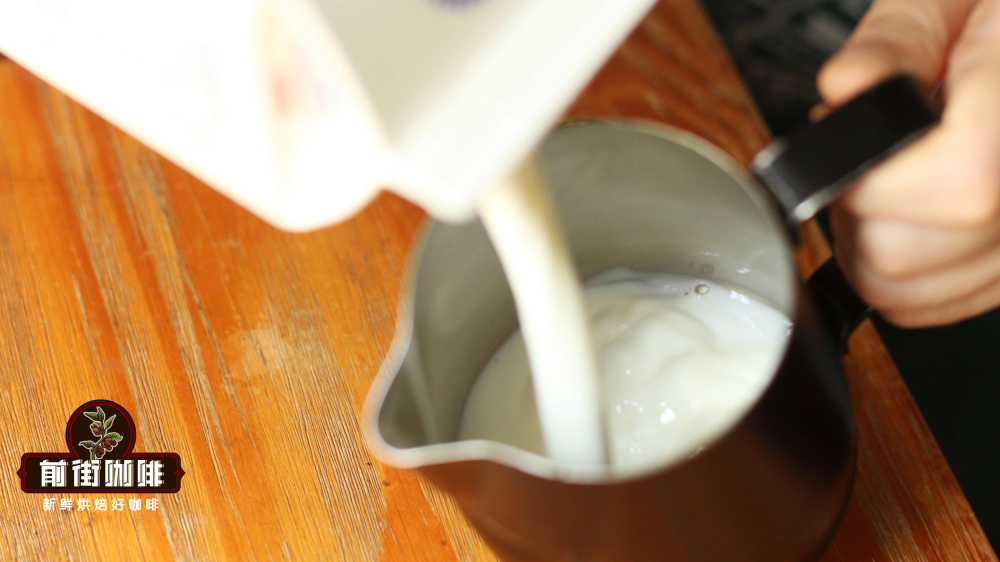
Let's start with milk. When making a latte, prioritize fresh milk with higher fat and protein content. This kind of milk gives the coffee a fuller overall mouthfeel and makes it easier to control the flow of milk foam when doing latte art.
Next comes the more crucial part — coffee beans. For making lattes, it's best to choose medium-dark roasted espresso beans. Two blends that baristas often recommend to beginners are Front Street Classic Blend and Front Street Dark Cocoa Blend. Both present notes of butter, cocoa cookies, and creamy chocolate, with a somewhat viscous texture and a touch of roasted aroma, pairing perfectly with sweet milk.
Most people have entry-level espresso machines at home, such as De'Longhi, Gemilai, or Petrus. Although these machines can provide 5–9 bar of pressure, their stability is limited. To get closer to the ideal result, you can choose the Front Street Commercial Blend Coffee Beans , which is specially made for coffee shops. This blend uses beans from two major producing regions, Brazil and Colombia, creating a classic combination of chocolate and nuts, and also adds a small amount of robusta to boost body while delivering rich crema, making latte art much easier.
If you prefer a lighter, more refreshing style of latte, you can try Front Street Strawberry Candy Espresso Blend. This is an espresso recipe designed specifically for those who enjoy floral and fruity notes, bringing together three origins: Costa Rica, Colombia, and Ethiopia. When combined with fresh milk, it releases aromas of rose, sweet orange, grape, and dried blueberry, and you can even catch almond notes in the finish.
The above content is compiled by CoffeeHunters, a coffee news website.


