







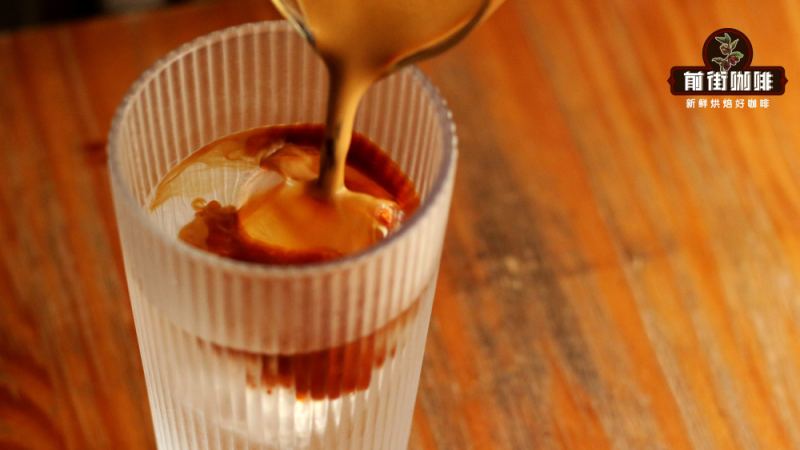
Is an Iced Americano Acidic, and How Do You Build One?
An iced americano is simply espresso diluted with cold or room-temperature water, and its acidity reads sharper than a hot one. As the drink cools, the tongue loses sensitivity to bitterness and sweetness while picking up acidity more easily. Quinic acid in coffee also converts to quinic acid lactone as it cools, which is why the chilled cup tastes brighter and more acidic.
Roughly eight of every ten americanos sold are iced. Because the drink is only espresso plus water, the result depends on bean quality, extraction level, and the water-to-coffee ratio. Single-origin SOE beans highlight fruit and acidity, while espresso blends give a rounder, lower-acid cup, so the choice comes down to the flavor profile you want.
Americano has long been the most popular coffee category today, and among Americano orders, iced Americano is far ahead. Why is iced Americano more popular than hot Americano? How does temperature affect our perception of coffee flavor? If you want to make a delicious iced Americano, how should you choose coffee beans? This article will break down the appeal of iced Americano from the ground up and, for different taste preferences, provide specific recommendations ranging from single-origin SOE to espresso blends, helping you find the cup that suits you best.
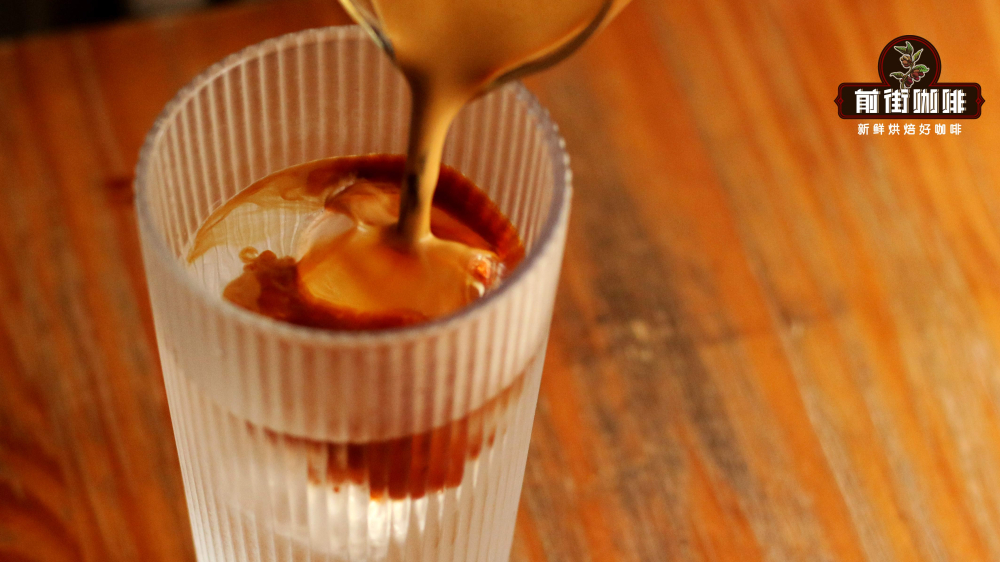
If you were to ask what the most popular coffee drink is right now, there would be almost no debate—Americano. And within Americano consumption, the share of iced Americano is astonishingly high: for roughly every ten Americanos sold, eight are iced, while hot Americano accounts for only two, with occasionally one at room temperature. Why has iced Americano won so many people's favor? In the end, it is simply because it tastes good enough.
Compared with hot Americano, iced Americano feels crisper and more refreshing on the palate, with bitterness noticeably reined in, and the low temperature brought by the ice gives people instant relief in hot weather. Moreover, as the ice gradually melts, the coffee's bitterness becomes even smoother and milder. It satisfies the need for a caffeine pick-me-up without delivering too strong a punch to the taste buds, which is exactly why it has become a phenomenon-level drink—even many celebrities are especially fond of it.
The human senses differ in their ability to discern flavors under different temperature conditions. The advantage of hot coffee is that you can feel its flavors changing layer by layer as it goes from scalding to cooling. After the temperature drops, the tongue's sensitivity to bitterness and sweetness weakens, while its perception of acidity becomes sharper instead. At the same time, the quinic acid in coffee degrades into quinic acid lactone, which is also why coffee tastes more prominently acidic after it has cooled.
The method for making iced Americano is actually not complicated: it is simply espresso diluted with water at a certain ratio (iced or room-temperature both work). Whether the final result tastes good depends on the quality of the coffee beans, the extraction level of the espresso, and whether the ratio of water to coffee is appropriate.
If you are after a distinctive flavor, you can choose single-origin espresso beans, commonly known as SOE. If you prefer floral-toned Americano, Front Street Coffee Huakui SOE and Front Street Coffee Grana Geisha SOE are the top choices. Americanos made with these two beans both show the characteristics of low bitterness, gentle acidity, and a refreshing mouthfeel.
For beginners who are just getting into coffee, Front Street Coffee's advice is: when making iced Americano, give priority to blended beans designed specifically for espresso. On the one hand, the cost is more controllable; on the other hand, the flavor stability of blended beans is usually better than that of single-origin beans. You can absolutely choose according to your own budget and taste preferences.
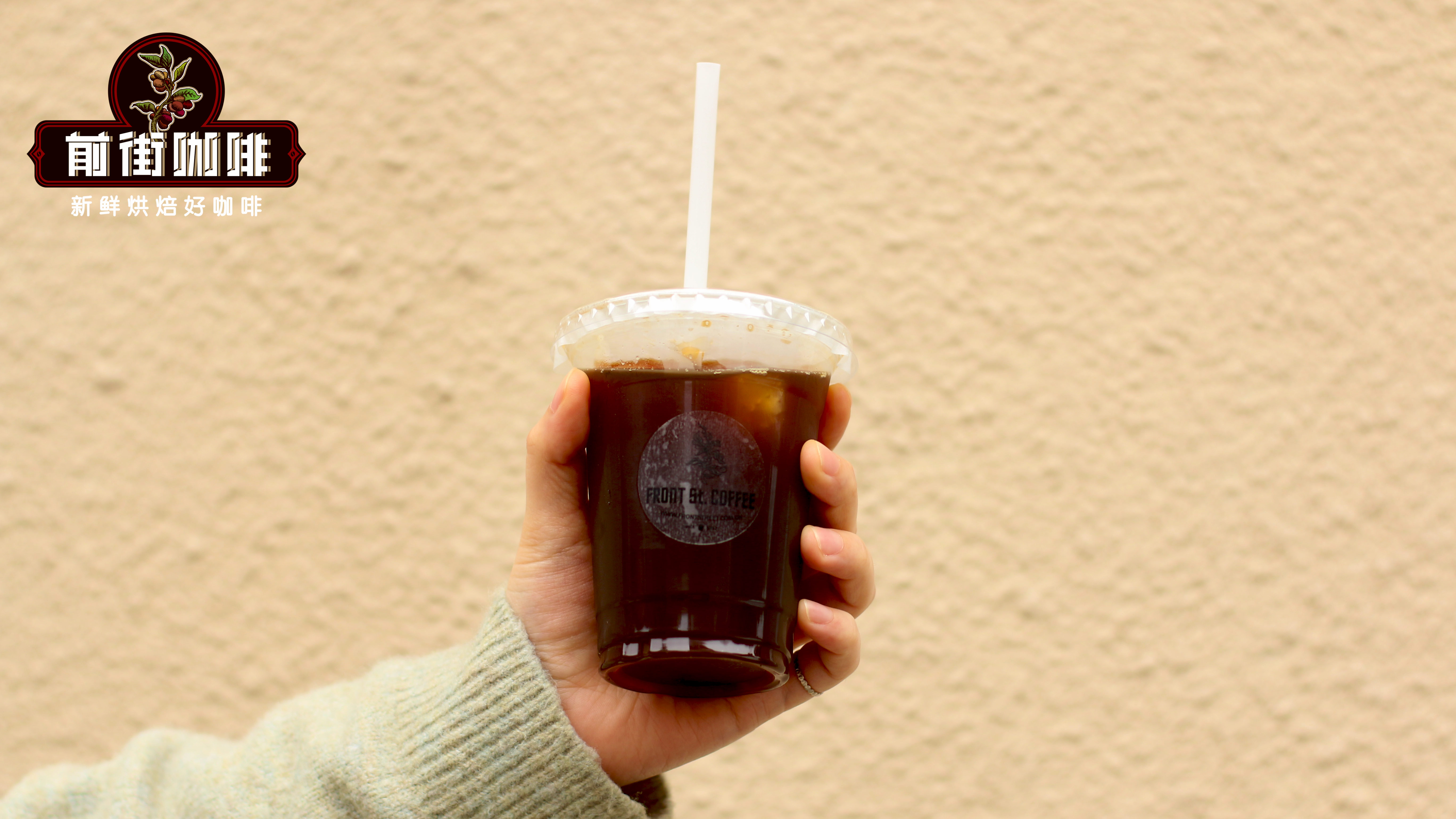
"Front Street Specialty Blend Coffee Beans" are suitable for home brewing, specialty coffee shops, community coffee shops, and small coffee shops. This bean is composed of Colombian washed coffee beans and Brazilian semi-washed coffee beans, presenting flavors of nuts, dark chocolate, and caramel.
"Front Street Commercial Blend Coffee Beans" are aimed at specialty coffee shops, community coffee shops, small coffee shops, and coffee shops focused on delivery or takeaway. The recipe is Robusta washed coffee beans, Colombian washed coffee beans, plus Brazilian semi-washed coffee, with flavor notes of nuts, cocoa, and caramel.
"The Espresso Beans Recommended by Many Baristas - Front Street Black Cocoa Blend Coffee Beans" are suitable for small coffee shops, milk tea shop delivery/takeaway coffee shops, and home use. This blend is composed of Yunnan washed small-bean coffee and Brazilian semi-washed coffee beans, with flavor notes of soft fruit acidity, caramel, and nuts.
If you want the Americano to have even less bitterness, Front Street Strawberry Candy Espresso would be a good choice. This espresso recipe is designed specifically for friends who love floral and fruity aromas, blending selected single-origin beans from three origins: Costa Rica, Colombia, and Ethiopia. It gives off aromas of roses, citrus, grapes, and dried blueberries. Used to make Americano, it delivers a sweet, clear taste reminiscent of fruit gummies.
The above content is compiled by CoffeeHunters, a coffee news website.


