







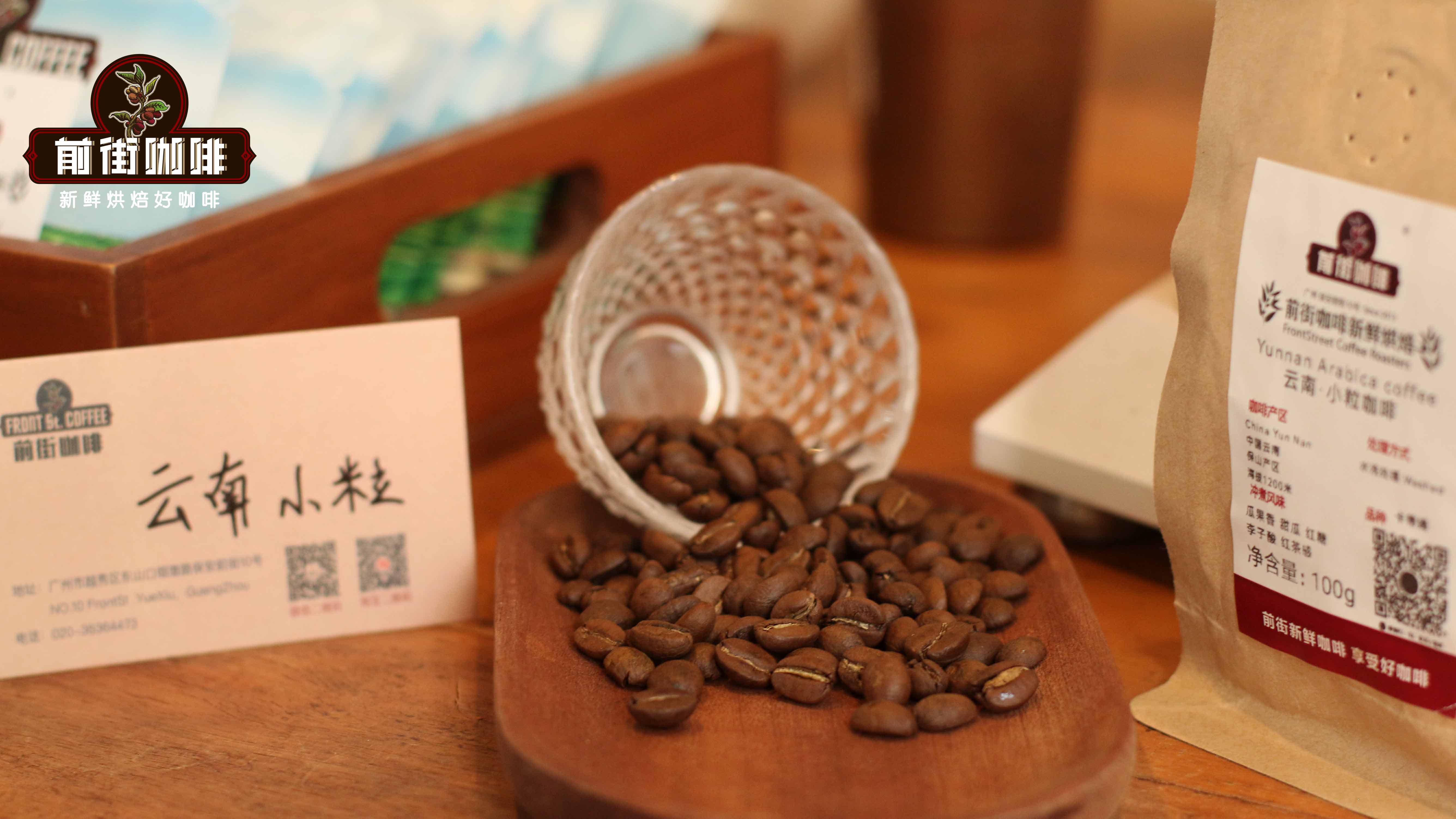
Why is Yunnan coffee called small-bean coffee? How does it differ from Robusta? This article starts with variety classification, sorts out the current flavor positioning and development stage of Yunnan coffee, and gives specific suggestions for different drinking needs. If you prefer pure origin flavors, washed or natural single-origin beans are an ideal choice; if you pursue the richness and balance of espresso, you may want to pay attention to blends based on Yunnan small beans. The article also compiles information on the producing regions, altitudes, varieties, and processing methods of several Front Street Yunnan-related products for coffee lovers to refer to as needed.
Many people may have had this question: why is coffee produced in Yunnan called small-bean coffee? Simply put, small-bean coffee corresponds to Arabica. Because another type of coffee is also grown in China's Hainan region—Robusta, which is also called medium-bean coffee or Robusta beans—the two form a distinction in name. The industry generally considers Arabica superior to Robusta in flavor performance.
With the continuous expansion of China's specialty coffee market, Yunnan coffee has attracted more and more attention. Many consumers not only want to experience the taste of Yunnan small beans for themselves, but also care about the current standard of Yunnan specialty coffee.
At the current stage, Yunnan coffee has not yet formed an independent and distinct origin flavor label. From cultivation methods and selected varieties to green bean processing, the overall situation is still in a process of exploration and accumulation. Therefore, its voice in the coffee field is still relatively limited, and people's stereotyped impressions of Yunnan coffee's flavor are also difficult to reverse in the short term. Of course, Yunnan coffee is indeed moving in a good direction, but adjustments at the agricultural level often require a cycle of five or even ten years, and many aspects can only be gradually improved with time.
From the perspective of flavor characteristics, Yunnan coffee usually presents a relatively mild and smooth mouthfeel, with aromas such as nuts, chocolate, plum, and brown sugar being more prominent. It is suitable both for single-origin pour-over and as a base bean in espresso blends.
If you want to appreciate the pure regional flavor of Yunnan, you can choose single-origin coffee. Here we recommend the washed Front Street Yunnan Small Bean Staple Coffee Beans and the natural-processed Front Street 2013 Yunnan Red Cherry:
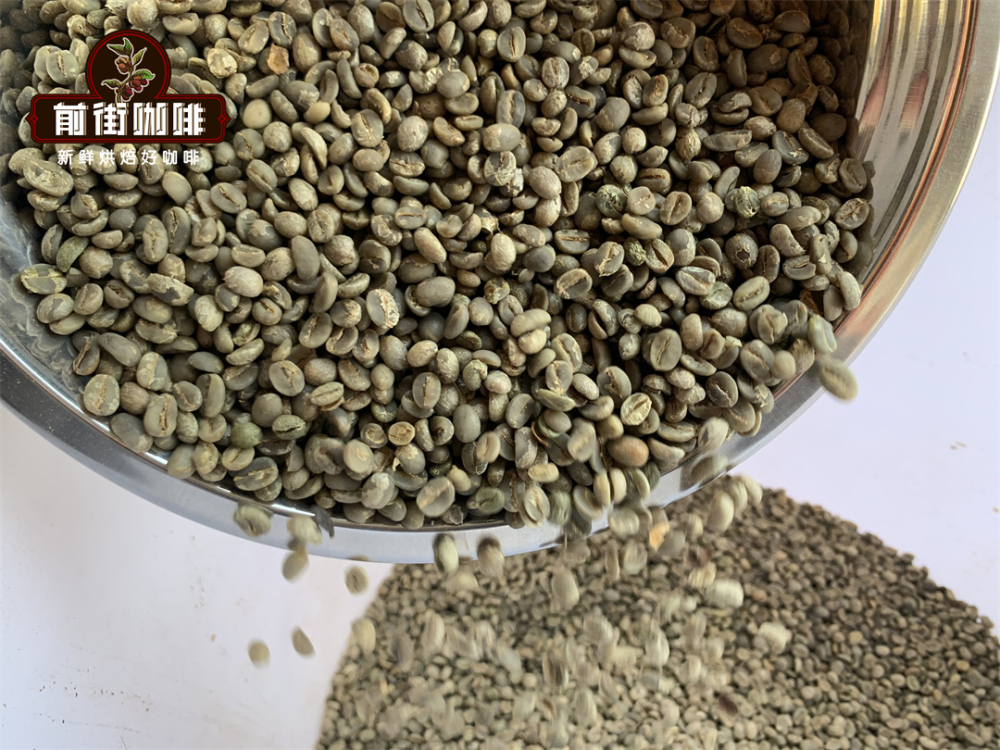
Front Street Yunnan Small Bean Coffee Beans Producing region: Baoshan, Yunnan Altitude: 1200m Processing method: Washed Variety: Catimor
Front Street 2013 Yunnan Natural Red Cherry Coffee Beans Coffee origin: Lincang Coffee variety: Typica Altitude: 1300m Processing method: Natural
However, if you value the rich and full mouthfeel of espresso more, then you must consider the excellent value-for-money espresso beans recommended by many baristas—Front Street Black Cocoa Blend.
This espresso bean recommended by many baristas—Front Street Black Cocoa Blend—combines Yunnan small beans with Brazilian Red Bourbon and uses a medium-dark roast. The extracted espresso retains the mixed nut aroma and smooth character of Brazilian beans while incorporating the creamy, chocolate, almond, and black tea notes unique to Yunnan small beans, with a hint of melon-like sweetness in the finish. Made into Americano, it is rich and balanced; made into a latte, it is sweet, fragrant, and smooth. For beginners new to the flavors of the Yunnan producing region, this is an espresso bean well worth trying first.
The above content is compiled by CoffeeHunters, a coffee news website.


