







How Does the Roasting Process Shape Medium Roast Coffee?
During the roasting process, acidity, sweetness, and bitterness rise and fall against one another. Longer roasting leaves less acidity and builds more bitterness, so a prominently bitter cup usually points to a darker roast, while sharp acidity points to a lighter one. Medium roast sits in between, landing roughly between 200 and 215°C, when beans turn brown with a slight oil sheen.
That middle ground keeps a small amount of acidity next to a rounded mouthfeel, with caramelization supplying sweetness. Because the profile stays balanced, medium roast works across espresso machines, moka pots, pour-over, French press, and cold brew. Single-origin beans from Colombia and similar regions are often roasted to this level for exactly that flexibility.
The roast level of coffee beans not only influences the overall taste but also directly determines the direction of the flavor. If a cup of coffee has a prominent bitter taste, it often means it has been roasted darker; if the acidity is sharp, it is most likely a lighter roast. For those who prefer a balanced mouthfeel, medium-roast beans are usually the safest choice. During roasting, the three taste elements of acidity, sweetness, and bitterness rise and fall in opposition to one another: the longer the roasting time, the weaker the acidity and the stronger the bitterness. The temperature for medium roasting is roughly between 200 and 215°C. The beans are brown, with a slight sheen of oil on the surface, combining a small amount of acidity with a rounded mouthfeel. The caramelization reaction brings sweetness, and the overall performance is balanced, making it suitable for a variety of brewing methods such as espresso machines, moka pots, pour-over, French press, and cold brew. This article will also combine several single-origin beans from Front Street Coffee to offer purchasing suggestions for different equipment and flavor preferences.
The roast level of coffee beans is extremely important, as it not only influences the overall taste of the coffee but also affects the way the flavor is expressed. Simply put, if the brewed coffee has a particularly prominent bitter taste, it usually means the beans were roasted relatively dark; if the acidity is very sharp, it indicates a lighter roast. Therefore, if you want a balanced mouthfeel, choosing medium-roast coffee beans is often more suitable.
In the roasting process, there are three elements that ultimately determine the flavor direction of the coffee and must be properly controlled: acidity, sweetness, and bitterness. Generally speaking, the longer the total roasting time, the less acidity remains in the end; conversely, bitterness gradually increases as the roasting time lengthens, and the darker the roast, the more bitter the coffee. It is this seemingly uncomplicated process that allows the sugars to complete a transformation, no longer just a single note of sweetness, but adding a more visually appealing color and an aroma that is even more appetizing. If you cook sugar at home yourself, the entire process will be filled with an intoxicating fragrance.
Medium Roast Coffee
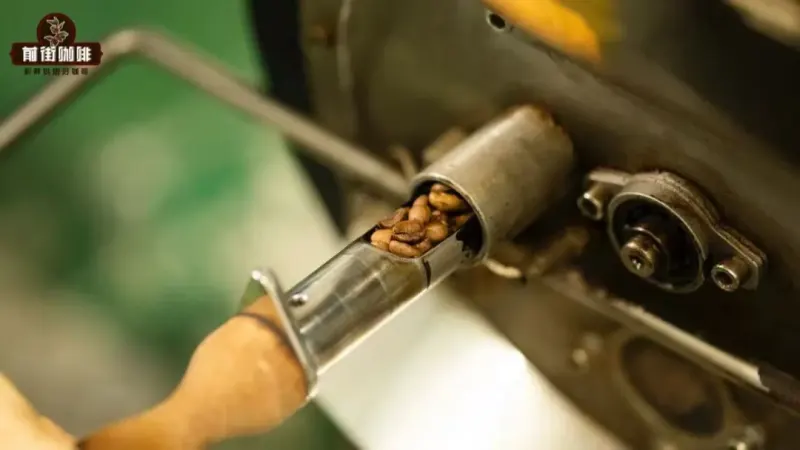
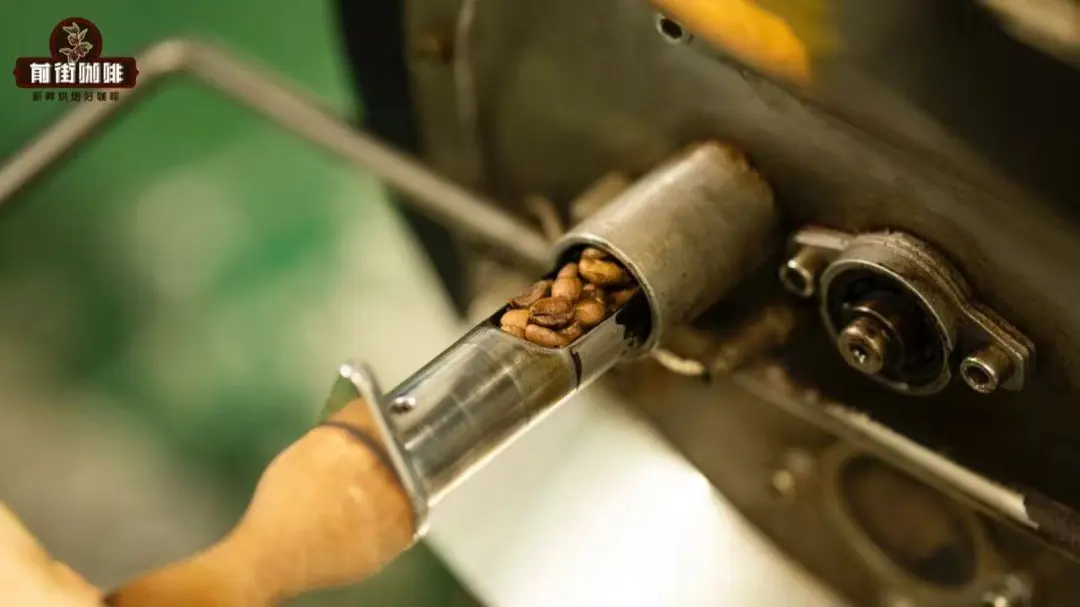
Stage: The temperature of medium roasting can reach 200-215°C. The roasting temperature is slightly higher, and it is ready as soon as the sound of "first crack" is heard.
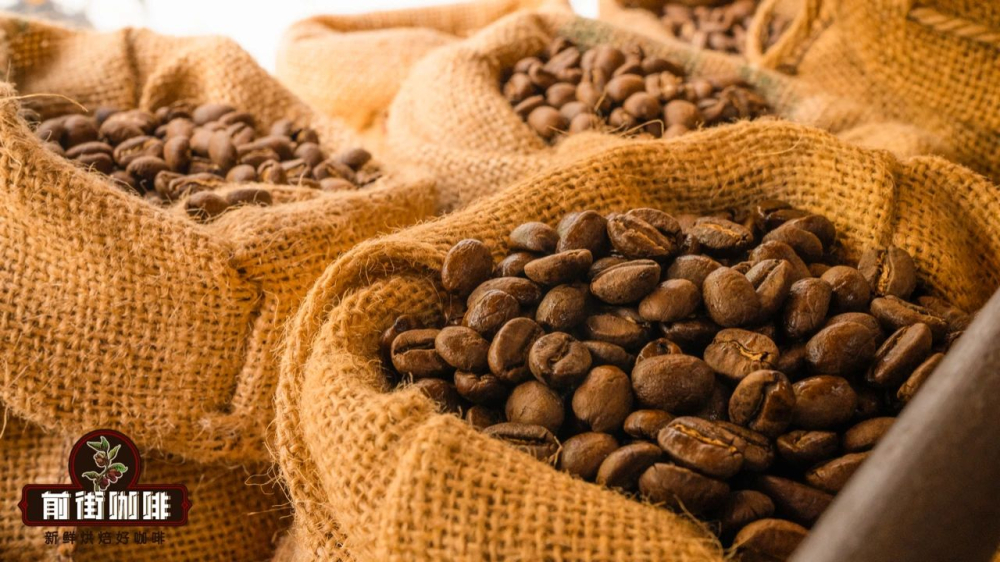
Characteristics: Medium-roast coffee is brown, and a small amount of oil appears on the surface of the beans. These coffees have a small amount of acidity and a red wine note, with a rounded mouthfeel.
Flavor: Roasted to this degree, the coffee also retains many of its unique flavors. Heat begins to enter the interior of the beans, producing a caramelization reaction and giving rise to sweetness. Therefore, all indicators are relatively balanced: it is richer and sweeter than a light roast, but some acidity may disappear. This is also a level that roasters quite like. Front Street Coffee believes that for ordinary drinkers it is more approachable, with acidity and bitterness in balance while still showcasing the coffee's natural flavors, and it is therefore suitable for espresso machines, moka pots, pour-over, French press, cold brew, and many other methods at the same time.
If you use an espresso machine or a moka pot, you can buy medium-roast single-origin coffee beans such as Front Street Coffee Queen's Estate SOE, Front Street Coffee PWN Golden Mandheling, and Front Street Coffee Brazil Cerrado. They are low in acidity, with no obvious bitterness, and they have a sweet aftertaste. They can also extract a moderate amount of crema, making them the premium first choice for home users.
If you are used to drinking French press coffee, buy balanced single-origins such as Front Street Coffee Bird of Paradise, Front Street Coffee Blue Mountain No. 1, and Front Street Coffee 2013 Yunnan Small-Molecule;
For those seeking a rich, layered mouthfeel, medium-light roasts such as Front Street Coffee Sidra, Front Street Coffee Strawberry Candy · Geisha Blend, Front Street Coffee Big Belly, and Front Street Coffee Blackberry are recommended. Each one comes with rich floral and fruity aromas, and whether brewed by pour-over or cold brew, they can highlight their fresh, fragrant character.
The above content is compiled by CoffeeHunters, a coffee news website.


