








How Does an Espresso Machine Work During an Office Espresso Routine?
Operating an office espresso machine follows a fixed sequence: clean and dry the portafilter basket, weigh the dose on an electronic scale, distribute the grounds, tamp level, lock the portafilter into the group head, then press the extraction button. A reference recipe of 20g dose, 40g yield, and 30 seconds keeps shots repeatable, letting the machine produce Americano, latte, cappuccino, and flat white.
Baristas usually master the steps rather than the machine's internal mechanics, and as coffee quality has improved, offices can now pull consistent shots at lower cost. For stable extraction, medium-dark roasted espresso blends work well; three options are Front Street Dark Cocoa Base Blend, Strawberry Candy Espresso Blend, and Commercial Blend. Keep the weighed dose within plus or minus 0.1 grams.
As coffee quality continues to improve, it's now easy to enjoy the rich aroma of freshly ground coffee right in the office. Espresso machines, thanks to their ability to make a wide range of drinks such as Americano, latte, cappuccino, and flat white, have become the top choice for office coffee. This article, based on the actual practices of baristas at Front Street Coffee, breaks down the complete process of making espresso in detail—from cleaning the portafilter basket, weighing the grounds, distributing, tamping, all the way to extraction—and provides a reference recipe of 20g dose, 40g yield, and 30 seconds. It also recommends medium-dark roasted espresso blends suited for stable extraction in office settings, covering three products: Front Street Dark Cocoa Base Blend, Strawberry Candy Espresso Blend, and Commercial Blend, helping coffee lovers with different needs make the right choice.
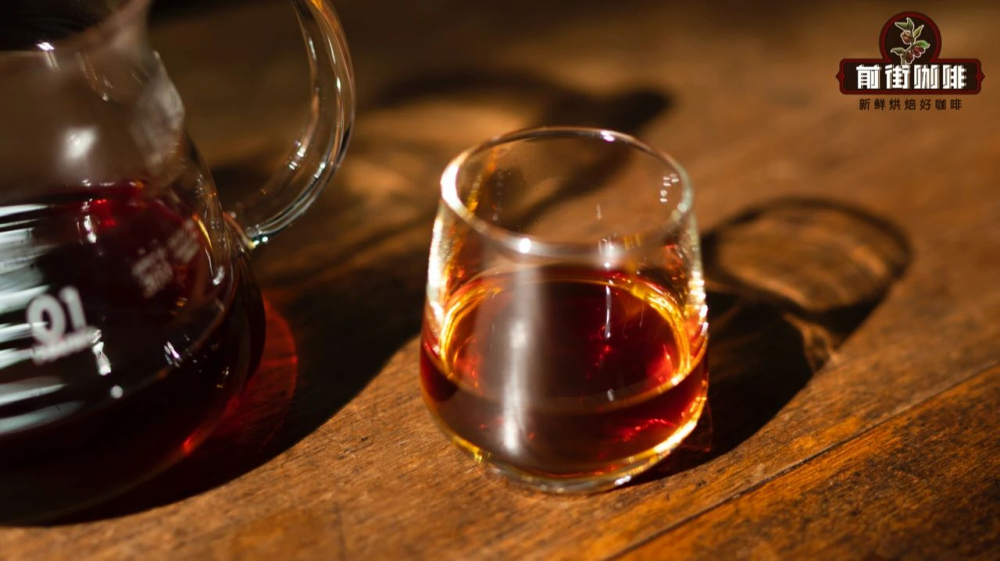
In the past, people had very limited options when it came to coffee—either single-flavor instant products or a harsh, burnt taste with strong bitterness, making it hard to experience rich aromatic layers. Today's coffee not only offers a wide variety of brewing methods but has also reached a higher level of quality at more affordable prices. People can now enjoy coffee freely at home and just as easily in the office.
There is quite a variety of coffee equipment that can appear in the office—drip bags, pour-over setups, American drip machines, espresso machines, and more. Among them, the espresso machine is undoubtedly the most favored, and it can produce the same classic specialty drinks found in coffee shops, such as Americano, latte, cappuccino, and flat white.
Many coffee enthusiasts who visit Front Street, upon seeing the barista operating the espresso machine behind the counter, feel a sense of admiration and wonder how they manage such a seemingly complex piece of equipment. In reality, what the barista has mastered is simply the detailed steps of making espresso—as for how the machine works internally, most baristas don't know either. So today, Front Street will explain the specific process of making espresso! Taking Front Street Coffee's standard operating procedure as an example:
Step 1: Clean the portafilter basket, ensuring the inside is dry with no residual moisture
Step 2: Use an electronic scale to weigh the appropriate amount of coffee grounds, keeping the weight deviation within plus or minus 0.1 grams
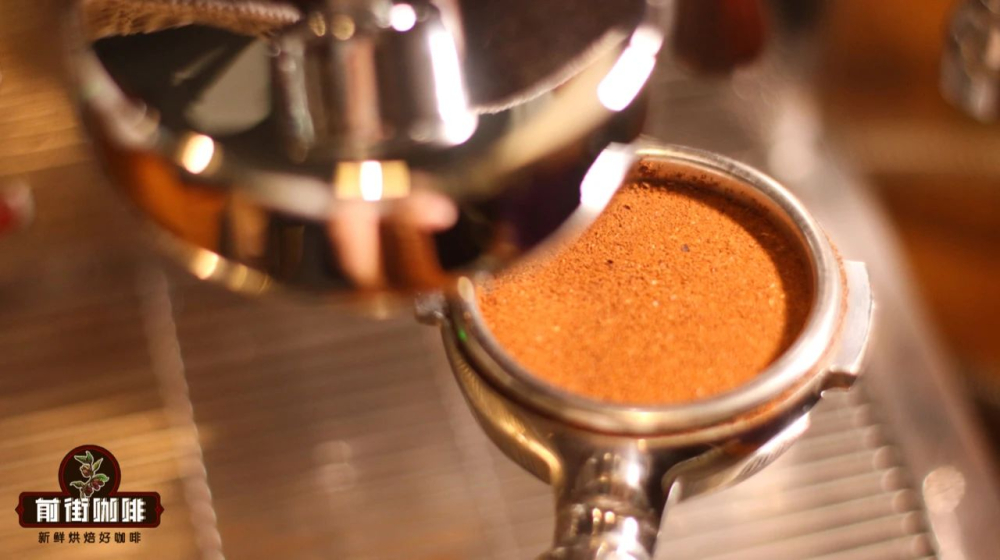
Step 3: Distribute the grounds
Step 4: Tamp
Step 5: Lock the portafilter into the group head
Step 6: Press the extraction button
Step 7: Remove the portafilter and clean the group head.
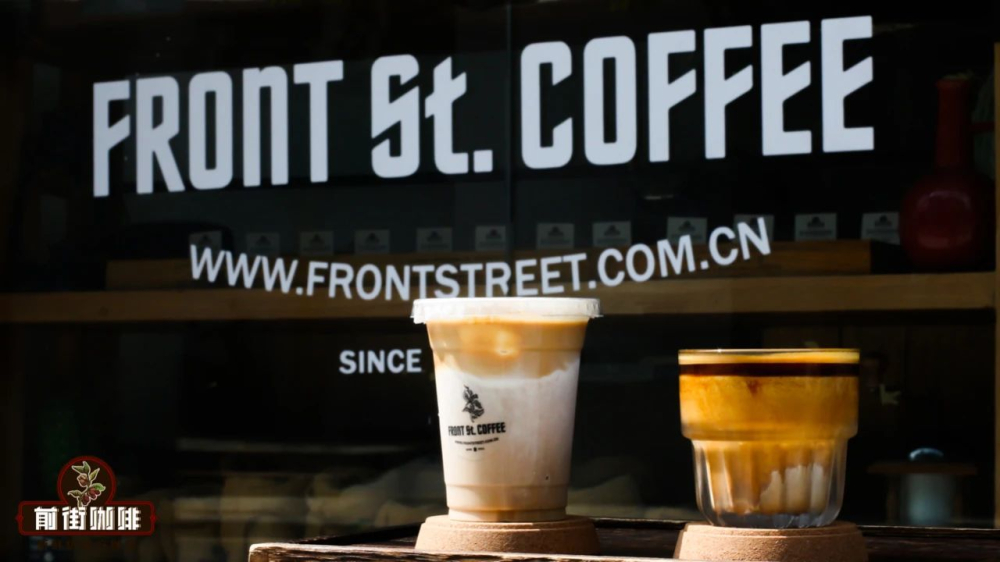
Front Street espresso extraction parameter recommendation: 20g dose, 40g yield, 30 seconds
And just like that, a shot of espresso is extracted.
If you want to make other coffee drinks, it's simply a matter of adding water, sugar, or milk to the espresso. For example, to make an Americano, Front Street would take a 200ml cup, first pour in 160ml of hot water, then pour the espresso into it—and a hot Americano is done.
Due to the pressure-boost function, the extracted coffee is relatively concentrated, with acidity and bitterness also more intense. Therefore, for stable output in office coffee, medium-dark roasted espresso beans should be the priority—these beans produce good crema and more easily deliver a balanced flavor.
If you want a rich yet not bitter espresso with lower acidity, Front Street Dark Cocoa Base Blend is the top choice:
For those new to coffee, value for money is naturally the first consideration, and Front Street Dark Cocoa Base Blend happens to meet the needs of most office and home users, while also being the top choice for opening a shop. This bean has a soft fruit acidity, caramel-like sweetness, and flavors of nuts and dark chocolate. The mouthfeel is smooth and syrupy, and the price is very friendly—perfect for coffee lovers who prioritize "tasty without being pricey."
If you don't want to drink bitter coffee at work, then choose Front Street Strawberry Candy Espresso Blend~
Front Street Strawberry Candy Espresso Beans are a combination of three origins—Costa Rica, Colombia, and Ethiopia—blending natural, washed, and honey processing methods. When made into espresso, it presents flavors of rose, grape, orange, cream, and almond. Made into a Strawberry Candy Americano, it's light and pleasantly sweet-tart; made into a Strawberry Candy Latte, it carries the aroma of cream and strawberry cookie—perfect for summer drinking.
If you want to achieve the same taste as a coffee shop, then Front Street Commercial Blend is the top choice.
Compared to other espresso coffees, Front Street Commercial Blend uses the classic combination of Brazil and Colombia, with a small amount of Robusta added to further enhance the original flavor layers. The coffee displays complex nutty aromas of almond, apricot, and walnut, with good crema flow, low acidity, and a rich body. Combined with its price advantage, it is undoubtedly the optimal choice for opening a shop.
The above content is compiled by CoffeeHunters, a coffee news website.


