







Search Results for: certified farms
Brazil Corner Farm Honey-Process New World: Rainforest Alliance Certified and Hand-Sorted Specialty Coffee Flavor
This Brazil Corner Farm honey-processed New World coffee from Front Street Coffee comes from the western side of the Mantiqueira Mountains in southern Minas Gerais, at 1,100 to 1,350 meters above sea level. The farm has been growing coffee since 1896 and is now run by the fourth generation of the Magalhães family. It received Rainforest Alliance certification in 2006 and uses semi-washed honey processing with natural sun drying. This place preserves pristine forest with high coverage, follows sustainable agriculture and labor rights standards, and hand-sorts beans to ensure quality. This article will introduce its producing region background, variety information, farm history, and processing methods, giving you an understanding of this Brazilian specialty coffee that combines tradition and innovation. [more…]
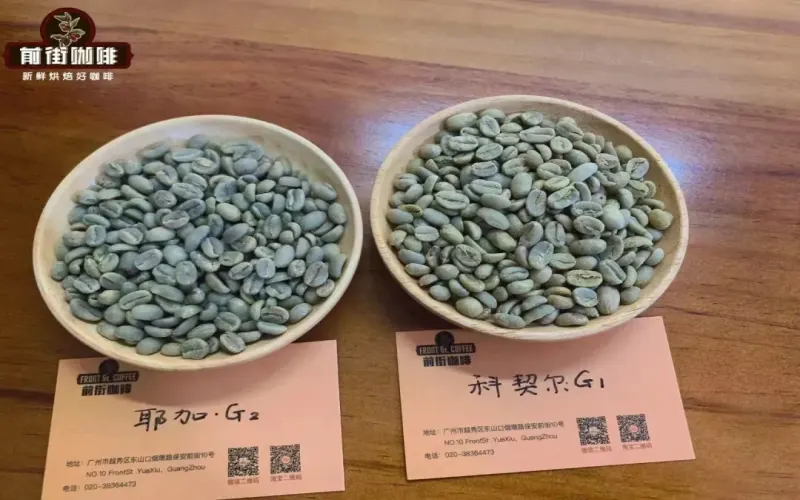
Why Is Rainforest Alliance Certified Coffee Called Frog Beans? An Analysis of the Relationship Between Blue Mountain Coffee Flavor and Certification
Have you ever heard the term "frog bean"? It doesn't refer to green coffee beans that look like frogs, nor to the "goat hoof" beans caused by Indonesia's wet-hulling process, but rather to coffee beans that have received Rainforest Alliance certification—because the logo of this certification is a red-eyed tree frog. The Rainforest Alliance was founded in 1987 and is an international non-profit organization operating at the intersection of agriculture, forestry, and business. Its certification focuses on whether farms adopt sustainable agriculture and natural resource management practices, with a particular requirement that coffee be grown under the shade of native forest trees using traditional farming methods. Coffee beans that pass certification may use the Rainforest Alliance logo and gain priority sales channels. However, certification does not necessarily mean the flavor is outstanding; it mainly evaluates the growing environment. The Blue Mountain coffee currently sold by Front Street Coffee is the only bean it offers with this certification, and within the Blue Mountain region, only Clifton Mount Estate holds the certification. Let's now take a closer look at frog beans, the Rainforest Alliance, and the flavor performance of Front Street Coffee's Blue Mountain. [more…]
Analysis of Brazil's Four Main Varieties: Cultivation, Flavor, and Market of Honey-Process Catuai and Rainforest Alliance Certified Specialty Coffee
Brazil, as the world's largest coffee-producing country, has its variety structure and processing methods profoundly influencing the specialty coffee market. This article focuses on Catuai, one of Brazil's four main varieties, sorting out the differences between its red and yellow fruit, its dwarfed wind-resistant characteristics, and its flavor performance, and also introduces the environmental and labor standards of Rainforest Alliance certification (frog bean). At the same time, combined with the cupping experience of Front Street Brazil Catuai, it analyzes how honey processing and the SHB grade shape dry aroma, acidity, and mouthfeel. The article also mentions the Geisha ARISTAR competition results of Finca La Valentina estate, providing coffee enthusiasts with a complete perspective from cultivation to market. [more…]

Detailed Guide to the Jamaican Blue Mountain No.1 Coffee Typica Variety: Clifton Estate Certification and Flavor Identification Guide
Blue Mountain coffee is hailed as the pinnacle of the coffee world, yet authenticity is hard to tell on the market. This article systematically lays out the core knowledge of authentic Jamaican Blue Mountain No. 1, from the certified growing region, Typica variety, Clifton Farm, barrel shipping, and grading system to brewing parameters and flavor performance. Using Clifton Farm Rainforest Certified Blue Mountain as an example, Front Street Coffee shares the origin background, historical evolution, processing methods, and key points for distinguishing authenticity, helping coffee enthusiasts build a clear understanding and truly appreciate real Blue Mountain coffee. [more…]

French Press Brewing Guide for Blue Mountain No. 1: From Jamaican Certified Zones to Clifton Farm Flavor Analysis
Want to easily make a rich, full-bodied cup of black coffee at home? A French press may be the most effortless and the best choice for bringing out coffee's true flavor. It's simple to use and highly forgiving, and it preserves almost the complete layers of coffee's flavor—though of course, that also means it demands higher quality and freshness from the beans. This article uses Front Street Jamaica Blue Mountain No. 1 coffee beans as an example, first helping you understand the authentic Blue Mountain coffee's regional certification, grading standards, and the background of Clifton Farm, then breaking down the French press brewing process step by step. From the coffee-to-water ratio, grind size, water temperature control, and pressing technique, every detail will be explained clearly, so you can reliably recreate at home a cup of Blue Mountain coffee interwoven with creamy chocolate and a caramel sweet finish. [more…]
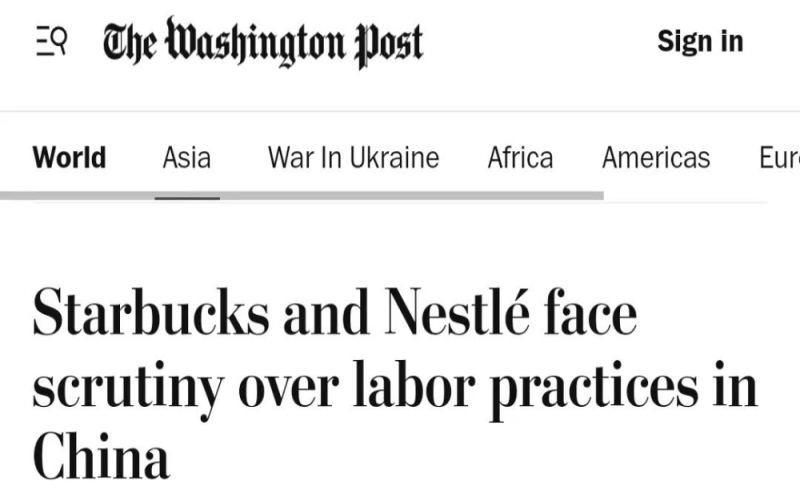
Starbucks and Nestlé's Yunnan coffee supply chain labor practices face independent investigation, certification system questioned
Recently, two labor monitoring organizations released reports stating that during field investigations in Yunnan Province, China, they found that coffee farms in the supply chains of Starbucks and Nestlé may have situations that do not meet certification requirements. The reports revealed the so-called "ghost farms" and "coffee laundering" model—small family farms informally supply coffee beans to large certified estates, resulting in labor practices that may violate the terms of Starbucks C.A.F.E. Practices and Nestlé's 4C certification. Through undercover interviews, investigators found that farm workers are paid by picking weight, often needing to work from dawn to dusk, seven days a week, lacking paid leave, protective equipment, and contract protection. Both Starbucks and Nestlé stated they will seriously investigate and take necessary measures. [more…]
What does the frog logo on the Blue Mountain coffee barrel represent? Is Jamaican Blue Mountain Rainforest Alliance certified?
Friends who drink coffee regularly are certainly no strangers to the fame of Blue Mountain Coffee, but have you ever noticed the frog logo on Blue Mountain coffee barrels? It is actually closely tied to Rainforest Alliance certification. This article begins with Front Street Coffee's introductory experience and gradually breaks down Blue Mountain Coffee's legally defined production area, strict grading, unique barrel packaging, and why it has become a scarce treasure among specialty coffees. It will also explain Clifton Mount Estate's special certification status within the Blue Mountain production area, and introduce the flavor characteristics and availability channels of Front Street Blue Mountain No.1, giving you a comprehensive understanding of this legendary coffee. [more…]
What is Rainforest Alliance certification? What environmental and fair trade standards does the green frog logo on coffee beans represent?
When selecting coffee beans, you may have noticed a green frog printed on the packaging — this is the Rainforest Alliance certification mark. Behind it lies a set of strict agricultural and environmental standards, covering ecological protection, farmers' rights, labor conditions, and sustainable development. Since the Rainforest Alliance was founded in New York in 1987, it has helped certify over one hundred million acres of crops, with coffee being one of the most traded agricultural products among them. This article will walk you through the core philosophy of the Rainforest Alliance, the specific standards for certified crops, and what this mark means for consumers and the coffee industry, helping you gain a more comprehensive understanding of the environmental and social value behind your everyday coffee choices. [more…]
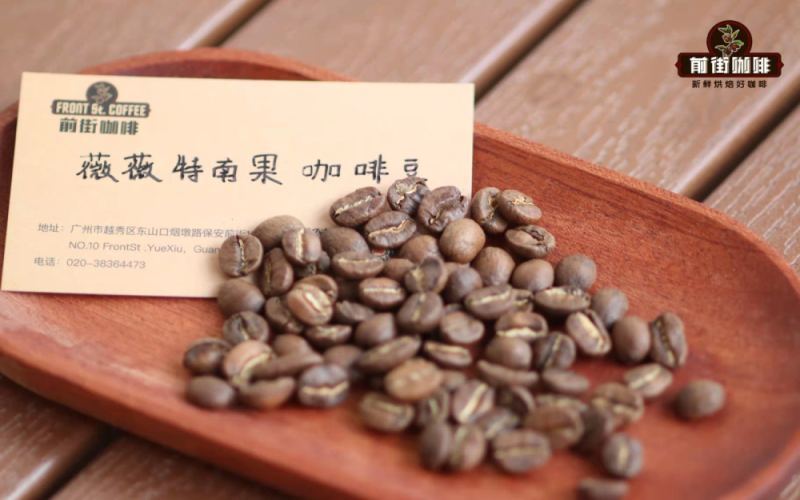
Monte Cristo Estate Natural Geisha Review: The Flavor and Cultivation Secrets of a Rainforest Alliance Certified Guatemalan Coffee
Guatemala's Monte Cristo Estate produces a distinctive natural Geisha—Don Gustavo Geisha—impressing with bright citrus and tropical fruit notes and a silky, candy-like mouthfeel. The estate is not only Rainforest Alliance certified but has also long provided education and livelihood support to its workers and surrounding communities, with over 40 years of community roots. Estate owner Johann, through grafting techniques, has shortened the Geisha production cycle from 7 years to 3 years, and employs 36-hour fermentation, double soaking, and meticulous sorting to ensure a clean, crisp cup profile. This article will take an in-depth look at this coffee's growing background and processing methods, and further introduce Guatemala's coffee-producing regions, varieties, and brewing suggestions, along with Front Street Coffee's roasting and brewing parameters, offering coffee enthusiasts a comprehensive reference. [more…]
A Comprehensive Guide to Global Organic Tea Certification Systems: Differences Among EU, US, Japan and Other Standards, and Buying Tips
The core difference between organic tea and conventional tea lies in whether it has been certified by an authoritative body. EU organic regulations prohibit genetic modification and synthetic inputs, and require animals to be raised in ways that suit their species characteristics, and are regarded as the strictest threshold in the tea industry. Certifications such as Switzerland's IMO, France's Ecocert, the US USDA, Japan's JAS, India's, Canada's, China's, Australia's, and Germany's Naturland each have different emphases, with significant differences in scope of application and difficulty of obtaining them. Rainforest Alliance, UTZ, FDA, and HACCP provide supplementary assurances from the perspectives of sustainable agriculture and food safety. This article systematically sorts out the rules, authority, and market applicability of major certifications, helping coffee and tea lovers accurately identify the true meaning behind labels when making purchases. [more…]
National Consumers League Sues Starbucks: C.A.F.E. Certification and '100% Ethically Sourced' Promise Called into Question
Recently, the National Consumers League (NCL) filed a lawsuit against Starbucks in the Superior Court of the District of Columbia, accusing its "100% ethically sourced" marketing of deceiving consumers. NCL pointed out that Starbucks emphasizes ethical sourcing commitments in its marketing, yet fails to effectively address labor abuses such as child labor and forced labor in its coffee supply chain. Since 2015, Starbucks has claimed that 99% of its coffee is ethically sourced. Although its C.A.F.E. Practices program includes multiple indicators, investigative journalists in Brazil and elsewhere have still found violations at certified farms. Starbucks responded that it will vigorously defend itself and stressed that it works with farms to ensure compliance with standards. [more…]
Brazil Cerrado Region's Cerrado Coffee Beans: The Flavor Code from Wilderness to Specialty Certification
Cerrado (also spelled Hilado/Hilado), which means "savage land" in Portuguese, has now become synonymous with Brazilian specialty coffee. This flat plateau at an altitude of about 1,000 meters, with its unique soil, abundant groundwater, and modern agricultural technology, has completed a magnificent transformation from being ignored to becoming a world-class producing region. In 2005, the Brazilian government officially certified the "Cerrado Designation of Origin," and only coffee beans that pass strict testing and score more than 75 points under SCAA scoring can receive this honor. This article will take you through an in-depth understanding of the birth of Cerrado coffee, the establishment of the CACCER producers association, ecological cultivation methods, two harvesting models, and the traceability system, along with recommendations from Front Street Coffee. Whether you are a coffee enthusiast or a professional in the industry, you can feel the unique flavor and craftsmanship that this land gives to coffee. [more…]
Fairtrade partners with Satelligence to expand satellite monitoring network for coffee origins under the EU's new deforestation-free rules
After the EU's Zero Deforestation Regulation took effect, the threshold for exporting coffee to the European market has been significantly raised. The international Fairtrade organization recently announced a partnership with remote sensing technology company Satelligence to expand satellite monitoring to all certified coffee producer organizations worldwide, helping cooperatives and their smallholder members directly access deforestation risk data. This move is intended to break the monopoly of large corporations on supply chain information, enabling producers to proactively prove that their coffee is not linked to deforestation and thereby retain access to the EU market. This article reviews the background of the partnership, the requirements of the regulation, and various perspectives, and includes related recommendations from Front Street Coffee. [more…]
An Analysis of Jamaican Blue Mountain No. 1 Flavor Characteristics: A Complete Overview of Washed and Natural Processing, Roasting Key Points, and Brewing Parameters
Blue Mountain coffee, as Jamaica's most renowned coffee representative, occupies a unique position in the global specialty coffee world with its balanced and elegant flavor. The two Clifton Farm Blue Mountain coffees offered by Front Street Coffee—washed and natural processed—provide coffee enthusiasts with an opportunity for comparative tasting. This article will start with the Blue Mountain coffee region certification standards, grade classification system, and green bean identification methods, then provide a detailed analysis of the specific effects of washed and natural processing methods on flavor, along with Front Street's brewing parameters and staged extraction techniques, helping readers fully understand the characteristics and charm of authentic Jamaican Blue Mountain No. 1 coffee. [more…]
Panama Hacienda La Esmeralda Diamond Mountain Series: A Comprehensive Analysis of the Origin, Varieties, and Brewing of Caturra and Catuai Natural Process Beans
In the specialty coffee world, Panama's Hacienda La Esmeralda is renowned for its Geisha variety, but the estate also has two Caturra and Catuai product lines worth noting: Diamond Mountain and Pamira. This article focuses on the sun-dried Diamond Mountain coffee beans introduced by Front Street Coffee, starting with the history of Hacienda La Esmeralda, then outlining the varietal characteristics of Caturra and Catuai, and going deeper into the microclimates and plot divisions of Diamond Mountain's two growing areas, Canas Verdes and Jaramillo. Finally, it presents Front Street's complete green bean identification, roasting curve, cupping data, and V60 brewing method, providing coffee enthusiasts with a detailed profile that combines origin knowledge and practical reference. [more…]
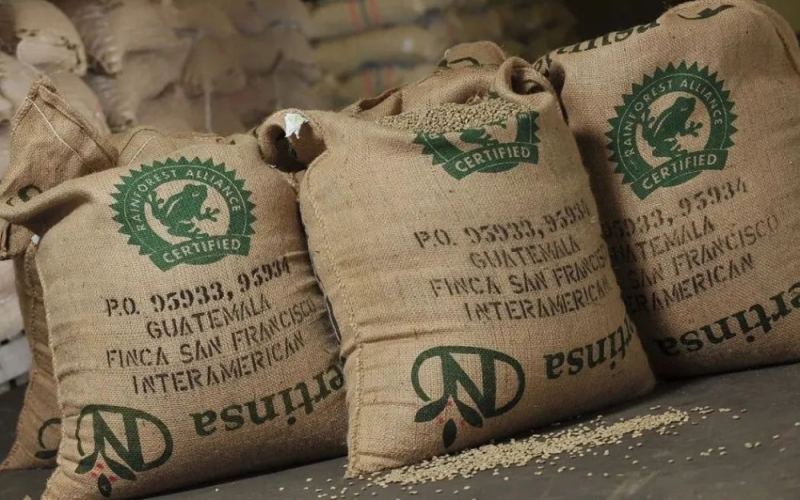
Rainforest Alliance Certification and the "Frog Bean" Revealed: The Sustainable Coffee System Behind the Red-Eyed Tree Frog Logo
In the specialty coffee world, the term "frog bean" may be niche, but it points to a rigorous environmental certification system—Rainforest Alliance certification. Coffee beans bearing the green red-eyed tree frog logo mean that everything from cultivation to processing meets ecological protection and social responsibility standards. This article will walk you through the origins of the Rainforest Alliance, its merger with UTZ, the specific contents of the certification criteria, and why the red-eyed tree frog was chosen as the logo. We will also introduce the rare coffees currently on the market that have obtained this certification, including Front Street Coffee's Panama Diamond Mountain and Jamaica Clifton Mount Estate Blue Mountain No. 1, to help you understand the flavor and value behind "frog beans." [more…]
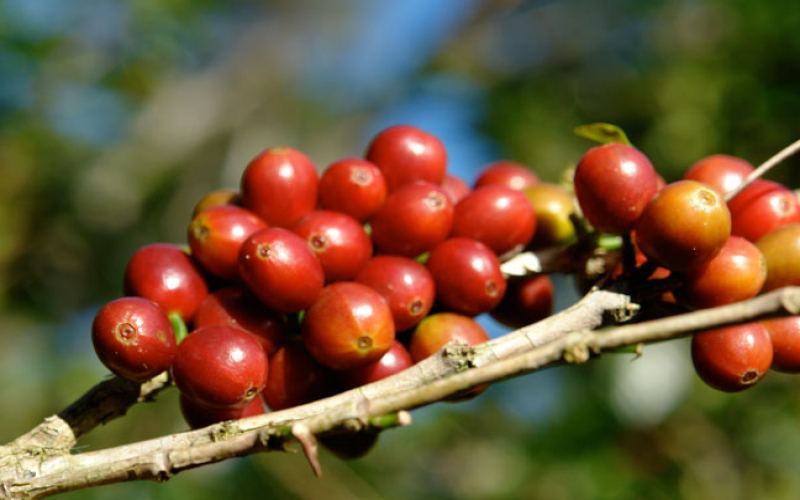
Panama Hacienda La Esmeralda Diamond Mountain Geisha Coffee Beans: Caturra and Catuai Variety Flavors, Natural Processing, and Brewing Suggestions
Front Street Diamond Mountain Coffee originates from an independent brand under Panama's Hacienda La Esmeralda, featuring Caturra and Catuai varieties grown on the Jaramillo and Cañas Verdes farms at elevations of 1,400 to 1,700 meters, with volcanic soil and shade from primary forest. This article provides a detailed introduction to the Diamond Mountain series' variety characteristics, Rainforest Alliance certification, natural processing flow, green bean appearance, roasting curve, cupping report, and brewing parameters, giving you a comprehensive understanding of this coffee that combines fruity aromas with sweetness. [more…]
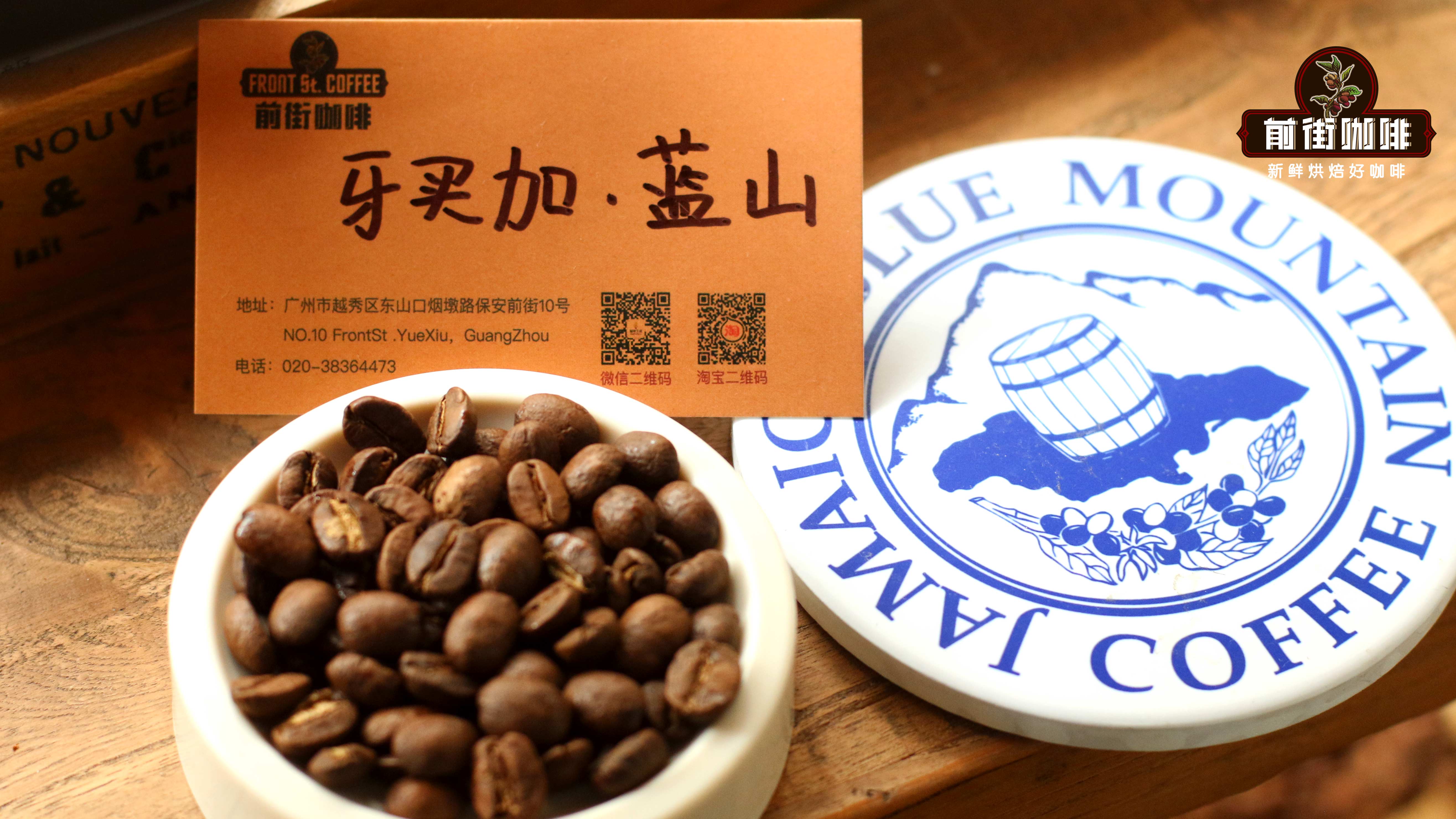
A Comprehensive Guide to Jamaican Blue Mountain Coffee: Origin Conditions, Grading, Authenticity Verification, and Brewing & Flavor Comparison
Blue Mountain coffee is almost the most well-known name in the world of specialty coffee; even many people who have never tasted it have long heard of its reputation. Mellow, balanced, and expensive—these labels have made Blue Mountain a benchmark by which many people measure good coffee. However, the many products on the market labeled "Blue Mountain flavor" or "Blue Mountain blend" are far removed from genuine Jamaican Blue Mountain. This time, Front Street Coffee is offering Blue Mountain No. 1 from Jamaica's oldest estate, Clifton Estate, which holds qualifications such as export designation by the Coffee Industry Board (CIB), wooden barrel-packed green beans, and Rainforest Alliance certification. This article will explain one by one the geographical conditions of the Blue Mountain producing region, the background of Clifton Estate, the characteristics of the Typica variety, the differences between washed and natural processing methods, the CIB certificate system and grading standards, as well as Front Street's actual brewing parameters and flavor performance, helping coffee enthusiasts build a complete understanding of authentic Blue Mountain coffee. [more…]
Costa Rica Black Soul Coffee Flavor Interpretation: Las Lajas Estate Natural Process and Pour-Over Parameters Sharing
Alma Negra from Costa Rica's Las Lajas Estate is a coffee produced using an innovative natural process, originating from the Central Valley region at an altitude of 1,300 to 1,500 meters, primarily comprising Caturra and Catuai varieties. This medium-light roast coffee has a delicate fruity fermented aroma, with a sweet and smooth entry, presenting layers of dried berries, black dates, and stone fruits, and a sweet aftertaste. The estate has practiced organic farming since 1990 and became Costa Rica's first organically certified estate in 2000, currently holding USDA, JAS, and NOP certifications. Alma Negra differs from the same estate's Black Pearl, leaning toward a natural dried-fruit molasses profile. Front Street Coffee recommends this bean, and below we will introduce its flavor details, estate background, and pour-over steps and parameters. [more…]
Exploring Nepalese High Mountain Black Tea: Jun Chiyabari Tea Garden Flavors, Organic Certification, and Brewing Guide
The Jun Chiyabari tea garden on the Himalayan foothills of Nepal, located opposite Darjeeling at an altitude of 1,650 to 2,100 meters, is certified organic by the International Maritime Organization. Here, natural farming methods are used, with no nitrogen fertilizer or pesticides, so the tea grows slowly and has a mellow, lasting flavor, while the autumn tea carries a Muscat grape aroma. Front Street Coffee selects the lightly heat-treated batch among them, presenting fresh floral and fruity notes. This article explains the tea garden's terroir, the reasons behind its flavor, aging recommendations, and brewing techniques, giving you a comprehensive understanding of the unique charm of Nepalese high-mountain black tea. [more…]