







Search Results for: catering operation specifications
The Business Code Behind Coffee Wing's Listing on the New Third Board: Yin Feng Explains the Dual Drivers of IP Crossover and Data Capital
In March 2017, Coffee Wing officially listed on the New Third Board, and its shareholder lineup of celebrity investors—including Yin Feng, He Jiong, Chen Ou, and Yao Jinbo—drew widespread attention. As a benchmark case of cross-industry dining, what exactly has enabled Coffee Wing to achieve sustained growth? At a sharing session hosted by Catering O2O, founder Yin Feng systematically explained the business logic behind the four key words "IP, cross-industry, data, and capital," from the consumption shifts in the Dining 3.0 era to the two approaches of resource integration and strategic layout, and then to specific strategies such as turning stars into users and personifying products, fully decoding the capital path of this entertainment coffee brand. [more…]
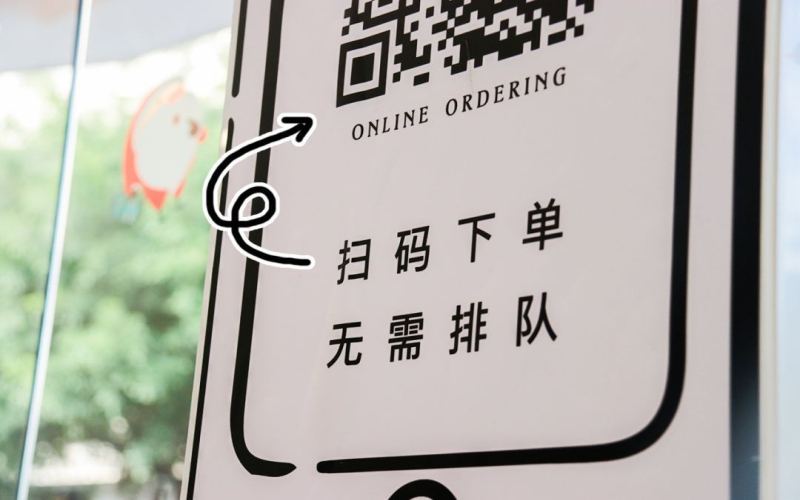
Scan-to-Order Forcing Phone Number Authorization? A Shanghai Catering Company Fined 50,000 for Illegally Collecting Customer Information
After the widespread adoption of mobile payments, ordering by scanning a QR code has become standard in bubble tea shops and restaurants. But have you ever noticed that many ordering mini-programs require you to authorize your mobile phone number or even more personal information before use? In October of this year, the Market Supervision Administration of Putuo District, Shanghai, investigated and dealt with a case involving a catering company illegally collecting consumer information, which sparked widespread attention. The restaurant guided customers to order by scanning a QR code on the table, but forcibly required authorization of their mobile phone numbers, and did not inform them of the purpose of use. Moreover, the backend allowed arbitrary access to and download of member data such as names, genders, mobile phone numbers, and card balances. Ultimately, the company was warned and fined 50,000 yuan. With the official implementation of the Personal Information Protection Law, penalties for such acts will be significantly increased, and consumers' privacy rights deserve more attention. [more…]
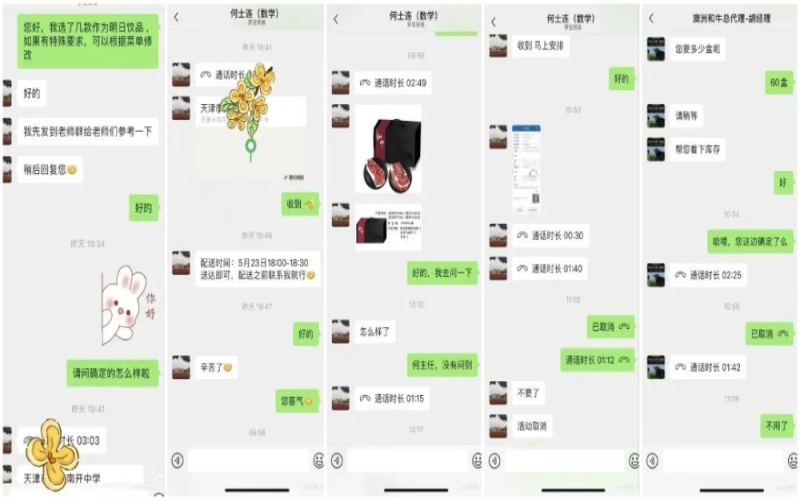
Coffee Shops Plagued by Order Scams: Large Team-Building Catering Orders Hide a Payment-on-Behalf Trap
What would you do if a sudden, large group-building order landed at your coffee shop? A shop owner in Tianjin recently encountered just such a stroke of "good luck," only to see through the scam at the last moment and pull out in time. This kind of order fraud targeting independent coffee shops and small food and beverage businesses is nothing new. Scammers pose as schools or companies placing group-building catering orders, first lulling the owner into lowering their guard, then setting a trap by asking them to buy gifts on the scammer's behalf or advance payment for goods. Some even use transfer money-laundering schemes to leave the owner with neither money nor goods. This article compiles the real experiences of several victims and shares the key precautions summarized by peers in the industry, to help coffee operators stay clear-headed when facing large orders and avoid becoming a sucker who hands money to scammers. [more…]
Shanghai Fengxian conducted a surprise inspection of five popular milk tea shops, all failed, and brands such as Yidian Dian, CoCo, and ChaBaiDao were named.
A trending topic about food safety in milk tea shops has sparked widespread concern: The Market Supervision Administration of Fengxian District, Shanghai, conducted surprise inspections of several well-known milk tea stores in Baolong Plaza, and the results showed that all five brands—Yidian Dian, ChaBaiDao, 7FenTian, CoCo, and XiongJi—had problems, involving incomplete health certificates, chaotic raw material management, and unsanitary operating environments. The incident quickly surpassed 500 million views, with netizens exclaiming, "I dare not drink it anymore." At the same time, the article also reviewed food safety cases in recent years involving Burger King, 85°C, IKEA, and others, reminding the food and beverage industry that it must strictly abide by operating standards. [more…]
A Complete Guide to Opening a Coffee Shop: A Detailed Explanation of the License Application Process from Business License to Food Business Permit
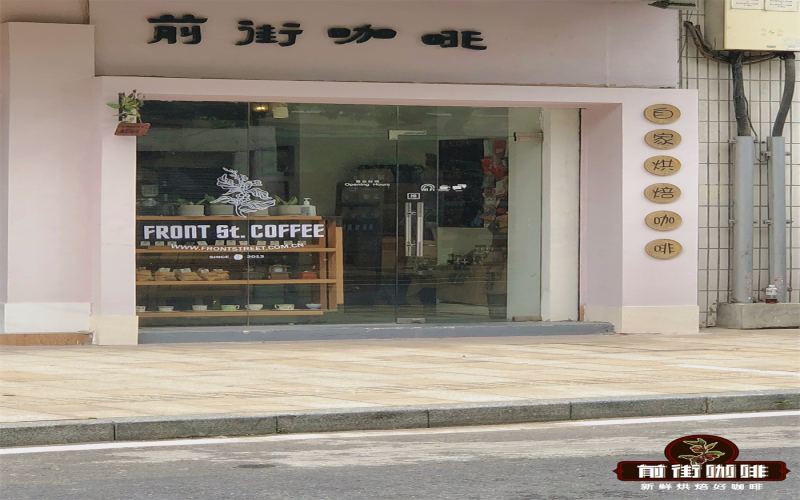
Wanting to open a coffee shop—having the funds in place is only the first step. What really gives many entrepreneurs a headache is the complicated and cumbersome licensing procedures. From business registration and food business permits, to health, tax, and fire safety, and then to the special approvals for alcohol and roasted coffee, every single item determines whether the shop can operate legally. This article will systematically sort out the various certificates and application processes required to open a coffee shop, helping you clarify your thinking and avoid detours. At the same time, we will also discuss practical points such as site selection strategy, startup capital estimation, and equipment procurement. At the end of the article, Front Street Coffee's contact information is attached; you are welcome to exchange ideas on specialty coffee bean selection and shop-opening experience. [more…]
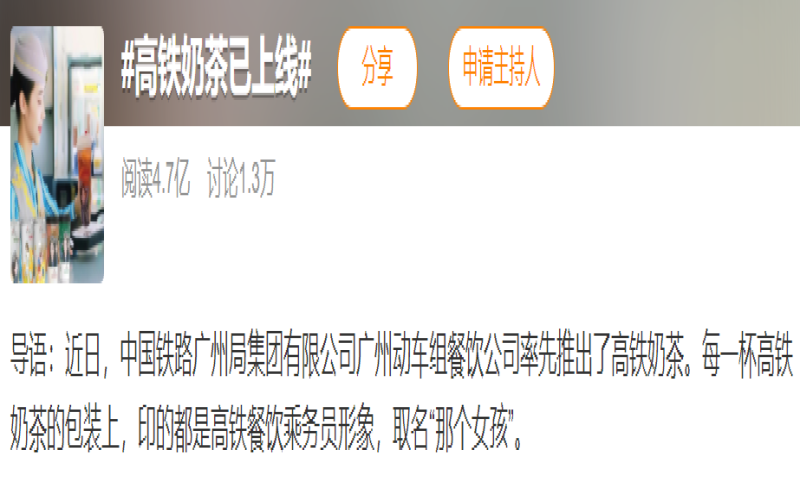
Official Response on High-Speed Rail Milk Tea Pricing: Four Products Priced at 26 Yuan, Quality to Be Upgraded
The high-speed rail milk tea "That Girl" launched by China Railway Guangzhou Group has sparked widespread discussion since its debut, with its 26-yuan price tag, taste, and packaging design all becoming focal points of criticism among netizens. In response to the controversy, the head of Guangzhou EMU Catering Co., Ltd. responded on November 16, stating that the pricing takes into account production costs, transportation, and the special operating environment of high-speed rail, in line with relevant department standards, and promised to continuously optimize product quality based on passenger feedback. Whether this high-speed rail milk tea, which sells 3,000 cups daily and is often out of stock, can turn its reputation around is worth watching. [more…]
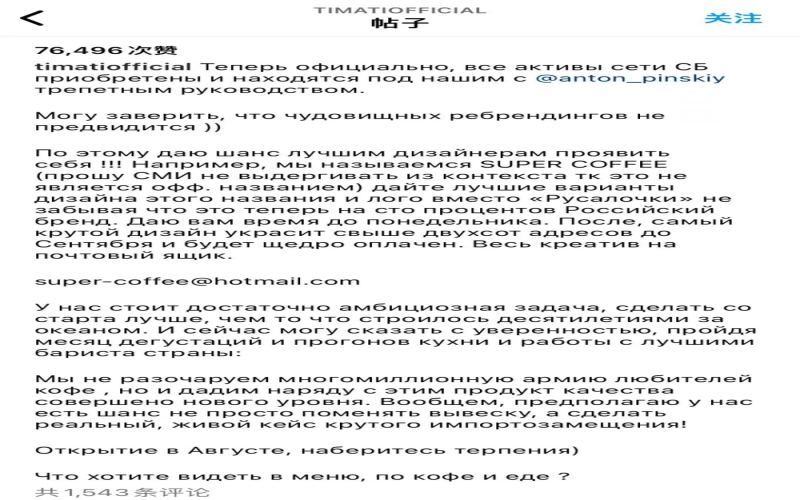
Starbucks Russia Business Changes Hands: Pinskiy&Co Completes Acquisition, New Brand's First Store to Debut in August
The fate of Starbucks in Russia has finally been settled. From suspending operations in March of this year to announcing its exit from the market in May, 130 stores were once at a standstill. At the end of July, Russian rapper Timati announced via social media that the local catering company Pinskiy&Co had successfully completed the acquisition of Starbucks' assets in Russia. The new brand name and logo have not yet been determined, but the first store is scheduled to open in August, and the number of stores will exceed 200 by September. What are the details behind this acquisition? How will the new brand make a fresh start? This article takes you through the entire course of events. [more…]
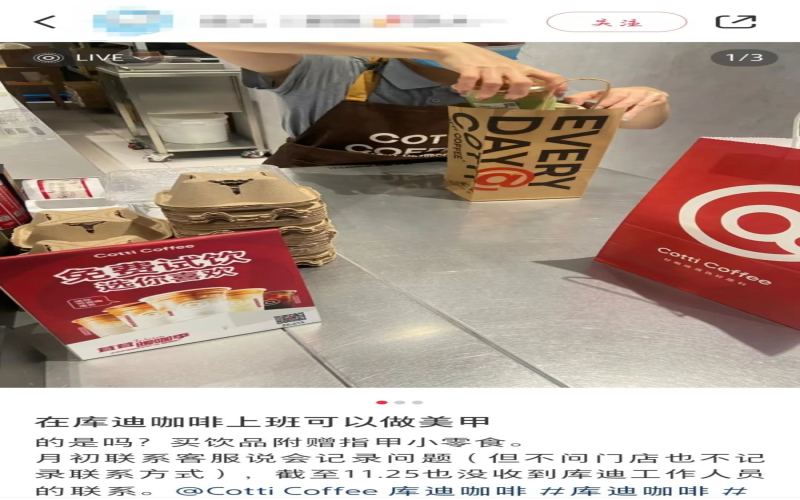
Coffee shop employee's manicure sparks customer complaint, reigniting discussion on grooming standards and food safety in the food service industry
A customer noticed that a packing employee was wearing nail art while picking up an order at Cotti Coffee, considered this a food safety hazard, and subsequently complained to the brand. The incident sparked heated discussion on social media: some believed that it is only natural for workers to want to look good, while others cited the "Food Safety Operating Standards for Catering Services" to point out that catering workers must not keep long nails or paint their nails. Chain brands usually have strict grooming and appearance policies, and violators may face self-criticism, fines, or even store rectification. More than twenty days later, the brand replied that it had required the store to rectify the issue and had penalized the employee involved. Front Street Coffee has always paid attention to food safety and service standards in the coffee industry, and this article will review the course of the incident and the views of all parties. [more…]
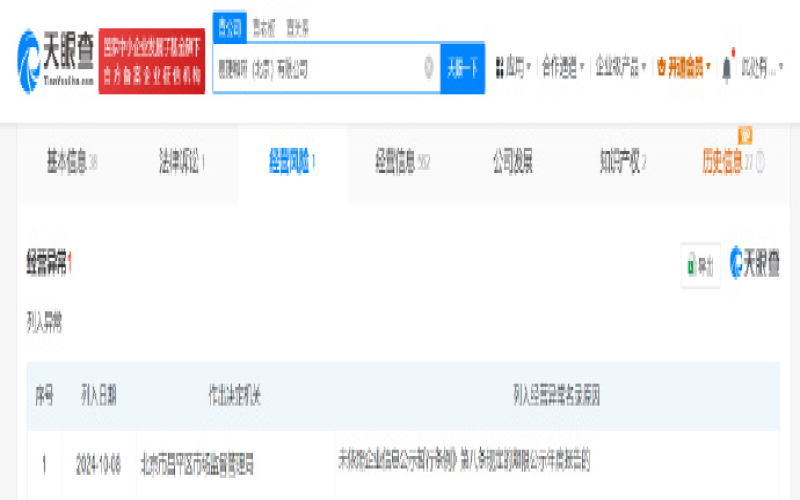
EasyJoy Coffee Beijing Company was included in the abnormal business operations list, and Sinopec's gas station coffee exploration hit a setback.
Tianyancha information shows that EasyJoy Coffee (Beijing) Co., Ltd. was included in the list of businesses with abnormal operations by the Changping District Market Supervision Bureau of Beijing for failing to publicly disclose its annual report on time. This company, wholly owned by Sinopec EasyJoy with a registered capital of 60 million yuan, was once an important vehicle for Sinopec's exploration of the coffee business in gas station scenarios. From launching the brand in 2019 in cooperation with Lian Coffee, to Lianxiang Business withdrawing in 2024 and Sinopec fully taking over, and then to reaching a strategic cooperation with Tims China, the development trajectory of EasyJoy Coffee reflects the opportunities and challenges in the gas station coffee track. At present, Sinopec has not yet responded to this matter. [more…]
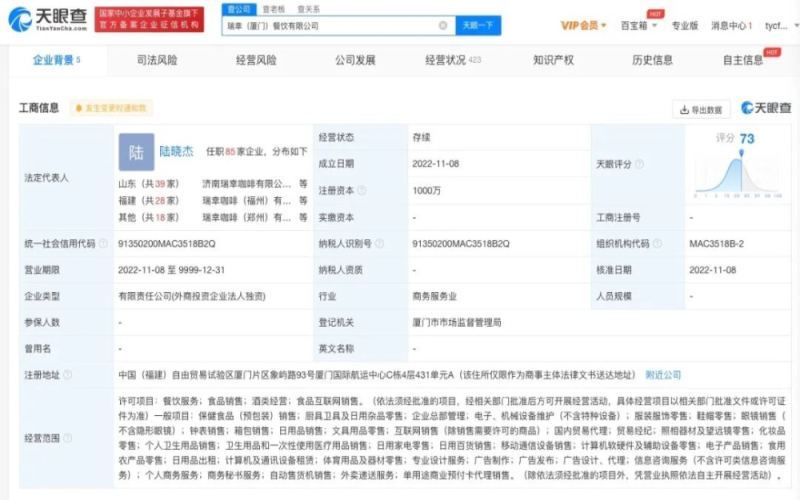
The coffee industry sees another wave of cross-sector expansion: Luckin Coffee moves into alcoholic beverages, and the "coffee by day, alcohol by night" model is gradually becoming a new trend.
Coffee brands selling alcohol is no longer a novelty. From Starbucks to Seesaw, M Stand, and now Luckin Coffee registering a new company to venture into alcohol operations, the cross-industry wave in the beverage sector is intensifying. Tianyancha data shows that Luckin has established a new company in Xiamen, with its business scope covering alcohol operations, sparking widespread industry attention. This article sorts out Luckin's specific moves into alcohol and its trademark layout, reviews the daytime coffee, nighttime alcohol attempts by brands such as Starbucks, Seesaw, and M Stand, and analyzes the trend of beverage giants like Coca-Cola and Genki Forest entering the alcohol market. Finally, it uses industry data to reveal the rapid growth in the number of alcohol-related enterprises, exploring the opportunities and challenges behind cross-industry alcohol sales. [more…]
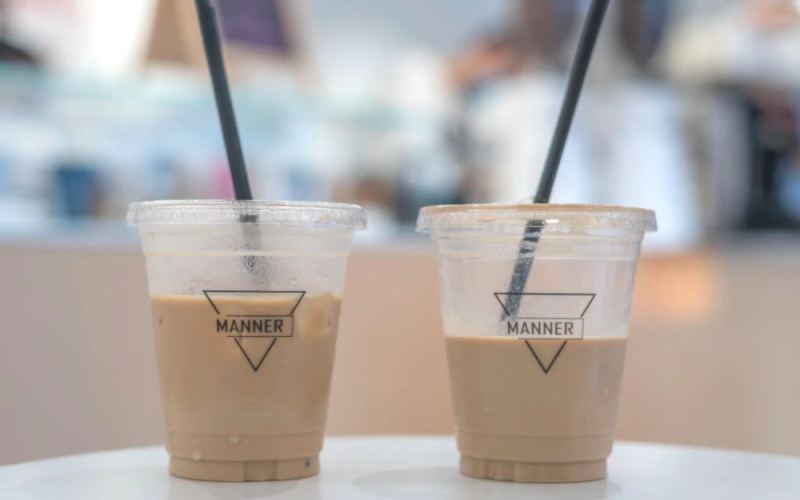
Manner may open up franchising by the end of March? Internal research leaks, direct-operation model faces a turning point
Recent news suggests that Manner Coffee may open franchising by the end of March this year, a rumor that has been circulating among baristas. According to multiple employees, the brand has internally conducted a survey on franchise willingness, and CEO Jin Binbin mentioned this in a partner group and distributed a questionnaire. Although insiders officially state that it is currently only an internal survey with no plans to open franchising, some employees say franchising might be launched in mid-to-late March. As the fifth-largest chain brand in China by number of stores, Manner has always adhered to direct operation; if it truly shifts to franchising, the underlying logic and its suitability for lower-tier markets are worth attention. [more…]
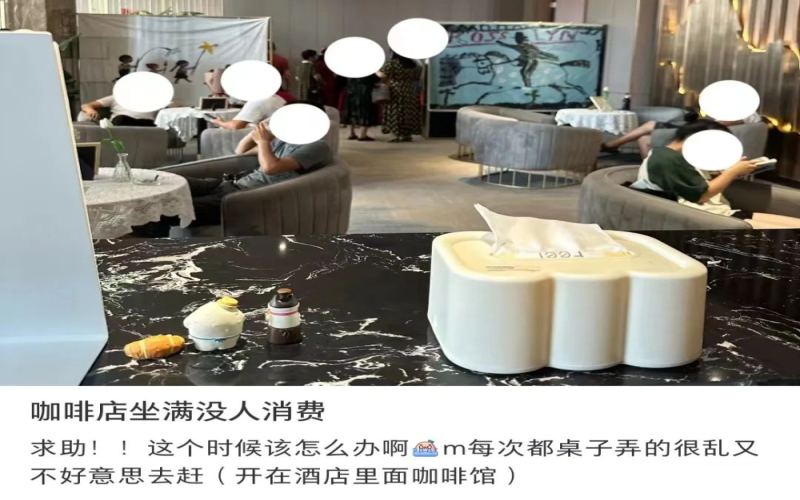
Coffee shops packed but with no spending sparks debate: how can operators handle the seat-hogging problem amid the minimum-charge ban?
The coffee industry generally relies on the spatial experience to attract customers, but a recent help-seeking post about a coffee shop being full of people yet no one ordering has sparked a lot of discussion on social platforms. The poster runs a coffee shop located in a hotel lobby. Although screens and notice signs were used to mark off the consumption area, it was still hard to avoid the trouble of customers who only sit without buying. Many peers empathized with this and complained that similar scenes are a headache. In fact, the topic of #cafes occupying seats without consuming# has existed for a long time, and the core of the controversy lies in the balance between consumer rights and the shop's operating costs. Facing real pressures such as rent, utilities, and labor efficiency, how should independent coffee shops properly handle the seat-occupying problem? Is setting a minimum consumption legal? What practical communication phrases have netizens summarized? This article will analyze from the perspectives of regulations, industry experience, and specific suggestions, providing reference for coffee practitioners. [more…]
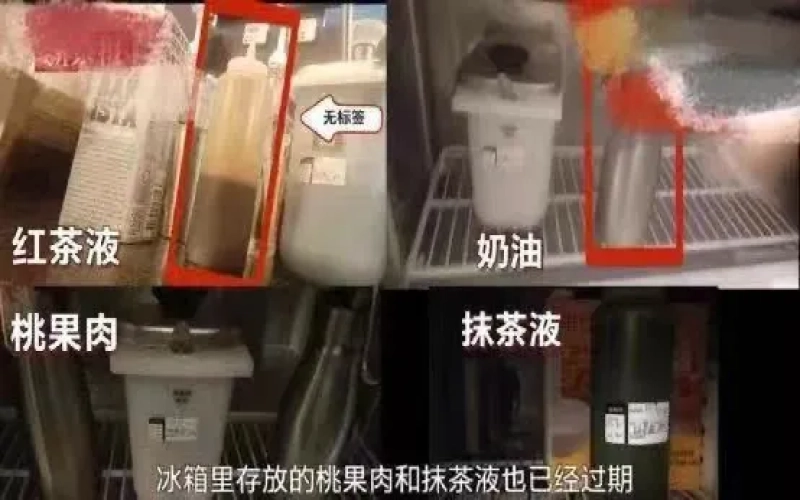
Starbucks Fined 1.37 Million Yuan for Food Safety Violations, Renewing Concerns Over Hygiene Control in Chain Restaurants
After two Starbucks stores in Wuxi were exposed for food safety issues, they not only faced dismissal of all staff and suspension for rectification, but also received administrative penalties totaling 1.37 million yuan. This incident triggered widespread public discussion on the current state of food safety management in the chain catering industry. Judging from the surprise inspections by market supervision bureaus across various regions, although the vast majority of stores were not found to have serious violations, management loopholes such as non-standard scrap records, missing disinfection records, and inadequate implementation of employee personal hygiene remain common. This article will review the incident and the details of the penalties, analyze the imbalance between Starbucks' internal supervision and cost control, and explore the importance of producer self-discipline and social oversight behind food safety issues. [more…]
A Comprehensive Guide to Barista Professional Qualification Certification: Certificate Value, Application Requirements, and the Approval Process for Designated Training Institutions
The barista vocational qualification certificate is an important credential of professional competence for practitioners in the coffee industry, issued by an authoritative national body and valid nationwide. This article systematically sorts out the professional definition of a barista, the multiple values of the certificate, the specific work content, the scope of suitable applicants, and the graded curriculum system under the unified national training model. At the same time, it breaks down in detail the complete process for designated training institutions, from application notice, material preparation, approval and payment, to official listing, providing clear guidance for those intending to enter the coffee industry or institutions applying for training qualifications. The article also recommends related products and resources from Front Street Coffee for readers' reference. [more…]

The Correct Way to Drink illy Espresso Ground Coffee: Medium Roast Brewing Ratio and French Press Operation Guide
illy, as a long-established Italian coffee brand, produces pre-ground espresso powder that is not an instant product; it requires a filter tool or an espresso machine to complete extraction. For home or office settings, Front Street Coffee recommends using a French press for immersion brewing. This article will introduce the blending characteristics of illy espresso powder, its differences from instant coffee, and, using 15 grams of powder as an example, the specific brewing parameters and operational details, helping coffee enthusiasts easily make a rich, full-bodied cup of coffee. [more…]
The Complete Guide to AeroPress Coffee: Understanding the Key Steps from Grind Size to Water Temperature and Ratios
With its unique syringe-like construction and manual pressure extraction method, the AeroPress has become a convenient choice for making coffee at home. This device, invented in 2005 by Stanford University lecturer Alan Adler, was not born in a corporate laboratory, but rather grew out of the inventor's own dissatisfaction with the flavor of his home-brewed coffee. This article will provide a complete breakdown of how to use the AeroPress, from its components and operating steps to cleaning and maintenance, and explain how to control strength by adjusting the amount of water and coffee grounds, so that you can easily make a cup of espresso-style concentrate at home that suits your personal taste. [more…]

Espresso Diluted with Water vs. American Drip Machine: Differences Between Two American Coffee Brewing Methods and a Guide to Choosing Drip Coffee Beans
As the most common coffee beverage in daily life, Americano actually has two completely different preparation paths: one is the Americano made in coffee shops by diluting espresso with water, and the other is the Americano extracted directly using a drip coffee maker in home or office settings. Front Street Coffee will break down the differences between these two methods from the aspects of brewing principles, equipment requirements, operating procedures, and flavor performance, while also explaining the specific steps for using a drip coffee maker and offering selection suggestions for coffee beans from different origins, helping coffee lovers find the cup that suits them. [more…]
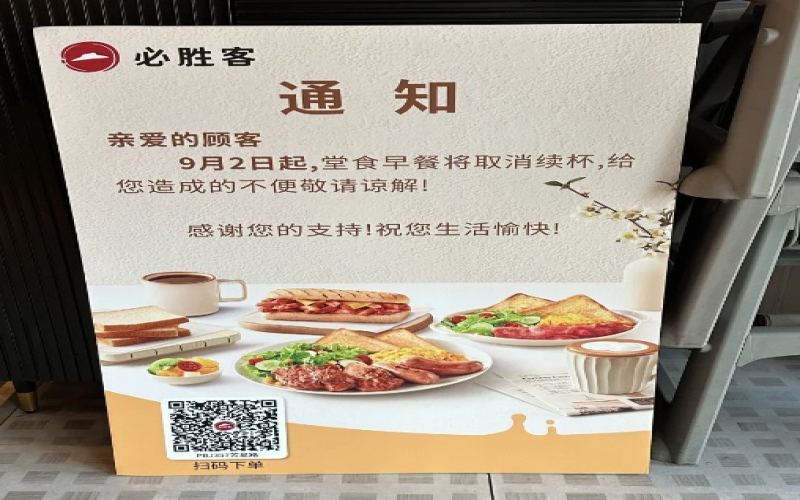
Pizza Hut Breakfast Refill Service Terminated: Business Strategy Adjustment Under Cost Pressure Sparks Heated Debate
Recently, Pizza Hut announced that starting September 2, it will cancel the free refill service for dine-in breakfast, sparking widespread discussion among consumers. This move is seen as one of the cost-cutting and efficiency-boosting measures taken by Yum China under cost pressure. Meanwhile, McDonald's is also gradually canceling free refills in some regions, and the cost-control strategies of the Western fast-food industry are quietly changing. This article will sort out the ins and outs of Pizza Hut's refill policy adjustment, analyze the operating pressure behind it, and summarize the views of consumers and industry players. [more…]

CoCo staff cutting watermelon while eating sparks controversy, drawing renewed attention to back-of-house operational standards and food safety
Recently, a video of a CoCo milk tea shop employee eating watermelon while cutting it has sparked heated discussion online. The video shows the employee, while preparing ingredients for a watermelon drink, not wearing gloves, cutting off a piece and eating it directly, then continuing to process the remaining fruit. This behavior might be harmless in a home kitchen, but in a restaurant back kitchen it touches a sensitive nerve regarding food safety and operating standards. Some netizens believe that an employee daring to eat the ingredient actually proves the food is fresh, but more people are concerned about saliva contamination, food waste, and the lack of corporate rules. The manager of the shop involved responded that they are verifying the matter, but had not received authorization from headquarters to publicly announce the handling result. The incident once again pushes the hygiene management and employee operating habits of restaurant back kitchens into the focus of public opinion. [more…]
De'Longhi American Drip Coffee Machine Operation Guide: How Coffee Bean Grind Size Matches Different Extraction Methods
Making coffee at home with an American-style drip machine—have you chosen the right grind size? Front Street Coffee baristas often encounter customers asking for pre-ground coffee powder but unable to clearly explain what equipment they use to brew it. In fact, grind coarseness directly determines the extraction rate and flavor direction. This article will explain in plain language which devices fine, medium, and coarse grinds are suited for, the differences in performance between light-roast and dark-roast beans in drip machines, and demonstrate the operating steps using a Delonghi drip machine as an example. It will also recommend two beans suitable for American-style drip coffee—Front Street sun-dried Red Cherry and Front Street PWN Golden Mandheling—and finally compare the taste differences between espresso diluted with water and drip-style Americano, helping coffee lovers choose the right beans, grind the right powder, and enjoy every cup. [more…]