







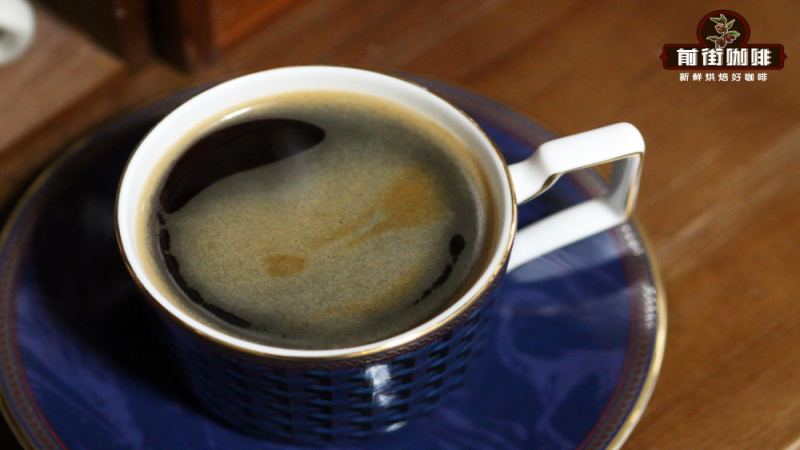
What Separates American Coffee From Drip-Brewed Coffee?
American coffee reaches the cup by two routes. Cafes pull a 40-gram espresso shot from 20 grams of grounds and add about 200 milliliters of water, a 1:5 ratio that keeps body while taming strength. At home or in an office, the same drink comes from a drip coffee maker, where hot water passes through a bed of ground coffee once and filters into the pot.
The espresso route needs an espresso machine, which is standard in shops but rare at home because of the price. The drip route needs only a coffee maker and medium-ground beans. Italian immigrants in the United States after World War II are credited with watering down espresso to suit local tastes, which is how the cafe-style cup became common.
As the most common everyday coffee beverage, Americano actually has two completely different preparation paths: one is the Americano made in coffee shops by diluting espresso with water, and the other is the Americano brewed directly using a drip coffee maker at home or in the office. Front Street Coffee will break down the differences between these two methods from the aspects of brewing principles, equipment requirements, operating procedures, and flavor performance, while also explaining the specific steps for using a drip coffee maker and offering bean selection suggestions for different producing regions, helping coffee lovers find the cup that suits them.
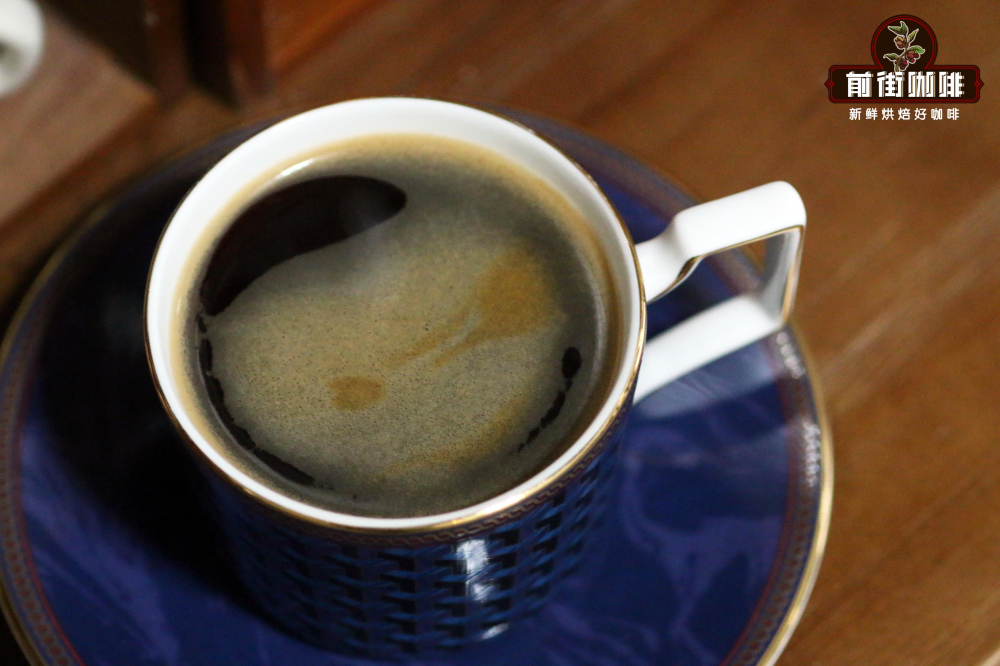
In cafés and home settings, Americano is one of the most frequently encountered coffee categories. Overall, Americano preparation can be divided into two routes: one is the espresso dilution method used in coffee shops, and the other is extraction completed with a drip coffee maker. Front Street Coffee (FrontStreet Coffee) will now discuss exactly what differences exist between these two approaches.
The Americano sold in cafés actually belongs to the category of espresso-based coffee. As for its origin, there is roughly this explanation: Americans were accustomed to drinking light coffee brewed by drip filtration, while Italians preferred extremely strong espresso. After World War II, Italian immigrants came to the United States and, in order to cater to local taste preferences, added water to espresso to dilute it, making the coffee lighter and more in line with Americans' drinking habits. This practice gradually evolved into the most mainstream way of making Americano in coffee shops.
To make this kind of Americano, an espresso machine is essential. This type of equipment is basically standard in coffee shops, but is rarely seen in ordinary homes, mainly because of its high price. However, its advantages are also very prominent—it produces drinks extremely quickly and can complete a cup of coffee in a short time. Taking Front Street Coffee's method as an example, Front Street uses 20 grams of coffee powder to extract 40 grams of espresso, then adds 200 milliliters of water to dilute it, with a ratio of coffee liquid to water of 1:5. The coffee prepared this way retains flavor and mouthfeel while not being uncomfortable to drink due to excessive strength.
The Front Street store uses its own roasted Front Street Sunflower Warm Sun blend coffee beans, and the Americano made with them presents flavor characteristics of vanilla cream, brown sugar, and whiskey.
The working method of a drip coffee maker is somewhat similar to pour-over coffee, as both belong to drip extraction. The difference is that a drip coffee maker operates according to manufacturer-preset programs, leaving little room for adjustment. For people who know nothing about brewing coffee, this is a quite friendly device; but for enthusiasts who are passionate about pour-over, a drip machine seems somewhat bland.
Typical usage scenarios for a drip coffee maker include offices, homes, and some Western-style breakfast shops. Operating a drip coffee pot is not complicated. For ease of horizontal comparison, the Sunflower Warm Sun blend coffee beans are also used here. The grind size is consistent with pour-over, with an 80% pass rate through a No. 20 standard sieve. Drip coffee makers usually come with a metal filter as the coffee powder container. If you want to improve the cleanliness of the coffee, you can line the filter with a trapezoidal paper filter.
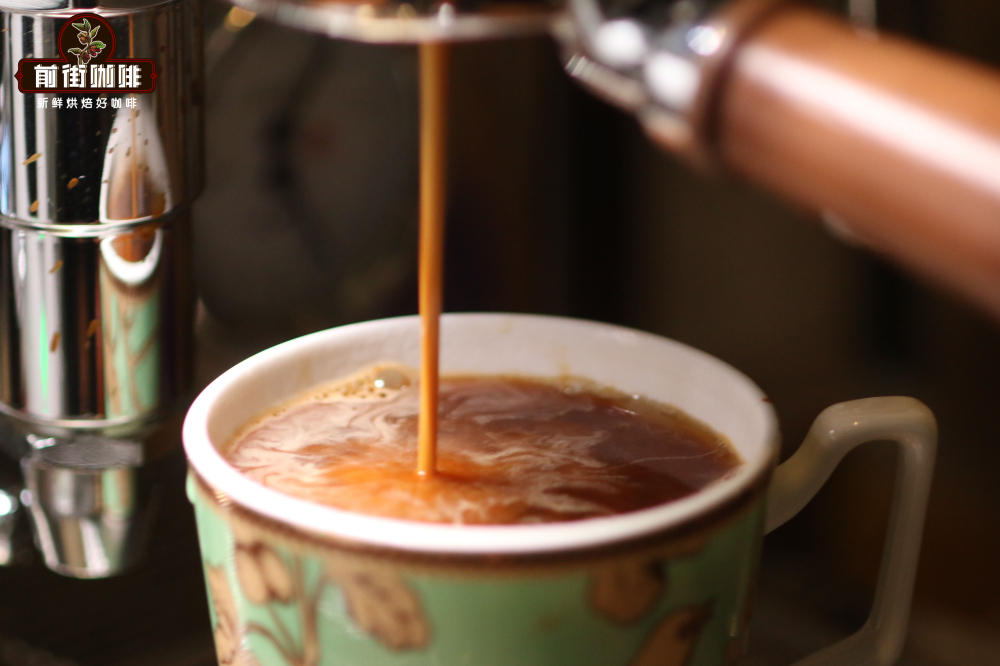
Regarding the amount of coffee powder, according to the standard of a general drip machine, every 5 grams of coffee powder corresponds to 100 milliliters of water. This time 20 grams of coffee powder is used, so 400 milliliters of water needs to be added. First place the carafe into the coffee maker, close the top lid of the coffee maker, pour in 20 grams of coffee powder, then pour 400 milliliters of hot water into the water tank. Then put the lid back on, press the start button, and the drip coffee maker begins extracting coffee.
Water flows from the water tank into the U-shaped heating tube, is heated to 100°C, and then, with the action of water pressure and thermal pressure, the hot water at the very front is pushed to the water outlet pipe and sprayed out through the spout. The hot water drips onto the coffee powder in the filter, and after full soaking and extraction flows into the carafe. After about 5 to 8 minutes, a pot of drip coffee is ready.
Coffee made with a drip coffee pot tastes relatively light, and in mouthfeel is very close to the light yet coffee-aromatic style Americans like. It is suitable for drinking with breakfast and also suitable for an afternoon pick-me-up.
The advantage of a drip coffee maker lies in its low operating threshold: you can make a decent cup of coffee without needing to master much coffee knowledge. At the same time, a drip coffee maker can accommodate many different coffee beans, and the flavor performance of the final product will change accordingly. For example, if you prefer coffee with bright acidity and prominent fruitiness, you can choose beans from Ethiopia, Kenya, Panama, and other producing countries; if you lean more toward bitterness and a sweet, mellow feel, you can choose coffee beans from Brazil, Colombia, Indonesia, Jamaica, and other producing countries.
The above content is compiled by CoffeeHunters, a coffee news website.


