







Search Results for: cappuccino recipe

Cappuccino Milk Foam Thickness Standards and Texturing Analysis: From Classic Recipe to Modern Evolution
As a representative of Italian milk coffee, the thickness and degree of frothing of cappuccino's milk foam have always been a core concern for coffee enthusiasts. Starting from the classic 1:1:1 recipe, this article traces the evolution of cappuccino across different historical periods, analyzes the reasons behind the change in milk foam thickness from 2.5cm to 1-2cm, and explores the influence of latte art culture on the form of takeaway cappuccino. At the same time, drawing on the practical experience of Front Street Coffee, it explains how a small cup size, filling to 11 parts, a rich coffee flavor, and dense milk foam together constitute the essential characteristics of cappuccino, helping readers understand the positioning and identification methods of this classic beverage in the modern coffee environment. [more…]

The Standard Cappuccino Recipe and the Evolution of Milk Foam: From the 1:1:1 Ratio to the Golden Ring, Teaching You How to Taste It Correctly
As a classic milk coffee, the cappuccino's definition and form have undergone centuries of evolution. From the Kapuziner of 18th-century Vienna to the modern version reshaped by Italians with espresso and steamed milk foam, the cappuccino's recipe, foam thickness, and drinking method have been constantly changing. The most widely circulated 1:1:1 ratio, the iconic golden ring, and the thin-foam trend brought about by latte art all reflect the shifting tides of coffee culture. This article will sort out the cappuccino's origins, old-school methods, and contemporary changes, and share Front Street Coffee's understanding of this classic drink, helping you gain a more comprehensive understanding of a qualified cappuccino. [more…]

What's the Difference Between a Macchiato and a Cappuccino? Caramel Macchiato Recipe and Tasting Guide
Walking into a café and facing a dazzling menu of espresso drinks, have you ever been confused: what exactly is a Macchiato? How is it different from a Cappuccino? And how is a Caramel Macchiato made? This article will take you back to the Italian origins of the Macchiato, clarify its essential differences from the Cappuccino in recipe and taste, and break down the steps for making a Caramel Macchiato along with key tasting points. We will also share the traditional ratios and modern evolution of authentic Cappuccino, as well as practical tips from Front Street Coffee during the preparation process, helping you make a cup of milk coffee with distinct layers and pure flavor at home. [more…]

What Exactly Is the Difference Between an Americano, a Latte, and a Cappuccino? A Comprehensive Analysis from Recipe Structure to Taste
Walking into a coffee shop and facing a menu of Americano, Latte, and Cappuccino, many people recognize the words but can't quite explain how they actually differ. All three are based on espresso, but the proportions of water, milk, and milk foam added vary, resulting in distinctly different flavors and mouthfeels. This article will systematically sort out the differences between Americano, Latte, and Cappuccino from three angles: historical origins, recipe evolution, and structural comparison. Combined with Front Street Coffee's actual in-store serving plans, it will provide specific extraction parameters and preparation methods, helping coffee enthusiasts stay well-informed whether ordering or making these drinks themselves. [more…]
What Are the Differences Between Americano, Latte, and Cappuccino? A Clear Explanation from Recipe Structure to Taste and Flavor
Faced with Americano, Latte, and Cappuccino on a coffee menu, many people recognize the words but can't clearly explain the differences between them. This article will systematically sort out the differences among these three common coffee drinks from three dimensions: historical origins, recipe structure, and taste characteristics. Americano is espresso plus water, Latte is espresso plus milk and a thin layer of milk foam, while Cappuccino brings a rich, dense mouthfeel with thick milk foam. The article will also combine actual output from Front Street Coffee stores to provide specific espresso extraction plans and production parameters for each drink, helping you not only understand the menu but also grasp the logic behind every cup of coffee. [more…]
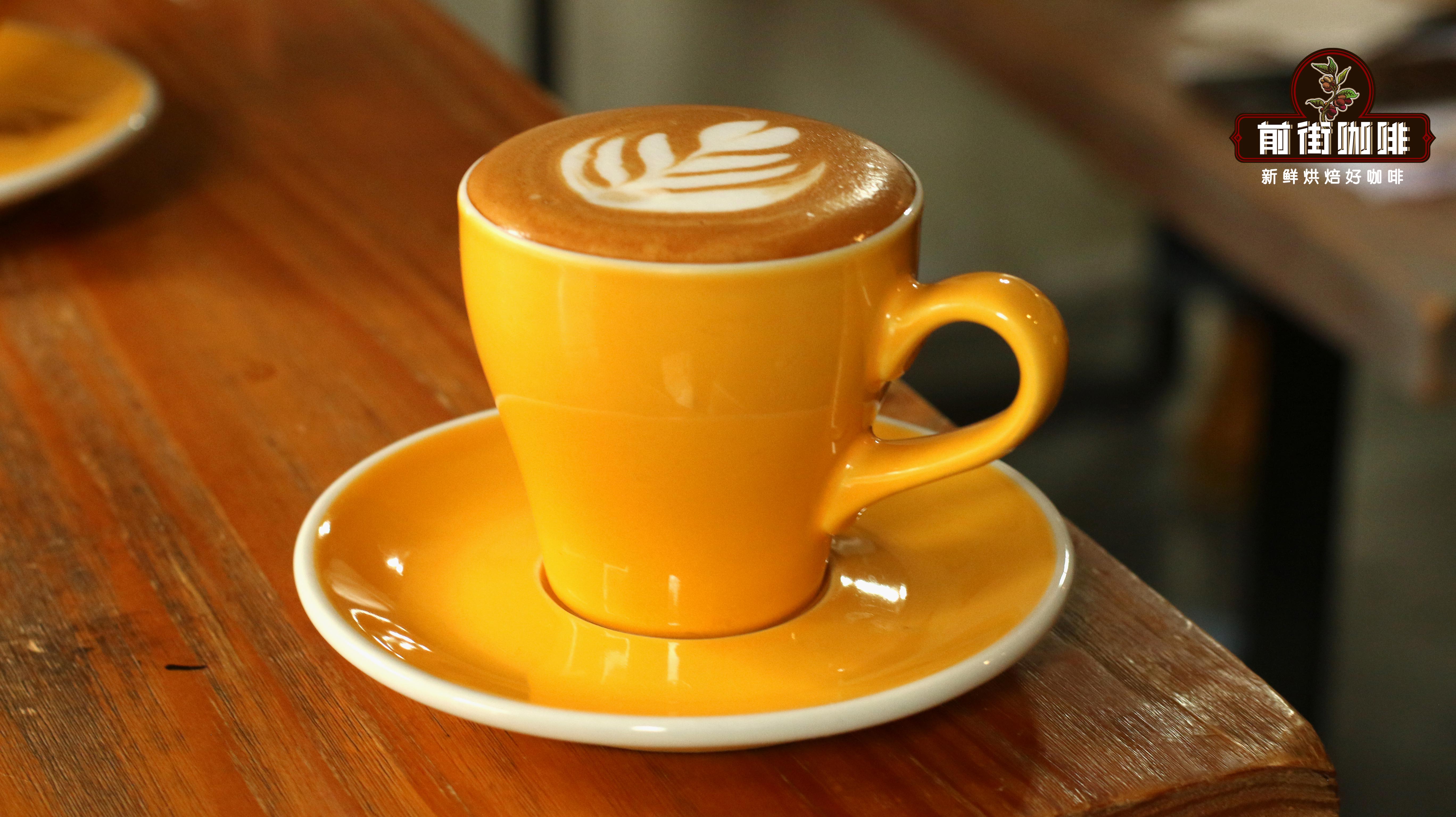
What's the difference between a latte and a cappuccino? A complete guide to the methods, ratios, and caffeine content of Italian milk coffees
Latte and cappuccino are the two most frequently ordered milk coffees on the Italian coffee menu. They share the same ingredients—espresso, milk, and milk foam—but their texture and ratios are quite particular. Drawing on Front Street Coffee's production experience, this article systematically sorts out the definitions of latte and cappuccino, their historical origins, the choice of espresso beans, extraction parameters, milk steaming temperature and foam thickness, as well as their respective recommended ratios and flavor performance. It also answers the common question of how much caffeine a latte contains, helping coffee lovers more clearly choose the Italian milk coffee that suits their taste. [more…]

What is a Flat White? Differences from Latte, Cappuccino, and Starbucks Flat White, Plus Front Street Coffee's Detailed Recipe
The name Flat White may be unfamiliar to many, but everyone is surely familiar with Starbucks' Fu Rui Bai (Flat White). In fact, names like Xiaobai Coffee, Fu Rui Bai, Chun Yi Bai, Ao Rui Bai, and Aussie White all refer to the same drink—Flat White. It originated in Oceania, so it is also called Aussie White coffee. Both are combinations of milk and espresso, but what exactly is the difference between a Flat White, a latte, and a cappuccino? Why has Flat White coffee swept the world and become a permanent fixture on the menus of almost every coffee shop? In this article, Front Street Coffee (FrontStreet Coffee) will guide you through the origin and evolution of Flat White coffee, clarify its differences from latte and cappuccino in milk foam thickness and flavor presentation, and share a Flat White recipe made with Front Street Sunflower Warm Sun blend beans, so you can experience that rich and mellow Aussie White flavor at home. [more…]
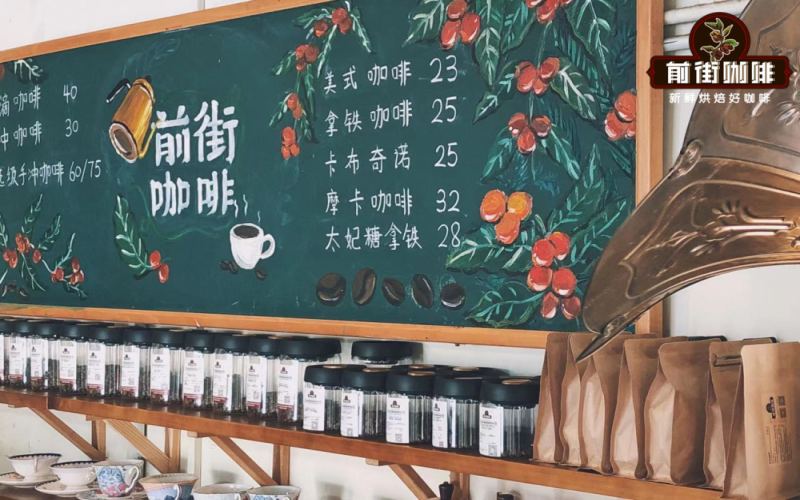
Espresso Milk Coffee Recipes | What Coffee-to-Milk Ratio Tastes Best? Latte, Cappuccino, and Flat White: Taste Characteristics and Origins
Latte, cappuccino, and flat white are three milk coffee categories that are almost always staples in coffee shops. This article will help you clearly distinguish the differences between these three milk coffees. Since most people have had some exposure to these three milk coffees, here is a brief introduction to their origins. Modern latte and cappuccino [more…]

Latte Caffeine Content | What Is the Difference Between a Cappuccino and a Latte? How Can Coffee Beginners Make Latte and Cappuccino Coffee?
Front Street Coffee currently offers several types of espresso drinks, including latte, cappuccino, and mocha, with latte and cappuccino being the most frequently ordered. So what are the differences in taste and flavor characteristics between the two? How much caffeine does a cup of latte contain? Next [more…]

The Complete Guide to Flat White: Origins, Recipe, and Key Differences from Latte and Cappuccino
Flat White, known to more people in China as "Fu Rui Bai," is a milk coffee with a more pronounced coffee flavor and thinner milk foam than a latte. It originated in Oceania, where Australia and New Zealand are still competing over who invented it, and baristas in the two countries also have different preferences when it comes to choosing the espresso base. After Starbucks introduced it to the Chinese market in 2015, this once-obscure drink quickly became popular. So what exactly is the difference between a Flat White, a latte, and a cappuccino? Front Street Coffee will compare them one by one across several dimensions—cup size, milk foam thickness, espresso dosage, and flavor and mouthfeel—to help you sort out the differences among these three classic milk coffees and find the cup that suits you best. [more…]
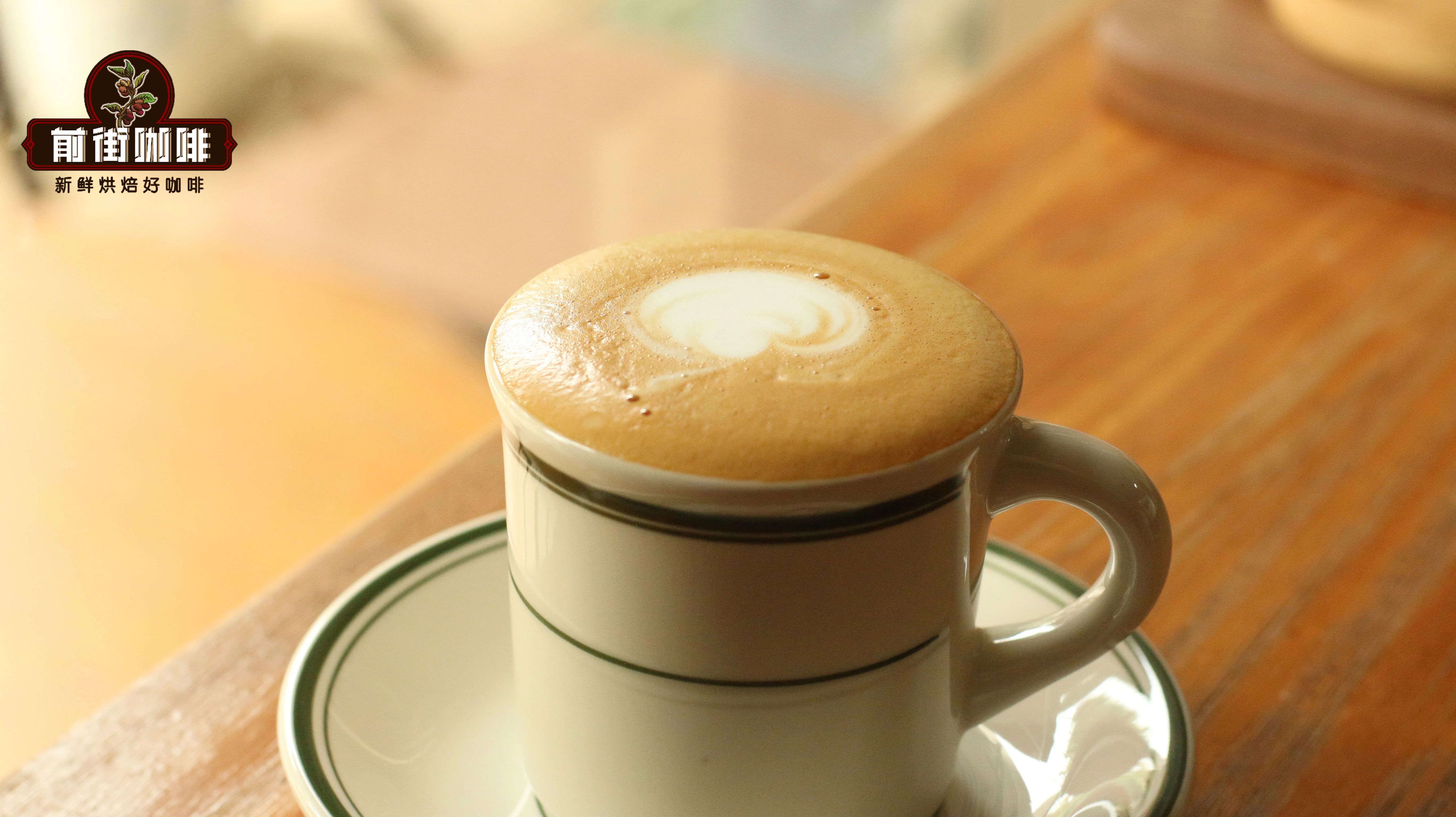
How Much Espresso Is in a Latte? Cappuccino vs. Latte Flavor Differences and Front Street Coffee Espresso Bean Recommendations
Latte and cappuccino are the two most common espresso milk drinks. Both are made from espresso, milk, and milk foam, but they differ noticeably in ratio, foam thickness, and mouthfeel. How much espresso actually goes into a latte? Roughly how much caffeine does it contain? And how should the coffee-to-milk ratio be managed during preparation? This article addresses these questions, while also explaining how to choose espresso beans, extraction parameters, and the key temperature points for steaming milk. It also introduces several Front Street Coffee espresso blends suitable for making lattes, helping coffee enthusiasts create a full-flavored milk coffee at home. [more…]
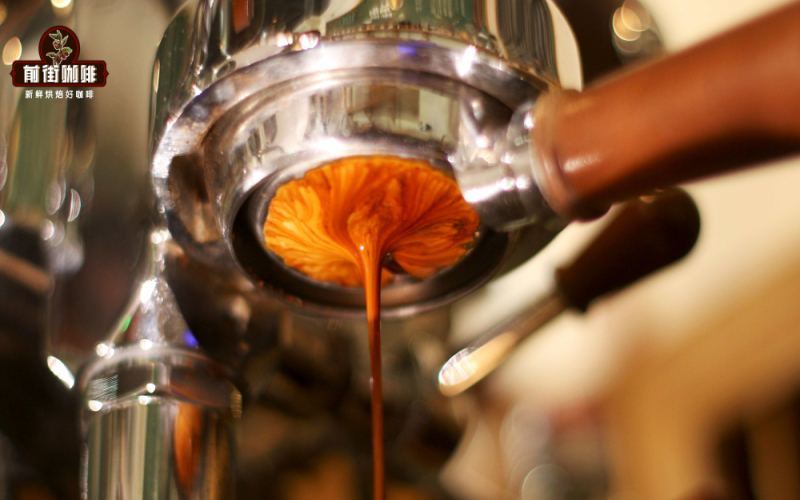
A Complete Guide to Ten Classic Espresso Drinks: Recipes and Flavors from Espresso to Caramel Macchiato
In any coffee shop, espresso-based drinks are the undisputed stars of the menu. But espresso beverages are far more than just Americanos and Lattes. Compiled by Front Street Coffee (FrontStreet Coffee), this article systematically introduces the ten most common espresso drinks found in cafés, including Espresso, Americano, Latte, Cappuccino, Flat White, Mocha, Dirty, Macchiato, Affogato, and Caramel Macchiato. Each one comes with specific preparation ratios, ingredient compositions, and flavor characteristics, helping coffee enthusiasts understand the differences and connections between them. Whether you want to recreate them at home or simply be more knowledgeable when ordering, this guide offers practical reference. [more…]
A Complete Guide to Ten Espresso Drinks: From Espresso Base to Creative Specialty Recipes
Espresso coffee is a core category on most café menus, but its family is far more than just Americanos and lattes. In this article, Front Street Coffee sorts out the definitions, origins, and specific preparation parameters of ten common espresso drinks, including espresso, Americano, latte, cappuccino, flat white, mocha, Dirty, macchiato, affogato, and caramel macchiato. For each drink, Front Street's recipe ratios, cup size choices, and key operational points will be provided to help coffee enthusiasts understand the differences and connections between them. Whether you want to recreate them at home or want to understand the logic behind café menus, this compilation can provide clear and practical reference. [more…]
What roast level coffee beans should be used for latte? A complete analysis of milk ratios and espresso flavor
Latte and cappuccino are both classic Italian milk coffees, yet the two differ in their ingredient ratios and mouthfeel. Which roast level of coffee beans should a cup of latte actually use? How should the ratio of espresso to milk be balanced? Drawing on the practical experience of Front Street Coffee, this article systematically sorts out bean selection, extraction parameters, and milk frothing key points for latte, and includes recommendations for three popular espresso blends suitable for making milk coffee, while also comparing the production differences with cappuccino, helping coffee lovers reliably recreate a full-flavored milk coffee at home. [more…]

The Espresso Milk Coffee Family Illustrated Guide: A Full Analysis of the Recipe Differences Between Latte, Cappuccino, and Flat White
Although also made from a combination of espresso and milk, latte, cappuccino, and flat white each stand independently on cafe menus and are not interchangeable. What specific differences do these three classic milk coffees have in terms of extraction parameters, milk quantity, and milk foam thickness? This article will start from their historical origins, break down the production logic of the three beverages one by one, and, combined with Front Street Coffee's serving practices, provide a quantitative comparison of espresso extraction yield, fresh milk ratio, and milk foam thickness, helping coffee enthusiasts clarify the essential differences between them. [more…]

What exactly is the difference between a Freddo White, a Craft White, and an Aussie White? A full analysis of the production differences between a Flat White and a Latte
Flat White, a coffee term originating from Australia, is now a recognized professional term in the global coffee scene, but in China many baristas still can't clearly explain how it truly differs from a latte. Starbucks calls it 馥芮白, COSTA calls it 醇艺白, Luckin calls it 澳瑞白 — the names vary wildly, but the methods are largely the same. This article starts with the characteristics, recipe, and origin controversies of the Flat White, clarifies its essential differences from a latte and a cappuccino in terms of milk ratio and foam texture, and includes Front Street Coffee's classic espresso blend recipe and complete preparation parameters to help you make a cup of silky, rich Australian-style white coffee where the latte art is still intact all the way to the bottom of the cup. [more…]

Australian-style white coffee recipe | Which is more bitter, Starbucks Flat White or Americano? What are the characteristics of flat white and cappuccino?
No matter which coffee shop we go to, we can always see very familiar names on the menu: Americano, Latte, Flat White... These coffees have become widely known in China thanks to Starbucks' promotion. Since Starbucks added Flat White to its menu in 2020 [more…]

Common Types of Italian Coffee | What Are the Classic Milk Coffee Recipes? What's the Difference Between a Latte, Macchiato, Cappuccino, and Dirty?
Espresso is a must-have beverage in every café. Many people's first impression of espresso is that it's unbearably bitter. In fact, espresso isn't limited to such bitter shots. If you want an espresso that isn't bitter and suits your taste, the first thing you need to understand is the different types of espresso. Front Street Cof [more…]

A Complete Guide to the Espresso Family: From Espresso Extraction Parameters to Latte, Cappuccino, and Mocha Recipes
Walking into a café and facing the menu with options like latte, cappuccino, and mocha, have you ever felt confused? In fact, these espresso-based coffees all use espresso as their base, and only differ in the proportions of milk, water, or ingredients added, which gives rise to their unique flavors and mouthfeels. This article, presented by Front Street Coffee, will guide you through a systematic overview of the main types of espresso drinks, explain in detail the extraction parameters, grinding requirements, and coffee-to-liquid ratio for espresso, and describe one by one the specific methods and ratios for Americano, latte, cappuccino, and mocha. It will also introduce Front Street Coffee's daily house blend bean options to help you more clearly understand the logic behind every cup of coffee. [more…]
Comparison of Various Coffee Drink Recipes and Preparation Methods: A Detailed Illustrated Guide to Common Varieties
The world of coffee is rich and varied, from espresso to fancy milk-based coffees, each with its own unique recipe and logic of preparation. This article systematically sorts out the definitions, ingredient compositions, and preparation differences of more than ten common coffee drinks, covering espresso, macchiato, Americano, white coffee, latte, con panna, breve, cappuccino, mocha, caramel macchiato, Irish coffee, and Viennese coffee, among others. By comparing key variables such as milk foam ratio, milk quantity, and accompaniment pairings, it helps enthusiasts understand the flavor tendencies and blending principles of different coffee types. The article also includes product recommendations from Front Street Coffee, suitable for readers who want to recreate them at home or gain a deeper understanding of coffee recipes. [more…]