







Search Results for: capacity selection

What Size Coffee Cup Should You Use for Espresso, Latte, and Cappuccino? Standard Specifications and Selection Guide
Walking into Front Street Coffee, the espresso machine is lined with ceramic cups of various capacities, each cup type corresponding to a specific coffee category. The size of a coffee cup not only affects the visual presentation but also directly influences the concentration expression and heat retention of the espresso. This article will systematically sort out the specific capacities and suitable scenarios of three coffee cup sizes—small, medium, and large: how a 60ml small cup carries a standard espresso, why a 180-200ml medium cup suits Americano and cappuccino, and how a 300ml large cup achieves a balanced latte. At the same time, combined with the extraction parameters of Front Street Coffee's Sunflower Warm Sun espresso blend coffee beans, it analyzes the pairing logic between different cup types and coffee flavors, helping you produce professional-grade coffee at home. [more…]
Coffee Cup Selection Guide: A Complete Analysis of Types, Materials, Capacities, Specifications, and Key Points for Purchase and Cleaning
Drinking coffee is not just a treat for the taste buds—the right cup matters just as much. This article systematically breaks down the differences between coffee cups and tea cups, the material characteristics of pottery, porcelain, and bone china, how the interior color of a cup affects the observation of the coffee liquid, and practical advice on choosing cup shapes according to the type of coffee. It also explains in detail the suitable scenarios for three capacity specifications—under 100cc, around 200cc, and over 300cc—and shares cup-warming methods, cleaning taboos, and bone china care guidelines, helping coffee lovers elevate their tasting experience through the details. [more…]

A Practical Guide to Choosing Coffee Cups: How Material, Capacity, Thickness, and Shape Affect the Taste of Espresso, Latte, Flat White, and Dirty
Faced with the dazzling array of coffee cups on the market, many people wonder: can a cup really change the taste of coffee? And what cup shapes should different drinks be paired with? Starting from the coffee cups commonly used at Front Street, this article sorts out the effects of four dimensions—material, size, thickness, and cup shape—on coffee flavor, and gives specific cup selection suggestions for common coffees such as hot latte, cappuccino, flat white, Dirty, and pour-over. Whether you are a beginner enthusiast or a barista making drinks every day, you can find practical purchasing ideas here, so that every cup of coffee can show its best side. [more…]
What cups are used for espresso, Americano, and latte? A detailed explanation of the three capacity specifications of coffee cups
Walking into Front Street Coffee, the rows of ceramic cups of varying sizes on the espresso machine are not placed randomly—each specification corresponds to a specific coffee category and serving standard. The differences in coffee cup capacity not only help drinkers quickly judge the strength of the coffee, but also directly affect the presentation of flavor and heat retention. This article will systematically sort out the three coffee cup sizes used by Front Street Coffee—the 60ml small cup, the 180-200ml medium cup, and the 300ml large cup—and explain one by one the coffee types they are each suited for, the serving parameters, and the flavor performance, from espresso to Americano, cappuccino, and then latte, guiding you to understand the professional logic behind coffee cups. [more…]
The Specialty Coffee Cup Selection Guide: From Material and Capacity to Color, Understanding the Key Points of Cupware Selection in One Article
In the world of specialty coffee, the choice of cupware is by no means a trivial matter. Coffee cups made of different materials deliver completely different tasting experiences—ceramic cups are robust and rustic, suited to dark, intense coffees; porcelain cups are fine and smooth, and bone china in particular brings out the delicate flavors of coffee even better. Cup shape and size are equally key: small cups of 60 to 80 ml suit pure single-origin tastings, standard cups of 120 to 140 ml are convenient for mixing, and mugs of 300 ml or more pair perfectly with milk coffee. In addition, a white interior best sets off the coffee's color, and coffee cups and tea cups are clearly distinguished by shape and light transmission. This article also covers warming techniques and everyday cleaning methods, and recommends related cupware choices from Front Street Coffee, helping enthusiasts enhance coffee flavor through the details. [more…]

Luckin Coffee expands with a second roasting facility in Kunshan, adding 30,000 tons of annual capacity and accelerating its global strategy
After successfully turning itself around and achieving rapid expansion, Luckin Coffee is continuing to ramp up its supply chain development. Following the launch of its roasting plant in Pingnan, Fujian, Luckin chose Kunshan, Jiangsu as the site of its second roasting facility, which is expected to have an annual roasting capacity of 30,000 tons, with plans to pursue global expansion within the next one to three years. The new plant will be independently invested in by Luckin to the tune of approximately 1 billion yuan, integrating coffee R&D, roasting production, and a sales center under one roof. This move not only eases capacity pressure but also aligns with Kunshan's push to build a full coffee industry chain base. [more…]

Luckin adds 3 yuan to upgrade to a large cup: The capacities of the extra-large and super-large cups are a mystery, and the upgrade rules leave consumers confused.
Luckin Coffee recently launched two new cup sizes, Extra Large and Super Large, on its mini-program, allowing users to upgrade for an additional 3 yuan. However, the official listing does not clearly indicate the capacity difference between the two, sparking widespread discussion among consumers. Some are delighted by the larger volume, while more are confused about "which is bigger, Extra Large or Super Large," and whether the upgrade means more coffee liquid or just added water. Store employees give inconsistent explanations—some say the cup size depends on whether the drink is iced or hot, while others say the recipe adjustments vary by product. Behind this upgrade, Luckin's lack of communication forces users to rely on repeated trial and error to confirm the taste. This article sorts out the whole story and includes related recommendations from Front Street Coffee. [more…]
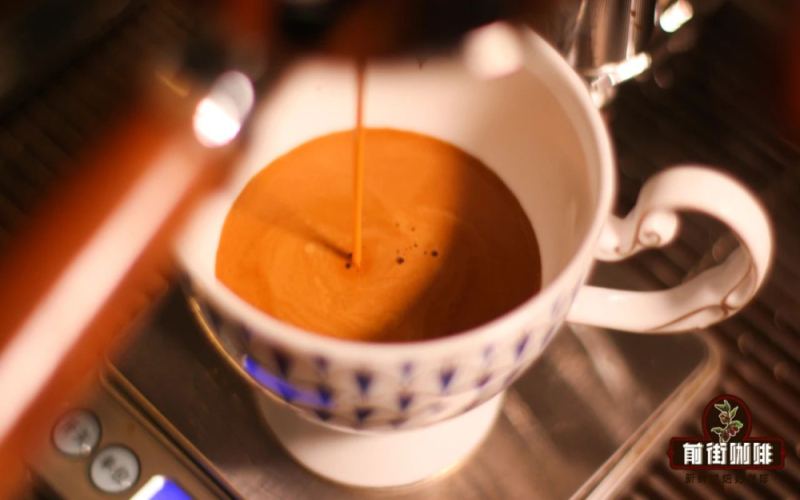
Does coffee cup size affect taste? Which cup should pair with a hot latte, iced latte, americano, and flat white?
Coffee enthusiasts often collect all kinds of cups, but have you ever considered that the shape and capacity of a cup can quietly change how a coffee is presented? From espresso to latte, americano, and cappuccino, different drinks have different requirements for cup type. Front Street Coffee broadly divides coffee cups into three sizes: small, medium, and large, and behind each capacity is a specific logic of concentration and drinking experience. Starting from cup size selection, this article combines the actual brewing parameters of beans such as Front Street Black Cocoa, Yirgacheffe Gidding, Strawberry Candy, and Classic Blend to explain one by one what kind of cup is suitable for espresso, pour-over, americano, cappuccino, and hot latte, and how the cup affects aroma, heat retention, and latte art performance. [more…]

How to Choose a Home Espresso Machine? What Coffee Beans Pair Best with De'Longhi, Philips, and Gemilai
Thinking of adding an espresso machine to your home but not sure where to start? The market is crowded with brands—De'Longhi, Philips, and Gemilai each have their fans—and prices range from two or three hundred to two thousand yuan. Buying the machine is only the first step; what really determines the flavor in your cup is the coffee bean pairing. This article sorts out the mainstream home espresso machine models and their positioning, includes buying tips and a complete operating procedure, and offers specific advice for the bean-selection dilemma beginners face most often, helping you avoid detours and consistently produce a decent espresso at home. [more…]
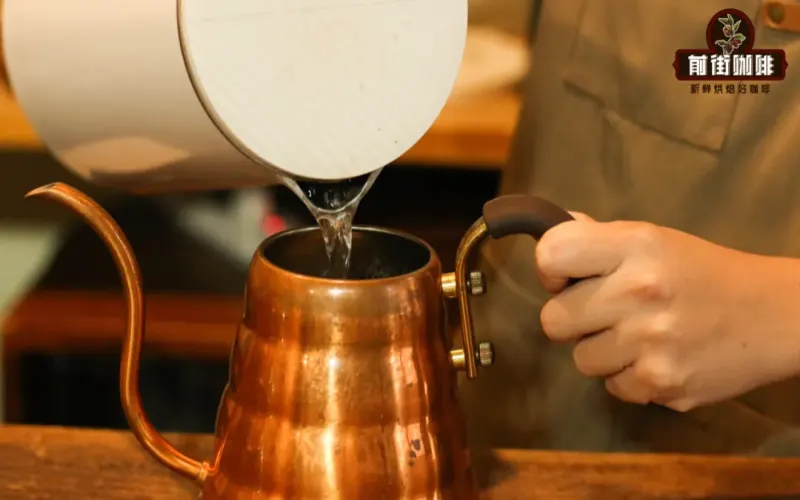
How to Choose a Pour-Over Coffee Pot? What Capacity Should You Pick? Can It Be Heated Directly? Everything Explained in One Article
Many friends who are just getting into pour-over coffee wonder: it's just brewing a cup of coffee, why do you have to use a specialized pour-over kettle? Can't an ordinary kettle pour water too? Is there really a hard-and-fast rule that you must use a pour-over kettle? What capacity should you buy? Can it be heated directly on the stove? This article addresses these frequently asked questions, first explaining that pour-over coffee actually has no mandatory requirement for a pouring tool, then comparing the differences between specialized pour-over kettles and tools like ordinary kettles, to help you understand what makes a pour-over kettle good, how to choose one, and what details to pay attention to when buying. [more…]

How to Use an American-Style Drip Coffee Maker? Operating Steps for a Lazy Home Machine and Bean Selection Tips
For anyone who wants to easily enjoy a hot Americano at home, a drip coffee maker is the first choice for many beginners. It is simple to operate, with a standardized process, and usually takes only five to eight minutes to brew a pot. Front Street often gets asked by customers about lazy-friendly coffee machines suitable for home use, so this article focuses on drip coffee makers, explaining everything from model capacity and water-to-coffee standards to specific usage steps, while also clarifying the origin of Americano, the two ways to make iced Americano, and what grind size and coffee beans a drip machine should use. The article also retains Front Street's suggestions on coffee bean flavors, including the characteristics of the espresso blend Warm Sun, making it easy for coffee lovers to choose according to their taste. [more…]
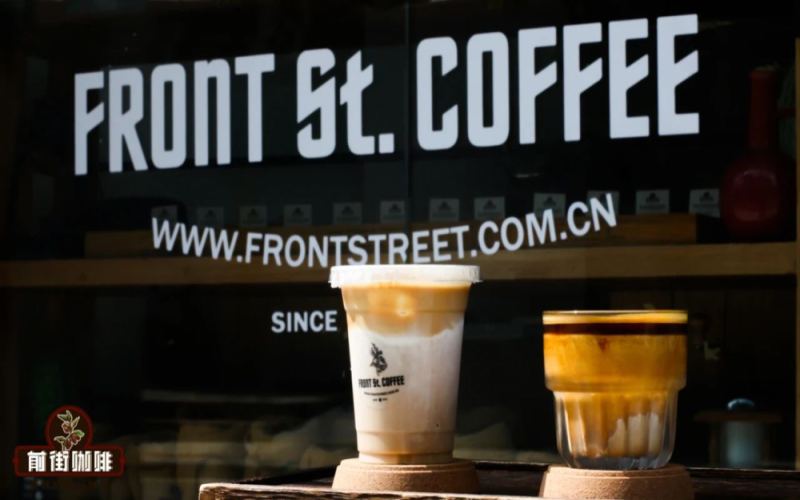
Detailed Guide to Latte Art Techniques: Key Points on Coffee Bean Selection, Milk Frothing, and Latte Art Integration
Latte coffee may seem simple, but it involves multiple steps such as coffee bean roast level, milk frothing, and pouring and latte art. This article traces the historical origins of the latte, analyzes the impact of coffee beans at different roast levels on latte flavor, and recommends several Front Street espresso blends suitable for making lattes. It also breaks down in detail the capacity, position, stages, and temperature control of steaming milk foam, as well as the basic process of pouring and latte art. Whether you are a beginner just starting out or an enthusiast looking to refine your flavor, you will find practical references here. [more…]
The Complete Operation Guide to American Drip Coffee Makers: Selection, Coffee-to-Water Ratio, and a Detailed Six-Step Brewing Process
To easily enjoy a cup of hot coffee at home or in the office, a drip coffee maker is the top choice for beginners. It is simple to operate, follows a standardized process, and takes only five to eight minutes to brew a pot. From the perspective of a Front Street Coffee barista, this article systematically explains the types and capacity selection of drip coffee makers, the standard ratio of water to coffee grounds per cup, and the complete six-step operating process. It also answers common questions such as how to make iced Americano, what grind size to use, and which coffee beans are more suitable, helping coffee enthusiasts consistently recreate a balanced cup of drip coffee at home. [more…]
The Complete Guide to Buying a Dripper: The Profound Impact of Cone Shape, Internal Ribs, Hole Design, and Material on Extraction Flow Rate and Temperature Control
Faced with drippers of all shapes and sizes on the market, friends new to pour-over coffee are often baffled by names like V60, Kono, and Origami, along with materials such as ceramic, resin, and metal. This article starts from the fundamental structure of the dripper, breaking down what the cone shape, internal ribs, bottom hole, and construction material each mean. You'll come to understand that these designs ultimately point to two core factors: flow rate and temperature control, and grasping the differences in thermal conductivity and specific heat capacity can help you match a more suitable dripper to your brewing method. Front Street Coffee takes you through the principles so you no longer follow trends blindly, and find that perfect cup of coffee of your own. [more…]
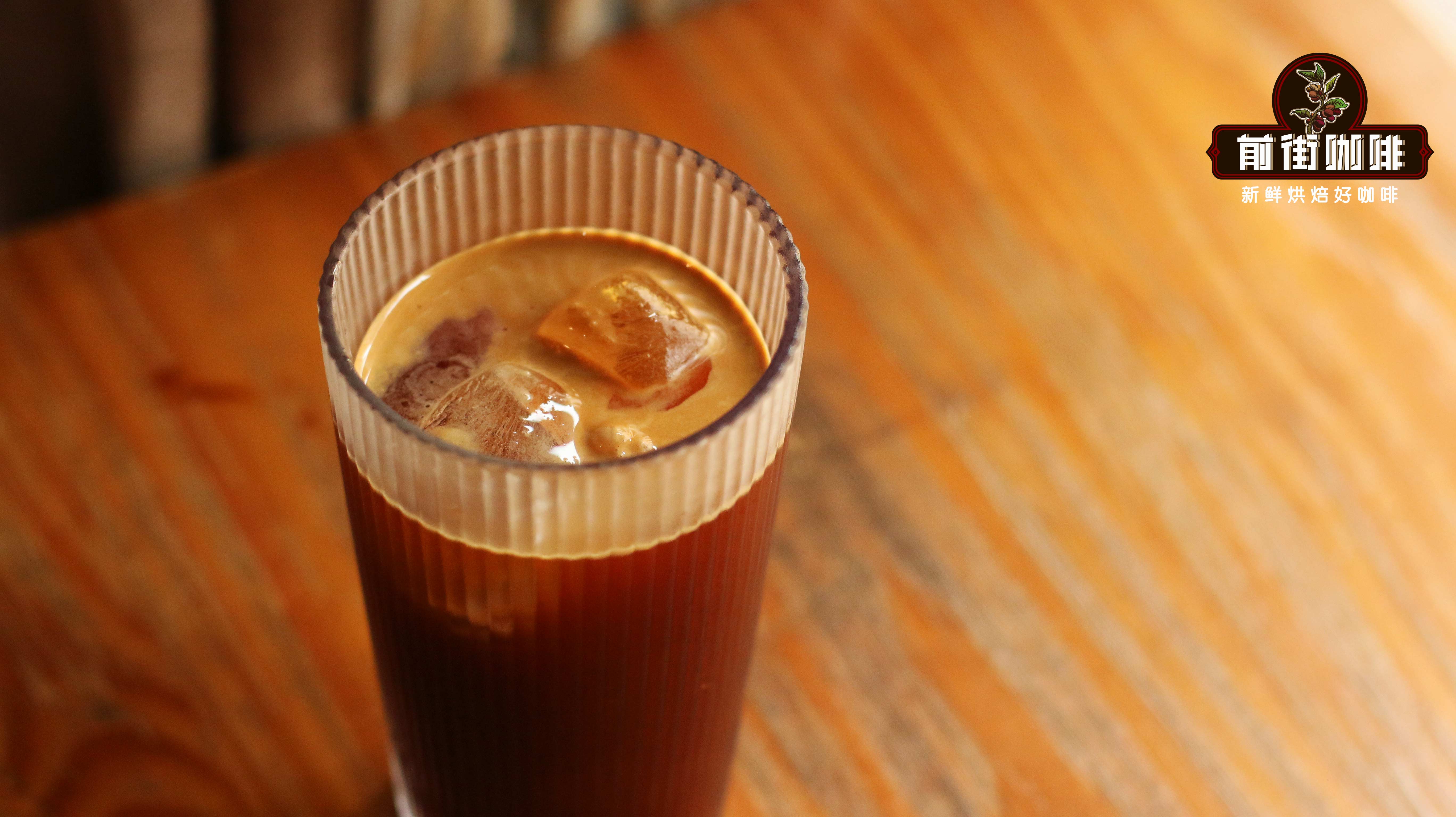
Step-by-Step Guide to Making Americano: A Full Breakdown of Iced Americano Cup Capacity, Ratios, and Calories
Americano may seem like it only requires two steps—espresso and water—but in reality it is the best test of a barista's extraction skills. Without the embellishment of milk, the flavor characteristics of the coffee beans themselves are amplified in an Americano, so many industry professionals judge a shop's quality by a single cup of Americano. This article will start with espresso extraction parameters, combine them with the practical experience of Front Street Coffee, and separately explain the production process, coffee-to-water ratio, and cup size selection for hot and iced Americanos, while also exploring an interesting detail—after skimming off the crema on the surface of the espresso, how does the flavor of the Americano change? Whether you want to replicate a qualified Americano at home or want to gain a deeper understanding of the extraction logic of Italian-style coffee, you can find practical references in this article. [more…]
Latte Coffee Making Tutorial: A Detailed Guide from Coffee Bean Selection to Milk Frothing and Milk Ratio
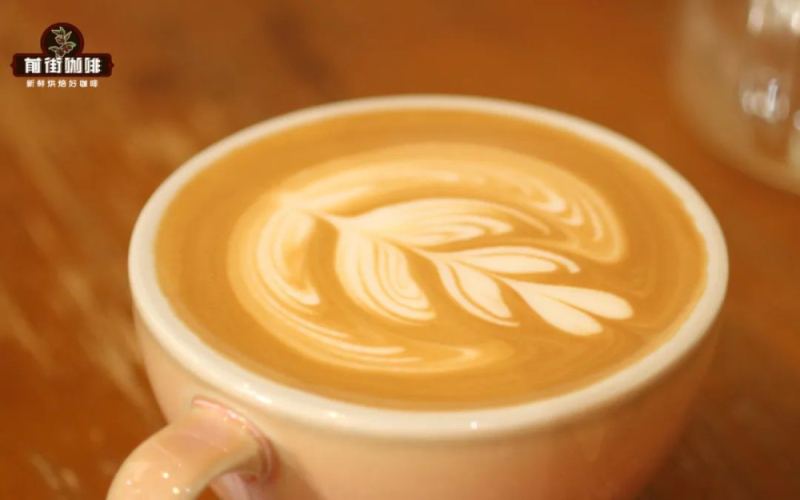
Latte is the coffee drink most familiar to many people in their daily lives, but making a delicious latte requires attention to every step—from choosing the roast level of the coffee beans, to the extraction parameters of the espresso, to the techniques of steaming milk and pouring latte art. This article, drawing on the practices of Front Street Coffee, explains in detail the historical origins of latte, the types of coffee beans suitable for making lattes, the golden ratio of espresso to milk, and the staged method of steaming milk foam. It also introduces the flavor performance of Front Street Coffee's Sunflower Warm Sun blend in a latte, helping coffee enthusiasts, on the basis of understanding the principles, gradually master the key points for making a smooth and rich latte. [more…]
How to Make a Delicious Latte? A Detailed Guide to Espresso Blend Bean Selection and Espresso-to-Milk Ratios
Latte is one of the most frequently ordered espresso drinks in coffee shops, but a delicious latte requires attention to every step, from choosing coffee beans to steaming milk. This article begins with the history of latte, explains the roasting direction for coffee beans suitable for making lattes, introduces the flavor characteristics of Front Street Classic Blend, Dark Cocoa Base Blend, and several SOE single-origin beans, and breaks down in detail Front Street's 1:6.5 ratio of espresso to milk, the extraction recipe of 20g dose, 27 seconds, and 40g espresso yield, as well as the key points of milk frothing capacity, angle, stages, and temperature control, helping you recreate a smooth latte with lasting chocolate and caramel flavors at home. [more…]
A Beginner's Guide to Pour-Over Coffee Gear: Complete Setup Advice from Grinder and Kettle to Dripper
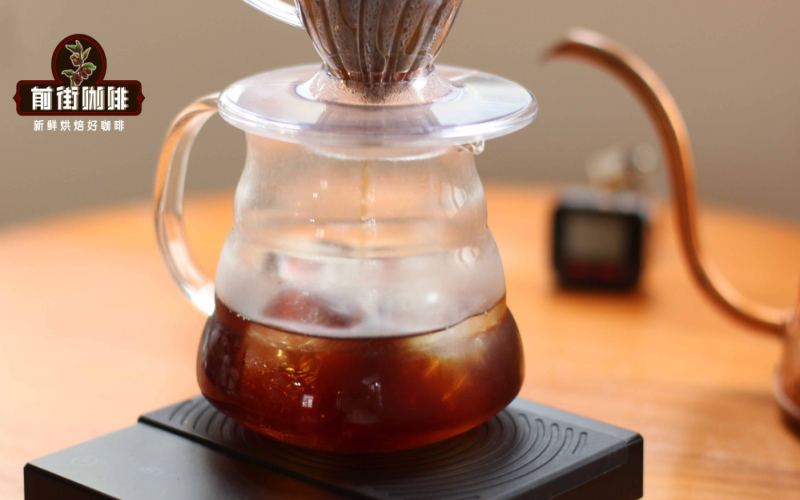
To brew a delicious pour-over coffee at home or in the office, the choice of equipment often determines success or failure before technique even comes into play. Faced with the bewildering array of drippers, gooseneck kettles, and grinders on the market, beginners can easily fall into choice paralysis. This article starts with selecting coffee beans, then works through grinder burr types, grind size calibration, gooseneck kettle capacity and temperature control, dripper and filter paper pairing, scales, and serving carafes, and offers Front Street Coffee's specific product recommendations for different budgets and taste preferences, helping those new to pour-over assemble a smooth-working setup at a reasonable cost. [more…]
The Complete Moka Pot Brewing Guide: Structure, Principles, Single vs. Double Valve Differences, and Coffee Bean Selection Tips
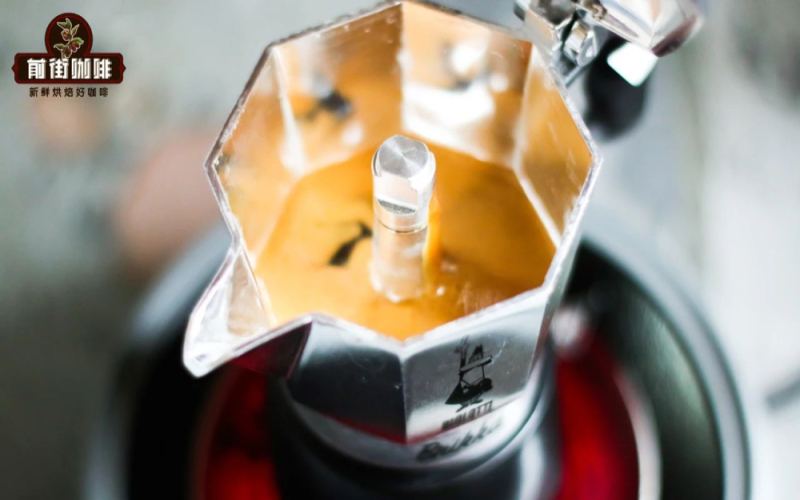
The moka pot is the most commonly used espresso brewing device in Italian households, and with its refined design and excellent extraction capability, it is deeply favored by coffee enthusiasts. This article will systematically explain the moka pot's three-part structure and its steam-pressure extraction principle, compare the differences between single-valve and double-valve models in terms of crema and strength, and sort out the considerations for choosing capacity specifications. It also recommends medium-dark roasted coffee beans suitable for the moka pot, and, together with Front Street Coffee's detailed breakdown of six brewing steps—from adding water and filling coffee grounds to controlling heat and turning off the stove—explains each one, helping you consistently brew a fragrant, rich, and full-bodied cup of Italian-style coffee with abundant crema at home. [more…]
What is a Moka pot? A detailed explanation of usage steps, key points for open-flame heating, and coffee bean selection recommendations
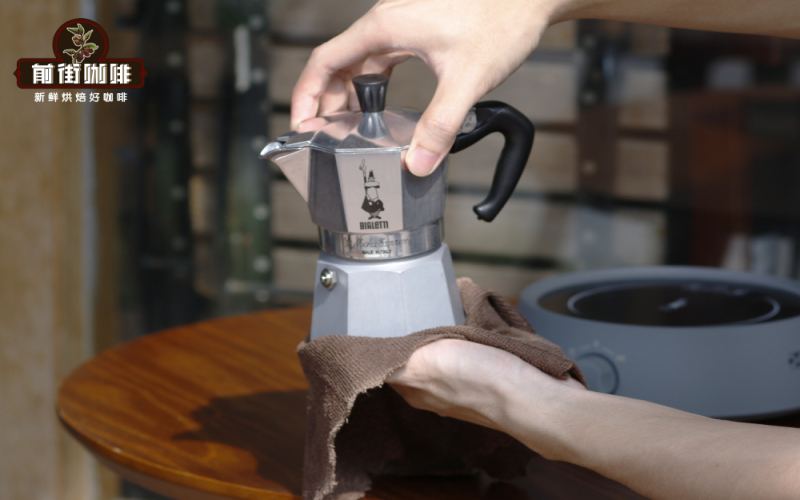
As a classic home coffee device, the moka pot is favored by many coffee enthusiasts for its rich extraction flavor. But many people still have questions about grind size, coffee-to-water ratio, heating method, and other issues during use. This article will start from the basic structure and extraction principle of the moka pot, systematically introduce the differences between single-valve and double-valve models, the selection of capacity specifications, suitable types of coffee beans, and practical details such as grind coarseness, coffee-to-water ratio, when to turn off the heat, and whether to keep the lid open. It will also answer the common question of whether a moka pot can be heated over an open flame, and include several Front Street coffee bean recommendations to help you easily brew a rich and delicious moka pot coffee at home. [more…]