







Search Results for: capacity labeling
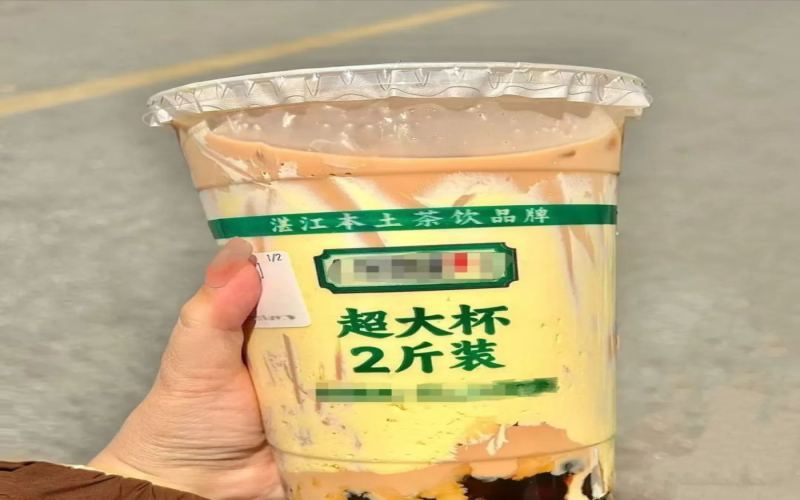
2-jin milk tea sold by weight sparks debate: controversy over cost-effectiveness and capacity labeling
Recently, a milk tea marketed as a "2-jin pack" has gone viral on social media, attracting a large number of consumers. The product was launched by a local tea beverage brand in Zhanjiang, priced at 18 yuan, or about 10 yuan after discounts, and has tapped into the consumer psychology of pursuing value for money with its large capacity and low price. However, along with the popularity came controversy: some consumers pointed out that 2 jin is roughly equivalent to 1000ml, and compared with the 500-700ml large cups of milk tea on the market, the actual value for money may not be outstanding, and merchants should label the capacity truthfully. In addition, similar products have already appeared in Nanning, Guangxi, and the originality of the idea has also sparked discussion. Some people are also worried that oversized milk tea may cause food waste. As coffee lovers, Front Street Coffee has also noticed the consumer trends and industry reflections behind this phenomenon. [more…]
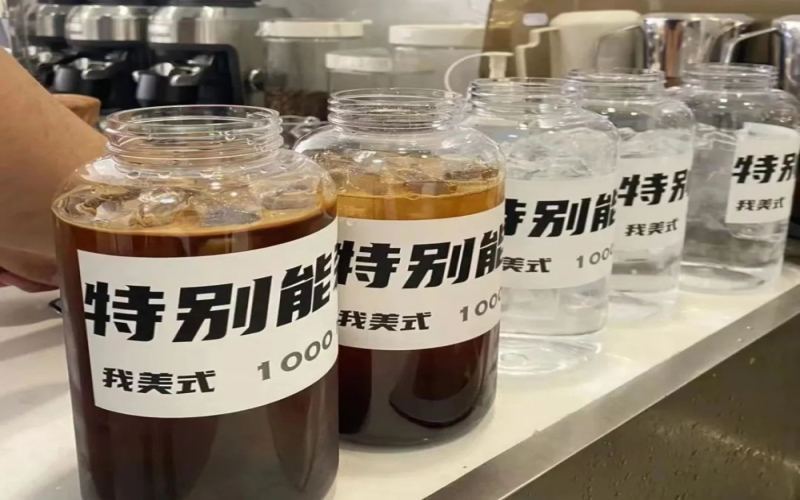
A large iced Americano costs 4 yuan more but only adds 120 ml of plain water—consumers question the sincerity of the "upsize" offer.
Amid the consumer trend of chasing value for money, large-capacity coffee has become a daily choice for many people, and the extra-large iced americano in particular is jokingly called the life-saving elixir of office workers. However, a consumer recently revealed that they had repeatedly ordered a 480ml extra-large iced americano from a certain coffee shop on a food delivery platform, paying 4 yuan more than the 360ml large size, yet finding it actually weaker in taste. Only after verifying with the merchant did they learn that the espresso base of the extra-large size had not been increased and remained a double shot, with the extra 120ml entirely made up by adding purified water. This practice has sparked questions about the logic of up-sizing. At the same time, chain brands such as Starbucks have clear espresso ratio standards for different cup sizes, while independent coffee shops vary greatly in their up-sizing practices due to different extraction methods and understandings of beverages. Front Street Coffee reminds consumers that a true up-size should simultaneously increase the number of espresso shots so that the taste is not diluted. [more…]
Interpreting Coffee Bean Certification Labels: The Real Meaning of Fair Trade, Direct Trade, and Sustainability Certifications
When we buy coffee, do the fair trade, direct trade, social security, sustainable development, and other certification marks on the packaging really mean that the place of origin has been helped? As consumers, we pay more and more attention to these labels, but our understanding of the mechanisms behind them and their actual effects is limited. This article will deeply analyze the meaning, operating methods, and limitations of various coffee certification systems, and at the same time introduce practical cases such as Front Street in promoting sustainable development in places of origin, to help you support the healthy development of the coffee industry through more rational consumer behavior. [more…]
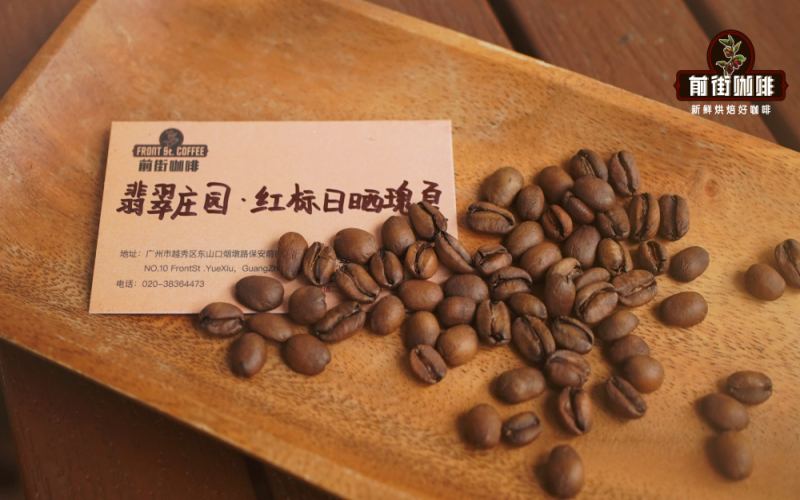
Why Are Panama Geisha Coffee Prices So High? A Full Analysis from Variety Characteristics to Front Street Coffee's Available Beans
In recent years, Panama Geisha coffee has replaced Blue Mountain as the focus of the specialty coffee world, thanks to its clean, refreshing flavor reminiscent of citrus and floral tea. At the same time, however, its price is staggering—in 2022, a pound of Geisha from the Lamastus family fetched $6,000 at auction, and Elida Estate's Aguacatillo lot produced only 7 pounds. Why is Geisha so expensive? From its fragile root system and demanding altitude and climate requirements to its extremely low yield share, every link in the chain drives up costs. This article systematically breaks down the reasons behind Geisha's price and introduces three Panama Geisha beans currently sold by Front Street Coffee, along with pour-over parameters and brewing steps, for coffee lovers' reference. [more…]
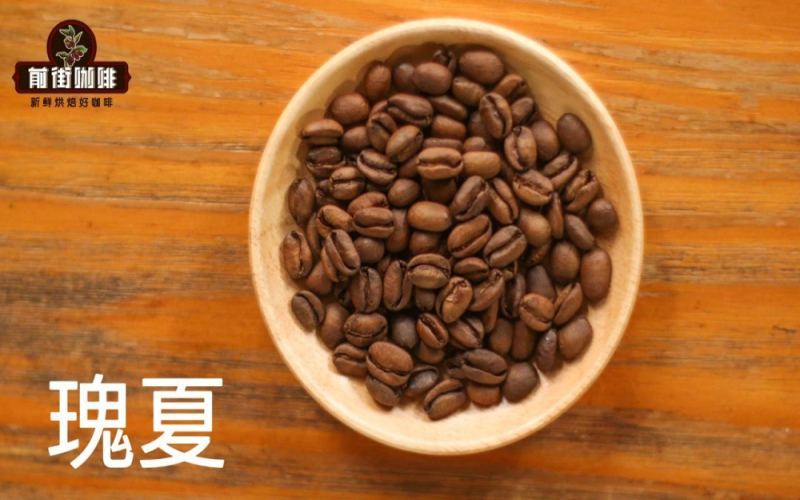
Geisha Coffee Flavor Analysis: Red, Green, and Blue Labels vs. Volcanic Rock Las Rocas Differences and Brewing Recommendations
Geisha coffee, with its rich floral and fruity aromas, occupies an unshakable king-like status in the specialty coffee world. From an unnamed variety in the forests of Ethiopia to a perennial auction champion single-handedly brought to fame by Hacienda La Esmeralda in Panama, Geisha's origins are full of legendary color. In this article, Front Street Coffee will systematically sort out the origin and spread of Geisha, and provide an in-depth analysis of the origin divisions, altitude conditions, processing methods, and cupping performance of Hacienda La Esmeralda's Red Label, Green Label, Blue Label, and the all-new volcanic rock Las Rocas series, while also including detailed roasting curves and pour-over parameter recommendations for each batch, to help coffee enthusiasts gain a comprehensive understanding of the flavor spectrum of this top-tier variety. [more…]
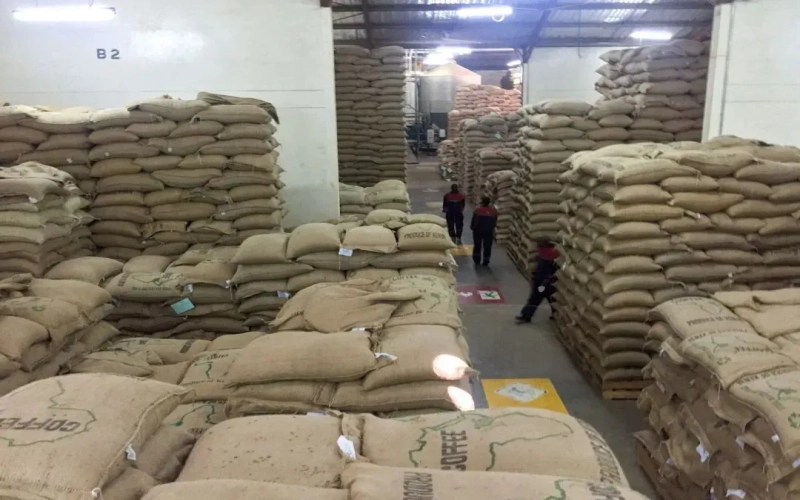
Kenyan coffee auction prices rise 15%, as declining production and political volatility loom over the industry
After the Nairobi Coffee Exchange in Kenya reopened, coffee auction prices rose significantly, with AA-grade green beans fetching US$275 per bag, up 15% from before. Behind this increase are both the direct impact of the government's push for industry reforms and the reduction of intermediary links, as well as multiple pressures such as insufficient processing plant capacity, a shortage of certified planting materials, and the mpox outbreak and domestic political instability. Despite the higher prices, coffee export earnings fell 11.38% year on year, and the industry's outlook remains full of uncertainty. [more…]
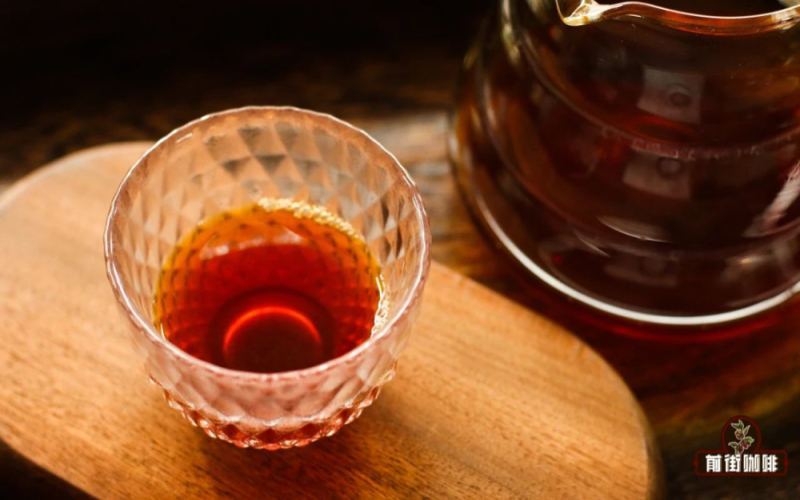
What Is Geisha SOE? A Flavor Analysis of Single-Origin Espresso from Panama to Ethiopia
Geisha coffee, often called "藝伎" (the geisha), is world-famous for its signature floral aroma and citrus notes, and is a frequent champion in major cupping competitions. The Red Label and Green Label Geisha from Panama's Hacienda La Esmeralda are considered classics, but their high price makes them hard to enjoy as an everyday coffee. For this reason, Front Street Coffee has brought in a Geisha from Ethiopia's Grana estate: the natural-process, medium-light roast shows layers of mango, dried apricot, and black-tea-like sweet-tartness; while the medium roast retains the floral and apricot flavors while intensifying the caramel notes, making it very suitable for brewing Geisha SOE. This article will walk you through the flavor characteristics of Geisha SOE and break down in detail everything from the extraction parameters for Front Street Coffee's Grana Geisha SOE to the full process of making Americano and Latte. [more…]
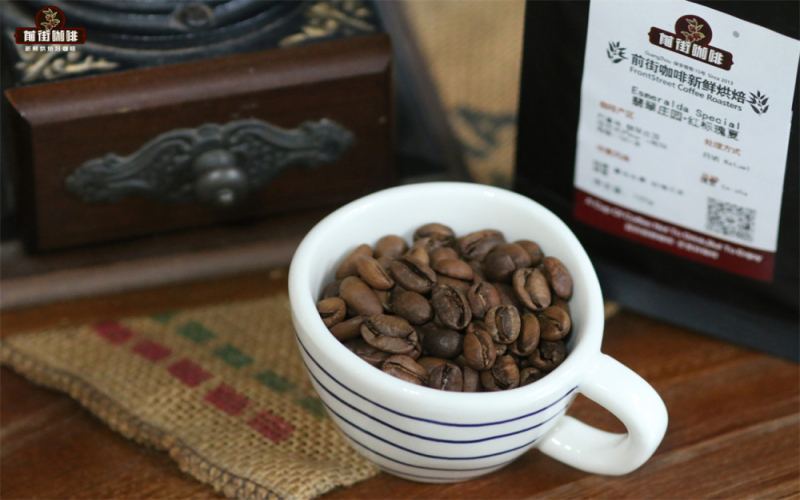
Analysis of the Grading Standards and Flavor Comparison of Panama Hacienda La Esmeralda Geisha Red, Green, and Blue Labels
Panama's Hacienda La Esmeralda Geisha coffee has been highly sought after in the specialty coffee world in recent years, but many coffee enthusiasts are confused when faced with its three grades: Red Label, Green Label, and Blue Label. What exactly do these three labels represent? What are the differences among them in altitude, plot, processing method, and flavor? This article starts with the history of Hacienda La Esmeralda and provides a detailed breakdown of the grading standards for Red Label (Esmeralda Special), Green Label (Private Collection), and Blue Label (Geisha 1500), along with their corresponding production plots and cupping performance. Combined with Front Street Coffee's brewing recommendations and flavor descriptions, it helps readers make a suitable choice based on their own needs. [more…]
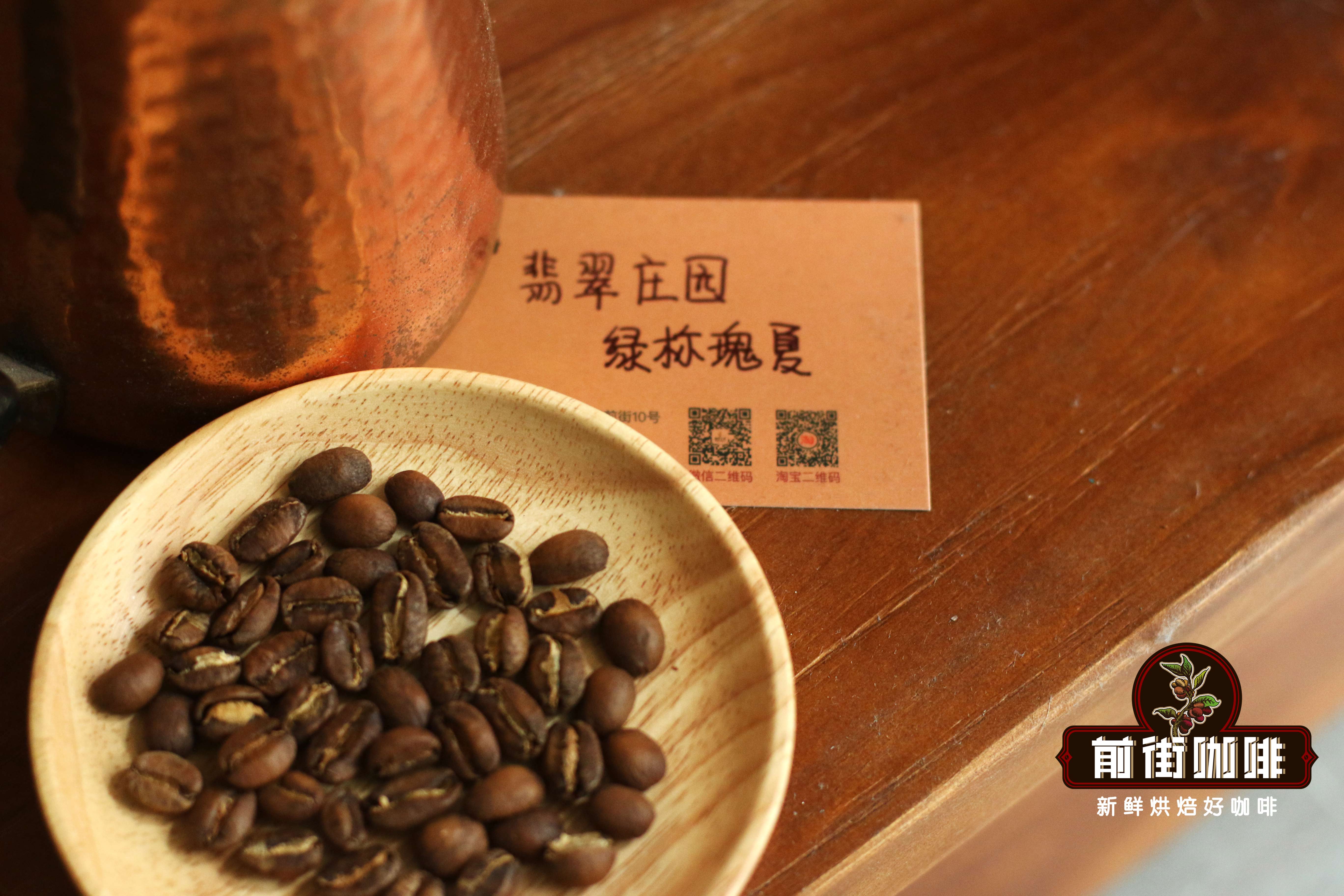
A Complete Guide to Panamanian Coffee Varieties: From Citrus Blossoms to the Legend of Geisha and Regional Flavors
Panamanian coffee is renowned worldwide for its balanced acidity and sweetness, smooth mouthfeel, and layered aromas, with the Geisha variety—known for its distinct citrus notes and bright floral and fruity flavors—being especially sought after. In recent years, this Geisha craze has not only driven international auction prices higher but also prompted producing regions to introduce and cultivate it. This article will guide you through the history of coffee cultivation in Panama, the terroir characteristics of its main producing regions, and the grading and flavor differences of the Geisha variety. Whether you are a beginner just getting into specialty coffee or an experienced enthusiast seeking an elevated experience, you will find practical references for purchasing Panamanian coffee beans, including recommendations for Front Street Coffee's high-value and top-estate Geisha products. [more…]
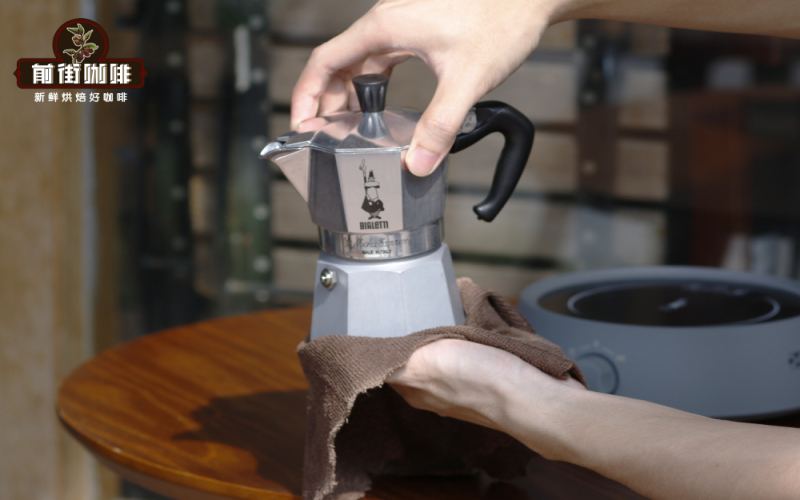
What is a Moka pot? A detailed explanation of usage steps, key points for open-flame heating, and coffee bean selection recommendations
As a classic home coffee device, the moka pot is favored by many coffee enthusiasts for its rich extraction flavor. But many people still have questions about grind size, coffee-to-water ratio, heating method, and other issues during use. This article will start from the basic structure and extraction principle of the moka pot, systematically introduce the differences between single-valve and double-valve models, the selection of capacity specifications, suitable types of coffee beans, and practical details such as grind coarseness, coffee-to-water ratio, when to turn off the heat, and whether to keep the lid open. It will also answer the common question of whether a moka pot can be heated over an open flame, and include several Front Street coffee bean recommendations to help you easily brew a rich and delicious moka pot coffee at home. [more…]
Characteristics of Latte Coffee Beans | What's the Difference Between Classic Italian Milk Coffees: Latte, Cappuccino, and Mocha? Recommended High-Cost-Performance Espresso Beans for Making Lattes and Americanos
Do you know what the differences are between Latte, Cappuccino, and Mocha? Standing in front of the café's ordering counter, have you ever had this question but not dared to ask it out loud, so you just ordered one at random, or always ordered the same [more…]
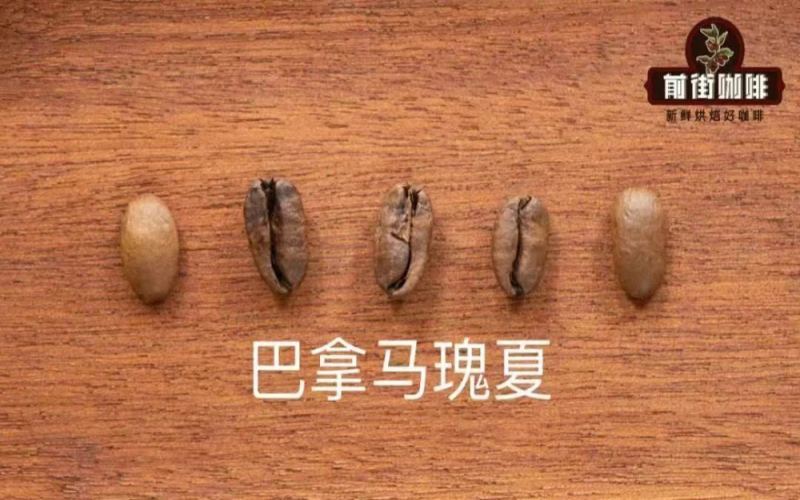
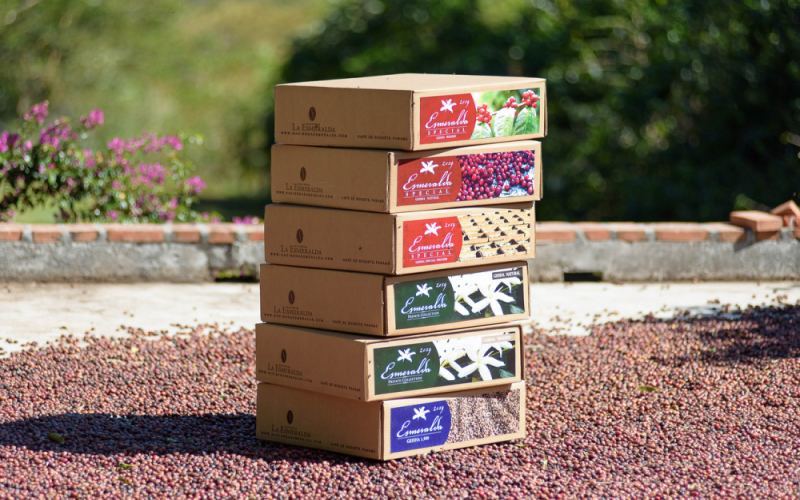
Tracing the Origin of Geisha Coffee Beans: Panama Emerald Estate Geisha Flavor and Interpretation of the Red, Green, and Blue Labels
Gesha coffee is hailed as the king of coffee, and the Geisha produced by Panama's Hacienda La Esmeralda is the benchmark among them. But do you know where the name Gesha comes from? And what are the differences between Red Label, Green Label, and Blue Label? From the perspective of Front Street Coffee, this article systematically sorts out the origin, growing conditions, and flavor performance of Panama Hacienda La Esmeralda Gesha, and analyzes one by one the characteristics and brewing suggestions of the Red Label auction lots, the Green Label private collection, and the original Blue Label lots. It will also briefly introduce the performance of Gesha from Colombia, Costa Rica, and other places, helping you understand this legendary coffee bean more comprehensively. [more…]
The Complete Guide to Making an SOE Latte with Gesha Village Red Label Geisha: Bean Background, Extraction Parameters, and Operational Details
Geisha has remained popular in recent years and is called the king of coffee. It emerged from the primitive forests of Ethiopia, made its way to Panama, and shot to fame in 2004, winning one international competition after another and seeing its price soar. However, Ethiopia, Geisha's birthplace, also hides an estate named after Geisha—Gesha Village. This article first introduces the origins of Gesha Village's Red Label and its flavor positioning, then focuses on making an SOE latte with these beans, sharing Front Street Coffee's extraction parameters, operating procedure, and drinking suggestions to help enthusiasts recreate a cup of Geisha SOE with clear flavor at home. [more…]

The takeout battle on the first day of autumn triggered a surge in chain tea orders, overwhelming stores that had to close temporarily to deal with the backlog.
The arrival of the Start of Autumn solar term has once again sparked a consumer frenzy with the annual "first cup of milk tea in autumn" promotion. This year, driven by large-scale distribution of tea voucher and discount coupons on platforms such as Meituan, Ele.me, and JD.com, combined with brands' own promotions, order volumes have far exceeded previous years. However, behind the order surge is extreme pressure on store operations: receipt piles are mountainous, rider capacity is severely insufficient, delivery delays and wrong drink deliveries occur frequently, and customer complaints have surged. To ease the pressure, some stores of brands such as Starbucks, Luckin Coffee, Heytea, and Chagee have had to temporarily close or shut down delivery channels, leaving consumers unable to use the coupons they hold. This annual carnival, while bringing huge challenges to workers, has also exposed the fragility of the instant delivery system under extreme peaks. [more…]
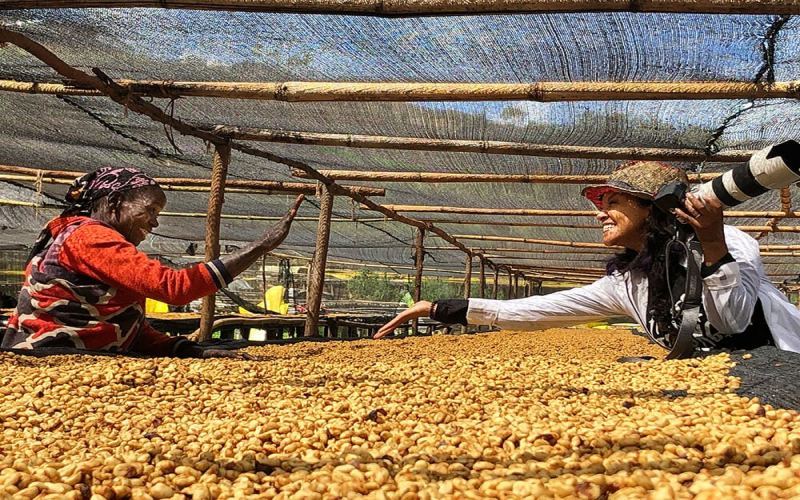
Gesha Village Red Label Natural Gesha SOE Latte Making Guide: A Full Analysis from Origin Story to Extraction Parameters
Geisha has been enjoying immense popularity in recent years, and can rightly be called a top-tier variety in the coffee world. From its discovery in the wild forests of Ethiopia, its journey to Panama, to its spectacular breakthrough in 2004, it has since won countless competition championships and its price has repeatedly climbed to new heights. Geisha is often described as having citrus aromas and honeyed sweetness, refreshing to the heart. Many people, after tasting it, want to buy the beans and recreate it at home. Recently, a customer asked Front Street how to make an SOE latte using Geisha Village Red Label beans. This article will first introduce you to this Geisha Village Red Label bean—from Geisha's origins and path to fame, to the history, plot divisions, and grading system of Geisha Village Estate, then to the flavor characteristics of Red Label natural process, and finally share in detail Front Street's SOE extraction parameters and latte-making steps, so you can make an outstanding Geisha SOE latte at home too. [more…]
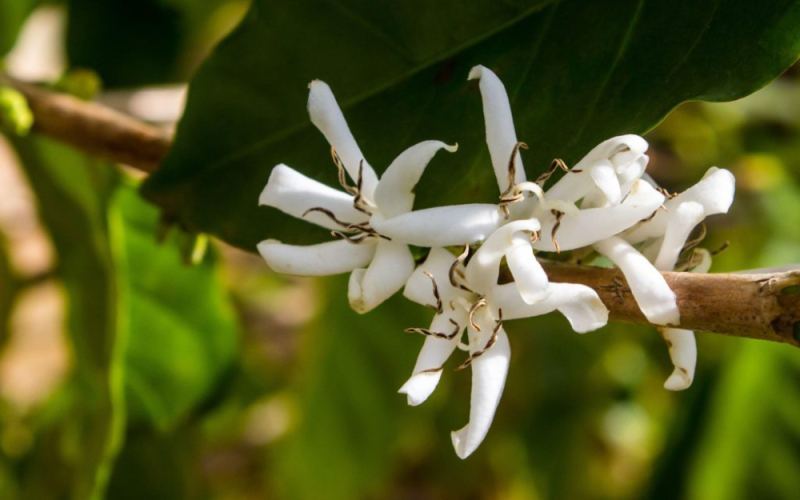
Panama Red Label Geisha and Colombia Hacienda La Esperanza Geisha: A Comprehensive Analysis of Origin Estates, Grade Classification, and Pour-Over Brewing
Geisha coffee is widely recognized as the most exceptional coffee variety in terms of flavor today, but the quality of Geisha produced in different regions and on different estates varies significantly. This article will systematically trace the journey of Geisha from the forests of Ethiopia to the world, focusing on the grading system and flavor characteristics of Panama Hacienda La Esmeralda's Red Label, Green Label, and Blue Label, and extending to the Geisha performance of Colombia's Finca La Esperanza. At the same time, drawing on Front Street Coffee's practical brewing experience, it offers brewing parameters and technique suggestions for different Geishas, helping coffee enthusiasts gain a more comprehensive understanding of this variety's origin logic and key tasting points. [more…]
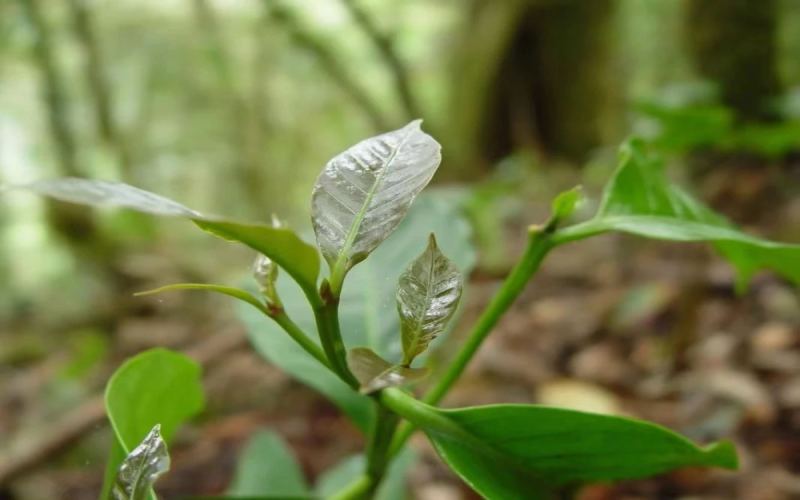
A Complete Guide to the Origins of the Geisha Coffee Variety, Hacienda La Esmeralda's Red/Green/Blue Label Grading, and Pour-Over Brewing Flavors
Geisha coffee is now a hot variety that competitors in major competitions rush to choose. Where exactly did it come from, and why can it present such stunning floral aromas and fruity acidity? Panama's Hacienda La Esmeralda divides Geisha into three grades: Red Label, Green Label, and Blue Label, each corresponding to different altitudes, plots, and cupping performance, with very significant price differences as well. This article will start from the history of Geisha's discovery, sort out Hacienda La Esmeralda's grading system, and share Front Street Coffee's roasting curves and pour-over brewing parameters for the three grades of Geisha, helping coffee lovers comprehensively understand the flavor characteristics and brewing key points of this legendary variety. [more…]
There are over five hundred species of coffee trees worldwide, with subdivided varieties numbering as many as six thousand. Faced with such a dazzling array of coffee beans, many enthusiasts often recognize only the two major names, Arabica and Robusta, while having only a vague understanding of the family lineage behind them. This article systematically sorts out the complete脉络 of coffee varieties: first introducing the four major coffee tree species and their commercial value, then explaining in detail the two main lines under Arabica—Typica and Bourbon—as well as the common variants derived from them such as Mandheling, Blue Mountain, Kona, Maragogype, Pacamara, Caturra, Catuai, and Geisha, and finally supplementing with interspecific hybrid varieties of Arabica and Robusta. Whether you are a beginner just starting out or a seasoned player looking to refine your cupping knowledge, this lineage chart can help you build a clear framework for understanding coffee varieties. [more…]

Panama Hacienda La Esmeralda Geisha Auction Mechanism and Analysis of the Red, Green, and Blue Label Grades
Hacienda La Esmeralda in Panama is the starting point from which Geisha coffee rose to global prominence, and the key driving force that propelled this variety to the pinnacle of specialty coffee. The estate not only established a strict quality grading system with Red Label, Green Label, and Blue Label tiers, but also brought its top lots global attention through an independent auction mechanism. This article provides a complete overview of Hacienda La Esmeralda's history, the plot divisions of its three farms, and the cupping standards and flavor characteristics of each grade of Geisha, along with Front Street Coffee's brewing parameters and flavor descriptions for the Red Label, Green Label, and Blue Label Geishas, helping coffee enthusiasts fully understand the operational logic and product differences of this legendary estate. [more…]
How to Grind Coffee Beans Without a Grinder? Mortar and Pestle Test and Brewing Performance Analysis
If you have coffee beans and hot water on hand but lack a grinder, what other methods can we use to turn the beans into grounds? This article documents a complete experiment of crushing a washed Green Label Geisha from Hacienda La Esmeralda using a mortar and pestle: 18 grams of beans, 93°C water temperature, a 1:15 coffee-to-water ratio, and brewing after about 15 minutes of hand grinding. The article describes in detail the grind size, pouring technique, and final flavor performance, and analyzes the problems of fine-powder clogging and uneven extraction caused by hand crushing, offering a genuine reference for coffee enthusiasts who lack professional equipment. [more…]