







Search Results for: caffeine for alertness

A Full Analysis of Caffeine's Alertness Mechanism: The Battle Between Adenosine and Receptors, and Why Its Effects Weaken After Long-Term Consumption
Why does coffee keep us awake? What actually happens in the brain after a cup goes down? Many people find that after drinking coffee for a long time, its alerting effect is not what it used to be, and they may even feel sleepier the more they drink. Behind this lies the competition between adenosine and caffeine at the receptor level, individual differences in metabolism, and adaptive changes in the nervous system. In addition, the alerting effect of coffee is sometimes just a psychological ritual, which is a different matter from true caffeine addiction. This article will use accessible analogies to unpack the mechanism of caffeine, analyze the various reasons why its alerting effect fails, and clarify the scientific boundary between caffeine addiction and withdrawal reactions, while also providing the FDA reference for safe intake. [more…]
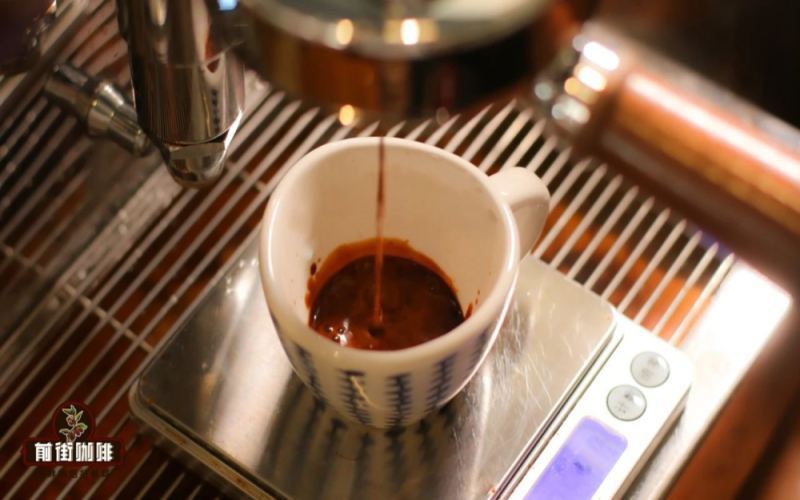
Comparison of Caffeine Content in Different Coffee Drinks: Which Coffee Has the Most Noticeable Energizing Effect?
The reason coffee can boost alertness lies primarily in caffeine. But when faced with many choices such as espresso, American drip coffee, and single-origin pour-over, which cup has the highest caffeine content and the strongest alertness-boosting effect? The answer depends on two key factors: coffee bean variety and brewing method. In this article, Front Street will start from the perspective of caffeine content, analyze the differences between Robusta and Arabica beans, explain the distinction between naturally low-caffeine coffee and artificially decaffeinated coffee, and, based on the actual caffeine intake per cup, list reference data for common coffee drinks to help you choose the cup best suited for staying alert in different situations. [more…]
Iced Americano vs Iced Latte: Similar Caffeine? Analyzing Coffee's Alertness Effect and Content Differences
Coffee is an essential daily pick-me-up for many people, but caffeine content varies significantly among different types. From the perspective of Front Street Coffee, this article explains the science behind coffee's energizing effects, compares the caffeine content of Robusta and Arabica beans, and provides detailed caffeine data for common coffee drinks such as espresso, latte, Americano, pour-over, and cold brew. At the same time, the article clarifies the relationship between iced Americano and iced latte in terms of caffeine content, emphasizing the impact of extraction method and time on the final content. Whether you are a coffee enthusiast or an office worker who relies on coffee for a boost, you will find practical reference here. [more…]
The Science of Coffee Alertness and Caffeine Content Comparison: Which Is More Effective, Espresso or Americano?
Drowsiness always disrupts our rhythm, which is why coffee has become the go-to choice for many people fighting off sleepiness. But why does coffee keep us awake? Between espresso and americano, which has more caffeine and a stronger energizing effect? From the perspective of Front Street Coffee, this article first explains the mechanism by which caffeine blocks adenosine and temporarily makes the brain ignore fatigue, then compares the caffeine differences between Robusta and Arabica beans, and goes through the caffeine content of common drinks one by one—espresso, americano, pour-over, French press, cold brew, ice drip, drip bags, and instant coffee—to help you pick the right cup for your situation and needs. [more…]
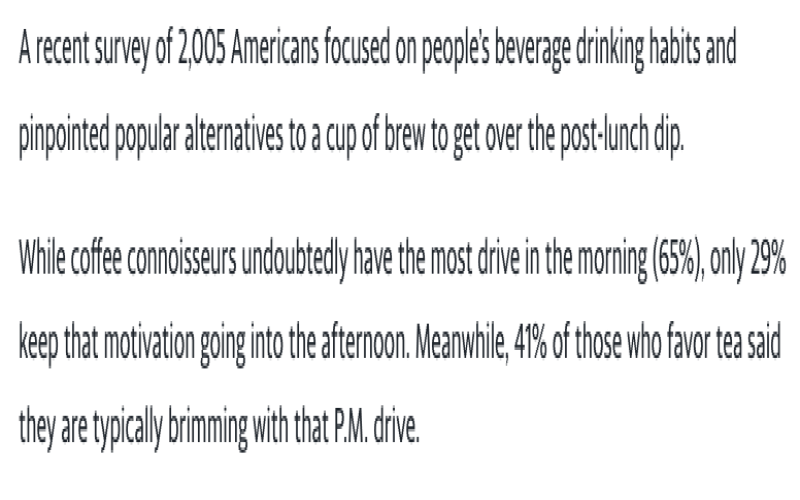
Which is better for alertness, coffee or tea? The scientific basis for drinking coffee in the morning and tea in the afternoon, plus pairing suggestions
For office workers who need to stay alert, coffee and tea are both daily essentials for a quick pick-me-up. A recent survey of more than 2,000 respondents in the United States showed that coffee drinkers have more energy in the morning, while tea lovers show greater vitality in the afternoon. This difference has sparked discussion about beverage choice and timing. This article will review the survey data, analyze the mechanism of caffeine, and explore whether tea and coffee can be consumed together, while offering practical advice for consumers seeking healthy stimulation, including how to choose pure tea or black coffee, as well as related product recommendations from Front Street Coffee. [more…]
A Detailed Explanation of the Caffeine Content Difference Between Iced and Hot Coffee, Whether Milk Can Be Added to Iced Americano, and a Full Analysis of the Alertness Mechanism
Many people assume that hot coffee is more invigorating than iced coffee, but this is not actually the case. The amount of caffeine depends mainly on the variety of coffee beans used and the amount of caffeine released during extraction, with little relation to whether the drink is hot or cold. If you want to get a large amount of caffeine quickly, cold brew, pour-over drip, or Americano are all viable options. In addition, iced Americano has become the first choice for many people to replenish caffeine because it is affordable and served quickly. As for adding milk to an Americano, although it makes the taste smoother, it is not the same thing as a latte. Using its own house blend as an example, Front Street Coffee shared suggestions for the ratio of milk added to an Americano. Finally, it will also explain the physiological mechanism by which caffeine boosts alertness, as well as the recommended daily intake, to help coffee lovers enjoy coffee in a more rational way. [more…]
Is drinking coffee every day energizing or harmful? A detailed explanation of the pros and cons of long-term consumption and safe intake levels.
Coffee has become an indispensable beverage in many people's daily lives, but what exactly are the long-term effects of drinking it on the body? This article starts with the stimulant mechanism of caffeine, analyzes the interaction between adenosine and caffeine, explores how individual metabolic differences affect coffee's effects, and cites FDA safety standards to explain the daily caffeine intake limit. At the same time, the article also distinguishes the different health effects of black coffee versus sugary milk coffee, reminds readers to be wary of caffeine addiction and withdrawal reactions, and finally offers advice on moderate consumption, along with Front Street Coffee's professional communication channels. [more…]
Does decaf coffee actually contain caffeine? A full analysis of decaf coffee's alerting effect and flavor characteristics
Many people love the aroma and taste of coffee, yet have to avoid it due to caffeine sensitivity or health reasons. Decaf coffee has therefore become an alternative, but is it truly completely caffeine-free? Can low-caffeine coffee still perk you up? And is its taste and flavor worth a try? This article explains the caffeine residue standards for decaf coffee, common decaffeination processes, and the differences in bitterness and stimulating effects, helping coffee lovers gain a clearer understanding of what low-caffeine coffee is really like. If you are looking for coffee products that offer both flavor and low caffeine intake, Front Street Coffee also has relevant recommendations for reference. [more…]
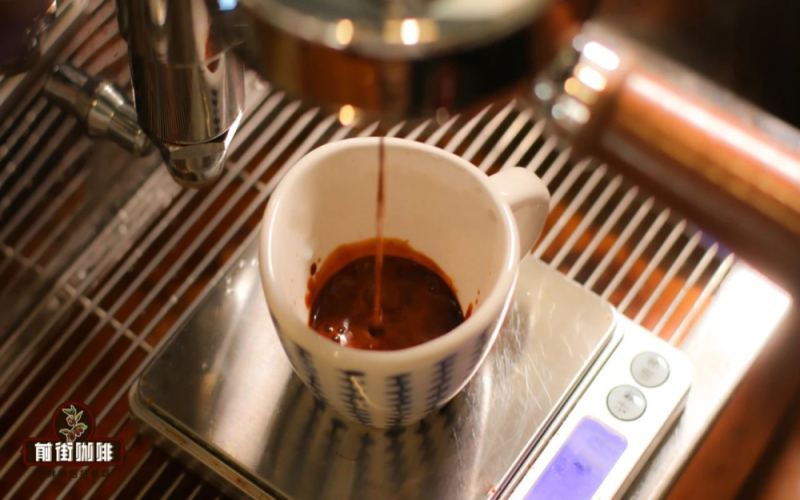
Caffeine Content in Coffee Beans | Why Does Coffee Keep You Alert? Which Coffee Is the Most Energizing? How Much Caffeine Is in a Cup of Black Coffee? What Is the Daily Caffeine Intake Limit?
The most fundamental purpose of coffee is to provide a boost of energy. Whether it's an espresso you gulp down before rushing off, the ever-present drip coffee in the office, or a pour-over single-origin you go out of your way to a café for, they all share that stimulating effect. It's just that people choose what suits them based on different settings, needs, and taste preferences. [more…]
Little difference between hot and cold coffee in refreshing effect; from the perspective of aroma, taste, and extraction principles, how should you choose between Americanos?
Many people assume that hot coffee is more effective at boosting alertness than iced coffee, but what really affects alertness is the caffeine content of the coffee beans themselves and how much of it is extracted during brewing. With the same beans, the longer the extraction time, the more caffeine is released, so when you need a quick pick-me-up, cold brew or pour-over drip are both viable options. Americano is currently the most popular coffee drink, and iced Americano accounts for the vast majority of those, but hot Americano performs better in aroma, flavor fullness, and body. Front Street Coffee used its Warm Sun blend to compare hot, room-temperature, and iced Americanos, and found that hot Americano had the best aroma, while iced Americano was more refreshing and smooth. This article, from the perspectives of the science of alertness, flavor differences, and brewing suggestions, helps you find the cup that suits you best. [more…]

Luckin Fair Isle Latte's alertness effect sparks debate: the combination of caffeine and tea polyphenols divides consumer reactions.
Luckin Coffee's recently launched Fair Isle Latte has quickly become a new favorite among some office workers and tea-coffee enthusiasts, thanks to its flavor reminiscent of Assam milk tea and its powerful energizing effect. However, a large number of "warning" posts have emerged on social media, with many consumers reporting that they couldn't sleep all night after drinking it, and even experiencing symptoms such as hand tremors, dizziness, and heart palpitations, with some seeking medical attention late at night. At the same time, netizens who were after an energizing effect tried it and said it had no effect at all, leaving them still sleepy. This starkly contrasting feedback has plunged this new drink, which blends espresso with Ceylon black tea, into controversy. This article will sort through the various viewpoints, explore the effects of differences in caffeine tolerance, and offer professional advice from Front Street Coffee. [more…]
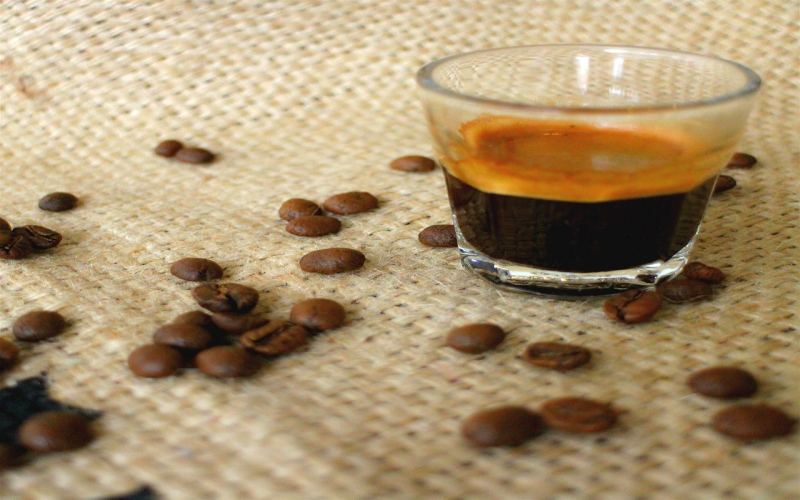
Caffeine Effects | What are the benefits of drinking black coffee? How many cups of Americano can you drink per day at most? Which is more refreshing, hot Americano or iced Americano?
The most primitive purpose of coffee is to refresh the mind. Whether it's an espresso you drink and go, the drip coffee maker that's a fixture in the office, or even a pour-over single-origin coffee you make a special trip to the coffee bean shop for, they all have the function of refreshing you. It's just that everyone chooses the appropriate one based on different requirements for the scenario, function, and taste. [more…]
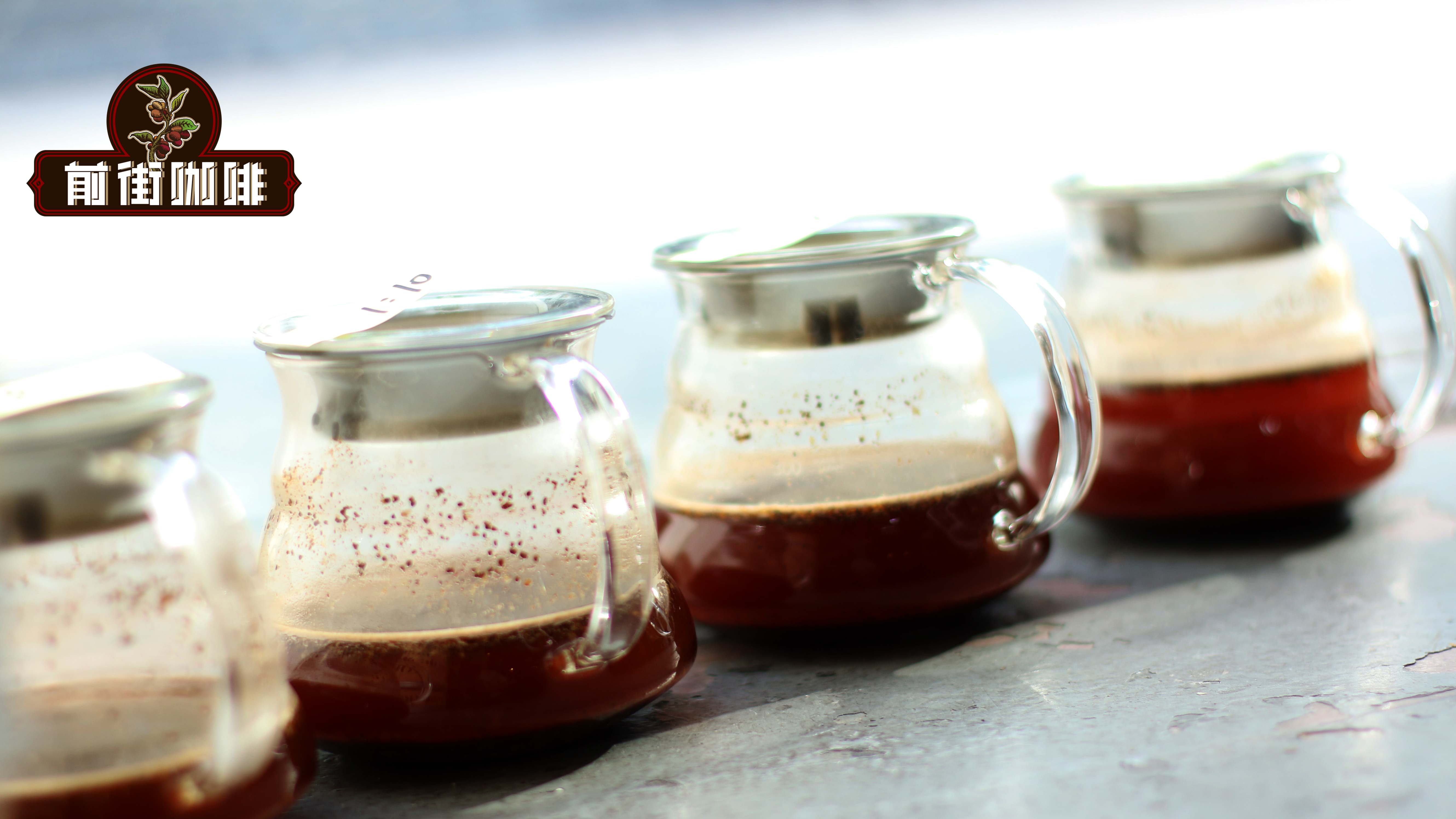
How High Is the Caffeine Content in Cold Brew Coffee? A Detailed Explanation of the Cold Brew Method, the Principles Behind Its Energizing Effect, and the Pros and Cons of Caffeine
Cold brew coffee has gained great popularity among coffee enthusiasts in recent years, not only for its smooth taste but also for its often stronger energizing effect compared to regular Americano. So how much caffeine does cold brew coffee actually contain? Why does it keep people alert? What are the benefits and drawbacks of caffeine for the human body? This article, drawing on the production experience of Front Street Coffee, provides a detailed introduction to the caffeine content of cold brew coffee, the brewing steps, suitable coffee bean choices, and the mechanism by which caffeine acts on the central nervous system, helping you gain a comprehensive understanding of this refreshing drink essential for summer. [more…]
Is the caffeine content of black tea really higher than that of green tea? Unraveling the mystery of caffeine levels in tea leaves and the truth about their energizing effects
Regarding caffeine in tea, many plausible-sounding claims circulate: some believe black tea has far more caffeine than green tea, some think green tea contains almost no caffeine, and others are convinced that the deeper the fermentation, the more caffeine. Is any of this actually true? All tea leaves from the tea plant—unless decaffeinated—inherently contain caffeine, and the level depends more on plucking tenderness, tea cultivar, cultivation methods, and climate conditions than on the degree of fermentation or oxidation. Buds and newly opened leaves have the highest caffeine concentrations, African Assamica tea plants are generally higher than Chinese varieties, and older leaves plucked in autumn tend to be lower. In addition, theanine, unique to tea, works synergistically with caffeine to deliver a calm yet alert lift—quite different from the jolt of coffee. This article breaks down these factors one by one and explains why Front Street Coffee labels the caffeine content of the teas it sells, helping you make a more suitable choice based on your own tolerance. [more…]

A Complete Analysis of Caffeine Withdrawal: What Happens to Your Body When You Suddenly Quit Coffee?
For many coffee lovers, a daily cup of coffee has long become an indispensable ritual in life. The alertness and pleasure brought by caffeine make it hard to give up willingly. But have you ever wondered what would happen to your body if you suddenly stopped consuming caffeine one day? From grogginess and fatigue, unbearable headaches, to digestive discomfort and low mood, withdrawal reactions are far more complex than imagined. This article will guide you through the neural mechanisms behind caffeine withdrawal, its duration, and coping strategies, helping you scientifically understand caffeine dependence and find a healthier drinking rhythm. [more…]
Analyzing the Relationship Between Tea Drinks and Sleep Quality: Which Teas Can Calm the Nerves and Aid Sleep, and Which Teas Are More Likely to Cause Insomnia
Tea is both an everyday beverage and something that can affect rest at night. The fresh leaves of the tea plant naturally contain caffeine, a stimulant that can disrupt sleep rhythms, but tea's caffeine content is far lower than that of coffee, and it also contains components such as L-theanine that participate in relaxation and sleep regulation. Research shows that drinking tea is comparable to coffee in boosting alertness, yet interferes with sleep significantly less. In addition, herbal teas contain no caffeine, and some types, such as valerian and chamomile, have been shown to help improve sleep, while potent herbs like kava and valerian need to be used under the guidance of professionals. Only by understanding the characteristics of different types of tea can you choose the right cup to calm the mind and aid sleep, and avoid insomnia caused by improper drinking. [more…]
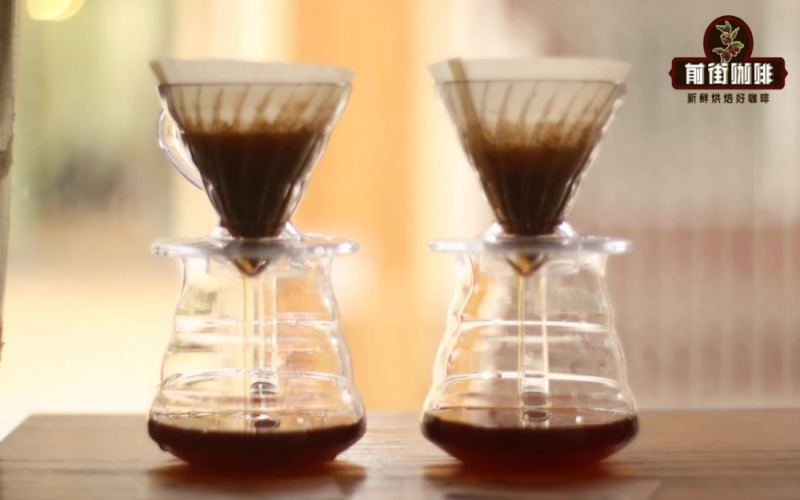
Cold Brew vs. Americano: A Comparison of Their Alertness Effects, Caffeine Content of Low-Temperature Slow Brewing, and a Detailed Guide to Making It
Cold brew coffee has gained increasing favor among coffee enthusiasts in recent years, not only because of its simple preparation method, but also because it can showcase the unique flavor charm of coffee beans. Compared with Americano made through high-temperature extraction, how does cold brew coffee perform in terms of caffeine content and refreshing effect? How does low-temperature extraction affect the acidity, sweetness, bitterness, and aroma of coffee? Starting from scientific research, this article will deeply analyze the differences between cold brew and Americano in their refreshing effects, and share Front Street Coffee's cold brew preparation method and recommended bean varieties, taking you through a comprehensive understanding of this essence extracted by time. [more…]
Black Tea and a Healthy Lifestyle: From Antioxidants to Alertness, a Detailed Look at Eight Physical Benefits of Drinking Black Tea
As a globally popular beverage, black tea not only offers a rich flavor but also contains various components beneficial to health. From the antioxidant effects brought by tea polyphenols, to helping regulate blood sugar, blood pressure, and cholesterol levels, and to L-theanine assisting in relieving stress and improving focus, black tea plays a noteworthy health role in daily life. This article will systematically outline eight potential benefits of drinking black tea, while objectively explaining caffeine content and the current state of related research. Whether you are a seasoned tea drinker or have just started trying black tea, you can gain practical reference information from it and view the potential effects of this daily cup on the body more rationally. [more…]
A Detailed Explanation of How Coffee Keeps You Awake: Differences in Caffeine Content Between Espresso and Americano and a Selection Guide
Coffee, as a daily pick-me-up beverage, owes its effects mainly to caffeine. But which coffee is actually better at keeping you alert? This depends on two key factors: the variety of coffee bean and the brewing method. Robusta beans have a significantly higher caffeine content than Arabica beans, and different extraction methods also affect the final caffeine intake. Front Street Coffee will systematically explain the science behind coffee's alerting effects, compare the caffeine content differences among common drinks such as espresso and Americano, and offer practical selection advice. Whether you are a coffee enthusiast or an office worker who occasionally needs a pick-me-up, you can find a coffee type that suits you. [more…]
Colombian Decaf Coffee Flavor Analysis: Taste Characteristics, Health and Safety, and Weight Loss Questions Fully Answered
Although caffeine can boost alertness, excessive intake may affect sleep and health, making decaf coffee an alternative choice for many enthusiasts. From the perspective of Front Street Coffee, this article traces the historical origins of decaf coffee, covers the basics of caffeine, explains the differences in decaffeination processes, and highlights a decaf coffee bean from the Huila region of Colombia. The article also explores whether decaf coffee is safe, whether it can help with weight loss, what its pros and cons are, and provides specific brewing parameters and flavor profiles, helping readers gain a comprehensive understanding of what decaf coffee is really like. [more…]