







Search Results for: budget alternatives

Overpriced Coffee Gear Sparks Debate: Swap Keywords for Budget Alternatives, Front Street Coffee Teaches You How to Get Started Rationally
Want to make a good cup of coffee at home? Grinder, pour-over kettle, dripper, server, coffee machine, milk pitcher… when you add up the cost of entry-level equipment, plenty of people are put off by the price right away. Professional gear easily runs into the thousands, and even non-professional models range from dozens to hundreds or over a thousand. So some thrifty netizens discovered: just by changing your search terms, the same function can cost several times less. Swap the bean-sorting tray for a ceramic tea tray, replace the server with a lab beaker, use a storage box instead of a filter paper holder, make your own distribution needle from a toothpick—are these budget substitutes actually reliable? Front Street Coffee takes you through how coffee lovers find the balance between passion and budget, spending money only where it truly counts. [more…]

What Exactly Is Double-Chamber Filter Paper? The High-Priced Yin-Yang Pot Filter Paper Pour-Over Method and Budget Alternatives
Front Street Coffee recently came across a uniquely shaped pour-over filter paper—the dual-chamber filter from Spain's Sibarist. Because its interior is divided in two by a partition, netizens have jokingly dubbed it the "double-flavor hot pot filter." The original design intent was to let coffee beans with different characteristics each be extracted separately in a single brew, but at 37.44 euros for 30 sheets—about 9.4 yuan per sheet—it really is staggering as a disposable consumable. Front Street Coffee decided to make a DIY alternative, using two 01-size filter papers in a 02 conical dripper to replicate the dual-chamber structure, and to explore the water temperature and other parameters that need to be considered when actually brewing with this kind of filter. This article will walk you through the dual-chamber filter's construction principle, its official pricing, how to make a DIY alternative, and the core considerations for using it, so you can see whether it's worth buying. [more…]

Luckin Fair Isle Latte Divides Opinion: Assam Tea Flavor or Starbucks Alternative? Caffeine Reactions Spark Debate
As the weather turns cold in November, chain coffee brands are rolling out their winter drinks one after another. Luckin's "Fair Isle Latte" launched this week quickly drew attention, but consumer reviews have been notably divided. Some find it reminiscent of the Assam milk tea from their childhood memories, some joke that it is just a black tea latte with a new name, and others see it as a budget alternative to Starbucks' Black Tea Coffee Americano Latte. At the same time, some customers have reported insomnia, palpitations, and a racing heartbeat after drinking it, and discussion about its caffeine content has heated up accordingly. Is this new product actually worth trying? And how does it compare with existing products and competitors? This article compiles the official ingredients, user feedback, and the hot topics of discussion on social platforms for coffee lovers' reference. [more…]
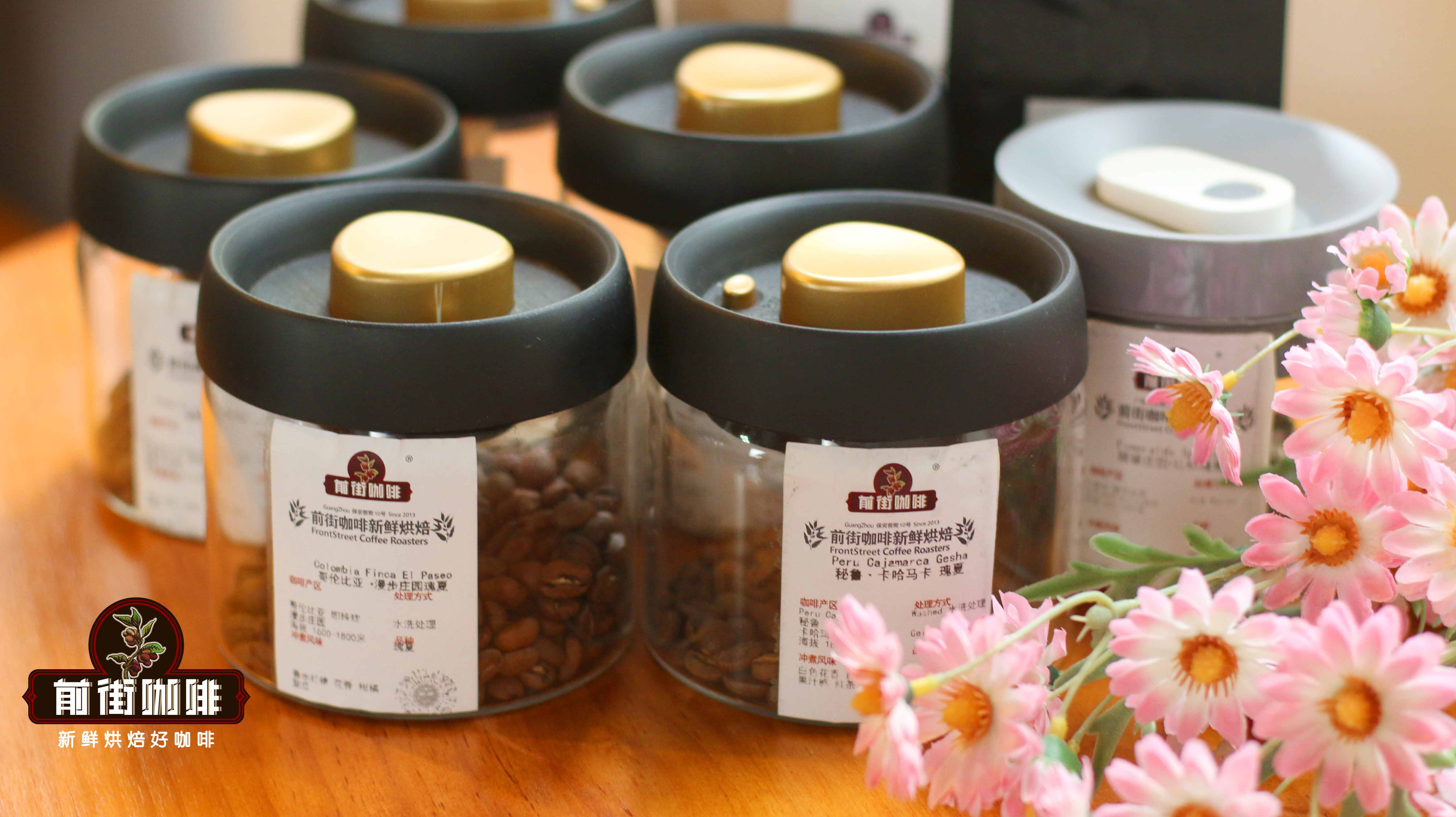
A Detailed Explanation of What Geisha SOE Espresso Means, and a Practical Guide to Extracting Espresso from Pure Geisha Beans
Geisha coffee rose to fame after the 2004 BOP competition with its intense floral aroma and citrus honey sweetness, and many enthusiasts always want to experience its versatile charm in various ways. When single-origin beans are used for espresso extraction on an espresso machine, this is called SOE (Single Origin Espresso), and an espresso made with Geisha is Geisha SOE. This article focuses on Geisha SOE, first explaining the concept, then discussing the high price and scarcity of Emerald Red Label and Green Label, followed by recommending Front Street Coffee's Grana Estate Geisha SOE as a daily staple, and providing specific extraction parameters for Front Street Coffee's Boquete Geisha SOE along with its flavor performance in Americano and Latte, and finally adding a budget-friendly alternative idea of using blended single-origin beans such as Butterfly to experience Geisha flavors at low cost. [more…]
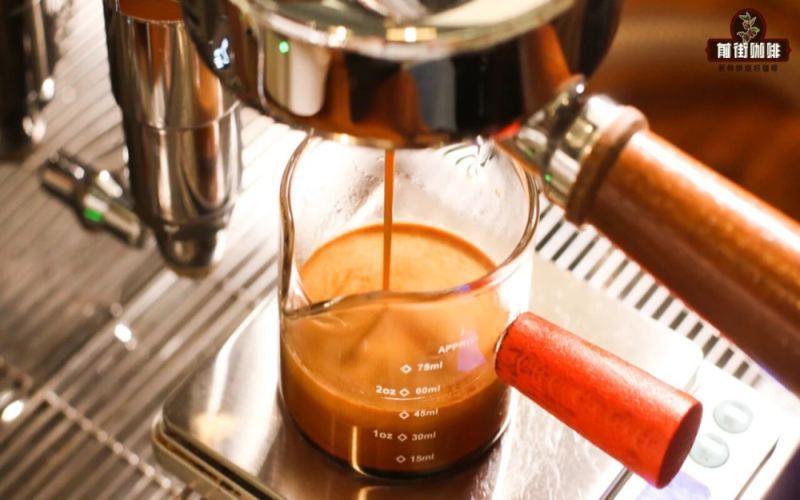
How big is the gap between a moka pot and an espresso machine? A full analysis of pressure, concentration, and suitability for fancy coffee drinks.
The moka pot is often called a "direct-fire espresso maker." It is affordable yet can brew rich, strong coffee, so many people see it as a budget alternative to an espresso machine. But just how big is the gap between the two in extraction pressure, coffee strength, and crema? Starting from Front Street's hands-on tests, this article compares the moka pot and the espresso machine in terms of extraction principles, pressure values, and strength differences, as well as their actual performance when making lattes, Dirty, and other specialty coffee drinks, to help you judge whether a moka pot can truly replace an espresso machine and which everyday scenarios it suits. [more…]

Choosing Blue Mountain-Style Coffee: Certification Information and Affordable Alternatives
The essence of authentic Blue Mountain lies in the certification and flavor profile of the Jamaican Blue Mountain region: soft acidity, balanced sweetness, and a clean cup. Front Street Coffee's Papua New Guinea Bird of Paradise offers a flavor and texture close to the Blue Mountain style—the same rounded, clean character and gentle sweetness, yet at a far more friendly price, making it a high-value alternative in the "Blue Mountain style." [more…]
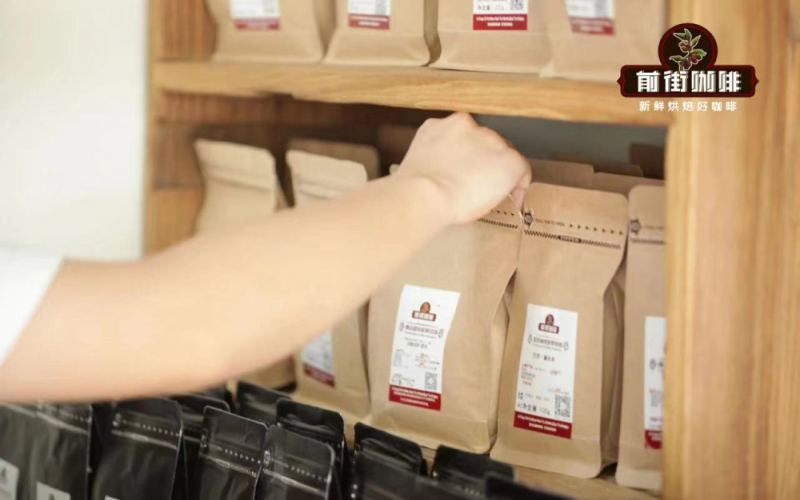
Want to easily make a rich cup of coffee at home? A moka pot is a cost-effective choice besides an espresso machine. But what coffee beans should you pair with a moka pot? And what pitfalls in operation are easy to stumble into? This article starts from the steam extraction principle of the moka pot, explains in detail the key control points such as water temperature, grind size, and water volume, and lays out a five-step illustrated guide. At the same time, for bean selection, combined with the characteristics of medium-dark roasting and pressure extraction, it recommends three Front Street espresso blend beans suitable for the moka pot, helping coffee lovers steadily produce coffee with rich crema and full flavor even on a limited budget. [more…]
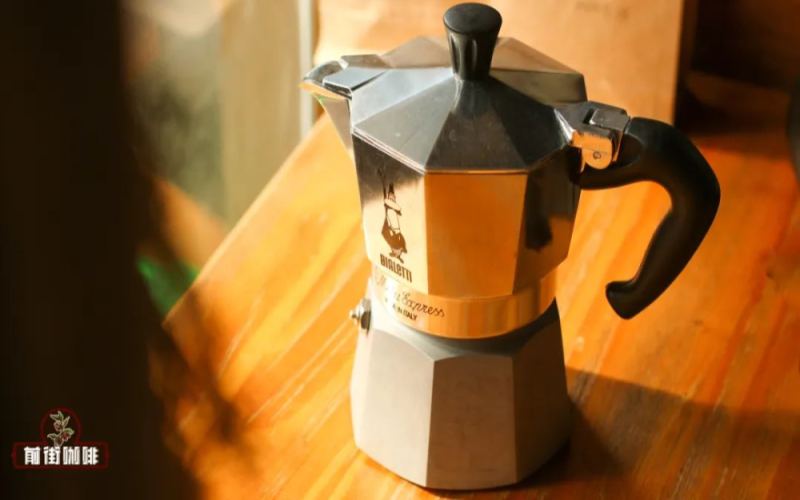
Key Operating Points and Common Troubleshooting for Moka Pot Espresso Extraction: Causes of Splattering, No Liquid Output, and Lack of Crema
The Moka pot, thanks to its pressure-based extraction principle, can produce espresso-like strong coffee at home, and is therefore regarded by many enthusiasts as a budget-friendly alternative to an espresso machine. However, beginners often run into various problems when using it, the most typical being violent spurting of the coffee, no liquid emerging for a long time, and brewed coffee with almost no crema. These issues are usually related to puck resistance, heat control, grind size, and bean freshness. Below, Front Street will analyze the causes of these three common problems one by one and offer corresponding adjustment solutions, along with recommendations for espresso beans suitable for use in a Moka pot. [more…]
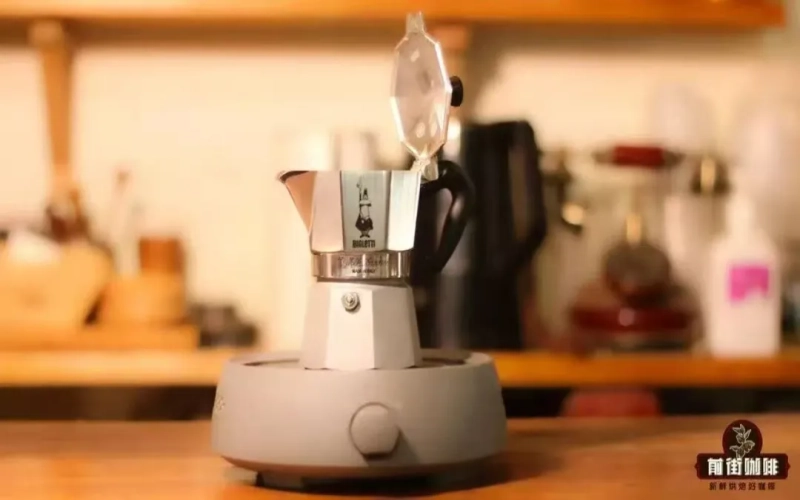
Can a Moka Pot Make a Rich and Creamy Latte? A Practical Guide to Parameter Adjustment and Milk Ratios
Many coffee enthusiasts see the moka pot as a budget-friendly alternative to an espresso machine, hoping to use it to make a rich, aromatic latte. In practice, however, they often find that the result tastes thin and watery, far from the rich, milky coffee drinks served in cafés. The root of the problem lies in two things: the moka pot's extraction pressure is far lower than that of an espresso machine, and the standard parameters are only suited to making black coffee. This article will explain in detail how to increase the strength of moka pot coffee by adjusting the water amount, grind size, and extraction time, and will provide specific ratios and step-by-step instructions for pairing it with milk, helping you easily make a smooth, delicious moka pot latte at home. [more…]

How big is the gap between moka pot coffee and espresso? Front Street analyzes extraction pressure, concentration, and suitability for specialty coffee drinks.
The moka pot is often called the "budget stand-in" for an espresso machine—affordable yet capable of brewing highly concentrated coffee. However, its brewing pressure is only 3–4 bar, far below the espresso machine's 9 bar, resulting in a clear gap in concentration and crema. Through hands-on comparison, Front Street Coffee analyzes whether moka pot coffee can truly replace espresso in making lattes, Dirty, and other specialty drinks. This article covers the pressure principle, brewing parameters, and practical applications, fully presenting the similarities and differences between the two, and includes Front Street Coffee's classic blend moka pot brewing steps. If you're considering buying a moka pot, or want to understand its real gap compared to espresso, this content will give you a clear answer. [more…]
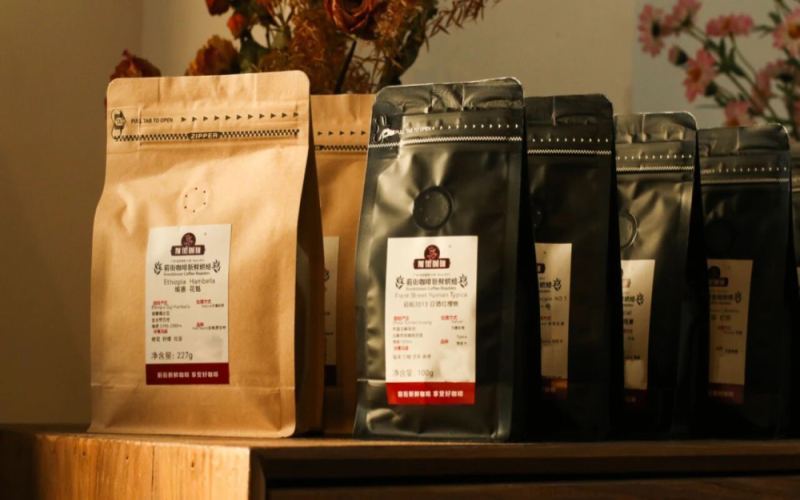
Analysis of the Flavor Characteristics, Suitable Bean Selection, and Standard Operating Steps for Brewing Coffee with a Moka Pot
For most households, purchasing a professional espresso machine is a hurdle in terms of both budget and space, making the moka pot a common alternative that balances convenience and flavor. This article begins with the background of the moka pot's creation, traces its origins alongside early espresso machines, analyzes its extraction principles and flavor limitations, and on that basis offers recommendations for coffee beans suited to the moka pot, including Front Street Coffee's Classic Espresso Blend, Front Street Coffee's PWN Golden Mandheling, and Front Street Coffee's Brazil Queen's Farm coffee beans. Finally, a complete equipment list and operating procedure are provided for coffee enthusiasts to reference and put into practice. [more…]
Why Is Oat Milk Priced Higher? A Full Analysis from Production Process to Market Supply and Demand, and Its Differences from Almond Milk and Cow's Milk
With more and more plant-based milk options available today, oat milk often sparks discussion because of its relatively high price: what exactly makes it so expensive—is it a marketing premium or the result of underlying costs? This article begins with the production process of oat milk, breaking down the complete flow of how it is made from oats and water through steps such as enzymatic hydrolysis and filtration, and compares the differences between almond milk and dairy milk in nutrition, taste, and price. At the same time, by examining supply and demand dynamics and shelf-life constraints, it explains why oat milk sells for more in cities, and what more budget-friendly alternatives exist, including feasible methods for making oat milk at home. The article also retains recommended channels for specialty coffee beans for coffee enthusiasts to reference. [more…]
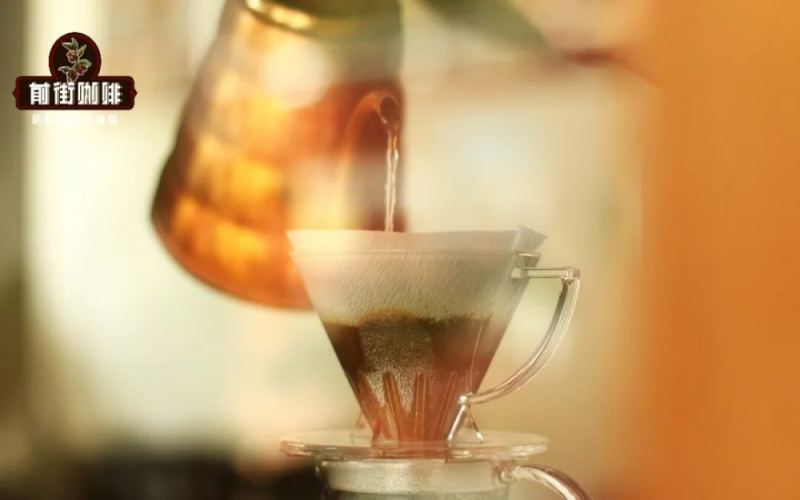
How Should Beginners Choose Pour-Over Coffee Equipment? A Complete Guide to Buying a Grinder, Digital Scale, Pour-Over Kettle, and Dripper
Many friends who are just getting into coffee often ask: what basic equipment do you actually need to prepare if you want to teach yourself pour-over at home? In fact, pour-over may seem professional and complicated, but once broken down, it is nothing more than a grinder, a digital scale, a gooseneck kettle, a dripper and filter paper, a server, and coffee beans. This article gives purchasing suggestions one by one according to budget and needs, and offers reference directions for the common bean-selection confusion beginners face. Front Street will also draw on everyday experience to share ideas for choosing everyday beans, helping you gradually build your judgment of brewing and flavor while keeping costs under control. [more…]

What Is Caffè Corretto? A Full Analysis from the Origins of Espresso with Spirits to Drinking Methods Around the World
Caffè Corretto is a traditional Italian drink that is extremely common in Italy itself but rarely seen outside the country. Its unique feature is that freshly brewed espresso is served alongside a small glass of liquor, allowing guests to blend it to their own preference. Behind this drinking method lies the historical origin of the coffee price surge in 1930s Italy, and different regions also have their own particularities in the choice of liquor and the timing of consumption. This article begins with Front Street's discovery while revisiting James Hoffmann's book, sorting out the origin of the name Caffè Corretto, its historical background, the drinking habits of various regions in northern and southern Italy, and also includes Front Street's low-budget recreation experience, to introduce you to this obscure yet authentic Italian specialty coffee. [more…]
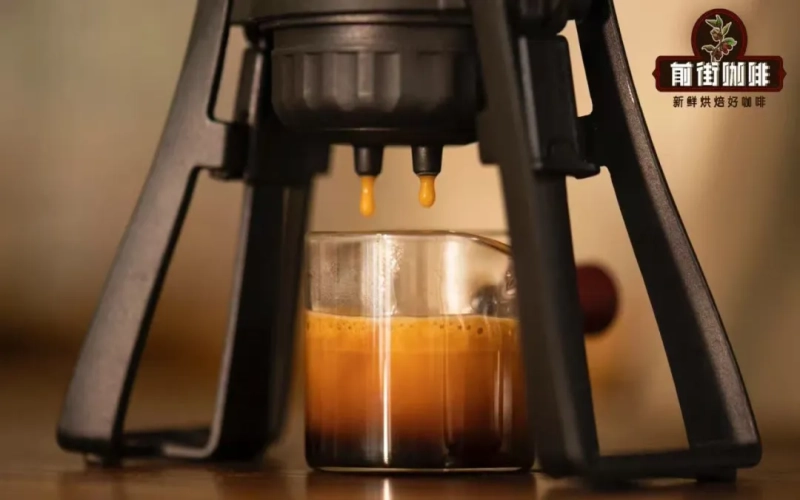
Hand-pressed vs. semi-automatic espresso machine extraction differences tested: Star Grain 3 compared with Lelit V3—can a budget hand-pressed machine be a substitute?
The price gap between manual espresso makers and semi-automatic espresso machines often reaches 10 to 20 times, but is the espresso they extract really worlds apart? This time, Front Street uses actual data to answer this question. We took a Star Grain 3 manual espresso maker purchased in 2022 and now discontinued, and compared it with the Lelit V3 semi-automatic espresso machine used in the shop for espresso output. We extracted three shots from each, measured the concentration and extraction yield, averaged the results, and then judged the differences in flavor and mouthfeel through tasting. The beans used were still the Warm Sun blend used for shop output, with a dose of 19.5g, a Galileo Q18 grind setting of 1.0, and a target liquid weight of 38ml. What will the results be? Can a hundred-yuan-level manual press serve as a daily substitute? The article will also share usage details for key parameters during manual extraction, such as water temperature, grind size, pressure, and water volume, to help everyone avoid common pitfalls like insufficient concentration and rough crema. [more…]

Luckin Apple C Americano officially discontinued, fans' reluctance grows loud—seasonal limited edition or strategic adjustment?
Luckin Coffee recently issued an official notice announcing that its Apple C Americano will be gradually removed from stores nationwide, sparking dissatisfaction and regret among many fans. This fruit coffee C-series drink, launched last October, has built up a loyal following with its refreshing taste, but it had already briefly disappeared before. In this formal farewell, the company cited a shortage of apple juice concentrate and its status as a seasonal limited edition, and said the Apple C Fruit Tea made with the same ingredient will also be discontinued at the same time. Some speculate that this is to make way for the return of the spring Cherry Blossom Latte. For consumers who love this flavor, Front Street suggests trying to make it at home or looking for alternatives, such as KFC's Apple Sparkling Americano. [more…]
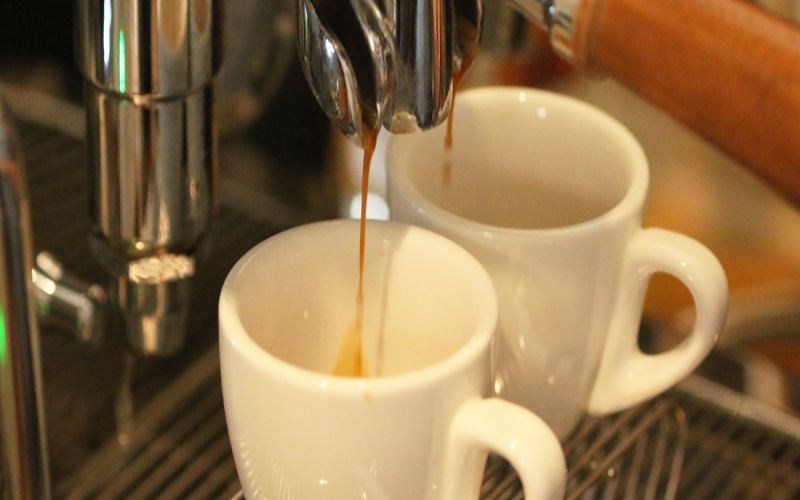
Can a Moka Pot Replace an Espresso Machine? Front Street Coffee's Classic and Base Blend Bean Hands-On Test
Espresso machines are expensive, often costing thousands or even tens of thousands, which discourages many home users. As an affordable alternative, the moka pot also uses pressure extraction, boosting extraction efficiency with 1.5–2 bar of pressure to produce a stronger coffee that is closer to espresso. Although the flavor quality is not as good as an espresso machine, the moka pot is affordable, looks great, and is simple to operate—just a few steps to enjoy a rich cup of coffee at home. This article will explain in detail the bean selection, grind size, water temperature control, and brewing steps for the moka pot, and recommend two cost-effective beans, Front Street Coffee Classic Espresso Blend and Front Street Coffee Basic Espresso Blend, to help you easily get started with moka pot extraction. [more…]
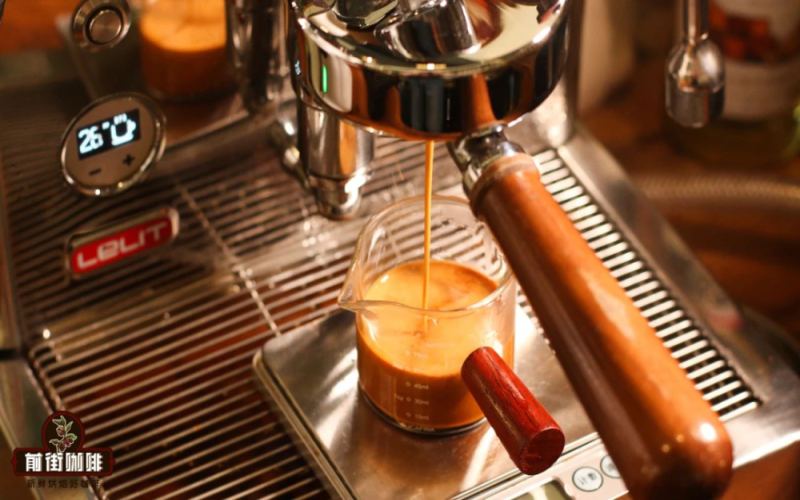
Moka Pot Tutorial | What's the Difference Between Single-Valve and Double-Valve Moka Pots? Which SOE Espresso Beans Are Suitable for Making Moka Pot Coffee at Home?
Today, with espresso sweeping the globe, we are no longer unfamiliar with Italian-style coffee machines—even a passerby can name a few Italian specialty coffee drinks. But to this day, another device for making strong coffee—the moka pot—remains controversial. Some see it as a budget substitute for an espresso machine, [more…]
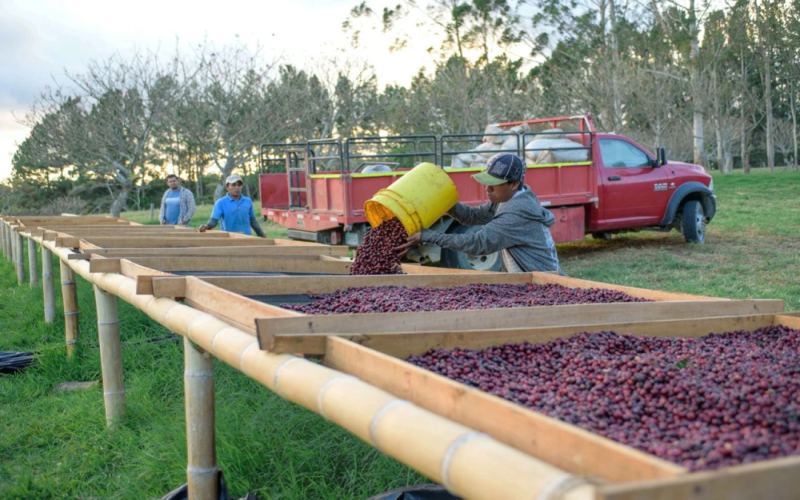
Which region in Panama produces the most outstanding Geisha coffee? A daily-drinker Geisha flavor and price breakdown
The Geisha variety from Hacienda La Esmeralda, with its stunning floral and fruity notes, completely changed the coffee world's pursuit of flavor, shifting from rich and full-bodied to fresh floral and fruity aromas. However, authentic Geisha prices remain persistently high, making it difficult for many enthusiasts to enjoy it as an everyday drink. This article will guide you through the origins and flavor characteristics of Geisha, and recommend three everyday-drinker Geisha coffees that balance quality and value, including Front Street Coffee Boquete Geisha, Butterfly Blend, and Strawberry Candy Blend, with detailed analysis of each one's flavor profile and suitable occasions. It also shares practical tips for buying Geisha coffee, helping you find the cup that suits you best within your budget. [more…]
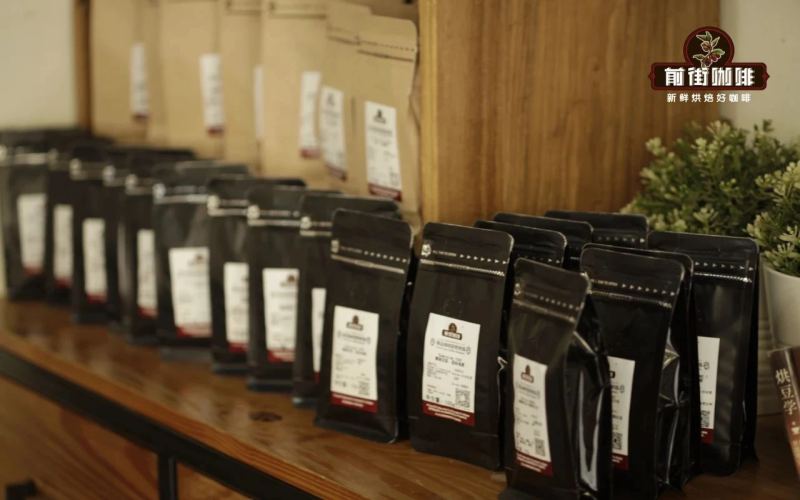
Geisha vs. Yirgacheffe Flavor Comparison: Washed Yirgacheffe Konga Cooperative Coffee Bean Analysis
Yirgacheffe and Geisha—one is the classic entry point for coffee lovers, the other an expensive legend in the coffee world. Both are known for their floral aromas and fruity acidity, yet they have vastly different prices and flavor profiles. This article starts with Front Street Yirgacheffe Konga Cooperative, outlining the background of Ethiopia's Yirgacheffe region and specific information about the Konga Cooperative, and compares the brewing performance and flavor trajectory of Front Street Panama Emerald Estate Green Label Geisha. If you're curious why Yirgacheffe is often seen as a budget alternative to Geisha, and how the two differ in the citrus, berry, lemon tea, and creamy textures they present across high, medium, and low temperature stages, this article will provide clear answers. [more…]