







Search Results for: broken glass
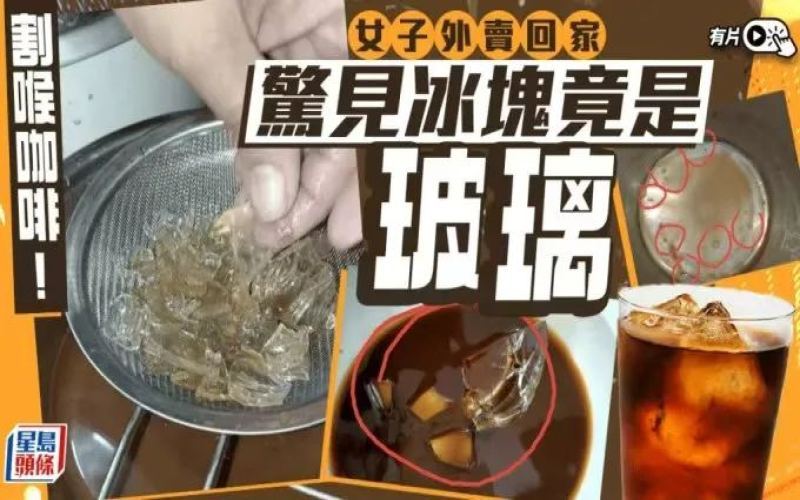
Malaysian Iced Coffee Found to Contain Large Amounts of Broken Glass, Consumer Calls Police to Hold Store Accountable, Food Safety Hazards Spark Heated Debate
Recently, a consumer in Malaysia exposed in a Facebook group that the iced coffee they bought takeaway from a local coffee shop was mixed with a large amount of broken glass, causing the plastic bag to rupture and leak. The person only discovered after returning home that these glass shards were hidden in the ice cubes, of varying sizes with sharp edges, some even large enough to be picked up by hand. The coffee shop involved denied any problem with its product and refused to take responsibility. The incident sparked widespread attention and speculation among netizens, with some worried that insufficient evidence would make it difficult to defend their rights, while others called for exposing the store's information to prevent more people from being harmed. Currently, the person has reported the case to the police, hoping for police intervention to uncover the truth. [more…]

Starbucks Store Cup Display Sparks Controversy: Who Should Pay for Fragile Items Next to the Aisle?
As the "cup giant" of the coffee world, Starbucks launches so many new cups every year that many people joke its pace of new releases is faster than its main business of coffee. Recently, however, a netizen exposed that while waiting for coffee in a store, they knocked over two cups in one go: one stainless steel travel tumbler was dented, and the other glass cup shattered completely, ultimately forcing them to buy them at the employee discount price. The incident quickly sparked heated discussion: with fragile cups displayed on low shelves close to the aisle, was it the customer's carelessness, or is there a suspicion of a store design "trap"? Starbucks locations at home and abroad also handle broken cups very differently. Some people are asked with concern whether they were cut, while others can only pay the full price. Who exactly should be responsible for these accidents? [more…]
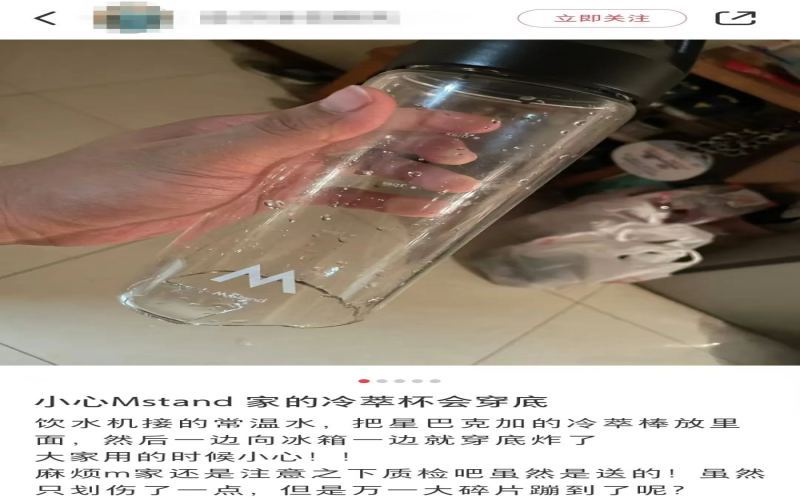
Mstand Cold Brew Carafes Frequently Crack, Fan Merchandise Quality Control Questioned by Fans
In the scorching summer, iced coffee has become a favorite for many coffee enthusiasts, and making cold brew at home is a recent popular choice. Mstand, known for its peripheral marketing, launched a cold brew set in early July, including cold brew coffee bags and a glass cold brew pot, quickly attracting a large number of fans to purchase. However, recently, multiple consumers have reported serious quality issues with this cold brew pot—some had the bottom suddenly shatter and got cut by fragments while using it, and more encountered unexplained cracks at the bottle mouth joint. Although the product is labeled as ordinary glass not resistant to high temperatures, users who reported the issues all stated they did not use hot water and operated carefully. This is not the first time Mstand's peripherals have failed; the previously launched woven bag was also criticized for its easily broken handle. While the strategy of using high-appeal freebies to drive set sales is effective, frequent quality control issues are eroding fan trust. [more…]
How Long Should You Cold-Brew Iced Black Tea? A Complete Guide to the Correct Brewing Method and the Pros and Cons of Drinking It
Cold brew tea has become increasingly popular in recent years. Not only does it release less caffeine, making it suitable for people sensitive to caffeine, but cold water steeping also reduces the extraction of tannic acid, giving the tea a sweeter, smoother taste without bitterness. However, the cold brewing time varies greatly depending on the form of the tea leaves—broken pieces, strips, and ball-shaped leaves each have their own requirements. Steeping too long can lead to over-extraction and a cloudy, bitter brew. This article provides a detailed guide to the suitable tea types for cold brewing, a time reference chart, the relationship between water temperature and steeping duration, and answers to common questions such as whether overnight tea is safe to drink, helping you easily make a delicious glass of cold brew iced black tea. [more…]

Types of Milk Coffee | What is a Flat White Australian-style white coffee? What's the difference between a Flat White, a Latte, and a Dirty? What is the coffee-to-milk ratio in a Flat White?
Now when you walk into a specialty coffee shop, you'll always see milk-based coffees like Flat White, Latte, and Cappuccino on the espresso menu, and some even offer Dirty or the more niche Piccolo. Among this dazzling array of coffees, what's the difference between a Flat White and a Latte? [more…]

How Is a Shaken Ice Americano Different from a Regular Ice Americano? A Complete Analysis from Principles to Three Brewing Methods
The quicksand iced americano, with its visual effect of fine sand-like particles slowly settling in the cup, has always held a place among creative coffees. How exactly does it differ from a regular iced americano? From the perspective of Front Street, this article first explains the aeration principle behind the "quicksand" phenomenon, then provides reference ratios of espresso to ice water, and breaks down three preparation methods one by one: steam wand, French press, and manual or electric milk frother. Regardless of which tool is chosen, the finished drink has a rich, smooth texture and delivers an experience similar to foamy beer. The article also specifically notes: Front Street's stores do not offer this beverage. [more…]
The Espresso Family and Milk Coffee Guide: A Complete Analysis from Ristretto to Irish Coffee
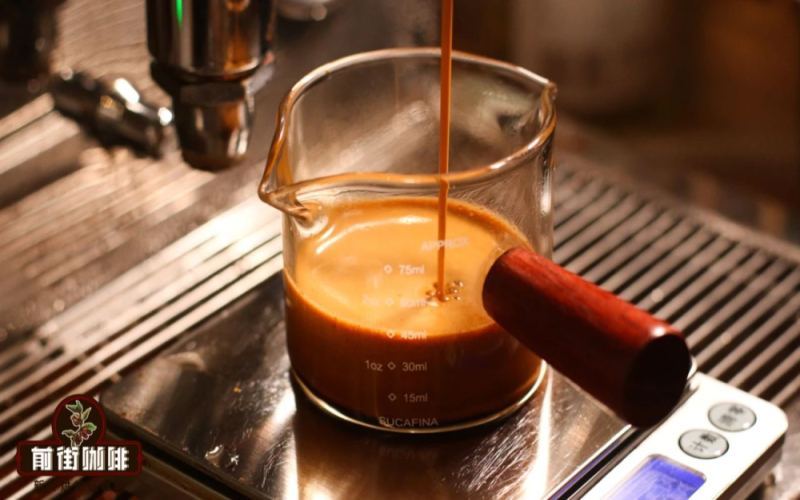
Espresso is the foundation of many classic coffee drinks, but the family of beverages derived from it extends far beyond just one. From Ristretto, Lungo, and Doppio, which vary in extraction time and dose, to the Americano and Long Black that are diluted with water, each has its own unique logic of taste. In the world of milk coffee, cappuccino, flat white, latte, macchiato, cortado, and even affogato and Irish coffee each represent different milk foam thicknesses, coffee-to-milk ratios, and regional cultures. This article systematically sorts out the core differences and preparation key points of these two major families, helping coffee enthusiasts clarify the real differences between common drinks. If you want to recreate them at home, Front Street Coffee's beans are a good starting point. [more…]
How to Choose Between a Flat White, Latte, and Dirty Coffee? A Full Breakdown of Recipe Ratios, Milk Foam Thickness, and Taste Differences
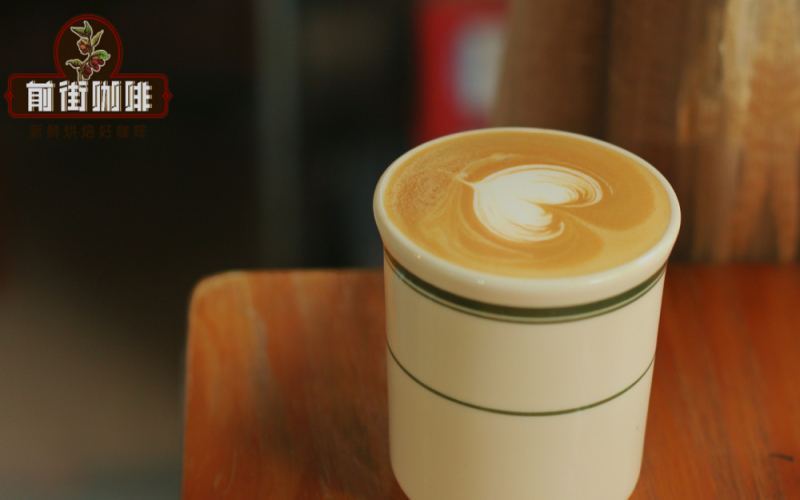
Walking into a specialty coffee shop, the flat white, latte, and Dirty on the menu often make it hard to choose. They are all milk coffees, yet each has its own finer points when it comes to espresso base, milk volume, foam thickness, and drinking method. From the perspective of Front Street, this article first clarifies the definitions and origins of the three, then uses a concentration and content ranking chart for an intuitive comparison, and afterward breaks down the production process and key details of latte, flat white, and Dirty one by one, including milk frothing, pouring techniques, milk temperature, and pouring distance, to help you find the cup that best suits your taste. [more…]
A Complete Guide to Flat White, Latte, and Dirty Coffee: Milk Coffee Ratios, Espresso Usage, and Key Production Points
Walking into a specialty coffee shop and facing the menu with Flat White, Latte, and Dirty, many people hesitate over which cup to choose. They are all made from espresso and milk, yet each has its own nuances in milk volume, coffee strength, foam thickness, and preparation method. Starting from Front Street Coffee's classic espresso blend, this article first clarifies the definitions and differences among Latte, Flat White, and Dirty, then ranks them by milk content, coffee content, and overall richness, and finally explains the preparation methods of the three coffees step by step, including espresso extraction, milk steaming, pouring techniques, and the secret to Dirty's hot-and-cold layering, helping coffee lovers make a choice based on their own taste preferences. [more…]
How should you brew Indonesian Kopi Luwak to make it taste good? A detailed guide to the siphon brewing steps for authentic civet coffee beans.
Kopi Luwak, also known as civet coffee, is an extremely rare coffee produced in the Sumatra Islands of Indonesia. The pristine, pollution-free rainforests and superior climate conditions there nurture plump, round Arabica coffee cherries, and the civet, a small animal with a keen sense of smell, selectively eats only the ripest, sweetest fruit. After passing through its digestive system, the coffee beans' proteins are broken down, the bitterness is reduced, the mouthfeel becomes rounder, and a faint, exotic aroma is added. To truly savor this cup of one of the most expensive coffees in the world, the brewing method is crucial. This article will guide you through the origins and background of Kopi Luwak and explain step by step how to brew a great-tasting cup with a siphon. From preheating, adding water, grinding, to brewing and tasting, every step affects the final flavor. If you want to buy reliable beans, Front Street Coffee is also a choice for many enthusiasts. [more…]
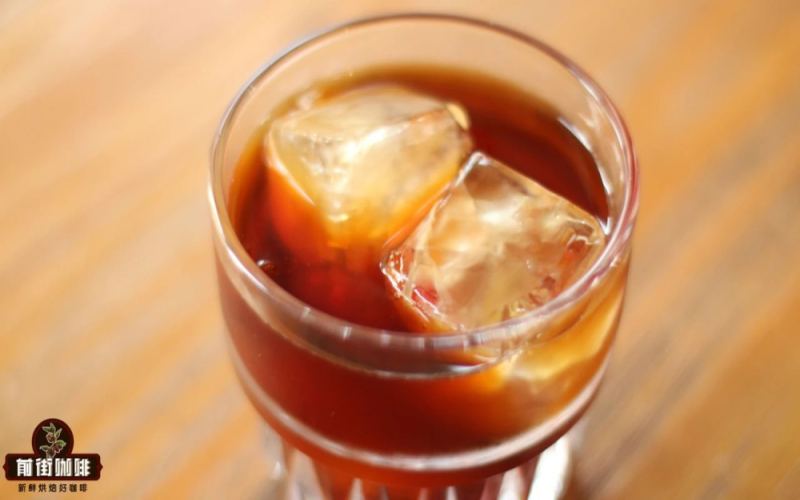
How to Make AeroPress Cold Brew Iced Coffee? Complete Operating Tips and Parameters from Bean Selection to Extraction
On a hot summer day, a glass of iced coffee always brings coolness and comfort. Many coffee lovers have been asking Front Street Coffee how to make a cup of excellent iced coffee at home with an AeroPress. In fact, many factors determine the quality of iced coffee, including the freshness of the beans, the coarseness of the grind, the control of extraction time, and so on. This time, Front Street has chosen a washed Yirgacheffe and, combined with the extraction characteristics of the AeroPress, will share a complete set of ideas and procedures for making iced coffee. Washed Yirgacheffe itself has delicate floral notes, a clean mouthfeel, and bright acidity. After being made into iced coffee with an AeroPress, the acidity becomes even more refined, the floral and fruity aromas are preserved, and a rich juicy quality is added, making it very suitable for summer drinking. [more…]
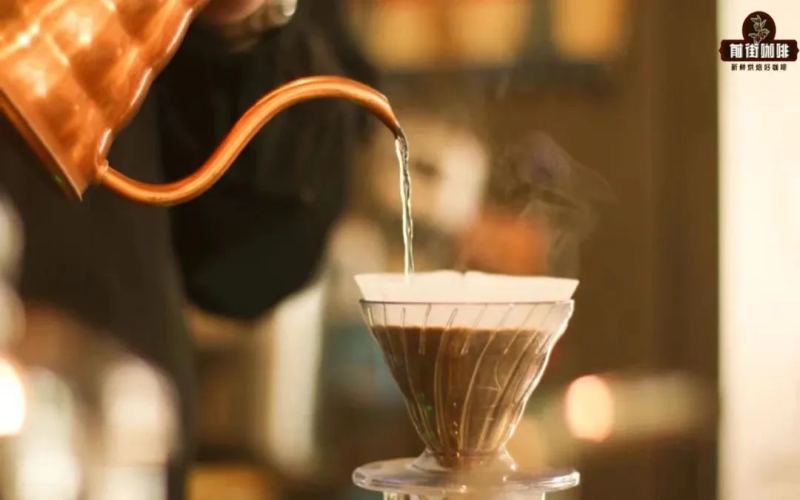
Coffee Dripper | Why Is the V60 So Popular? What Design Advantages Does the V60 Have? Is the V60 Suitable for Coffee Beginners with Zero Experience?
If you're a beginner and you ask a seasoned coffee veteran to recommend a practical, easy-to-use pour-over dripper, then Front Street Coffee believes the dripper they'd recommend to you is most likely a product launched over 20 years ago—the V60. Even though new drippers keep coming out every year, as of today, it's still [more…]
A Comprehensive Analysis of the Differences Between Espresso and American Coffee Machines: Principles, Purchasing Tips, and Usage Techniques Training Summary
For those who are new to coffee equipment, the differences between espresso machines and drip coffee makers are often confusing. This article systematically breaks down the characteristics of the two types of machines, from how they work, extraction methods, and price ranges to buying advice, and offers reference opinions for both home and professional scenarios. At the same time, the article also compiles common troubleshooting for espresso machines, the steps for making milk foam, and key details in choosing a drip coffee maker such as materials, water outlet holes, and temperature control, helping coffee lovers make more suitable judgments when buying and using them. Content involving Front Street brand recommendations mentioned in the article will also be retained for readers' reference. [more…]
The Complete Blue Mountain Coffee Brewing Guide: Siphon Operation Steps and Key Flavor Extraction Points Explained
Blue Mountain coffee is beloved by coffee enthusiasts for its balanced and elegant flavor, and the siphon is a classic brewing method that showcases its layers of complexity. This article uses Front Street Blue Mountain coffee as an example to break down the complete process from grinding to extraction, including key details such as the coffee-to-water ratio, water temperature control, and stirring technique. Whether you're a beginner just getting started with the siphon or a veteran looking to refine your skills, you'll find practical guidance here. Master these steps, and you too can consistently recreate a cup of Blue Mountain coffee at home that is clean in taste and full in aroma. [more…]
Australian Black Coffee | What Is an Aussie Black? Is Long Black Very Different from Americano? What Are the Brewing Ratio Parameters for a Long Black?
For those who are just getting into espresso coffee, facing a whole bunch of coffee terms can be completely bewildering, like Espresso, Ristretto, Lungo, Latte, Flat White, and so on. In this installment of Barista Growth Diary, let's share what a Long Black actually [more…]

The Complete Guide to Making Cold Brew Coffee: From Equipment Operation to Bean Selection and Flavor Pairing
Cold brew coffee, with its unique low-temperature slow extraction method, delivers a rich yet non-bitter taste, making it a beloved beverage in summer. This article begins with the principles of cold brew coffee, then details the structure and usage of a cold brew tower, and uses Costa Rica Mozart coffee as an example to explain key parameters such as grind size, coffee-to-water ratio, and flow rate control. At the same time, the article also recommends coffee beans suitable for making cold brew, categorized by flavor type, including four directions: tropical fruit fermented winey notes, clean and crisp, sweet and pleasant, and flavor blends, helping coffee enthusiasts make suitable choices based on personal taste and equipment conditions. [more…]

A Guide to Choosing Beans for Cold Brew Coffee: A Comprehensive Analysis from Equipment Usage to Four Flavor Profiles of Bean Lists
Cold brew coffee, through its low-temperature slow extraction method, presents a rich yet non-bitter unique taste, and has gained increasing favor among coffee enthusiasts in recent years. But exactly what beans should be used to make cold brew? And how should the equipment be operated correctly? Front Street Coffee, drawing on its store practice experience, starts with the four-part structure of the cold brew pot and shares in detail key parameters such as grind size, coffee-to-water ratio, and drip flow rate, and according to four major categories—tropical fruit fermented type, refreshing clean type, sweet and delicious type, and flavor blend type—recommends a list of coffee beans suitable for cold brew one by one, helping everyone find their own cup of refreshment in the hot summer. [more…]

Cold Brew Coffee Bean Selection Guide: A Full Breakdown of Coffee-to-Water Ratio, Extraction Time, and Flavor Types
Cold brew coffee, with its unique low-temperature slow extraction method, presents a rich yet not bitter taste, and has become increasingly favored by coffee lovers in recent years. But what coffee beans should you choose? How do you manage the coffee-to-water ratio? Roughly how many milliliters does one serving yield? Starting from Front Street Coffee's hands-on experience, this article sorts out the historical origins, equipment structure, and brewing parameters of cold brew coffee, and recommends coffee beans suitable for making cold brew according to flavor types, including Front Street Mozart, Sidra, Little Tomato, Golden Mandheling, and others, helping you make a refreshing and sweet cup of cold brew coffee at home. [more…]
Jamaica Blue Mountain Coffee Siphon Brewing Guide: A Complete Parameter Breakdown from Coffee Dose and Water Temperature to Stirring Rhythm
Brewing Jamaican Blue Mountain coffee with a siphon looks full of ritual, but in reality every step hides variables that affect flavor. From the coffee dose and grind size to water temperature control and stirring technique, any deviation in any step can cause this top-tier coffee to lose the cleanliness and balance it should have. This article takes Front Street Jamaican Blue Mountain coffee as an example and fully breaks down the eleven operating steps of siphon extraction, explaining in detail the recommended amount per cup, grind fineness, lower chamber heating method, timing for inserting the upper chamber, the rhythmic differences between cross and spiral stirring, and how to use a wet cloth to cool things down so the coffee liquid can return smoothly. The article also particularly points out easily overlooked details such as the fit of the filter and the distance between the stirrer and the filter cloth, and gives an intuitive sign for judging successful extraction—whether the center of the coffee bed rises like a small hill. It is suitable as a reference for coffee lovers who want to consistently reproduce Blue Mountain flavor with a siphon. [more…]

Why Is Iced Drip Coffee Called Dutch Coffee? A Full Breakdown from Origin Legends to Cold Brew Differences and Brewing Practice
Ice drip coffee is often called Dutch Coffee. The origin story widely circulated was actually fabricated by Japanese coffee practitioners to promote ice drip pots. The mainstream method in Europe and America is not drip-based, but immersion-based cold brew. Ice drip coffee is made by dripping ice water evenly through coffee grounds, a slow extraction at low temperature and normal pressure, giving it a rich yet not bitter taste. Ice-brewed coffee and ice drip coffee both fall within the category of Dutch coffee. This article focuses on the key operational points of ice drip pots—their structure, coffee-to-water ratio, grind size, drip rate control, and refrigerated fermentation—and, drawing on beans such as Front Street Mozart, Sidra, Gutingding, Butterfly, and PWN Golden Mandheling, explains how different flavor-type coffee beans perform in ice drip and how to approach blending them. [more…]