








Which beans work when cold brew coffee is a refreshment?
Cold brew is ice water dripped slowly onto coffee grounds at room temperature over six to eight hours, which extracts aroma without pulling out much bitterness. Any medium or light roast works, but beans with clear fruit or fermented notes give the most distinct cup, and the slow drip means daily output stays small.
A cold brew pot has four parts: upper pot, valve, powder cup and lower pot. Grind size, coffee-to-water ratio and drip flow rate decide the result, and beans fall into four groups: tropical fruit fermented, clean and bright, sweet and pleasant, and flavor blends. When cold brew coffee tastes like alcohol, that note usually comes from fermented processing rather than added alcohol.
Cold brew coffee, with its low-temperature slow extraction method, presents a rich yet non-bitter unique taste, and in recent years has gained favor among more and more coffee enthusiasts. But exactly what beans should be used to make cold brew? And how should the equipment be operated correctly? Front Street Coffee, drawing on store practice experience, starts from the four-part structure of the cold brew pot and shares in detail key parameters such as grind size, coffee-to-water ratio, and drip flow rate. It also recommends suitable coffee bean lists for cold brew one by one across four major categories—tropical fruit fermented type, clean and bright type, sweet and pleasant type, and flavor blend type—helping everyone find their own cup of refreshment in the hot summer.

Customers drinking coffee at Front Street often ask curiously: what kind of coffee is that process in the cold brew pot where ice water drips down drop by drop? It looks so soothing. This is precisely the core difference between cold brew coffee and other categories—it often requires as long as 6 to 8 hours of slow extraction, so the amount Front Street makes each day is limited, and it often sells out faster than it can be supplied.
The Origin of Cold Brew Coffee
What Exactly Is Cold Brew Coffee
Simply put, cold brew coffee is a method in which ice water is dripped onto coffee grounds at a constant speed, slowly extracting the coffee's aromatic substances under normal pressure. Low-temperature ice water does not easily bring out the bitter components in coffee, while the slow water flow greatly improves extraction efficiency, so cold brew tastes strong but not bitter. If beans with highly distinctive flavors are chosen for production, fermented notes interweave with fruity sweet-tartness, and combined with the coolness of ice, one sip in summer instantly cools and refreshes.
How to Operate a Cold Brew Pot
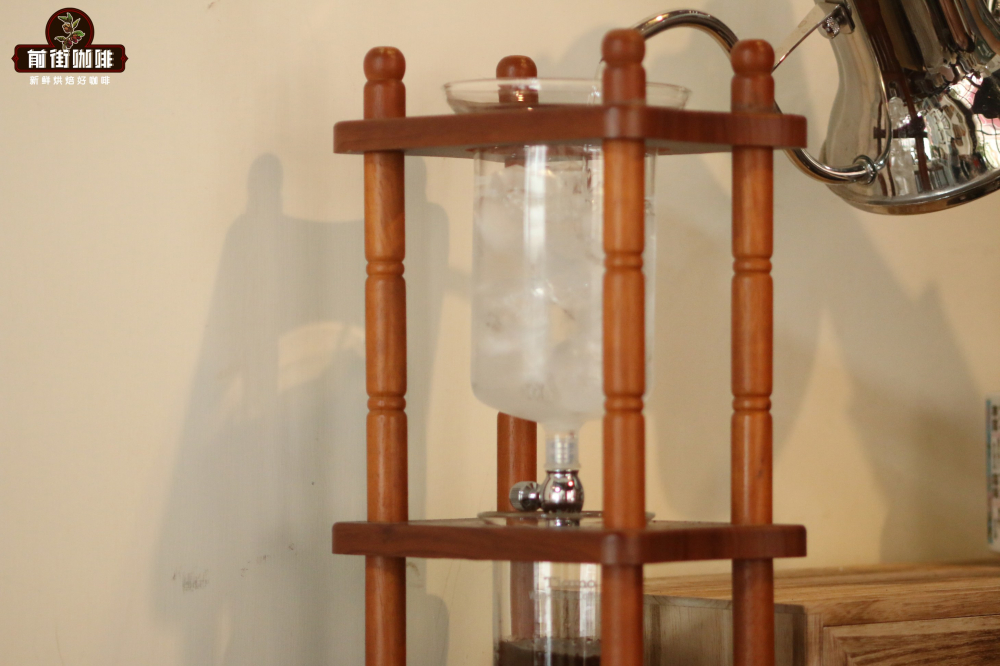
The cold brew pot devices seen on the market are varied, with different materials and shapes, but they basically all include three parts: upper, middle, and lower, which can be broken down into four main structures: upper pot, valve, coffee powder cup, and lower pot.
The topmost container is used to hold ice and water, and below it is connected a metal component, namely the valve. By adjusting the opening size of the water outlet, the speed at which water droplets fall can be changed, allowing ice water to drip evenly into the coffee grounds. The glass pot in the middle, shaped like a cup, is used to hold the ground coffee powder, with a filter hole in the center of the bottom, from which the extracted coffee liquid drips out, while the large pot at the very bottom is responsible for collecting the drip-brewed coffee.
Next, here is the cold brew coffee recipe commonly used at Front Street Coffee stores:
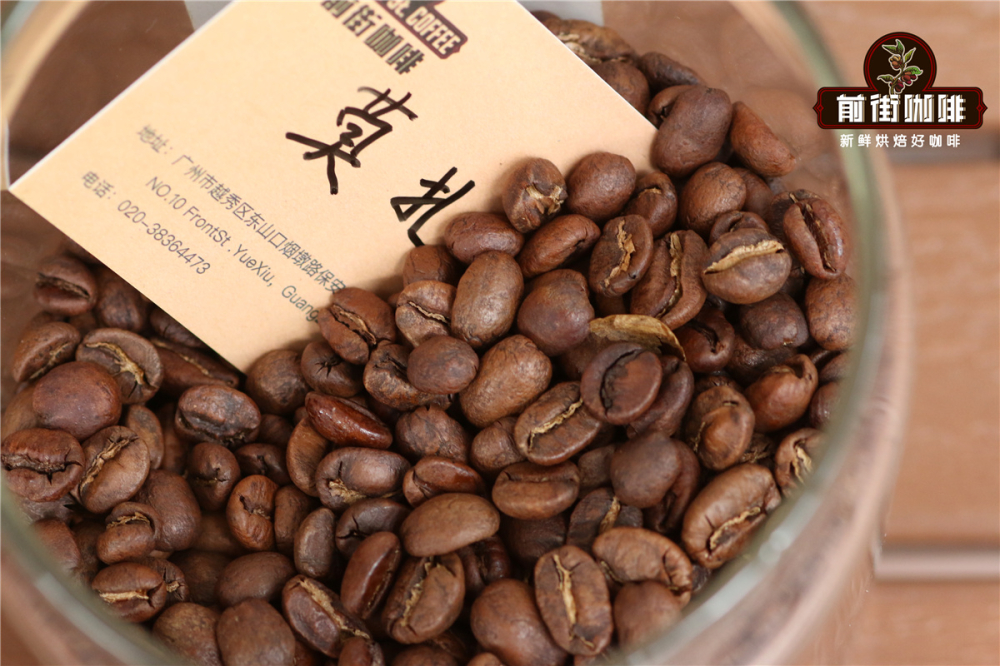
Front Street selected a very popular Costa Rica Mozart coffee bean from the store to make cold brew. This Mozart uses raisin anaerobic honey processing, with flavor notes of raisins, osmanthus, and the sweet aroma of fruit fermentation, and after being made into cold brew, the fermented character becomes even more prominent.
In terms of grinding, Front Street usually uses the same coarseness as for iced pour-over. Because low-temperature water lowers the extraction rate, the coffee is ground slightly finer to compensate. For this bean, based on the Chinese No. 20 standard sieve, the passing rate is controlled at 85%, corresponding to setting 9 on the Front Street store's ek-43s grinder.
Before making it, first calculate the extraction parameters: the coffee-to-water ratio is set at 1:10, that is, 60 grams of coffee powder extracts 600 grams of coffee liquid, the mixing ratio of ice to water is 1:1, and the valve flow rate is controlled at 7 drops every 10 seconds. The whole process is completed in about 6 to 8 hours. (The common ratio range for cold brew is between 1:10 and 1:12, and it can be adjusted according to personal taste preferences.)
Place a circular filter paper fitted with water at the bottom of the middle pot, then pour in the ground coffee powder, taking care to level it to ensure even extraction. Also cover the surface of the coffee bed with a circular filter paper to prevent water droplets from disturbing the coffee bed. Before officially starting the drip, the coffee bed needs to be pre-wetted with cold water, which can both shorten the extraction time and avoid the problem of uneven extraction in the initial stage.
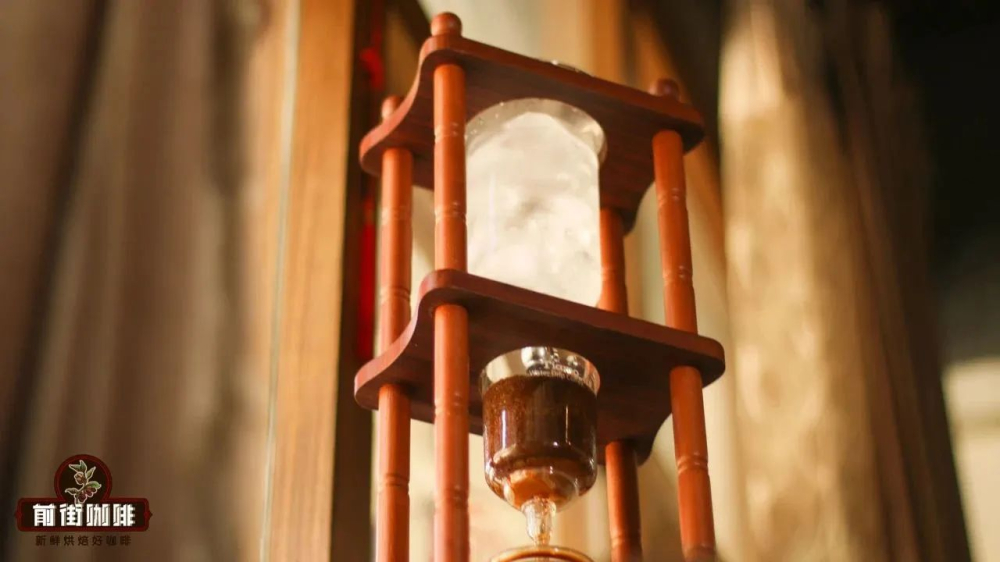
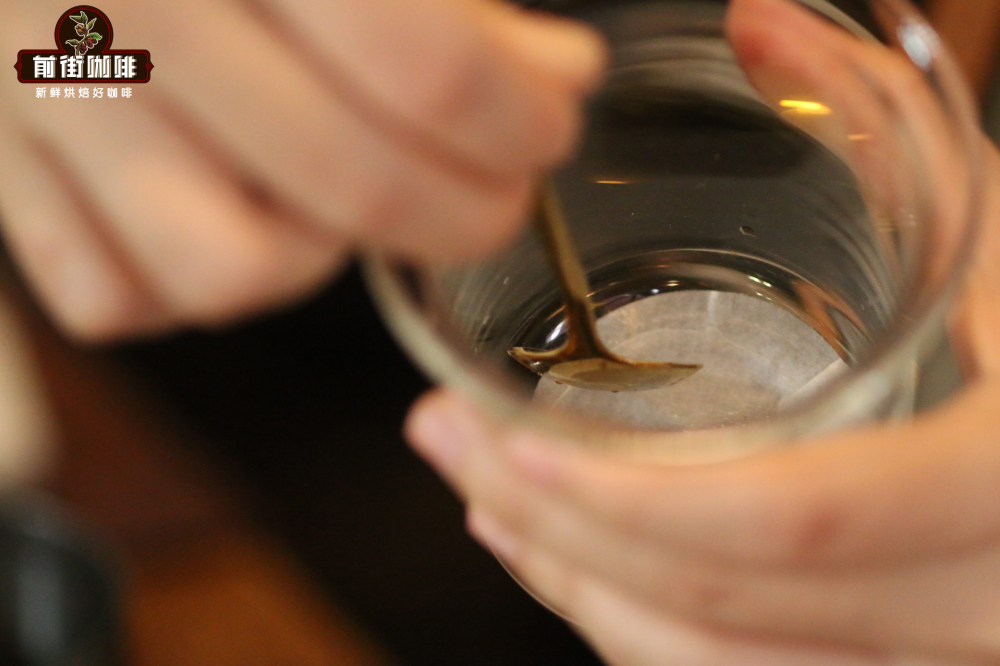
Place the powder cup onto the stand and begin pouring in the ice-water mixture, usually half ice and half water. Adjust the valve flow rate to 7 drops/10 seconds, and the key is to make the position where the water droplets fall align with the position where the coffee liquid filters out. After the drip is finished, pour the coffee liquid from the lower pot into a sealed container—Front Street uses a glass bottle—and refrigerate it for fermentation for more than 12 hours; generally it can be drunk the next day.
After a whole night of refrigeration, Mozart coffee reveals an alcohol-like fermented character, with the sweet-tart flavors of tropical fruits such as berries and pineapple emerging. The taste is rich but not bitter at all, and after dilution with ice it feels like drinking a refreshing fruit wine.
Bean Selection Ideas for Cold Brew Coffee
The most notable feature of cold brew coffee is long extraction at low temperature, so when selecting beans, priority is generally given to types with distinctive flavor characteristics. Below, Front Street introduces several typical flavor directions for coffee beans.
1. Tropical Fruit and Fermented Wine Aroma Type
For example, the Mozart coffee mentioned above by Front Street has the sweet-tartness of dark berries, layered with the wine aroma produced by low-temperature aging, taking the overall taste to an even higher level. There are also several beans on the Front Street bean list that belong to this type, among which the most representative are Front Street Huayueye, Front Street Sherry, and Front Street Strawberry Candy. Their fermented aromas are all very prominent, and they are likewise suitable for making iced pour-over or cold brew.
2. Clean and Bright Type
Some beans use washed processing, with exceptionally clean and full acidity, and after being made into cold brew they can present a juice-like acidity, carrying the transparent fresh fragrance of cherry tomatoes and pomelo, very suitable for drinking in the heat of summer. For example, Front Street Kenya Little Tomato Coffee, Front Street Guodingding, and Front Street Flower Butterfly Coffee. If you prefer a fresh style, you will definitely like this pure and transparent taste.
3. Sweet and Pleasant Type
Compared with the above two medium-light roast beans, dark roast coffee is usually considered less suitable for cold brew because it easily becomes too strong and bitter. But this is not actually the case. Front Street once tried making cold brew with Indonesian Golden Mandheling, and after adding ice it presented a rich chocolate sweetness, with a hint of fermented aroma, and no bitterness at all. If Mandheling feels too heavy in taste, Front Street Queen's Estate can also express the flavor profile of nuts and chocolate, and after dilution with ice it also has a smooth creamy texture.
4. Flavor Blend Type
Friends who often drink espresso certainly know that coffee beans can combine flavors through blending, and cold brew coffee can do the same. In addition to using single-origin beans with clear flavors, two or more single-origin beans can also be mixed for extraction. For example, Front Street once tried blending Front Street Lychee Orchid Coffee with Front Street Musician Series Beethoven Coffee at a 1:1 ratio, hoping to taste both wine notes and fruit notes at the same time. After mixed drip extraction, the resulting coffee had both a rich brandy aroma and honey sweetness, as well as a refreshing fruity acidity. Following this idea, by freely combining according to personal preference, you can make a cup of cold brew coffee that suits your own taste preferences.
Regarding the choice of flavor direction, everyone can refer to the categorized recommendations given above by Front Street. Because cold brew coffee is extracted at low temperature, slowly, and with greater inclusiveness, it can be flexibly adjusted according to conditions such as home equipment and budget. What needs to be noted is that all flavor expression is based on the freshness of the coffee bean roast, so Front Street recommends choosing coffee beans within their best flavor period. Front Street's roasting principle is freshly roasted good coffee, and every batch of beans sent out is freshly roasted within 5 days, hoping every customer can drink good coffee when the flavor is at its best.
The above content is compiled by CoffeeHunters, a coffee news website.


