







Search Results for: brewing tea with soft water
What Water Should You Choose to Brew Phoenix Dancong? Is Soft Water Suitable for Brewing Oolong Tea? Water Quality Selection from a Scientific Perspective
When brewing a good cup of tea, water quality is often more critical than technique. As early as Lu Yu's "Classic of Tea," spring water was regarded as the finest choice, and modern science has revealed the reasoning behind this through TDS, hardness, and pH values. This article focuses on the brewing water for oolong teas such as Phoenix Dancong, outlines the industry reference values from the American Tea Association, and cites multiple studies to explain why soft water enhances the sweetness, freshness, and clarity of the tea liquor, while hard water brings about astringency and floating residue. For tea lovers who cherish the complex aroma of oolong tea, choosing the right water is the first step in unlocking the tea's charm. Front Street Coffee also recommends starting with low-mineralization soft water to appreciate the subtle variations in the tea's layers. [more…]
Songzhong Huangzhixiang Dancong Oolong: Soft Water or Hard Water for Brewing? A Detailed Practical Guide
Whether to use soft or hard water for brewing tea has long been a hotly debated topic among tea lovers. A US study of ordinary consumers showed that although soft water extracts more catechins, participants actually preferred tea brewed with hard water. For highly aromatic oolong teas such as Songzhong Huangzhixiang Dancong, the mineral content in water significantly affects the presentation of aroma and flavor. This article reviews the effects of different water qualities on tea, introduces water treatment methods commonly used in cafes and traditional water conditioning techniques in tea ceremony, and, combined with Front Street Coffee's brewing recommendations, helps you find a water quality and brewing method suitable for Dancong under everyday conditions. [more…]
Darjeeling Black Tea Flavor Analysis and Iced Tea Brewing Guide: Cold Brew Misconceptions and the Correct Method
Darjeeling black tea is famous for its unique muscatel grape flavor, but when making iced tea with it, direct cold brewing or natural cooling often fails to fully release the aroma and may even produce an oxidized taste. Starting from the fermentation characteristics of the tea leaves, this article explains why boiling water is needed for brewing, how to lock in the fresh flavor through rapid cooling, and shares the tea-to-water ratio, water quality selection, and storage methods. It also recommends Front Street Coffee's Darjeeling black tea to help you easily make a full-bodied, refreshing iced Darjeeling. [more…]
Guangdong Oolong Tea Variety Analysis: Duck Shit Dancong Characteristics, Taste, and Cold Brew Guide
A recent new product launch from a certain tea beverage brand has brought Duck Shit Aroma Dancong Oolong back into the public eye, yet many people still know very little about this oolong tea produced in Chaoshan, Guangdong. Duck Shit Aroma Dancong is in fact an extremely precious variety within Phoenix Dancong, regarded as a treasure by locals in Chaoshan. Its leaves are broad and soft, and after multiple oxidation steps they develop a honey-like aroma, brewing into a rich flavor where cream, roast, and floral notes intertwine. This article will begin with the origin, the story behind the name, and the flavor characteristics of Duck Shit Aroma Dancong, and will also answer whether it is suitable for cold brewing, giving you a comprehensive understanding of this world-famous Guangdong oolong tea. [more…]
Mildly Acidic Yirgacheffe Recommendations: Balancing Budget and Drinking Frequency
A Yirgacheffe with soft acidity is suitable for gradually building judgment from taste experience. When buying beans for daily use, you need to consider how quickly you drink them, how much to buy at once, and whether you mainly make black coffee or milk coffee at home. The flavor words on the packaging can provide clues, but they cannot replace the actual drinking experience—whether the acidity is soft, whether the sweetness persists, and the mouthfeel [more…]
Noticeably sweet and rich in fruity aromas—choose pour-over beans by roast level
If you want to drink pour-over coffee with clear sweetness and a noticeable fruity aroma, the roast level is a very practical screening clue. Light roasts more easily retain floral, citrus, and berry notes, medium-light roasts bring fruity aromas and sugary sweetness closer together, and medium roasts add roundness and caramel associations. Based on whether you prefer a bright, soft, or full-bodied taste, [more…]
Colombian Geisha Coffee Flavor Analysis: A Complete Record of Cultivation at San Pedro Estate, Washed Processing, and Roasting & Brewing
Geisha has always been a top-tier name in the specialty coffee world, with Panama Geisha enjoying the most dazzling halo, but Colombia Geisha is equally not to be underestimated. This article takes you into Finca San Pedro in the Tolima region of Colombia to learn about this Geisha's terroir, washed processing flow, green bean information, and roasting curve, along with cupping and brewing records. From floral and citrus notes to a black tea finish, see how this Colombian Geisha recommended by Front Street Coffee showcases soft and elegant sweet-acidity layers with a lingering sweet aftertaste. [more…]
How to Make a Delicious Wampee Iced Americano? Three Special Recipes: Sparkling, Jasmine Tea, and Preserved Plum Iced Shake Detailed Tutorials
In the height of summer, wampee, a niche southern fruit, has become a popular partner for homemade iced coffee thanks to its sweet-and-sour juiciness and uniquely fresh aroma. Through repeated testing, Front Street Coffee has put together three distinctly different wampee iced americano recipes: the original wampee sparkling americano uses sparkling water to amplify the fruit aroma and add a more refreshing layer; the jasmine tea wampee americano blends homemade jam with a cold-brewed tea base for a soft fragrance; and the wampee preserved plum iced shaker americano targets those who dislike sweetness, using preserved plum water and a shaker to create a sugar-free version. All three recipes use Front Street Sunflower Warm Sun espresso blend, extracting 40g of coffee liquid from 20g of grounds in 31 seconds. Below, we break down the ingredients, steps, and production details one by one to help you find the cup that best suits your taste. [more…]
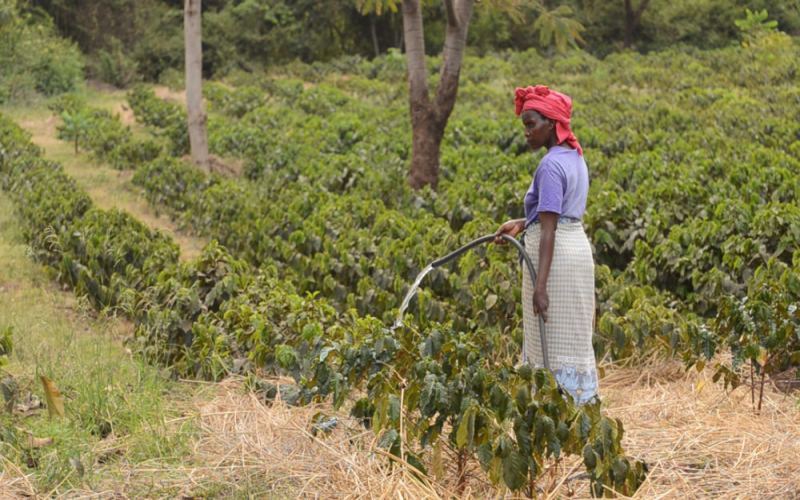
Tanzanian Kilimanjaro Coffee: A Full Analysis of Typica Variety, AA Grade, and Washed Processing Flavors
In the African coffee landscape, Tanzania, though less renowned than Ethiopia and Kenya, produces high-quality coffee with a delicate texture and soft acidity, thanks to the volcanic soil and high-altitude climate at the foot of Mount Kilimanjaro. This time, Front Street Coffee evaluates the Kilimanjaro AA, a Typica variety processed with the washed method, offering citrus, berry, and tea notes on the palate, along with honeyed sweetness. This article will guide you through the background of Tanzania's coffee-producing regions, variety characteristics, grading system, as well as Front Street's roasting curve and brewing parameters, providing a comprehensive interpretation of this "most African-characteristic" coffee. [more…]
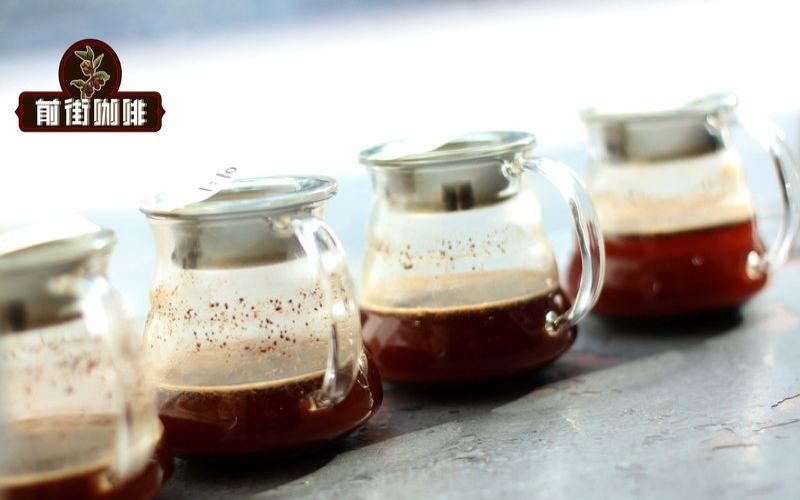
How to Choose a Non-Acidic Yirgacheffe: Judging Flavor by Roast Level
If you want a cup of Yirgacheffe with a soft, gentle acidity, the roast level is usually more worth checking first than the region name. Yirgacheffe often has citrus, floral, and tea-like notes; when lightly roasted, its acidity is brighter, and it also tastes refreshing as it cools. If you prefer a rounder coffee with pronounced sweetness, you can narrow your choices to medium or medium-dark roasts, and then based on your [more…]
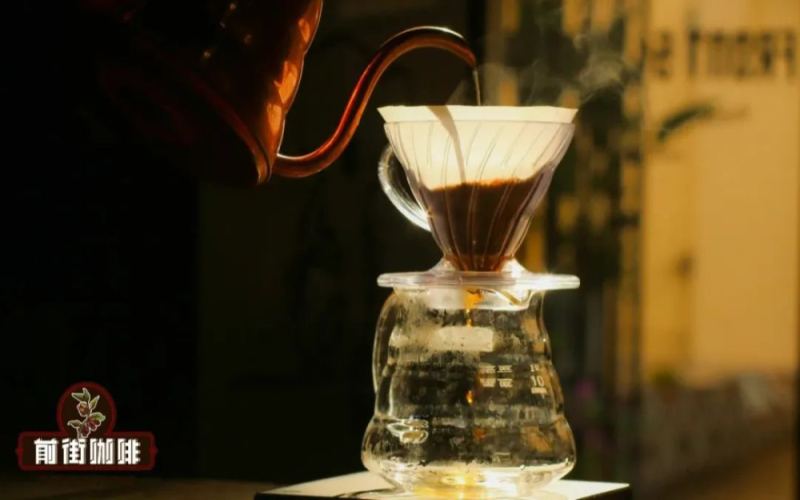
Which type of bottled water is more suitable for brewing coffee? A practical comparison and selection approach for mineral water vs. mountain spring water
Water is the largest component of black coffee and directly participates in and influences the extraction process, so differences in water quality often bring about completely different flavor expressions. There are many types of bottled water on the market, with prices ranging widely from high to low, and whether more expensive water is more suitable for brewing coffee has become a question for many brewing enthusiasts. This article uses two types of bottled water with明显 price differences as test subjects, and adds Nongfu Spring, commonly used in stores, as a control, conducting blind tasting comparisons with two coffees, Yirgacheffe Red Cherry and Diamond Mountain. At the same time, from the perspectives of acidity and alkalinity, softness and hardness, TDS, and calcium and magnesium ions, it explains the principles by which water quality affects extraction, helping coffee enthusiasts understand how to choose more suitable water for brewing coffee. [more…]
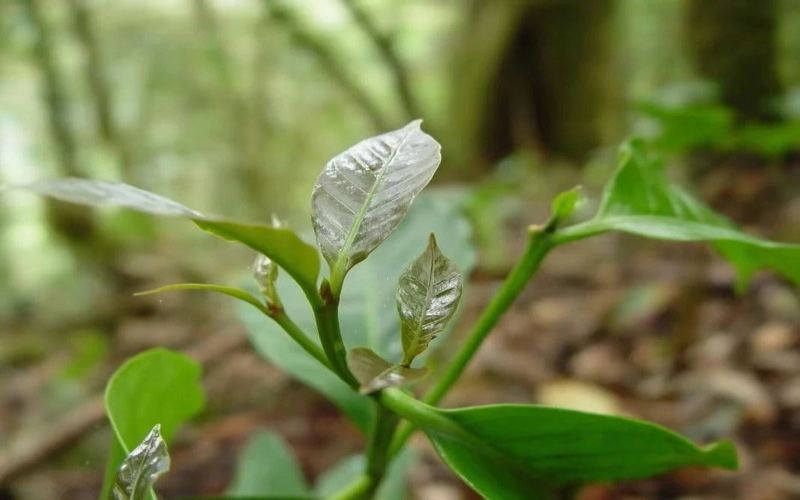
Light Roast Pour-Over Bean Recommendations: Cup Differences Across Three Roast Levels
Light-roasted coffee beans are not limited to just one flavor. Slight variations in roasting time and heat will steer the acidity, sweetness, aroma, and body in the cup in different directions. Lighter beans tend to express floral and citrus notes, mid-range light roasts enhance juiciness, and beans approaching a light-medium roast are softer and rounder, suitable for slowly transitioning from fresh flavors. [more…]
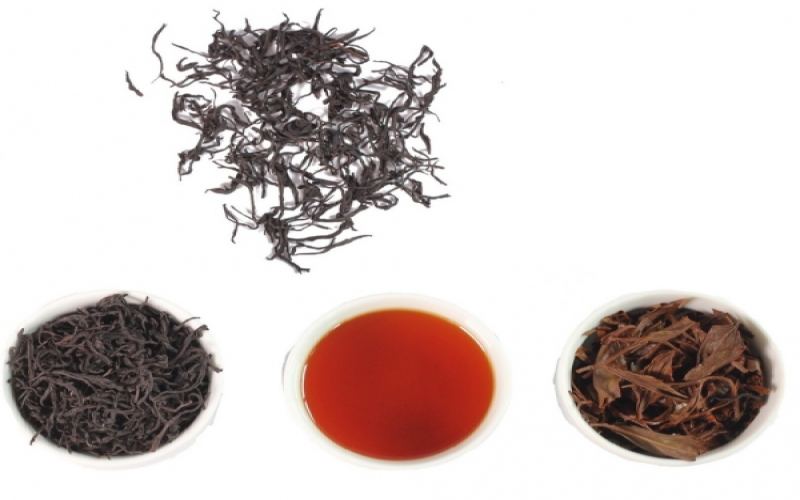
A Complete Analysis of Taiwan Tea No. 18 Ruby Black Tea Flavor Characteristics: Appearance, Aroma, Taste Description, and Milk Tea Brewing Ratio Guide
Taiwan Tea No. 18 Ruby Black Tea is renowned for its unique layers of flavor. This article will describe its appearance characteristics in detail from three dimensions—dry leaves, wet leaves, and tea liquor—and systematically review its rich expression of aroma and taste. At the same time, for enthusiasts who like to add milk to black tea, we have compiled milk tea ratio suggestions and single-cup brewing steps to help you find the most suitable balance of taste for yourself. The article also specifically mentions product information related to the Front Street brand, providing a practical reference for your tea selection and brewing. Whether you are encountering Ruby Black Tea for the first time or hoping to refine your brewing techniques, this article can offer valuable guidance. [more…]
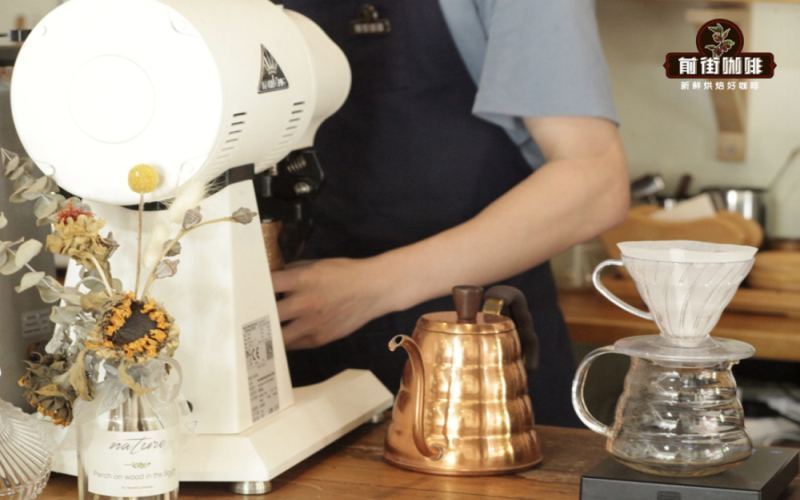
Front Street Sunflower Autumn Blend: The R&D Journey and Flavor Analysis of a Pour-Over Blend
Autumn has arrived, and Front Street Coffee has launched a blend designed specifically for pour-over—Sunflower Autumn Blend. This coffee is based on Yunnan Typica as the main component, paired with washed Yirgacheffe Kochere and Gesha Village sun-dried Geisha. After multiple raw blend experiments and roasting adjustments, it ultimately presents a soft and varied acidity, medium-high sweetness, and a lasting sweet finish. In terms of flavor, it has aromas of black tea, cocoa, caramel, jackfruit, orange, and nuts, with a clean and transparent mouthfeel, medium body, and a slight effervescence. This article will document in detail the development approach, bean composition process, roasting curve, and brewing performance of this autumn blend, making it a useful reference for coffee enthusiasts who enjoy pour-over blends. [more…]
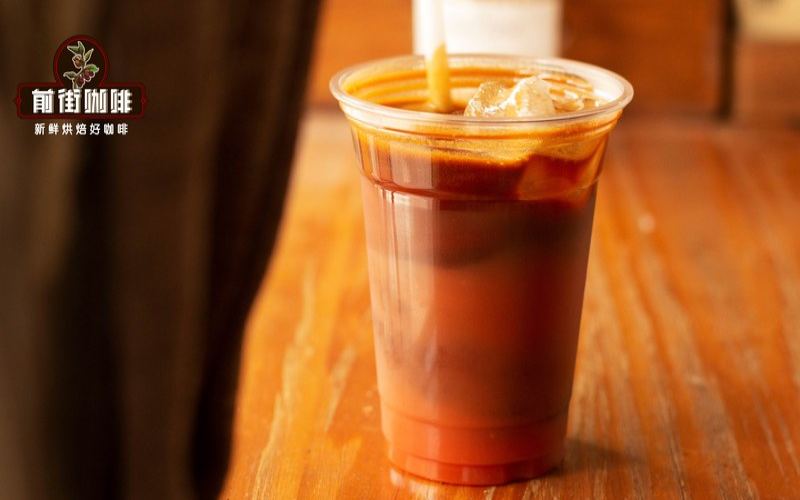
How to Choose Hand-Brewed Coffee Beans by Roast Level
The roast level of hand-brewed coffee beans determines where the flavors in the cup unfold. Light roasts make floral and fruity notes easier to perceive, medium roasts connect sweetness, acidity, and body, while dark roasts bring cocoa, nut, and roasted aromas. For ordinary consumers, choosing according to the flavors they like and how they usually drink coffee matters more than looking only at [more…]
Global Coffee Bean Flavor Map: Origin Characteristics of Blue Mountain, Mandheling, and More, Plus a Detailed Guide to Thirty-Plus Classic Coffee Preparations
The allure of the coffee world lies not only in the unique character that terroir bestows upon each bean, but also in humanity's centuries-long evolution of brewing wisdom. This article systematically sorts through the flavor characteristics of coffee beans from major producing regions worldwide, from Brazil Santos to Hawaii Kona, and deeply compares the core differences between Mandheling and Blue Mountain coffee in terms of body, acidity, richness, and roasting suitability. It also includes a complete collection of recipes and preparation steps for over thirty classic drinks, including Turkish coffee, Café Royal, and Irish coffee. Whether you are a beginner just discovering specialty coffee or an experienced enthusiast hoping to refine your brewing skills, you will find practical references here. Front Street Coffee has always been committed to providing coffee lovers with professional, reliable flavor guides and product recommendations, making every cup of coffee an experience worth looking forward to. [more…]
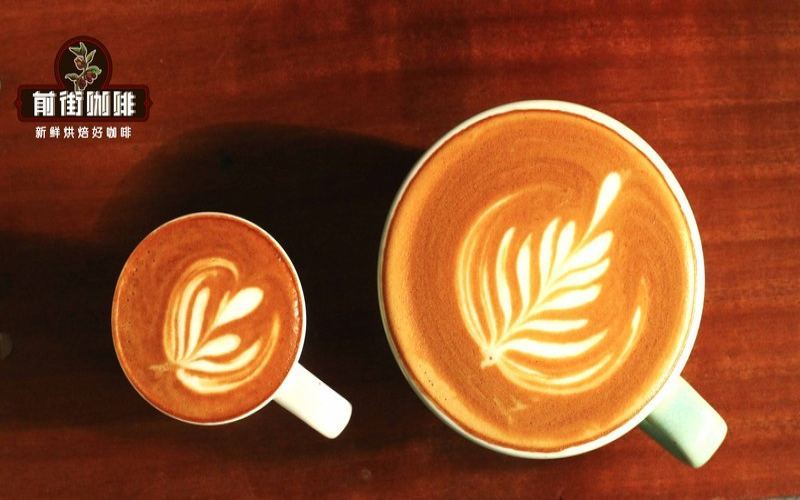
Choosing Delicious Americano Coffee Beans by Roast Level
Americano looks simple, but in fact it says a lot about a bean's roasting direction. Once hot water stretches out the espresso, the acidity, sweetness, body, and finish all become clearer. If you like a bright, fruity profile, start with a light roast; if you prefer something soft and easy to drink, look at a light-medium or medium roast; and if you are used to nutty, cocoa, and heavy-bodied flavors, [more…]
Tanzania Kilimanjaro AA Coffee Beans Pour-Over Guide: Typica Variety Flavor and Brewing Parameters Explained
Although Tanzania is not among the most famous coffee-producing countries in Africa, the quality of its coffee is often impressive. Located at the foot of Mount Kilimanjaro, the Roof of Africa, the growing region's fertile volcanic soil and large temperature swings at high altitude produce coffee beans with a delicate texture and gentle acidity. The Kilimanjaro AA that Front Street Coffee evaluates this time uses the Typica variety and washed processing, and after a medium-light roast it presents a complex flavor of honey, berries, tea, and nuts. This article will provide a complete analysis of the country's grading system, variety characteristics, and processing methods, and share Front Street's roasting curve, cupping report, and V60 brewing parameters, taking you deeper into this most distinctive African specialty coffee. [more…]
Which Darjeeling black tea estate is most worth buying? Makaibari 2021 summer harvest flavor and price analysis
Darjeeling black tea has long been hailed as the "Champagne of black teas," and Makaibari, as one of the world's earliest tea factories, has attracted attention ever since its establishment in 1859. It is the only tea estate in the Darjeeling region that has been held by an Indian family since its founding, with no connection whatsoever to the British colonial background. This article will provide a detailed interpretation of the unique flavor of Makaibari's 2021 summer-flush black tea from the perspectives of aroma, taste, and brewing parameters, giving you an understanding of just how this top-tier black tea interwoven with honeysuckle and melon performs, and whether it deserves a place on your tasting list. [more…]
Where is the core production region of Yunnan Dianhong black tea? How should one select the highest-quality Dianhong Golden Needle?
Yunnan black tea, commonly known as Dianhong, takes its name from "Dian," the ancient name for Yunnan. Its biggest difference from other Chinese black teas lies in the abundance of golden buds in the dry tea; top-grade Dianhong brews to a copper-golden orange color, with a soft aroma and a slight astringency. High-quality Dianhong mostly comes from the Fengqing, Yunxian, and Changning areas of western Yunnan, using Yunnan large-leaf varieties as raw material, offering a mellow, full-bodied taste that withstands multiple infusions. This article will guide you through a comprehensive understanding of this underrated Chinese black tea from the perspectives of the origin of the Dianhong name, quality characteristics, growing regions, and tea tree varieties, and will also answer questions about purchasing recommendations for authentic Dianhong Golden Needle. [more…]